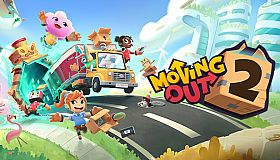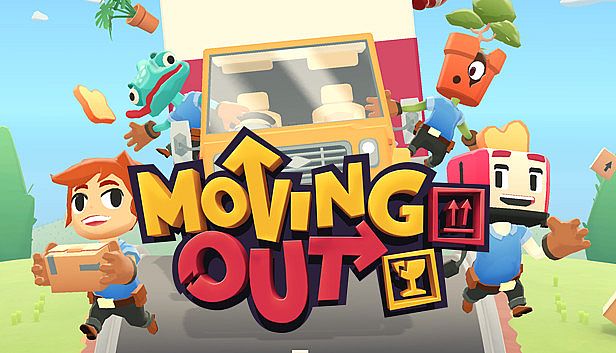






























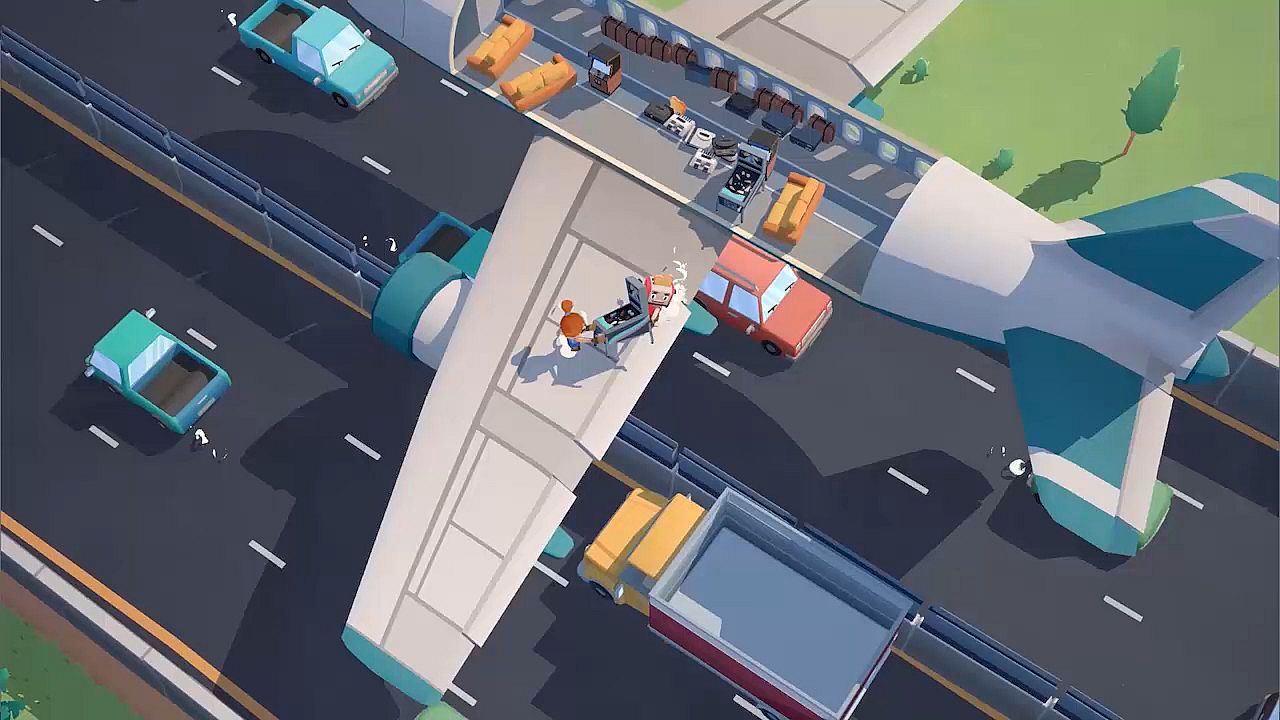
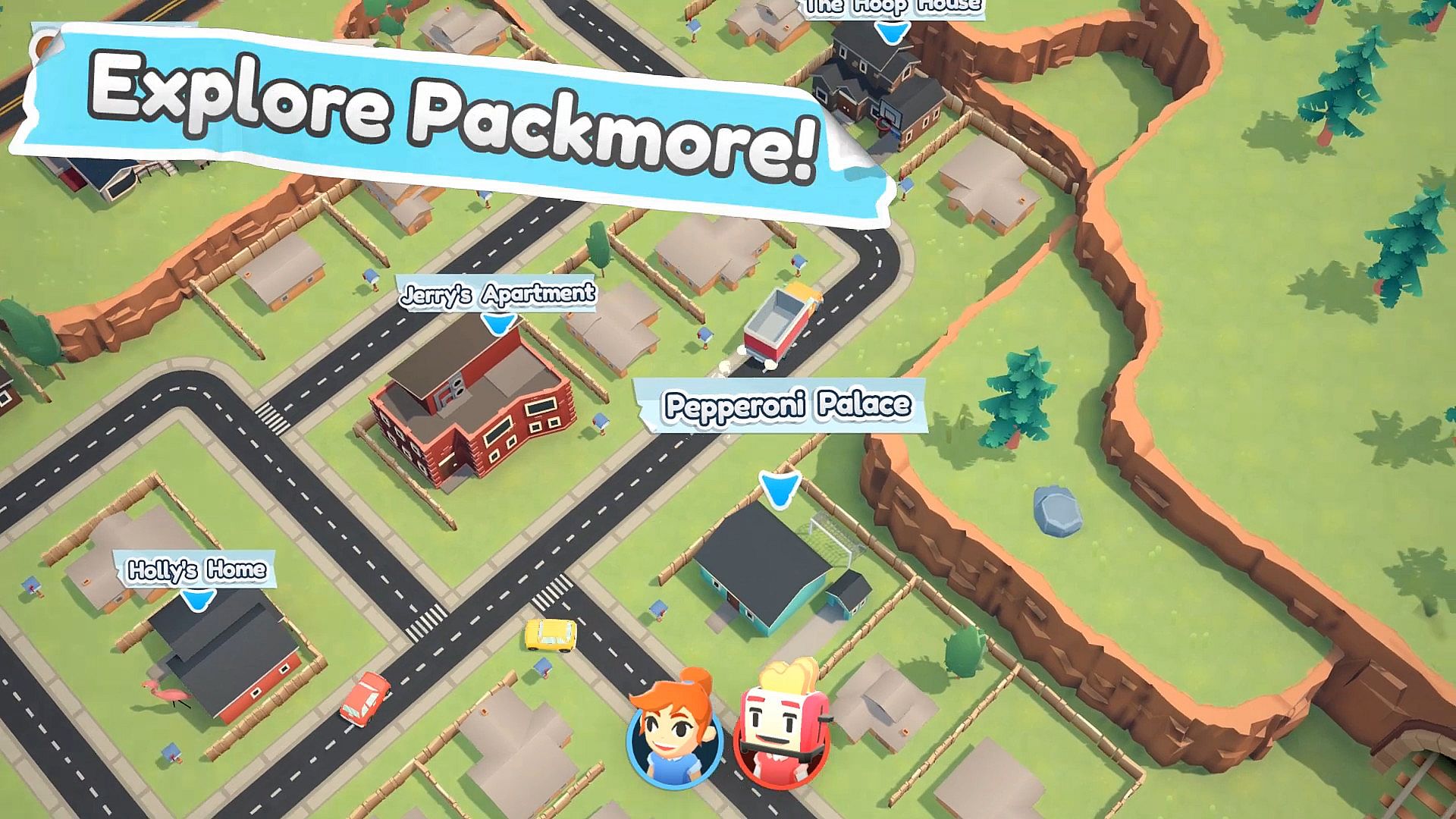
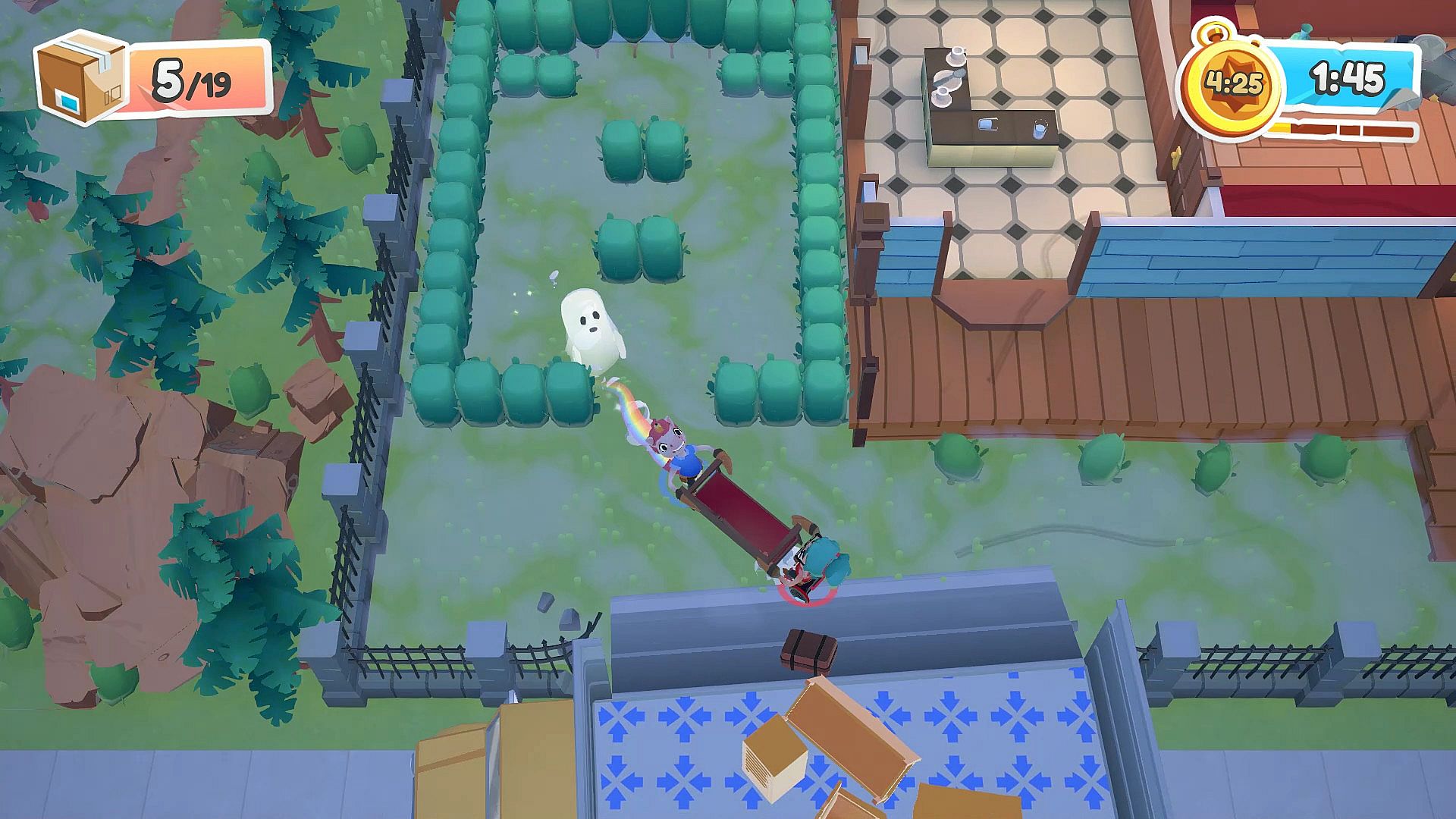
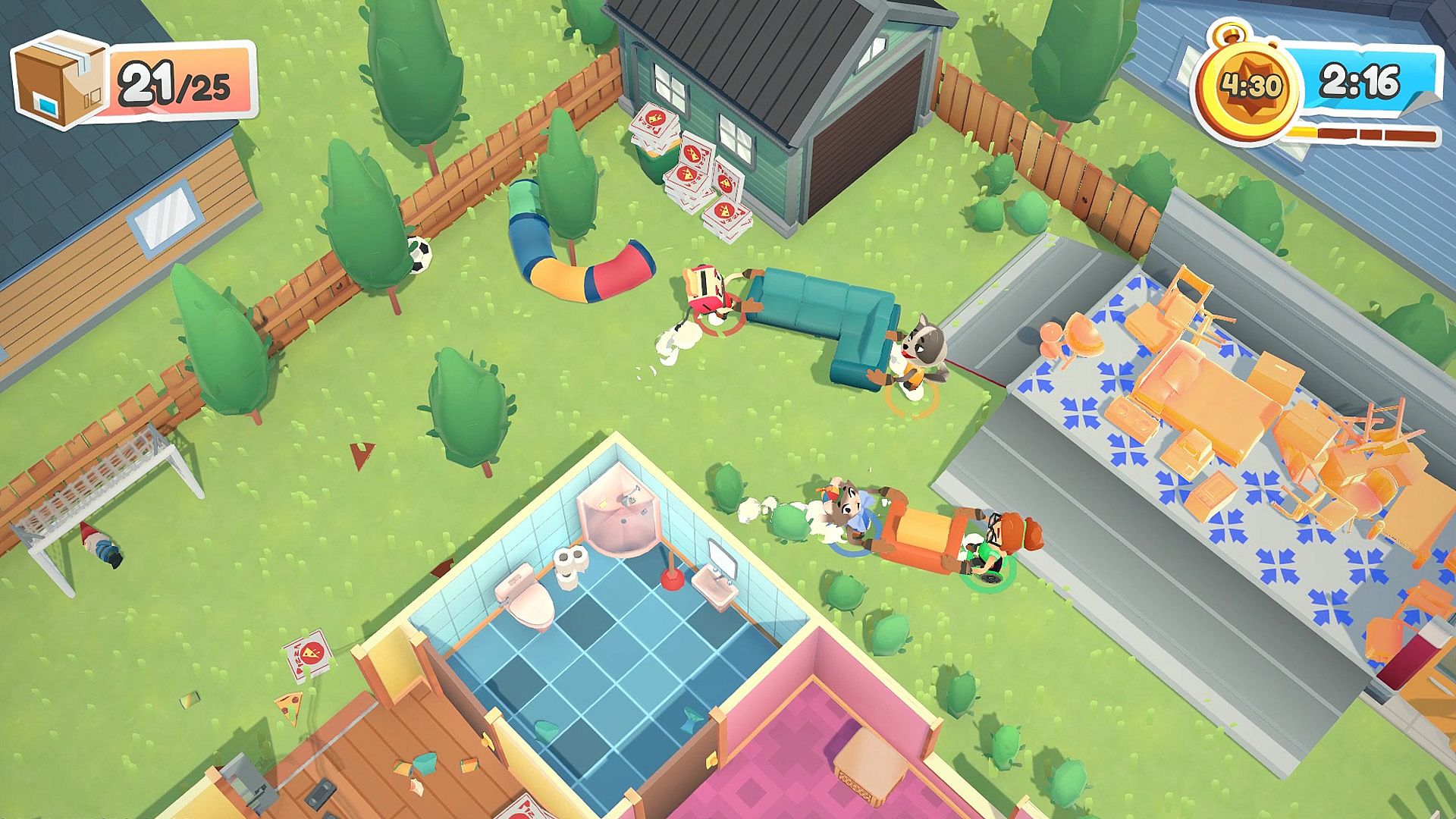
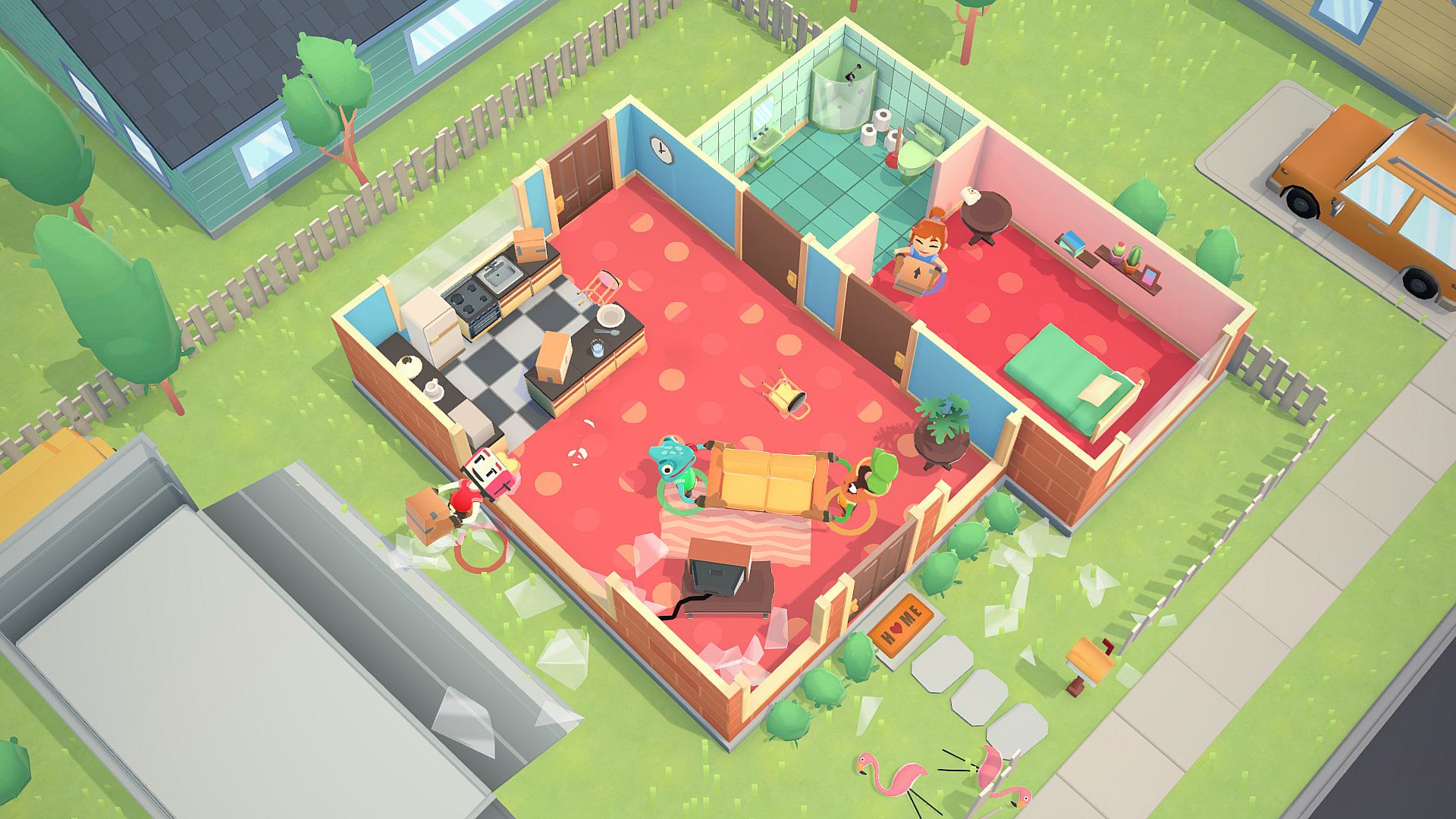
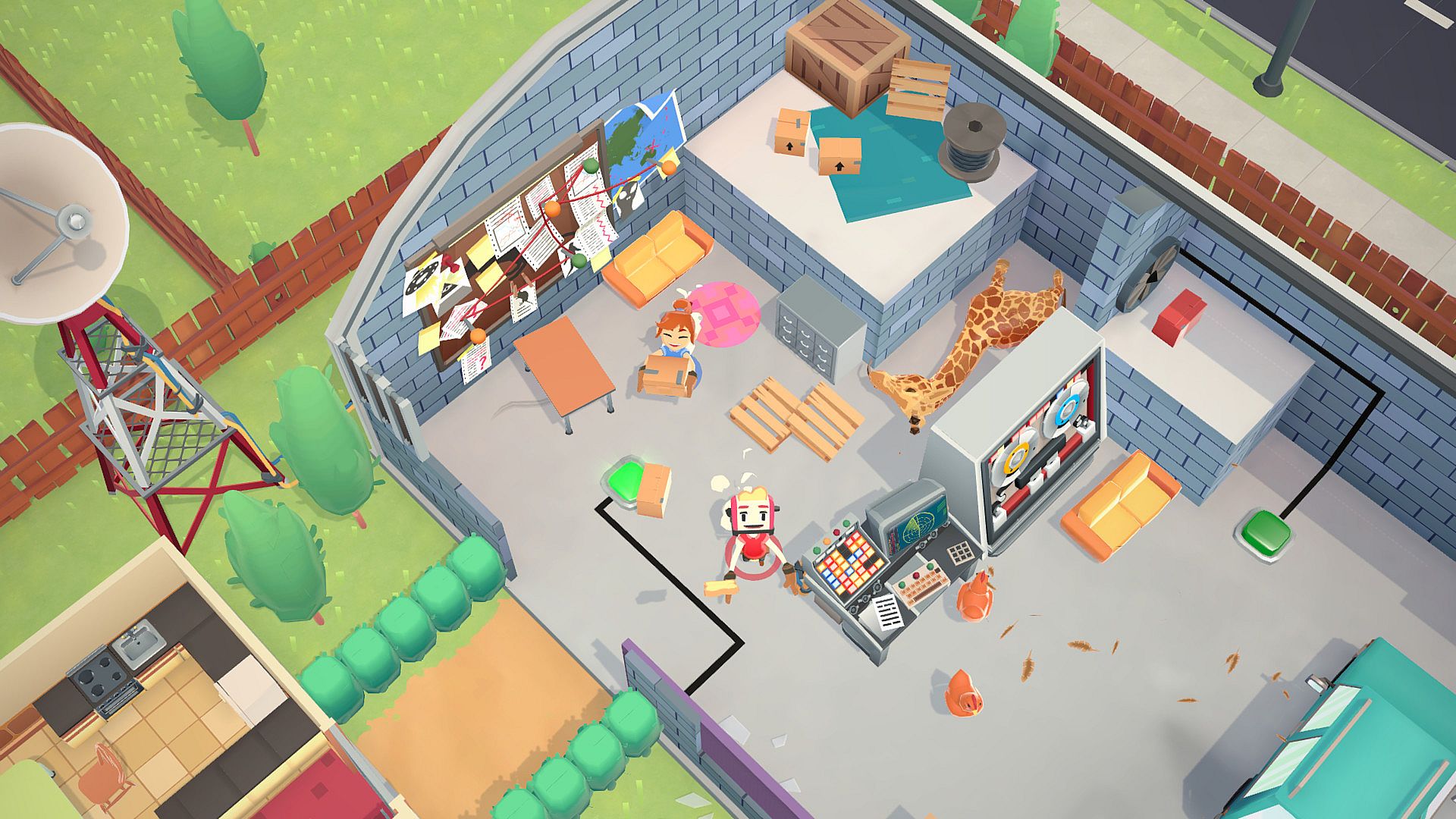
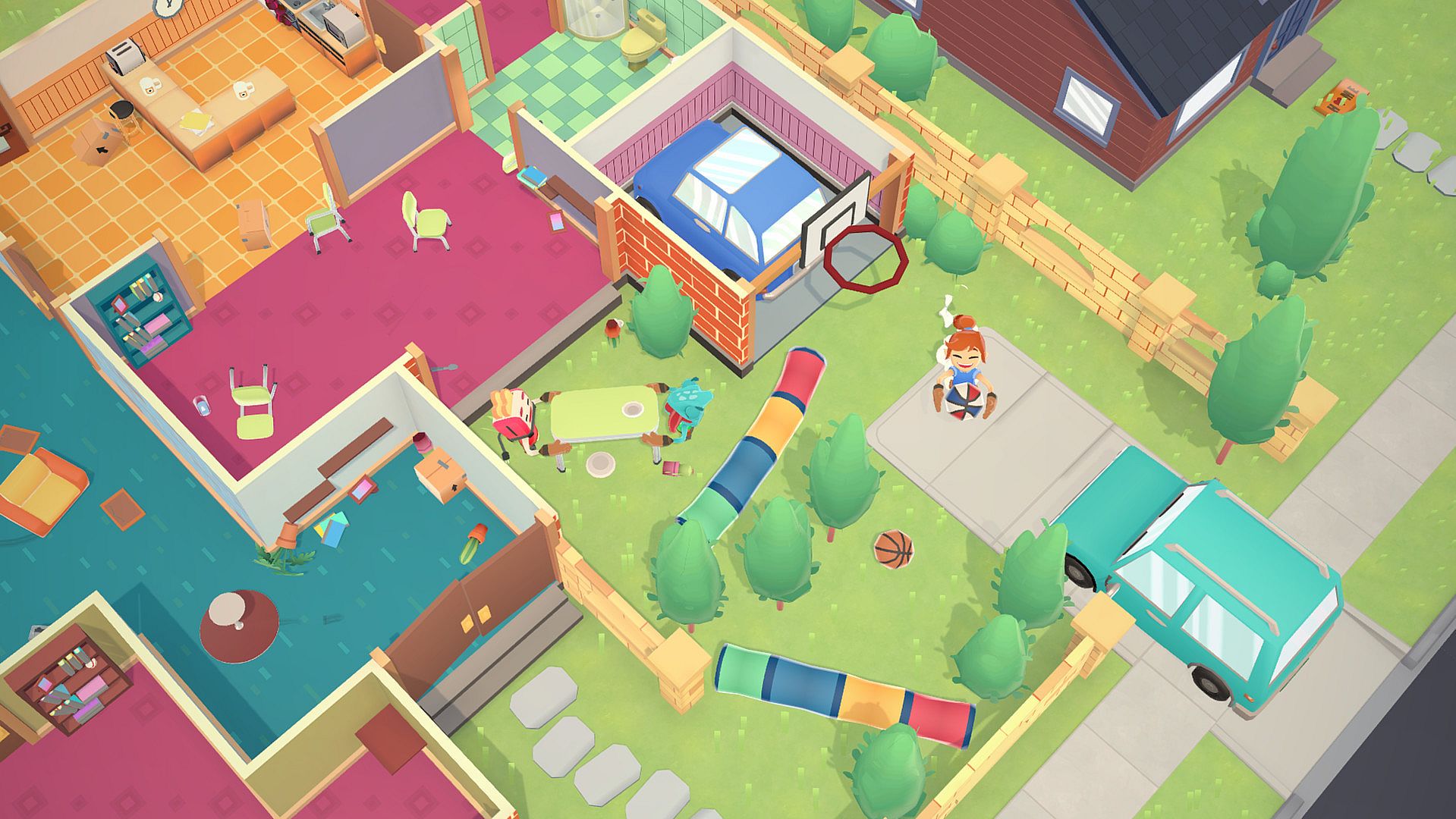

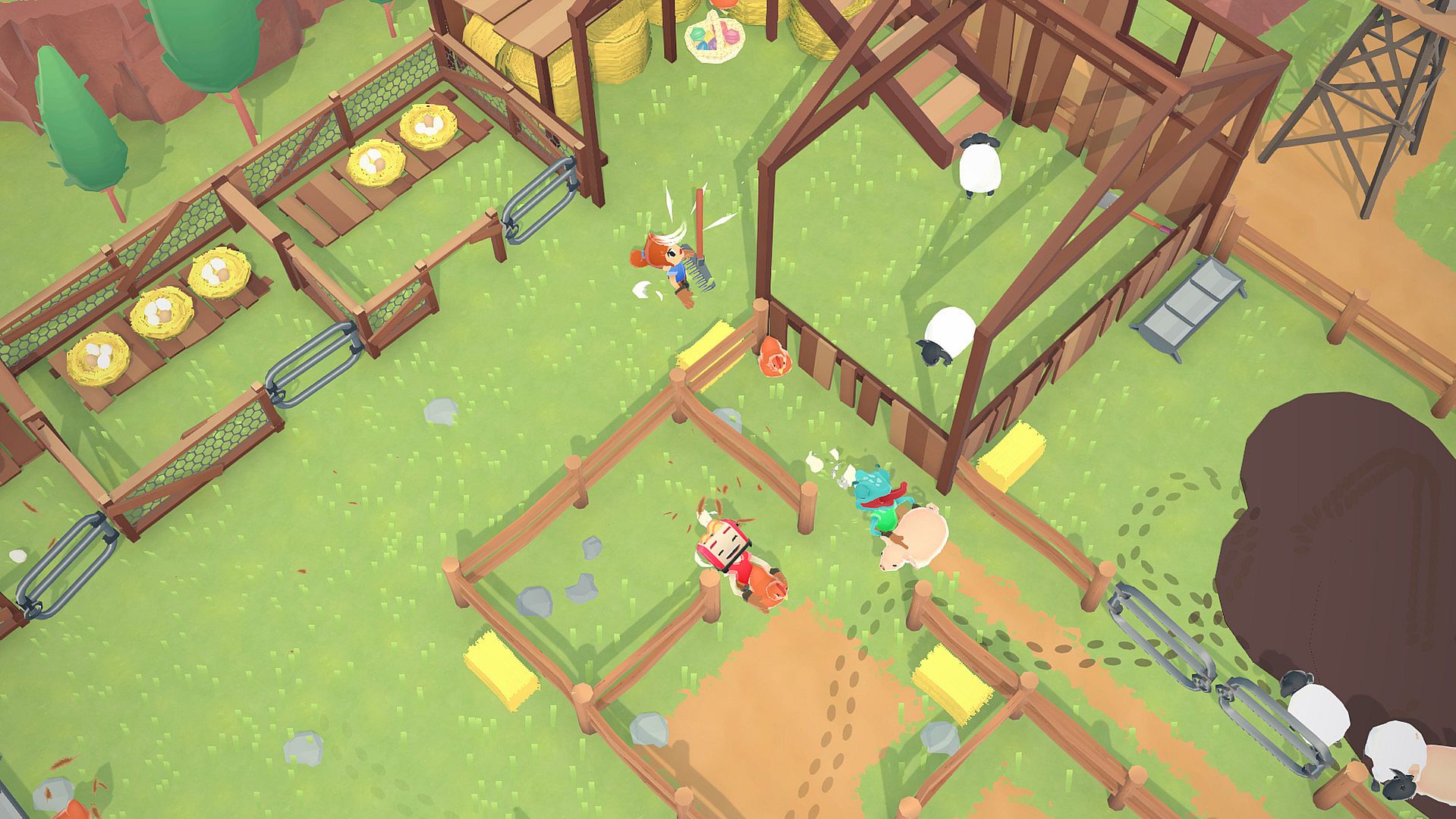
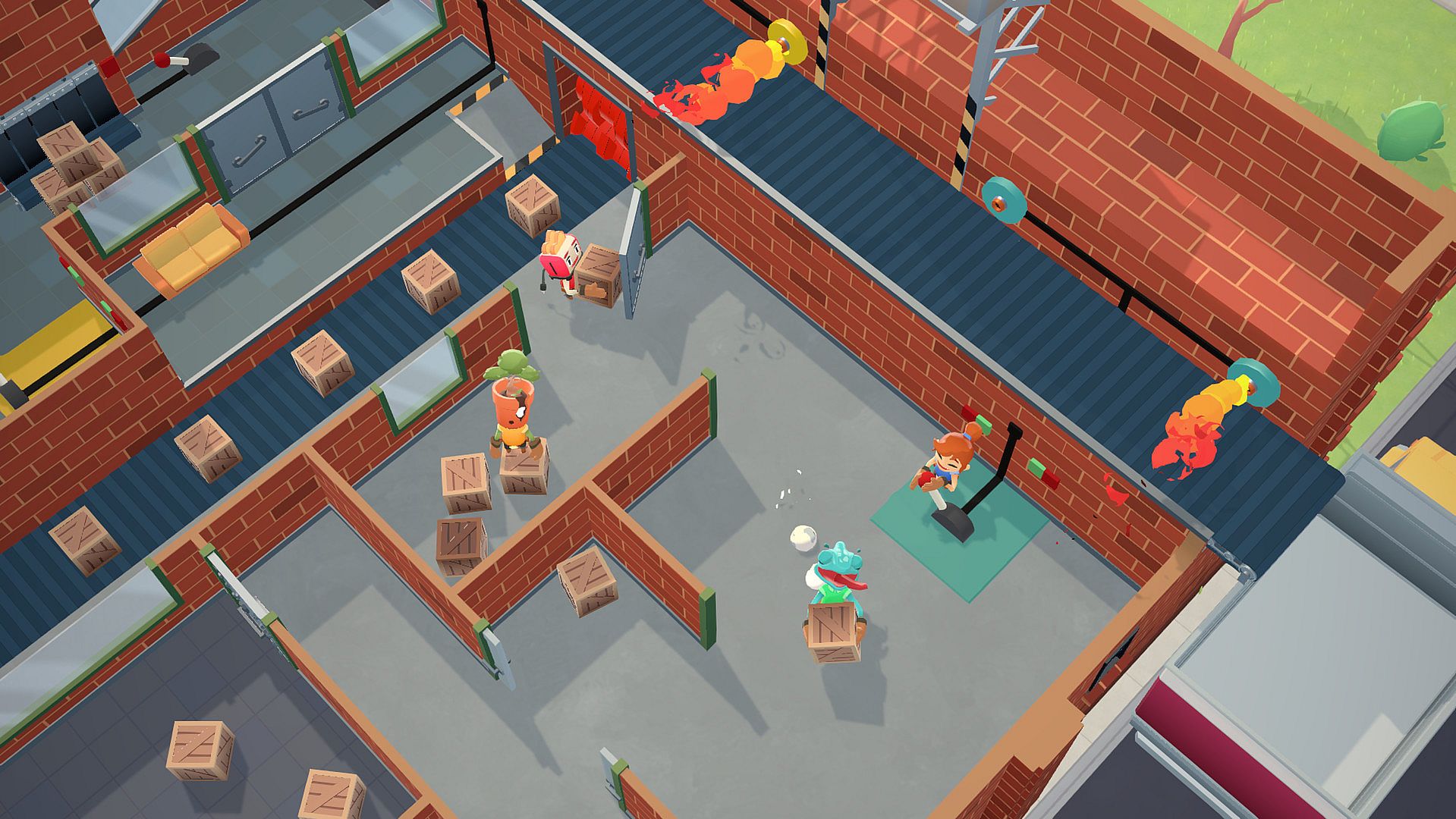


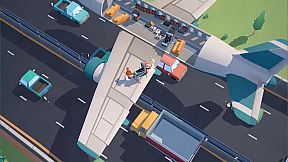

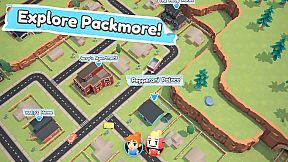


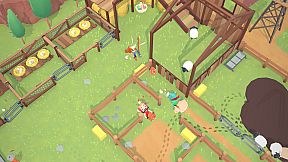
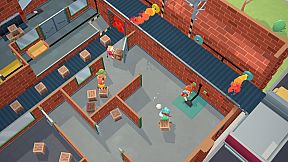
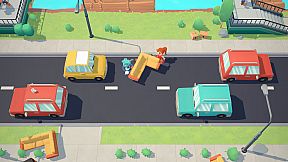
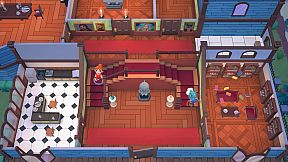

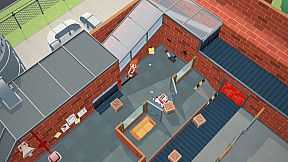
Moving Out is a physics-based action and simulation game that tasks players with hauling furniture and household items under tight deadlines and chaotic conditions. Developed as an indie title with casual and strategy elements, it places emphasis on teamwork, timing, and creative problem solving in a local multiplayer setting. The core experience revolves around operating as a Furniture Arrangement and Relocation Technician in the town of Packmore, where jobs range from straightforward house clearances to increasingly elaborate scenarios involving obstacles and environmental hazards.
Gameplay
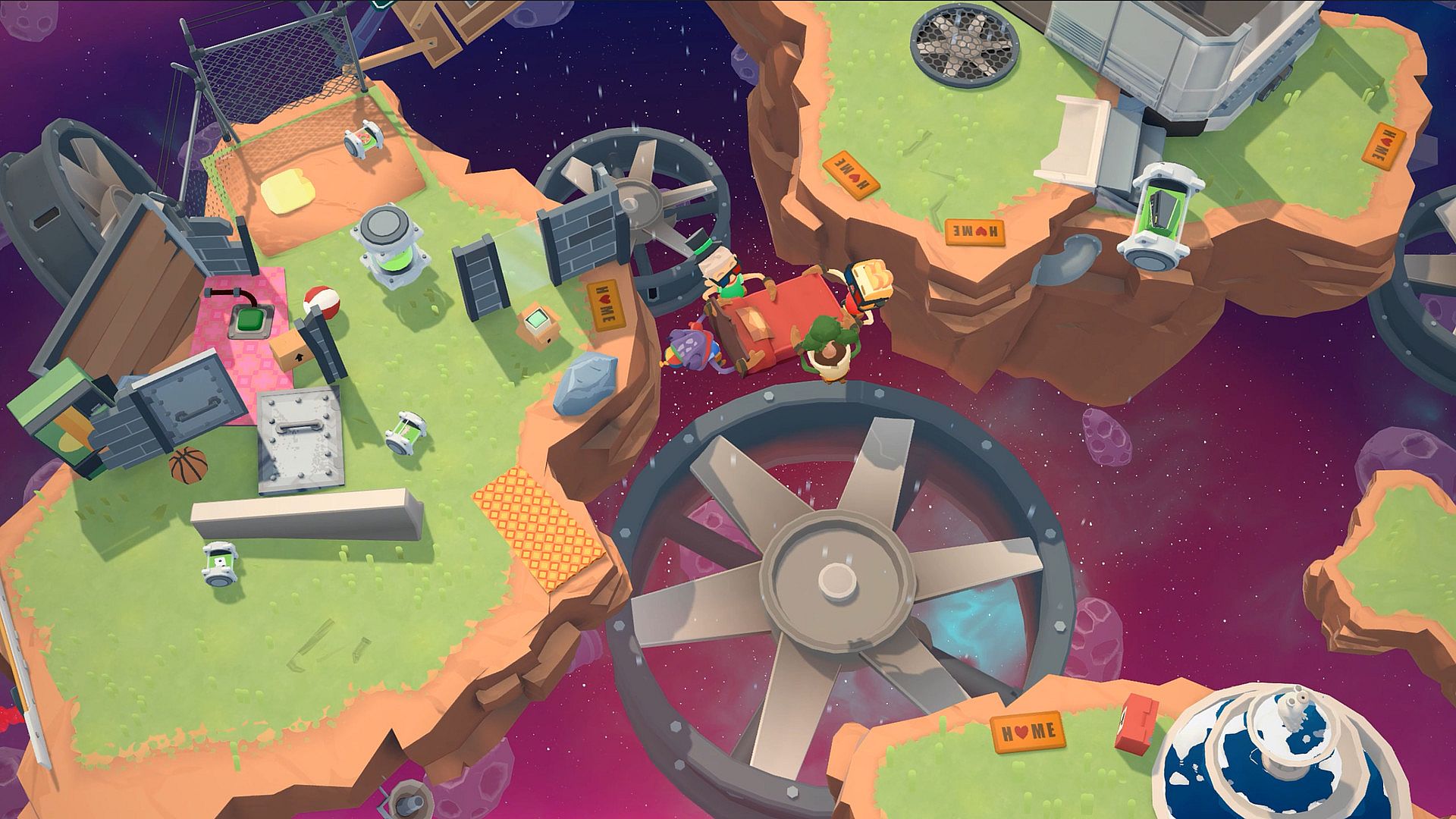
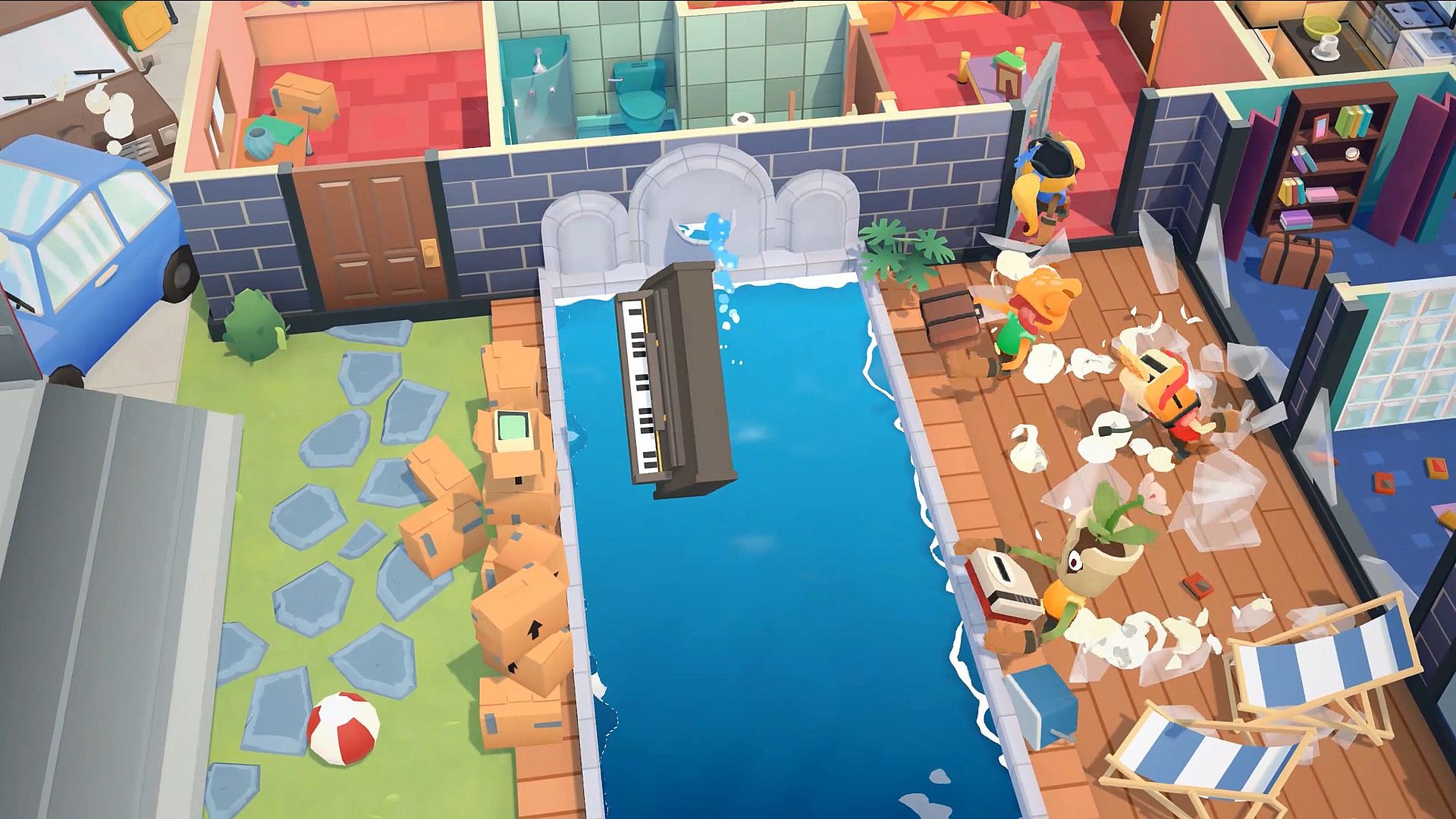
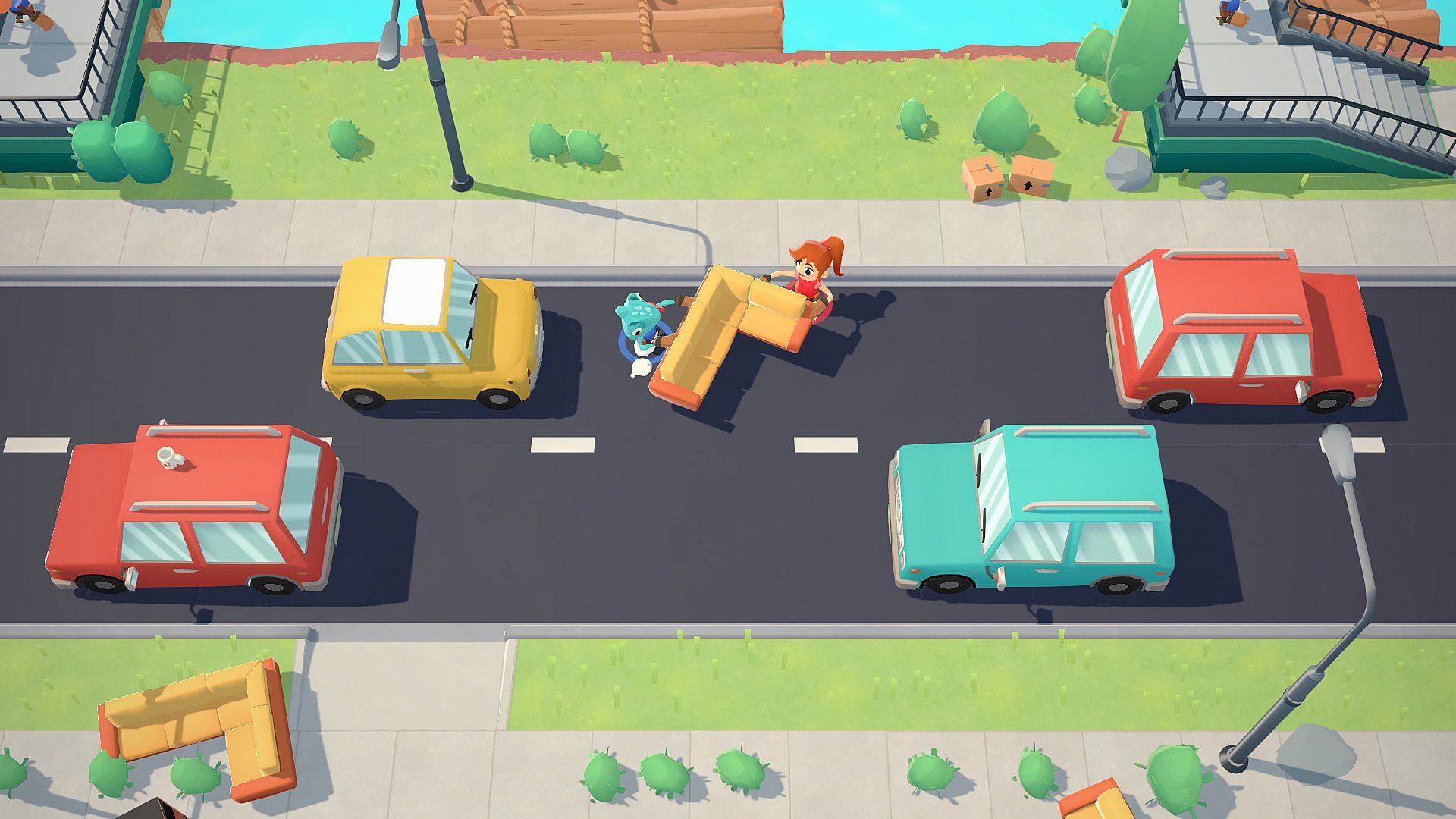
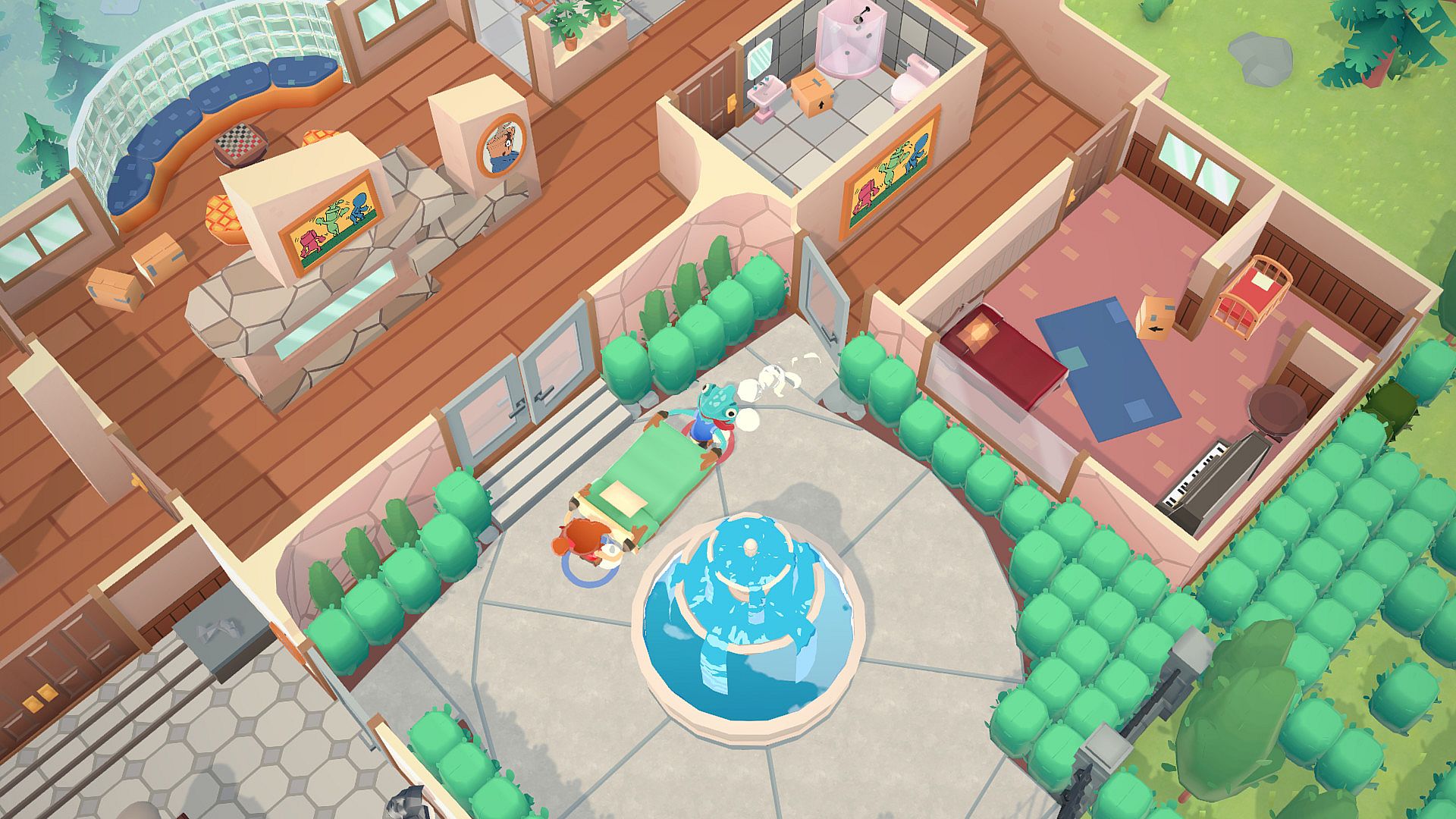
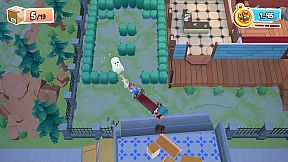
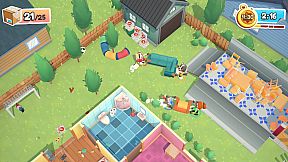
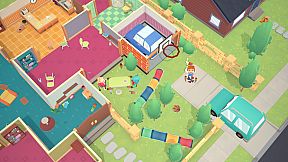
Players control customizable characters who must grab, lift, carry, and throw objects into a moving van before time expires. Physics simulation governs every interaction, allowing items to be tossed through windows, smashed against doors, or stacked in creative ways to meet objectives faster. Heavy furniture often requires multiple players to maneuver efficiently, while lighter objects can be hurled individually for speed. The system encourages experimentation because straight paths rarely exist; beds, appliances, and boxes interact unpredictably with the environment, leading to chain reactions and improvised solutions.
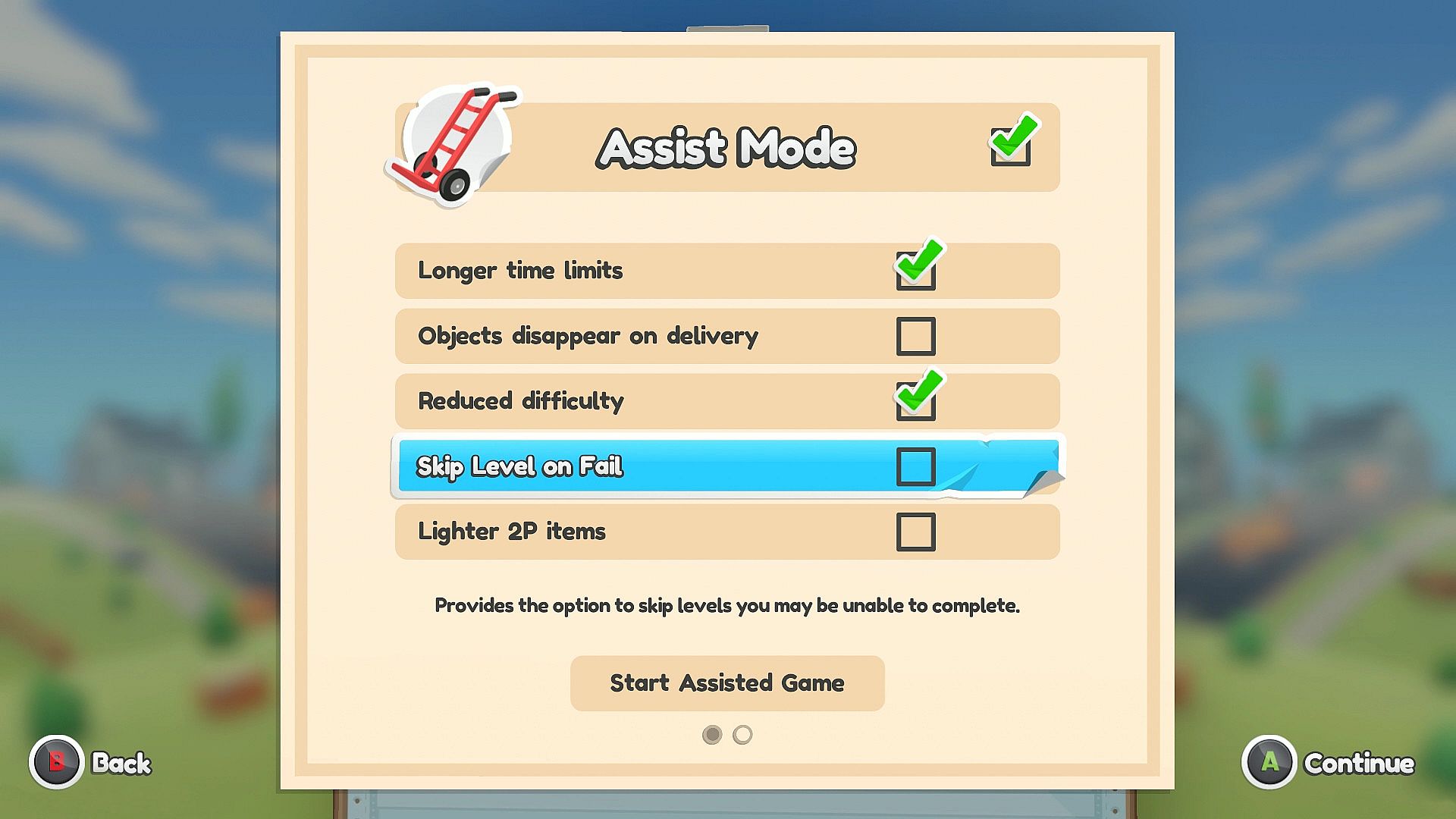
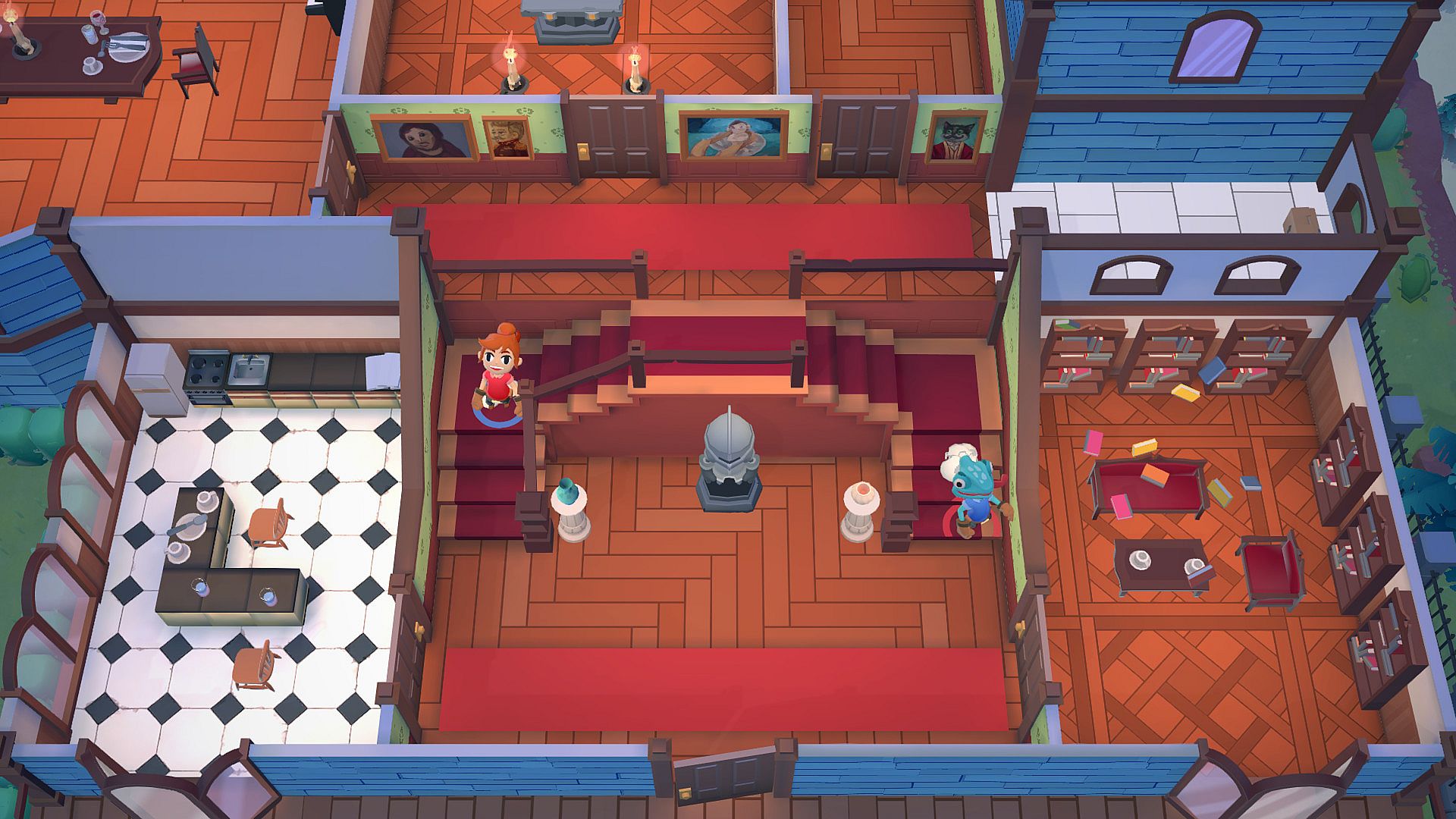
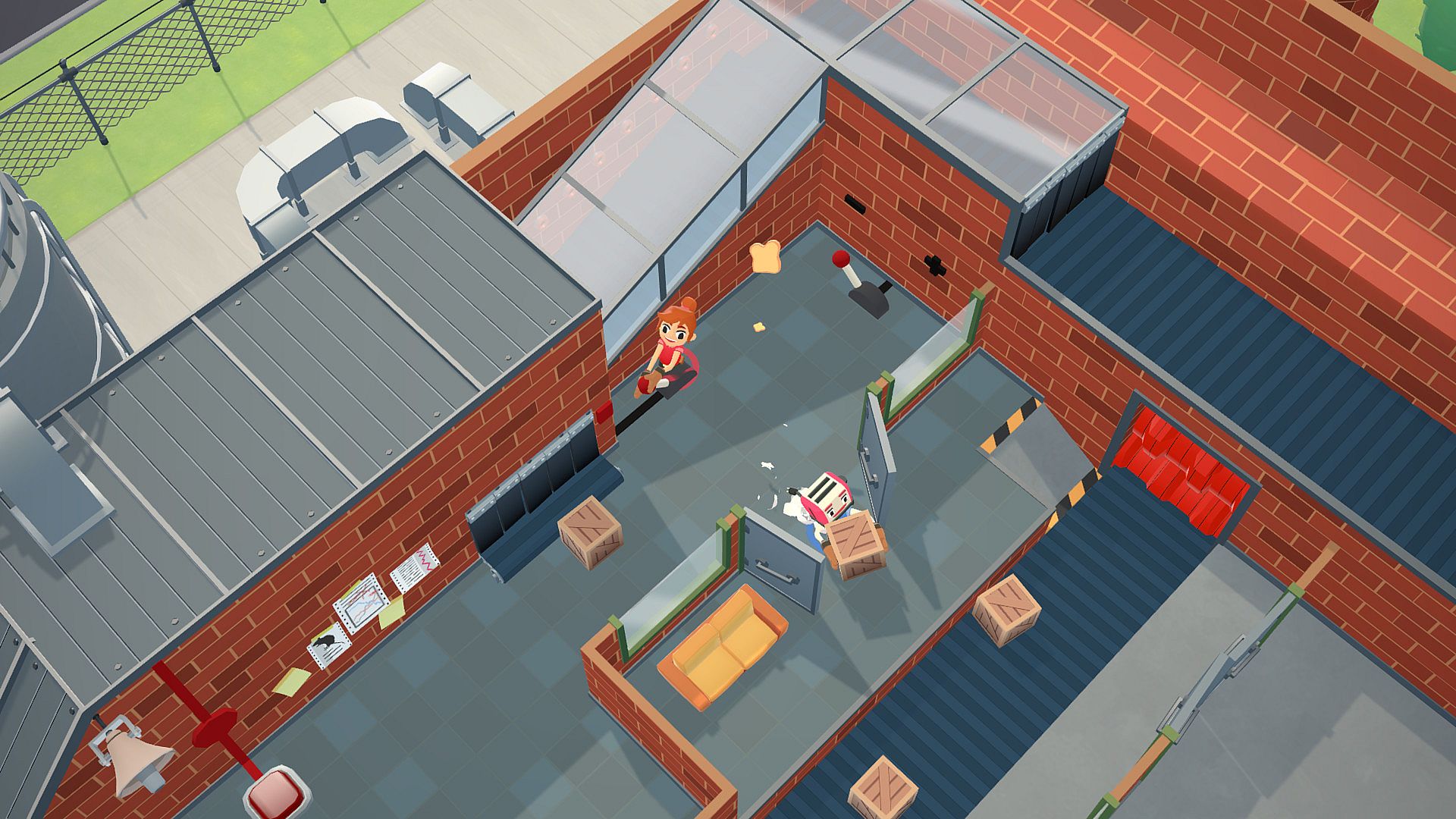
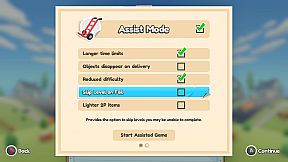
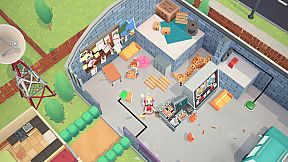
Progression involves completing a series of jobs that increase in complexity across different locations. Early tasks focus on basic pickup and delivery, while later ones introduce hazards such as narrow corridors, fragile items, and dynamic elements that demand precise coordination. An assist mode lets players adjust parameters including extended time limits, automatic object removal upon delivery, obstacle elimination, reduced item weight, or level skipping to accommodate different skill levels and group compositions.
Game Modes
Story mode forms the main campaign, playable alone as a solo contractor or shared locally with up to three additional players on the same screen. Jobs follow a narrative arc of building reputation and expanding operations through varied districts. A free update added a reverse delivery variant to twelve original levels, flipping the objective so players unload items from the van and arrange them correctly inside properties instead of removing them.
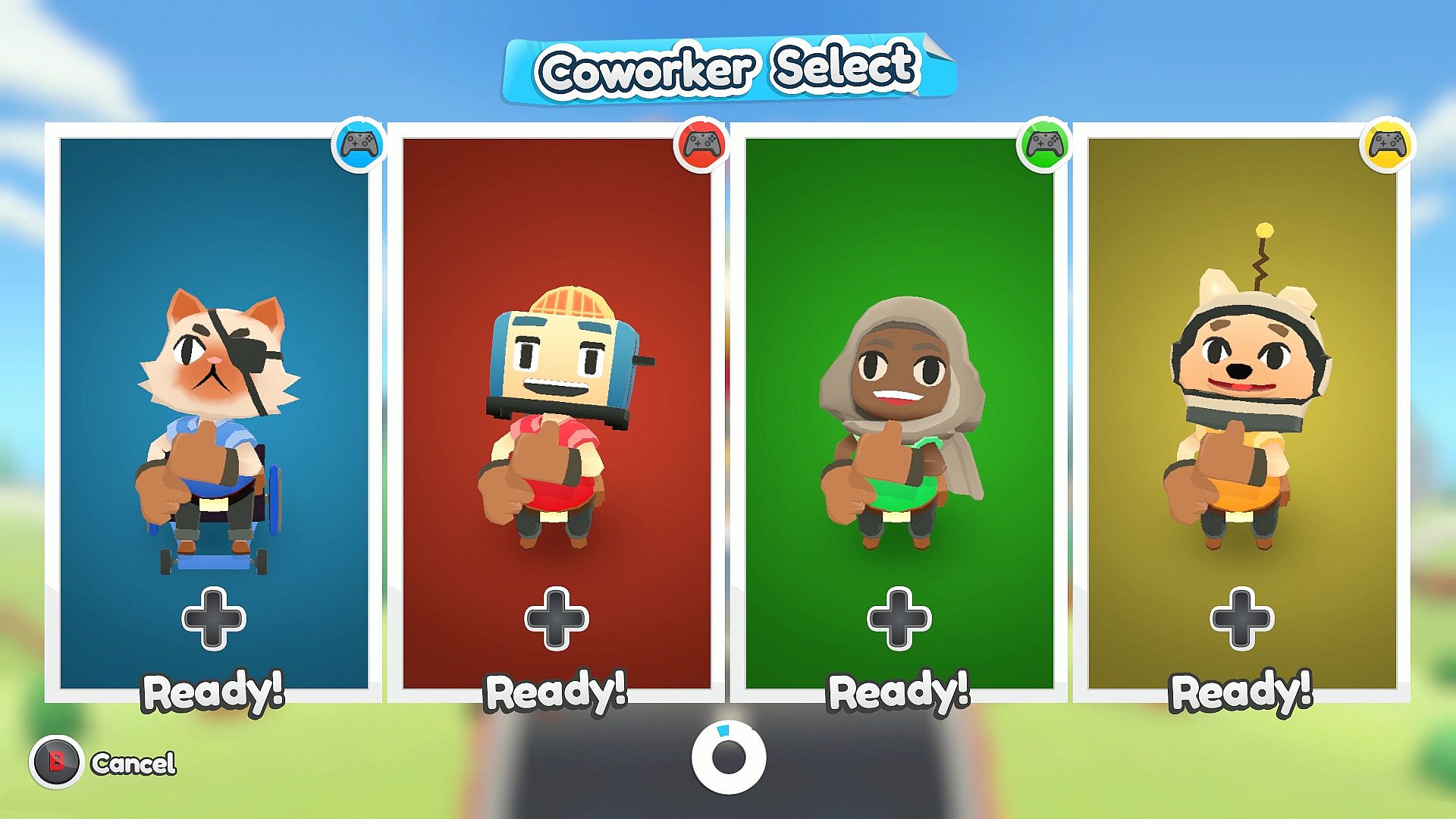
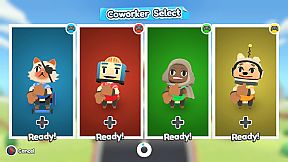
Local co-op supports up to four participants simultaneously, with split-screen or shared-screen options depending on setup. No online multiplayer exists in the base experience, keeping the focus on couch-based sessions where communication and physical proximity enhance the chaotic fun. Arcade-style challenge levels appear as secondary content for players seeking repeated attempts at high scores or faster completions.
Characters and Progression
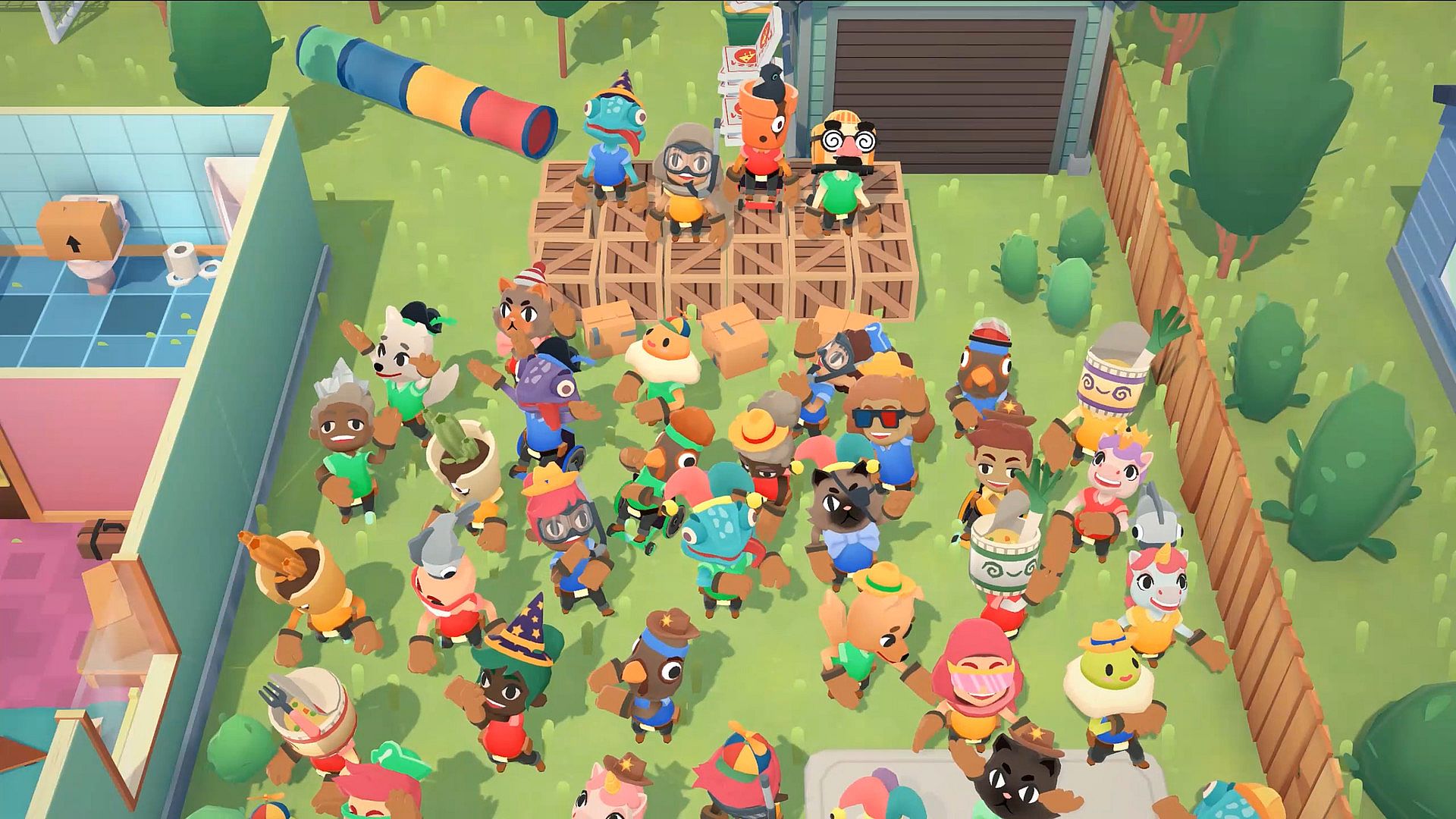
A roster of distinct movers becomes available as reputation grows, each offering unique visual styles and minor mechanical preferences that encourage experimentation across jobs. Recruitment ties directly into business expansion, unlocking access to more demanding contracts in suburban neighborhoods, rural farms, eerie haunted properties, and other stylized environments. The loop rewards efficient teamwork and quick adaptation rather than combat or resource management typical of other genres.
Is It Worth Playing?
Moving Out suits groups that enjoy light-hearted, physics-driven challenges and local multiplayer coordination. Its short sessions and adjustable difficulty make it accessible for mixed-experience parties, while the core loop of grabbing and delivering under pressure provides consistent replay value through time trials and creative routing. Reception highlights the strength of its couch co-op design and humorous mishaps, with many players returning for the free reverse-mode content and assist options that broaden its appeal. Those seeking solo puzzle experiences or online sessions may find the local-only focus limiting, but the game delivers reliably for its intended audience of casual and strategy fans looking for cooperative chaos without complex systems or ongoing seasonal content.