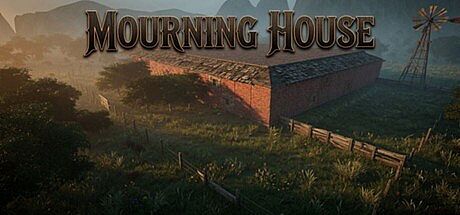


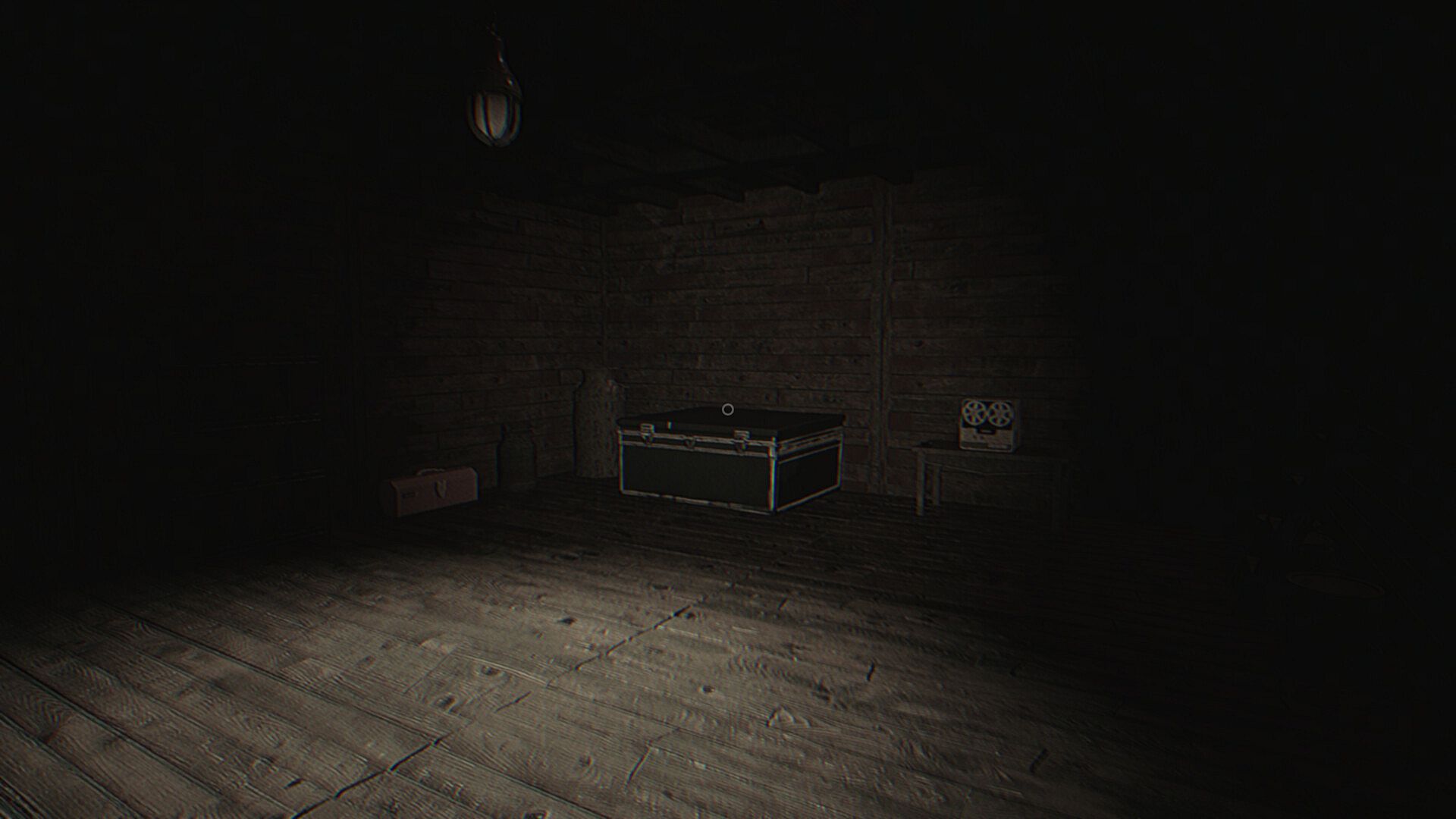
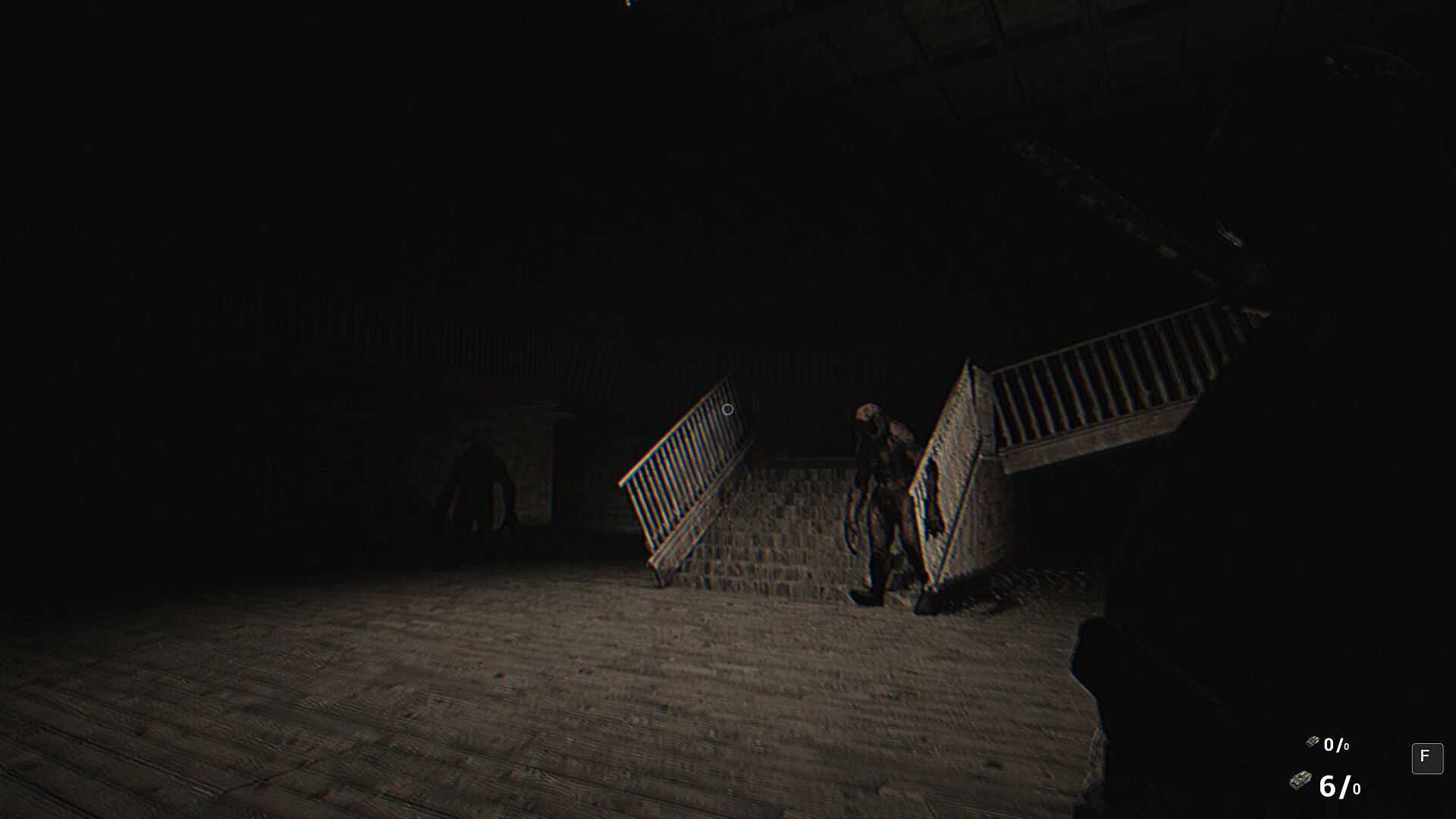
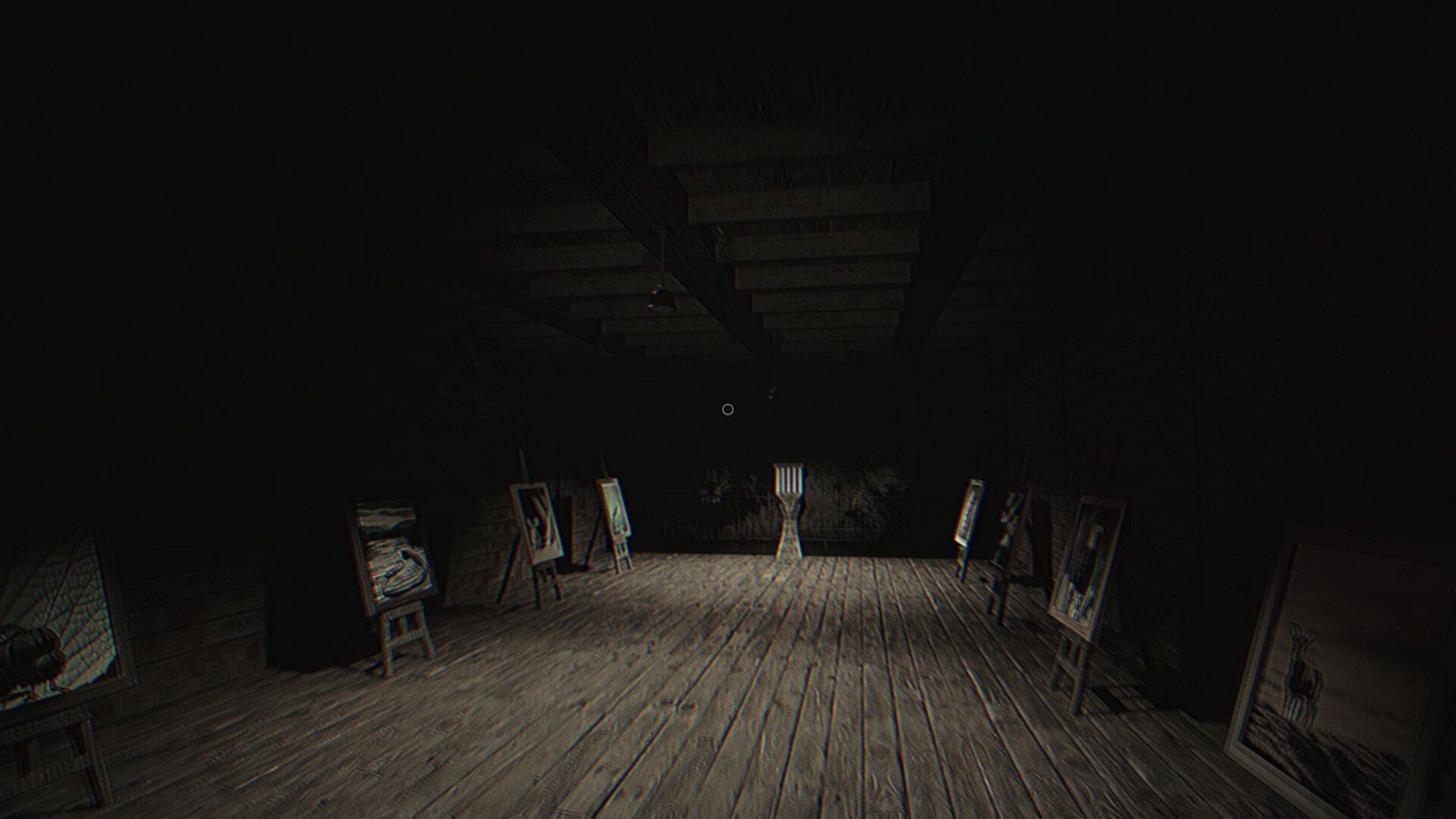
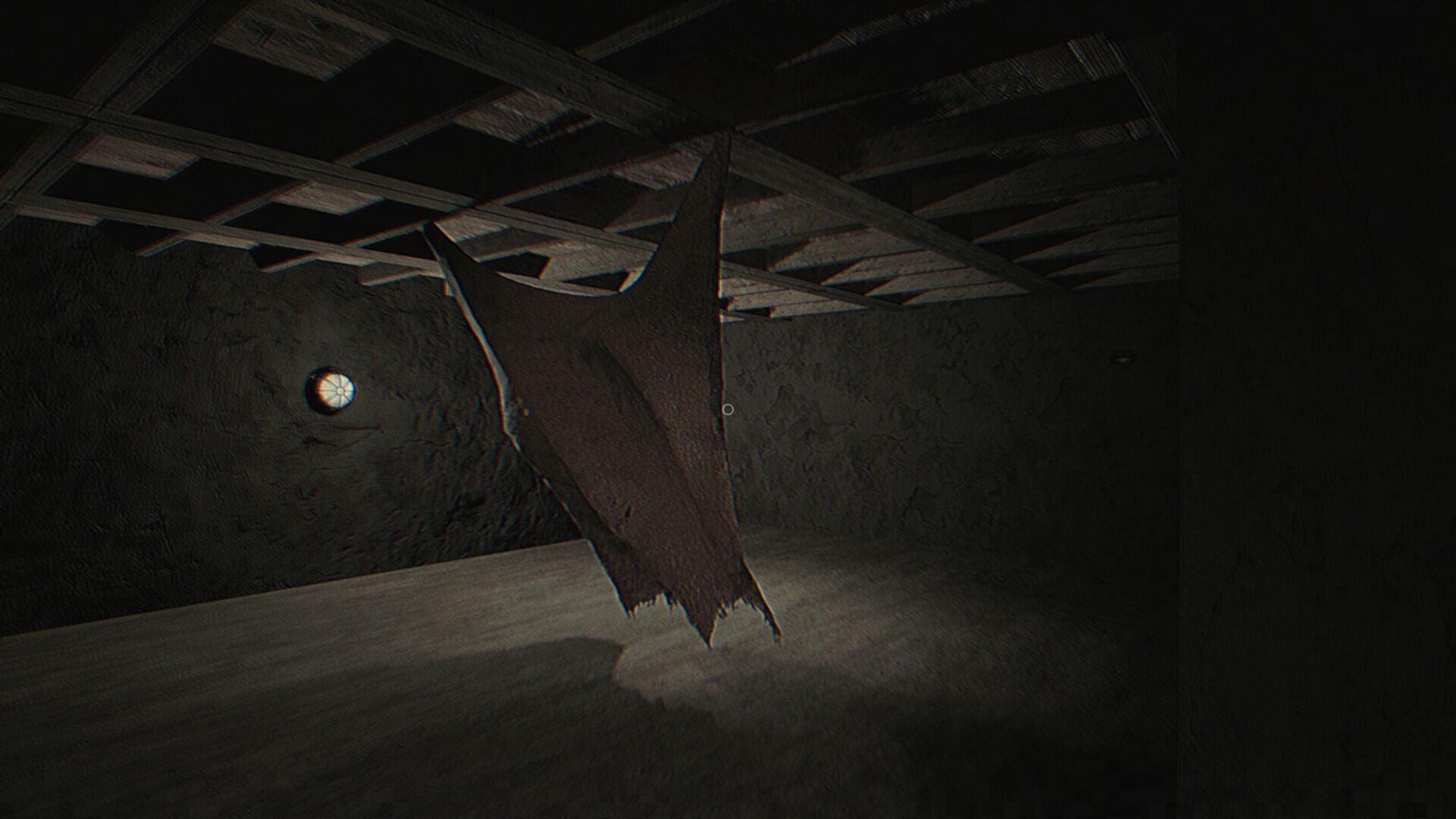
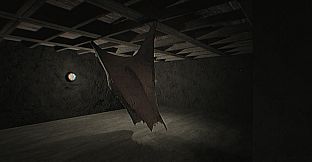
Mourning House is a single-player survival horror adventure game set on PC. Players take on the role of a man who wakes up in an isolated house after a violent roadside attack, with his wife missing and the building concealing layers of unsettling history. The experience centers on methodical exploration of a sprawling environment, gathering clues from scattered documents, and piecing together events through environmental storytelling and puzzle resolution.
Gameplay
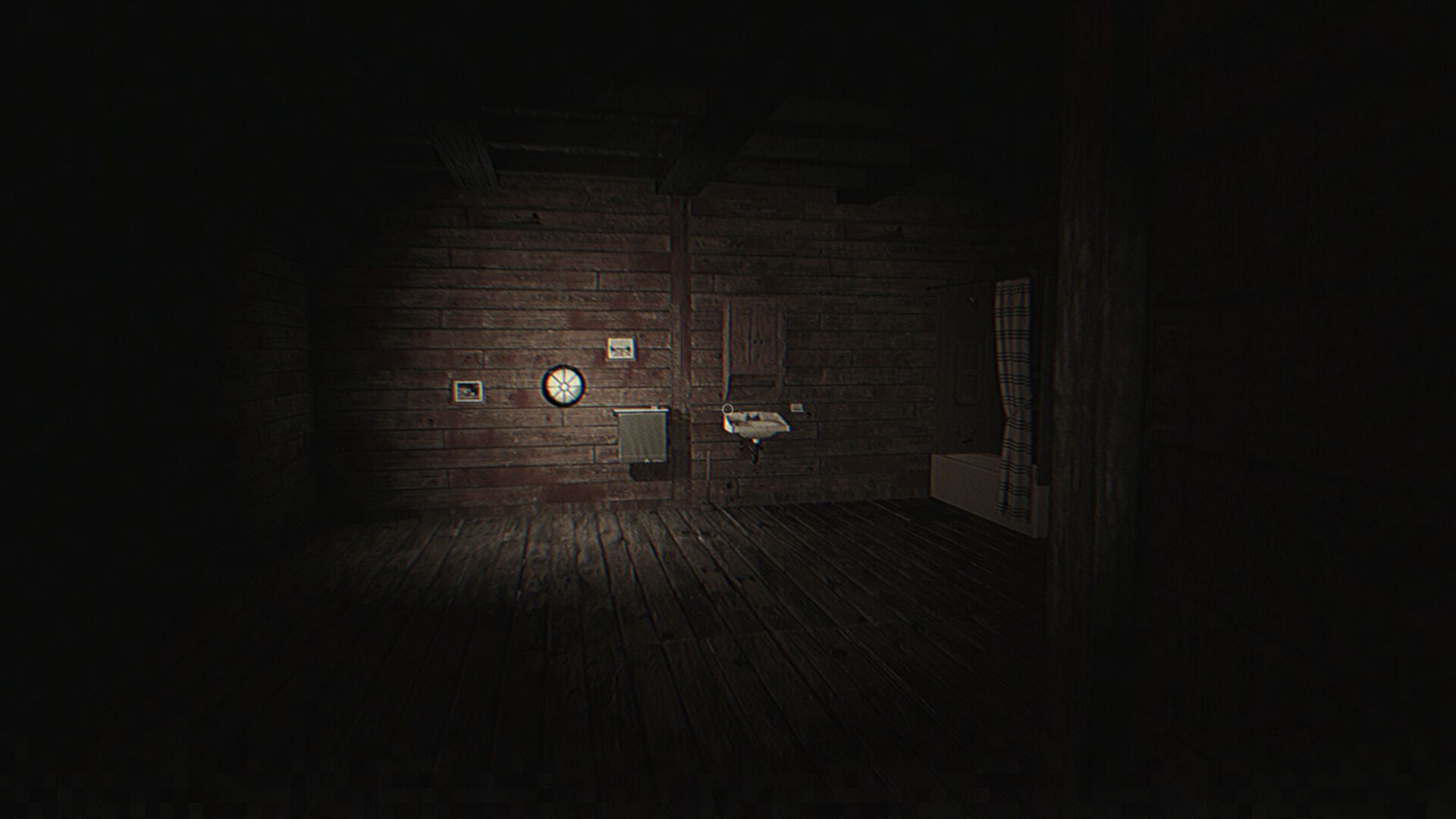
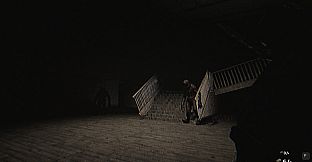
The core loop involves navigating a large, interconnected house where each room and corridor contributes to the unfolding narrative. Players search for items, examine objects, and interact with the surroundings to progress. Puzzles often require combining found clues or manipulating the environment in logical ways, such as aligning mechanisms or uncovering hidden passages. Tension builds through limited visibility, ambient sounds, and occasional threats that force careful movement rather than direct confrontation. The design emphasizes atmospheric dread over constant action, with survival elements appearing in resource management and avoidance of dangers lurking in darker areas.
Hidden notes and documents provide backstory fragments that reward thorough investigation. These elements integrate directly into the puzzle-solving process, encouraging players to revisit sections as new information reveals previously inaccessible areas. The house itself functions as a living puzzle box, with interconnected spaces that gradually open up based on solved mysteries. This structure supports a deliberate pace suited to those who enjoy uncovering details at their own rhythm.
Game Modes
Mourning House offers a single-player campaign focused entirely on narrative progression and personal discovery. There are no multiplayer options or separate competitive modes. The experience unfolds as one continuous story that players advance by exploring the house, solving its environmental challenges, and confronting the central mystery. A demo version allows early access to initial sections, providing a taste of the full structure before the complete release.
Progression relies on the player's ability to connect clues across different rooms and levels of the house. This linear yet non-linear exploration model lets individuals backtrack and experiment without time limits or external pressures. The absence of additional modes keeps the focus narrow on atmospheric tension and puzzle integration.
Atmosphere and Setting
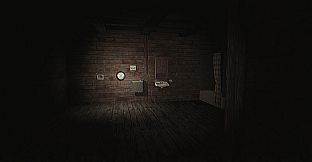
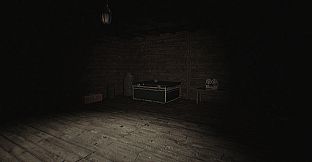
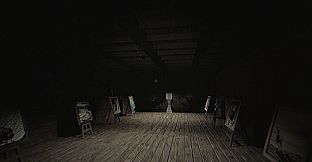
The game builds its horror through consistent environmental details rather than jump scares alone. Dim lighting, creaking floors, and sparse furnishings create a sense of isolation that grows as more of the house reveals itself. Sound design plays a key role, with subtle audio cues signaling potential threats or important discoveries nearby. The setting draws from classic survival horror traditions, placing emphasis on psychological unease and the slow revelation of disturbing secrets.
Exploration rewards attention to detail, as many clues appear in plain sight but require context from other areas to interpret. This approach fosters repeated visits to familiar spaces with fresh perspectives. The overall tone stays grounded in the protagonist's personal stakes, avoiding broader supernatural spectacle in favor of intimate, house-bound dread.
Is It Worth Playing?
Mourning House targets players who appreciate deliberate pacing and puzzle-driven horror. The confirmed single-player structure and emphasis on exploration make it suitable for those familiar with similar titles that prioritize atmosphere and investigation over fast combat. With the full release still pending and a demo already available for testing the mechanics, interested players can evaluate the core systems firsthand before committing.
Reception remains limited due to the game's pre-release status, with no aggregated scores or widespread player feedback yet available. Those drawn to interconnected environments, note-collecting, and tension built through uncertainty will likely find the experience aligns with their preferences. The game stands as a focused indie title without extraneous features, appealing most to fans of survival horror centered on mystery resolution within a confined yet detailed space.