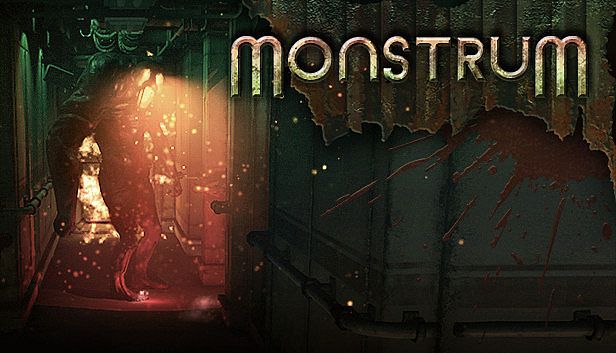



















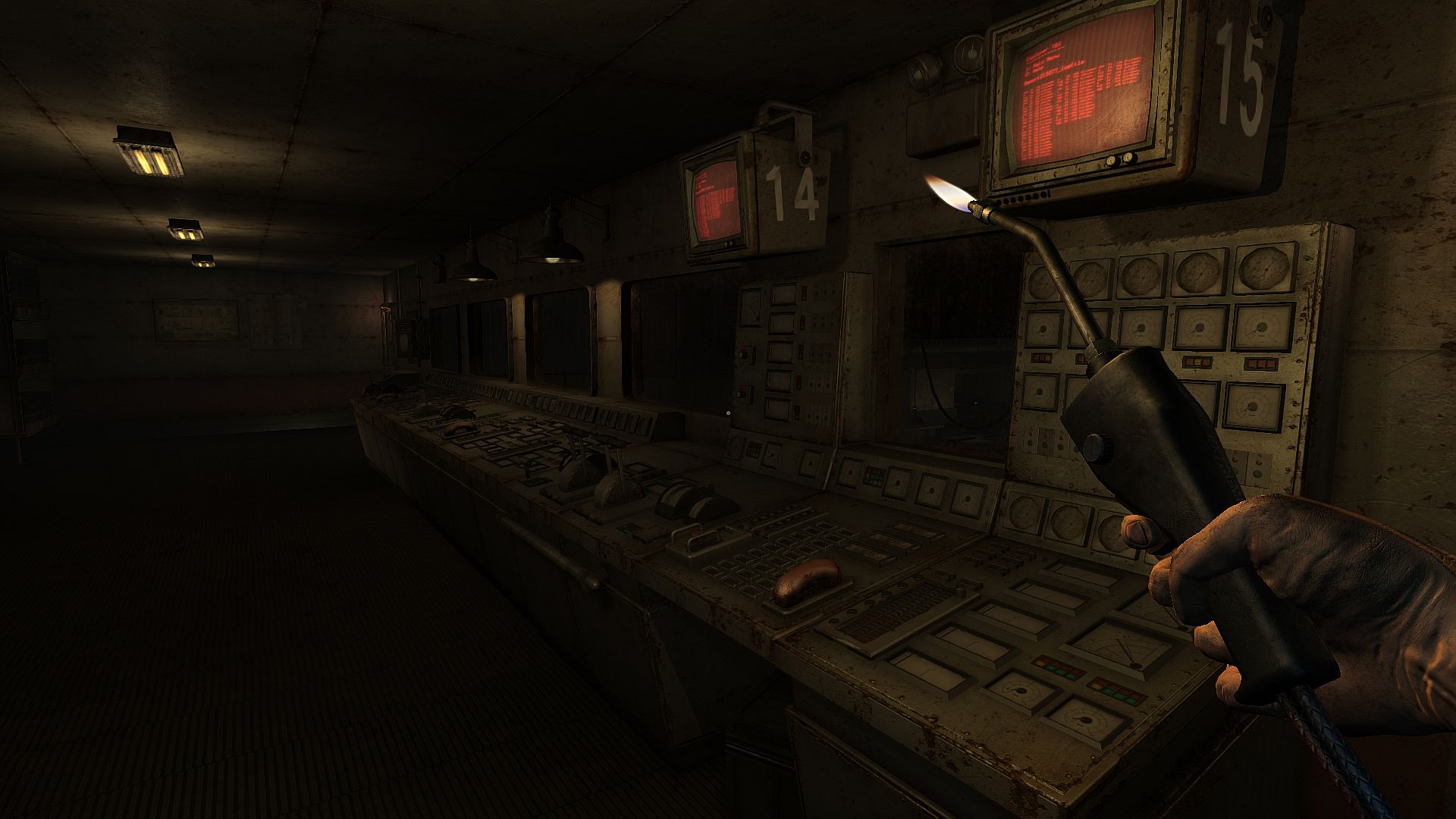
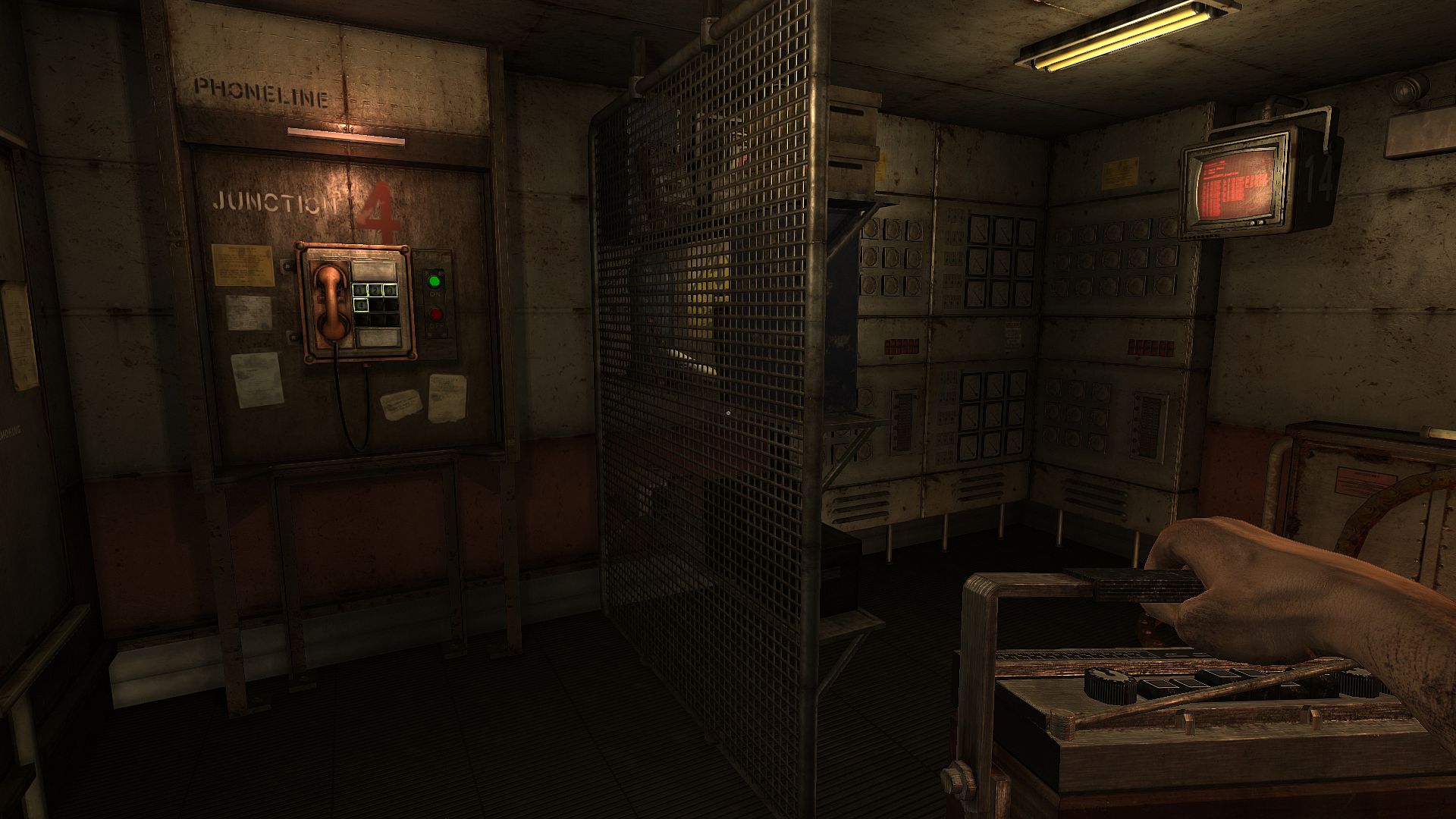
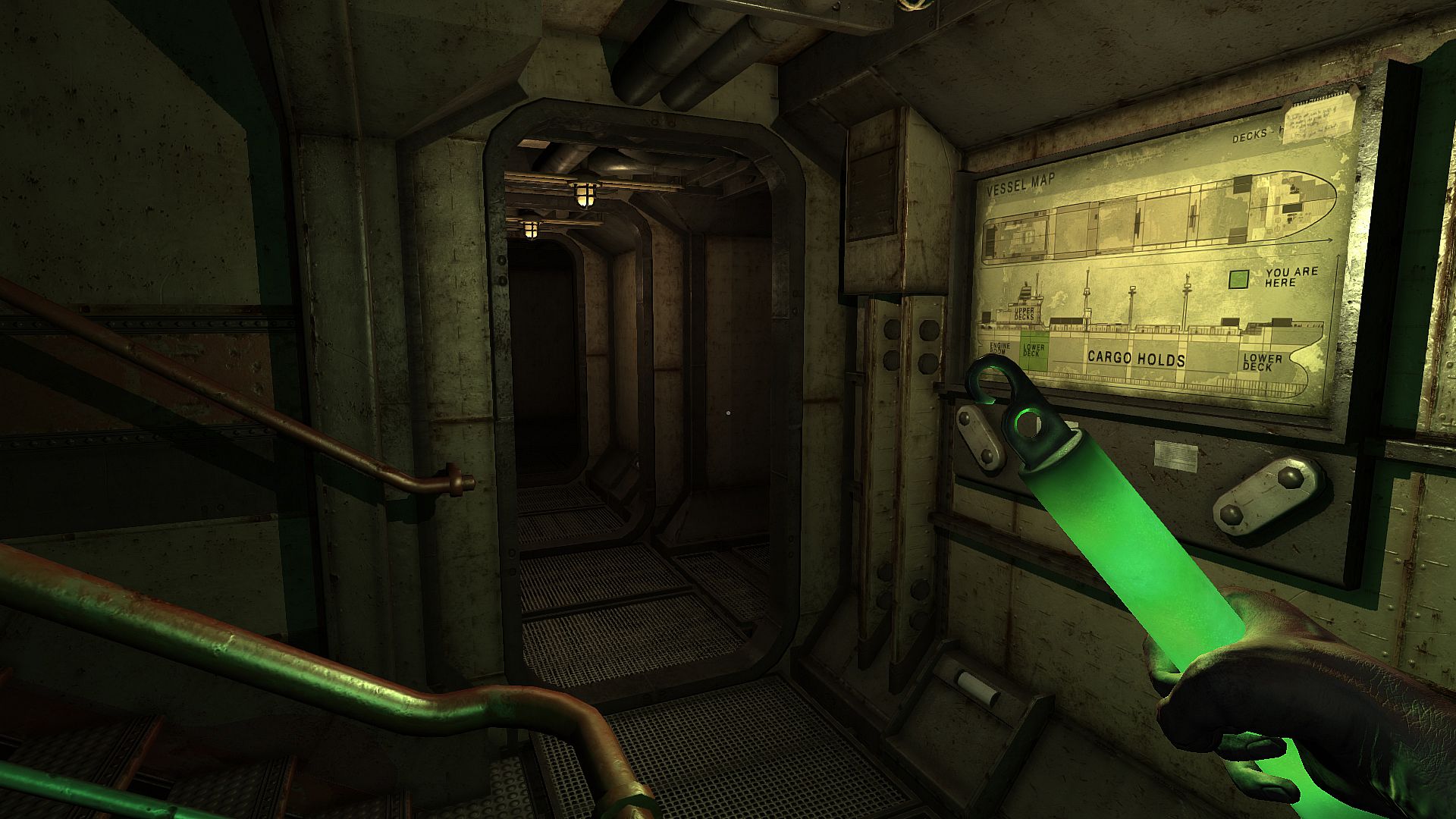
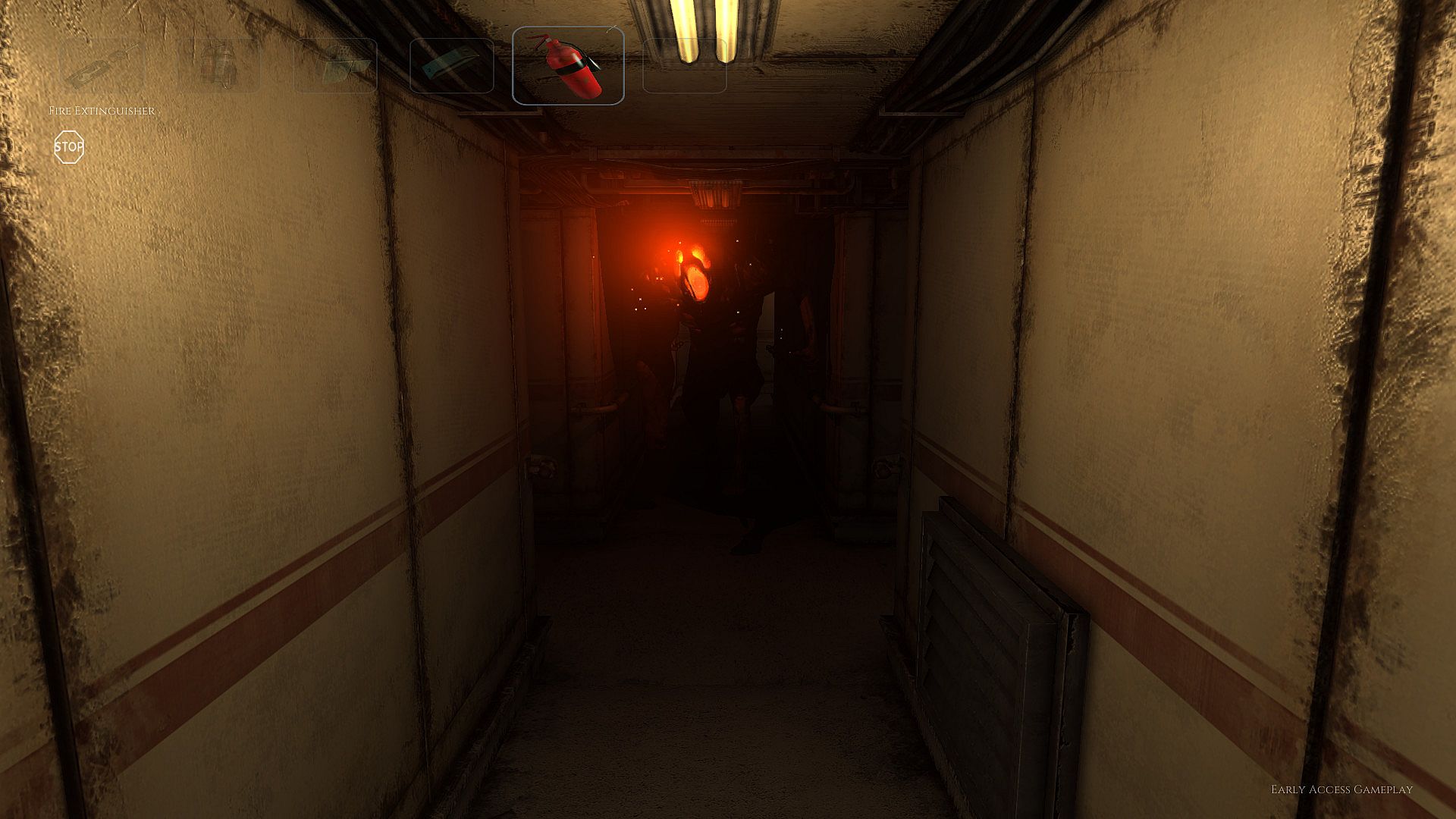
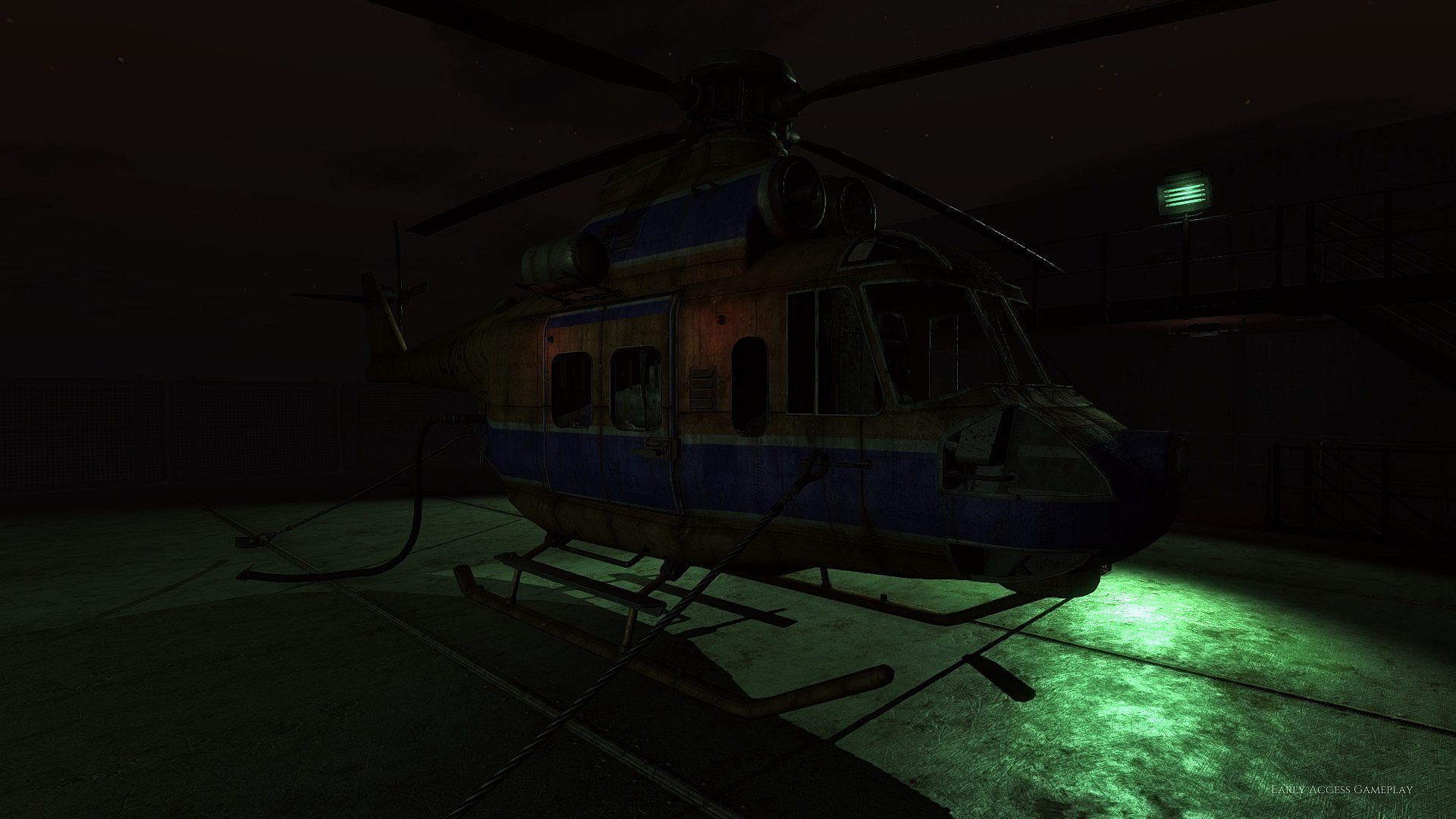
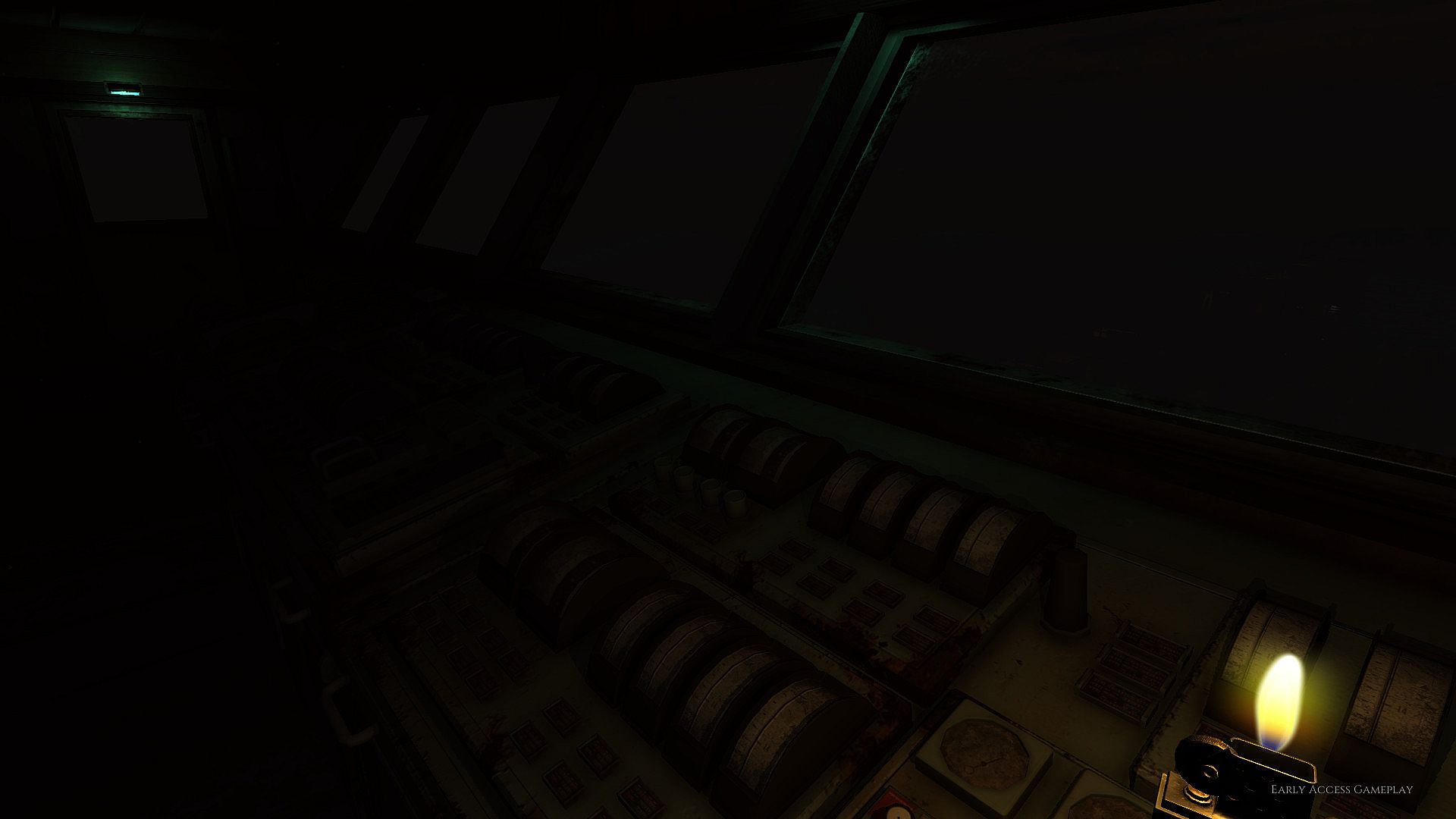
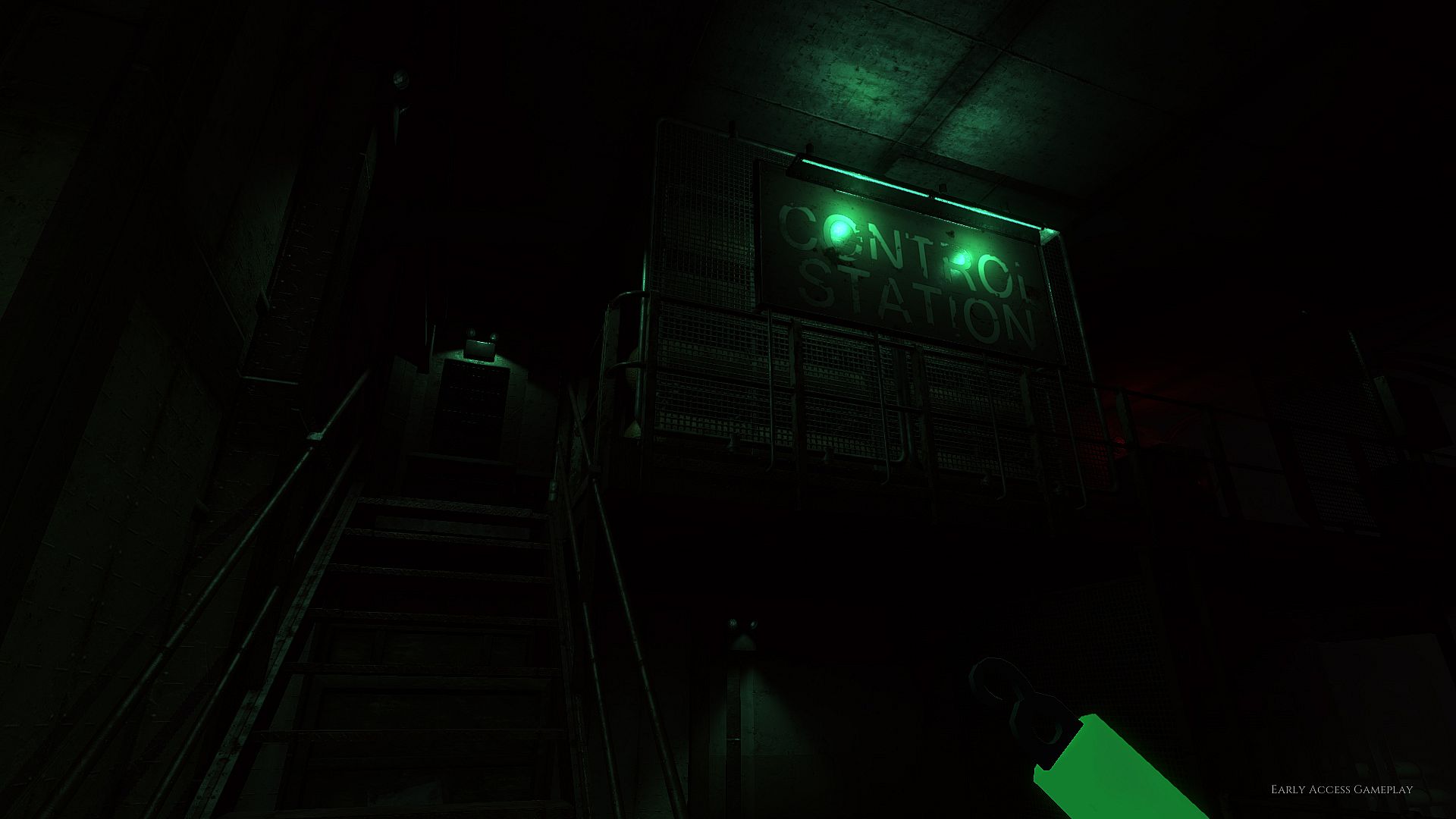
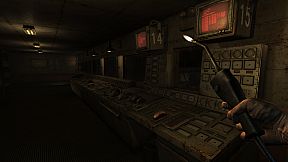
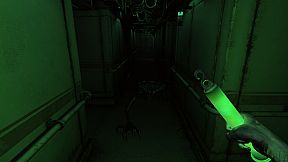
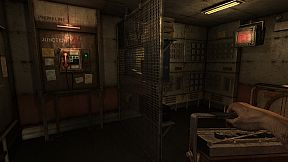
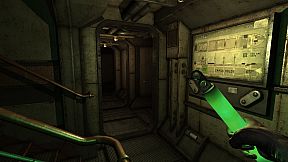
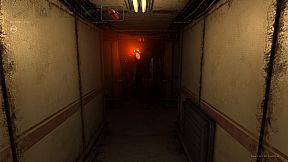
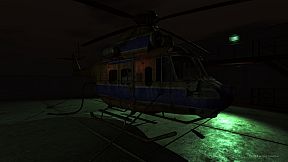
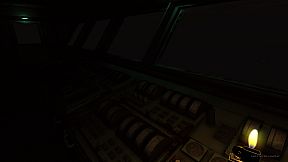
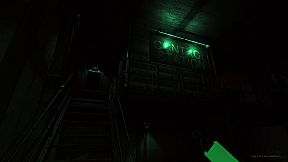
Monstrum is an indie survival horror game developed for PC that places players aboard a derelict cargo ship stalked by relentless AI predators. The experience emphasizes tension through randomization and permanent consequences rather than scripted scares or linear progression.
Gameplay
The core loop revolves around exploration and evasion on a freight vessel whose layout changes with every attempt. Players scavenge for tools and resources while avoiding detection, using the environment to create distance or distractions. Lockers and furniture provide temporary cover, but movement must remain deliberate to prevent triggering ship hazards such as unstable walkways or collapsing sections. Items scattered throughout the vessel enable repairs to potential exit points, forcing repeated trips into deeper, more dangerous areas. Each run ends either in escape or death, after which the entire configuration resets.
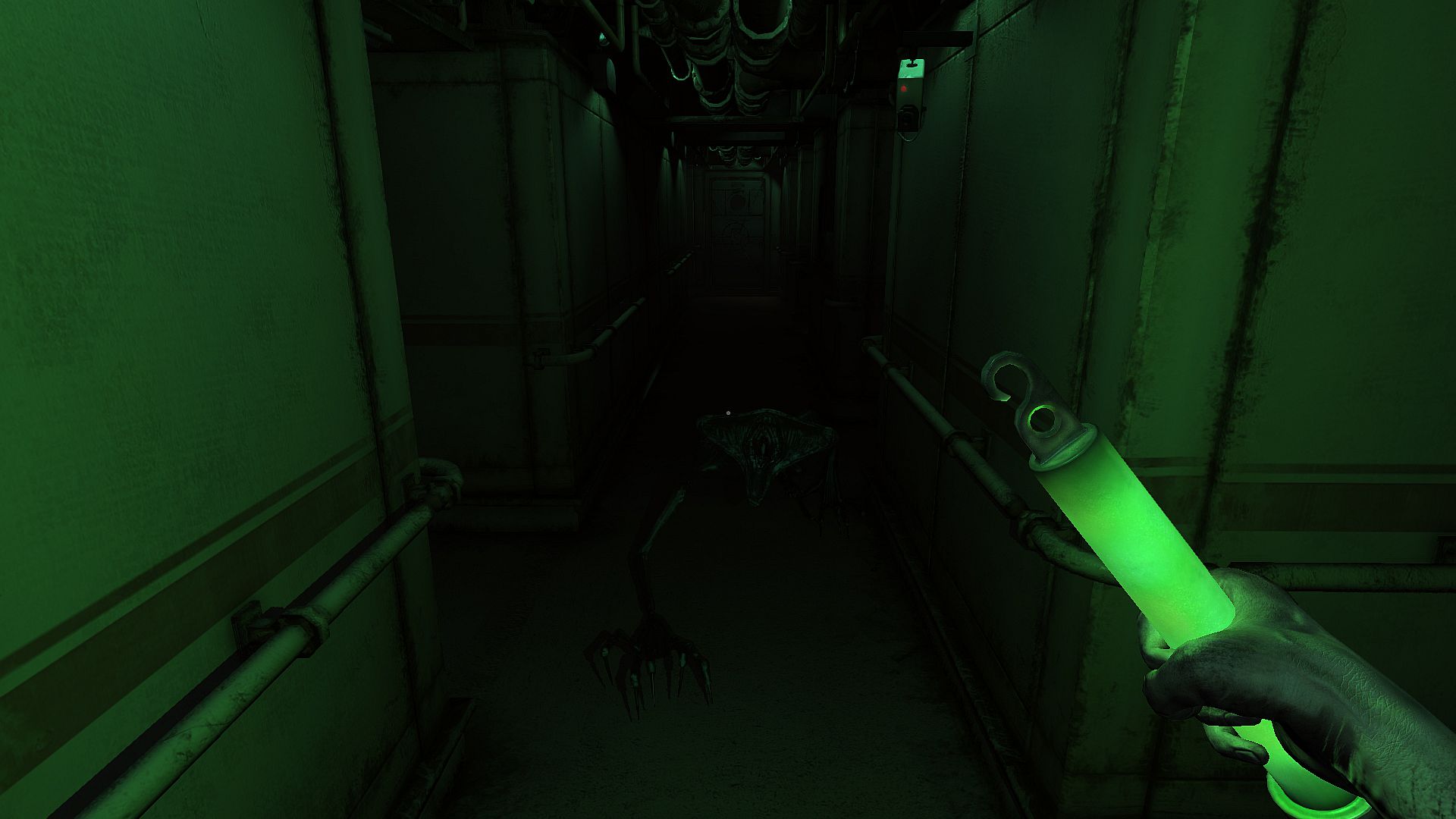
Three distinct monsters appear across different playthroughs, each exhibiting unique movement patterns, detection ranges, and responses to player actions. One relies on brute force and direct pursuit, another employs stealthier ambushes, and the third incorporates environmental manipulation. These behaviors require adaptation rather than a single reliable strategy, as the same hiding spot or distraction may fail against a different predator. The absence of checkpoints means every decision carries lasting weight until the session concludes.
Game Modes
Monstrum operates as a single-player experience without separate multiplayer or cooperative variants. All sessions follow the same structure of randomized ship generation paired with one of the three monsters selected at the start of each attempt. The procedural system alters room connections, item placements, and locked barriers, ensuring no two runs share identical layouts or resource distributions. This built-in variation serves as the primary replay driver, replacing traditional difficulty settings or alternate modes with fresh configurations on every restart.
Core Mechanics and Tension
Permadeath forms the backbone of risk management. A single mistake ends the attempt immediately, returning the player to a newly generated vessel. Resource management stays minimal and practical: collected objects serve immediate purposes such as unlocking paths or creating noise distractions rather than long-term upgrades. Audio cues from the environment and the pursuing monster provide the main warning system, encouraging careful listening over visual scanning in dark corridors. Traps scattered across the ship punish reckless sprinting, reinforcing a measured pace even when under pressure.
Is It Worth Playing?
Monstrum suits players who enjoy roguelike elements within a horror framework, particularly those comfortable with repeated failures and the need to learn monster patterns through trial and error. The procedural ship and permadeath create consistent tension without relying on jump scares, while the three monsters add meaningful variety across attempts. As a completed title from 2015, it receives no ongoing seasonal content or major patches, yet the randomization keeps individual sessions distinct. Those seeking a focused, high-stakes single-player challenge on PC will find the mechanics hold up well for short, intense play sessions. The game appeals most to fans of survival horror who value adaptation and consequence over narrative depth or multiplayer interaction.