


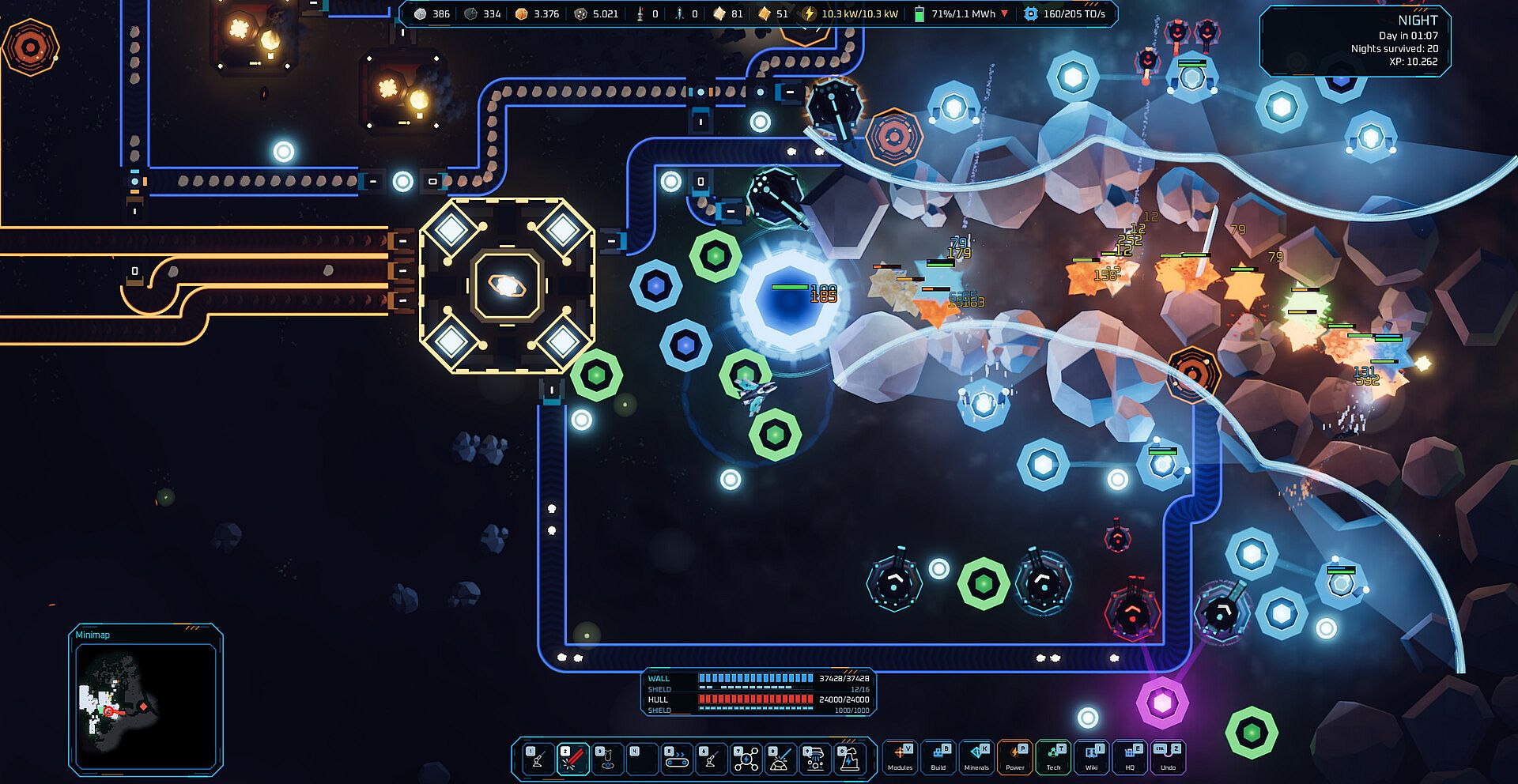
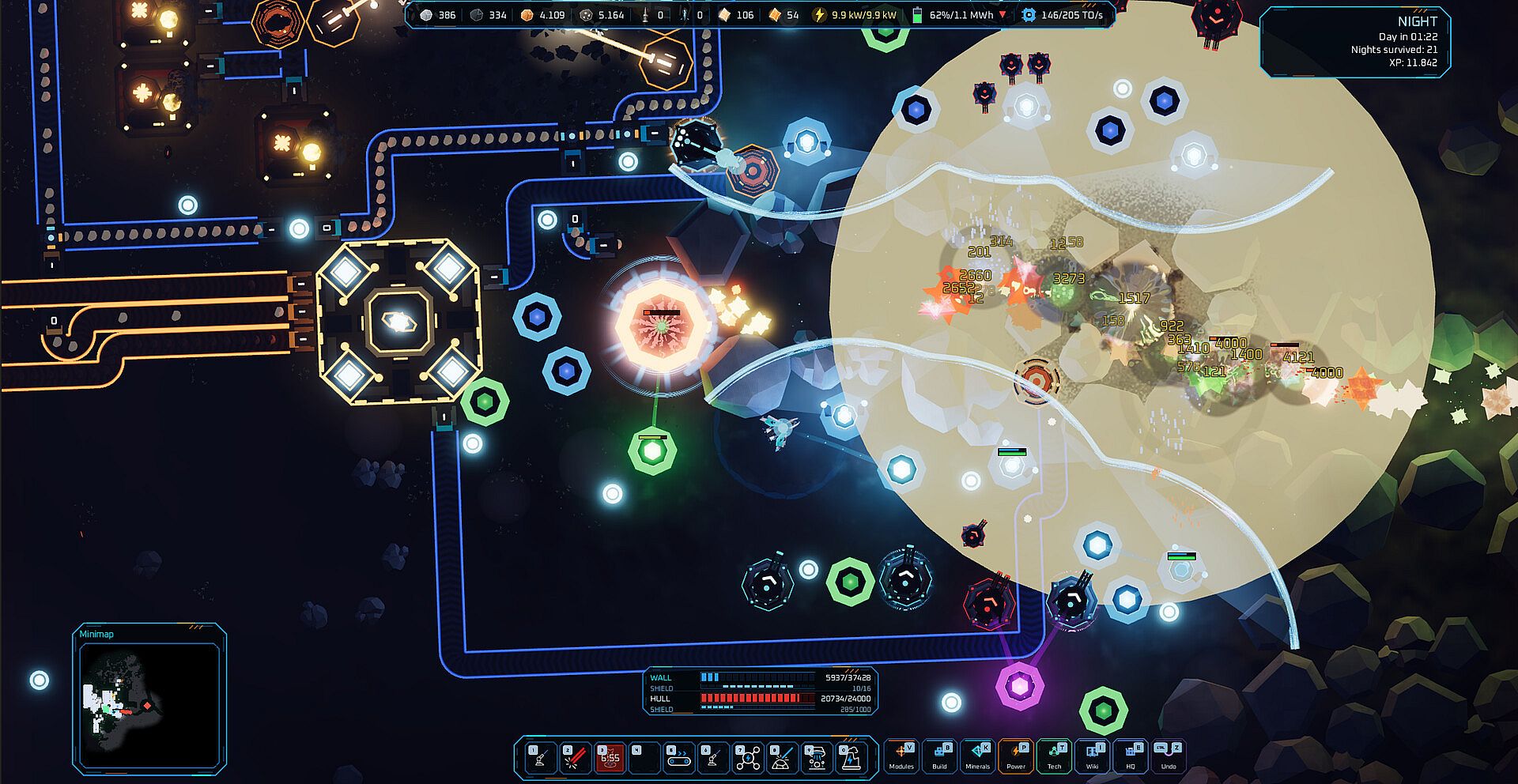
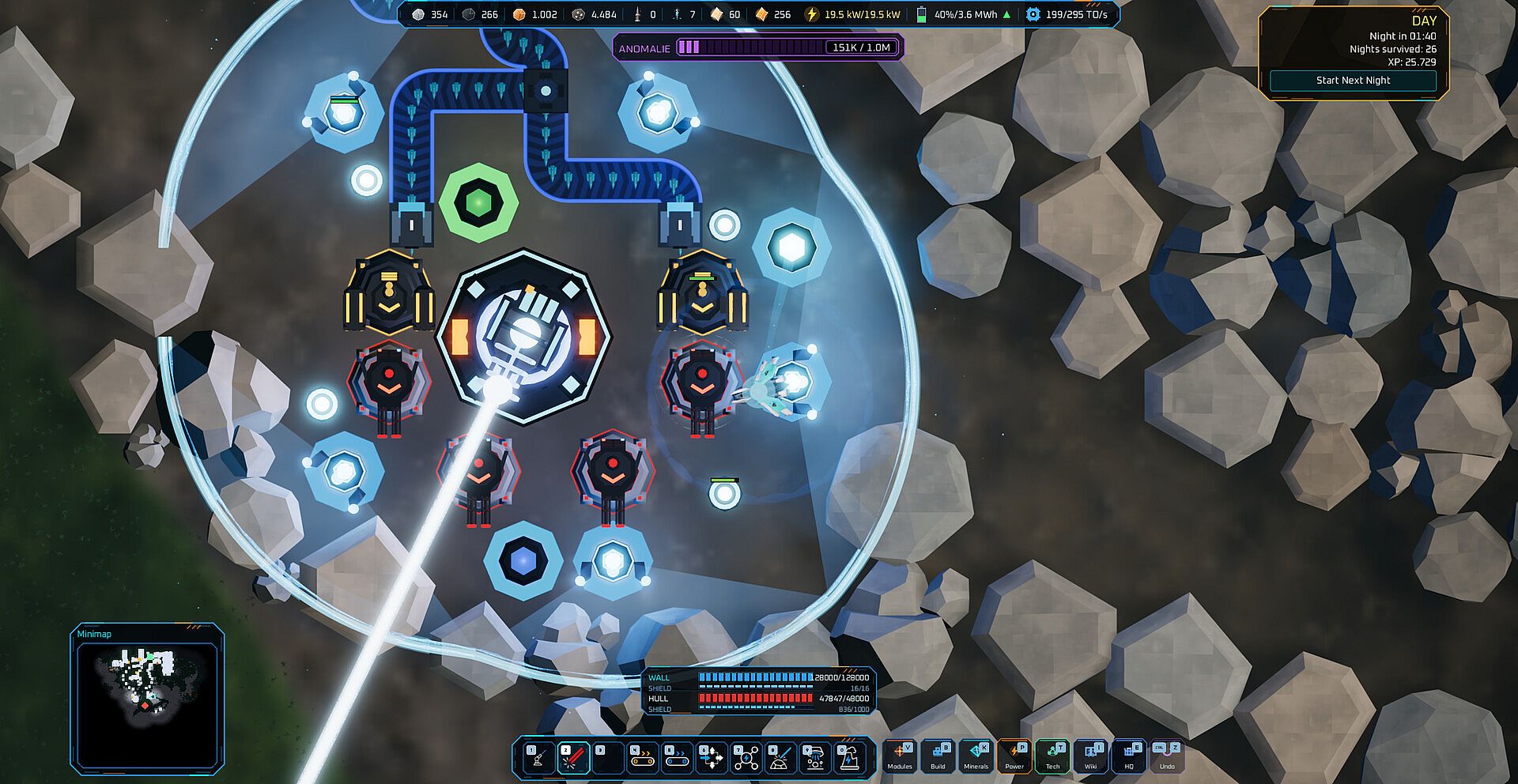
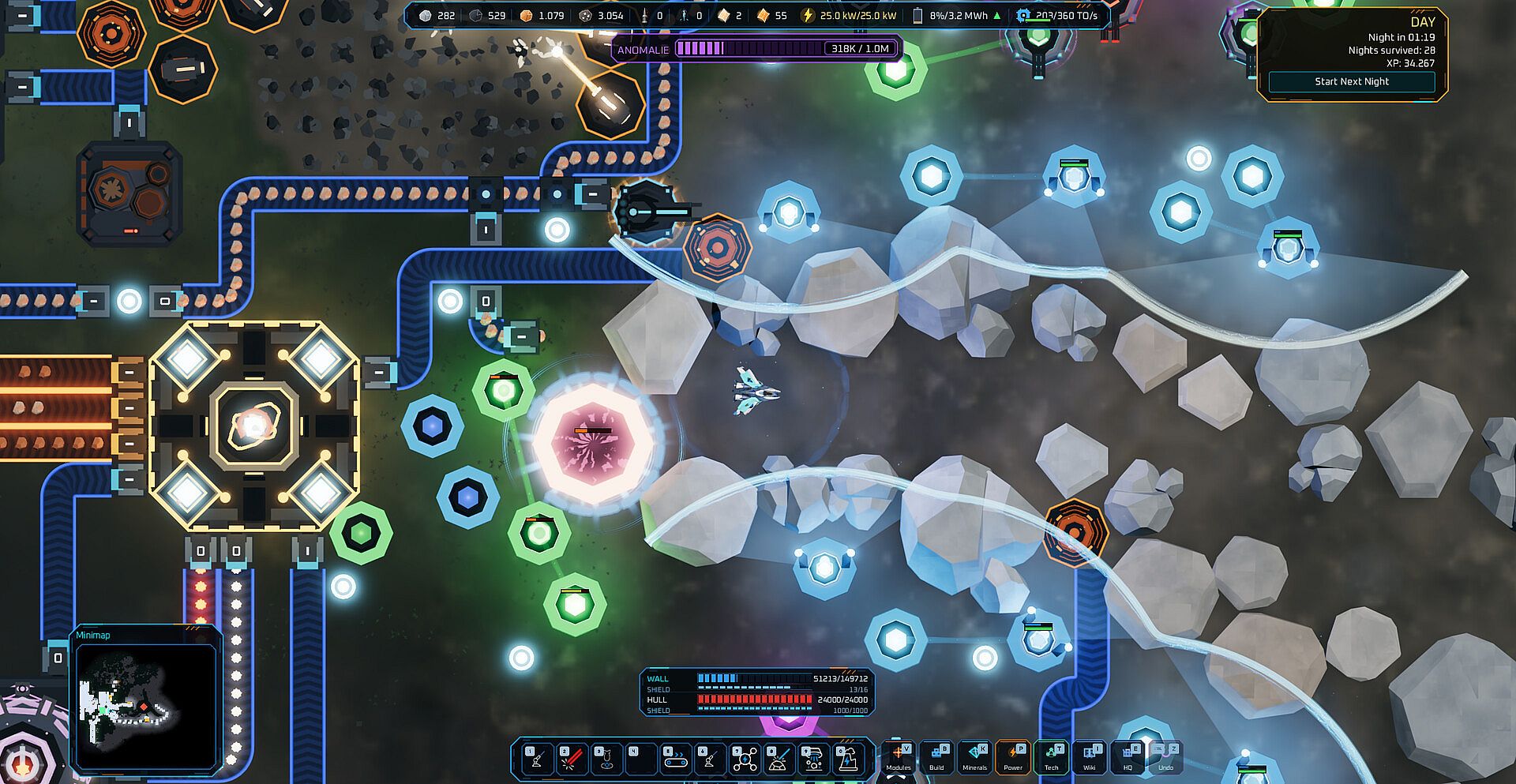
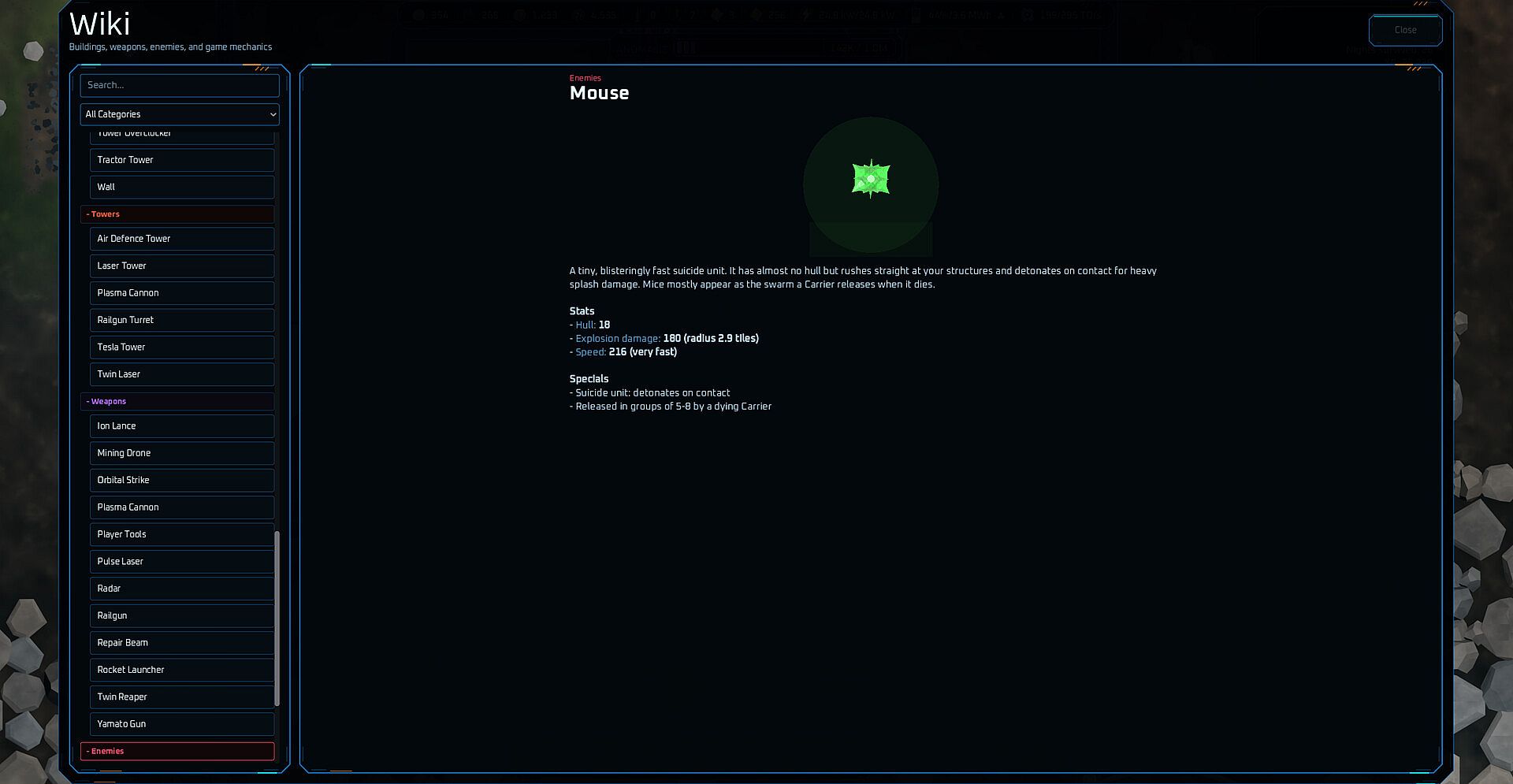

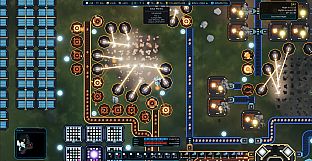
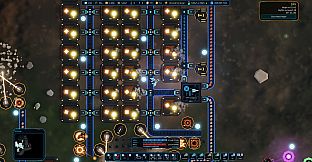
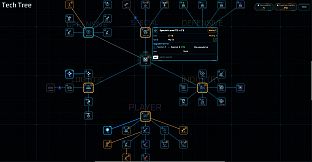


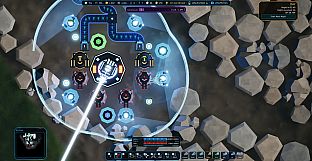
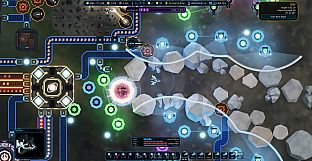
Mineral Zone is an action indie casual early access survival game on PC that blends base building, tower defense, and hands-on combat. Players gather resources during the day to expand their industrial setup and then face escalating enemy waves each night. The core loop revolves around preparing defenses while remaining ready to step into direct fights when automated systems fall short.
Gameplay
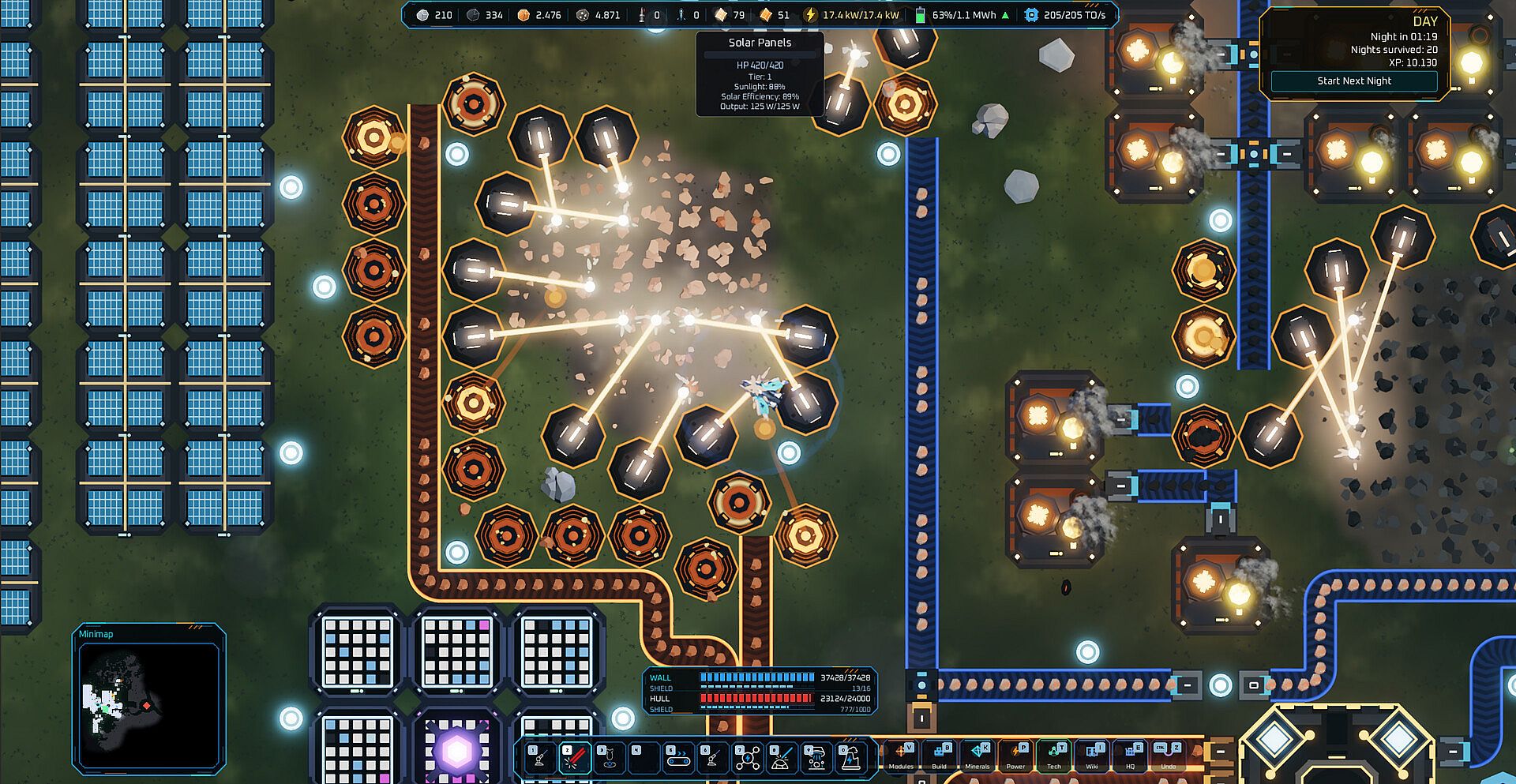
The experience centers on a day-night cycle that drives progression. During daylight hours, players collect minerals and allocate them toward new structures, upgrades, and infrastructure expansion. Choices made in this phase directly influence how well the base holds up once darkness arrives. Defenses consist of towers and other automated systems that handle the bulk of incoming threats, yet they require constant reinforcement because no static setup can cover every angle indefinitely.
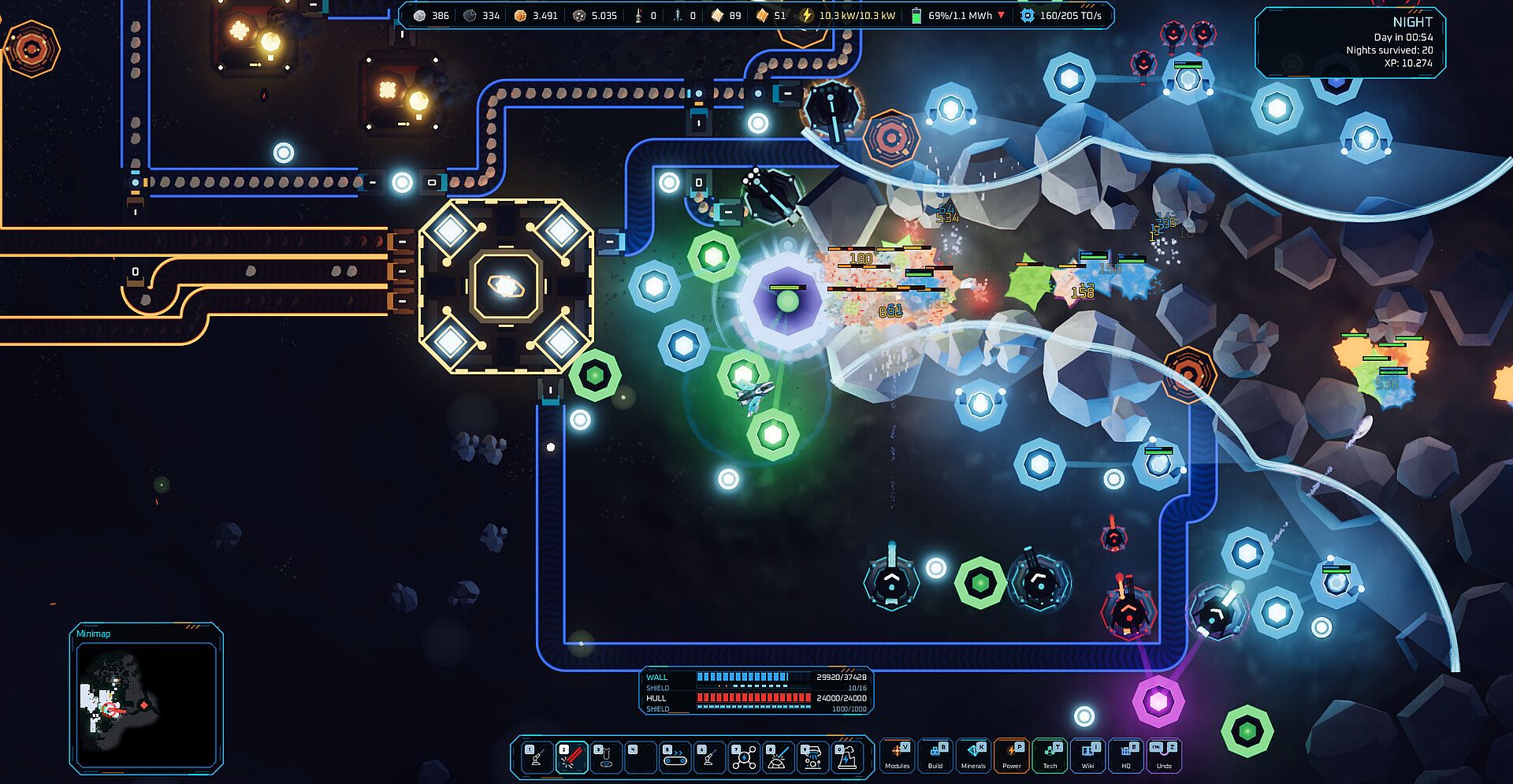
When night falls, waves of enemies test the prepared fortifications. The intensity grows with each successive night, forcing players to adapt their layouts and resource priorities. Active combat becomes essential during these periods, as players must personally engage threats that breach the perimeter. This mix keeps the action varied, shifting between strategic placement and real-time intervention.
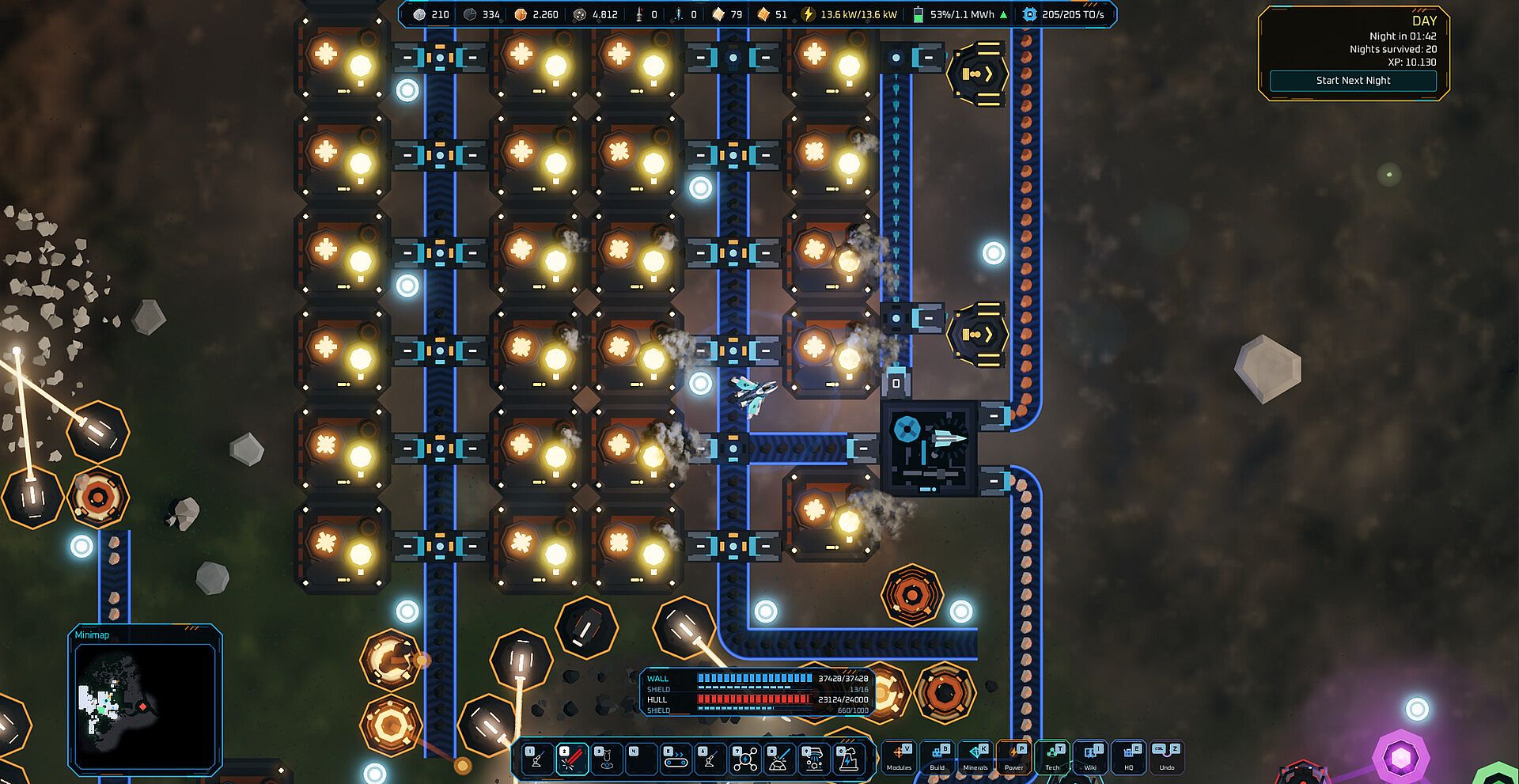
Resource management forms the foundation of every session. Minerals serve as the primary currency for construction and improvements, encouraging efficient gathering and thoughtful investment. Expanding production lines during calmer intervals helps sustain longer survival runs, but overextension can leave gaps that enemies exploit.
Game Modes
Mineral Zone supports both solo and cooperative play within its survival framework. In single-player sessions, the full responsibility for gathering, building, and fighting rests on one person, creating a focused test of preparation and adaptability. Each night survived brings tougher challenges, with the goal of lasting as many cycles as possible.
Cooperative play allows multiple participants to share duties across the same base. Teammates can divide tasks such as reinforcing separate sections, managing different production areas, or coordinating responses when an attack intensifies. This setup turns the escalating nights into a shared effort where communication and role specialization add depth to the defense strategy.
Core Survival Loop
Every run begins with limited resources and a modest starting base. Players expand methodically by prioritizing structures that boost mineral output or strengthen defensive capabilities. The quieter daytime periods provide opportunities to scale up operations and patch vulnerabilities before the next wave arrives. Success depends on balancing economic growth with defensive readiness, as neglecting either side leads to rapid failure once enemies intensify their assaults.
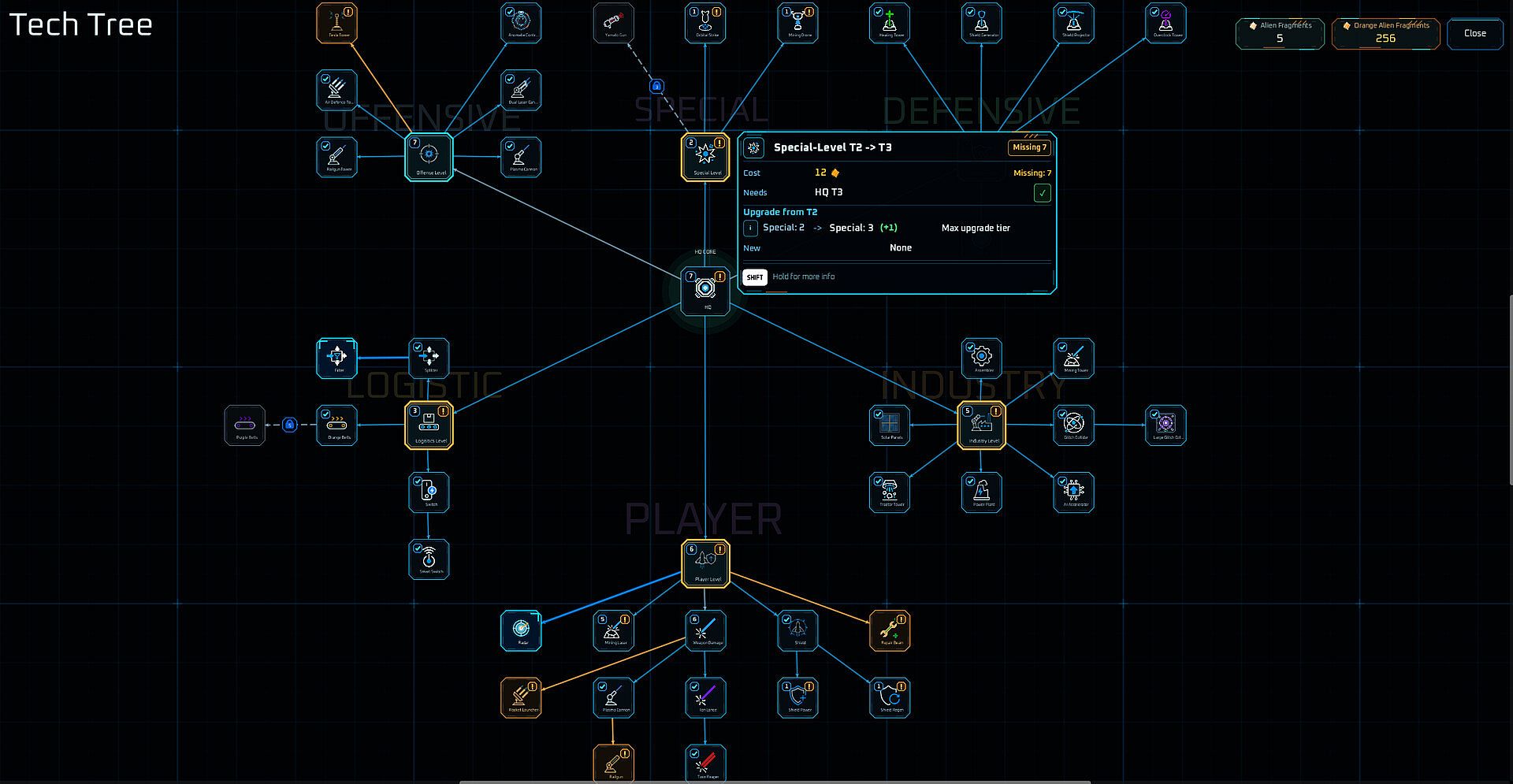
The survival aspect emphasizes long-term planning across multiple nights. Early decisions compound over time, shaping whether the base can withstand increasingly aggressive incursions. Players who refine their layouts and upgrade key systems tend to extend their runs further, while those who focus too narrowly on one aspect often reach a breaking point sooner.
Is It Worth Playing?
Mineral Zone suits players who enjoy combining strategic base building with tower defense mechanics and occasional direct combat in a survival setting. The day-night progression creates a clear rhythm of preparation and confrontation that rewards careful planning and quick reactions alike. Those drawn to indie survival experiences with co-op options will find the shared defense sessions particularly engaging, as splitting responsibilities adds variety to the core loop.
As an early access title, the game continues to evolve, with the current build already delivering the foundational systems of resource gathering, defensive construction, and wave-based combat. Players comfortable with titles in active development may appreciate contributing to its growth through feedback while experiencing the survival challenge firsthand. The emphasis on both solo endurance and cooperative chaos makes it a solid fit for fans of the genre who value hands-on involvement over purely automated defenses.