


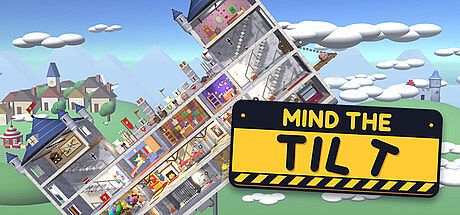



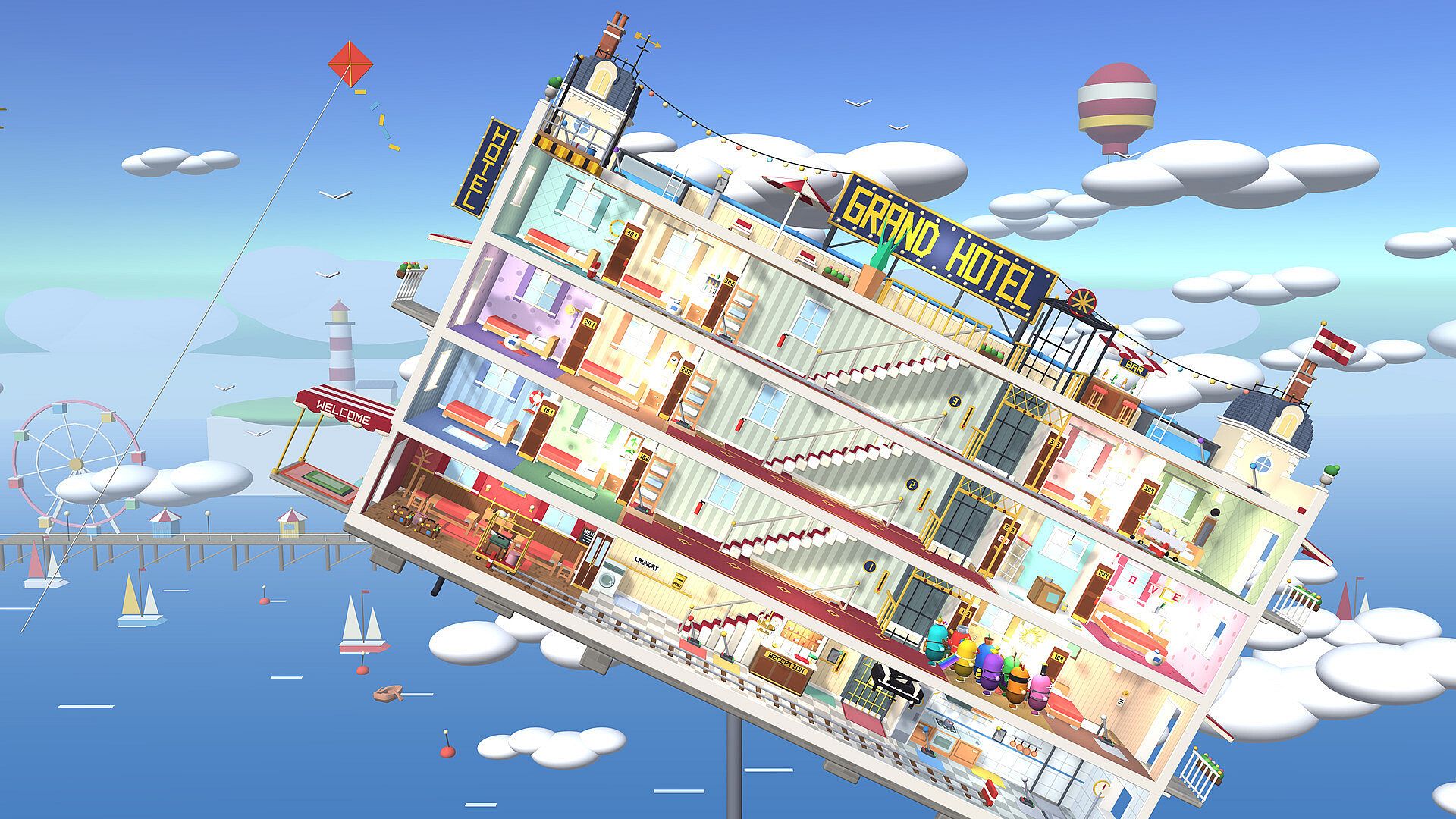
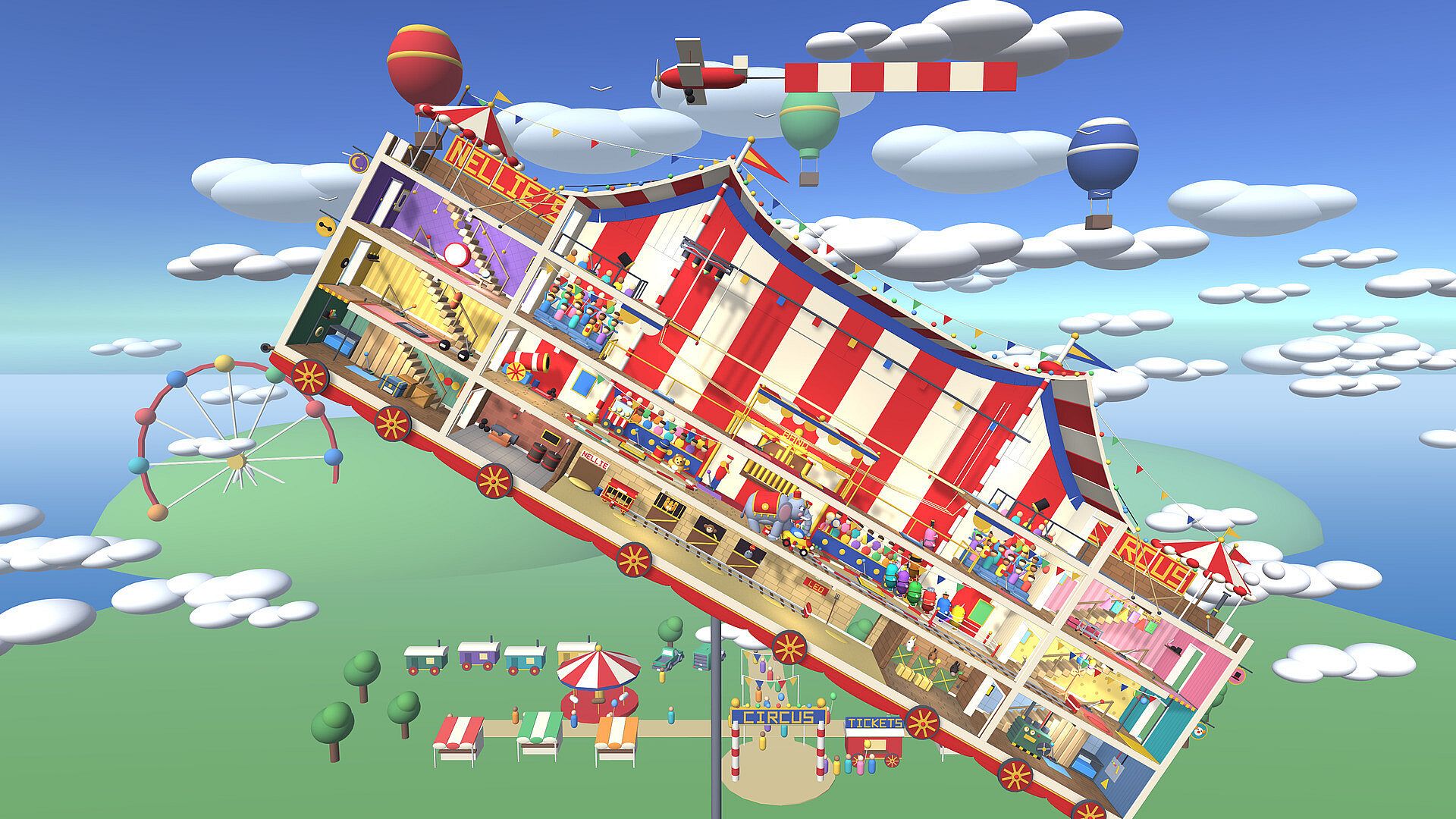








Mind the Tilt is a physics-driven party game in the action, indie, and casual genres that puts players in charge of balancing houses perched on a single pin. Everything inside carries weight, from furniture and people to unusual objects like elephants, and the placement of those weights determines whether the structure stays upright or tips over. The game supports one to eight players on a single PC through shared screen or online multiplayer, with AI-controlled housemates available to fill empty spots for solo play.
Gameplay
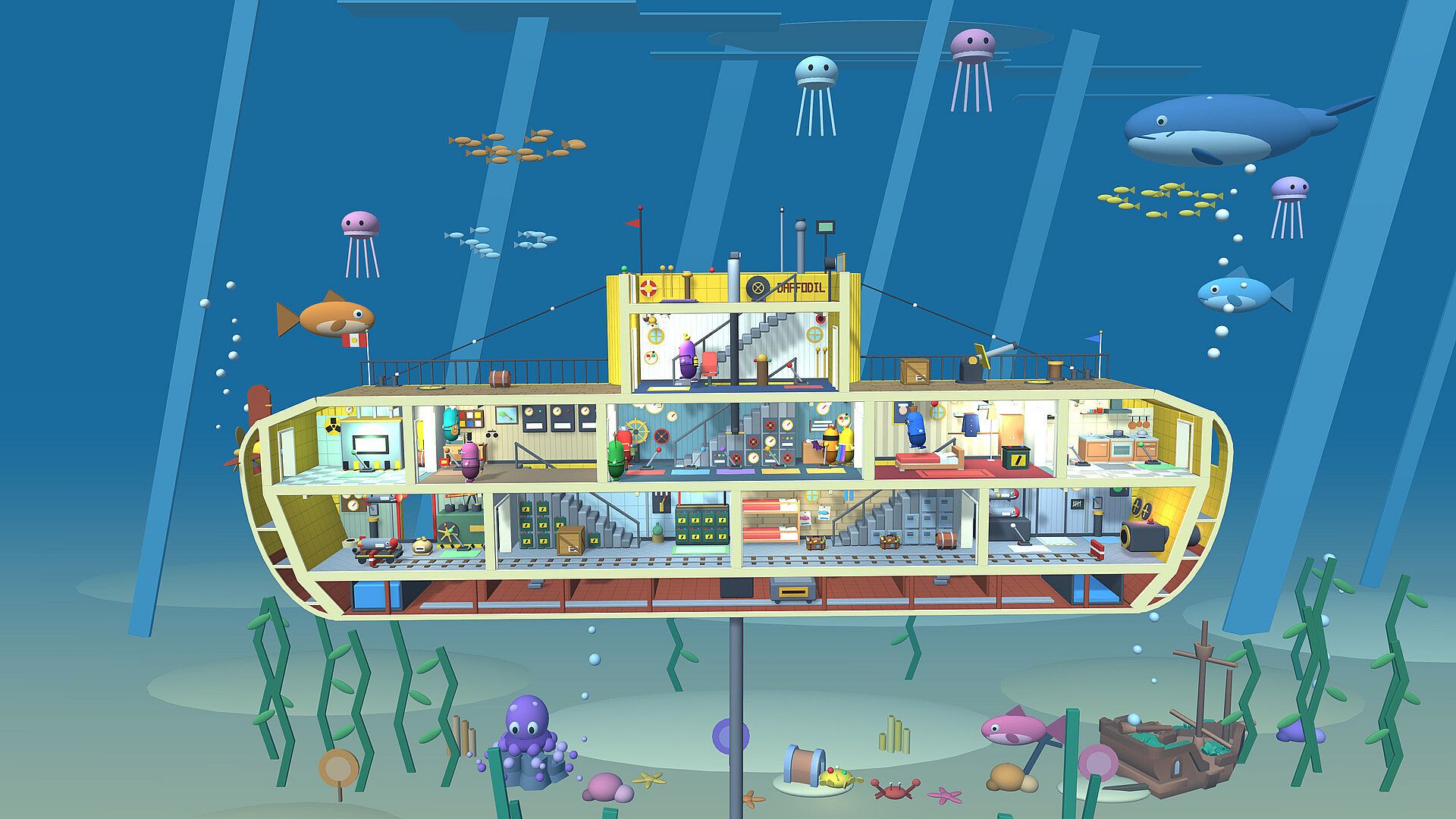
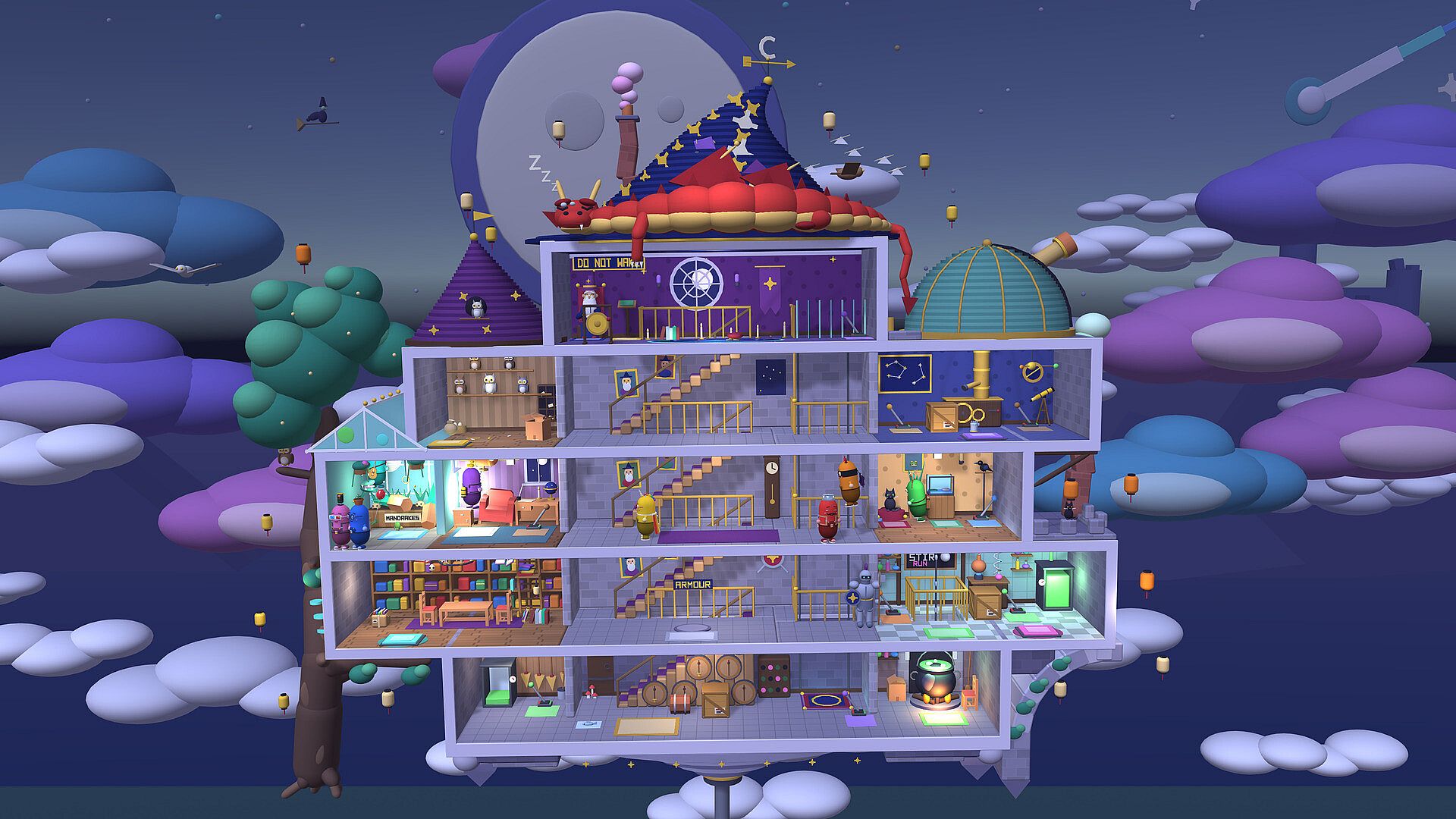
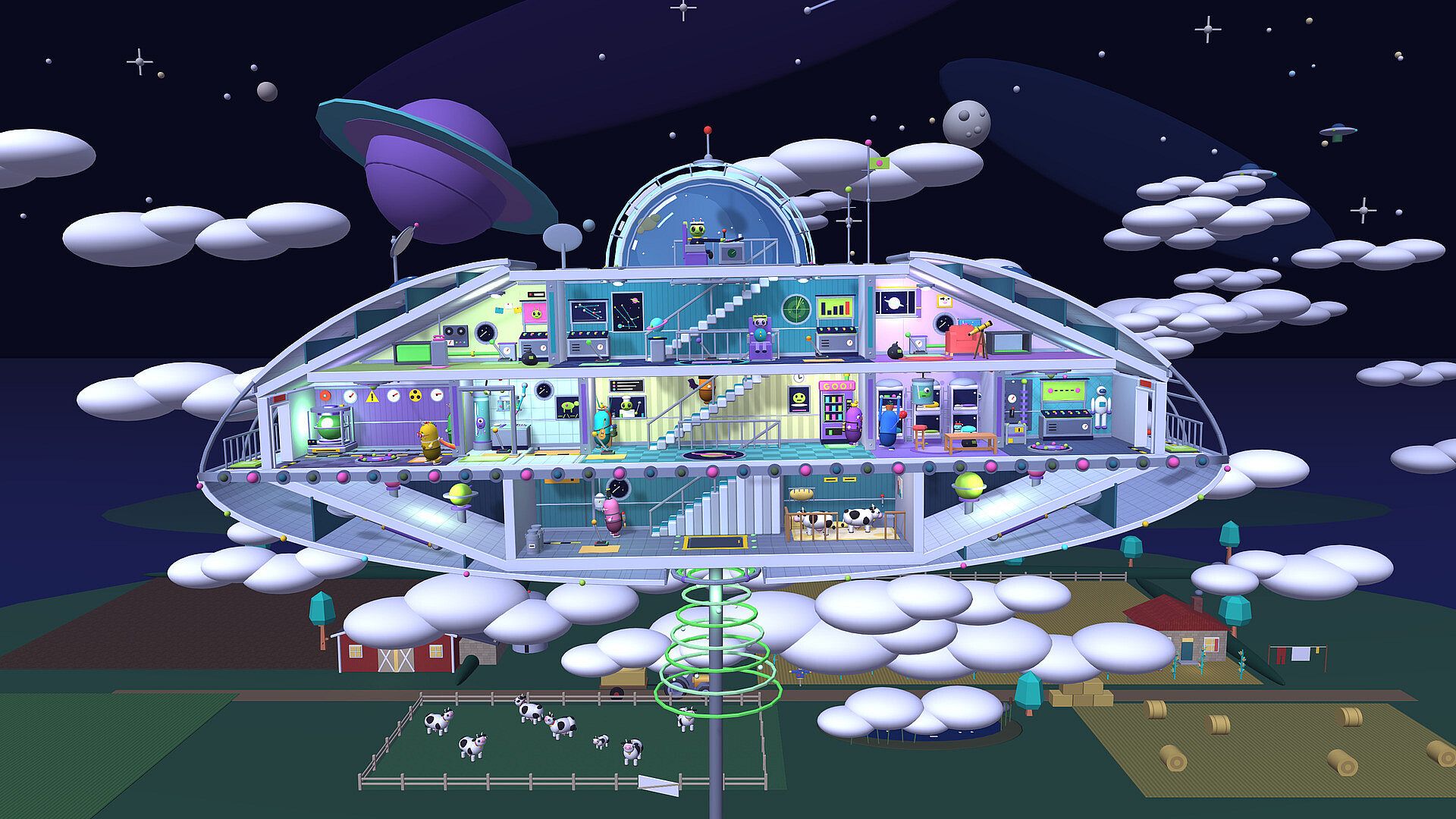
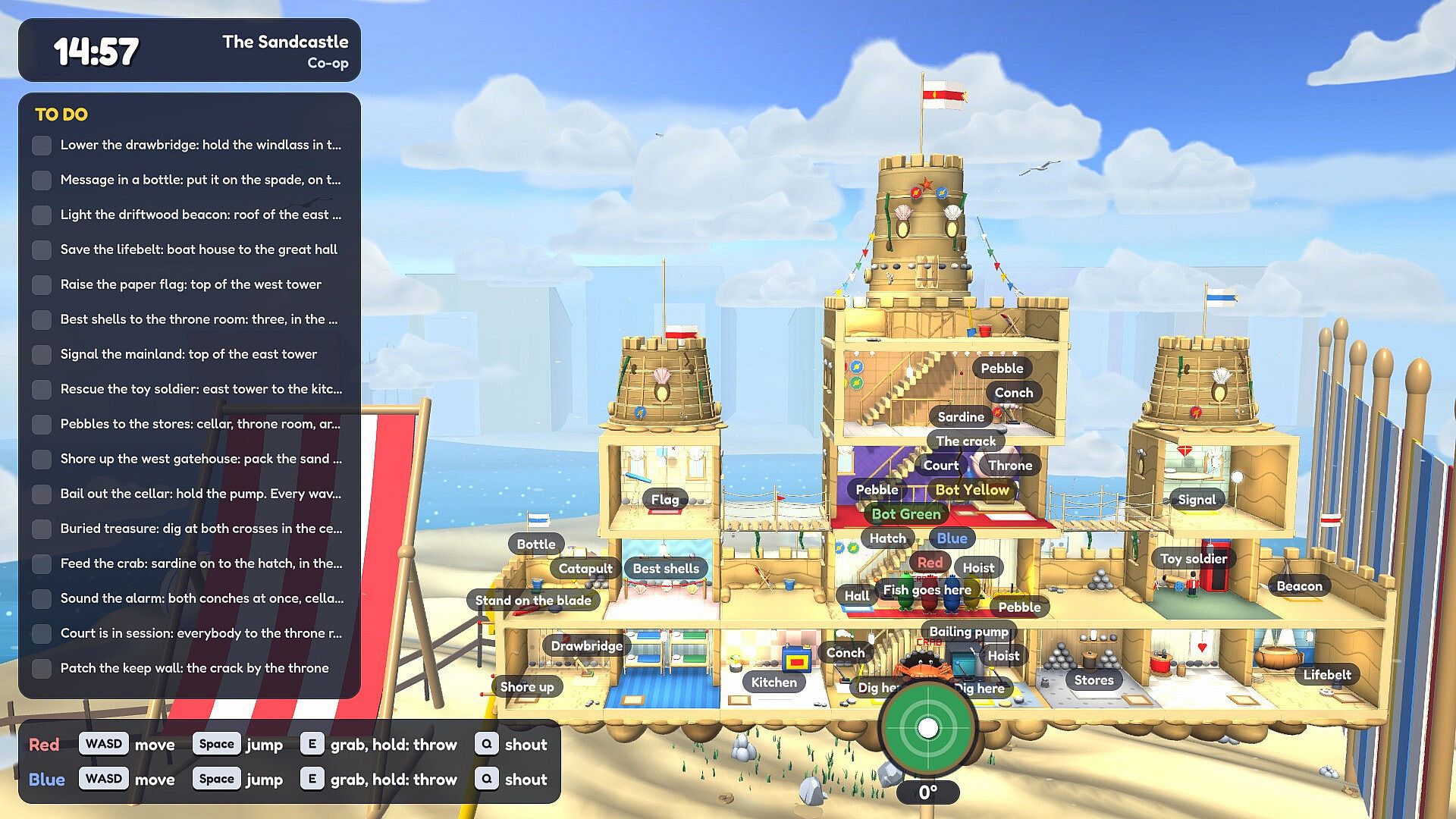
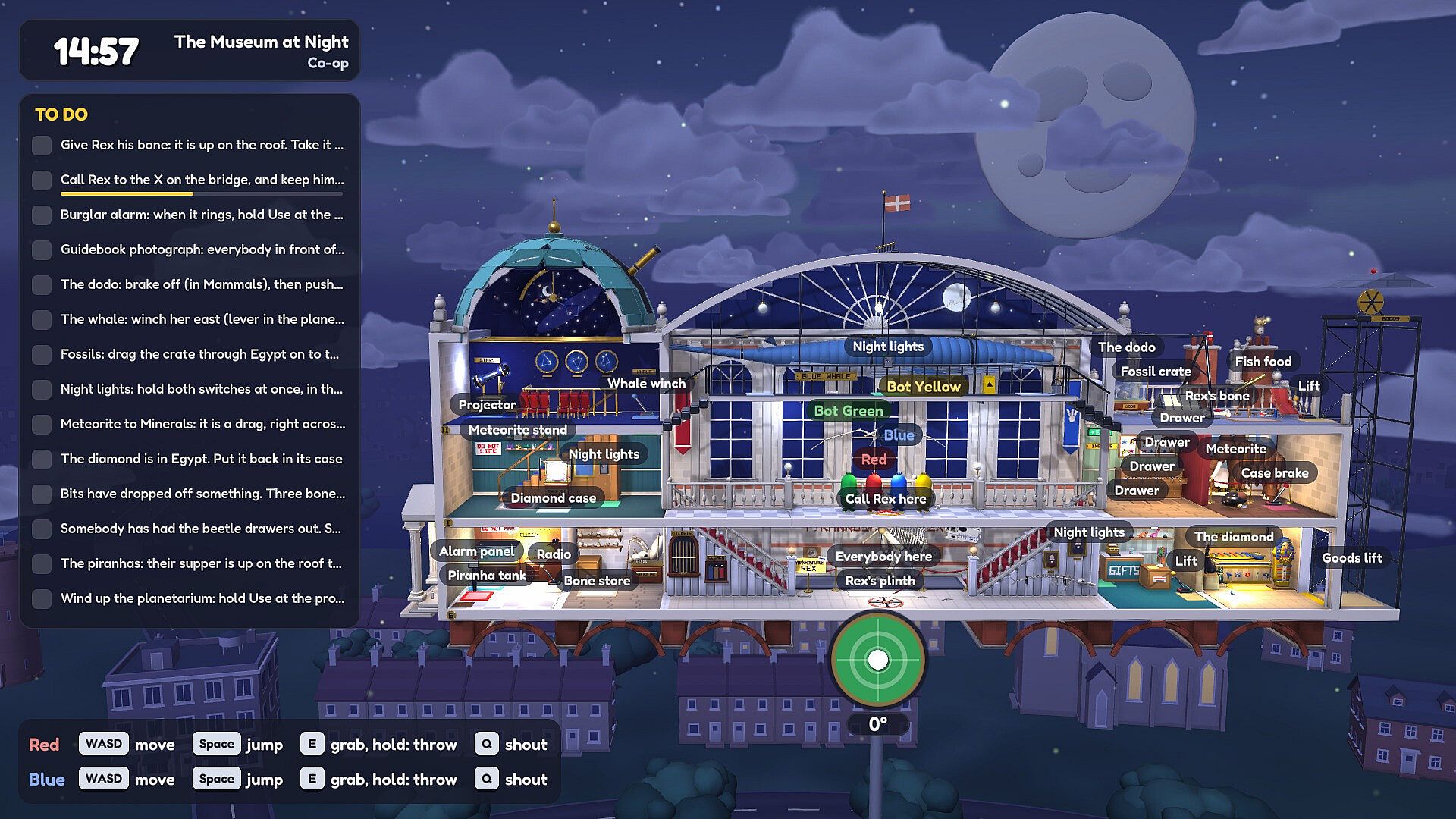
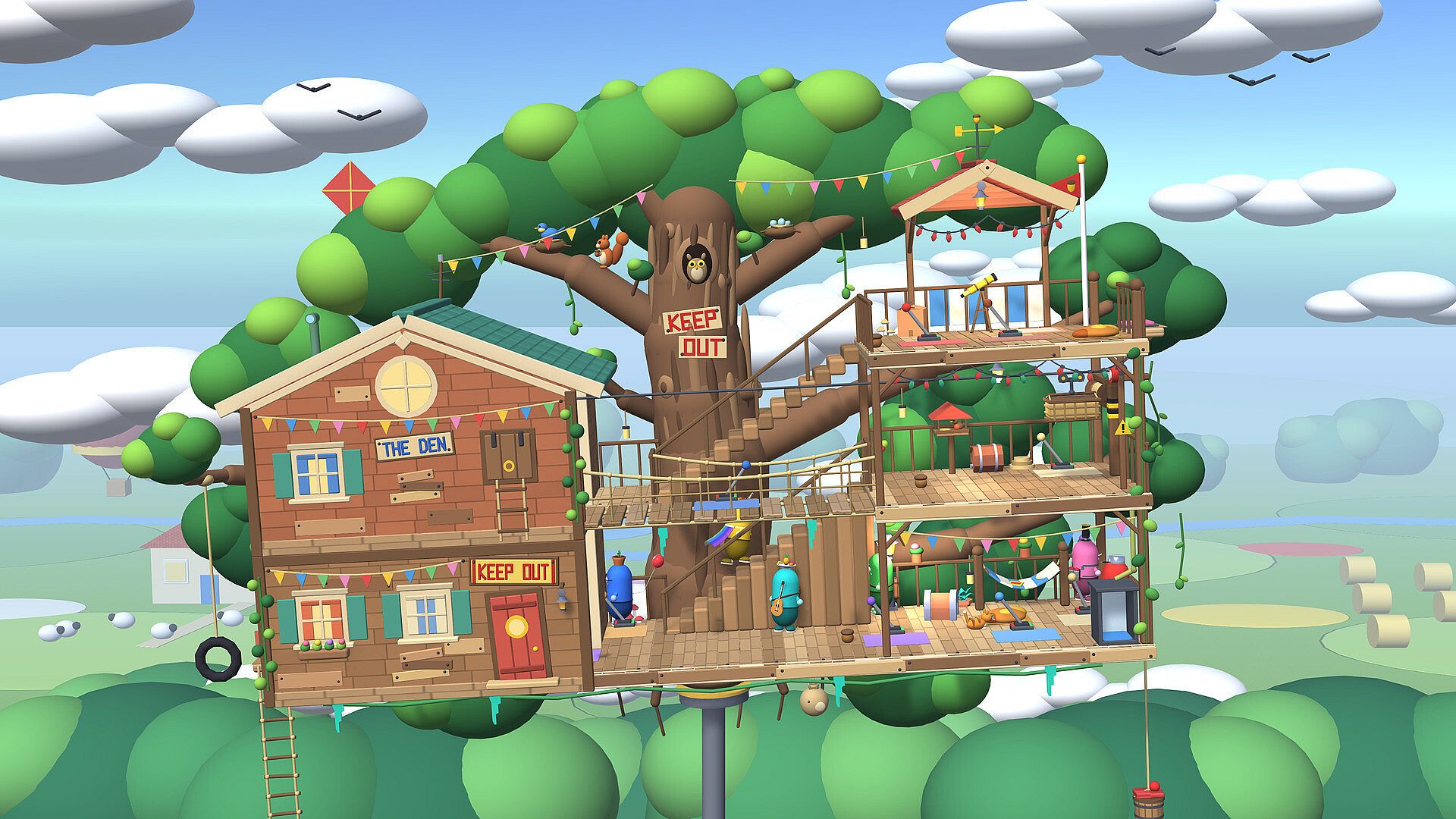
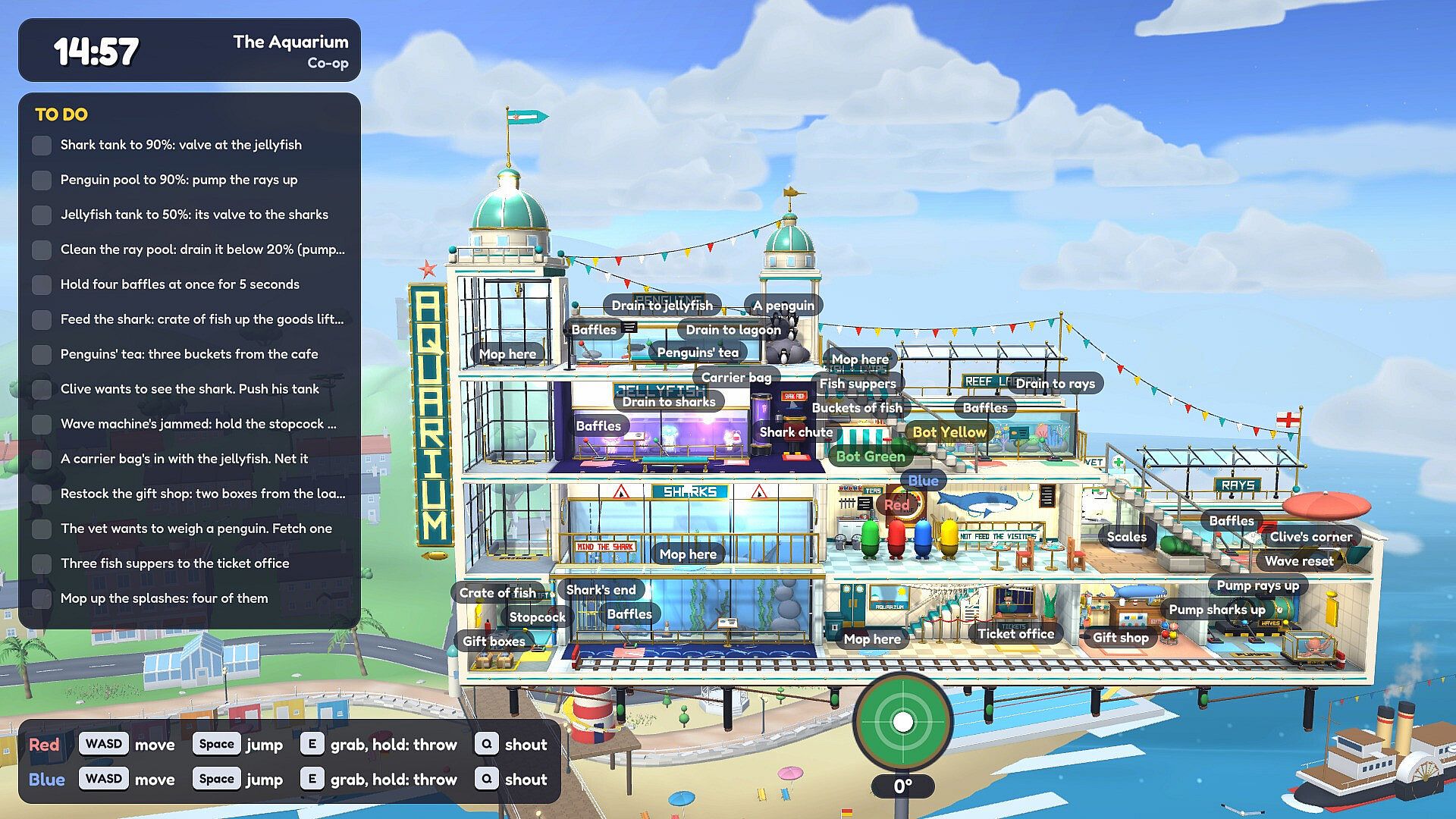
Each house functions like a cutaway dollhouse where only the current room opens for view while others remain hidden. Players see the overall lean angle and a list of tasks but cannot track teammates directly, which encourages communication across rooms. Levers, cranes, winches, pumps, lifts, carts, and conveyor belts appear throughout the structures, often separated from the objects they affect, so coordination becomes essential. Heavy items or groups of players on upper floors increase instability, and the house reacts in real time to every shift in weight or machinery use.
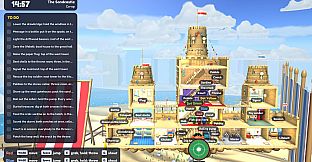
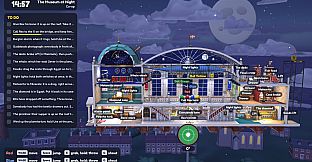
Twenty-nine houses spread across six tiers offer increasing complexity, starting with small terraces and progressing to a large haunted mansion with fifty rooms. Completing houses earns stars that unlock later tiers. Each building includes a unique twist that alters how weight and movement behave, such as an elephant that follows peanuts, a sloshing rooftop pool, a constantly moving coaster, a responsive museum dinosaur, or a sandcastle that erodes gradually with the tide. Four wobble settings range from Gentle to Crazy, adjusting how forgiving the balance mechanics feel during play.
Game Modes
Three distinct modes shape the experience. Co-op requires the group to complete all listed jobs before a timer expires while keeping the house stable. Saboteur introduces hidden roles where one player secretly aims to cause a tip, and the others must identify and vote out the culprit before the structure falls. Endless mode removes the clock entirely and steadily increases the pace of tasks and movement until the inevitable collapse occurs.
Failure in any mode triggers a dramatic flip where the house tumbles and smashes, after which the game displays in large text exactly which player or action caused the tip, followed by a replay for review and discussion.
Progression and Customization
Players earn coins after each round that can be spent on cosmetic options for their housemate character, including hats, faces, and backs. These items remain purely visual with no real-money purchases involved. Leaderboards track both the most successful housemates who maintain balance longest and the least successful ones responsible for the most tips. The game includes Steam achievements and cloud support for progress across sessions.
Is It Worth Playing?
Mind the Tilt remains unreleased with a planned launch on November 19, 2026, so no player reviews or aggregated ratings exist yet. The core loop centers on cooperative or competitive physics balancing across varied house layouts and modes that reward communication, quick reactions, and awareness of hidden elements. Local multiplayer on one PC or online sessions with friends suit groups who enjoy party games with physical comedy and shared blame, while AI fillers allow single-player attempts at the same challenges. Four difficulty settings and the range of house twists provide replay variety without additional purchases. Those who prefer straightforward action or narrative-driven experiences may find the emphasis on balance and teamwork less appealing, but the described mechanics align closely with fans of physics party titles that mix cooperation and light sabotage.












