




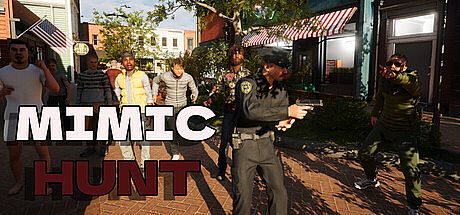


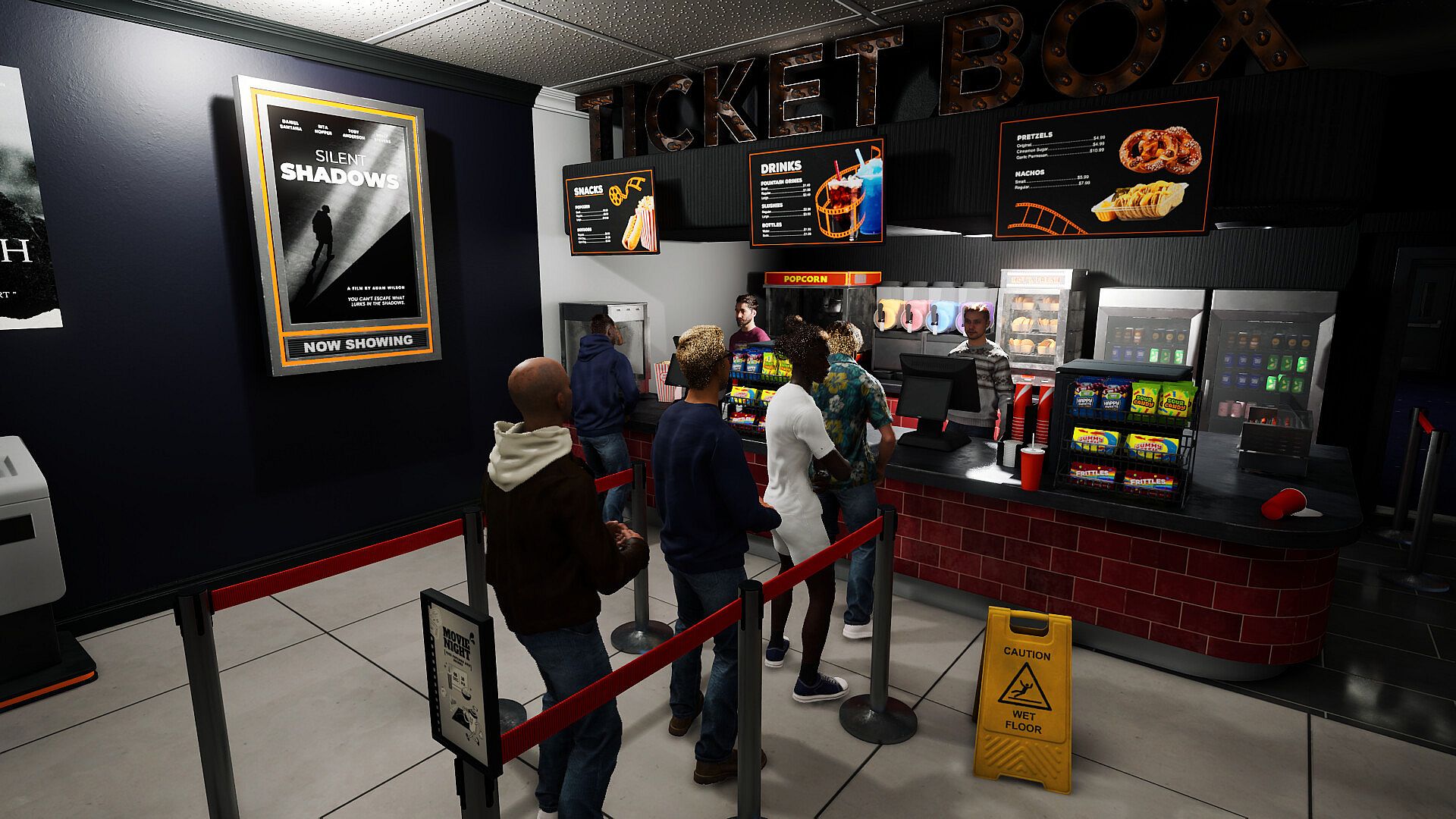
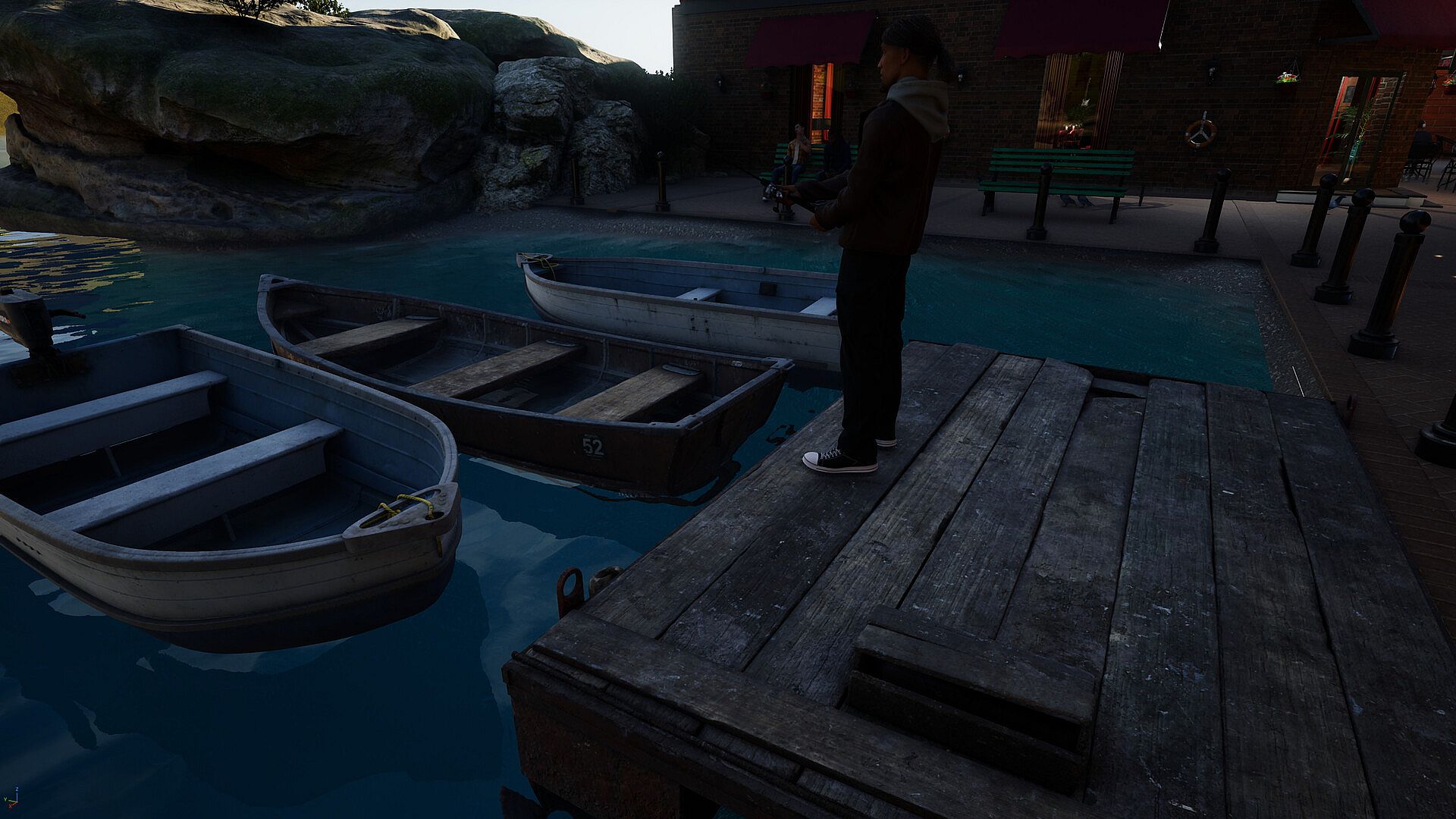
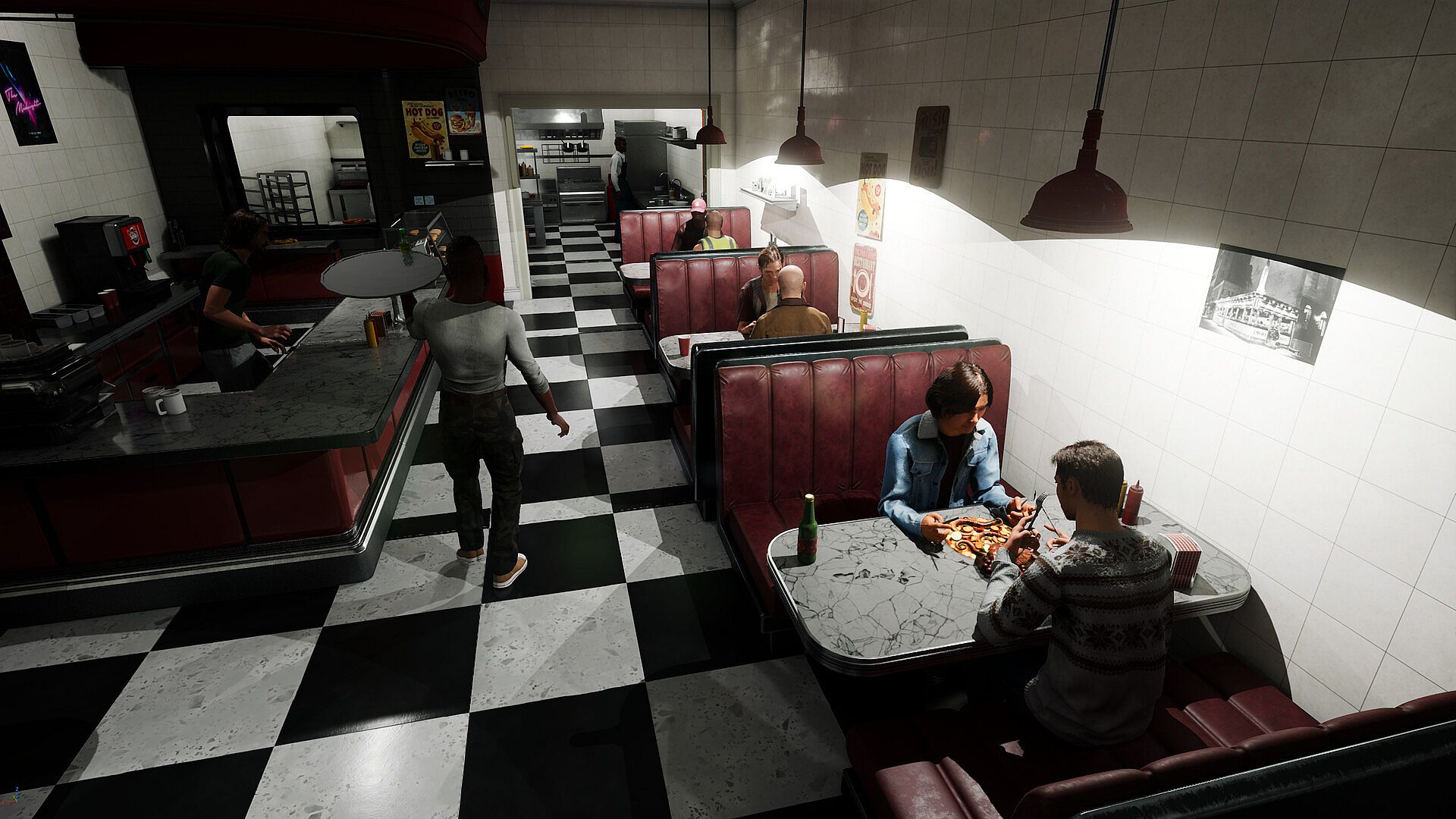
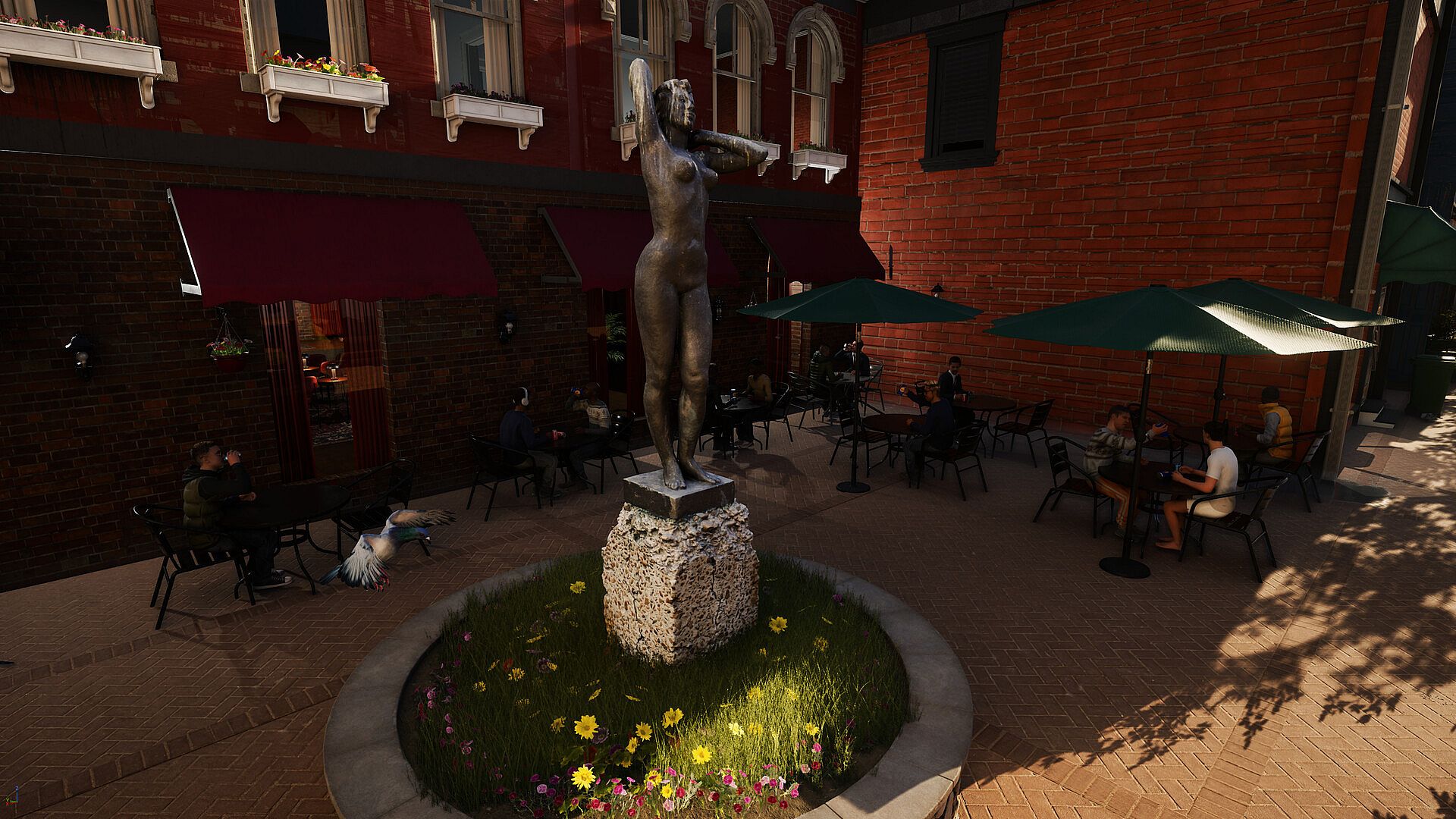
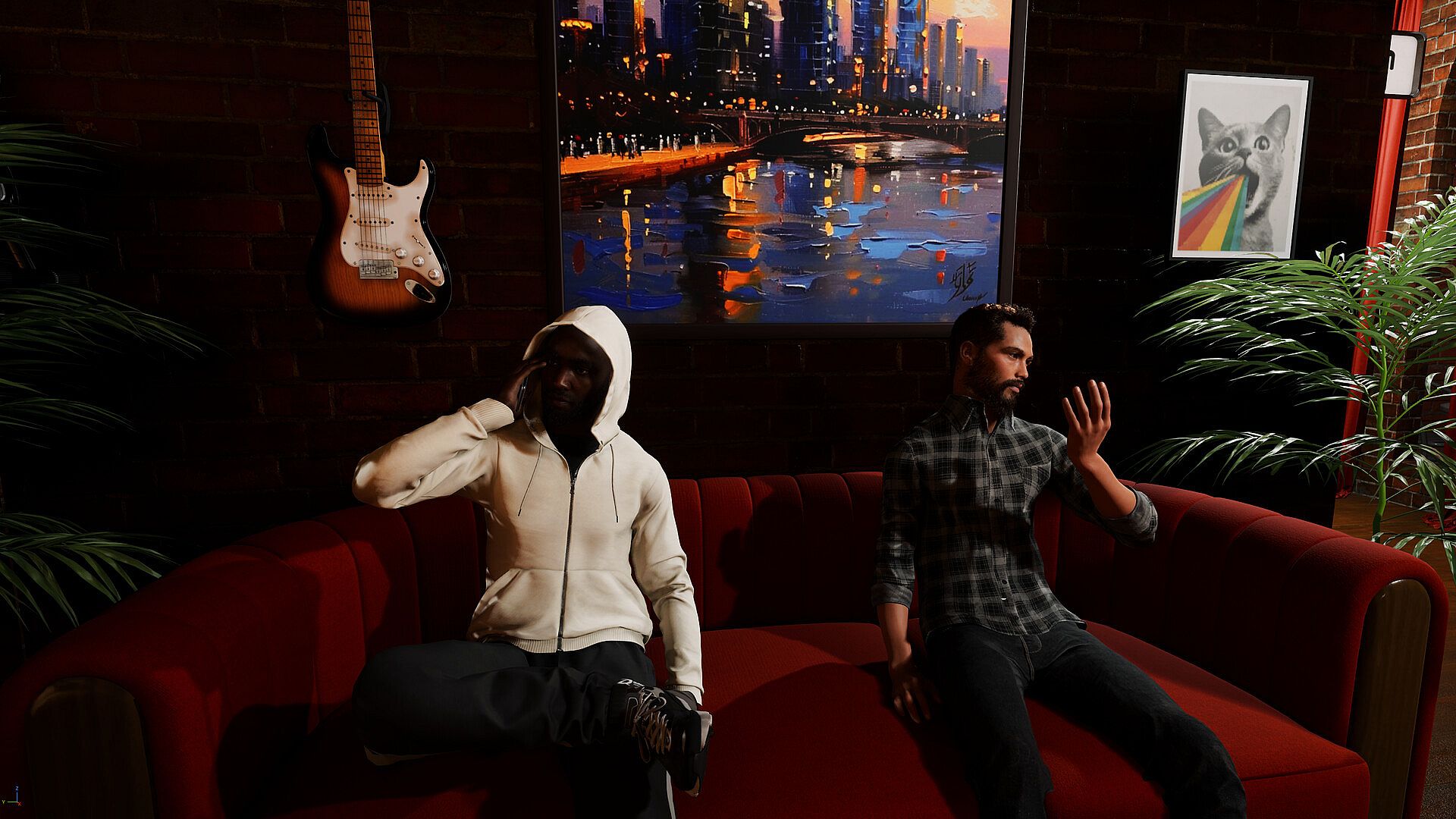

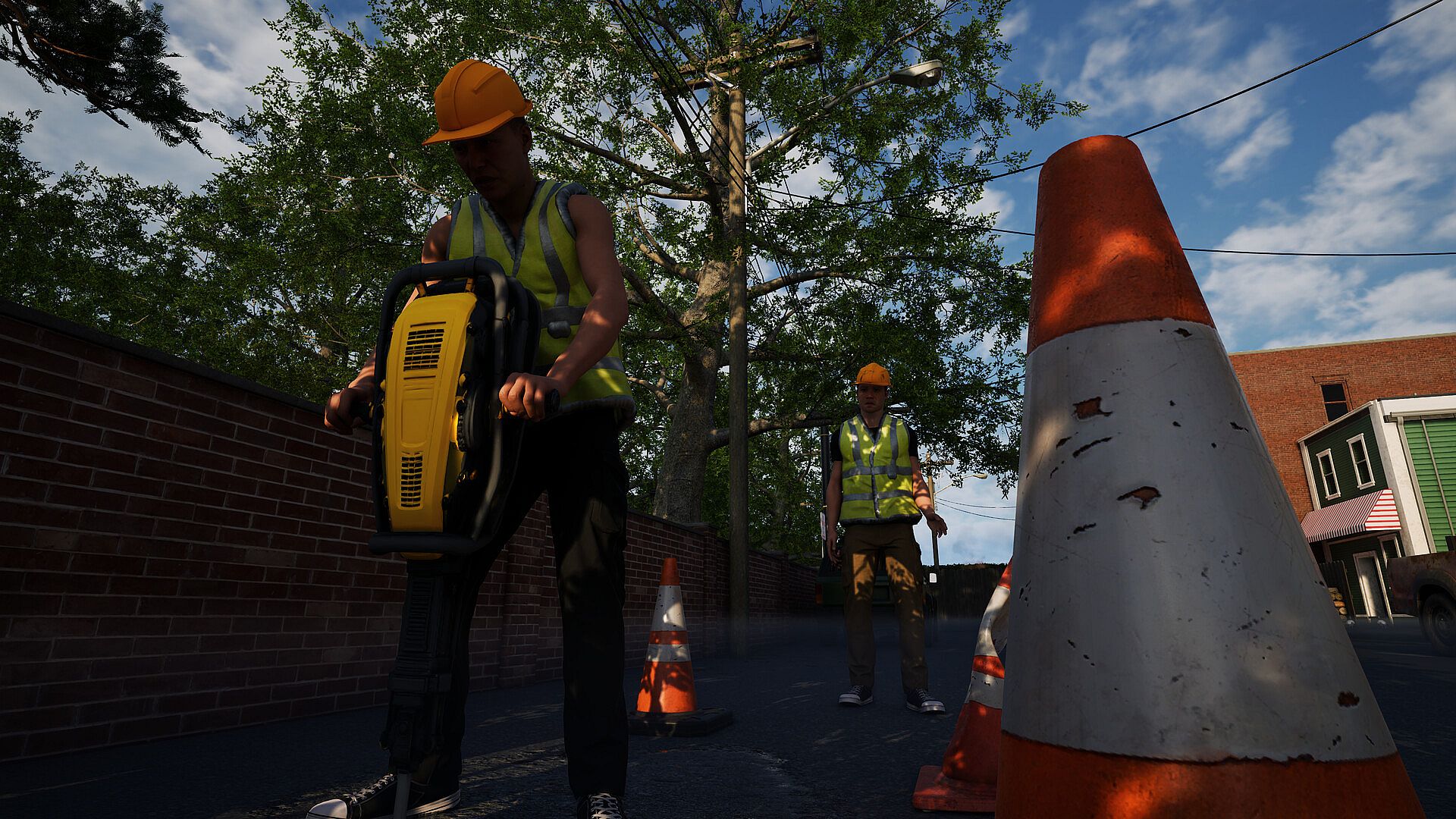
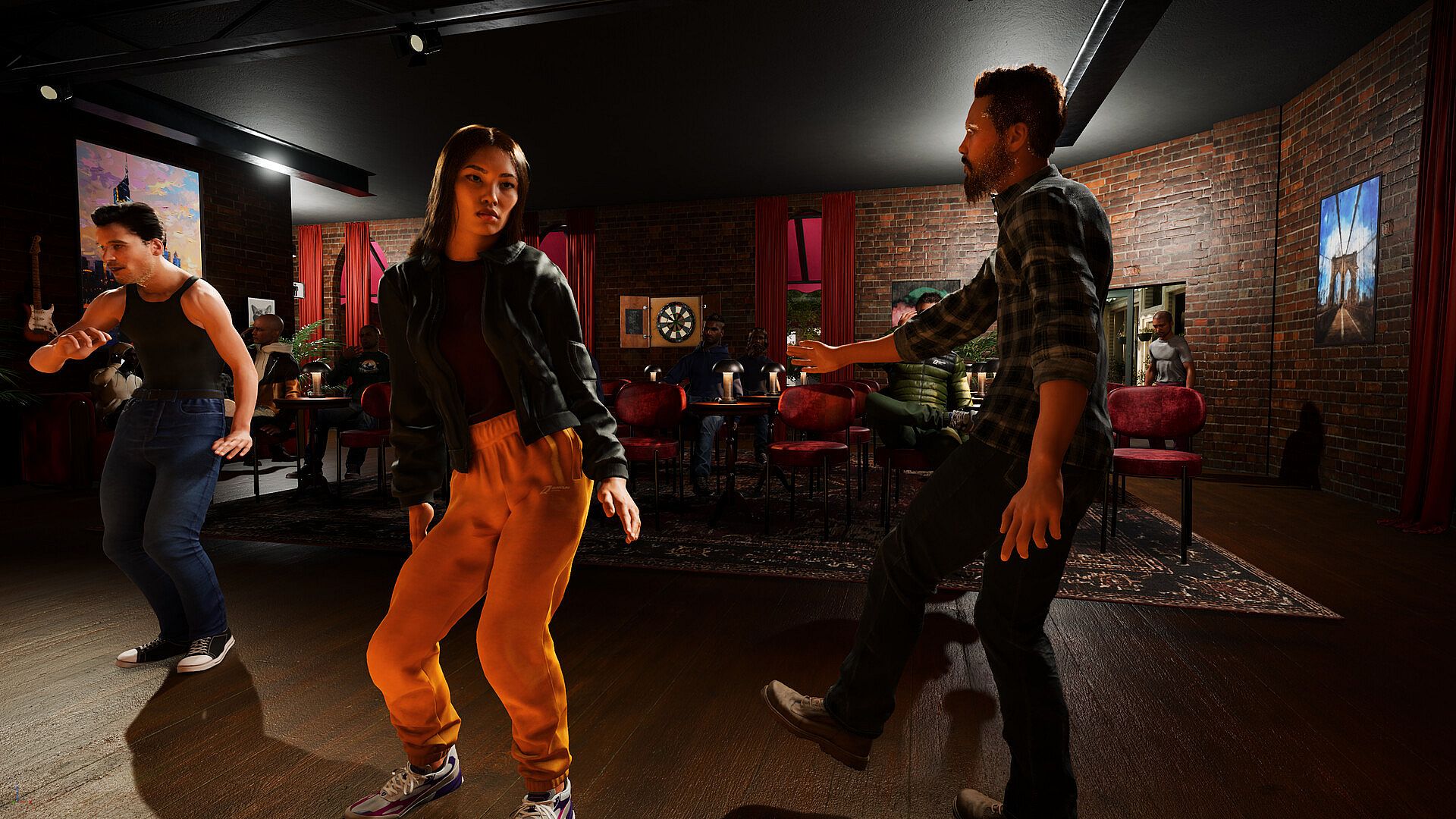
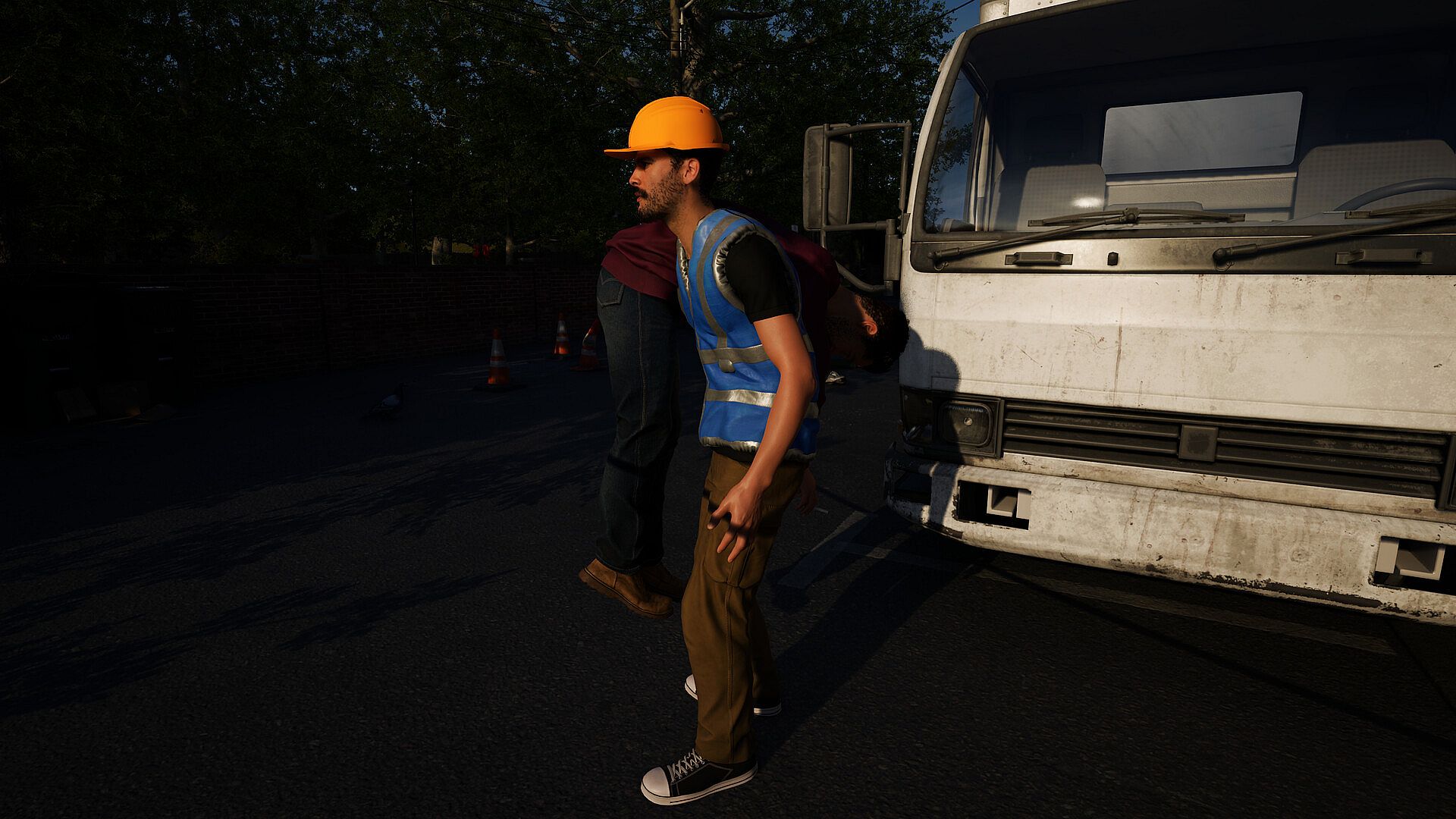

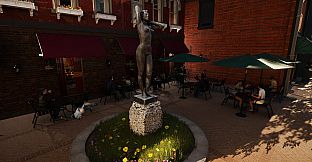


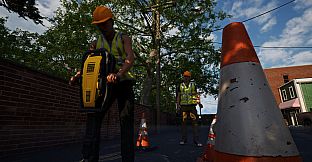
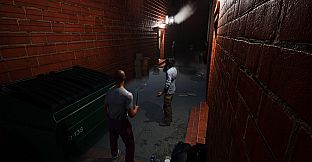


Mimic Hunt is a third-person psychological stealth game that places players in a living town where blending into crowds of civilians forms the core of both offense and defense. Developed for PC and spanning action, indie, casual, adventure, and massively multiplayer genres, it emphasizes observation, deception, and natural behavior over traditional cover or shadows.
Gameplay
Players alternate between two distinct roles that shape every session. As a Hider, the goal centers on locating and eliminating assigned targets while remaining indistinguishable from ordinary townsfolk. Success depends on matching the pace, gestures, and routines of surrounding NPCs, choosing moments to act that avoid drawing notice, and adapting instantly when the environment shifts. Suspicious movements or sudden changes in behavior can expose a Hider to nearby observers.
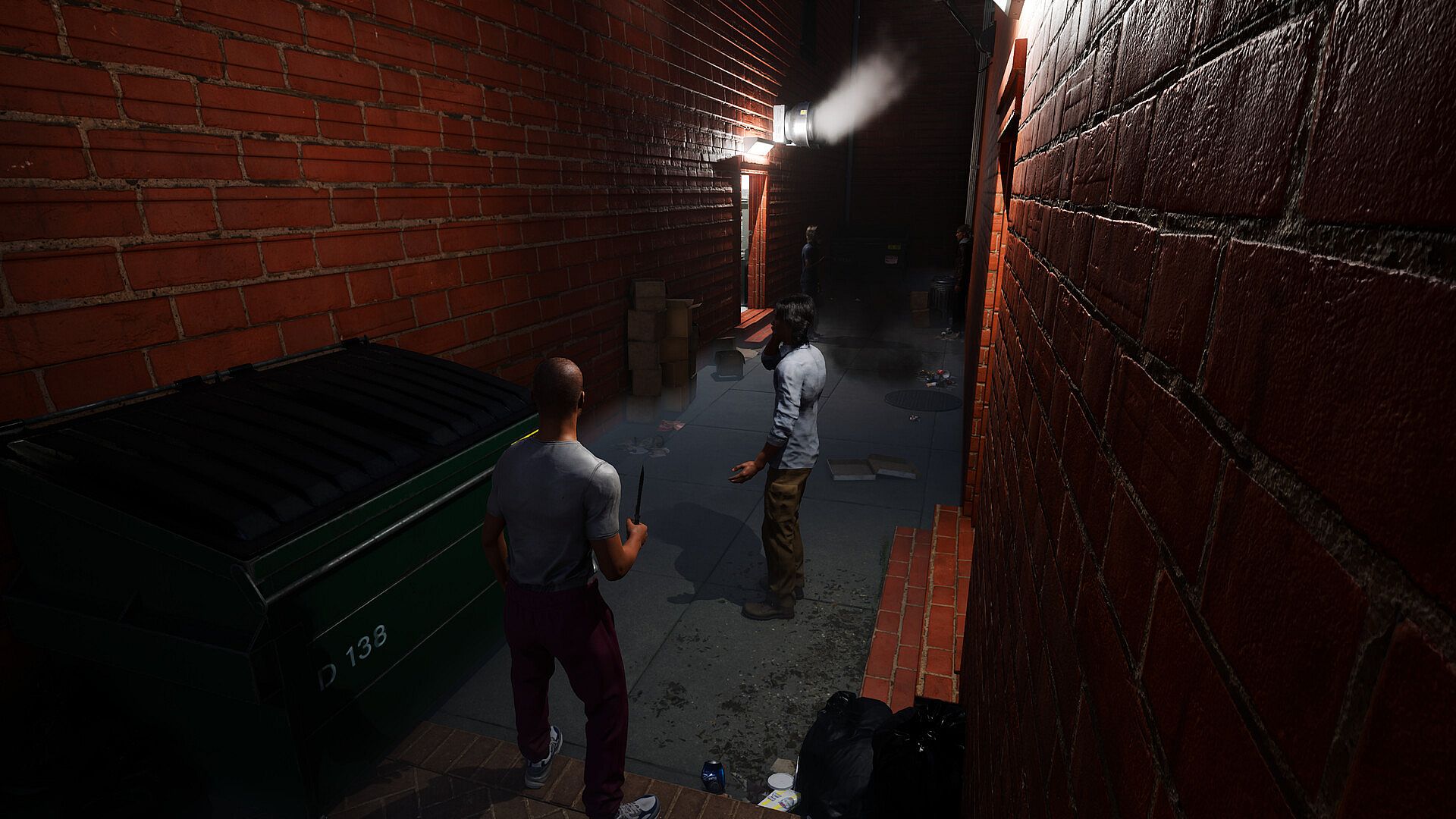
As a Hunter, attention turns outward to the crowd itself. The task involves scanning for anomalies in movement patterns, unusual pauses, or reactions that do not align with civilian norms. Disturbances such as visible weapons or aggressive actions trigger panic among NPCs, which in turn creates new opportunities and risks for both sides. The town responds dynamically, turning quiet streets into chaotic scenes that complicate hiding and hunting alike.
Psychological elements extend beyond line of sight. Every action carries weight because civilians react in real time, and one misstep can cascade into wider alerts. Players must weigh timing, positioning, and restraint against the need to complete objectives before the situation escalates into chases or confrontations.
Game Modes
Two primary ways to experience the game exist. Single-player sessions allow focused practice against AI-controlled civilians and targets, letting players refine imitation techniques and target selection without external interference. Online multiplayer introduces human opponents who fill Hider or Hunter positions, adding layers of unpredictability through genuine social interaction and coordinated efforts.
In multiplayer, participants can align as teammates or operate independently, with roles assigned per match. The shared world ensures that actions by any player influence the entire session, as civilian panic spreads and alters visibility and movement options for everyone involved.
Key Mechanics and Features
Core systems revolve around crowd integration and behavioral mimicry. Hiders study nearby civilians to replicate posture, speed, and idle actions, while Hunters develop an eye for inconsistencies that reveal disguised players. The absence of traditional stealth tools shifts emphasis to timing and environmental awareness, with violence or overt threats capable of sparking immediate crowd reactions that reshape the battlefield.
Both roles benefit from patience and adaptability. A well-timed strike as a Hider or a precise identification as a Hunter can decide outcomes, yet the living town ensures no two encounters unfold identically. The design rewards players who treat every character on screen as a potential clue or obstacle rather than static scenery.
Is It Worth Playing?
Mimic Hunt suits players drawn to deliberate, observation-heavy experiences that reward careful study of behavior over fast reflexes or resource management. Those who enjoy social deduction elements, asymmetric role play, and environments that evolve based on collective actions will find consistent depth in its mechanics. The combination of single-player refinement and human-driven multiplayer creates replayability through shifting dynamics rather than procedural variety alone. Availability on PC makes it accessible for those seeking a focused psychological stealth title built around deception and crowd awareness.











