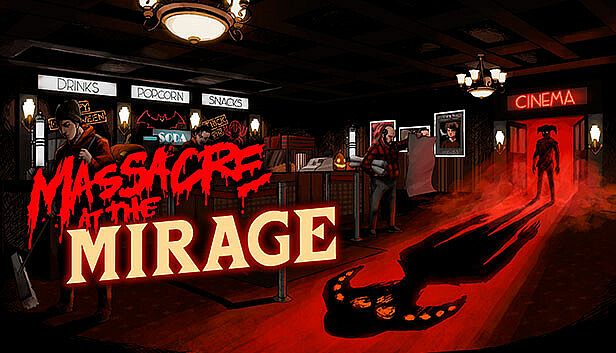













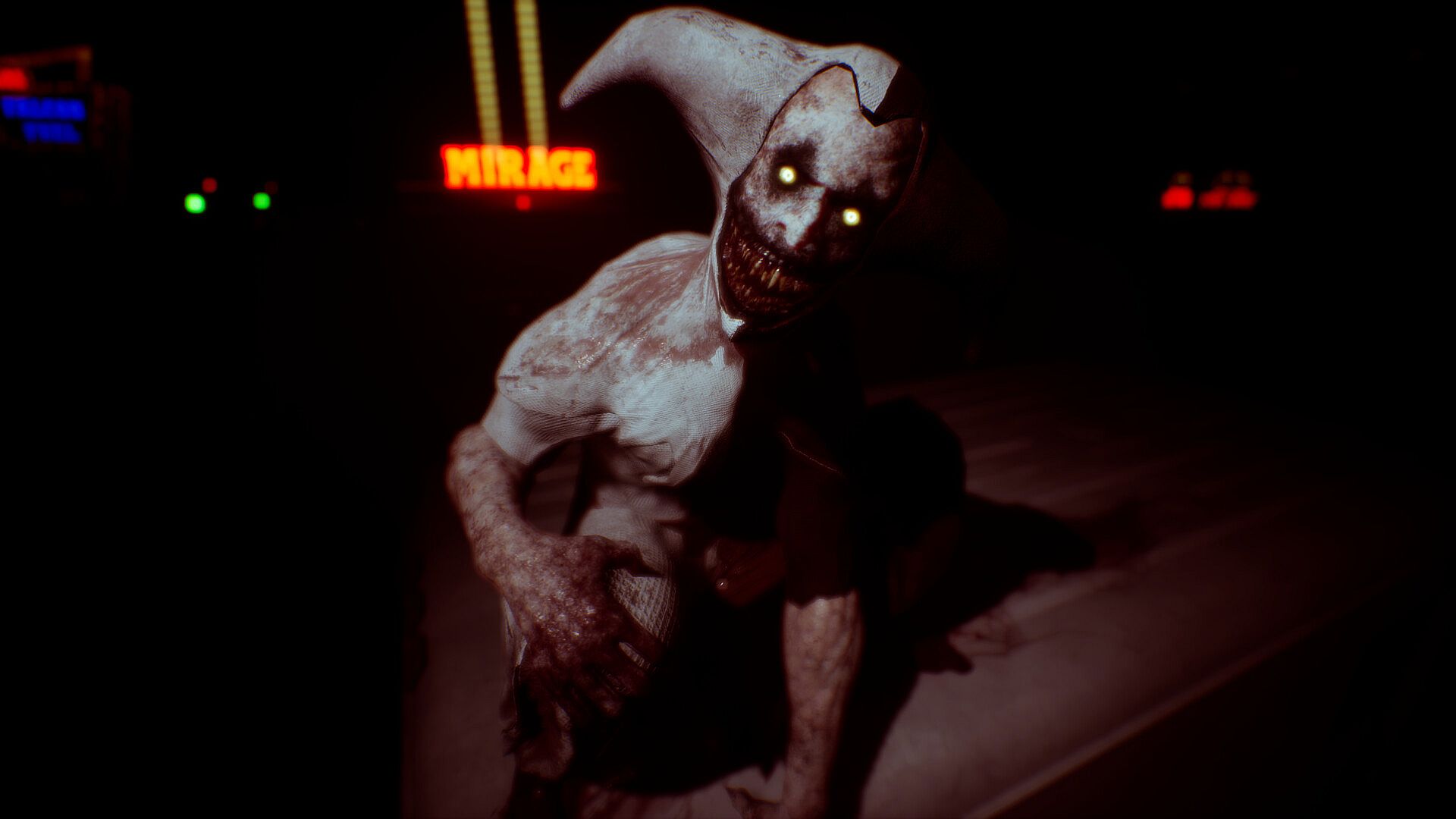
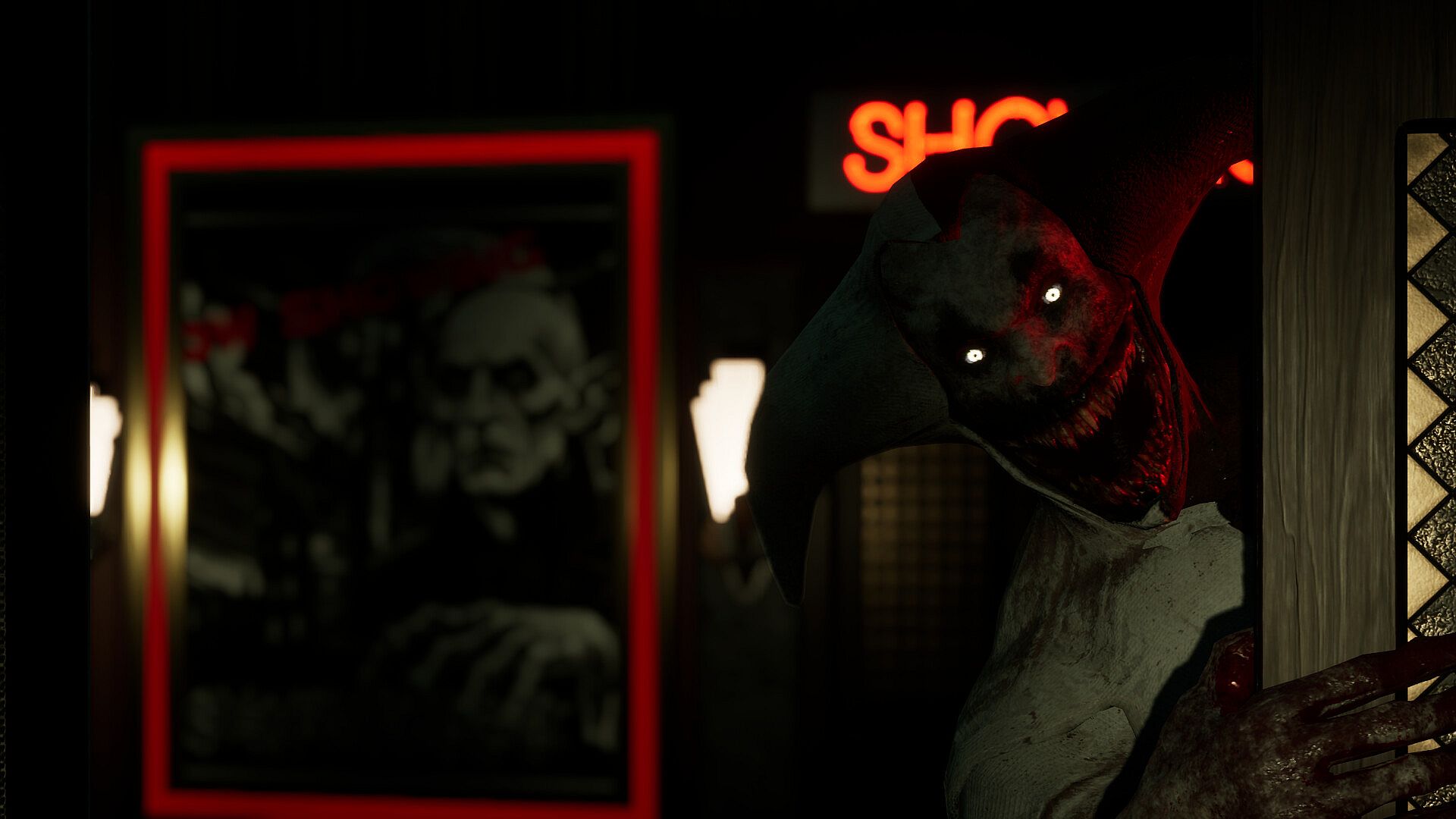
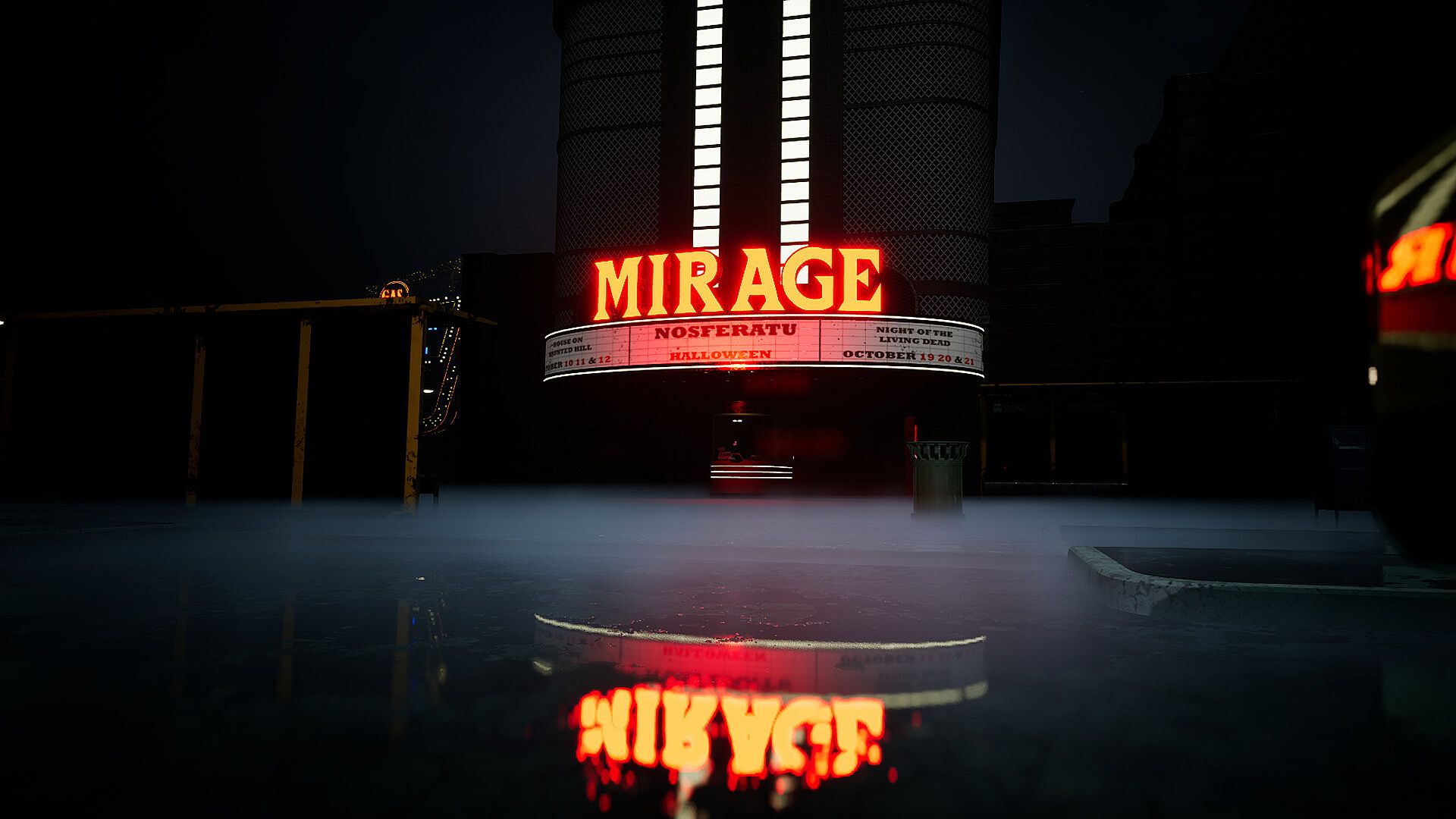
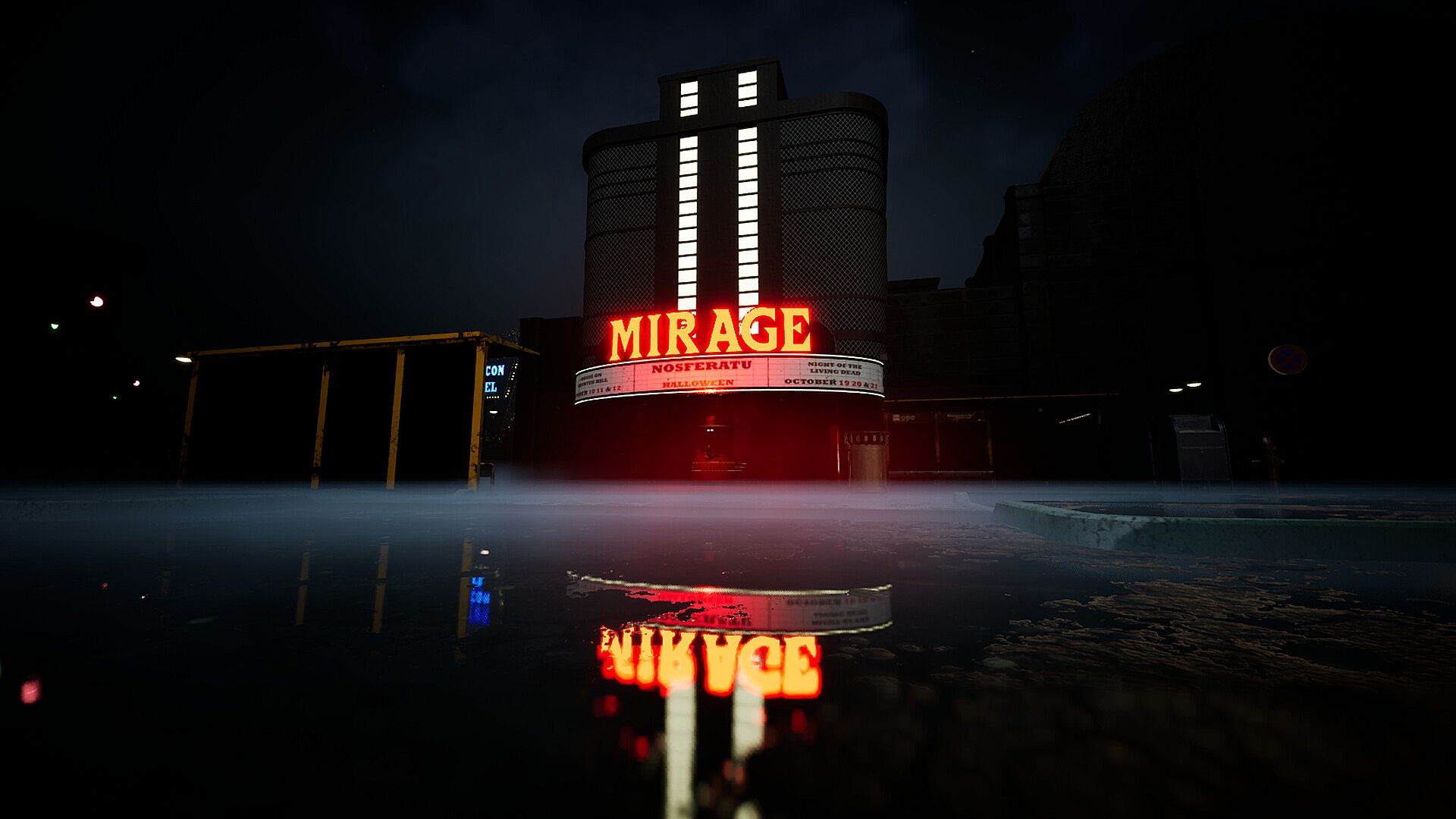
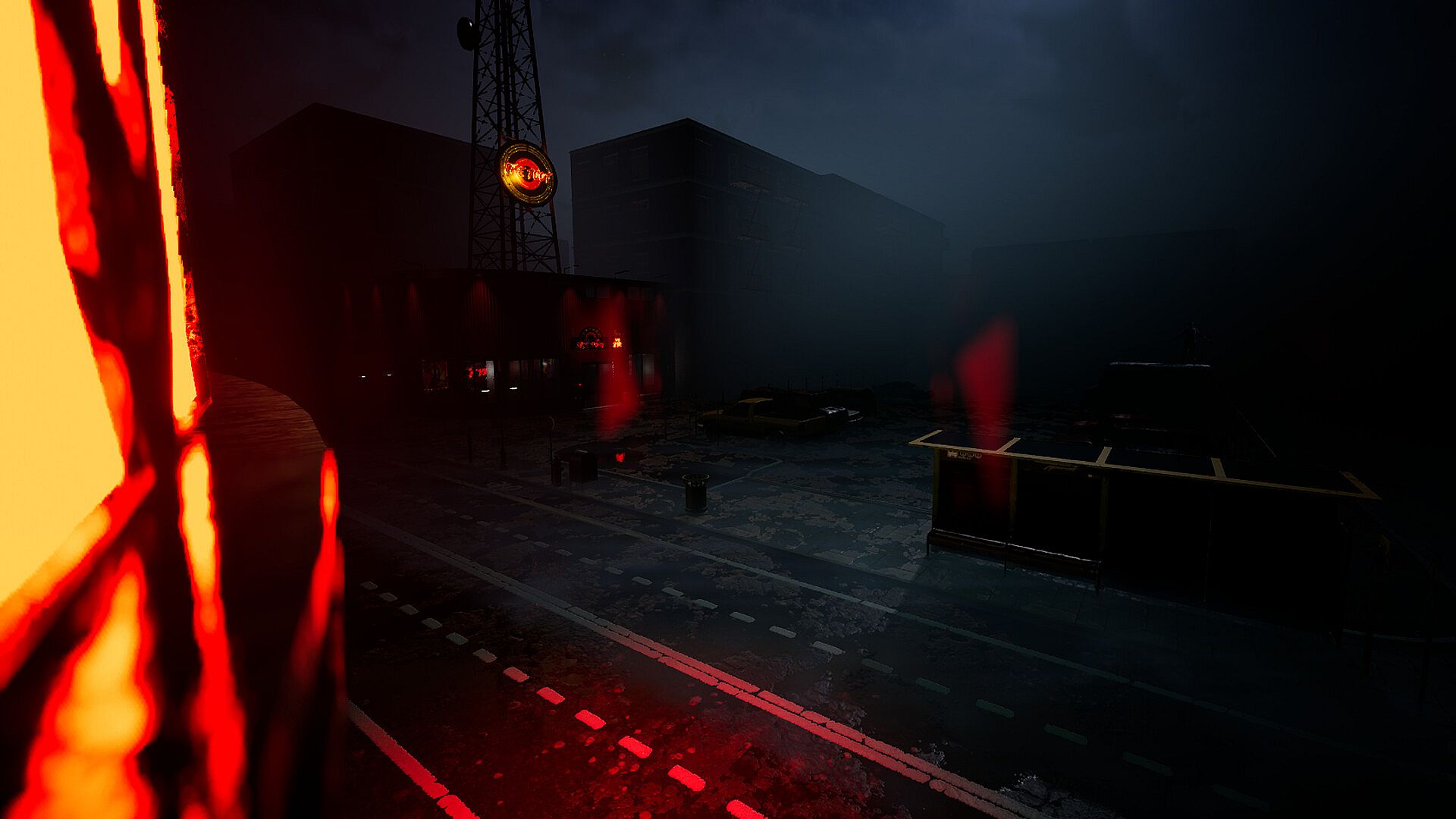
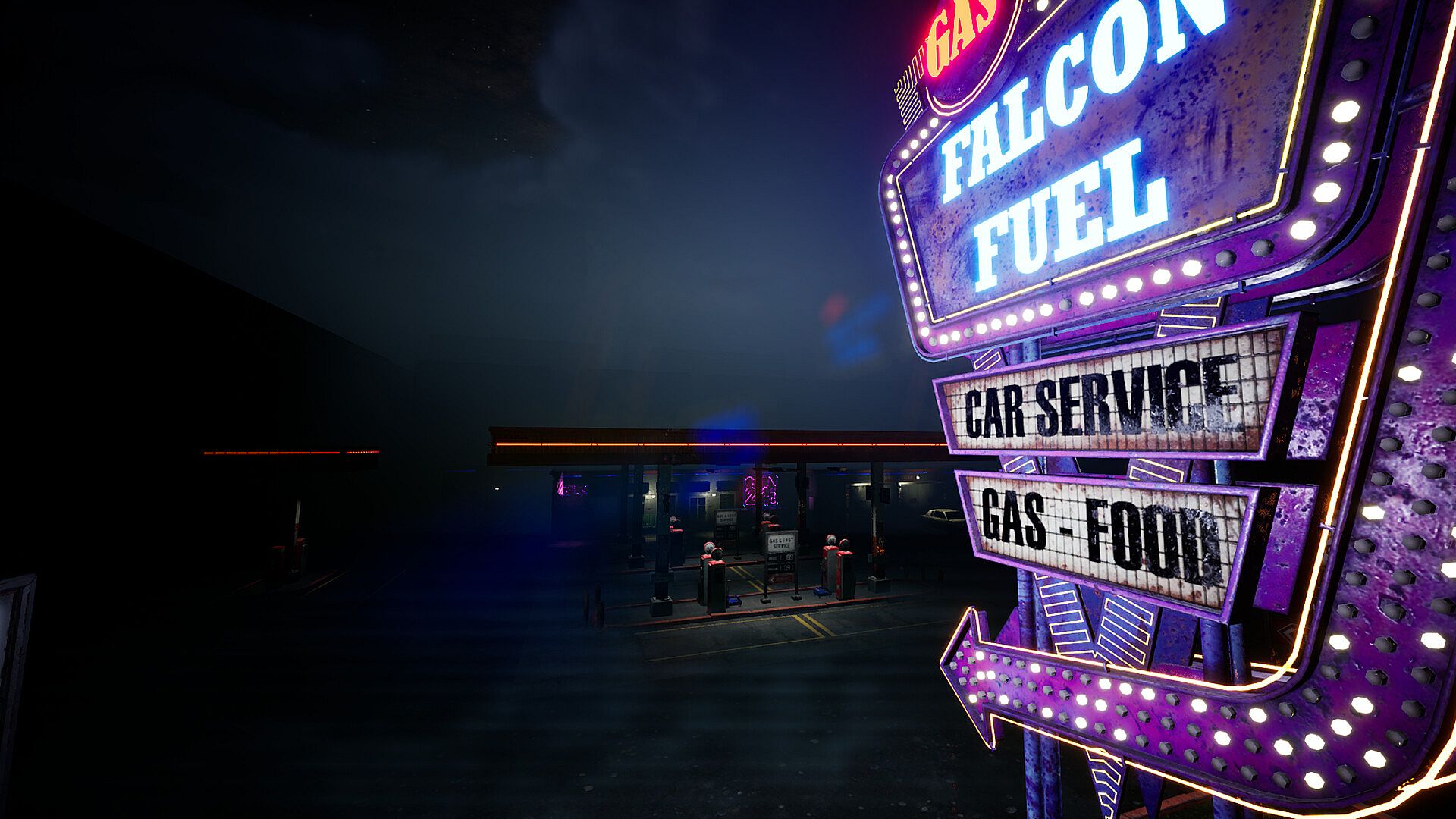
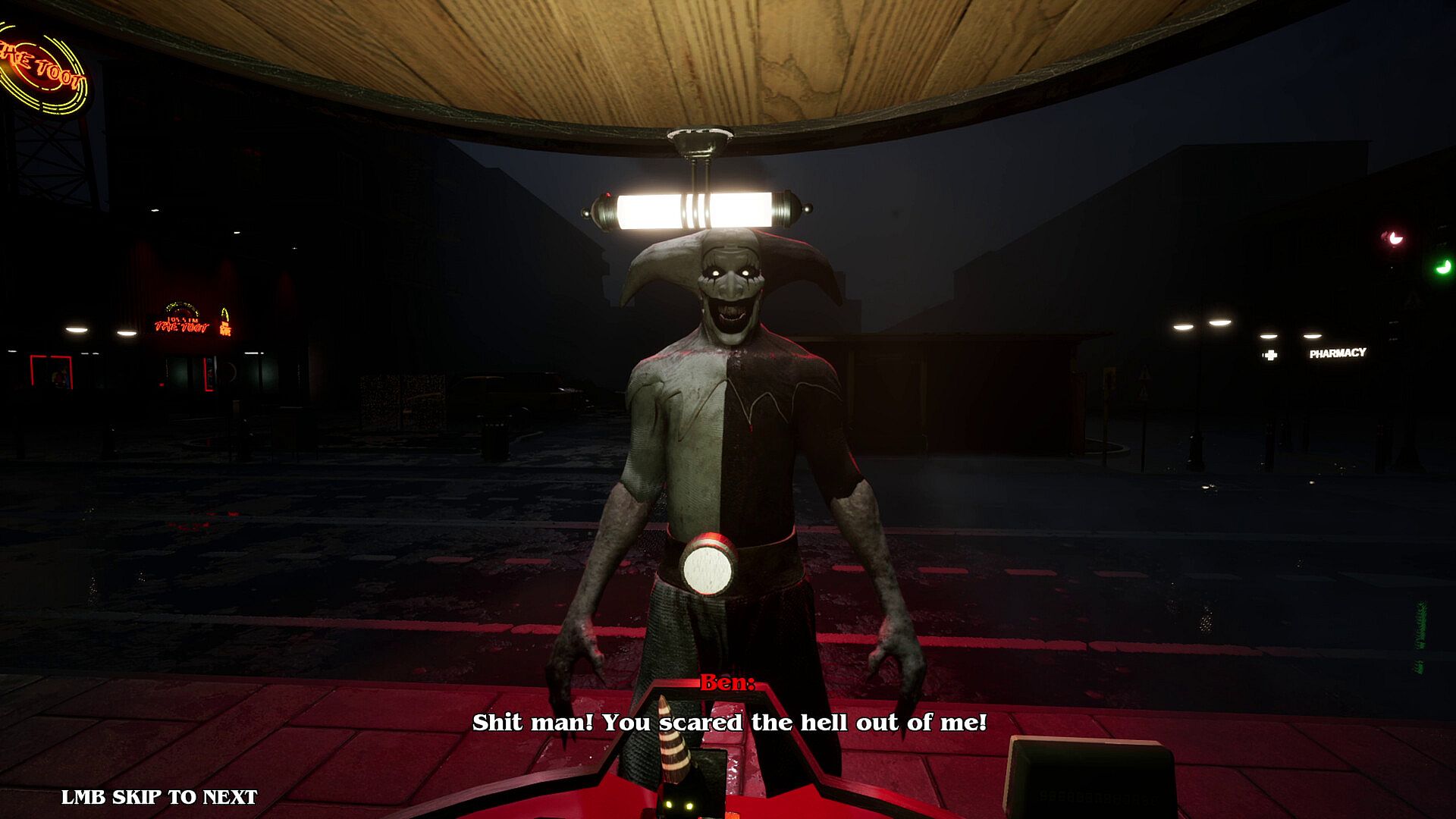
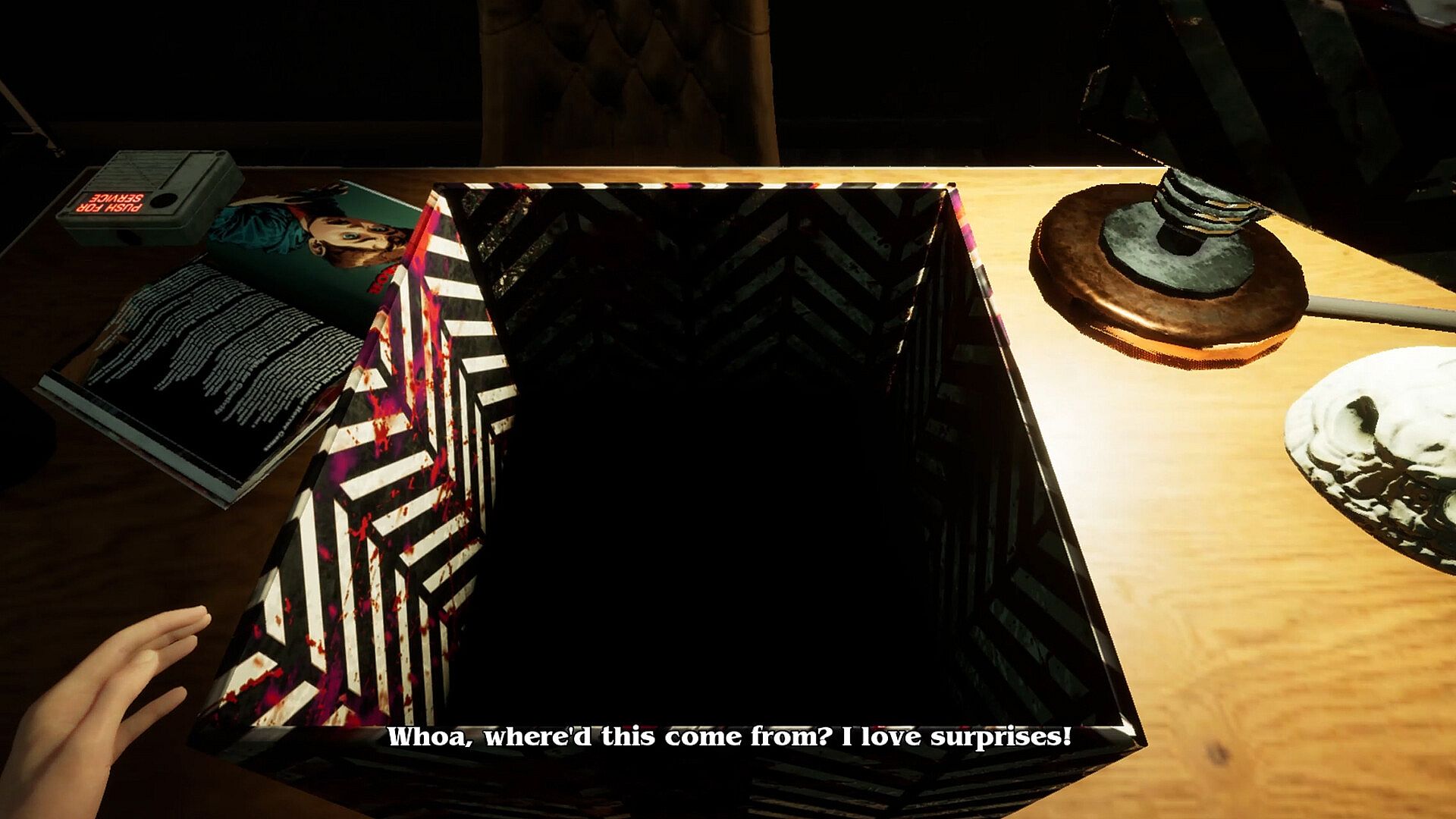
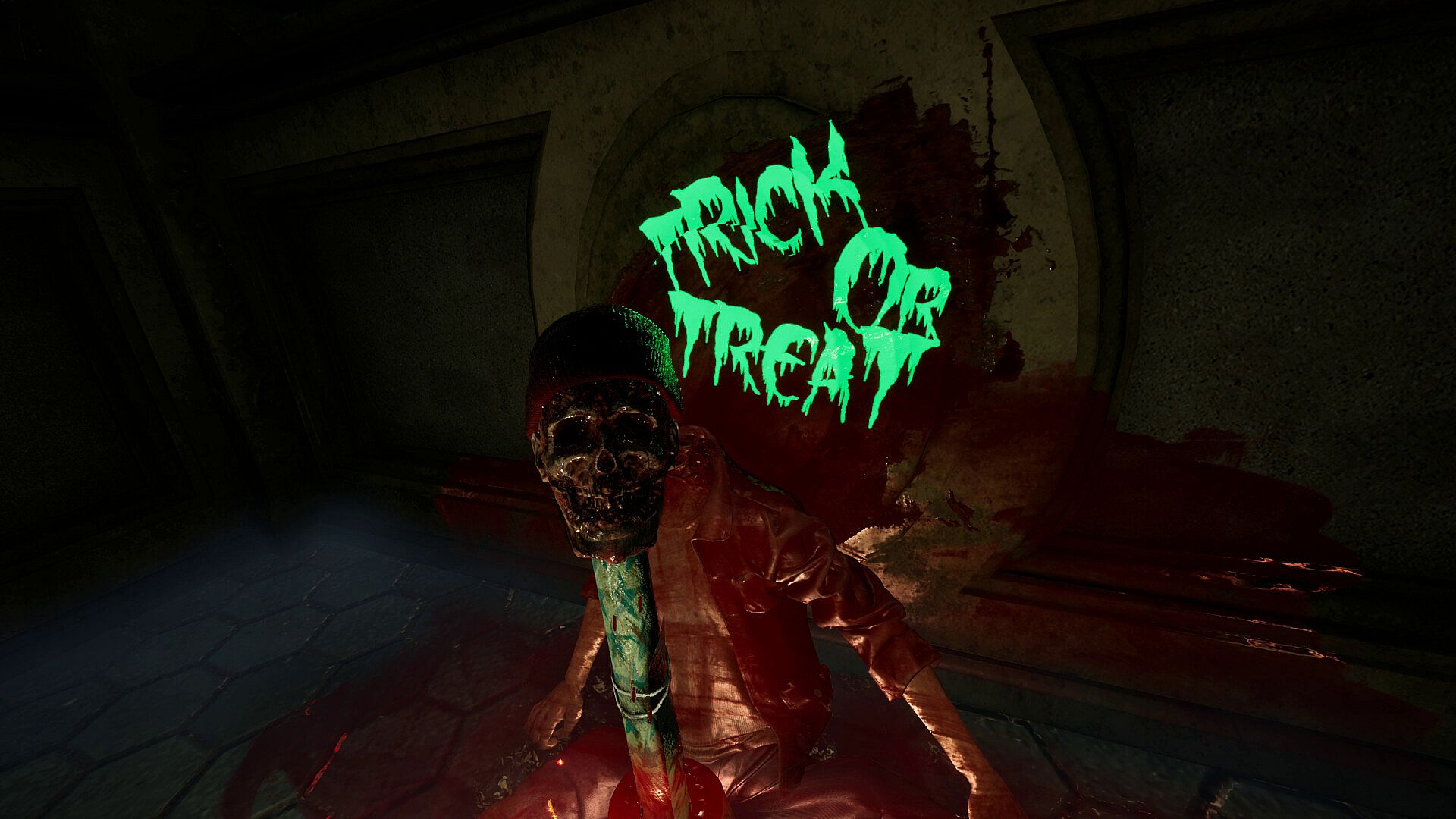
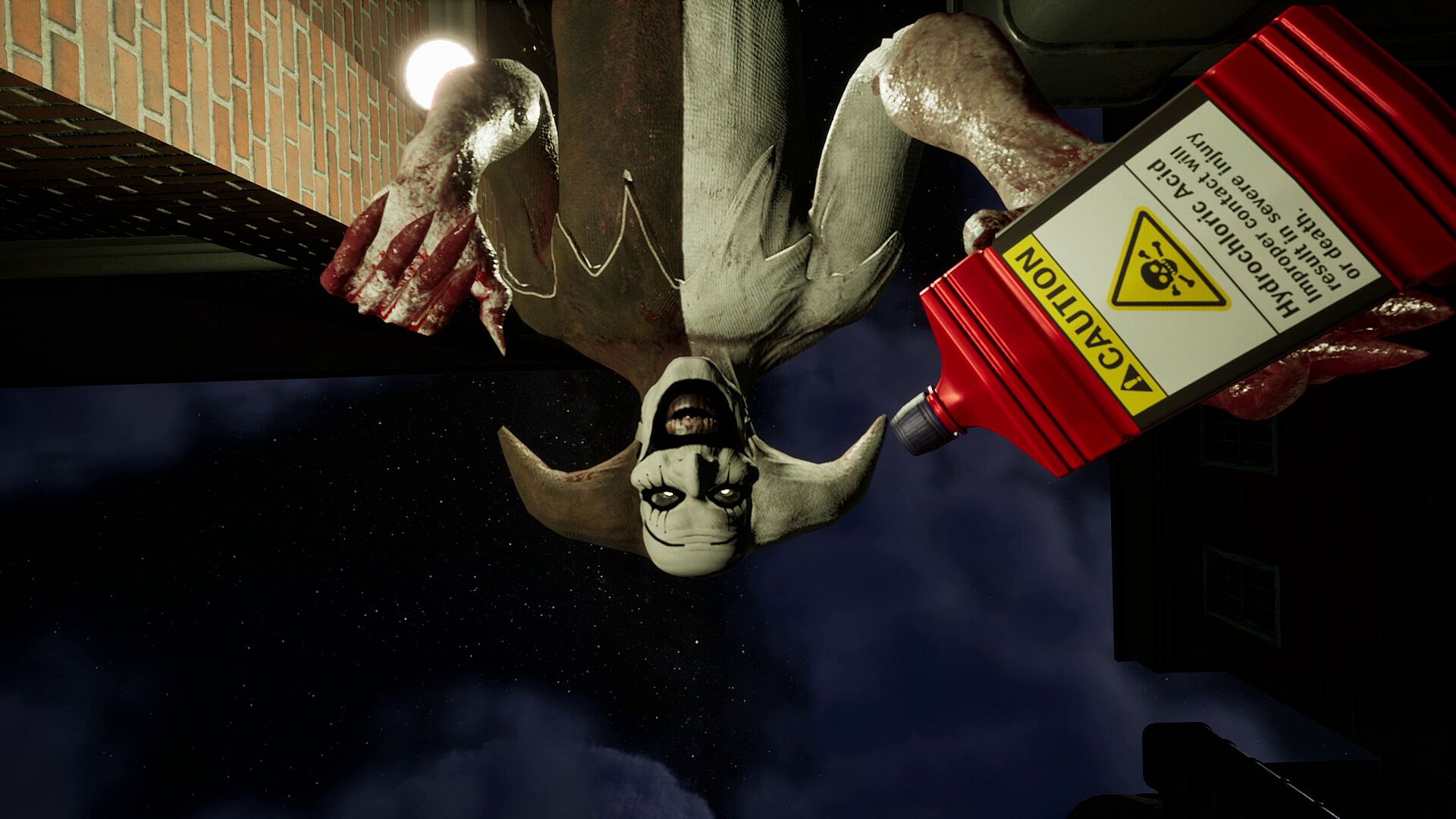
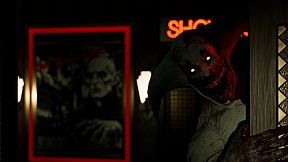
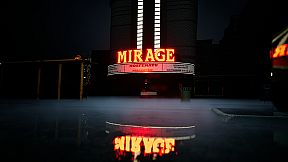
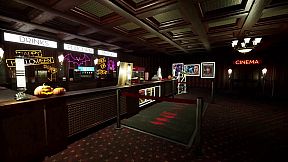
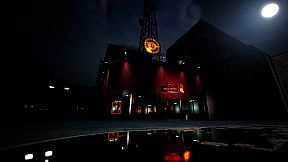
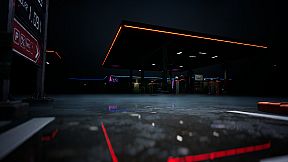
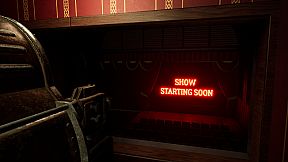
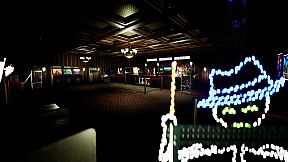
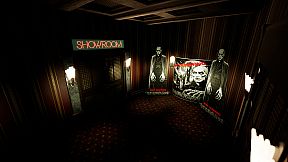
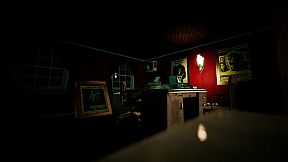
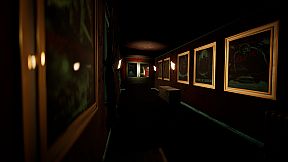
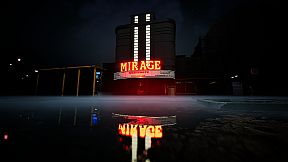
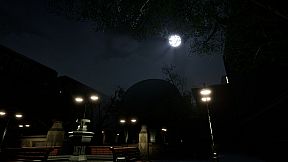
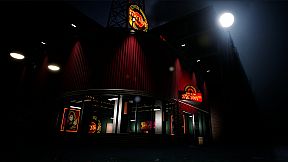
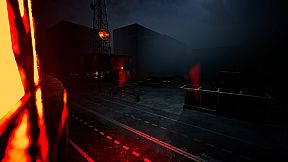
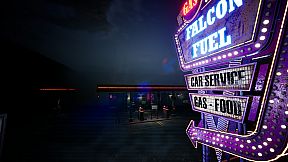
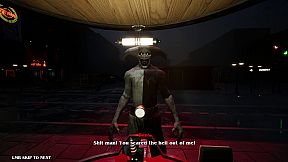
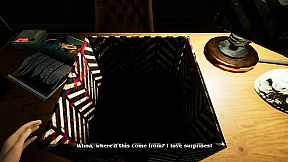
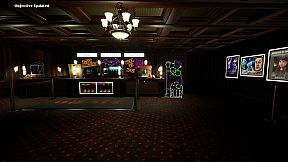
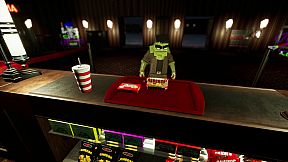


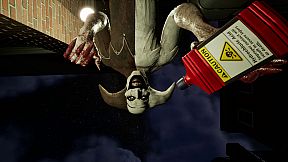
Massacre at the Mirage is a first-person indie horror game that blends survival tension with the routines of running a small-town cinema. Players step into the shoes of staff members and moviegoers at The Mirage theater in Crimson Ridge, where everyday tasks quickly turn into a desperate struggle against a masked clown killer. The experience draws from classic slasher films while focusing on the contrast between mundane work and sudden violence.
Gameplay
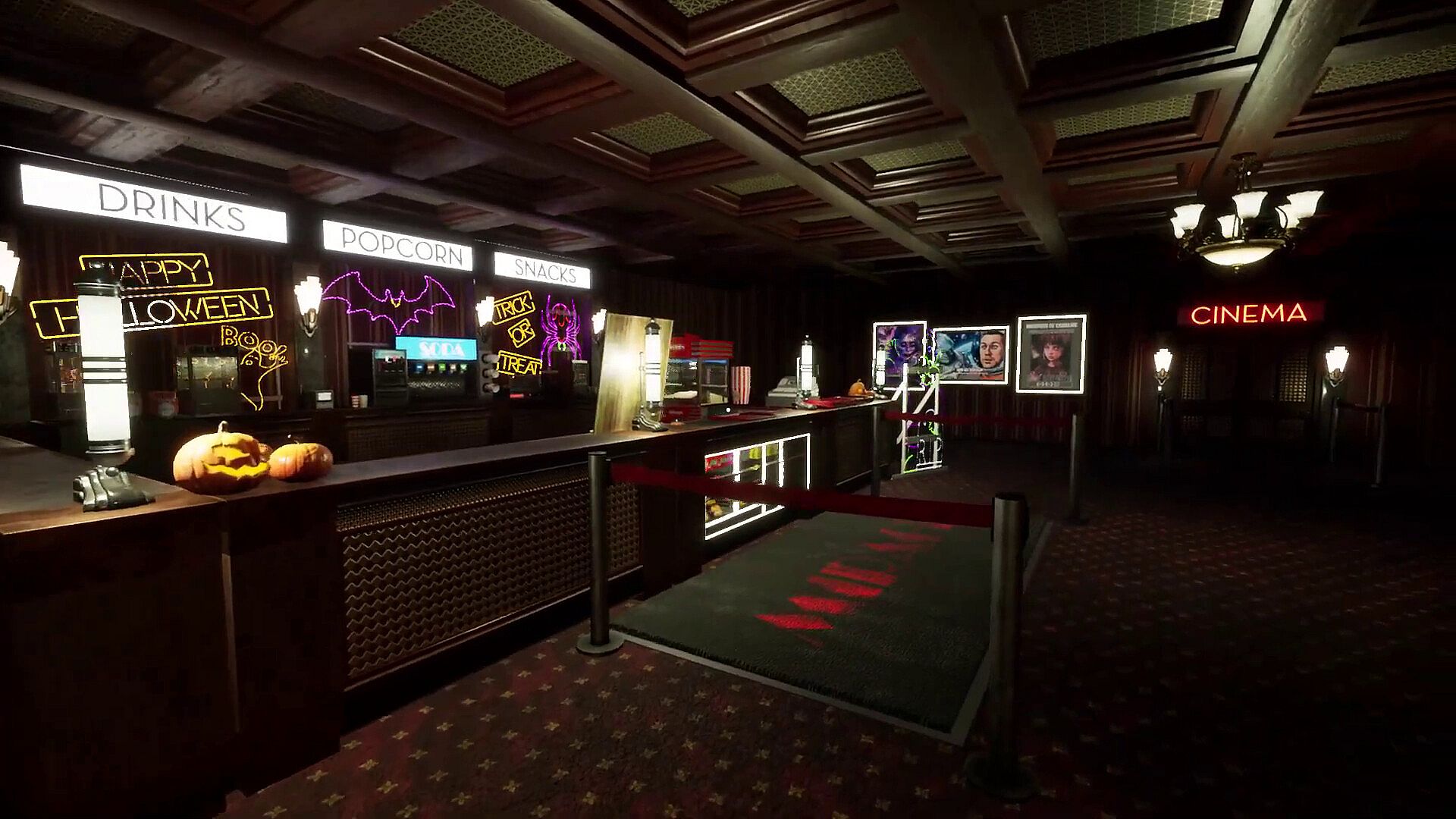
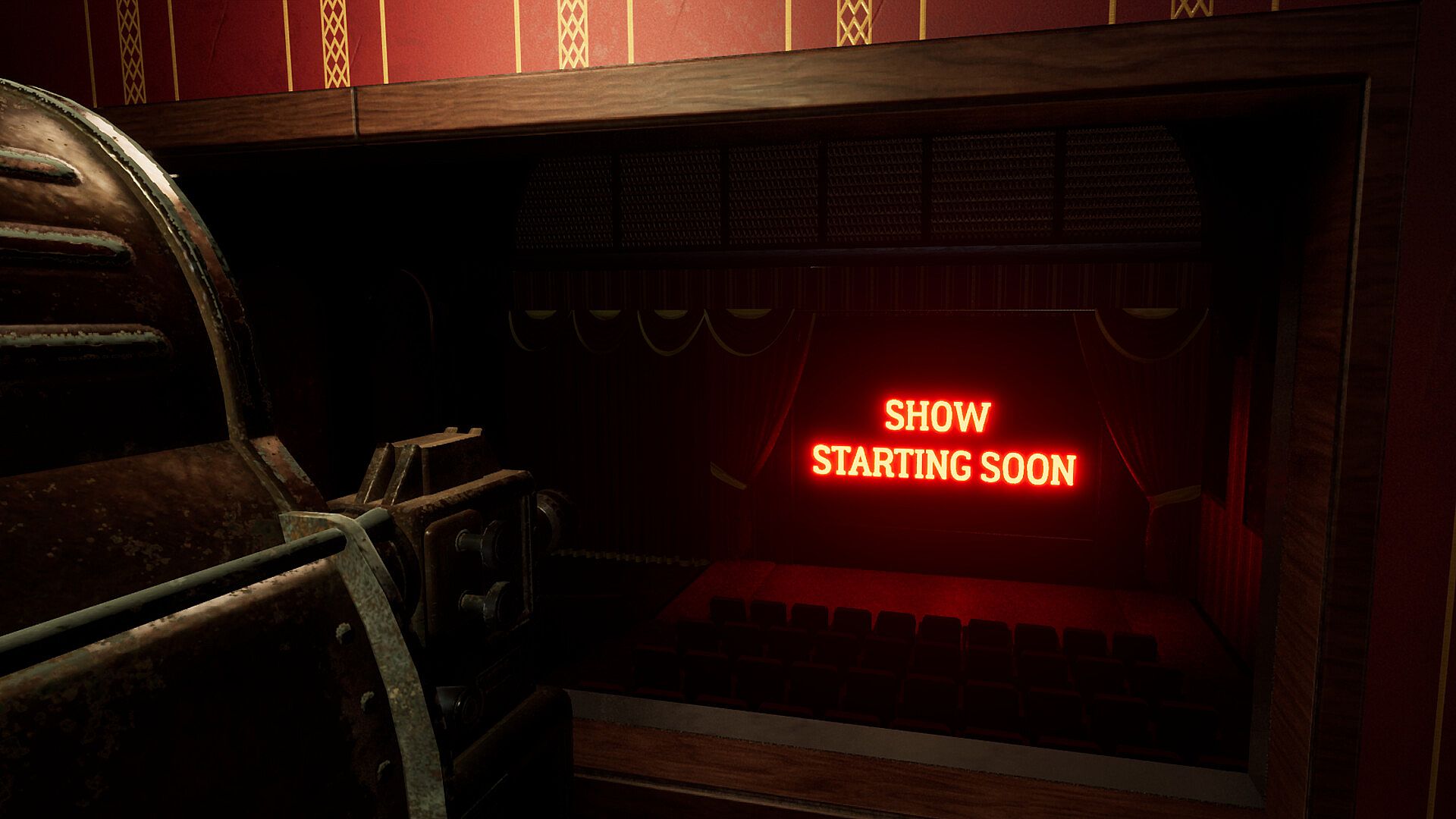
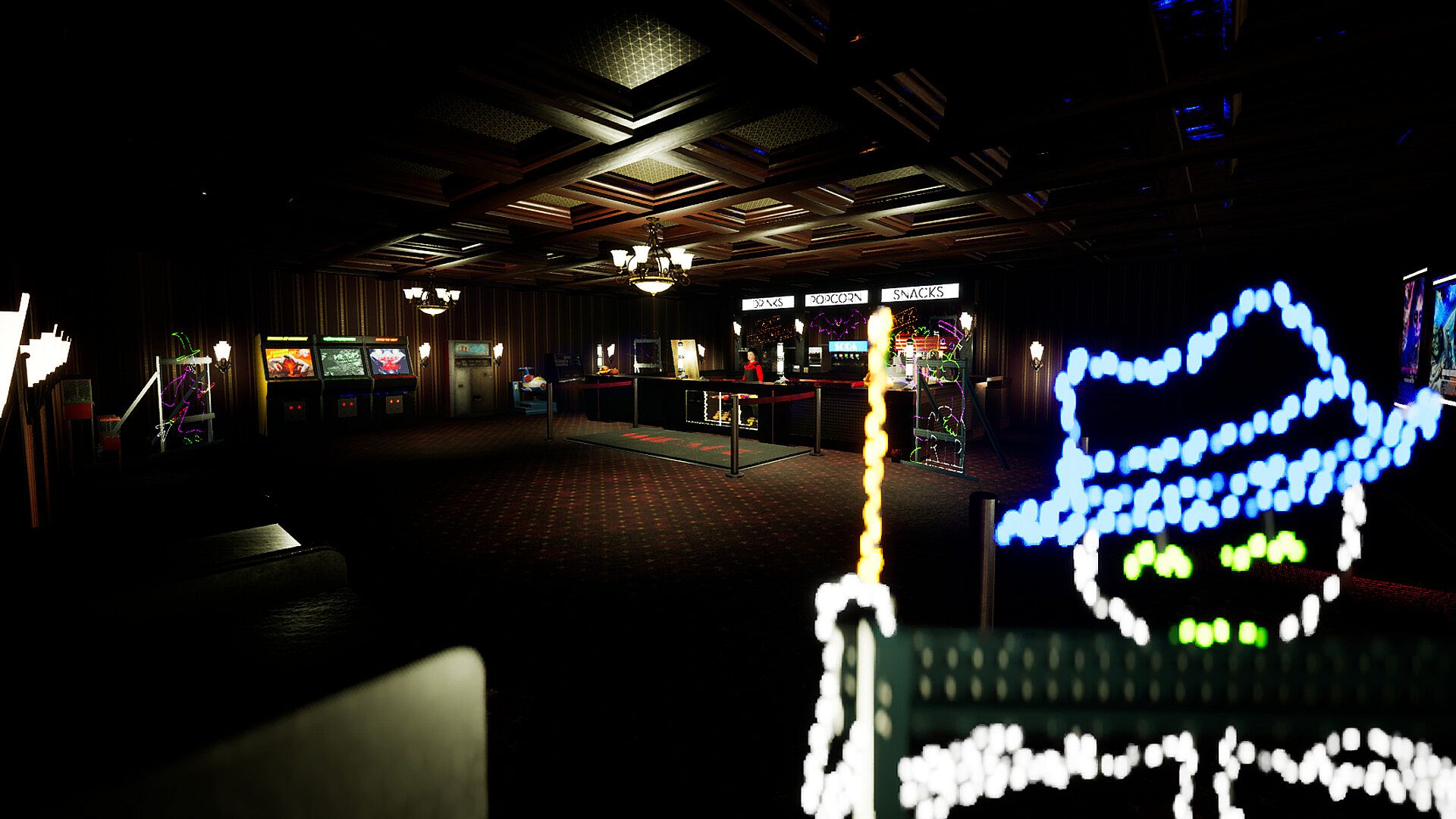
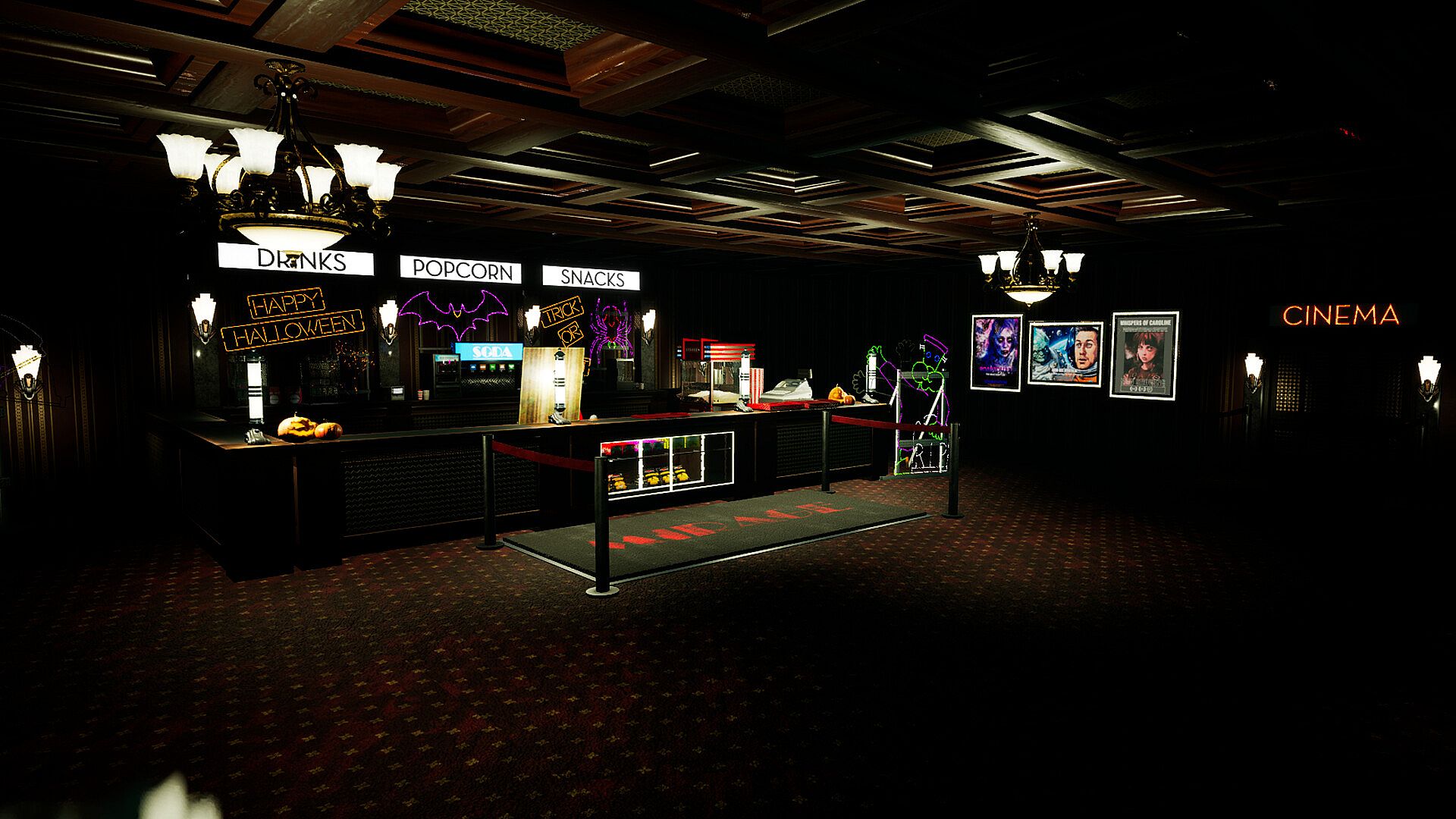
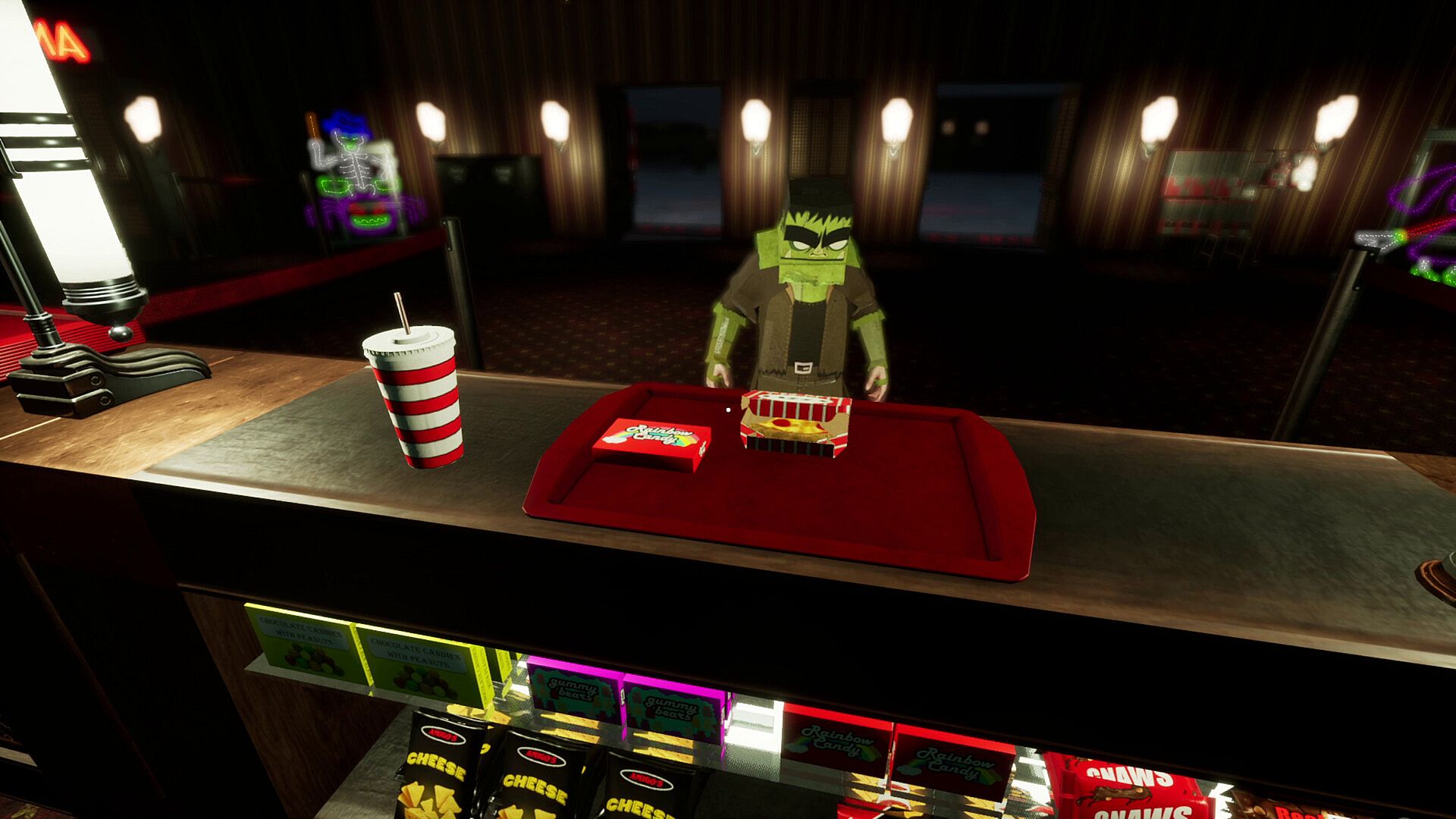
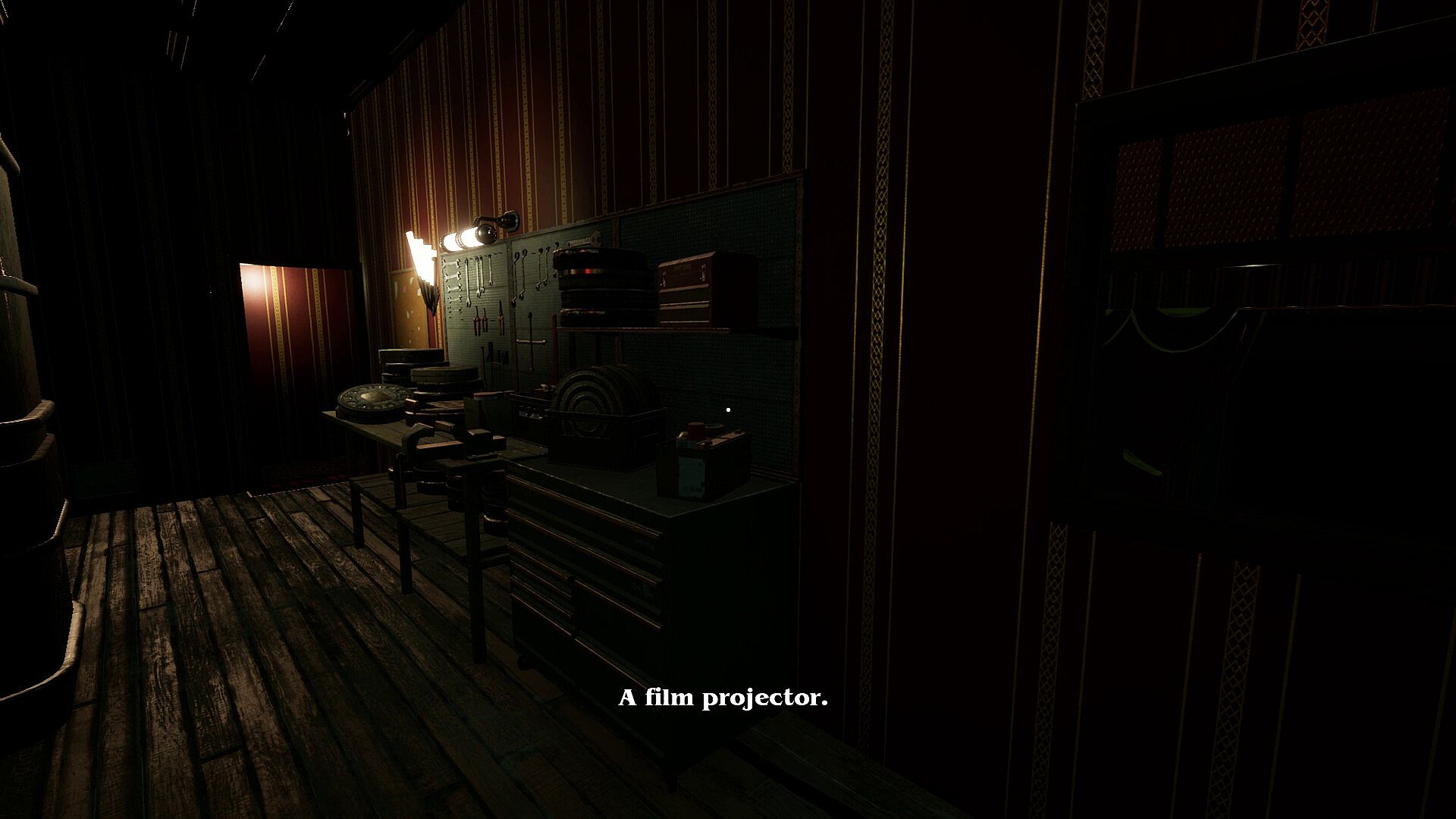
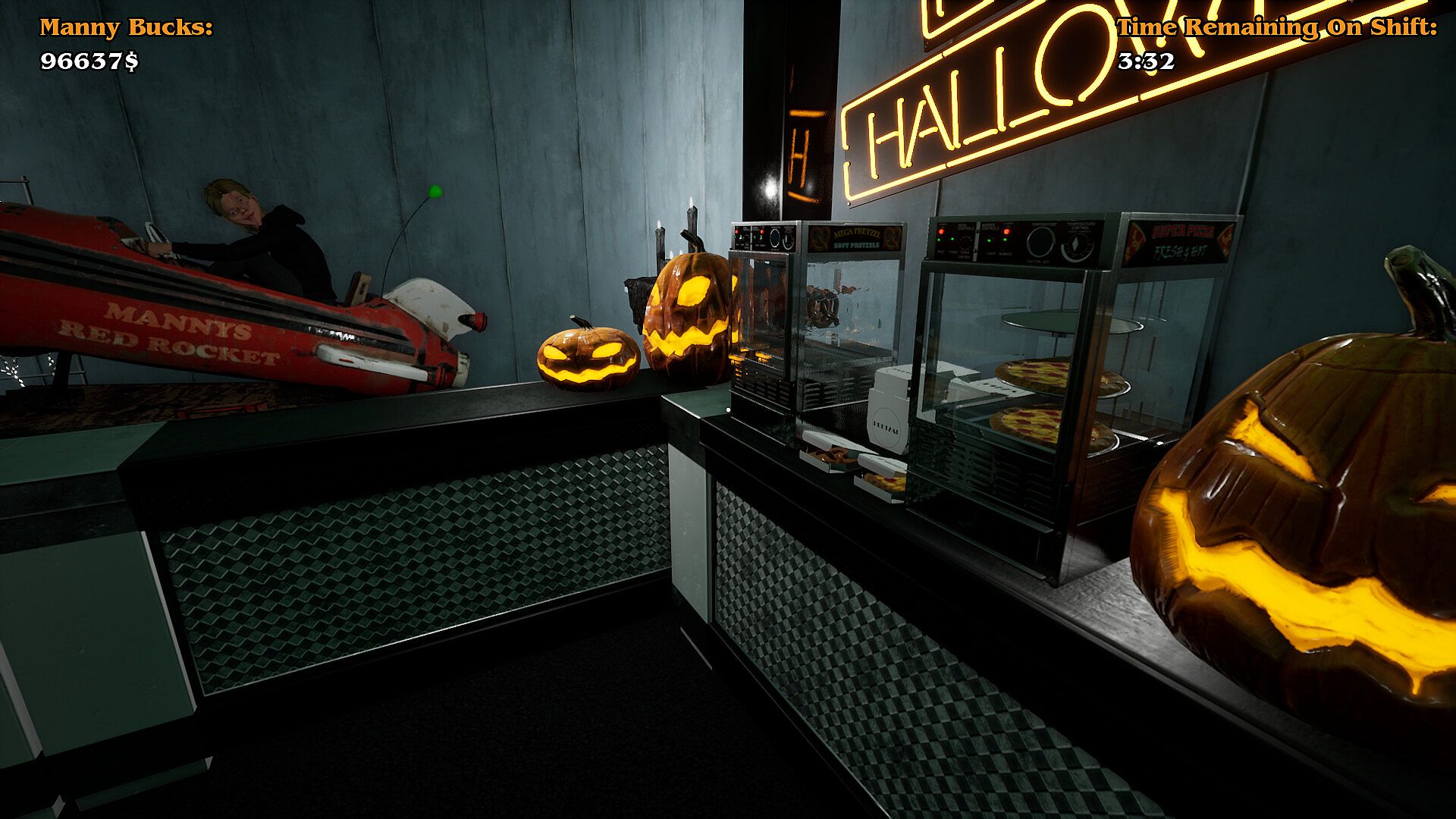
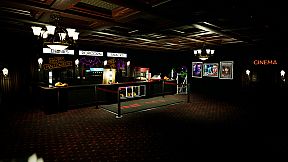
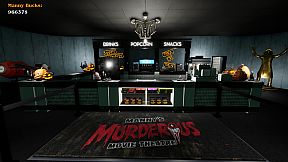
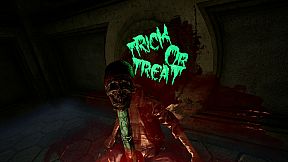
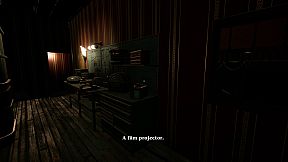
The core loop requires balancing customer service duties with evasion and survival. Characters handle ticket sales at the box office, prepare and serve snacks at the concession stand, and manage projection room equipment. These activities unfold in real time as the killer moves through the building, forcing players to complete objectives while listening for footsteps or watching for movement in the shadows. Switching between multiple characters provides different viewpoints on the same events, with each perspective revealing new details about the unfolding chaos. Navigation takes place through the theater's corridors, lobby, and screening rooms, where limited visibility and sound cues heighten the sense of vulnerability. The game emphasizes careful timing and awareness rather than direct combat, as encounters with the killer often end in quick deaths unless players find hiding spots or escape routes in time.
Game Modes
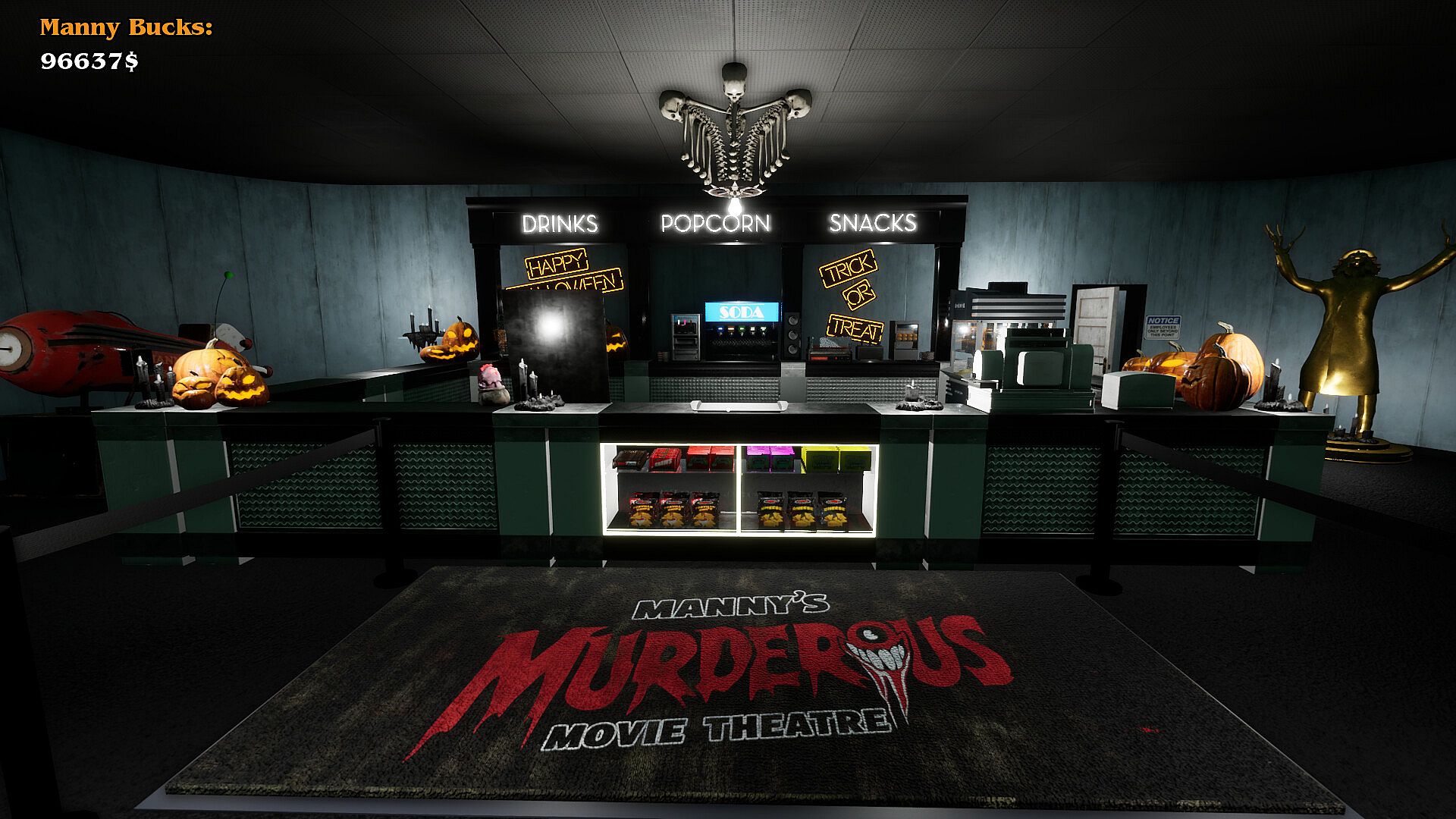
Two primary modes structure the experience. The story mode follows a linear sequence of events across several characters, building toward a climax through escalating threats and character-specific objectives. The second mode centers on extended shifts at the concession stand and other operational tasks, where the killer's presence turns routine service into a prolonged test of endurance. Both modes feature the same core mechanics of task completion and evasion, though the second emphasizes repetition and resource management over narrative progression. Players can revisit sections from alternate viewpoints to uncover additional interactions and outcomes.
Atmosphere and Setting
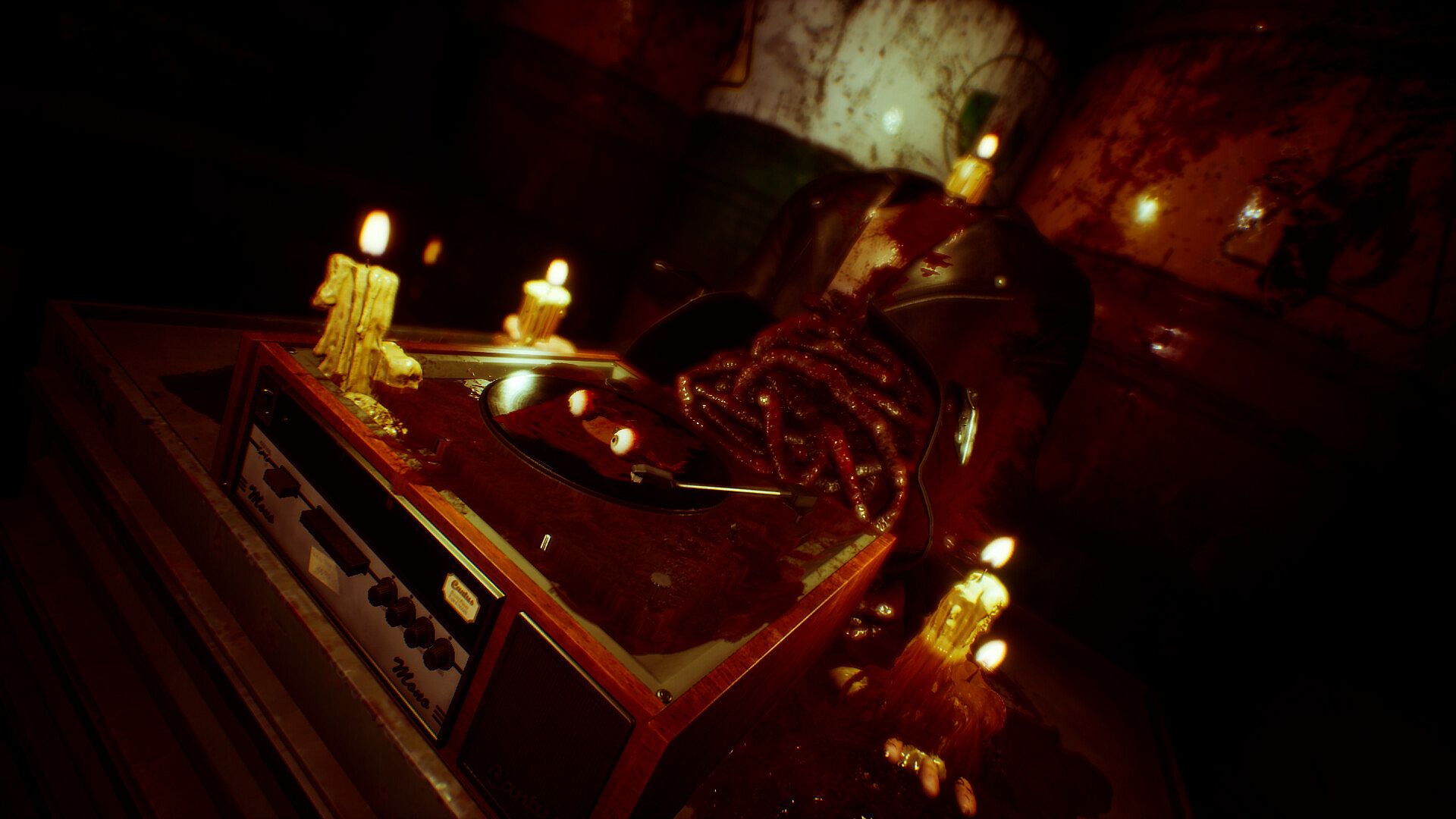
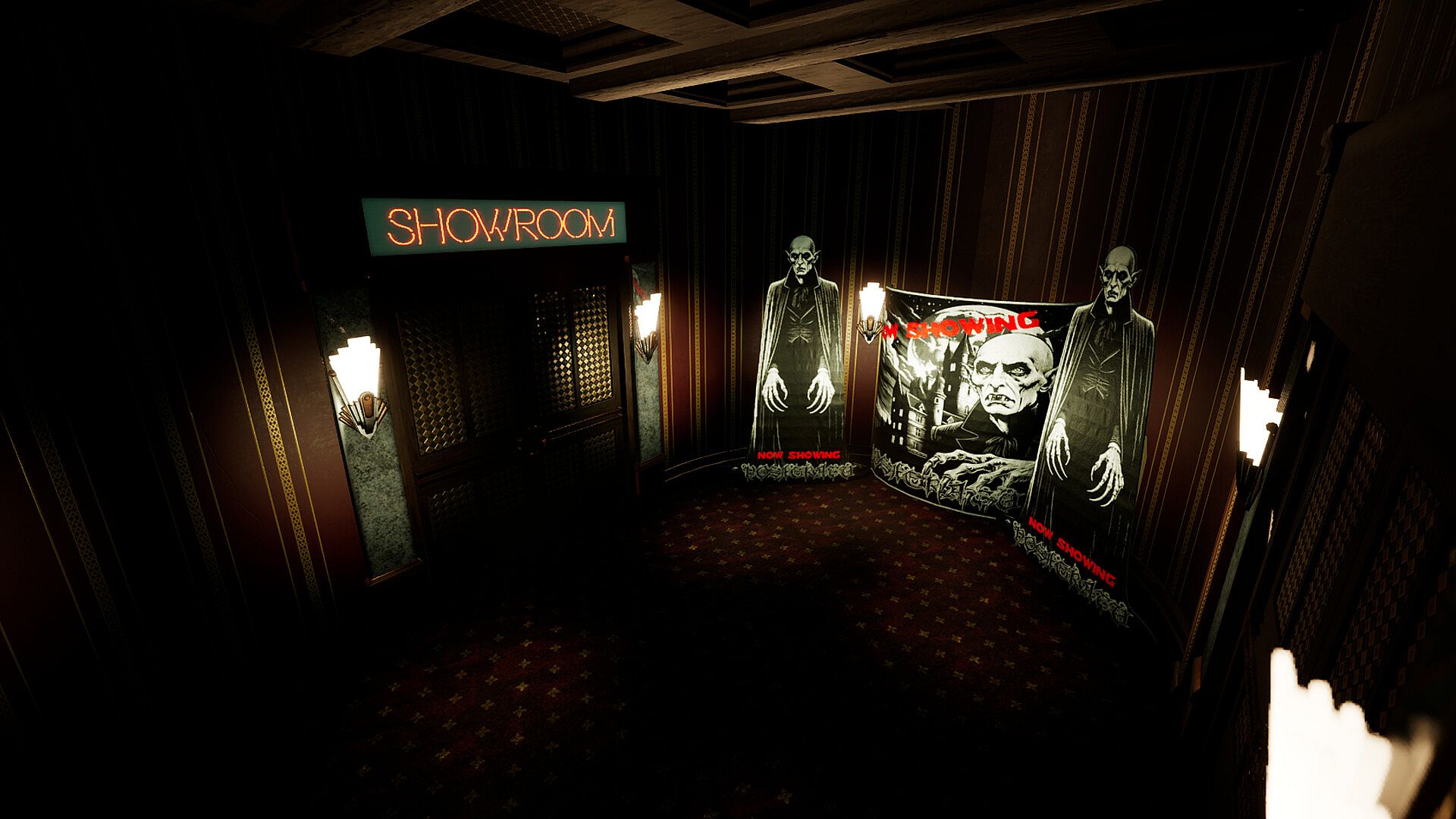
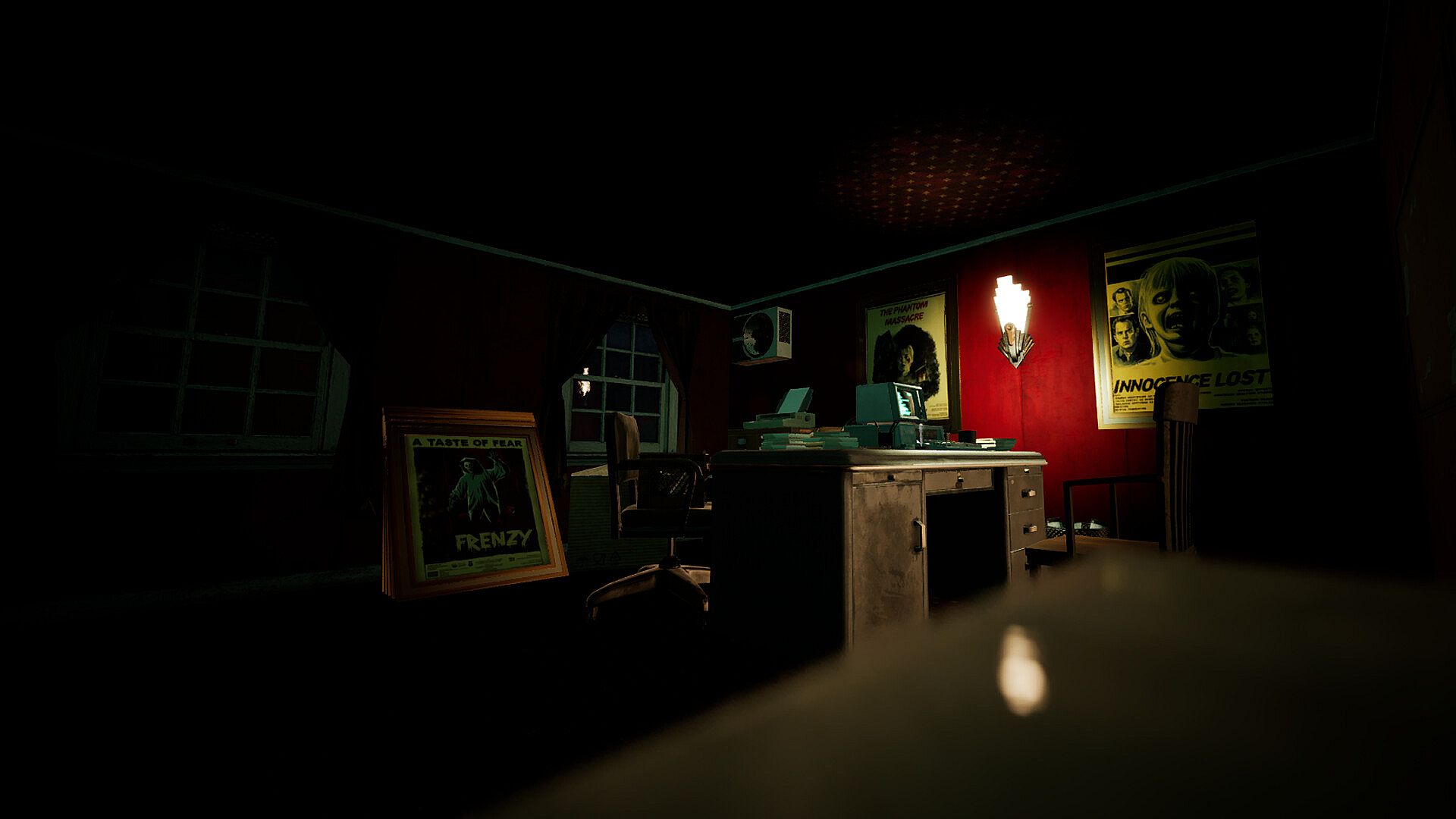
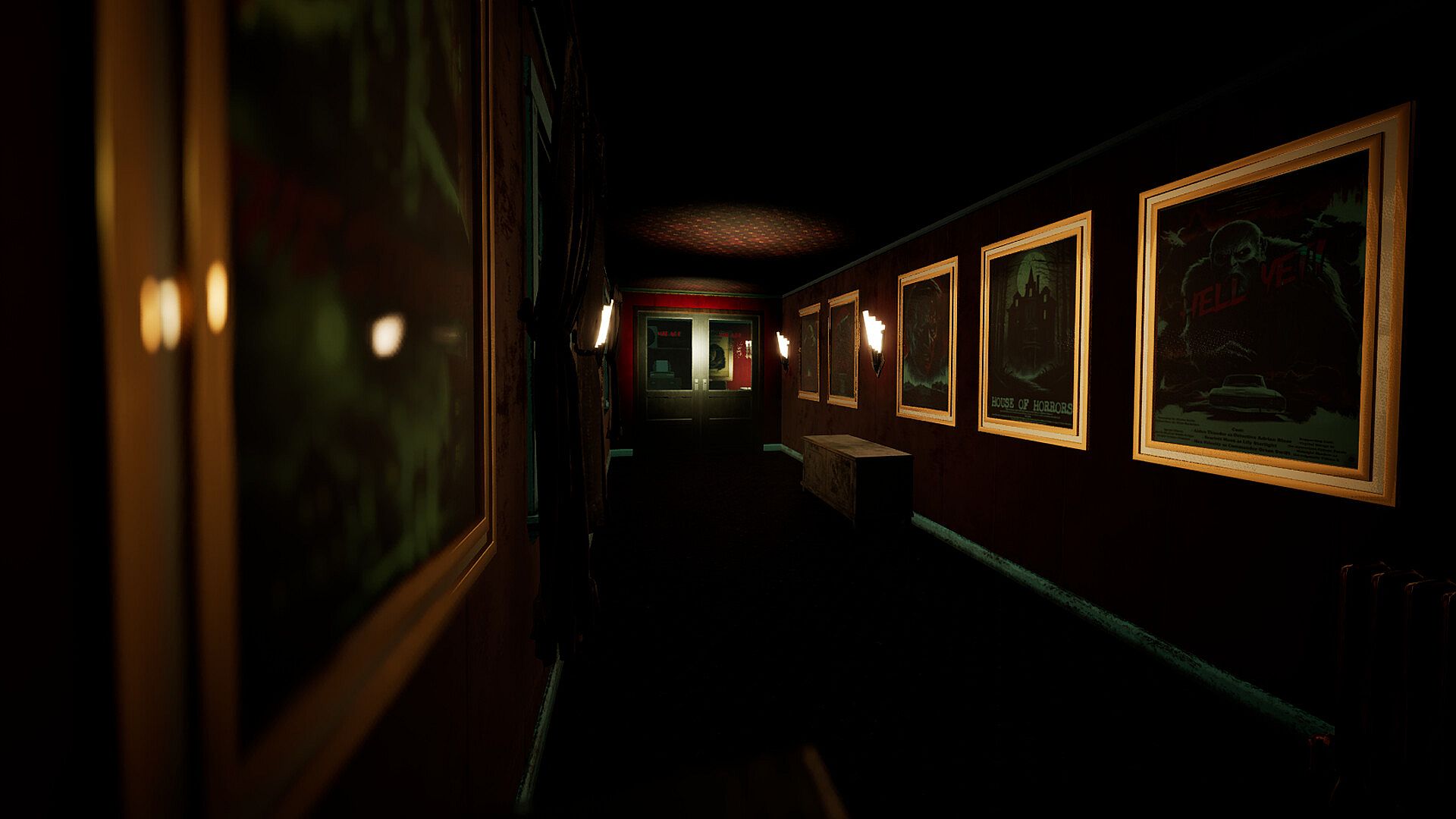
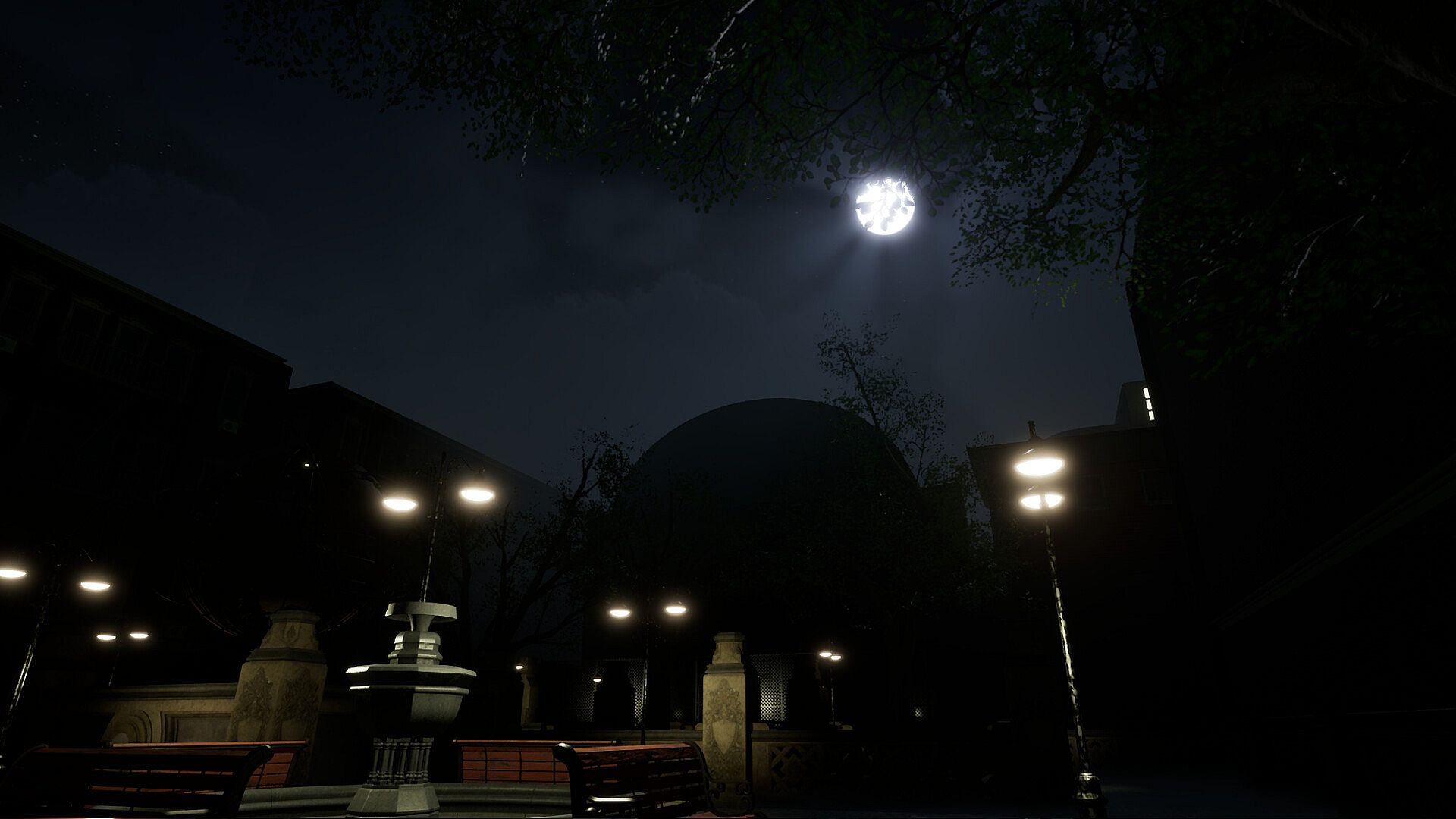
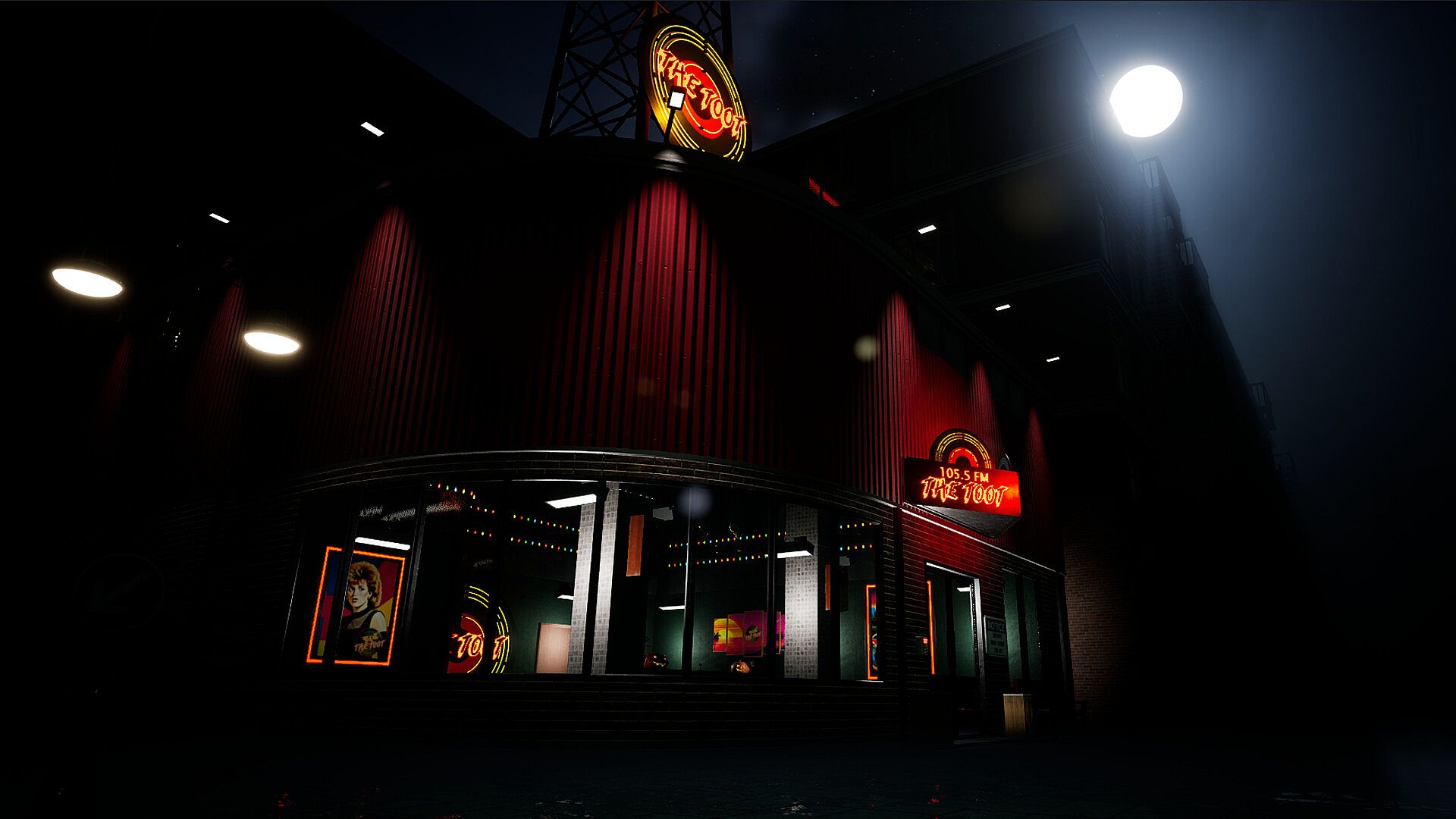
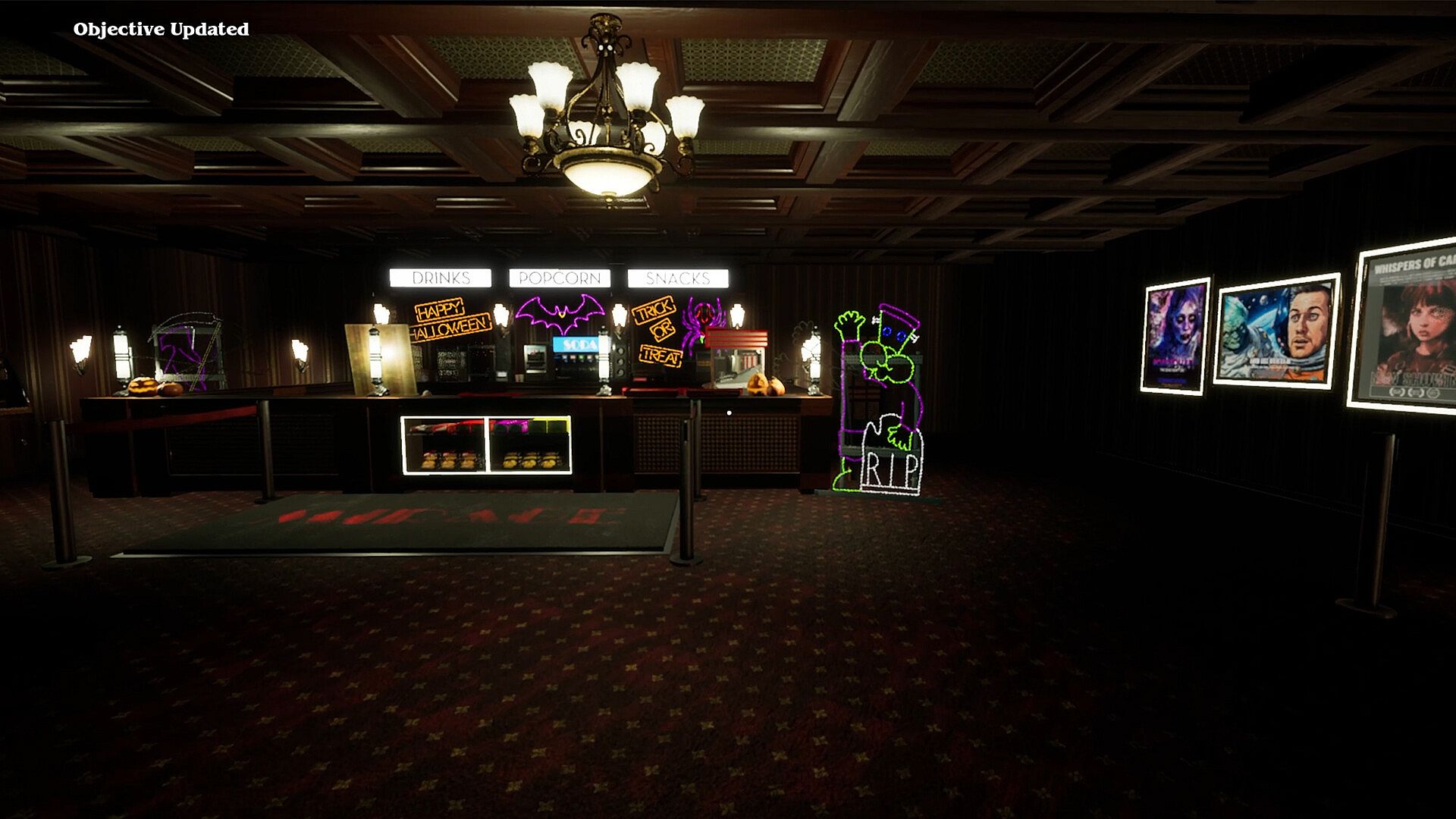
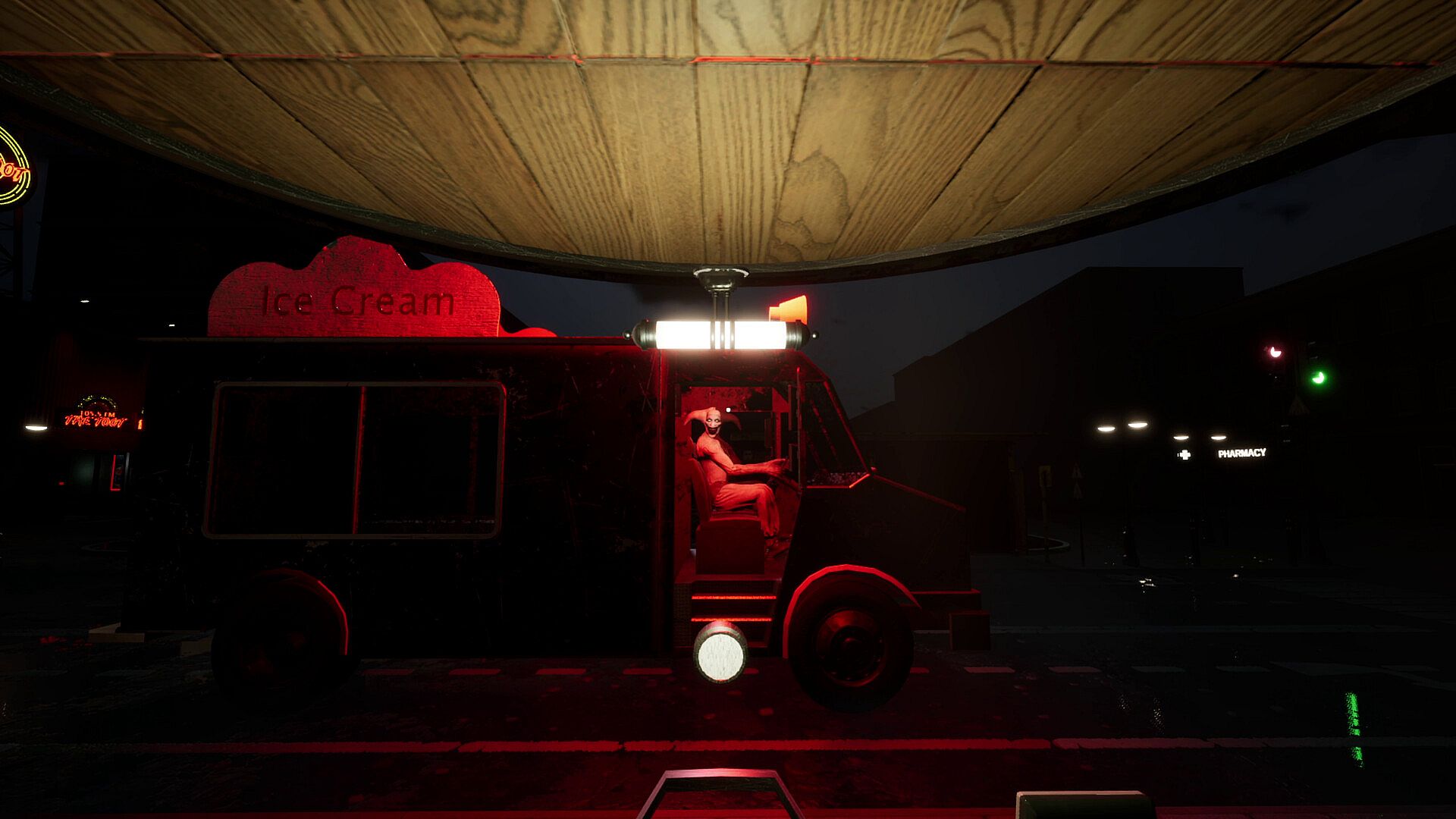
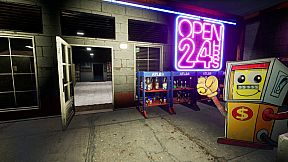
The Mirage itself serves as the central location, depicted as an aging single-screen cinema with creaking floors, flickering lights, and cramped back areas. Sound design plays a key role, with ambient theater noises mixing with distant screams or the killer's approach. Visuals adopt a retro aesthetic that fits the slasher theme, complete with period-appropriate details in the lobby and seating areas. The limited cast of characters and focus on one building keep the scope intimate, allowing tension to build through repetition and the constant threat of interruption during tasks.
Is It Worth Playing?
Overall reviews on Steam stand at Very Positive based on hundreds of player submissions, though recent feedback has trended mixed. The game appeals most to players who enjoy horror titles that mix simulation elements with survival pressure, particularly those interested in short, focused experiences rather than open-ended exploration. Its strength lies in the unique combination of job-like tasks and sudden horror, which creates memorable moments for fans of the genre. Those seeking fast-paced action or complex systems may find the pace slower than expected due to the emphasis on routine activities. The title is available on PC and suits sessions of a few hours, with replay value coming from trying different character paths and modes. If the premise of a killer stalking a movie theater while staff try to keep operations running appeals, it delivers a distinctive take on indie horror without requiring prior knowledge of similar games.