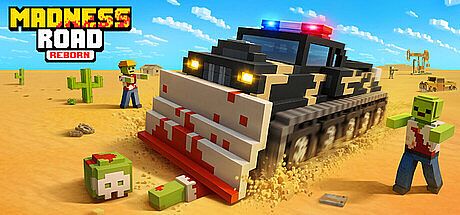


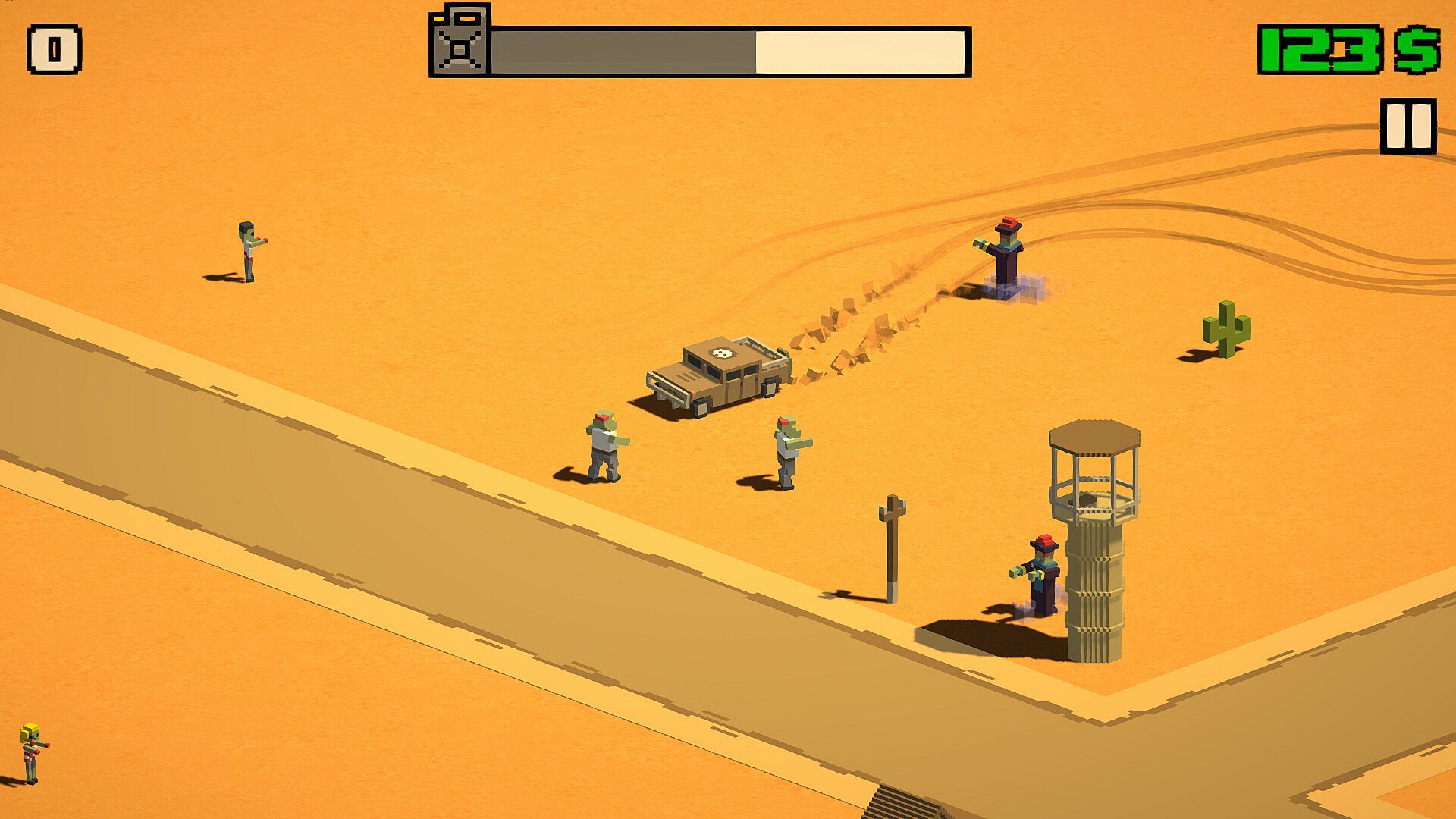
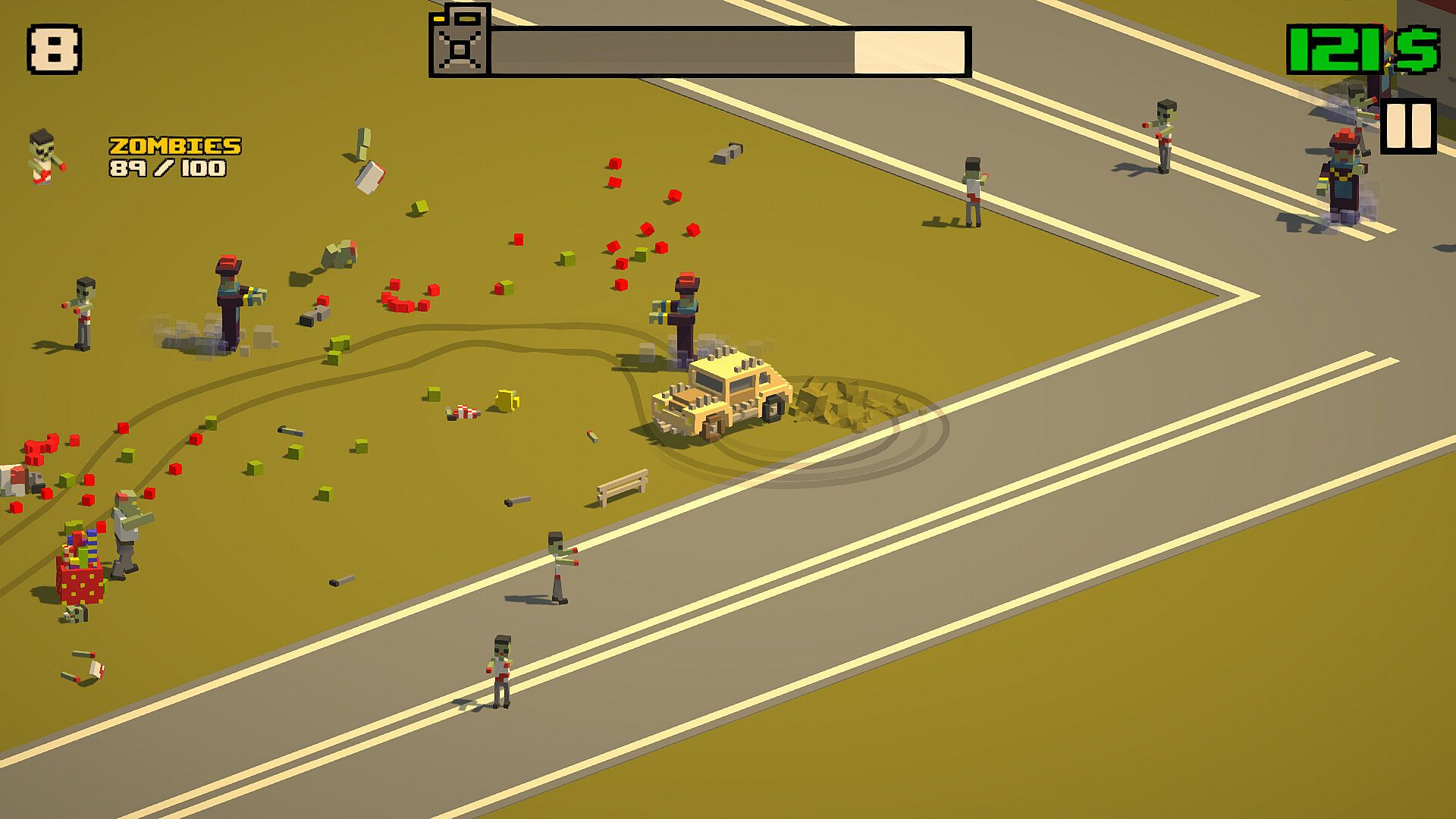
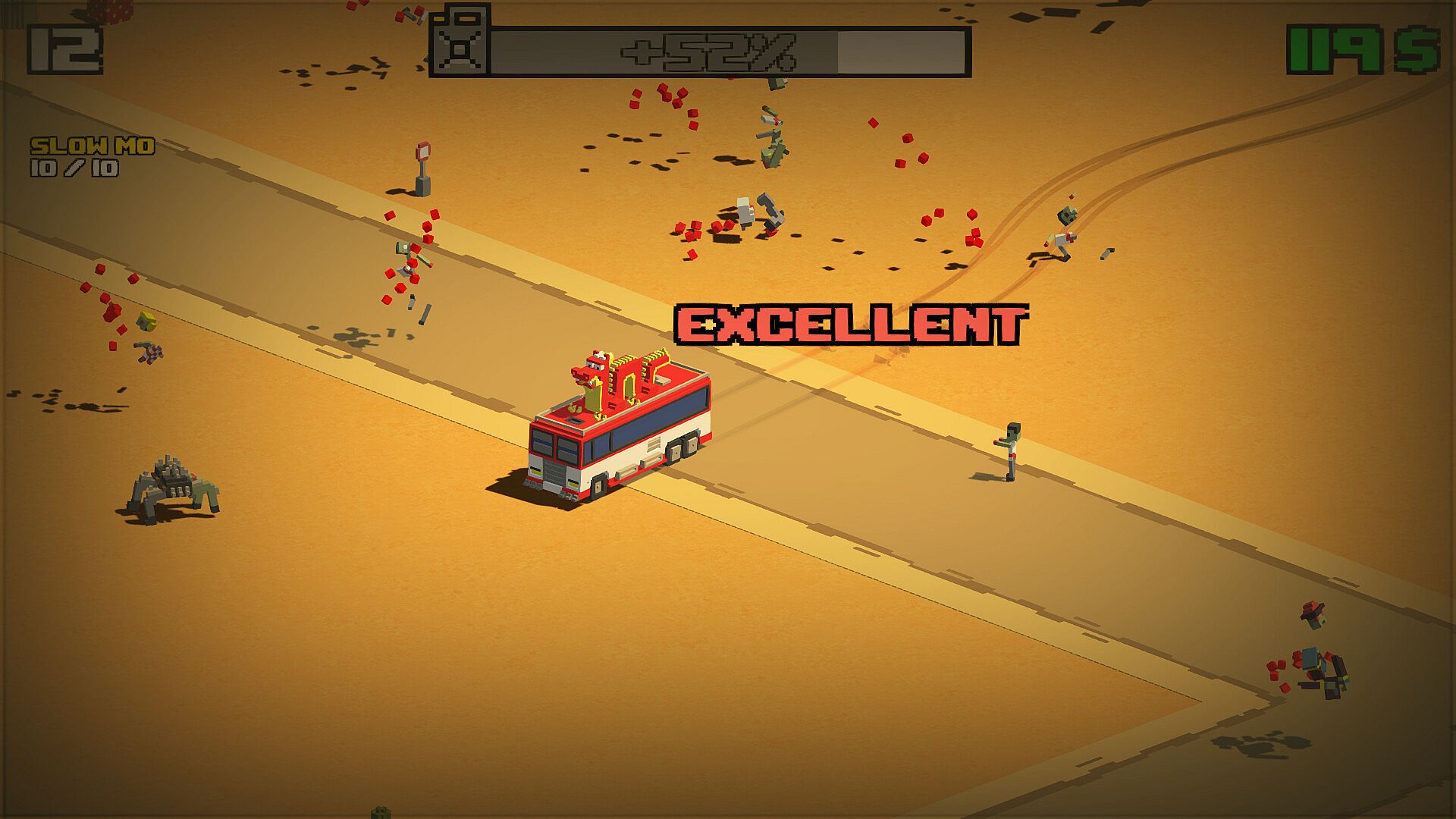
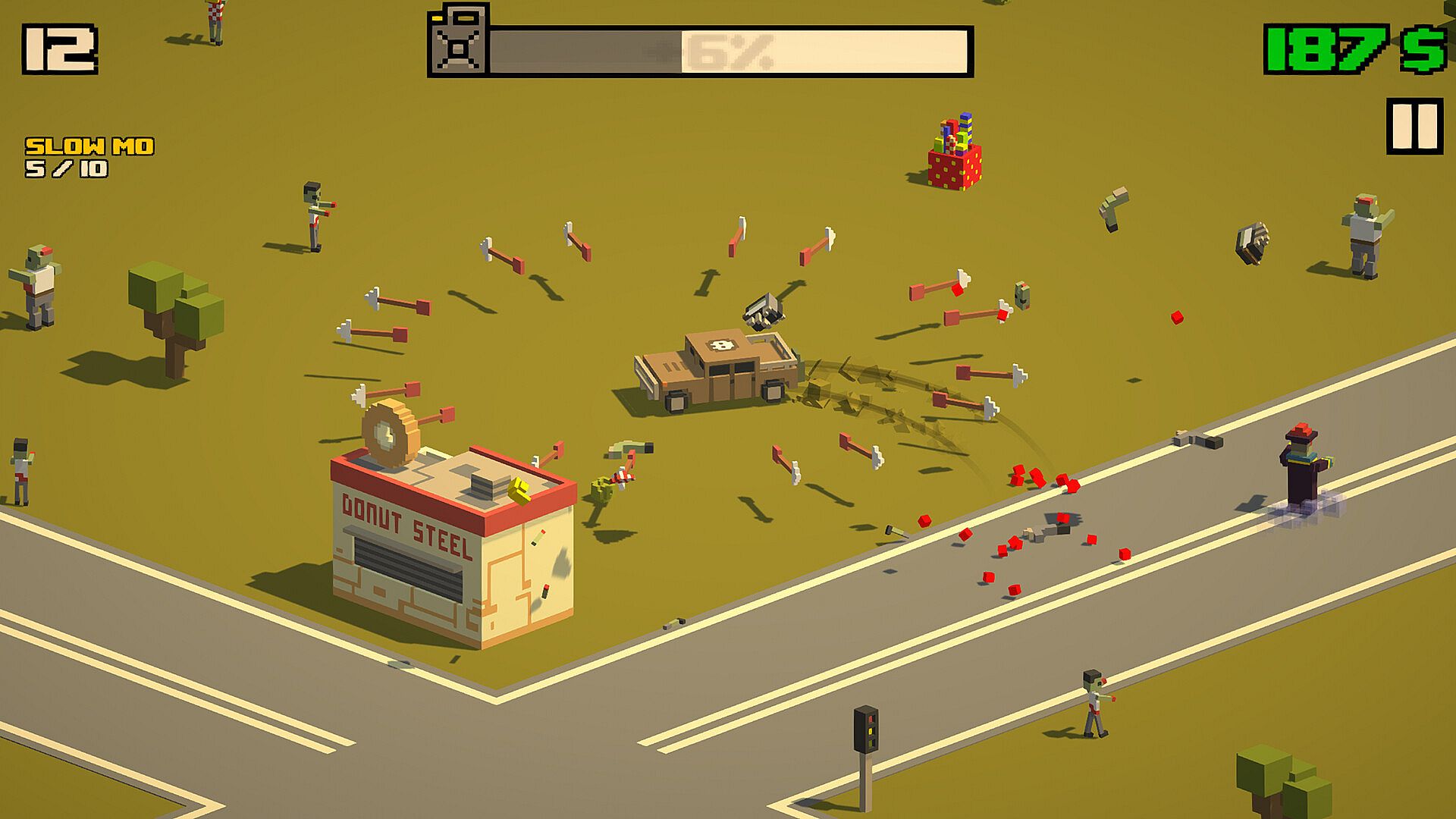
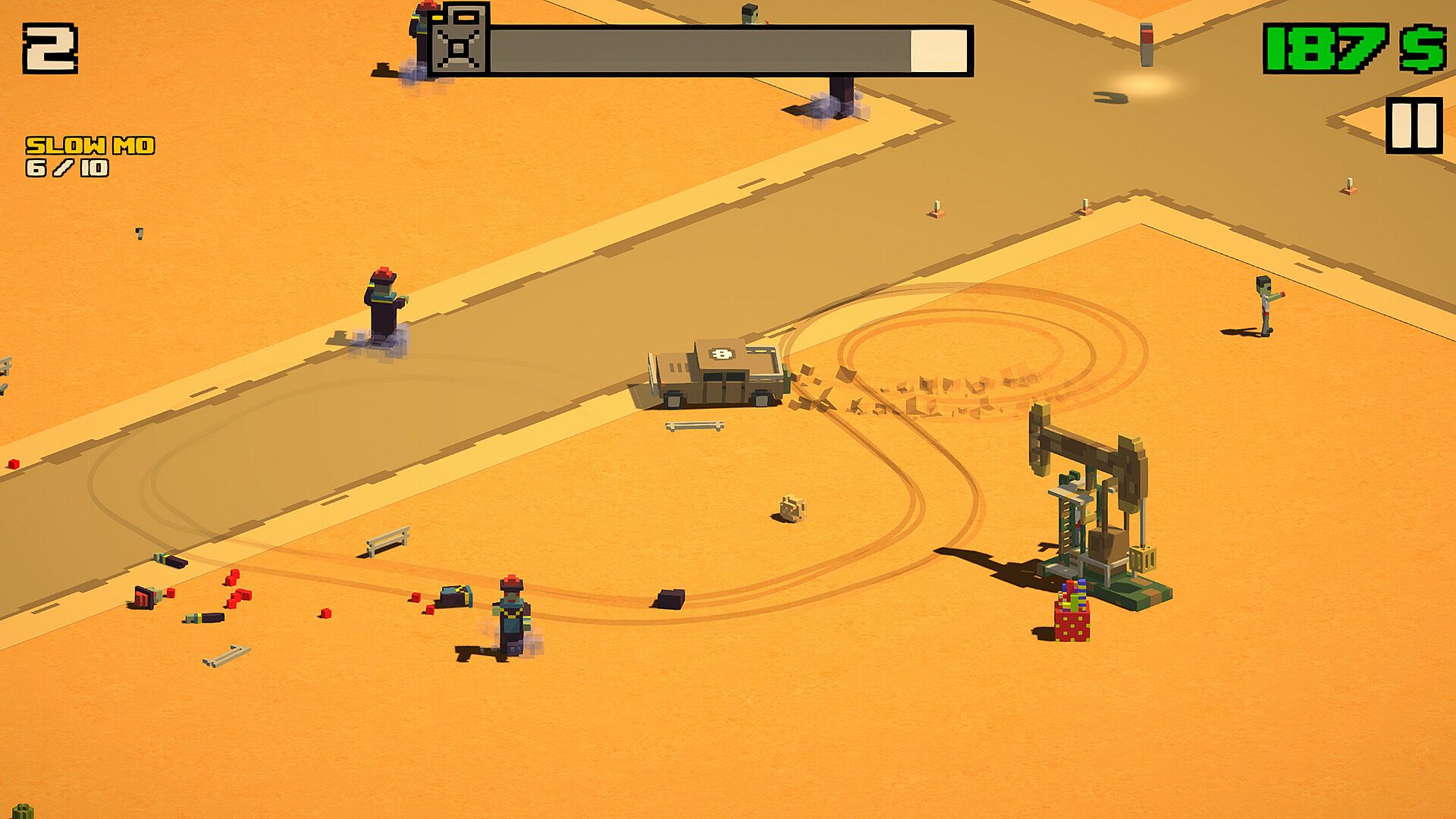
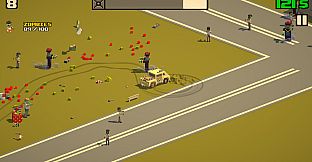
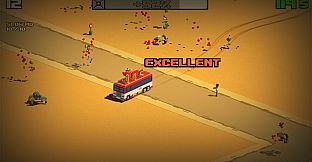
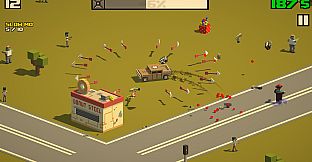
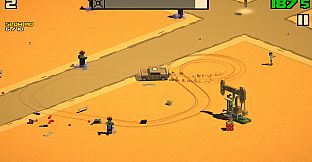
Madness Road: Reborn is an action racing game that blends arcade-style driving with rogue-lite progression on PC. Players take control of vehicles on hazardous tracks where the objective centers on surviving as long as possible while smashing obstacles and building power through experience points earned mid-run. The experience emphasizes speed, destruction, and on-the-fly decision making rather than traditional lap-based competition.
Gameplay
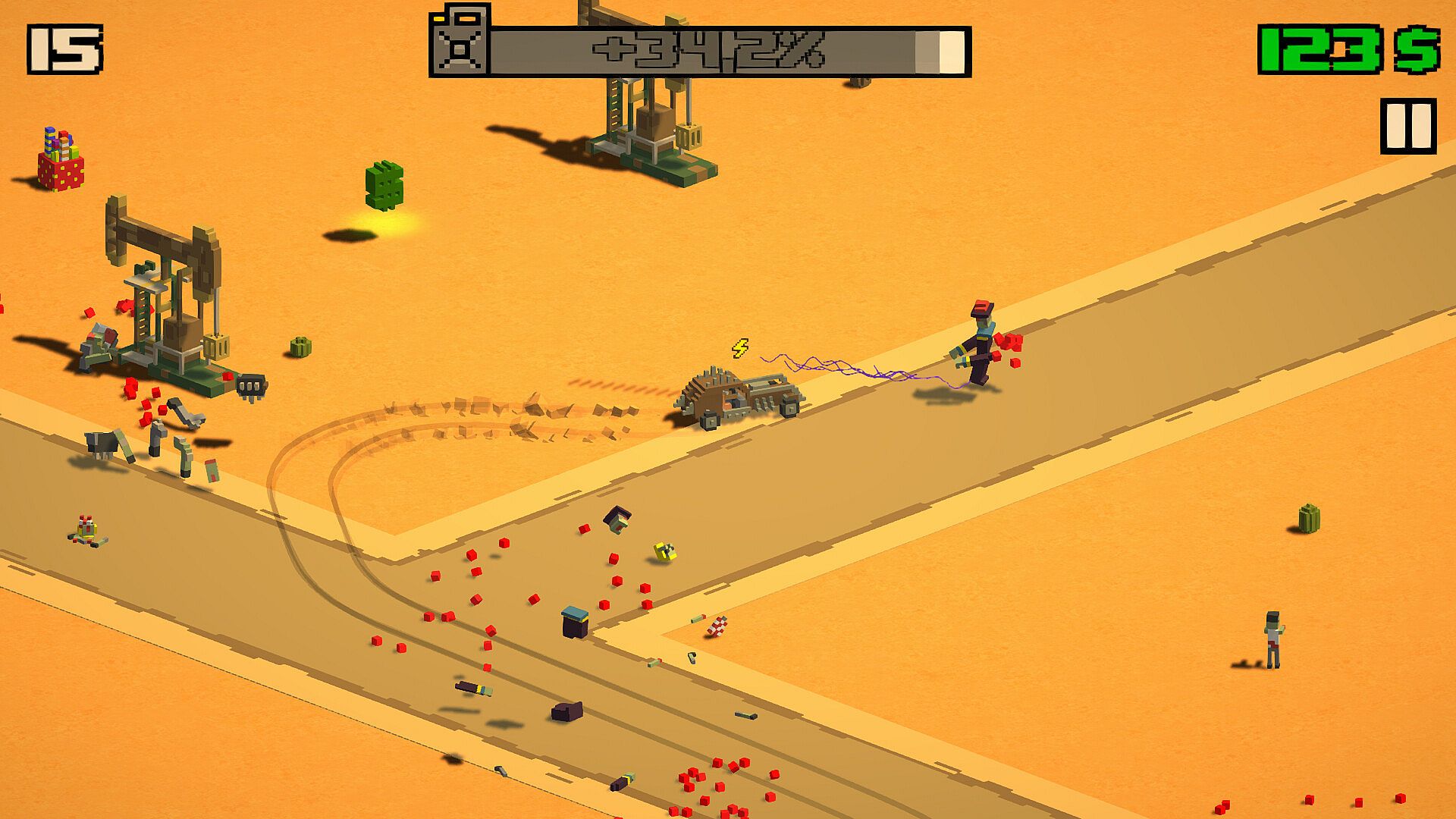
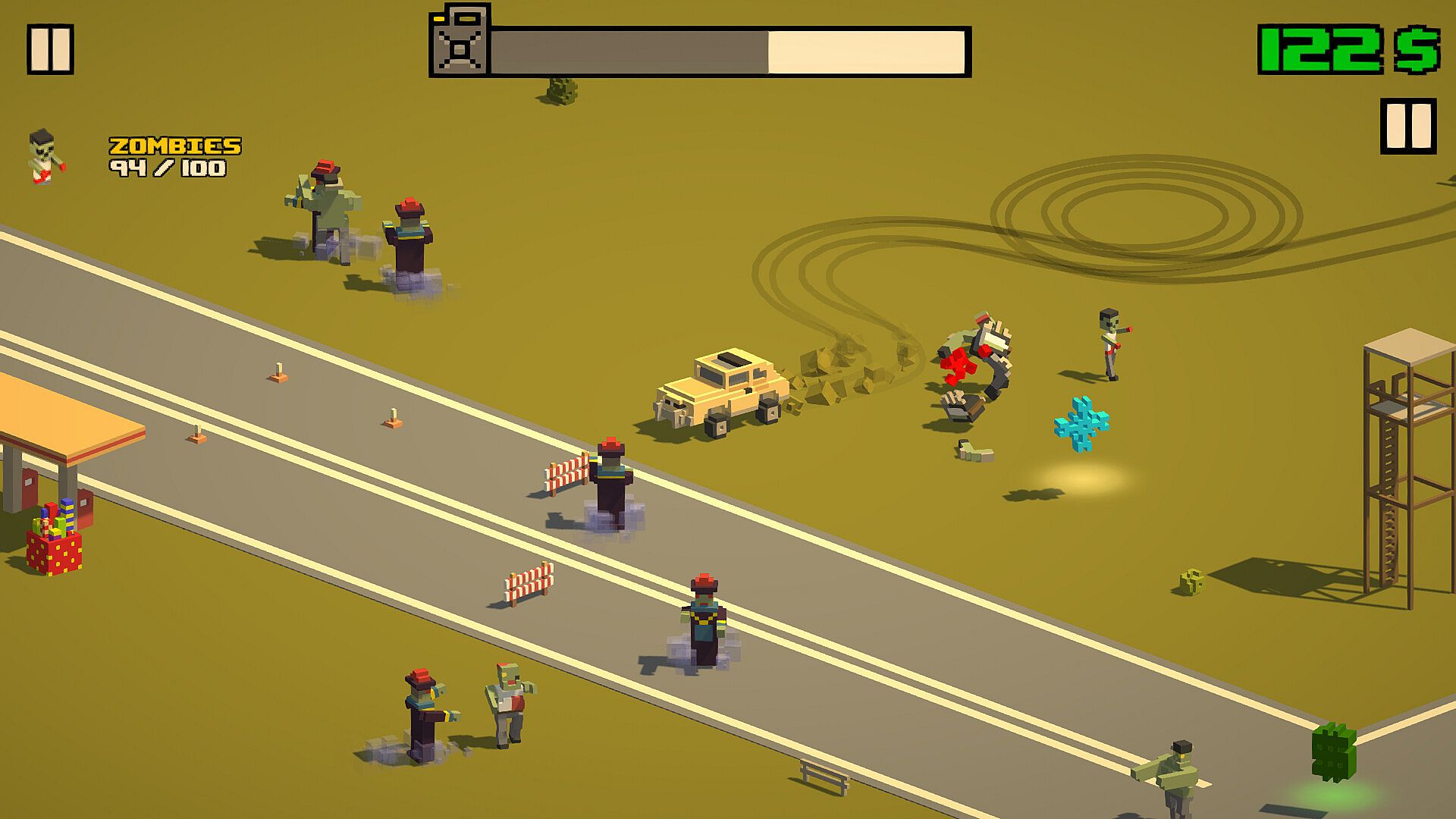
The core loop revolves around accelerating through procedurally challenging roads filled with barriers and hazards. Destroying obstacles grants experience that triggers upgrade selections during the run itself. These choices allow customization of the vehicle on the spot, creating varied builds that influence how destruction unfolds and how long survival lasts. The pace accelerates over time, demanding precise handling to avoid crashes that end the attempt.
Intuitive controls keep the focus on momentum and impact rather than complex simulation. Vehicles respond quickly to inputs, enabling players to weave through tight sections or deliberately collide with targets for maximum effect. Randomized perk options each attempt encourage experimentation, as no two runs follow identical upgrade paths. This system rewards quick adaptation and strategic selection of combinations that amplify speed or destructive capability.
Environmental interaction plays a central role, with the road itself serving as both path and source of chaos. Smashing through objects not only boosts experience but also clears space or creates new opportunities for continued momentum. The constant increase in difficulty keeps tension high, turning each session into a test of endurance and build optimization.
Game Modes
The game centers on repeated survival runs where the goal remains consistent: travel as far as possible while causing widespread destruction. Each attempt starts with a base vehicle and builds power through collected experience and chosen upgrades. The structure supports high replayability because randomized elements and perk synergies produce different outcomes every time.
Progress carries over between runs in the form of unlocked vehicles and permanent improvements to the collection. This meta-progression gives players new options to try on subsequent attempts without altering the fundamental single-run focus. No separate competitive or story-driven modes appear in the available details, keeping the emphasis squarely on the endless road challenge and its escalating demands.
Single-player design means all sessions occur independently, with achievements tracking milestones such as distance covered or specific destruction feats. The absence of multiplayer elements reinforces the solitary, high-stakes nature of each drive.
Vehicle Collection and Progression
A dedicated car collection system lets players unlock dozens of distinct vehicles ranging from agile sports cars suited for quick maneuvers to heavily armored trucks built for brute-force impacts. Each vehicle offers different handling characteristics that influence how upgrades interact with the road ahead. Unlocking new options expands strategic choices for future runs.
Mid-run leveling forms the heart of the rogue-lite layer. Experience accumulates rapidly from obstacle destruction, prompting immediate perk selections that stack into powerful combinations. Players must weigh short-term survival against long-term potential when picking upgrades, since the accelerating pace punishes poor decisions quickly.
Overall progression balances immediate run success with gradual collection growth. Stronger vehicles and refined perk knowledge improve chances on later attempts, yet the randomized upgrades ensure no single strategy dominates every session.
Is It Worth Playing?
Madness Road: Reborn suits players who enjoy arcade racing combined with rogue-lite elements and short, intense sessions. The focus on mid-run upgrades and vehicle variety provides consistent variety without requiring long commitments per attempt. Those who appreciate high-speed destruction and build experimentation will find the mechanics align closely with that preference.
Because the title remains listed as coming soon with no user reviews available yet, actual reception depends on post-release performance and updates from the developers. The single-player structure and emphasis on replayability through randomization make it a candidate for fans of similar indie racing titles that prioritize survival and customization over realistic physics or online competition. Potential buyers may want to monitor early feedback once it launches to confirm whether the core loop delivers sustained engagement.