








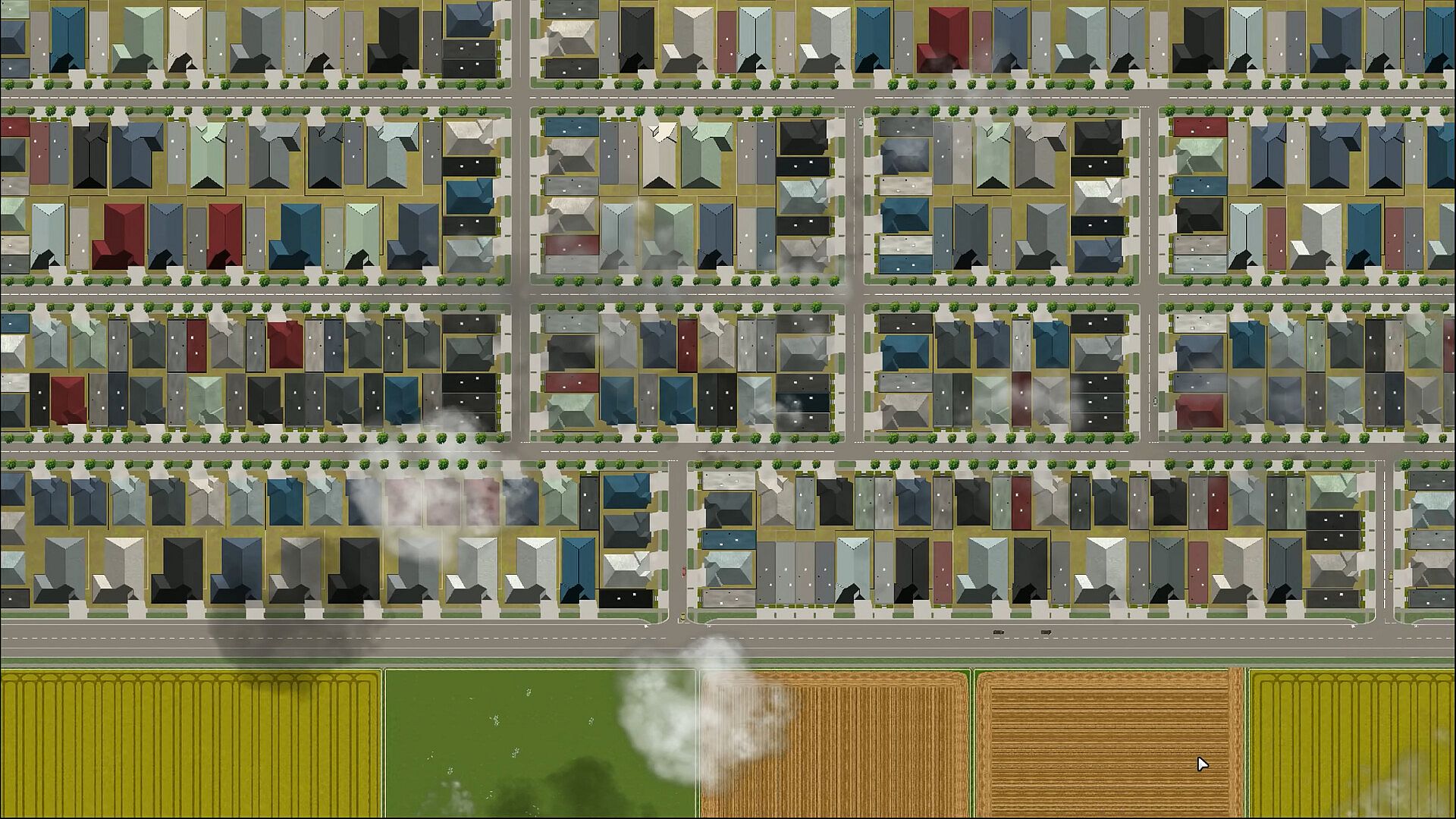

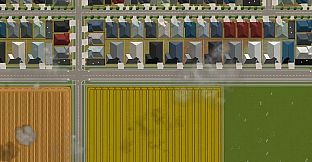
Lots at Stake is a strategy, indie, and simulation game for PC that puts players in charge of a property development business. The title centers on realistic greenfield land development, where success depends on careful planning, financial management, and adapting to shifting market conditions. Players start small and aim to grow into an industry leader while handling acquisitions, construction, sales, and company operations in a turn-based format.
Gameplay
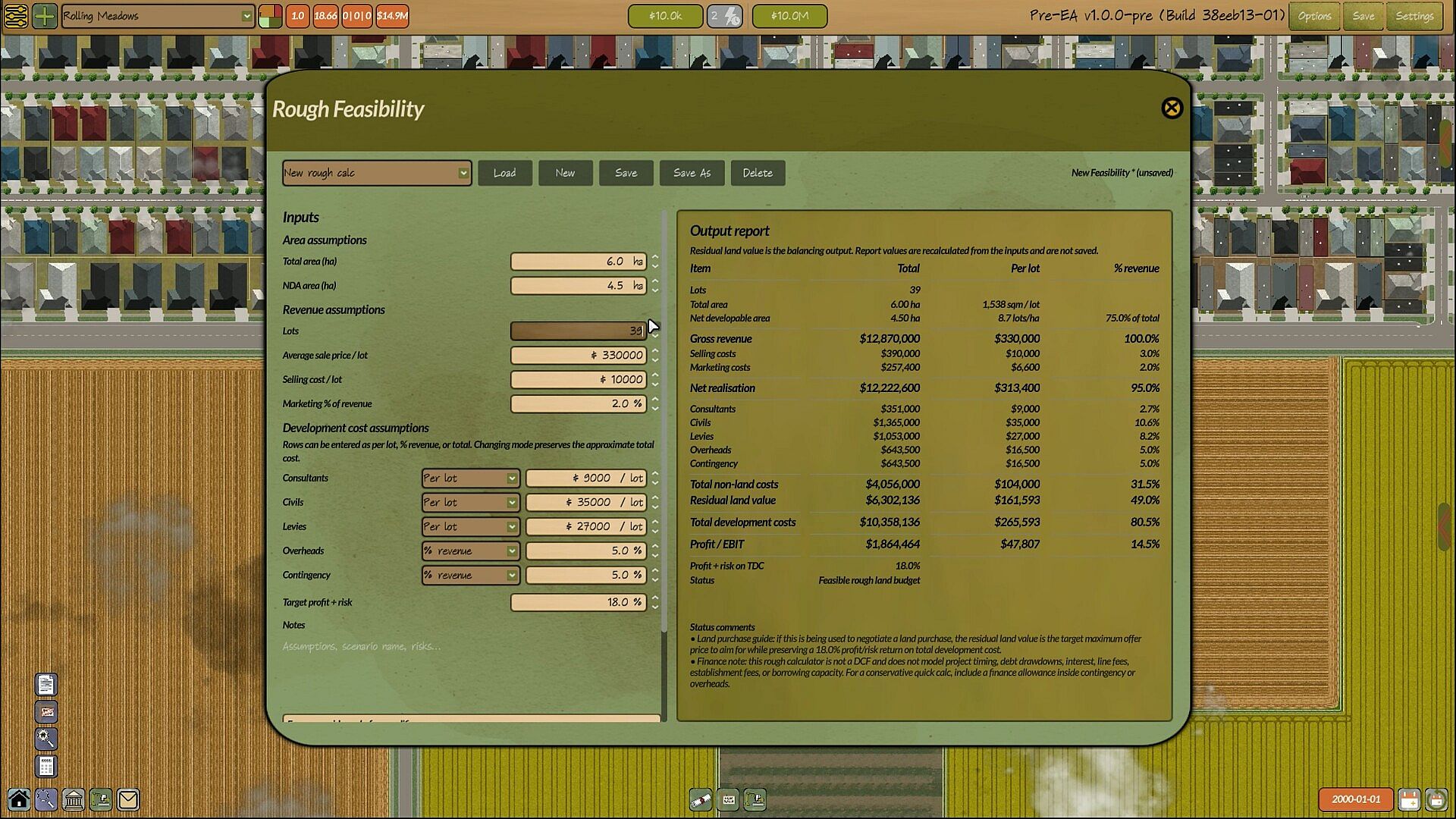
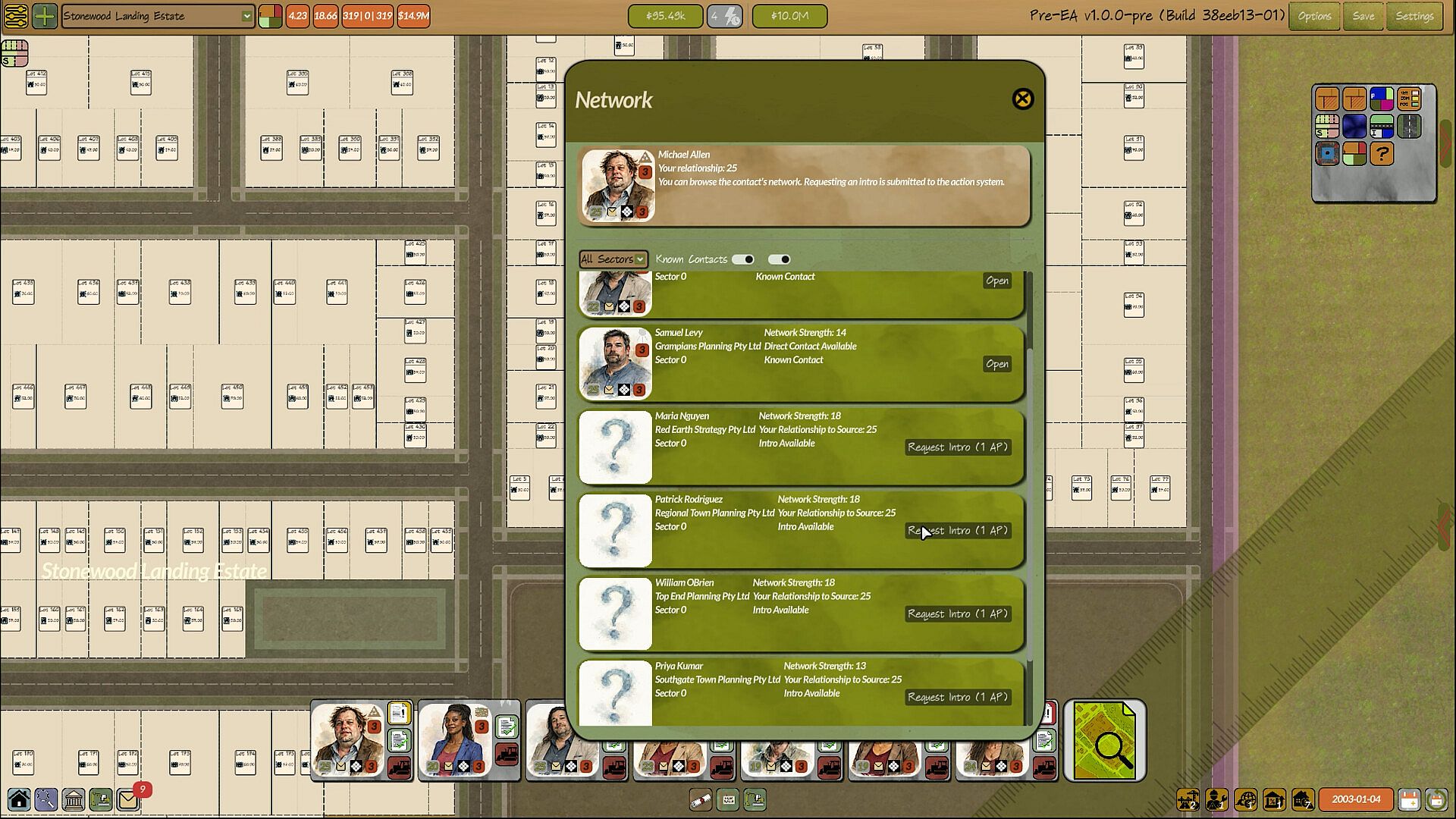
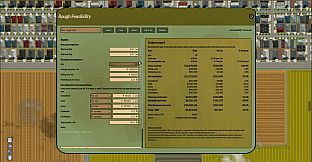
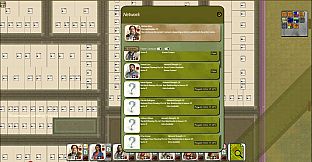
The core loop involves acquiring parcels of land, evaluating their development potential through planning, servicing, environmental, stormwater, transport, and financial factors, then building detailed project feasibilities that account for land size, yield, infrastructure costs, revenue projections, and delivery risks. Weekly management attention is limited, so players must prioritize acquisitions, negotiations, introductions, appointments, events, and project issues. The simulation incorporates a living relationship network where introductions to stronger counterparties require action points and trust from existing contacts, rather than a fixed list of vendors.
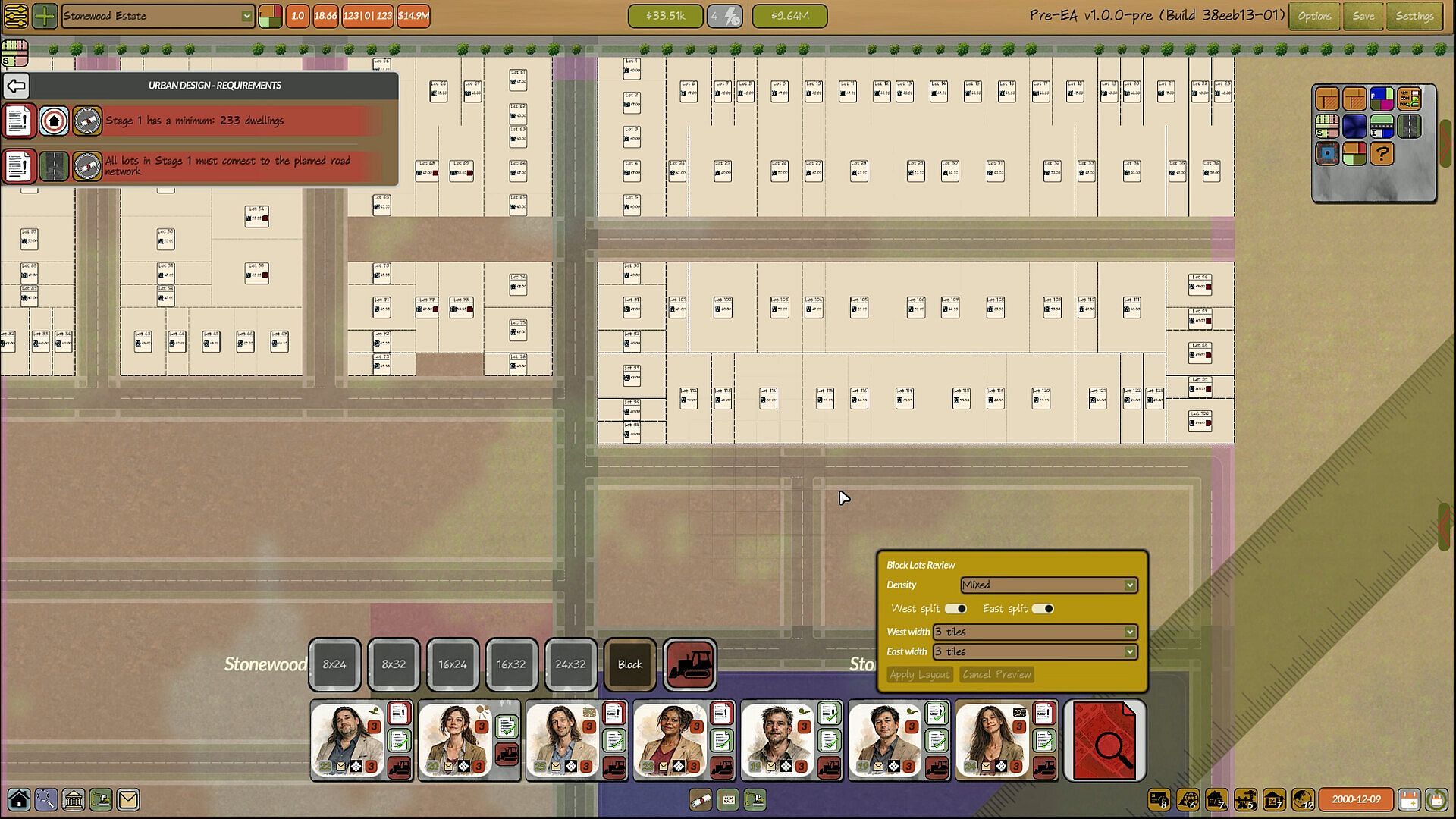
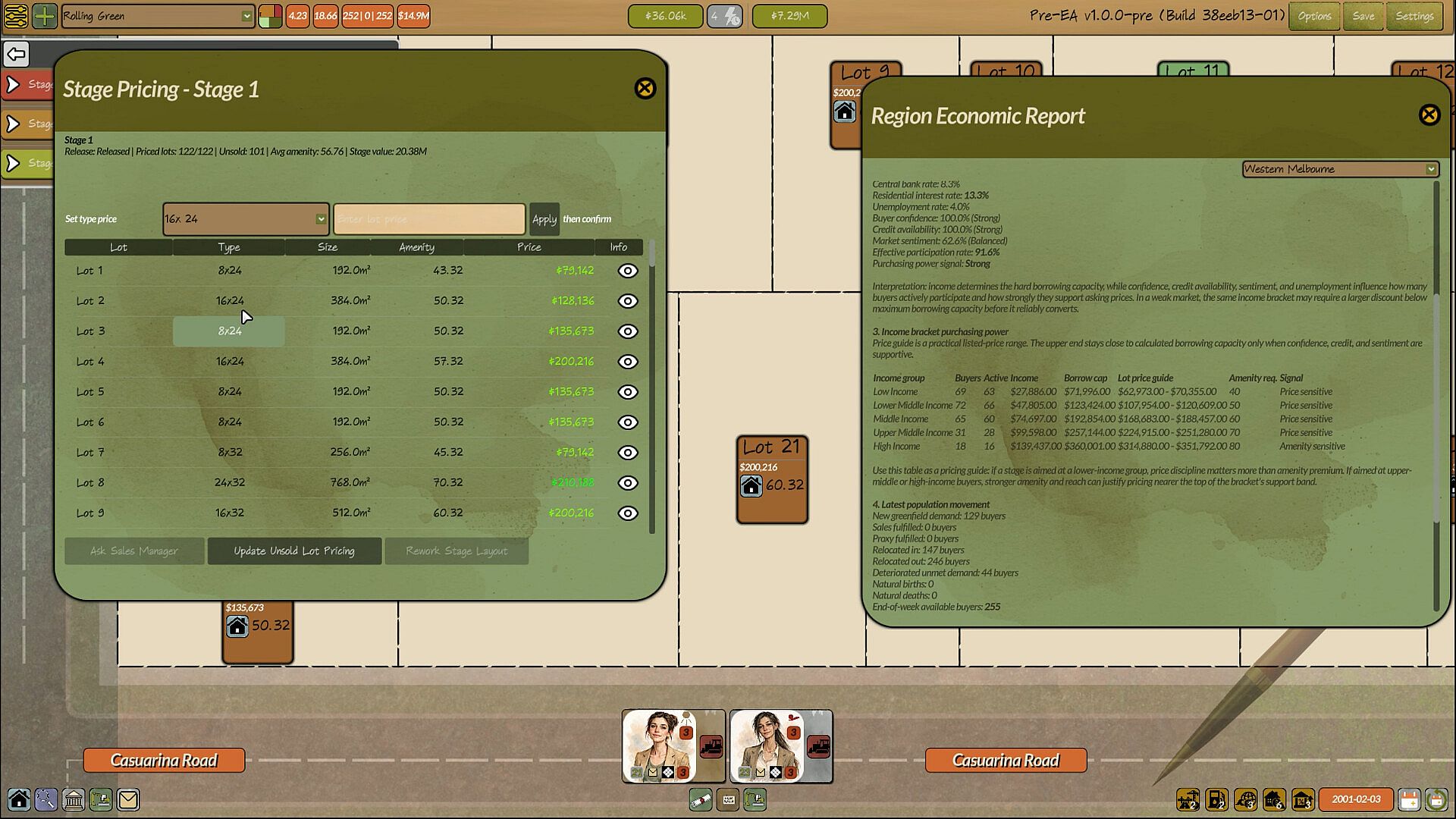
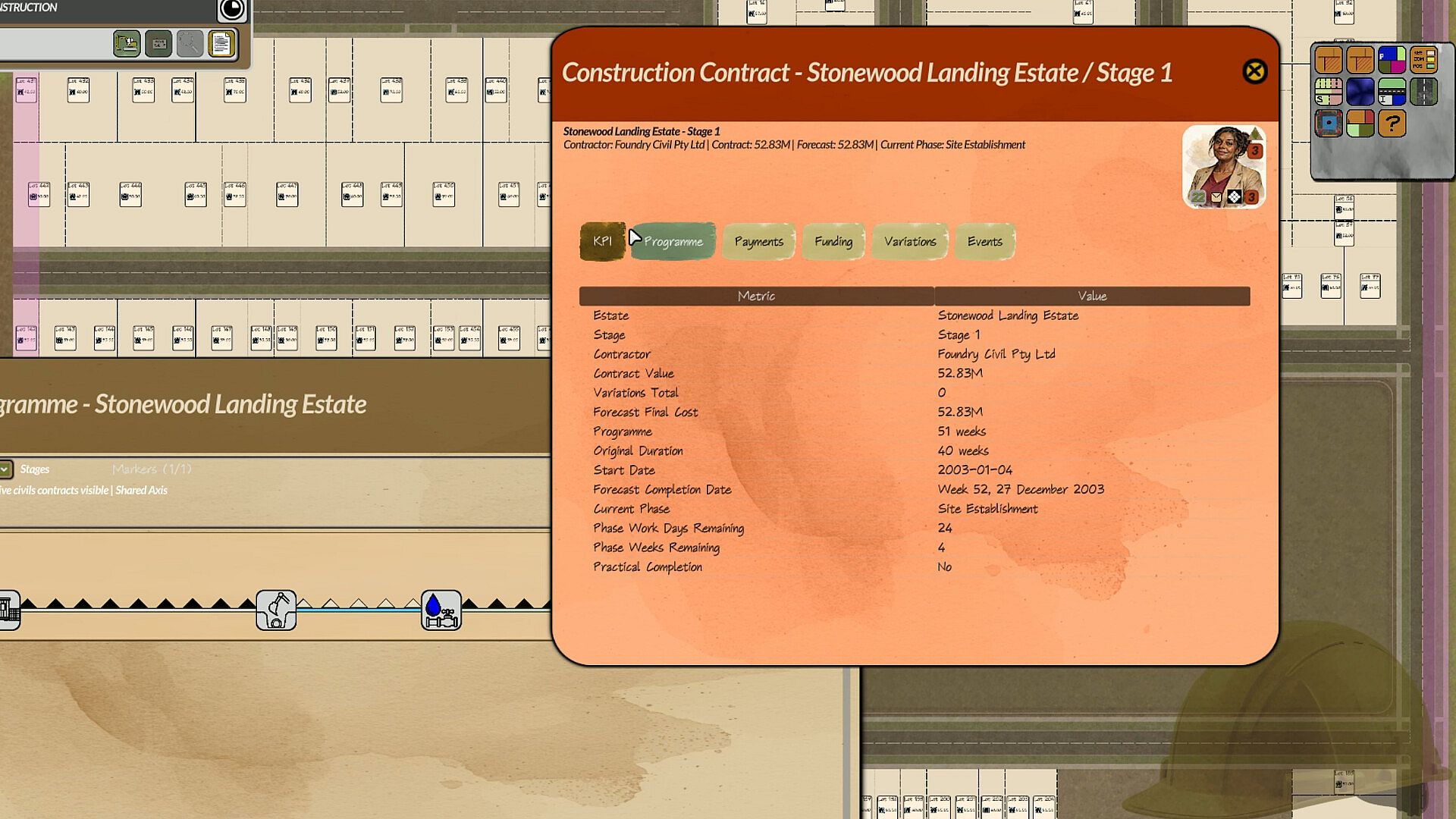
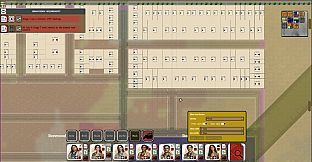
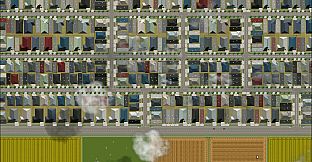
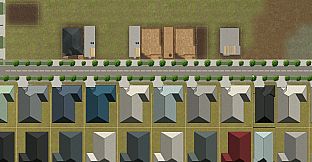
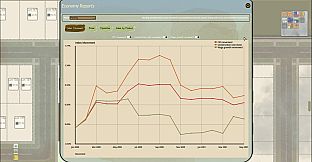
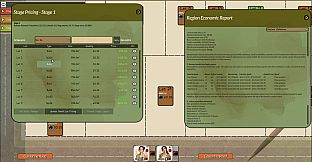
Staging plans determine the layout of roads, residential lots, stormwater infrastructure, and open space, balancing yield against amenity, access, approvals, and costs. Sales require choosing lot mixes, setting prices, and launching stages into a market where buyers respond to affordability, amenity, access, and confidence levels. Construction management follows, with decisions on interventions during delays, shortages, or variations. A dynamic economy and event system influences interest rates, government policy, consumer confidence, and supply chains, which can reshape project outcomes over time. Company growth follows a maturity path from sole operator through structured studio and growing developer stages to established developer and industry leader, with added offices, staff, and overhead that increase capacity but also introduce strain from project load and complexity.
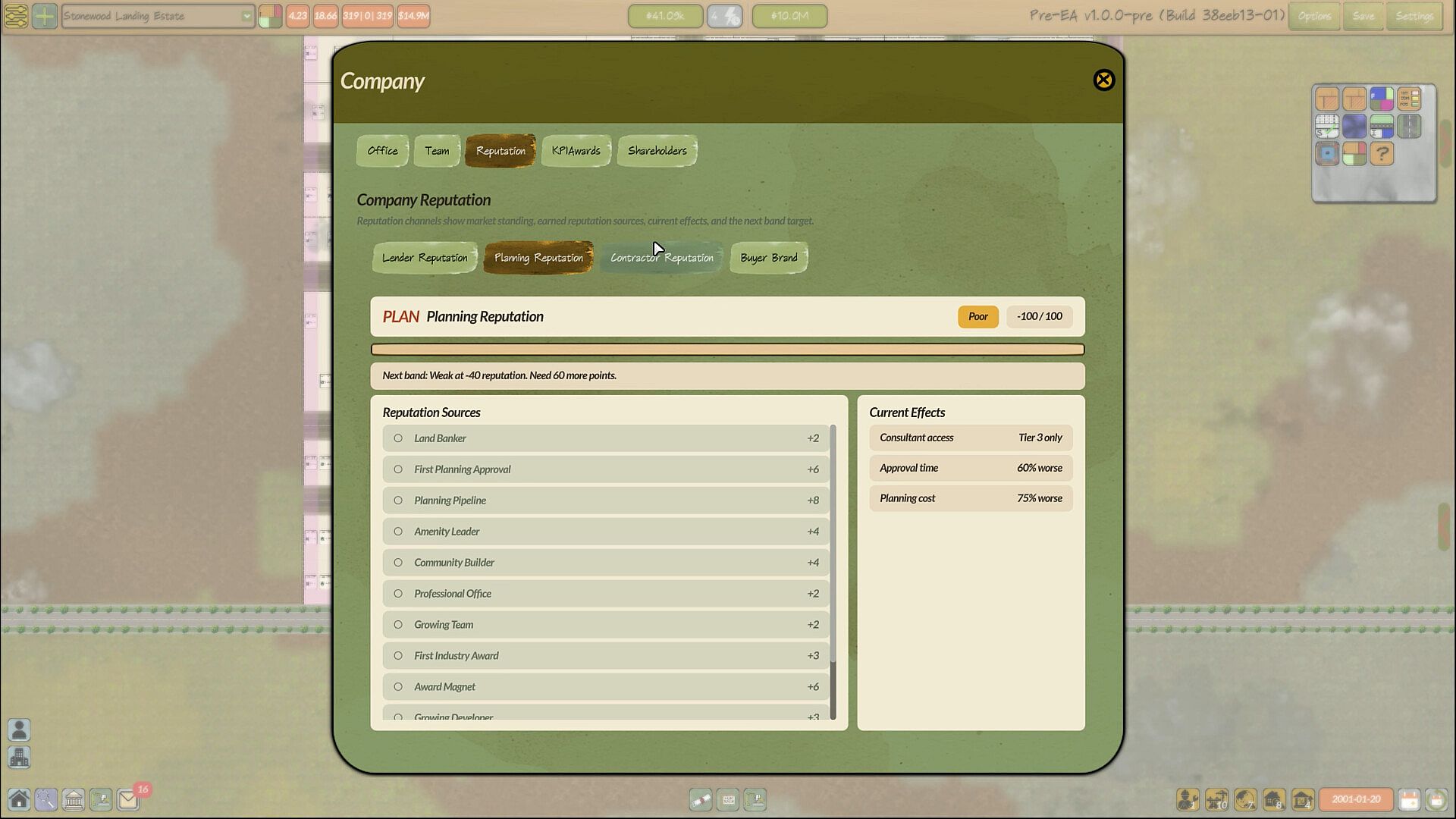
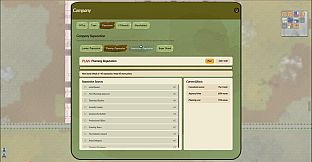
Reputation builds separately with lenders, planners, contractors, buyers, and equity markets, each influencing access to finance, approvals, pricing, or demand. Strain rises with overextension, leading to higher coordination costs, longer programs, and reduced performance. Negotiations on acquisitions and employment contracts incorporate relationship effects, and every decision carries forward to shape future opportunities.
Game Modes
The game operates exclusively as a single-player experience with no multiplayer components or additional modes confirmed. All progression occurs within one continuous campaign focused on business building and property development. Turn-based mechanics govern the pace, allowing players to manage weekly actions across acquisitions, planning, sales, and operations without real-time pressure.
Business Simulation Mechanics
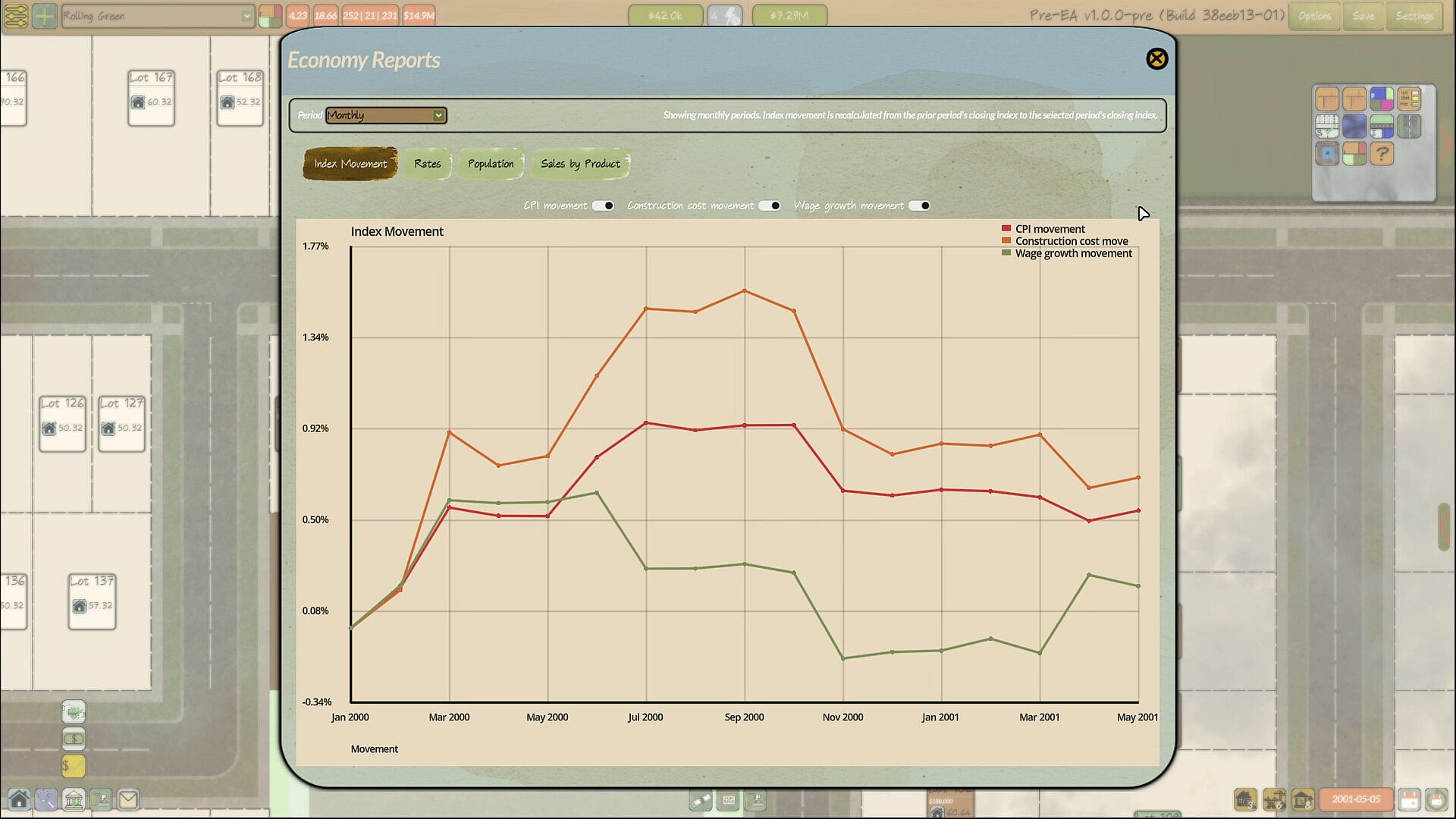
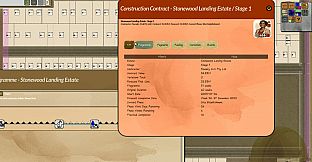
Players evaluate sites by reviewing parcel boundaries, planning controls, servicing requirements, environmental conditions, and local demand before negotiating purchase terms. Staging decisions affect capital requirements and future buyer appeal, while sales strategies weigh quick turnover against margin protection. Delivery involves overseeing construction and settling transactions to repay debt and strengthen relationships. The relationship network evolves through outcomes of negotiations, appointments, and events, opening or closing access to specialized contacts. Reputation channels provide tangible benefits, such as improved borrowing terms or better contractor pricing, while negative actions can limit opportunities. Economic events force adjustments to interest rates, costs, and demand, testing the viability of projects initiated under different conditions.
Company Growth and Challenges
Expansion requires capital for office fitouts and ongoing rent, plus hiring staff that boosts capacity yet raises overhead. Project volume generates revenue but pressures internal systems, and exceeding sustainable load triggers strain effects that slow progress and increase risks. Scaling too aggressively turns the company itself into a liability, while moving too cautiously allows opportunities to pass. The simulation rewards balanced growth that matches operational capacity to market conditions and project complexity.
Is It Worth Playing?
Lots at Stake targets players interested in deep business simulations and strategy titles centered on property development. The single-player turn-based structure supports thoughtful decision-making across acquisitions, planning, sales, and scaling without time limits or competitive elements. With no user reviews available and the release date still to be announced, the game remains in a pre-release state. Those drawn to realistic economic modeling, relationship management, and long-term company building may find the detailed systems engaging once it launches. Availability will depend on the final release, and interested players can monitor official channels for updates on the planned launch.











