










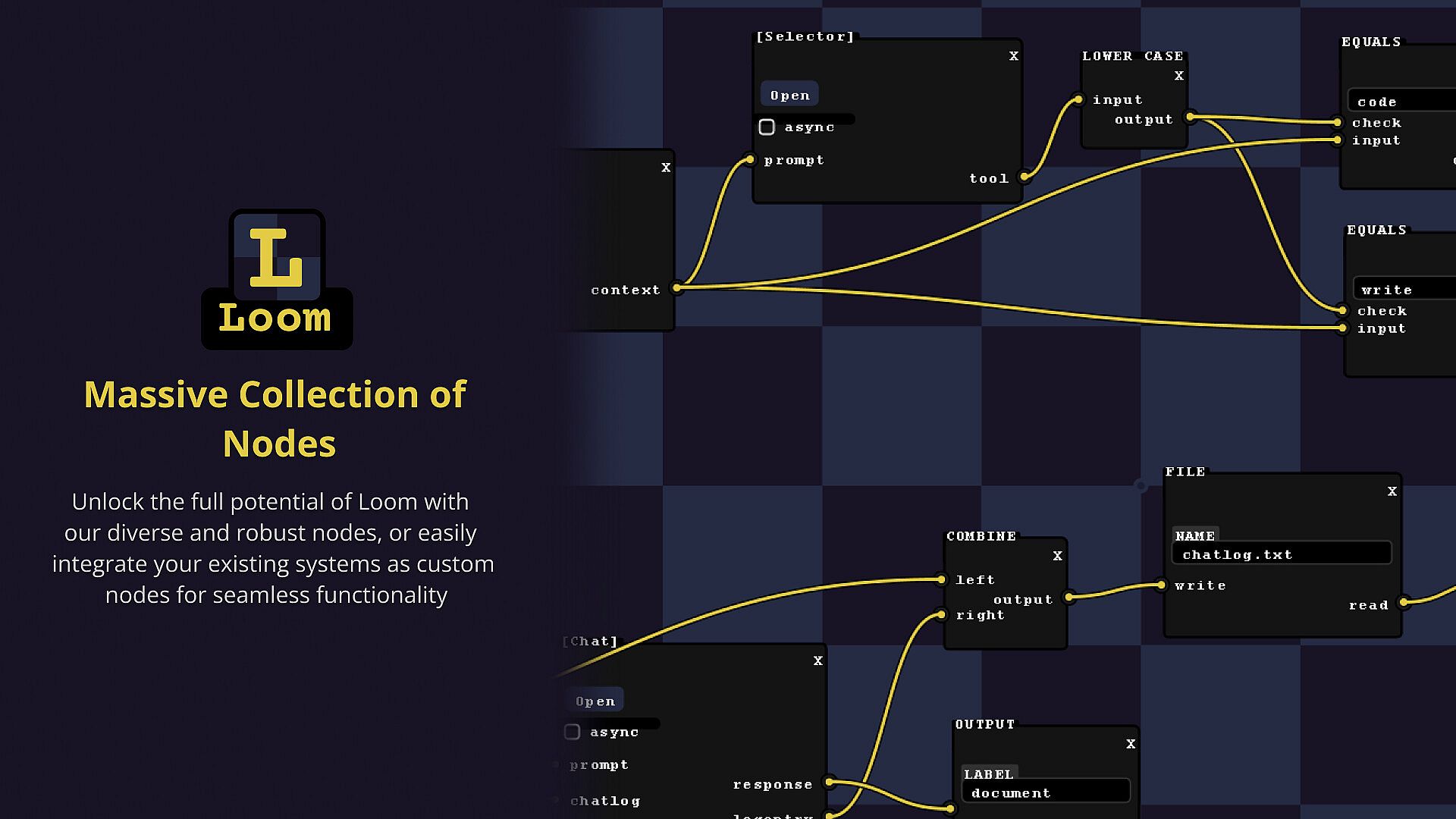
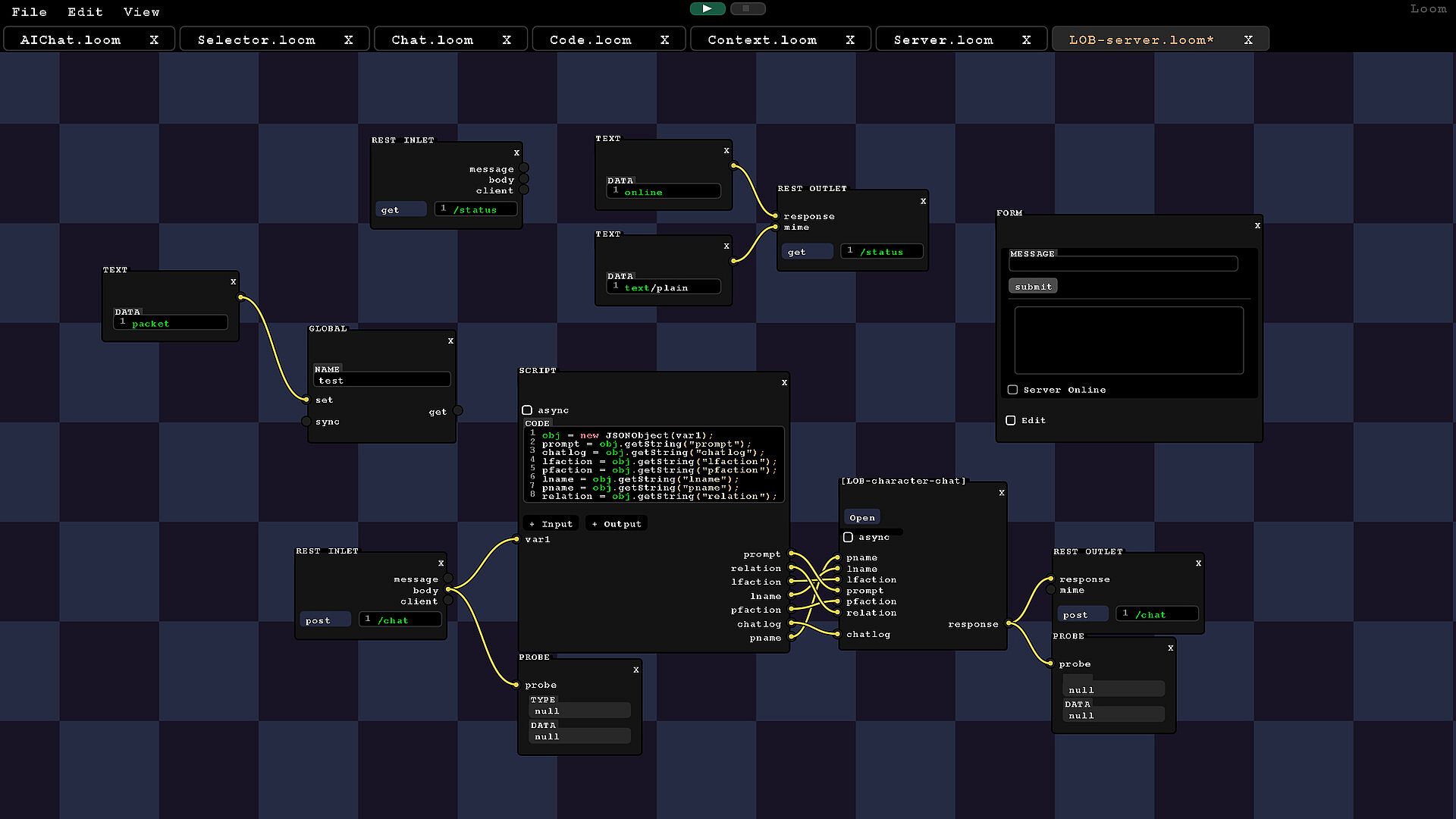
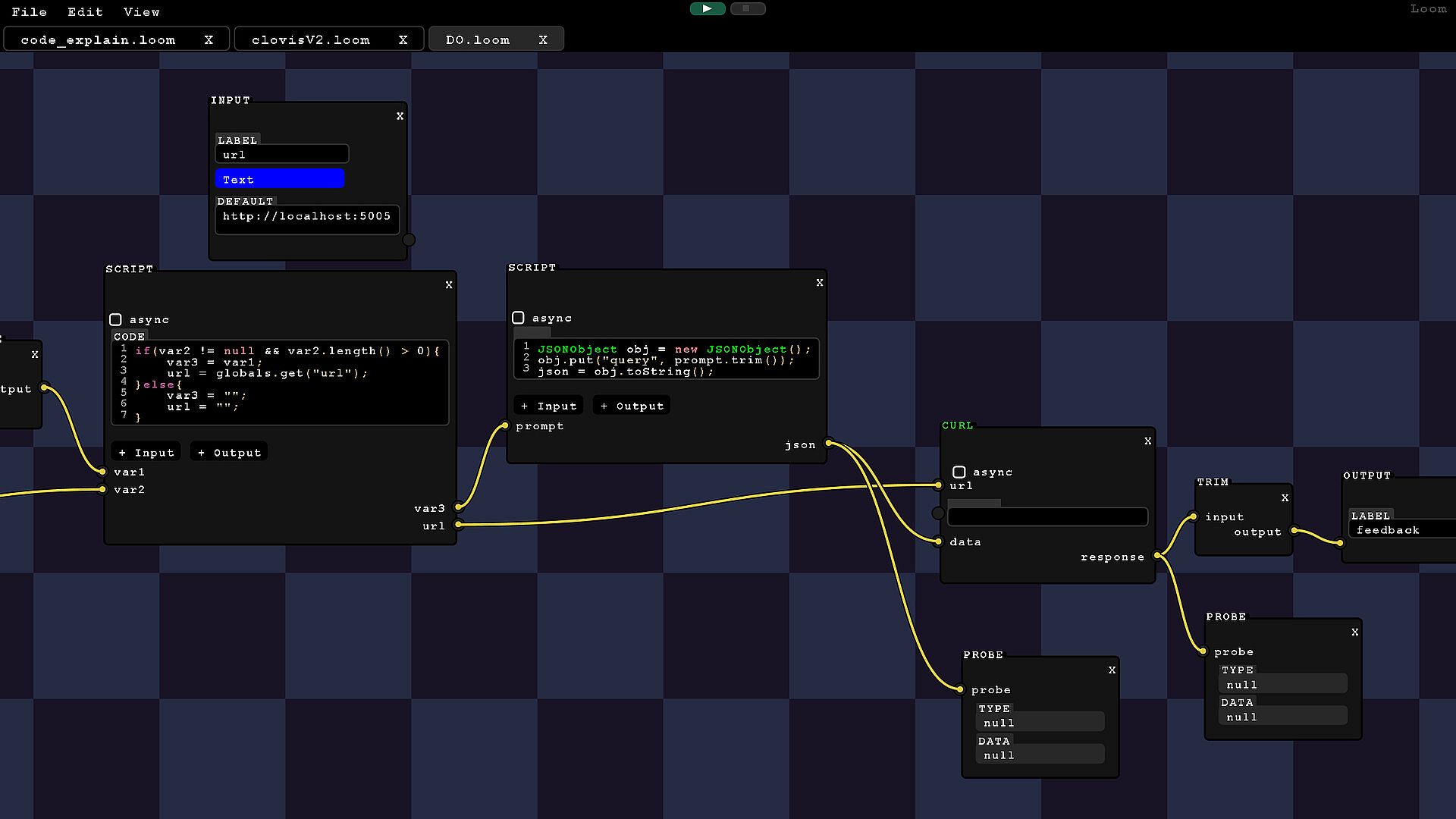
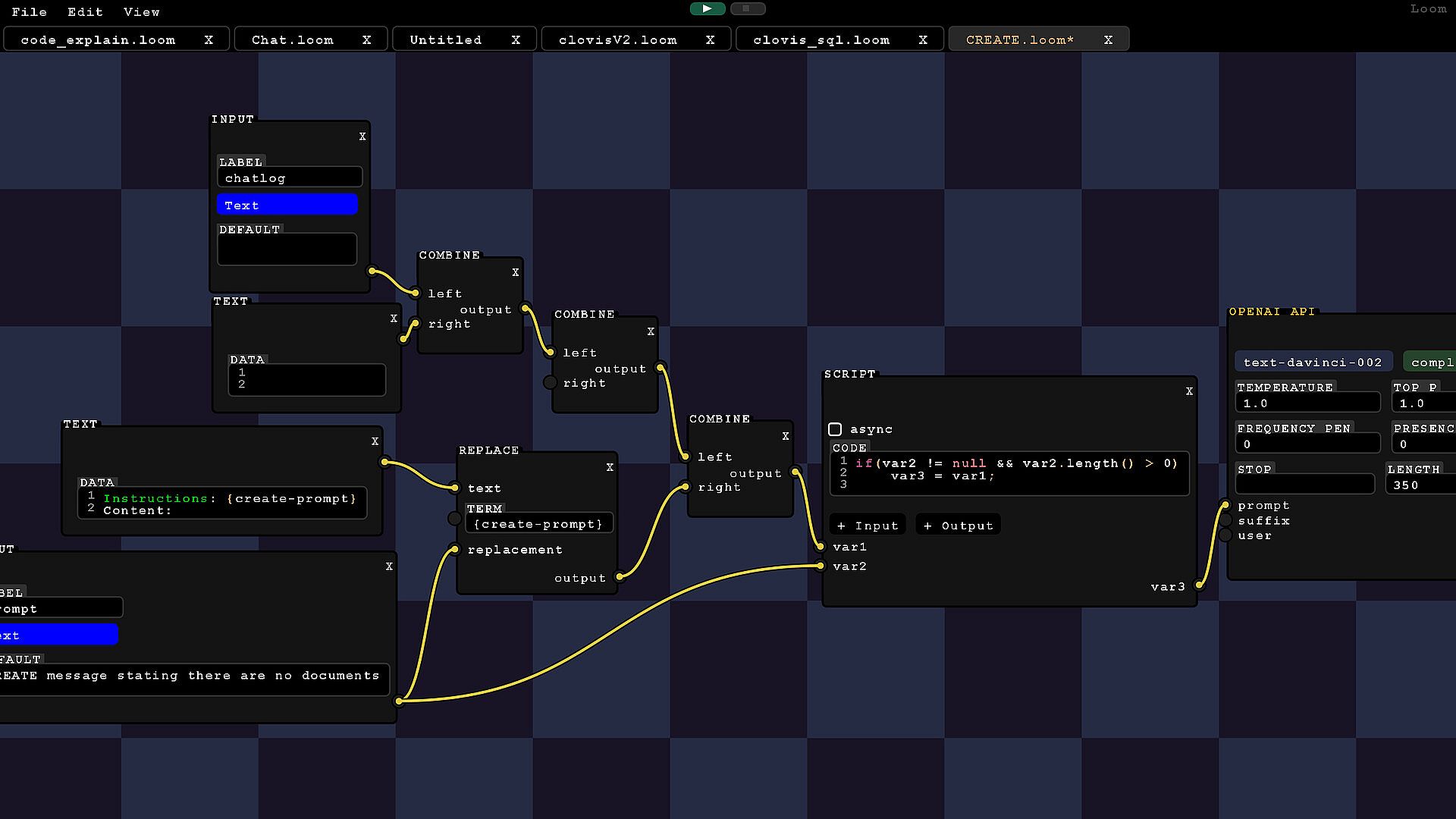
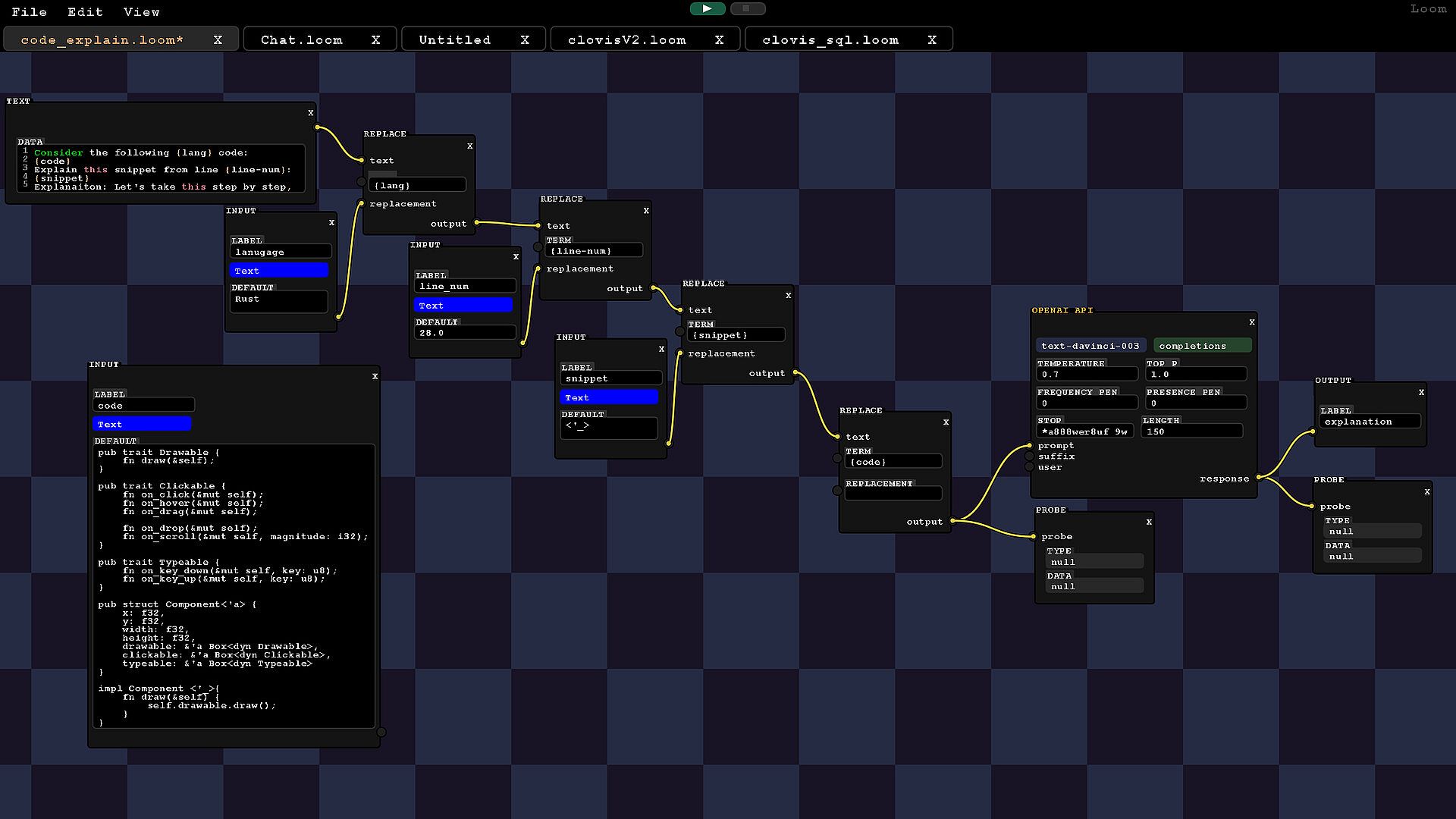
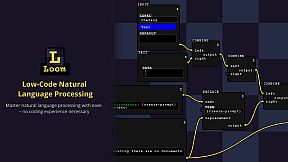
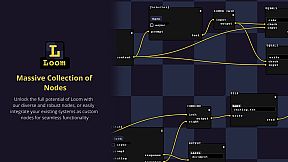
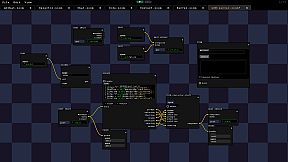
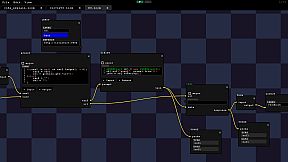
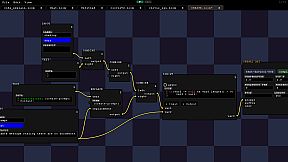
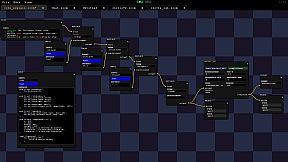
Loom is a low-code graphical IDE available on PC that focuses on utilities, design and illustration, and education. It enables users to build Natural Language Processing systems and APIs by combining visual modules with support for OpenAI and CoHere AI GPT APIs.
Gameplay
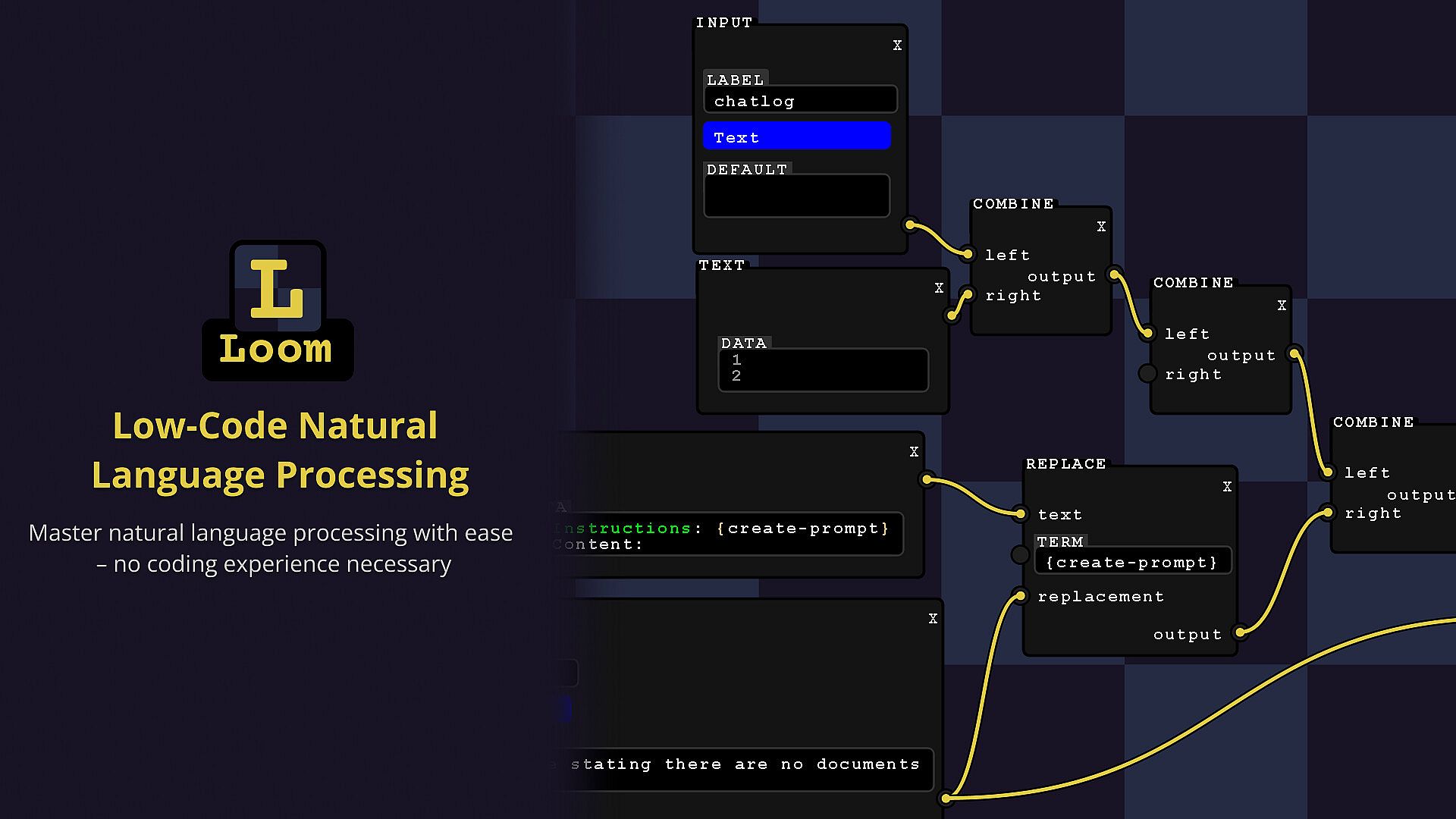
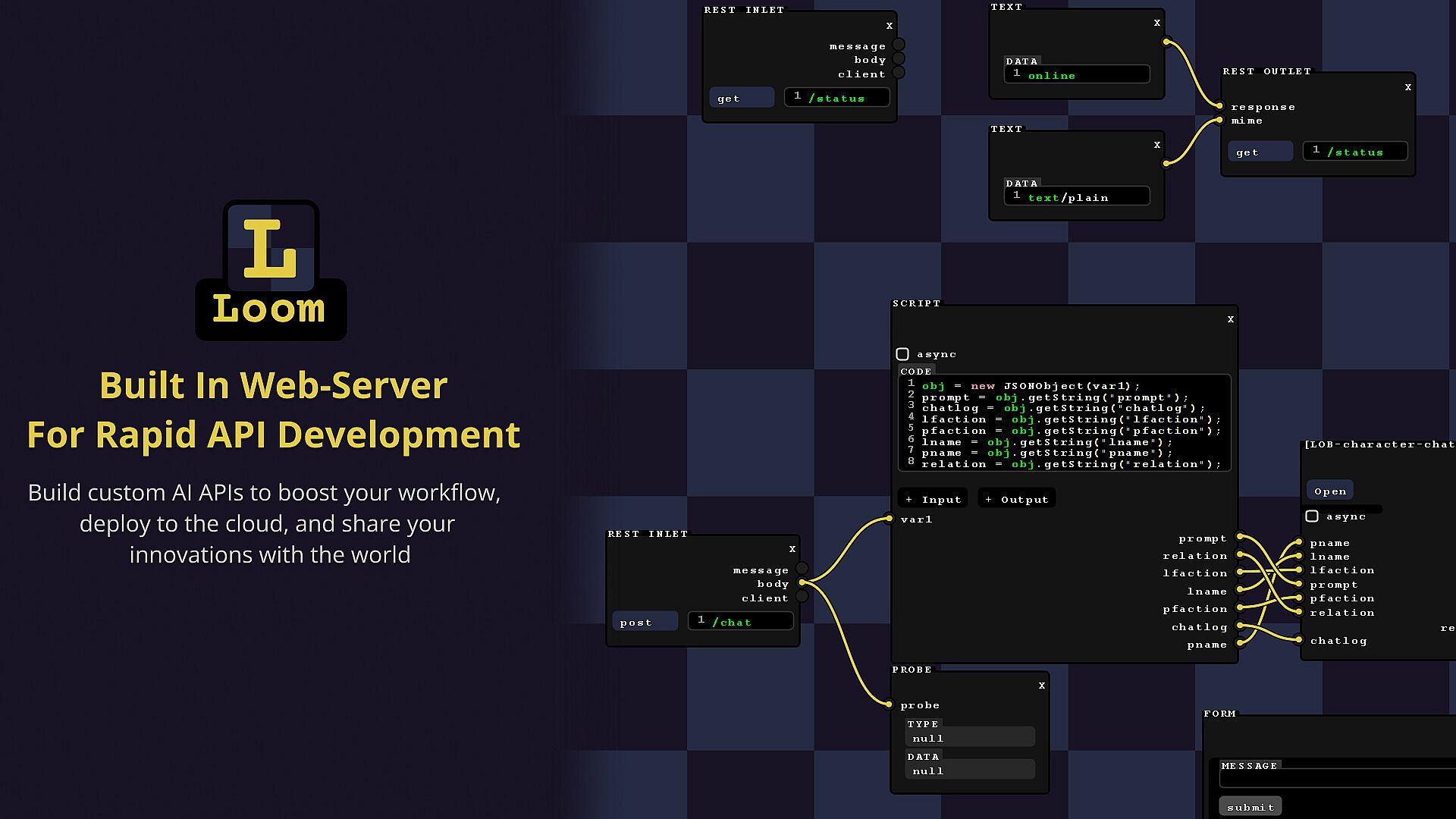
The main loop centers on arranging modular components in a visual workspace to connect AI services and define processing flows. Users drag and drop elements to link data inputs with model calls, then refine behavior through Java-style scripting in Groovy. A built-in web server handles deployment so the resulting NLP endpoints run locally without additional setup.
Game Modes
No separate modes exist. The single workflow supports both quick prototyping of API endpoints and more detailed scripting sessions. The same interface serves rapid API creation for simple tasks and extended customization when Groovy code is added to handle complex logic.
Additional Features
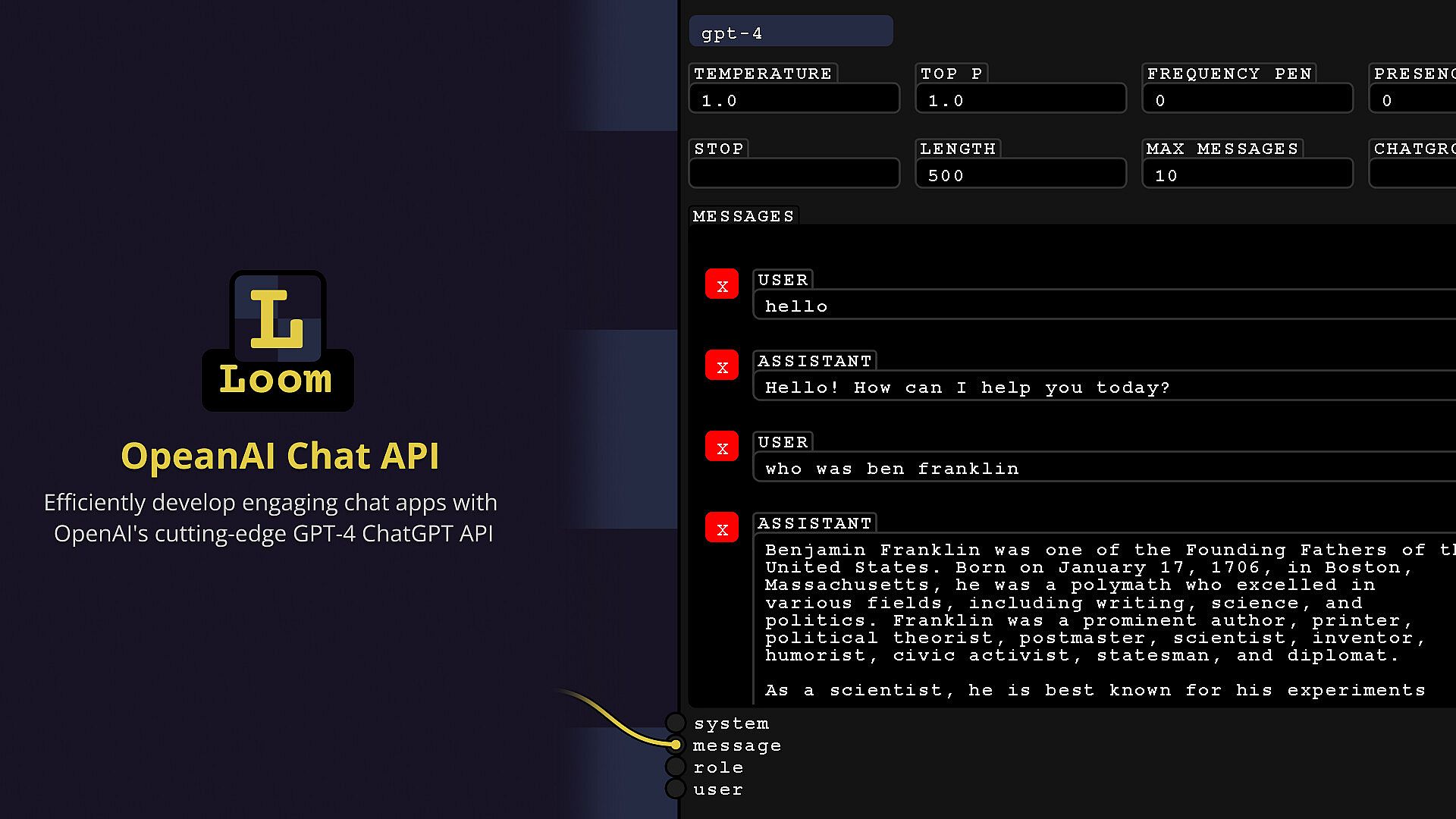
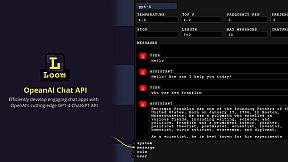
Integration with the specified AI providers happens through dedicated nodes that accept API keys and expose standard parameters. The low-code approach reduces the need for manual coding while still allowing script overrides for fine control. Everything operates within one application window, keeping the focus on building and testing NLP pipelines in place.
Is It Worth Playing?
Loom suits developers and educators who want to experiment with GPT-based NLP tools through a visual interface rather than pure code. Its combination of modular design, Groovy scripting, and instant web server output provides a direct path from idea to working API. Those already comfortable with low-code environments or seeking a graphical front end for OpenAI and CoHere models will find the feature set aligned with that goal. Current availability on PC keeps the tool accessible for ongoing projects without extra platform requirements.