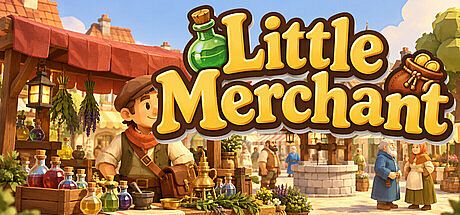


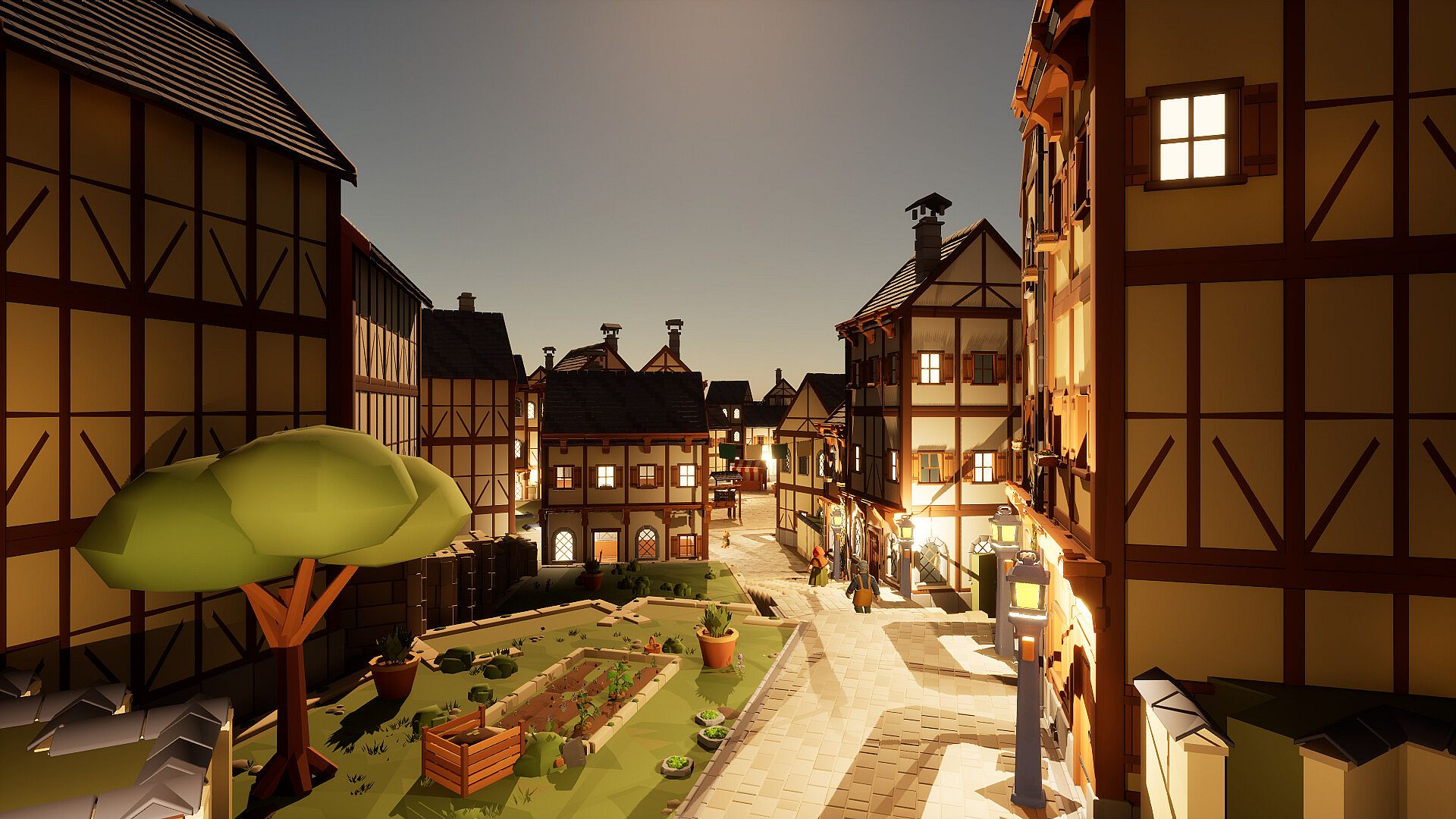
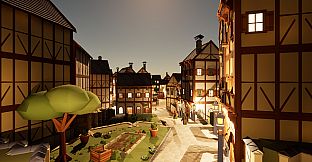


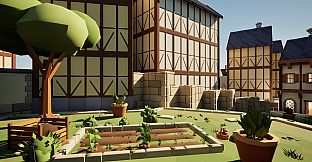
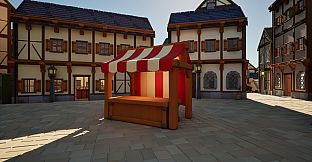
Little Merchant is a single-player indie simulation game set in a detailed town environment where players start with almost nothing and build a potion-selling business from the ground up. The experience centers on gathering resources, crafting items, and managing sales across different times of day while navigating the risks and routines of town life.
Gameplay
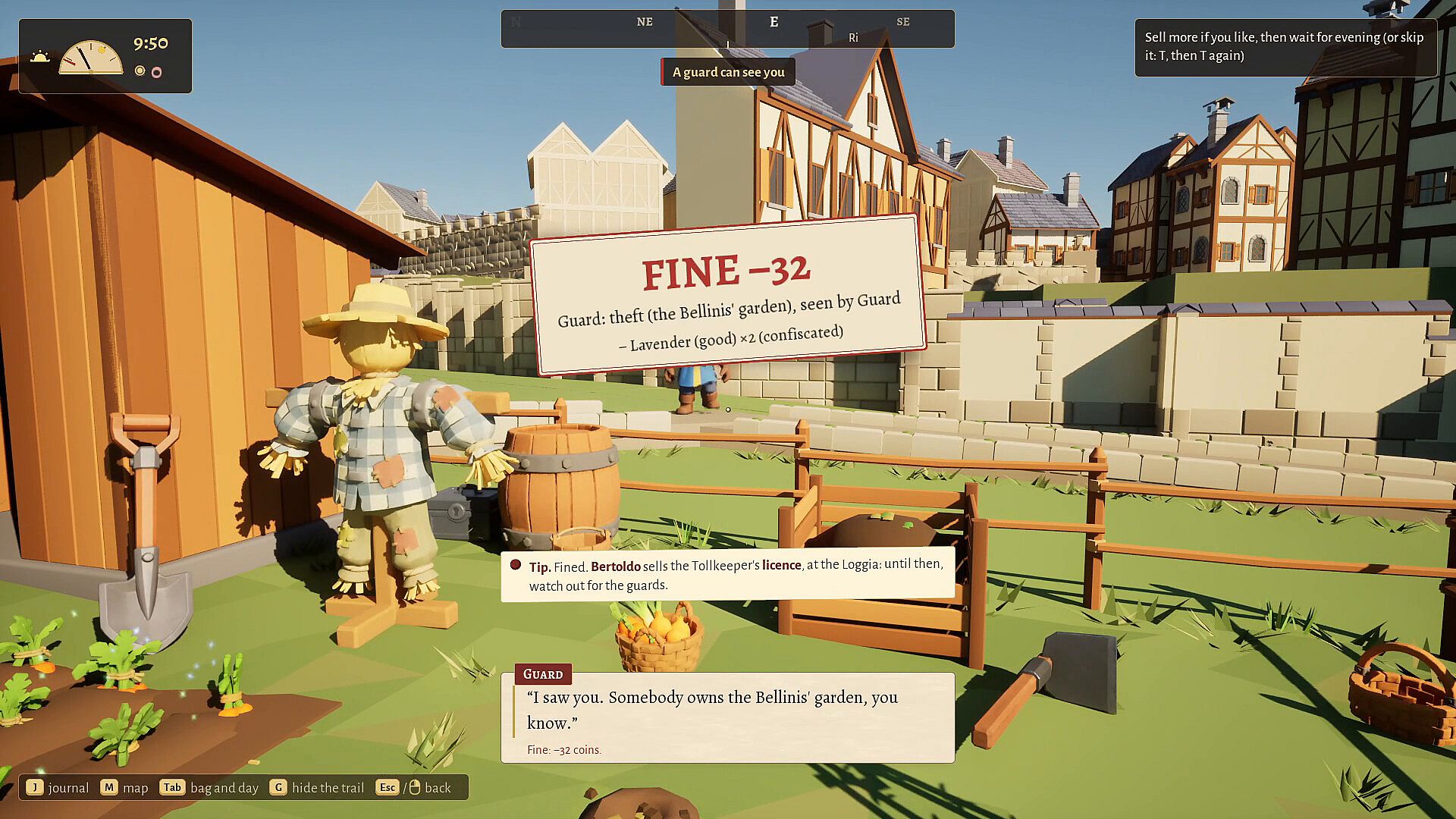
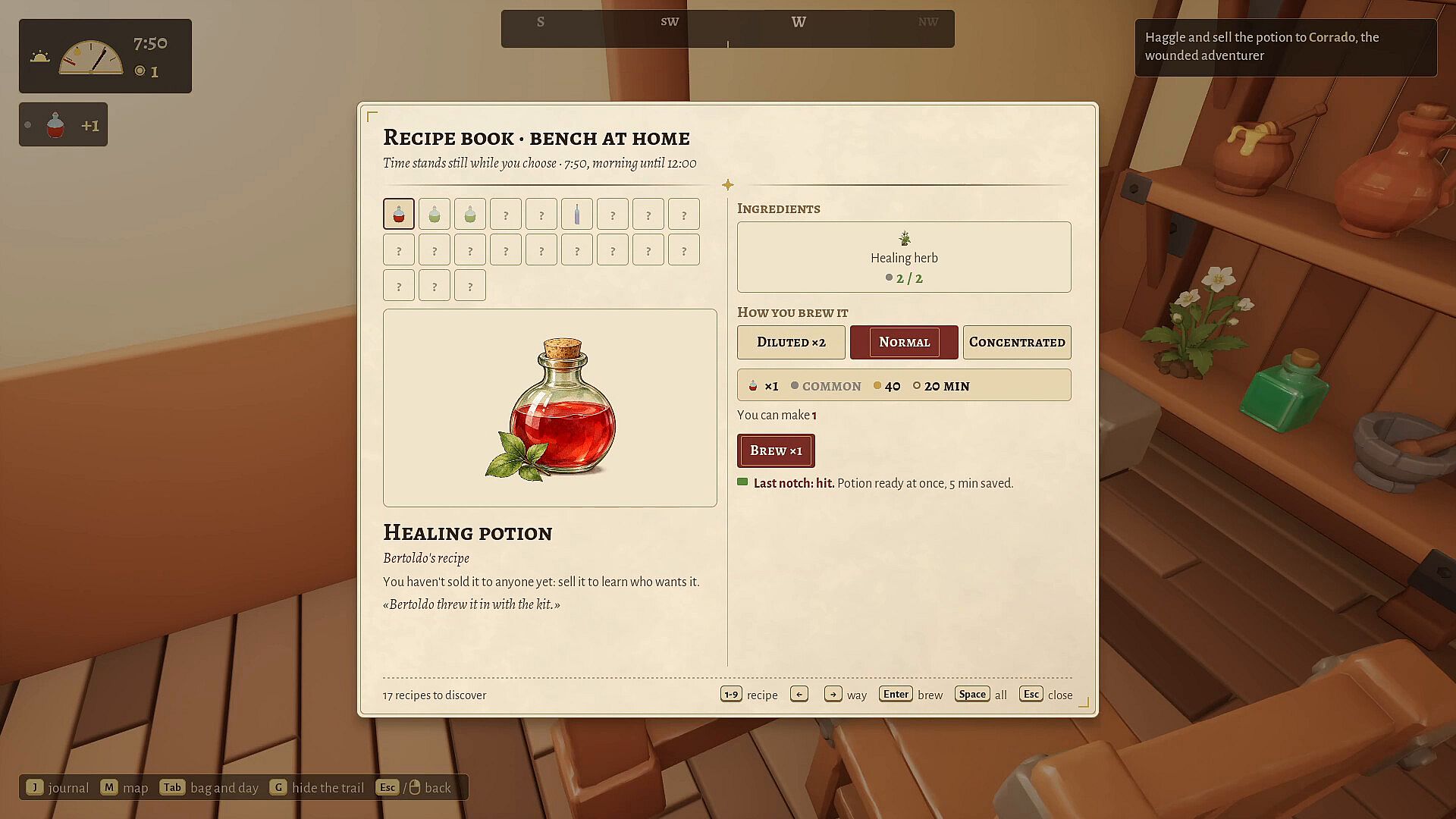
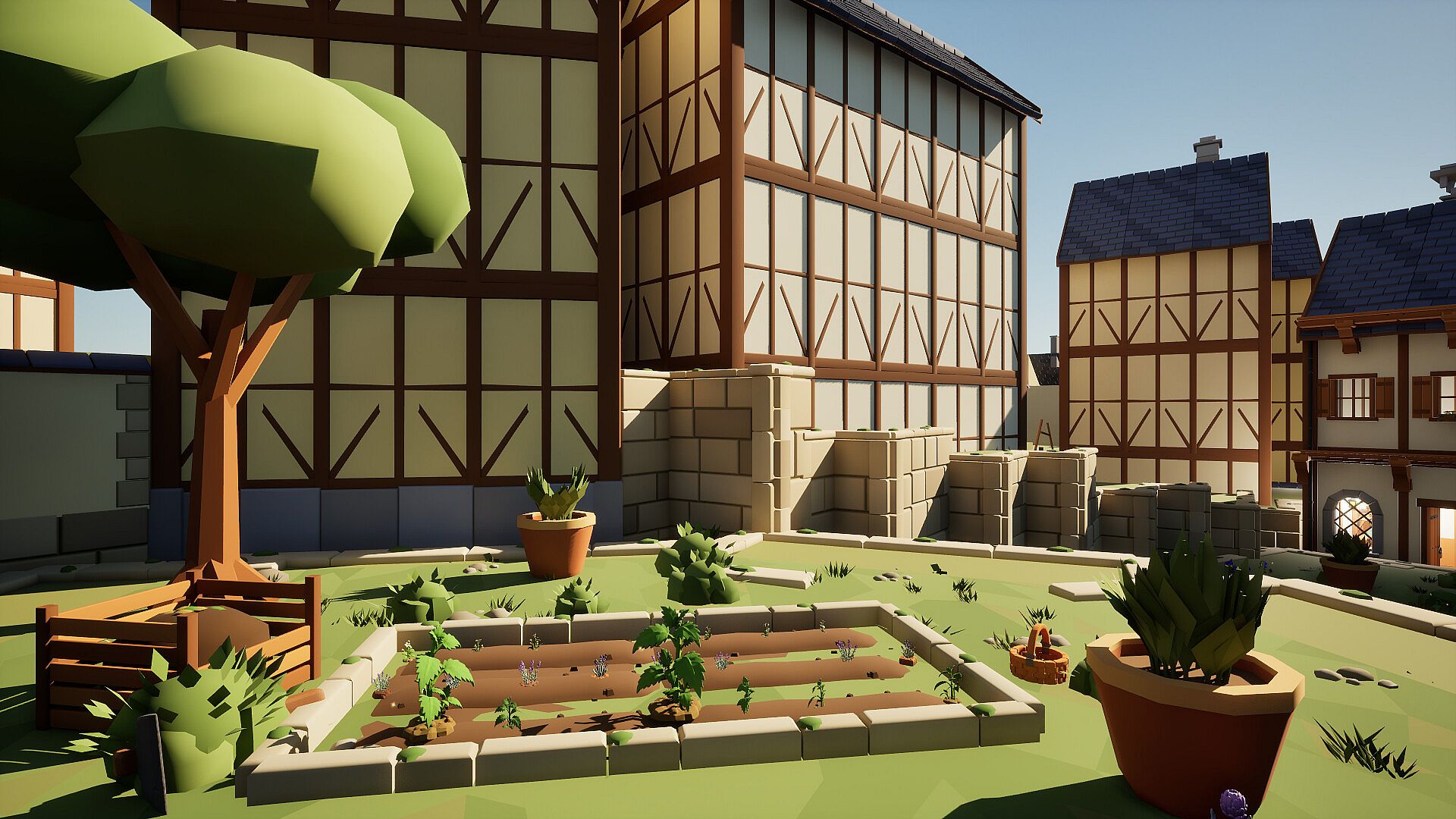
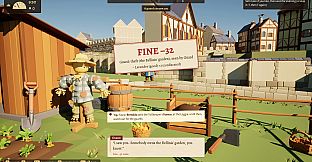
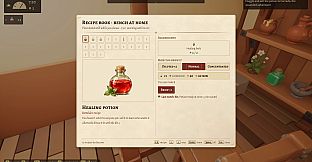
The core loop involves exploring the town and surrounding areas to collect herbs such as nettles, lavender, and bellflowers. These can be gathered along paths or from gardens, though the latter carries the risk of drawing attention from guards who may issue fines. Once back at the workbench, players consult a recipe book to select potions and adjust their strength. Timing a specific indicator correctly allows the brew to finish sooner. The town features a full explorable layout with interiors and no loading screens between areas, creating a continuous sense of place.
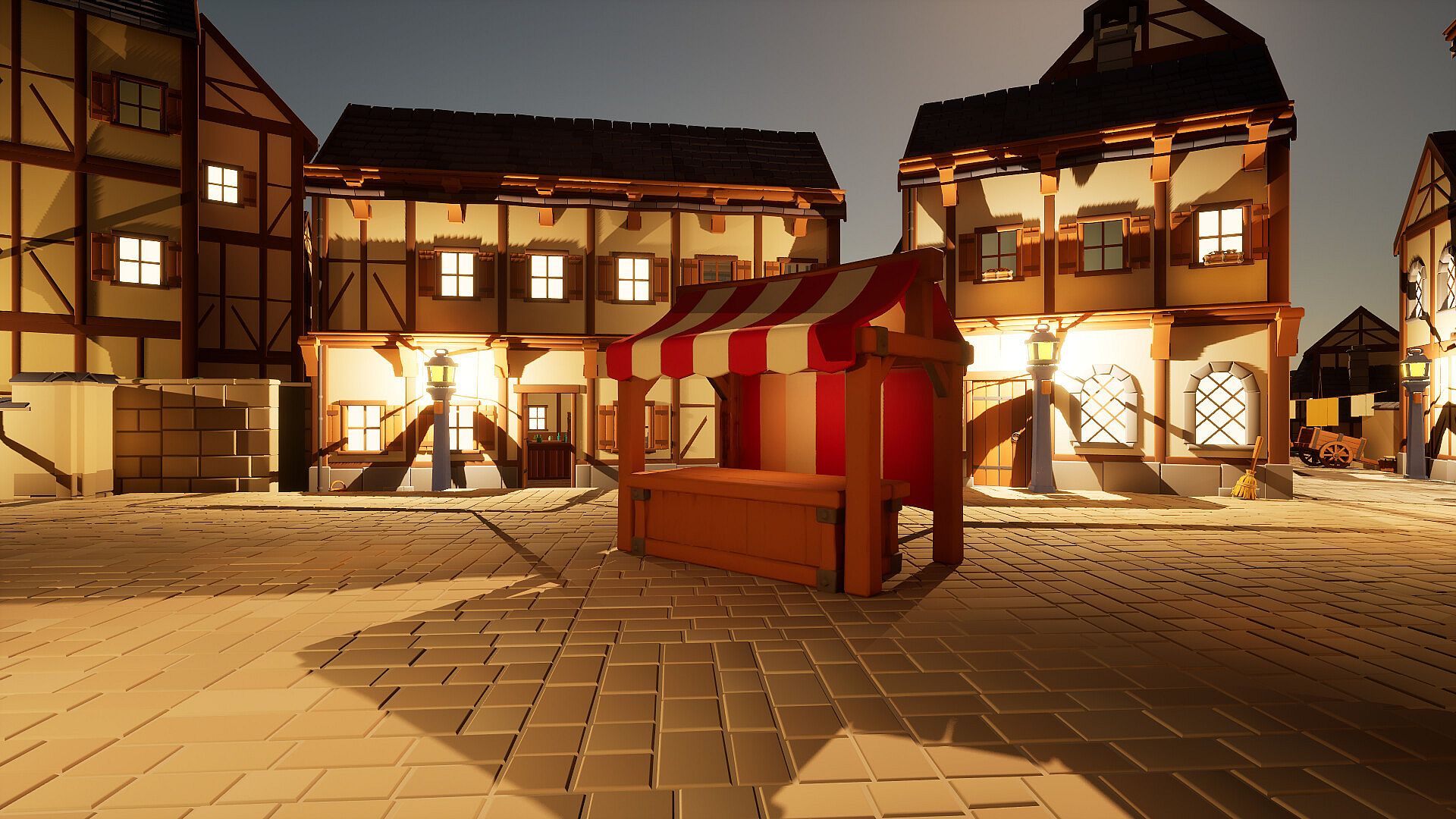
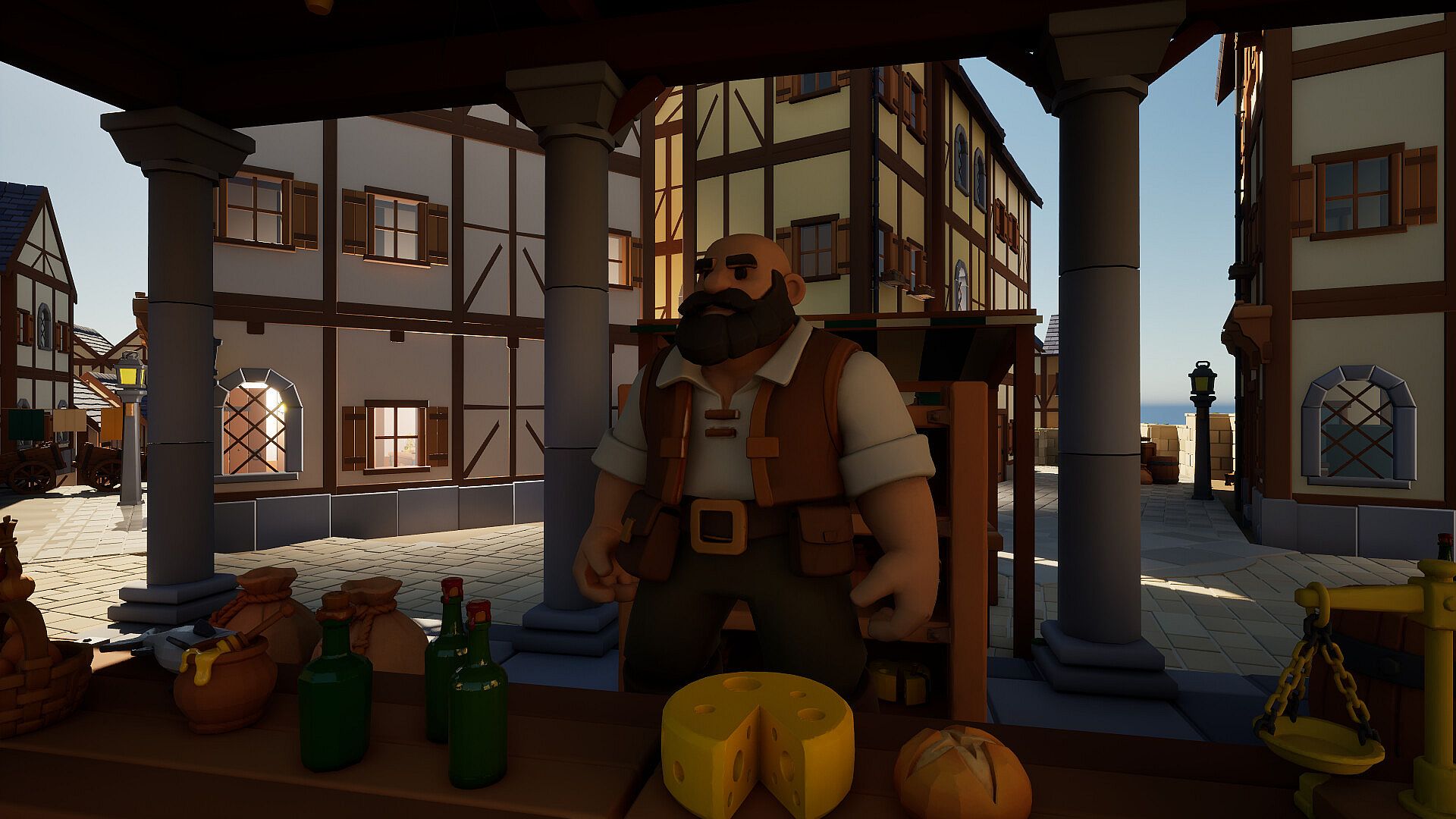
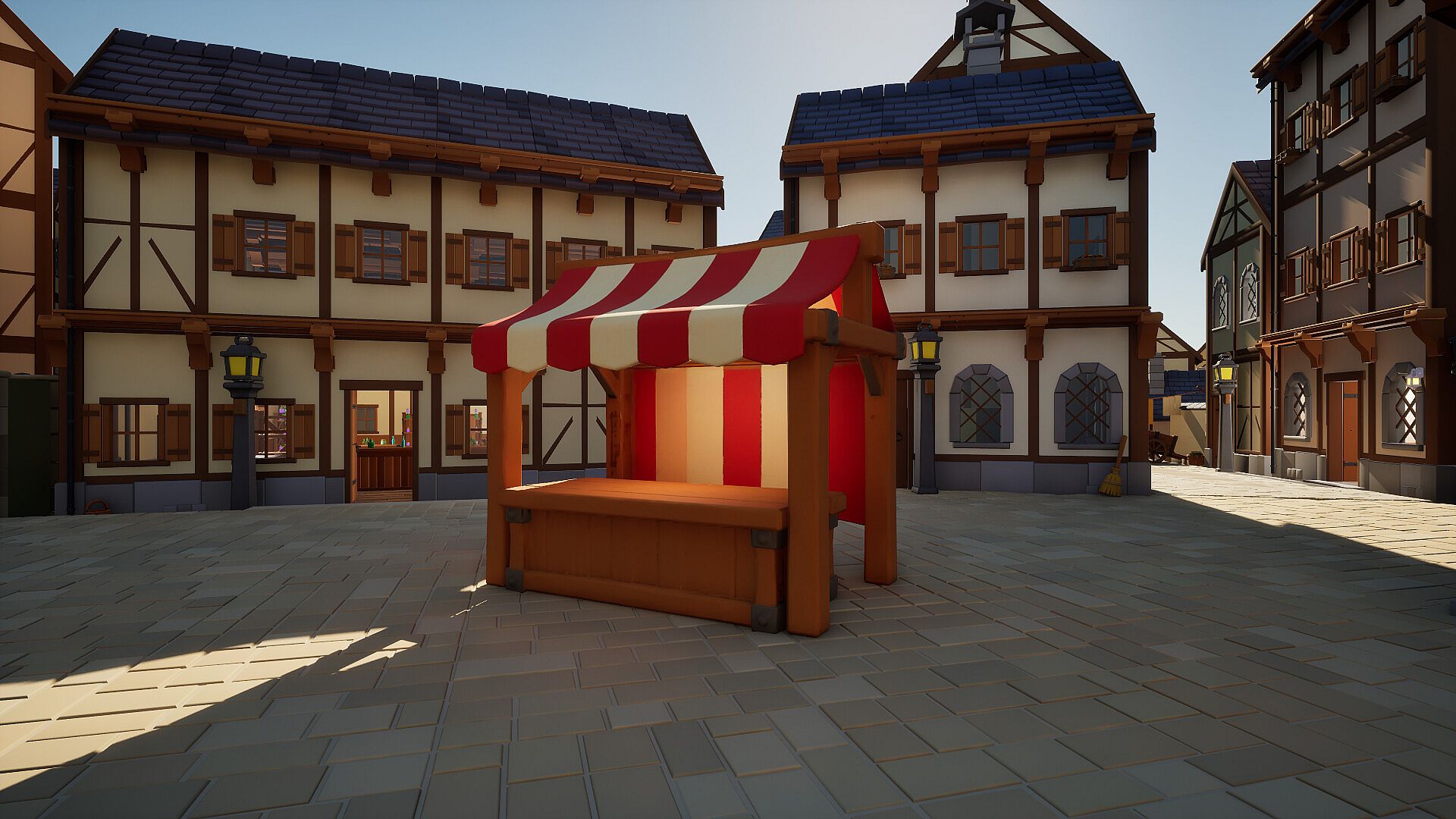
Progression follows a steady path from selling loose herbs to a local buyer at set prices, saving for a market licence and stall, and eventually acquiring a permanent shop. Hiring an assistant frees up time for more gathering trips. Customers appear with individual names, varying moods, and specific needs like relief from a cough or a burn. Sales occur mainly in the square during mornings and shift to tavern visitors in the evenings, while nighttime brings opportunities with rarer ingredients and different clientele but also increased chances of trouble with the guards. Herbs regrow over time, supporting repeated collection runs.
Game Modes
Little Merchant offers a single-player experience with no separate named modes or multiplayer options. All activity takes place in the same persistent town setting, where day and night cycles influence available customers, ingredient access, and potential hazards. The structure encourages a continuous campaign of resource management, crafting, and incremental business expansion rather than distinct scenarios or competitive formats.
Progression and Town Life
Early stages focus on basic herb collection and simple sales to build starting capital. As funds grow, players unlock better selling locations and eventually a dedicated shop space. The recipe book expands through experimentation and discovery, rewarding careful observation of timing and ingredient combinations. Town inhabitants react to the player's presence, with guards patrolling and enforcing rules around restricted areas. This creates a grounded rhythm of preparation, risk assessment, and customer interaction that ties directly into the business growth loop.
Interior spaces add depth to exploration, allowing players to move freely between the rented room, workbench area, and various town buildings. The absence of loading screens supports a seamless flow between gathering trips and shop management. Over time, the accumulation of licences, staff, and property transforms the starting situation of limited resources into a more established operation where larger transactions become possible.
Is It Worth Playing?
Little Merchant suits players who enjoy deliberate, single-player simulation gameplay centered on resource gathering, crafting, and gradual economic advancement. The mechanics emphasize careful timing during potion creation, strategic choices about when and where to sell, and managing the consequences of nighttime activities. With its focus on a self-contained town economy and personal progression from rented room to owned shop, the game appeals to those seeking a relaxed yet detailed merchant simulation without competitive or multiplayer elements. As an upcoming title with no released player data yet, its value will depend on how well the described systems deliver on the promise of a cohesive, screen-free town experience once it launches.