




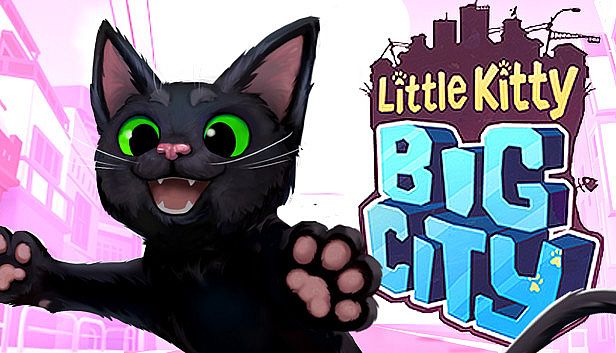

















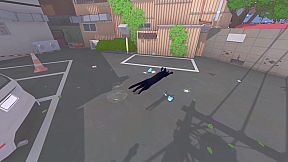
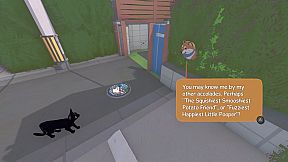
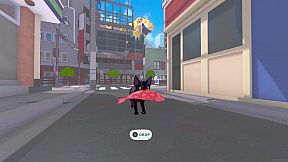
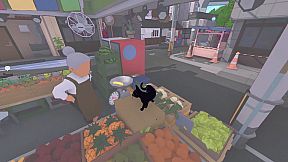
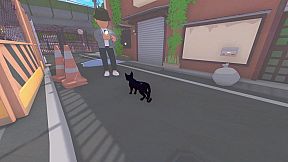
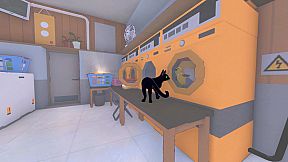
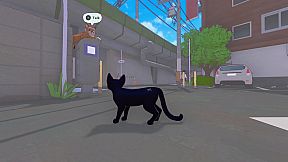
Little Kitty, Big City is a single-player indie adventure and simulation game that places players in control of a curious black cat navigating a vibrant Japanese city after a nap goes awry. The core experience blends relaxed exploration with light progression systems centered on feline behaviors and optional objectives, all while the main goal of returning home remains flexible rather than urgent.
Gameplay
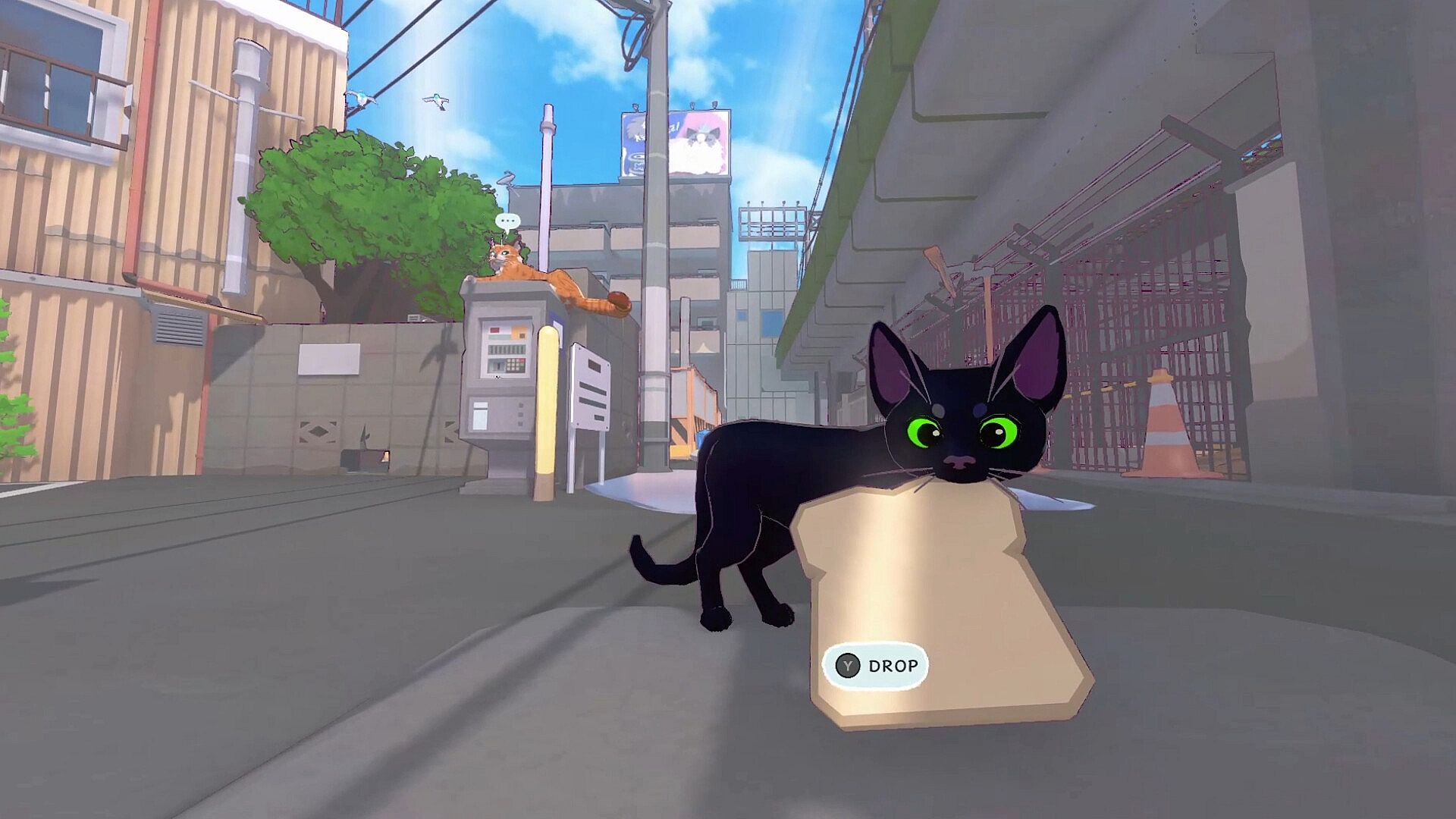
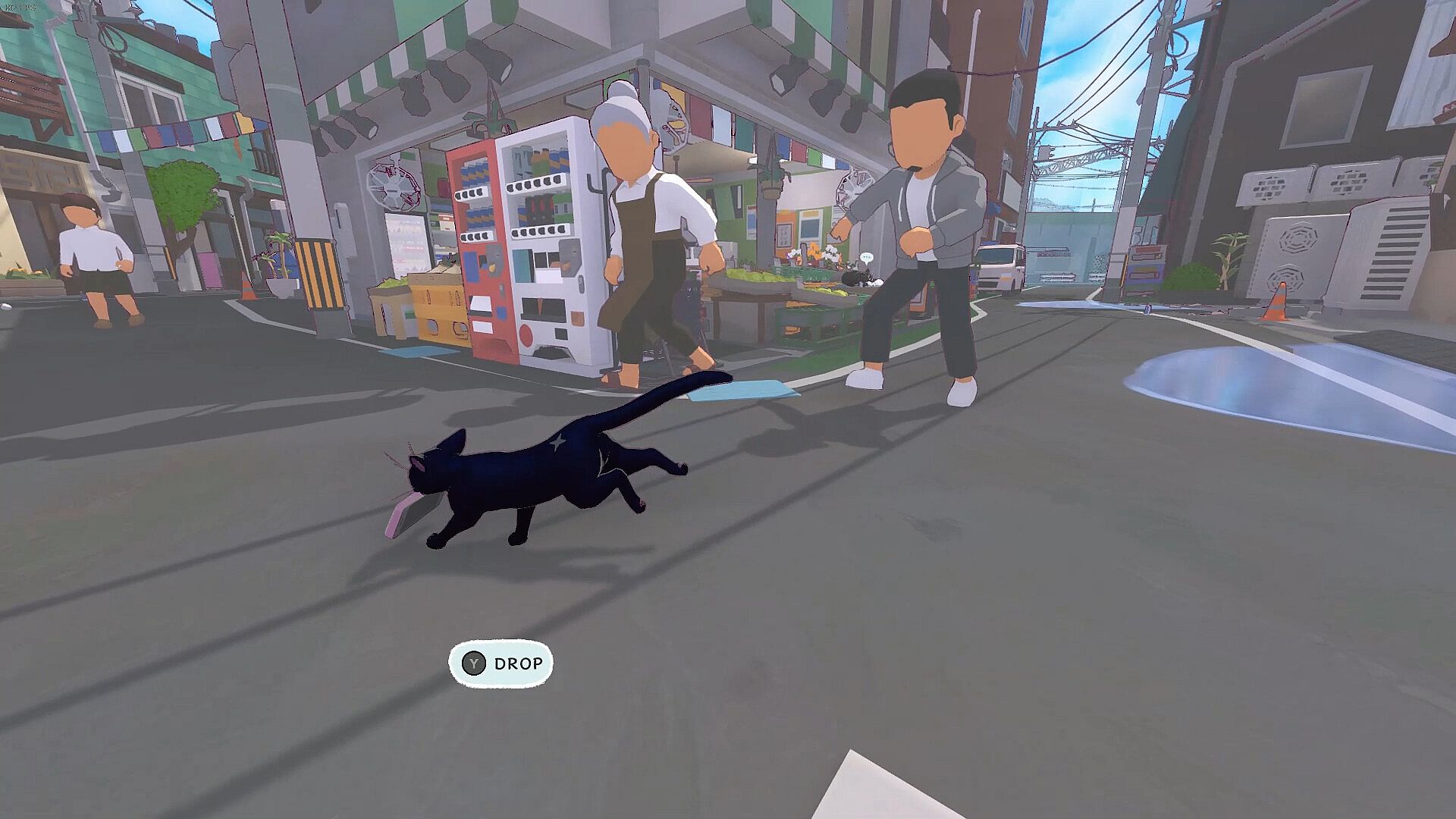
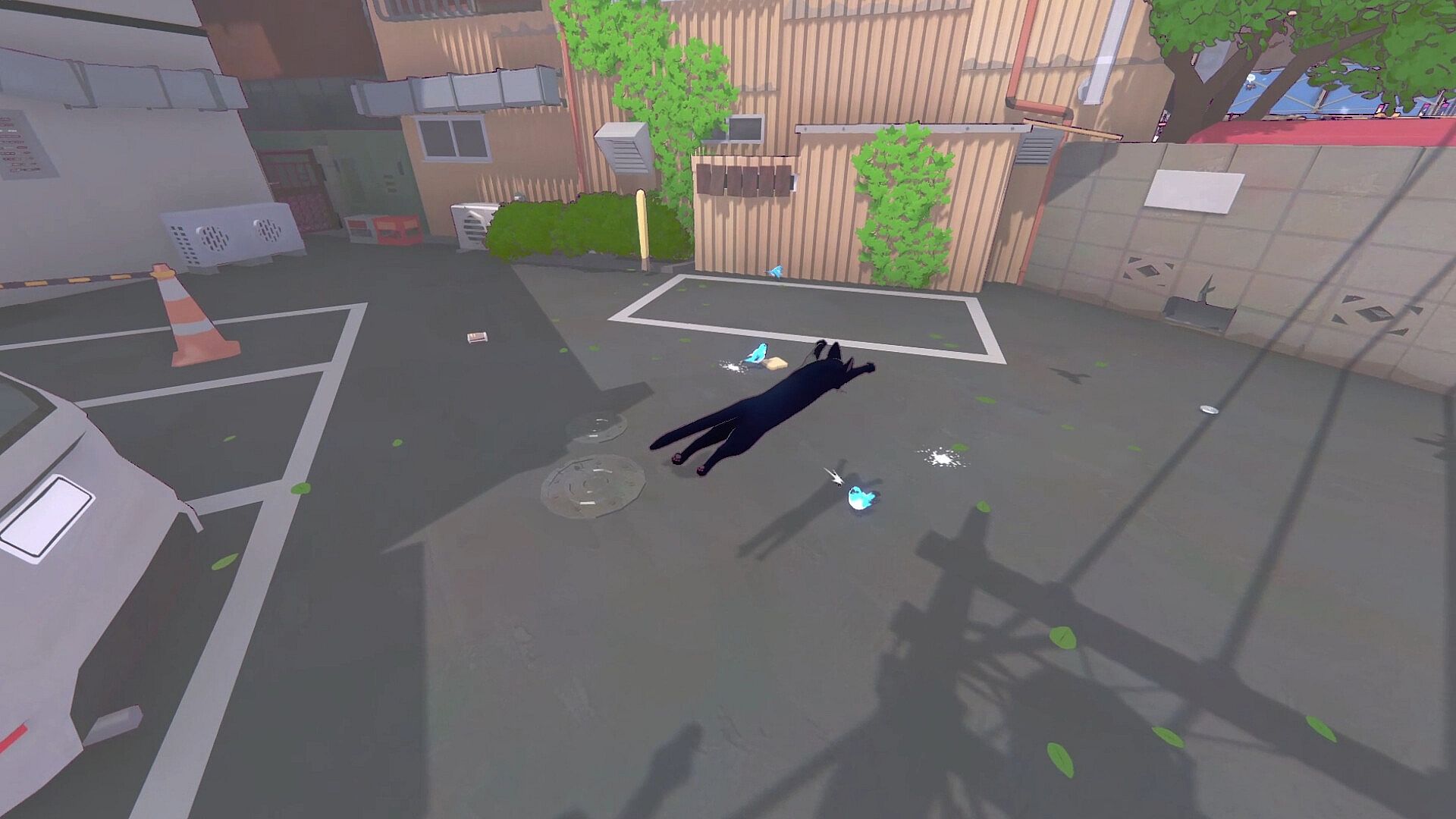
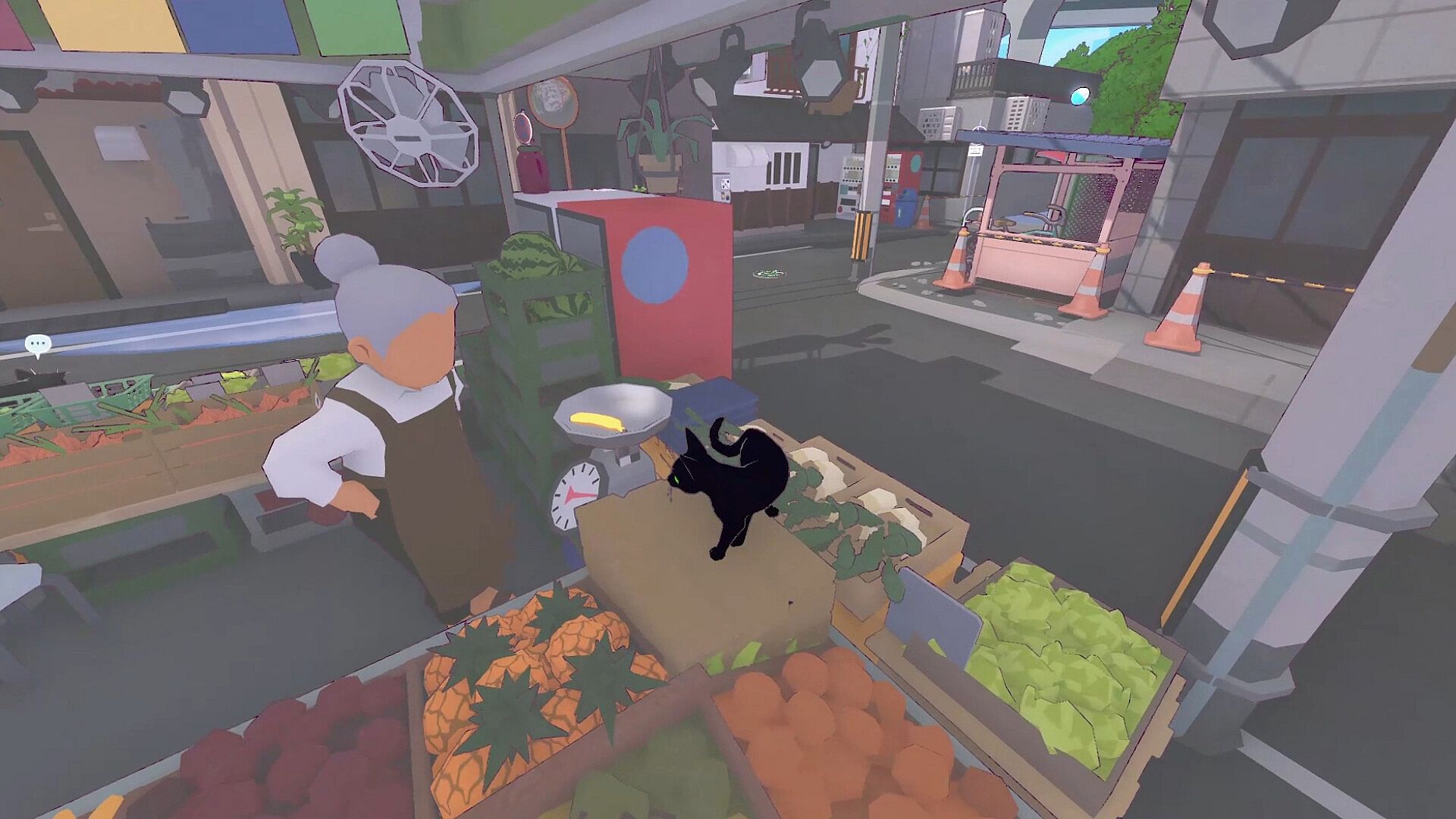
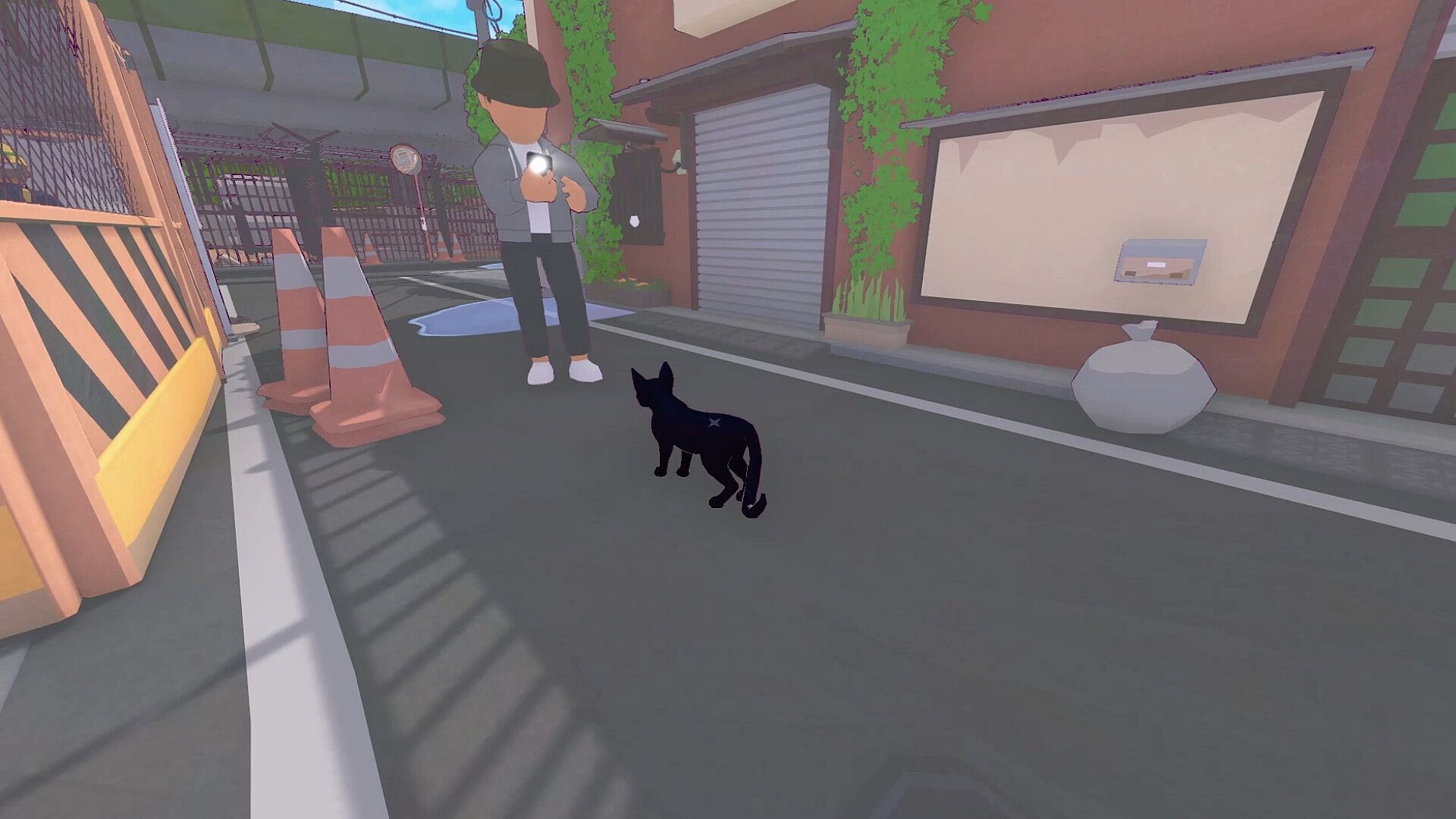
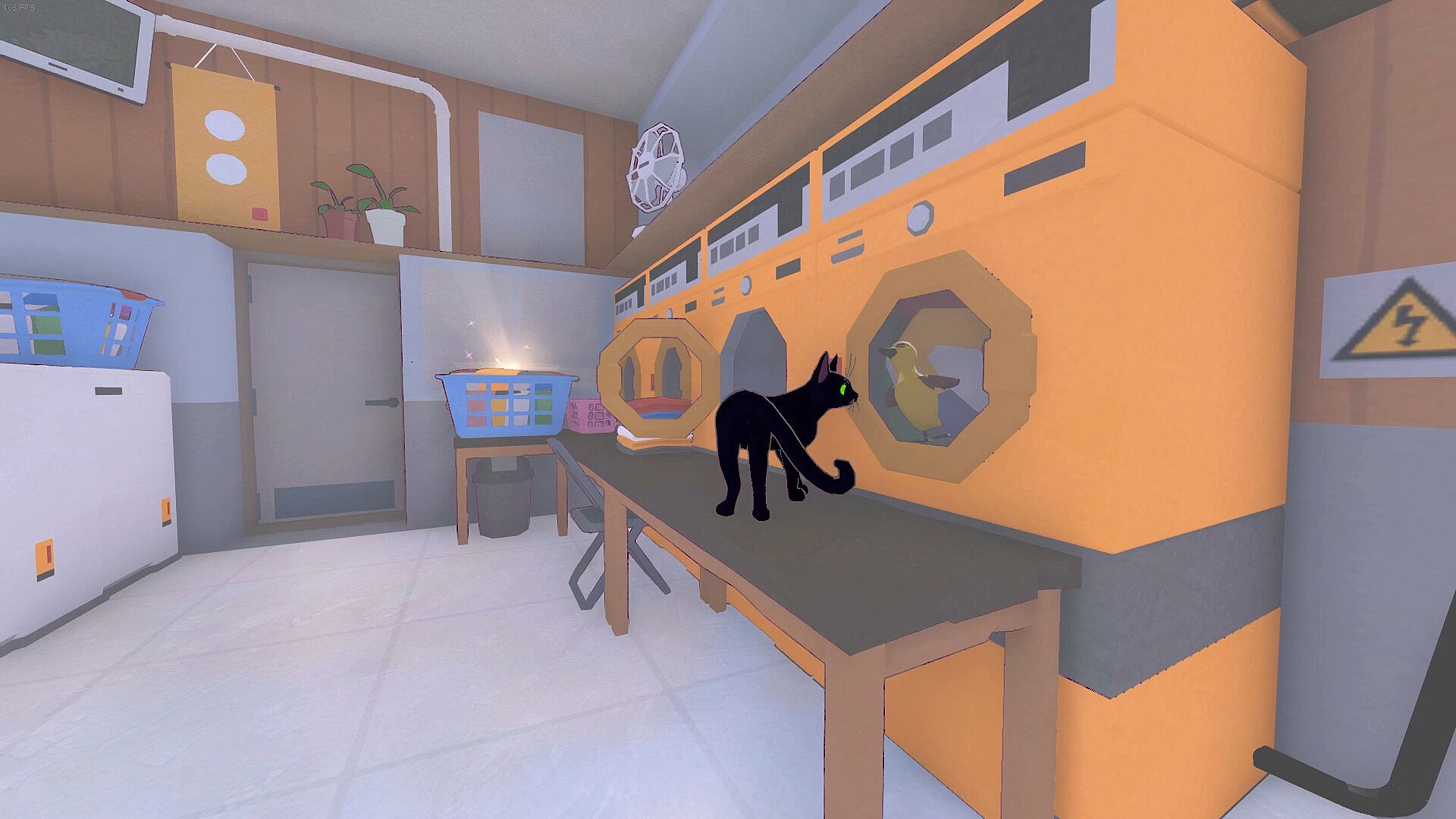
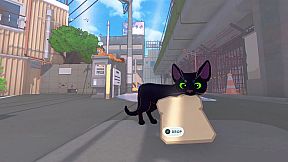
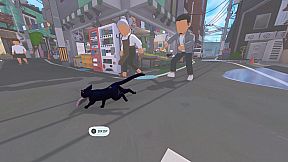
The gameplay centers on open-ended movement through a compact urban environment designed for cat-like interactions. Players can crawl under fences, knock objects off surfaces, pounce at birds, steal small items, and settle into sunny spots for naps. These actions tie directly into the world's responsiveness, where everyday objects and spaces encourage playful disruption without complex combat or timed challenges.
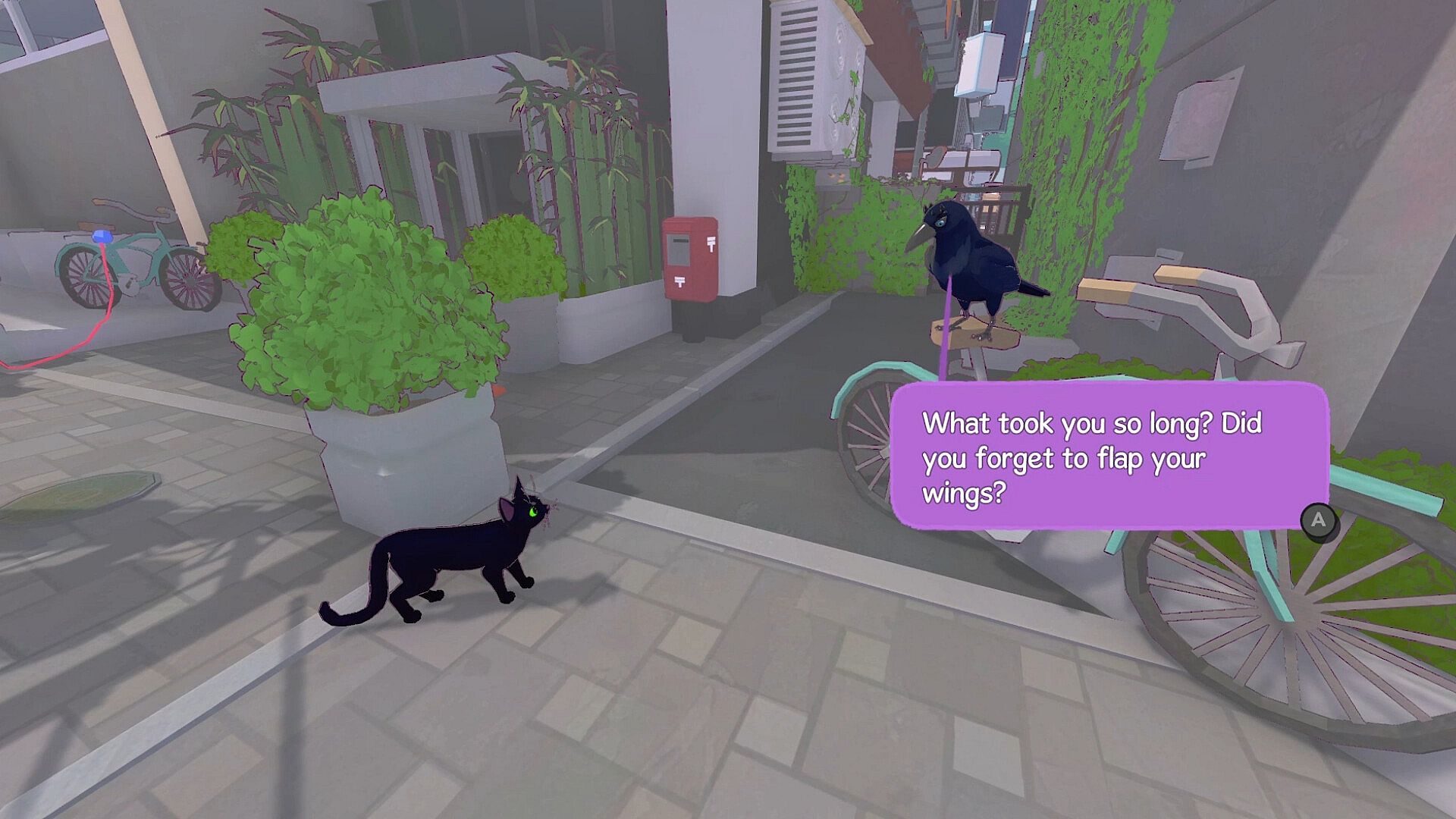
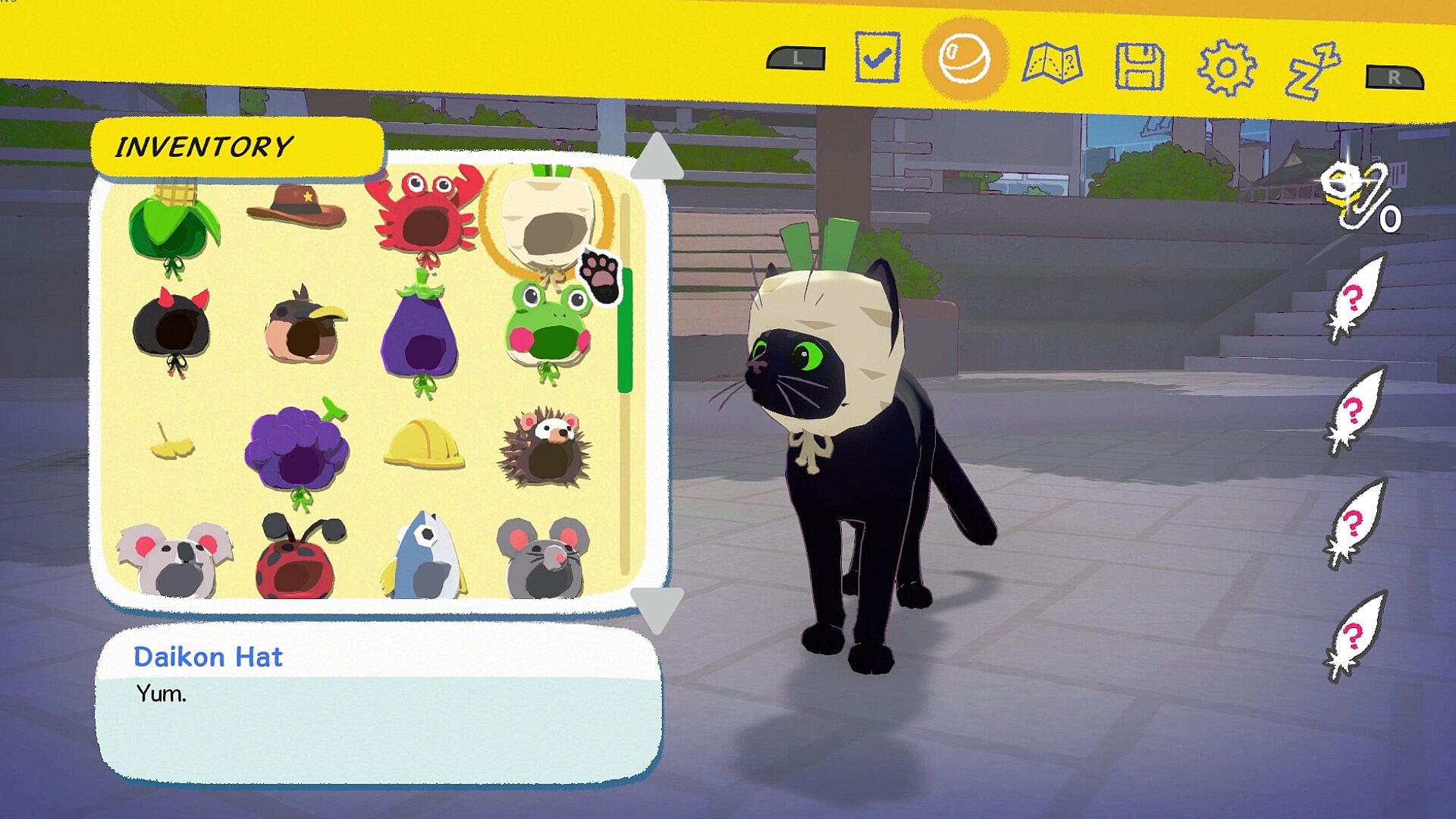
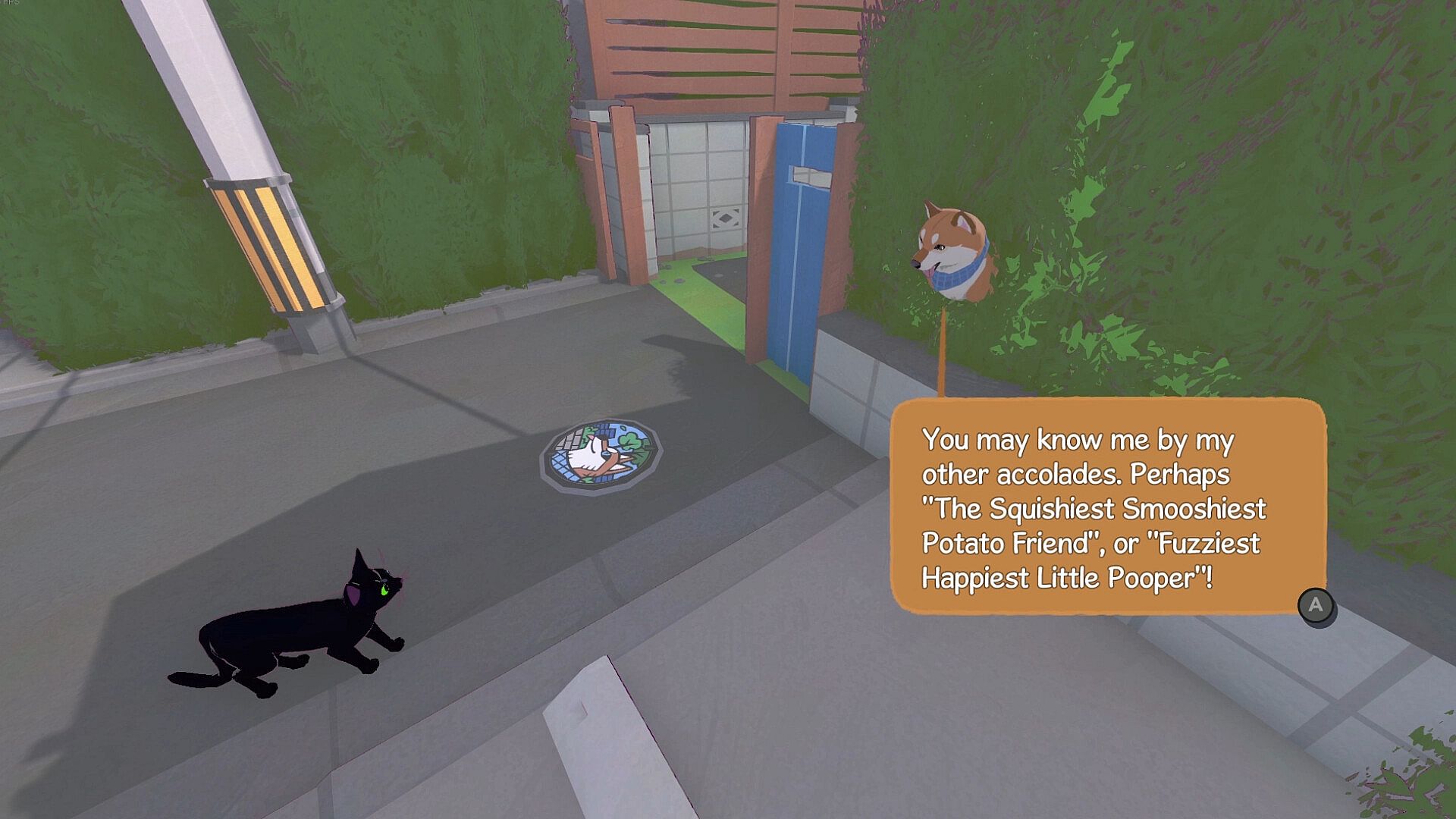
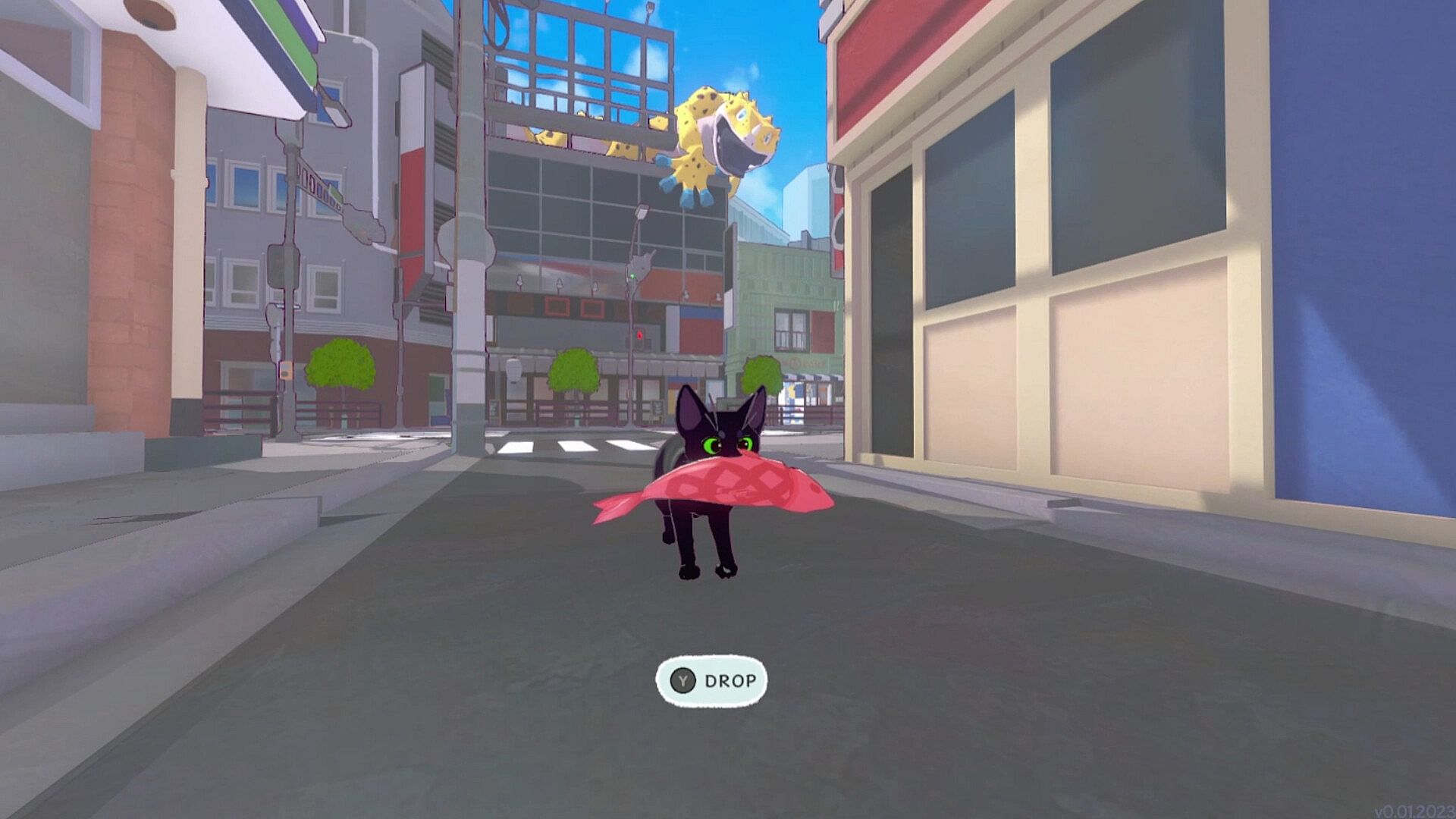
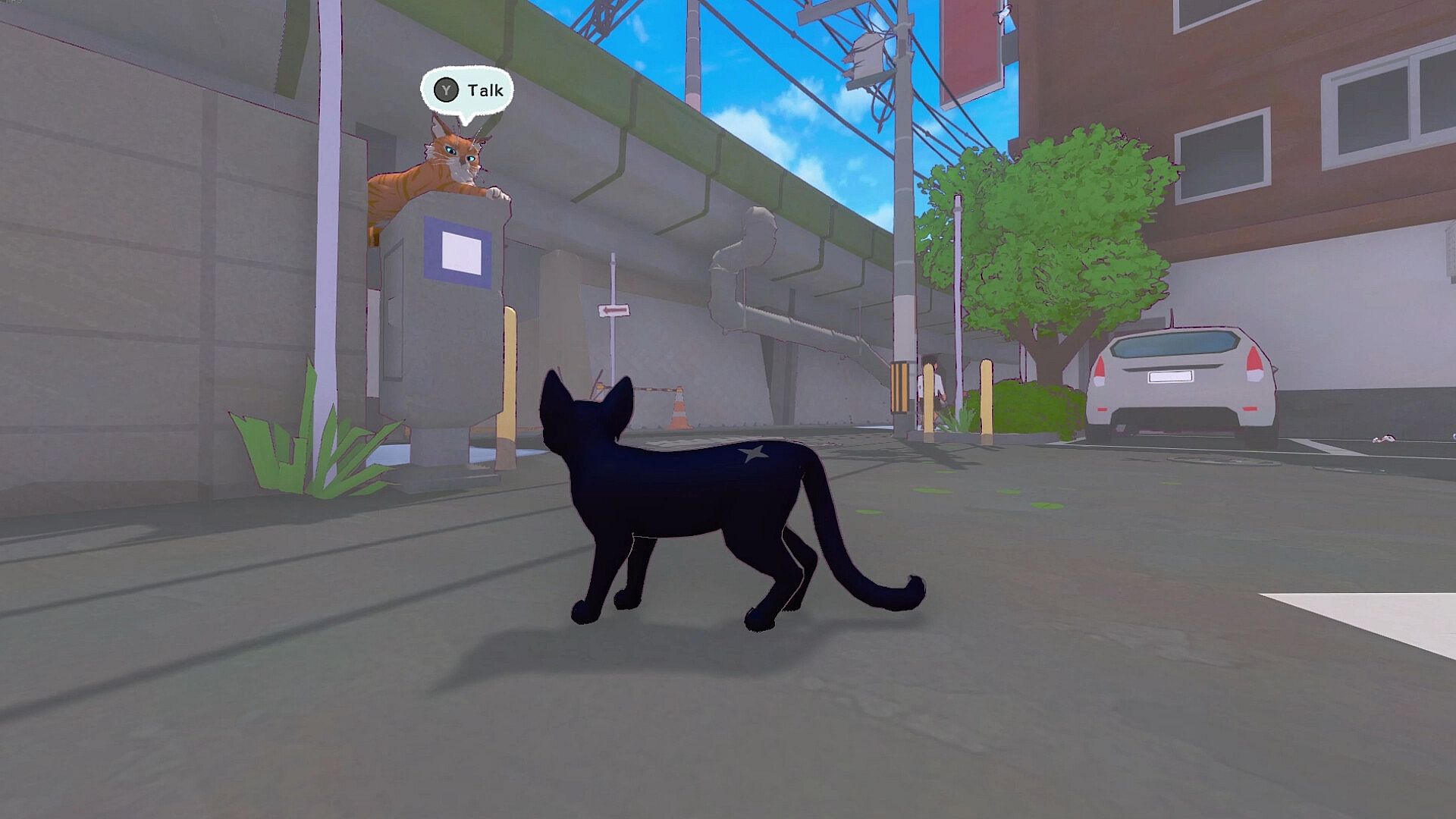
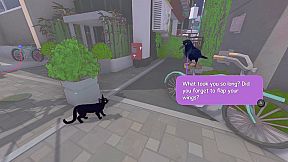
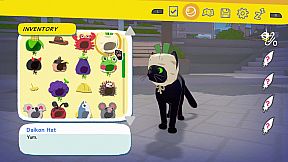
Progression involves locating fish scattered across the city. Consuming them builds stamina for climbing ivy-covered surfaces, gradually unlocking higher areas that lead toward the apartment building. Side activities include chatting with other animals to receive quests, gathering shiny objects to trade, and locating hidden capsules. Rewards from these efforts include new emotes and a variety of wearable hats that alter the cat's appearance without affecting mechanics.
A fast-travel network of discovered sewer manholes helps players revisit locations efficiently once unlocked. The overall loop rewards curiosity over strict completionism, allowing sessions to focus on wandering, helping residents, or simply causing minor chaos depending on player preference.
Game Modes
Little Kitty, Big City offers a single-player experience with no multiplayer components or separate modes. All content unfolds in one continuous open-world setting where players freely switch between main progression, side quests, and unstructured exploration. There are no competitive, cooperative, or alternate scenarios; the design keeps every activity integrated into the same city sandbox.
Quests from animal NPCs provide optional structure, ranging from helpful tasks to more mischievous requests. These do not branch into distinct campaigns but instead layer additional objectives onto the shared map. Collection elements like hats and fish serve as the primary long-term incentives within this unified single-player framework.
Exploration and Interactions
The city itself functions as the main attraction, with dense residential areas, streets, and hidden nooks that reward thorough searching. Players discover new paths by interacting with the environment in ways that feel natural to a cat, such as squeezing through tight spaces or using elevated vantage points. This creates a sense of gradual mastery over the layout without requiring precise platforming skills.
Animal residents add personality through conversations and requests. Helping them often yields practical rewards like new abilities or items, while ignoring them leaves the core path open. The balance keeps the experience light, with no penalties for detours or incomplete objectives.
Is It Worth Playing?
Reception has been consistently positive across critic and player feedback, with Metacritic scores in the generally favorable range and Steam user reviews rated overwhelmingly positive in recent periods. The game appeals most to those seeking a short, low-pressure experience focused on charm and simple mechanics rather than deep systems or high difficulty.
Play sessions typically last several hours for main completion, with additional time available for full collection of hats and fish. Its cozy tone and cat-centric humor make it a strong fit for fans of relaxed simulation and adventure titles. Those who enjoy light exploration without pressure will likely find the package satisfying, while players seeking intense challenges or multiplayer options may prefer other genres.















