


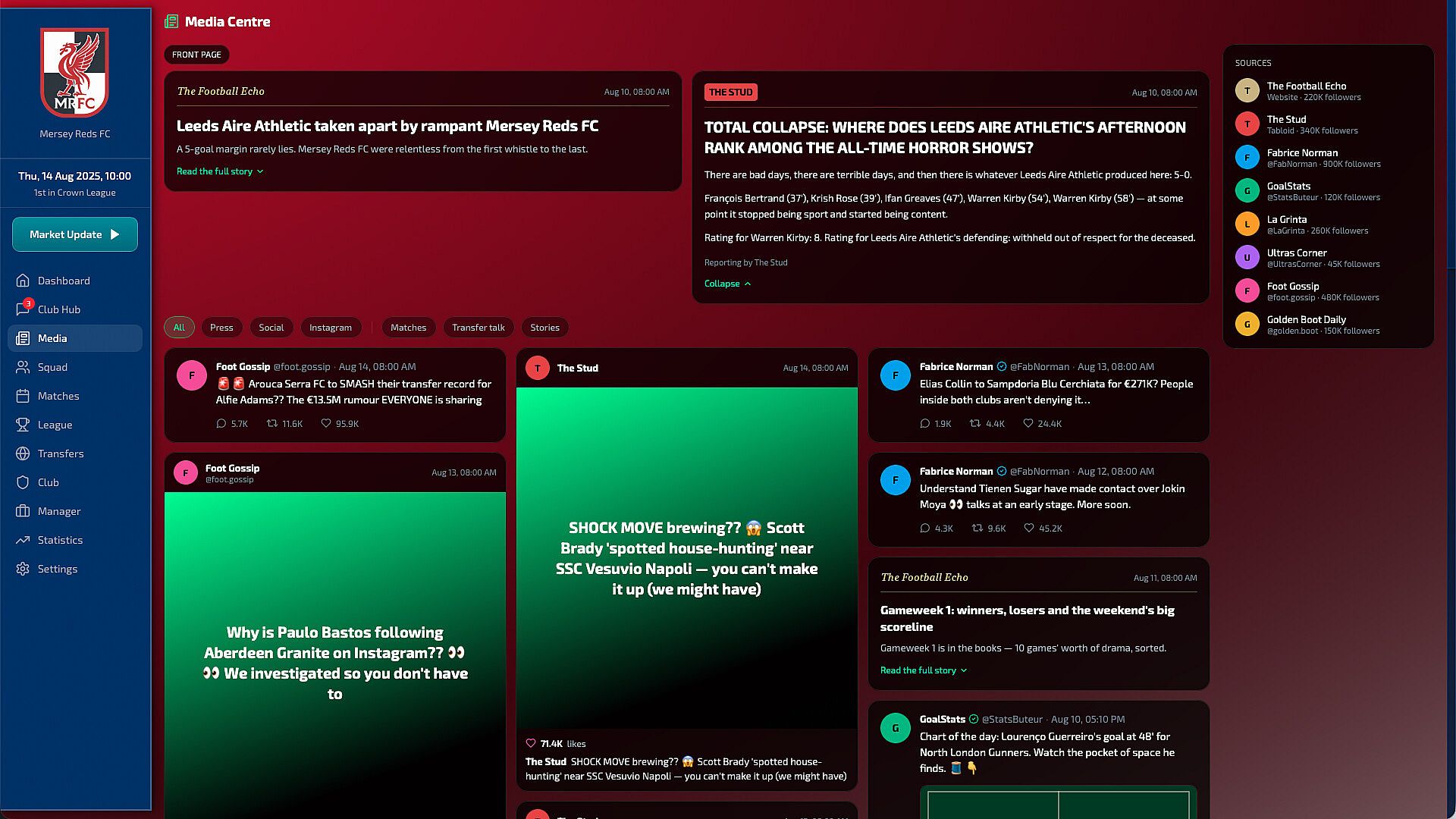
LeManager is an indie football management simulation game for PC that emphasizes deep strategic oversight without the lengthy time commitments typical of the genre. Developed as a solo project by a former database researcher for Championship Manager titles, it recreates the focused experience of classic football management games where players handle transfers, training, tactics, and squad dynamics at a brisk pace suitable for short or extended sessions.
Gameplay
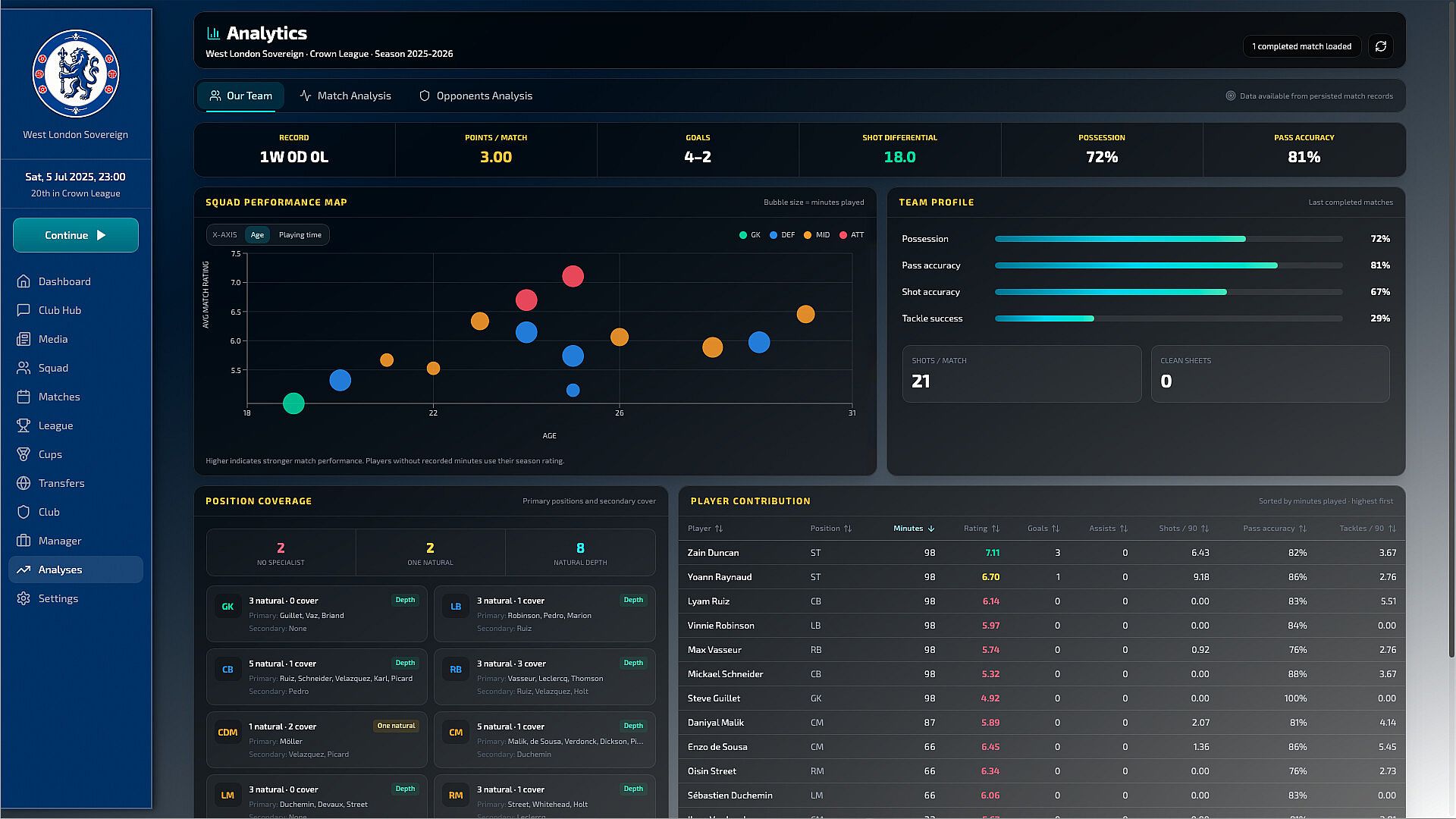
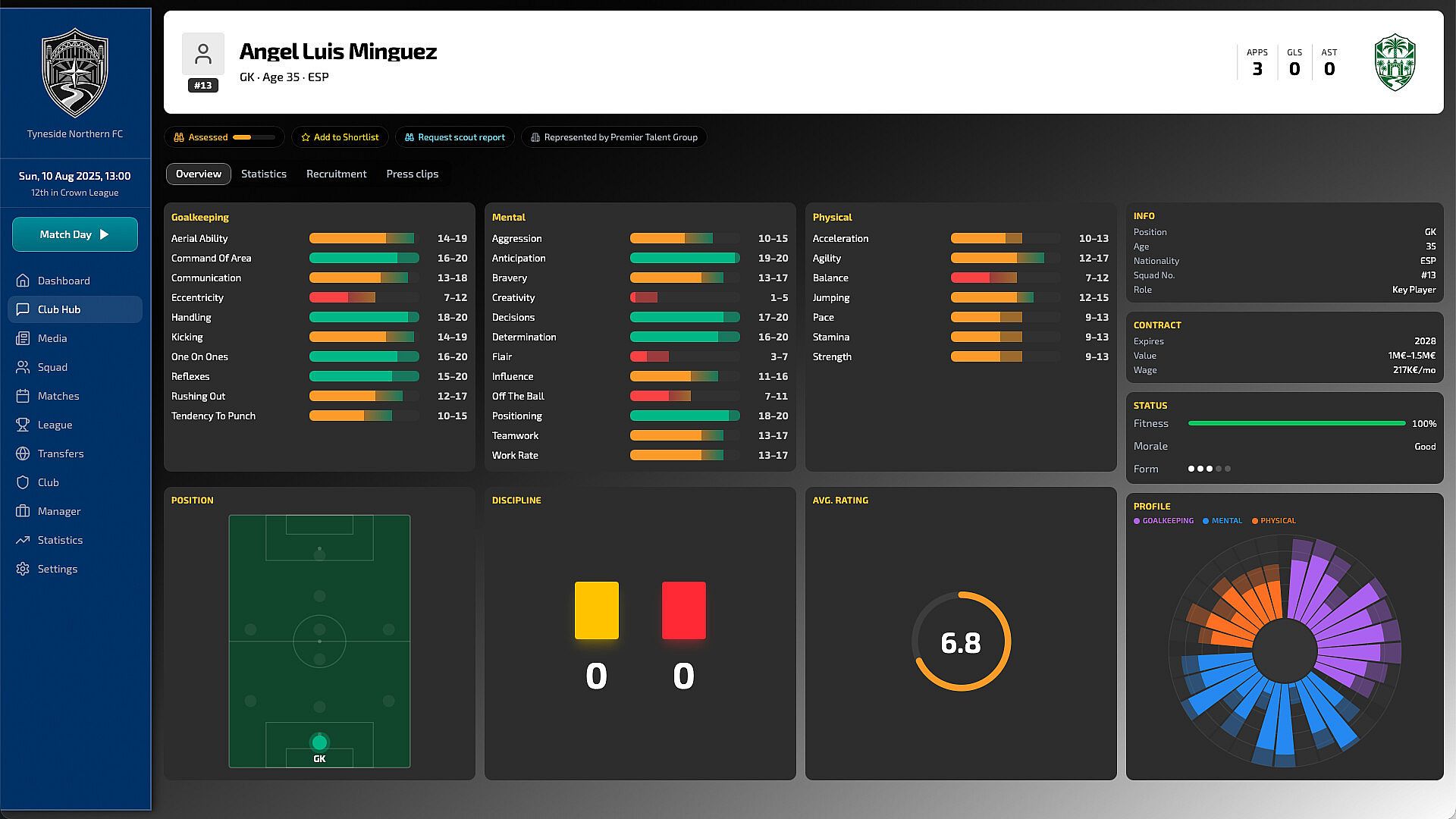
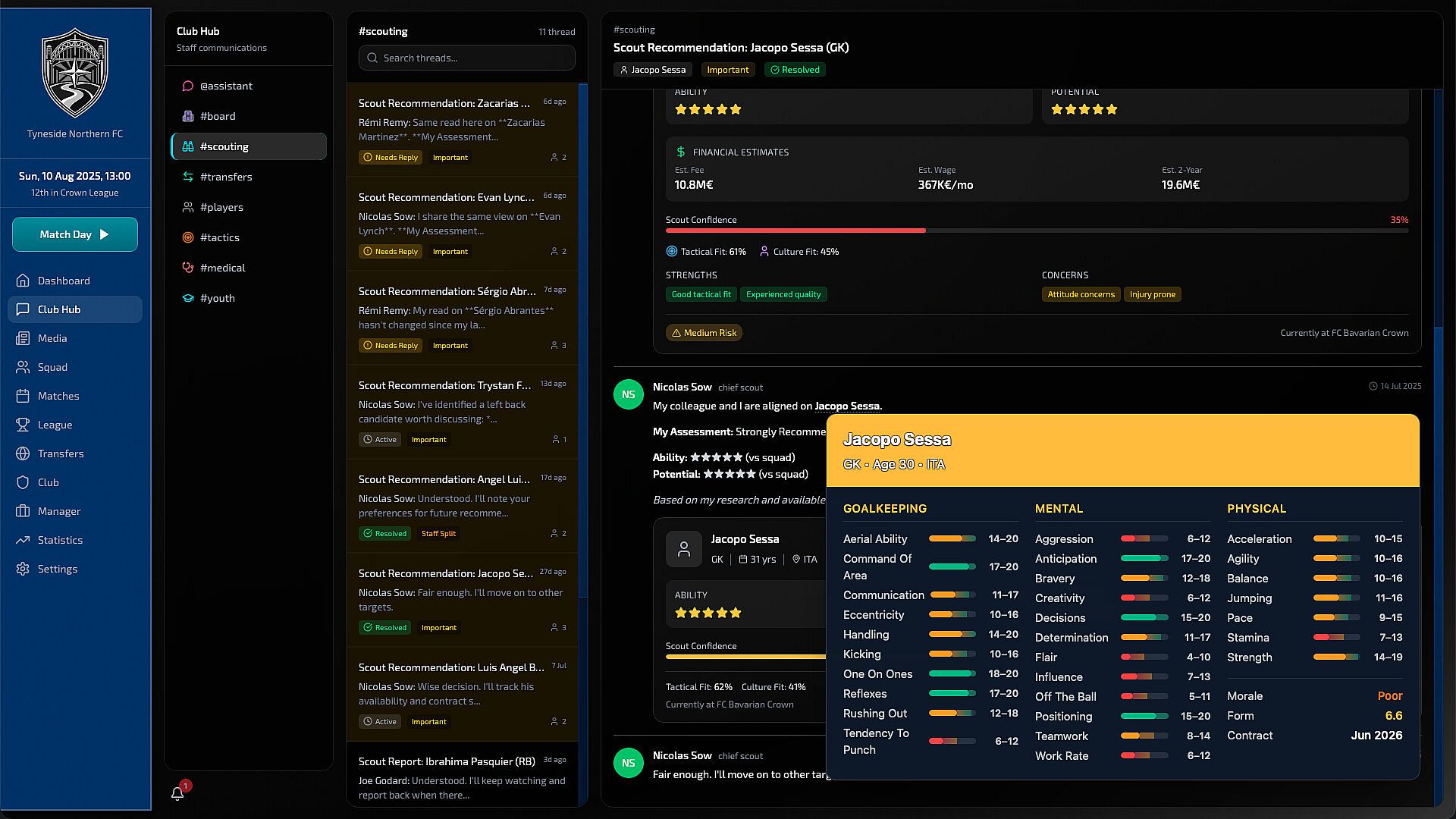
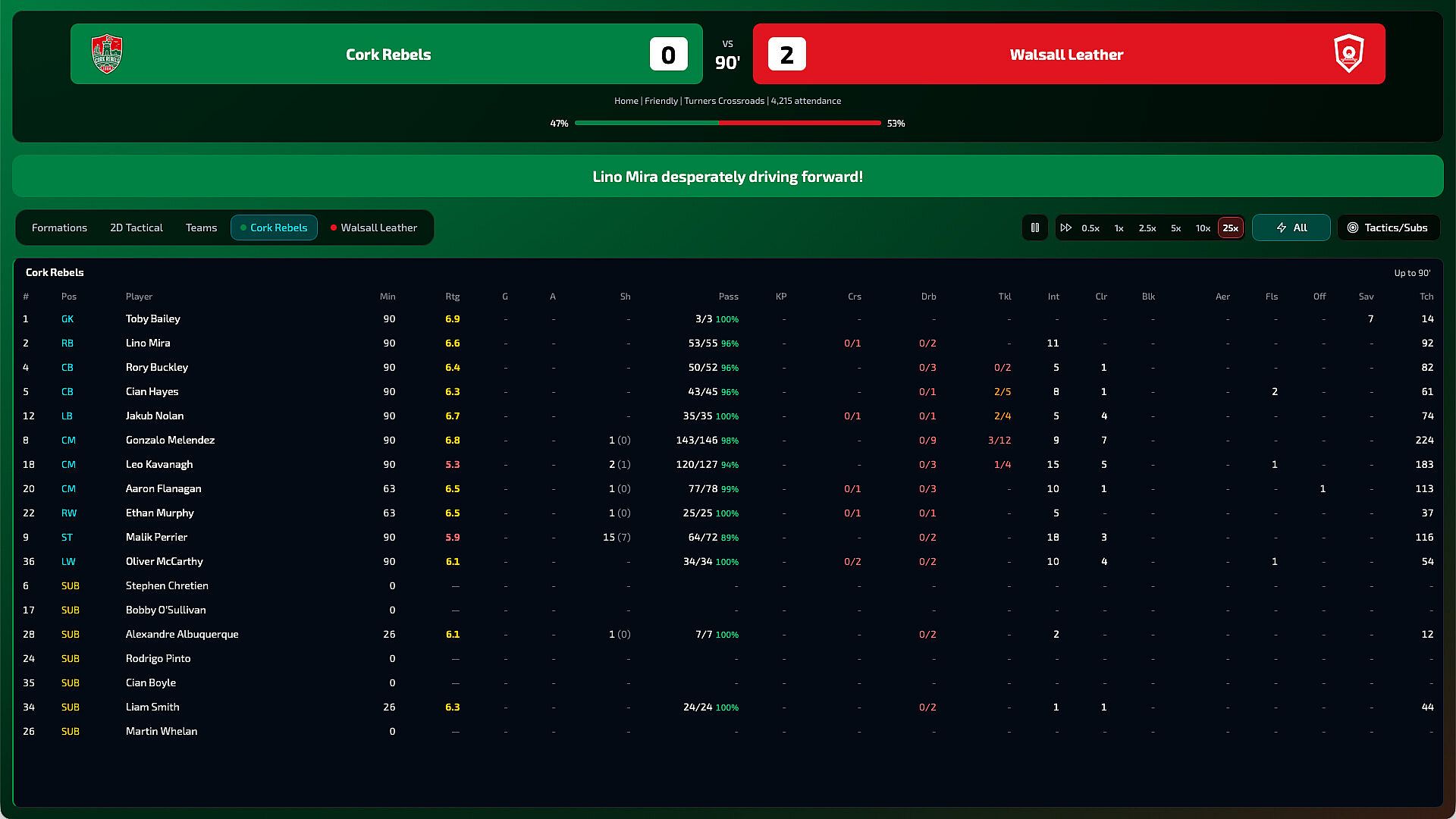
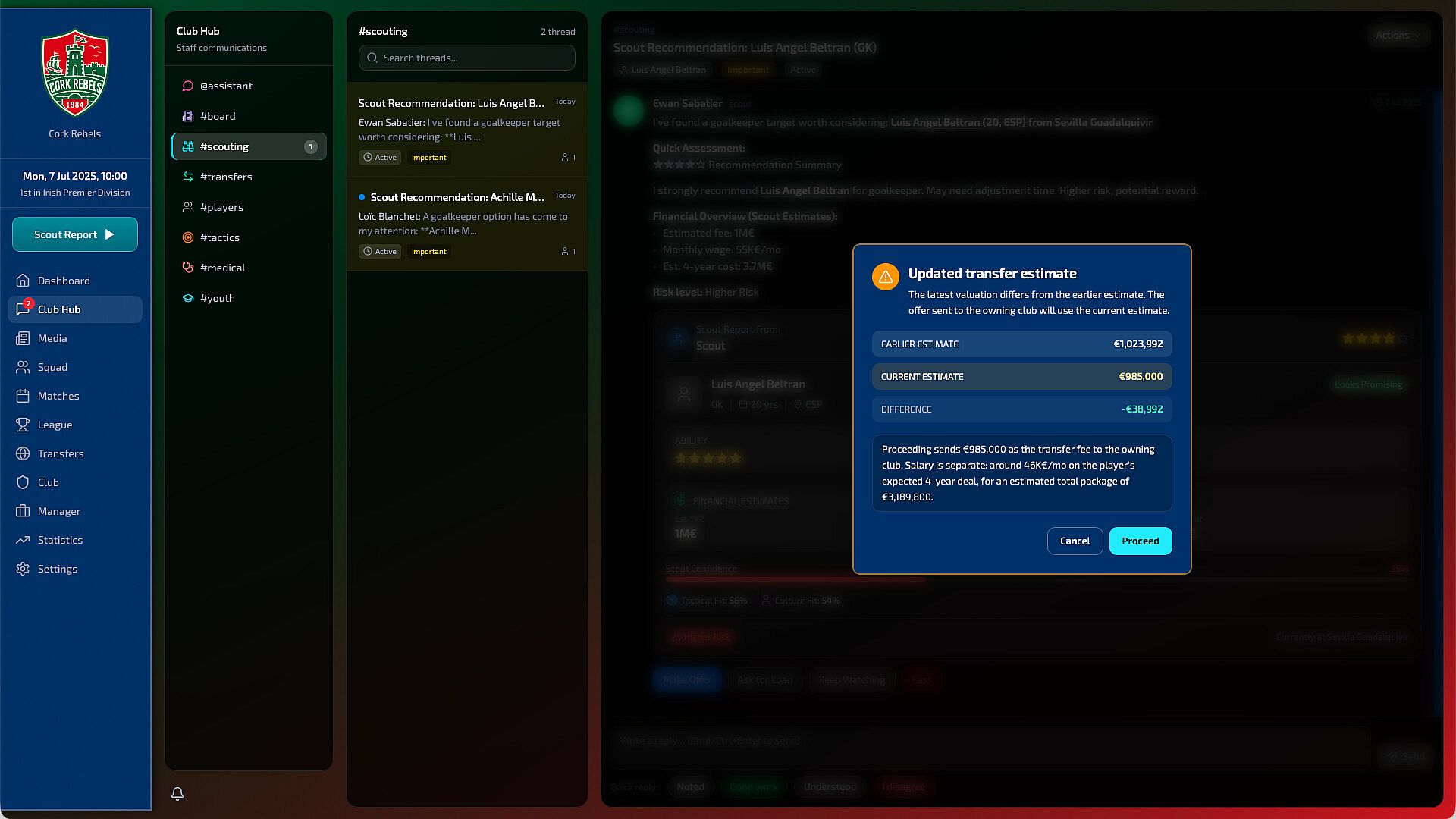
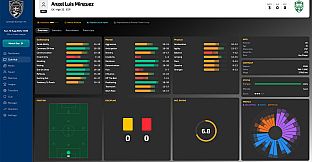
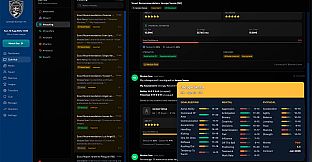
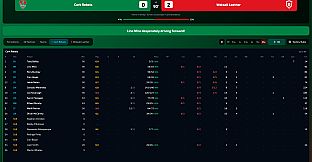
The core loop centers on club management through statistical tools and direct interactions. Performance Analysis consolidates team data, match history, and opponent scouting into graphs and reports that inform decisions on lineups and strategies. Scouts deliver individual assessments that can conflict, allowing the manager to weigh differing opinions when targeting players based on identified team weaknesses.
Player egos add a layer of interpersonal management. Star players may exhibit challenging personalities, triggering incidents that affect the locker room. Conversations and ongoing influence attempts shape how these situations resolve, with visible reactions from teammates influencing overall squad morale.
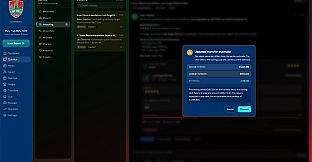
Training involves individual or group sessions scheduled in advance, while tactics can be adjusted before and during matches. Transfer windows handle recruitment and sales, including shortlists and responses to external offers. Promises made to players and brief discussions help maintain relationships across the squad.
Game Modes
LeManager supports extended single-player campaigns that span multiple seasons. Players guide one club through ongoing competition, watching academy prospects develop and established players retire over time. The structure allows seamless progression from one season to the next without artificial resets, focusing on long-term club building and adaptation to emerging talent.
Session length flexibility defines the experience. Matches and management tasks scale to fit brief play periods or longer sittings, returning control quickly after interruptions. This approach suits managers who want consistent progress without requiring marathon commitments.
Club Hub and Daily Operations
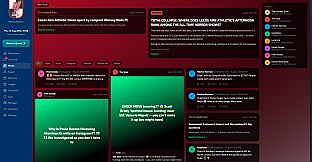
The central hub serves as the command point for all club activities. Here, scouts present reports in real time, the assistant handles negotiation starts for targeted signings, and monthly board meetings review performance. Private messages from players require responses, and locker room sentiment shifts based on how incidents and decisions are handled.
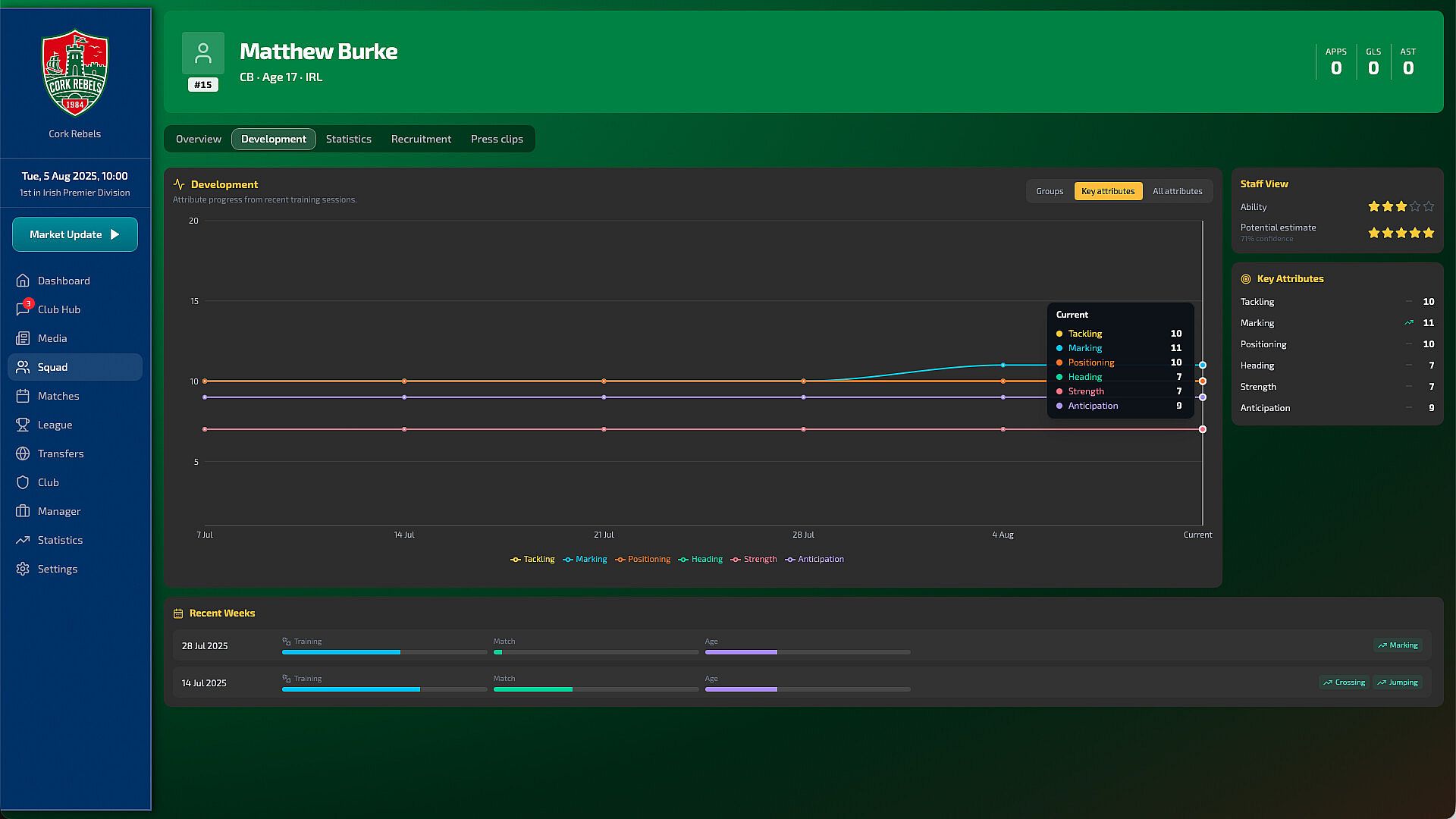
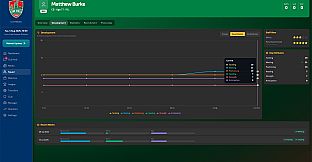
These elements integrate with standard expectations such as shortlisting targets, managing unsolicited bids, and monitoring academy output. The system keeps administrative tasks streamlined while preserving the simulation depth that tracks attribute changes and positional development through visual graphs.
Is It Worth Playing?
LeManager appeals to players seeking a streamlined yet detailed football management experience that prioritizes speed alongside strategic layers like scout disagreements and ego management. Its independent development focuses on core systems without external affiliations, delivering a focused alternative for those familiar with older entries in the genre.
Endless season progression and visible player evolution through graphs provide tangible long-term engagement. The absence of confirmed review aggregates or update timelines means prospective players should evaluate based on interest in rapid-session management rather than expecting frequent content additions at launch. Those who value control over club direction through analysis tools and interpersonal decisions will find the mechanics align closely with that preference.