










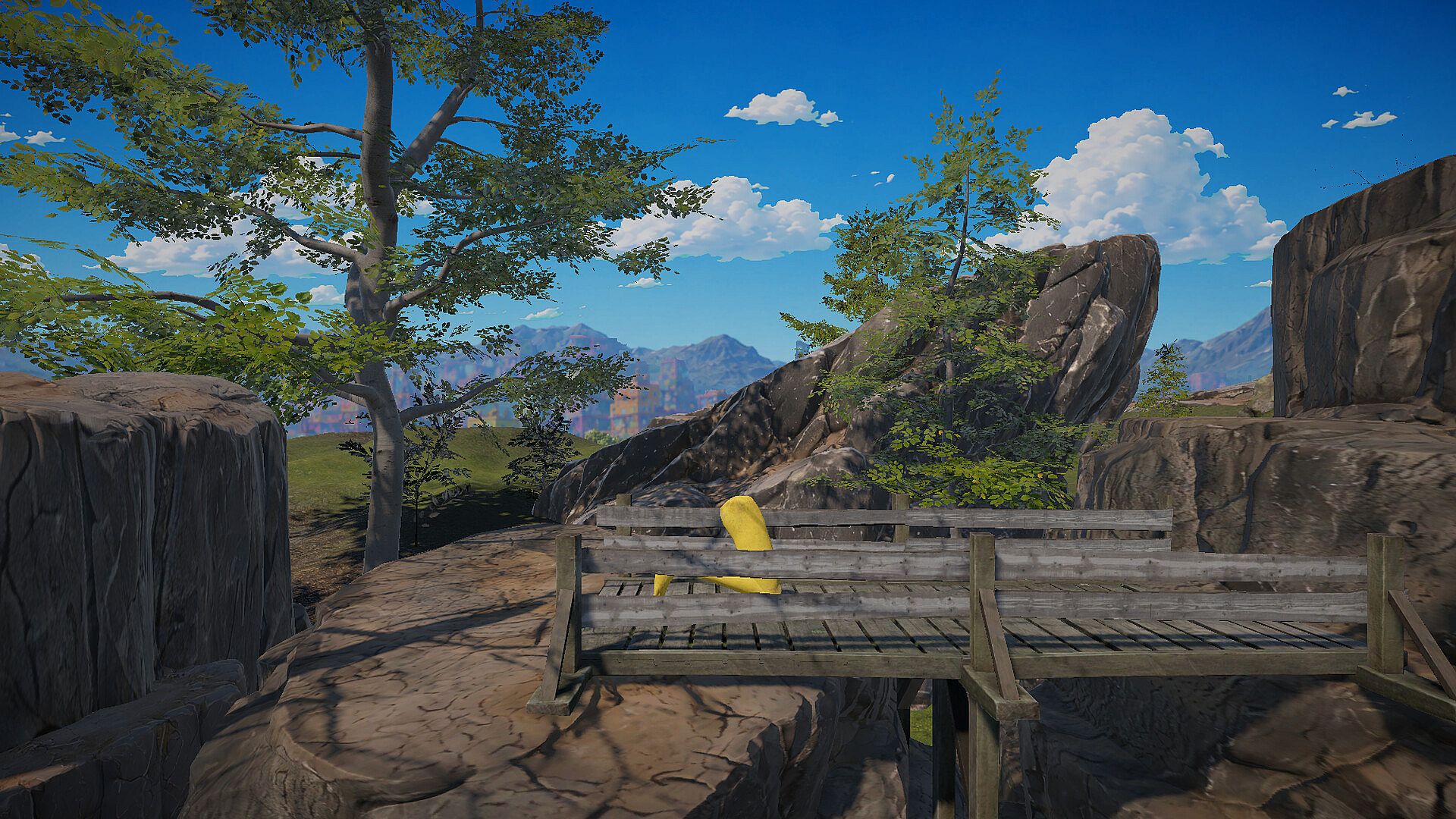


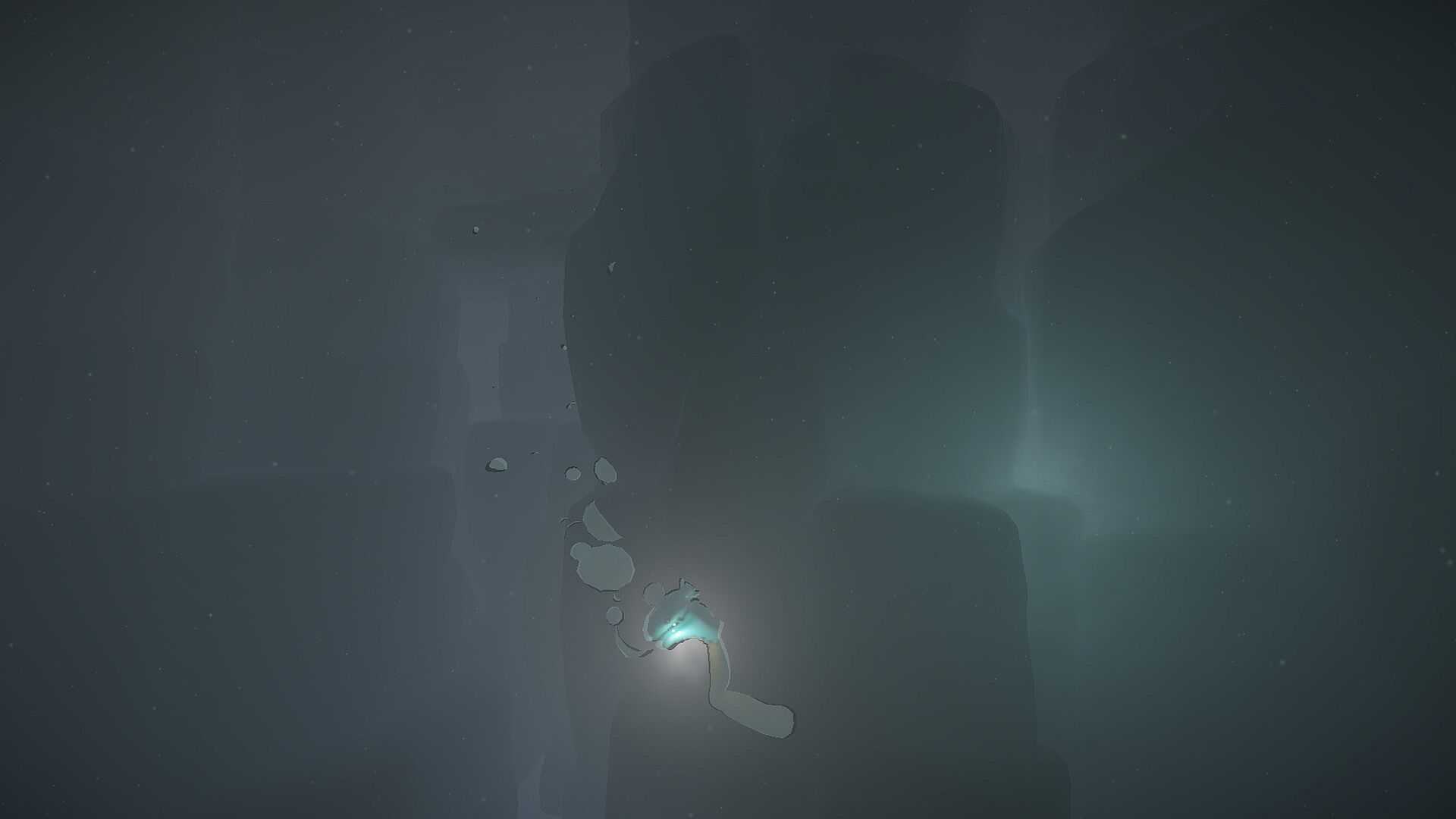
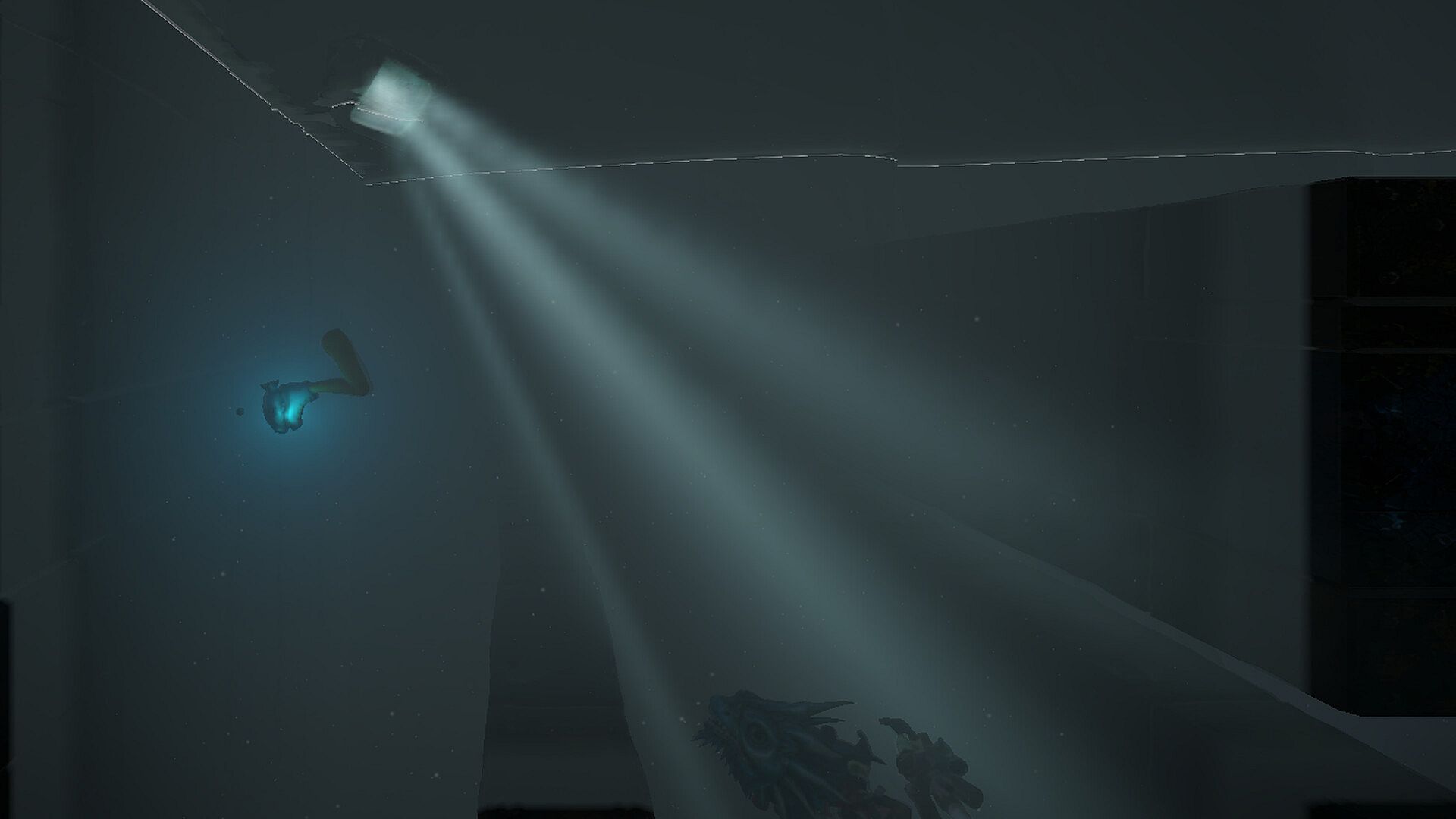
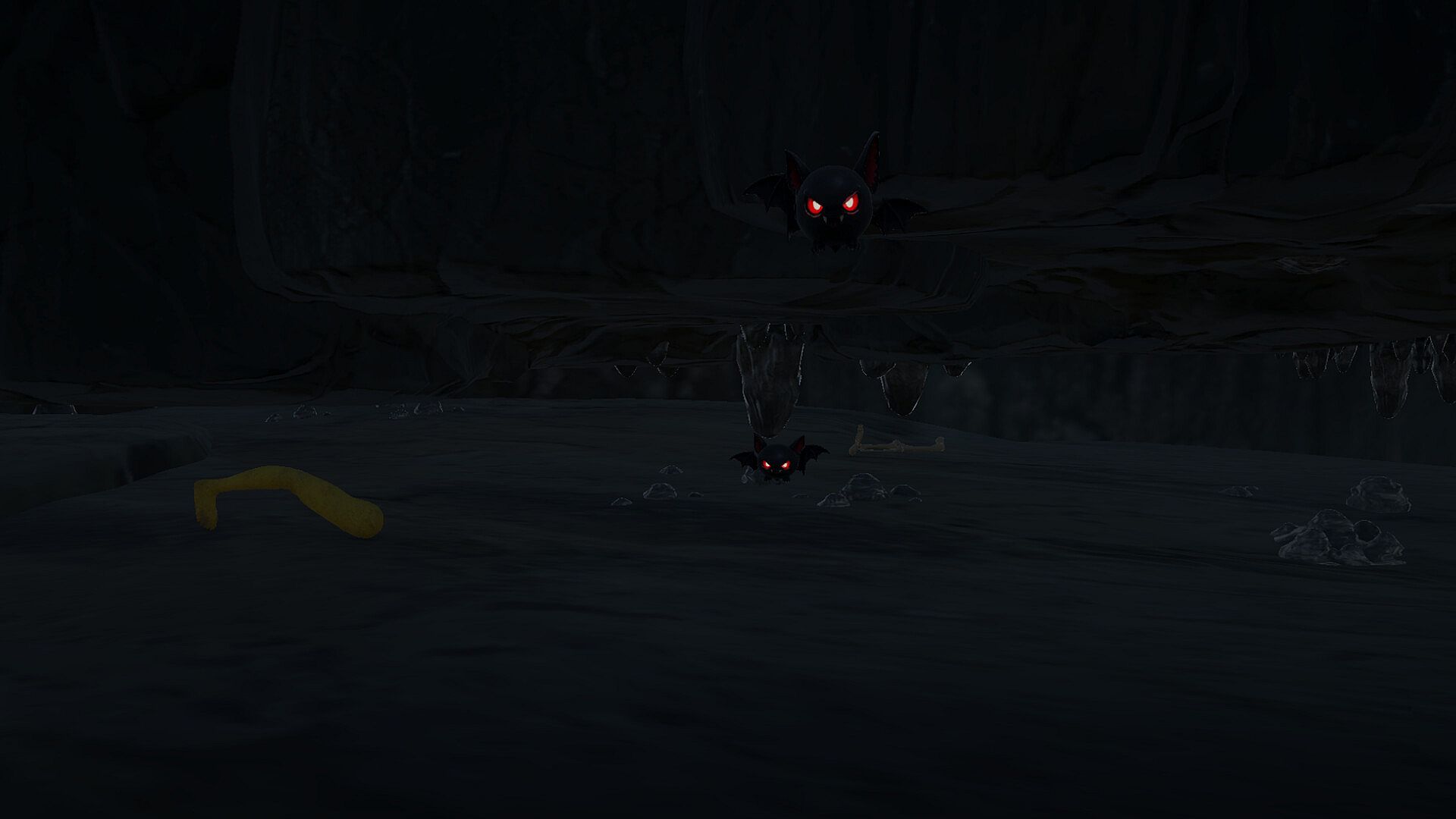




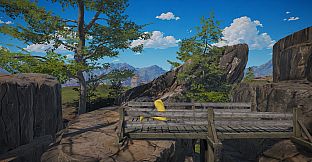






LEG DAY: Four Steps Through Hell is a single-player physics-based precision platformer in the action, indie and adventure genres. Players control one leg as it navigates an increasingly hostile environment across four distinct stages on PC.
Gameplay
Movement relies entirely on realistic physics simulation. The leg must maintain balance while building momentum to clear gaps, ascend slopes and interact with varied surfaces including platforms, water and cave sections. Simple inputs govern basic actions such as jumping and directional control, yet each challenge requires precise timing to avoid falls that reset progress.
Recovery from missteps forms a core loop. A poorly timed kick or loss of balance sends the leg tumbling, forcing players to restart segments and refine their approach. Momentum carries the leg forward once established, allowing it to chain movements across obstacles that grow more complex with each stage.
Environments shift from brighter, less threatening openings to darker and more unpredictable later areas. New mechanics appear progressively, demanding greater control over the leg's reactions to slopes, liquids and tight spaces. The single-leg constraint limits options, making every decision about weight distribution and force application critical.
Game Modes
The experience centers on a linear single-player campaign divided into four stages. Each stage presents a self-contained sequence of challenges that build on prior mechanics while introducing fresh environmental hazards and layout variations.
Progression occurs through repeated attempts within these stages. There are no separate competitive or cooperative modes, keeping focus on mastering the physics-driven controls in one continuous journey from start to finish.
Core Mechanics and Progression
Balance and momentum management drive every interaction. Players learn the leg's physical responses through trial and error, adjusting force and angle to climb or leap effectively. Water sections alter traction, while cave areas introduce tighter navigation demands.
Stages escalate in difficulty and tone. Early sections allow experimentation with basic jumps and recoveries, while later ones layer additional constraints that punish hesitation or overcorrection. The structure encourages patience, as one successful sequence can carry the leg through multiple obstacles before a single error resets the attempt.
Is It Worth Playing?
This title suits players who enjoy deliberate, physics-heavy platformers that reward observation and incremental improvement. The single-player structure and four-stage format deliver a focused challenge without extraneous systems or modes.
Availability on PC through standard digital storefronts makes it accessible once released. The emphasis on precise control and recovery from errors aligns with fans of similar indie precision games, though the absence of additional modes or multiplayer keeps the scope narrow.
Those seeking quick sessions or varied gameplay loops may find the repetitive nature of stage attempts demanding. For enthusiasts of momentum-based movement and single-mechanic mastery, the game offers a consistent test of timing and patience across its compact length.











