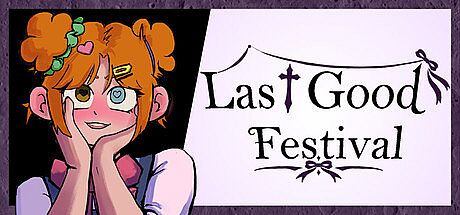


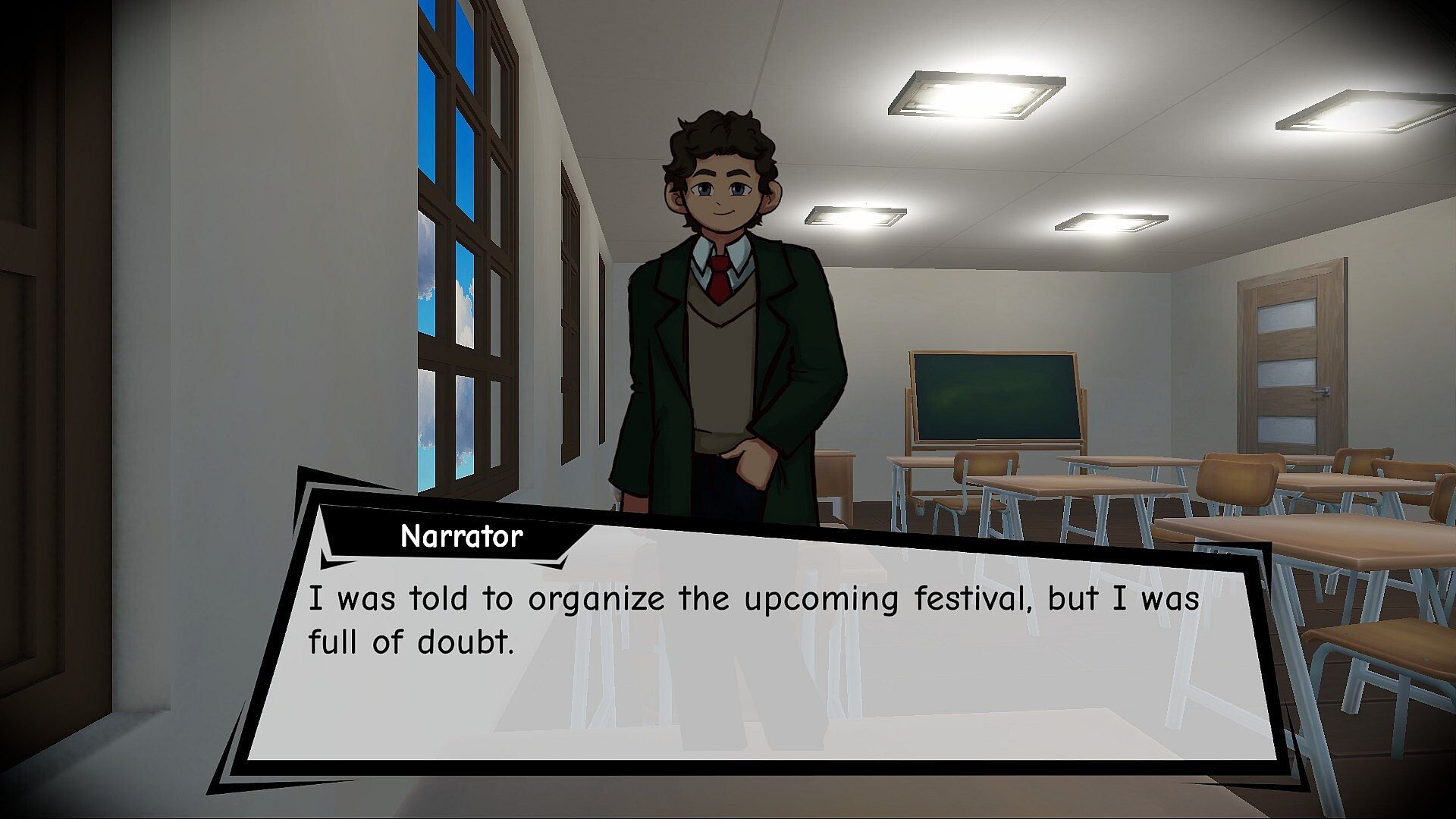
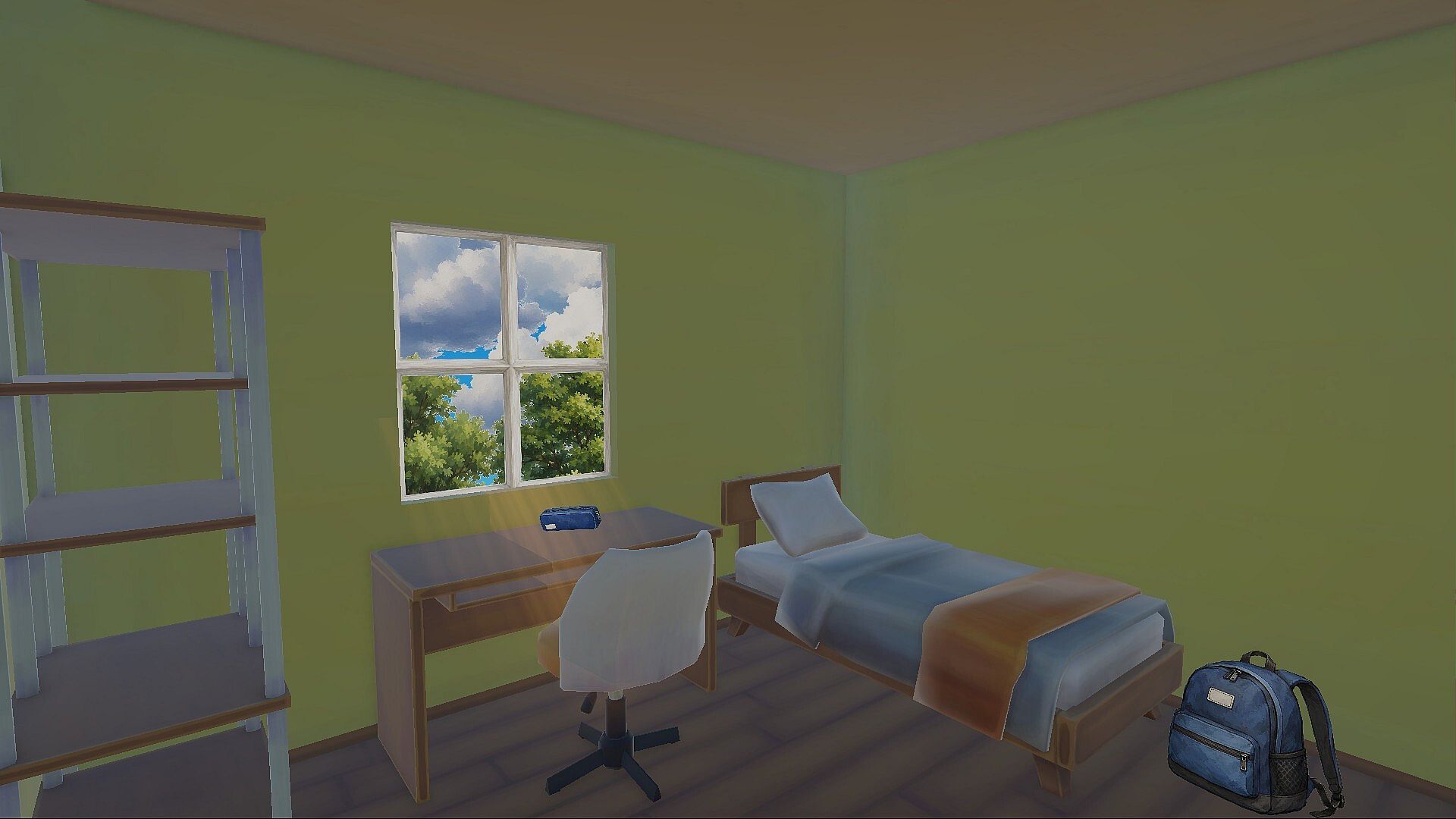
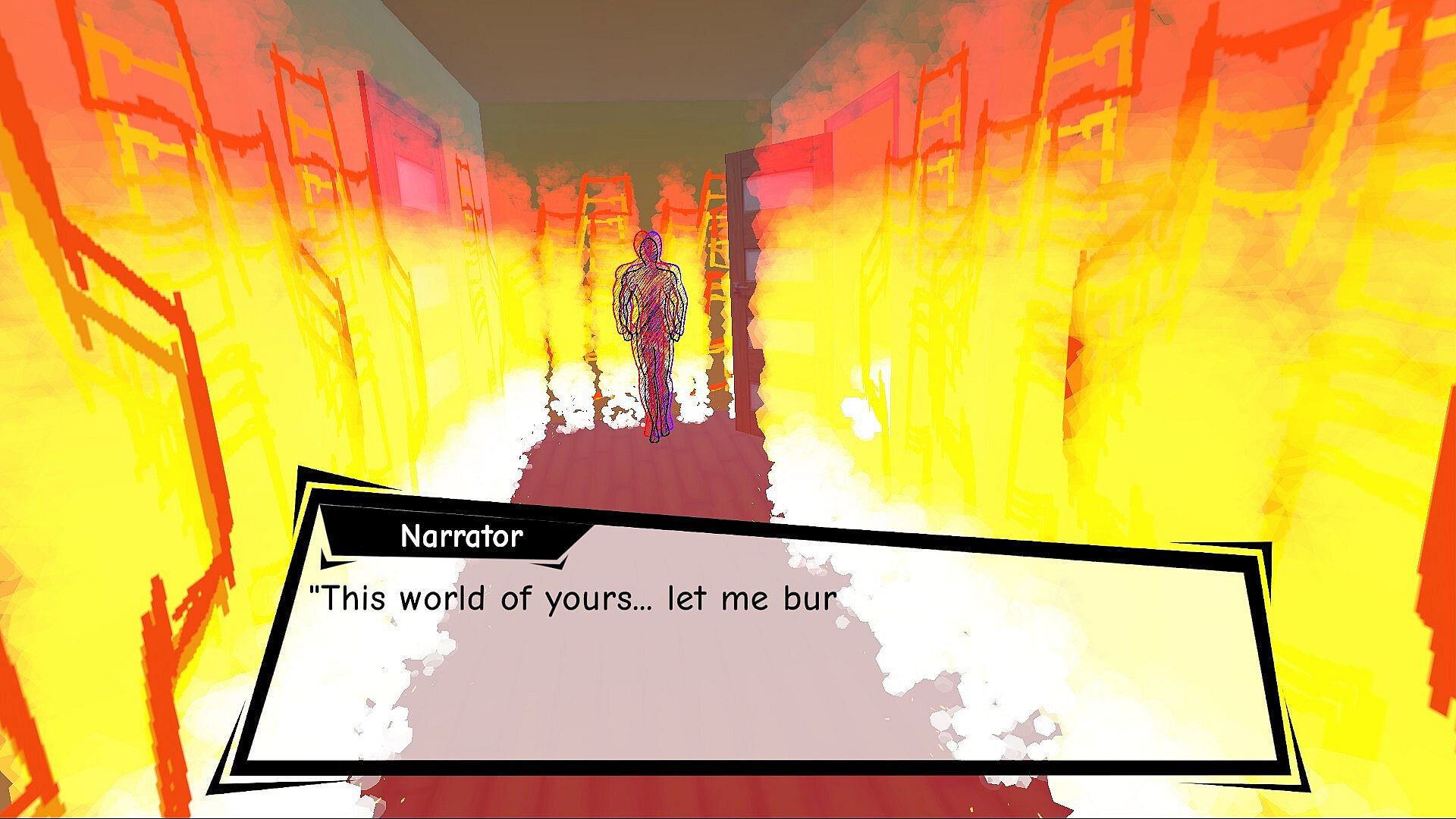
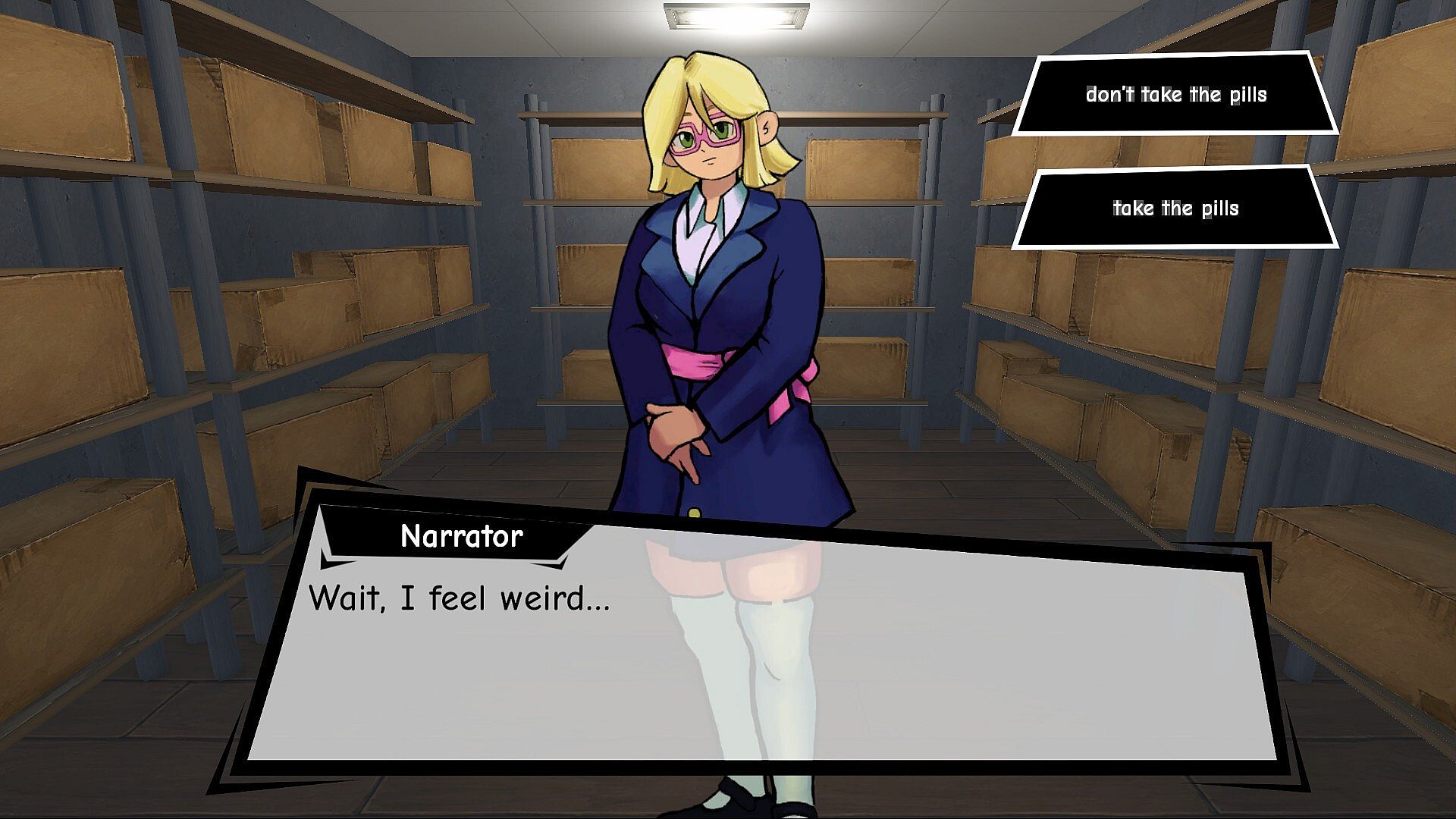
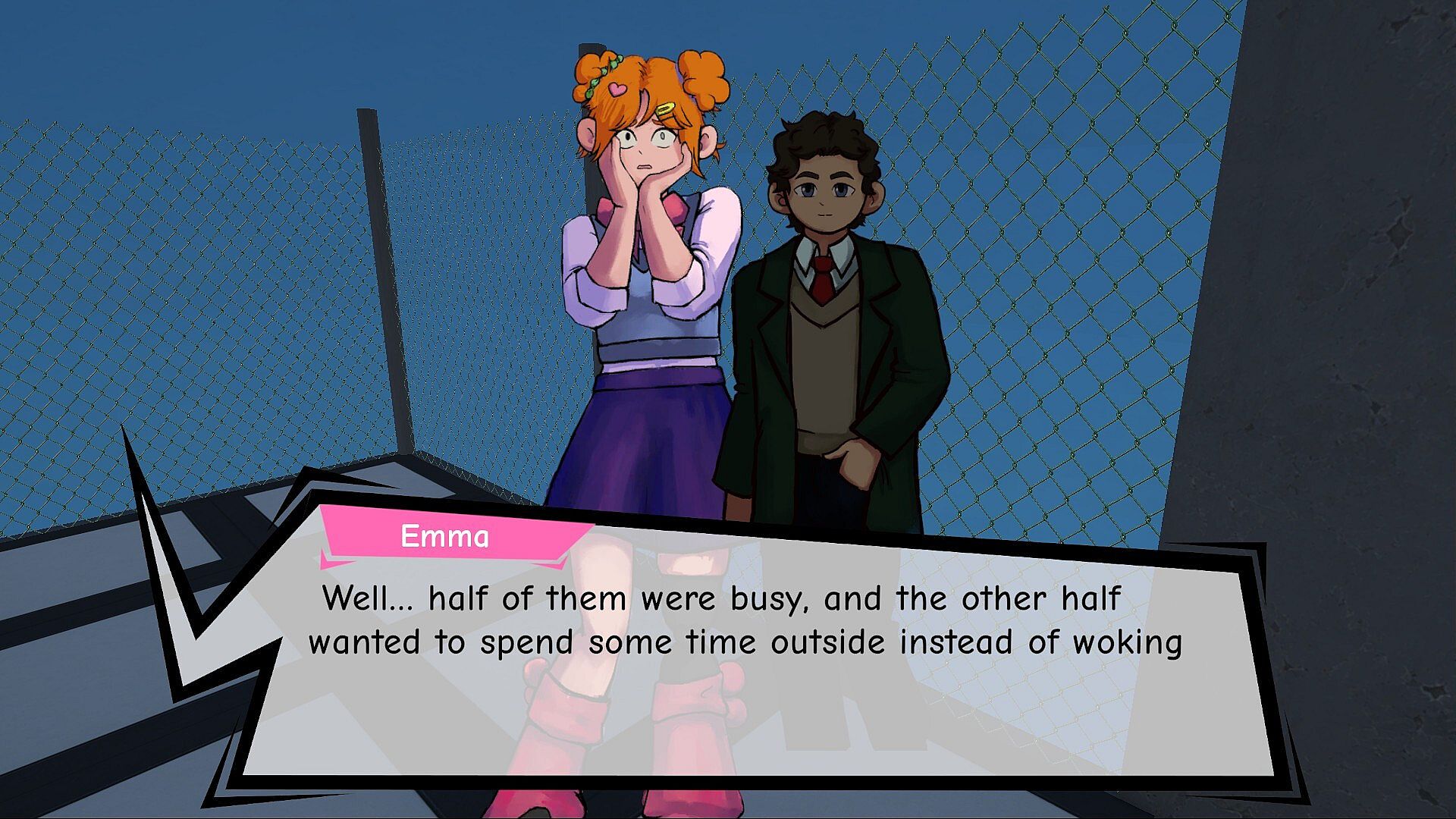
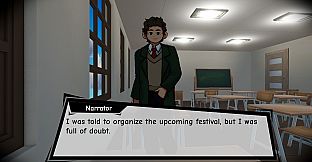

Last Good Festival is an indie action, simulation, and adventure game for PC in which players step into the role of the main organizer for a school's final festival after falling asleep and waking to unexpected responsibility. The experience blends festival preparation tasks with character interactions and careful attention to personal stability, all set against the backdrop of a school for individuals with unusual conditions.
Gameplay
Core activities center on handling the practical side of event planning. This includes managing paperwork and formalities, selecting decorations, curating music, and participating in dance elements. Players work alongside a small group of key figures who contribute specialized input to different aspects of the preparations.
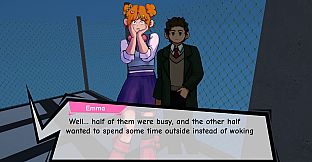
Beatrice assists with formalities and overall planning once any prior misunderstandings are addressed. Emma contributes her enthusiasm and expertise in music and dance, often encouraging active participation in those areas. Rose focuses on decorations in her distinctive style, with limited direct interaction recommended. Tyler provides occasional support as a right-hand figure while overseeing progress with the others.
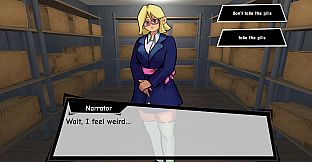
Additional individuals appear throughout the school environment, though most receive minimal focus due to their varied conditions. Players must maintain mental clarity through regular medication and choose to disregard any unusual perceptions that arise during the process. The loop involves balancing these organizational duties with interpersonal moments and self-management to advance the festival preparations.
Game Modes
The game operates as a single-player narrative experience without separate competitive or multiplayer modes. Progression follows the sequence of festival organization tasks and character engagements, with choices influencing how relationships develop and how the event takes shape. Emphasis remains on completing the required preparations while navigating the personal elements tied to the setting.
Characters and Interactions
Four central figures drive much of the engagement. Each brings distinct traits that shape their contributions: Beatrice offers structured support in planning, Emma injects energy into entertainment choices, Rose handles visual elements independently, and Tyler coordinates efforts while sharing limited personal details over time. Interactions require attention to individual preferences and histories to unlock fuller assistance.
Broader school residents add context to the environment but stay in the background. The focus stays on the core group and the practical steps needed to deliver a memorable closing event for the institution.
Themes and Atmosphere
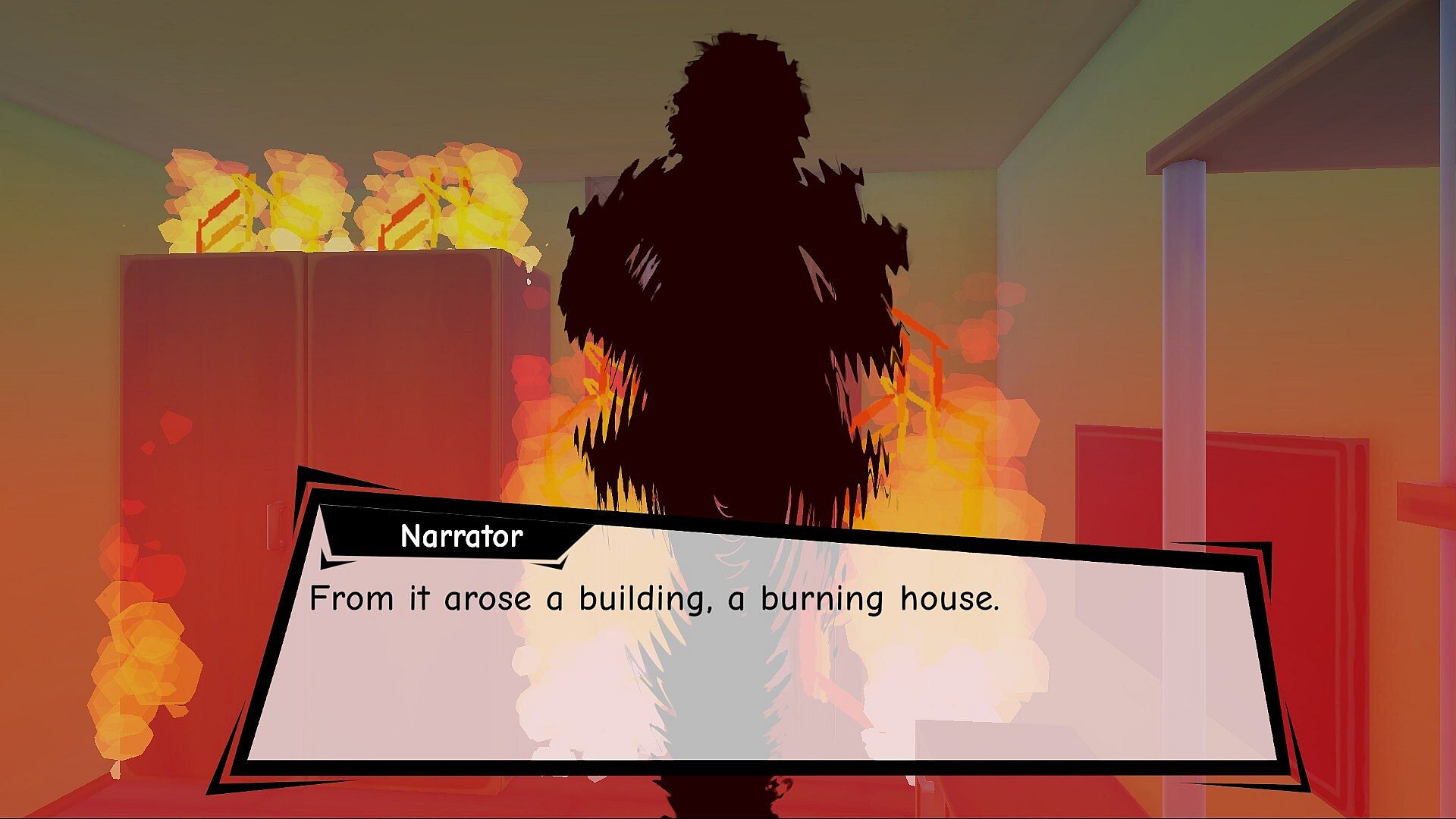
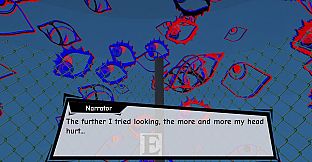
The setting combines everyday festival logistics with underlying personal challenges. Players encounter reminders to stay grounded, including medication routines and instructions to set aside any distorted views of reality. These elements create a layered tone where routine tasks intersect with introspective moments.
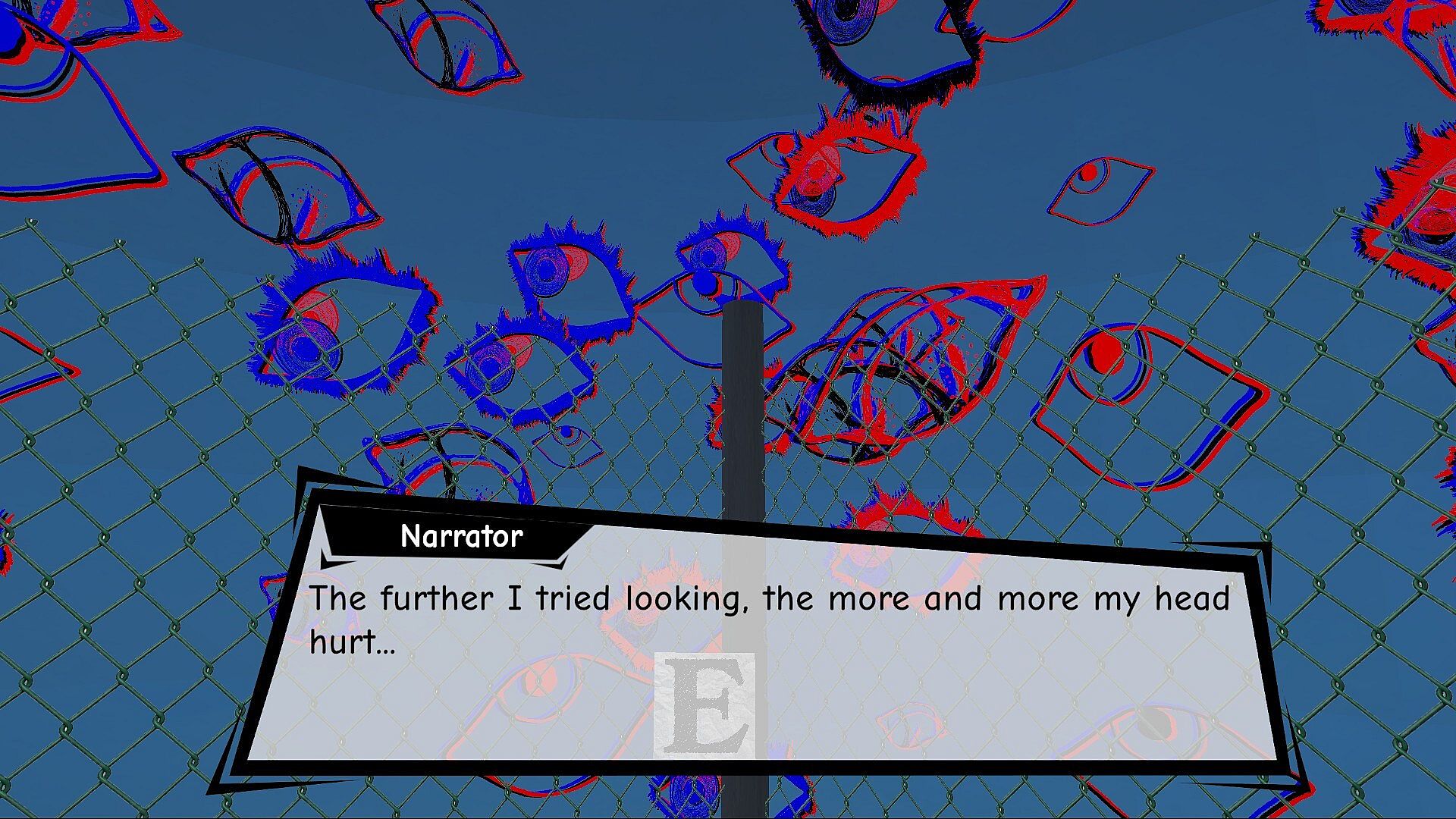
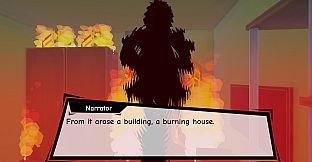
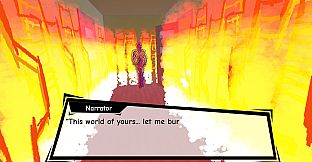
Content includes depictions of hallucinations, violence, self-harm, unsettling imagery, mental illness, depression, and traumatic experiences. The presentation signals from the start that surface appearances do not fully represent the underlying narrative.
Is It Worth Playing?
Last Good Festival suits players drawn to story-focused indie titles that mix simulation-style task management with character-driven sequences and mature psychological themes. The structure rewards steady attention to both festival duties and interpersonal dynamics while incorporating self-care mechanics into the routine.
Those sensitive to the listed content areas should approach with caution, as the material can prompt strong emotional responses. The game delivers a contained experience centered on one final school event, making it a fit for individuals interested in unconventional narrative adventures rather than action-heavy or multiplayer formats.