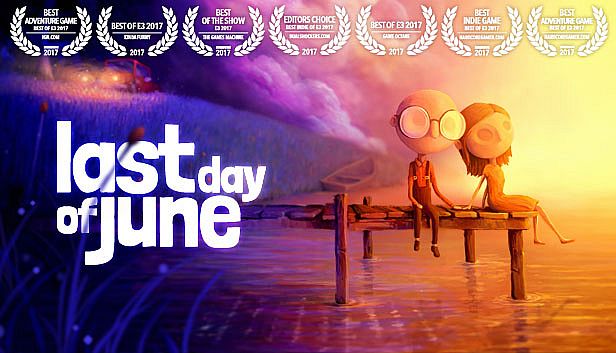























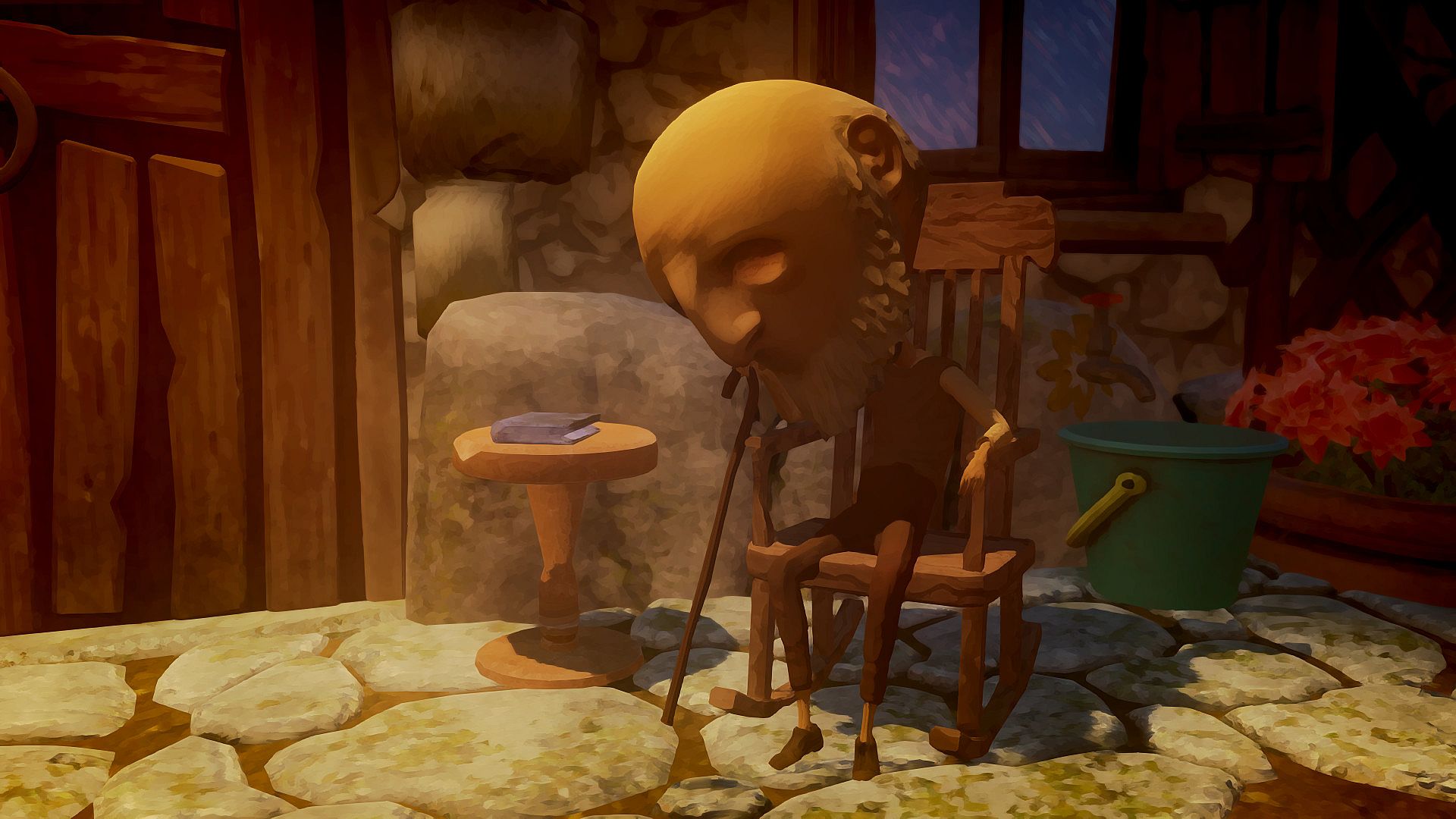

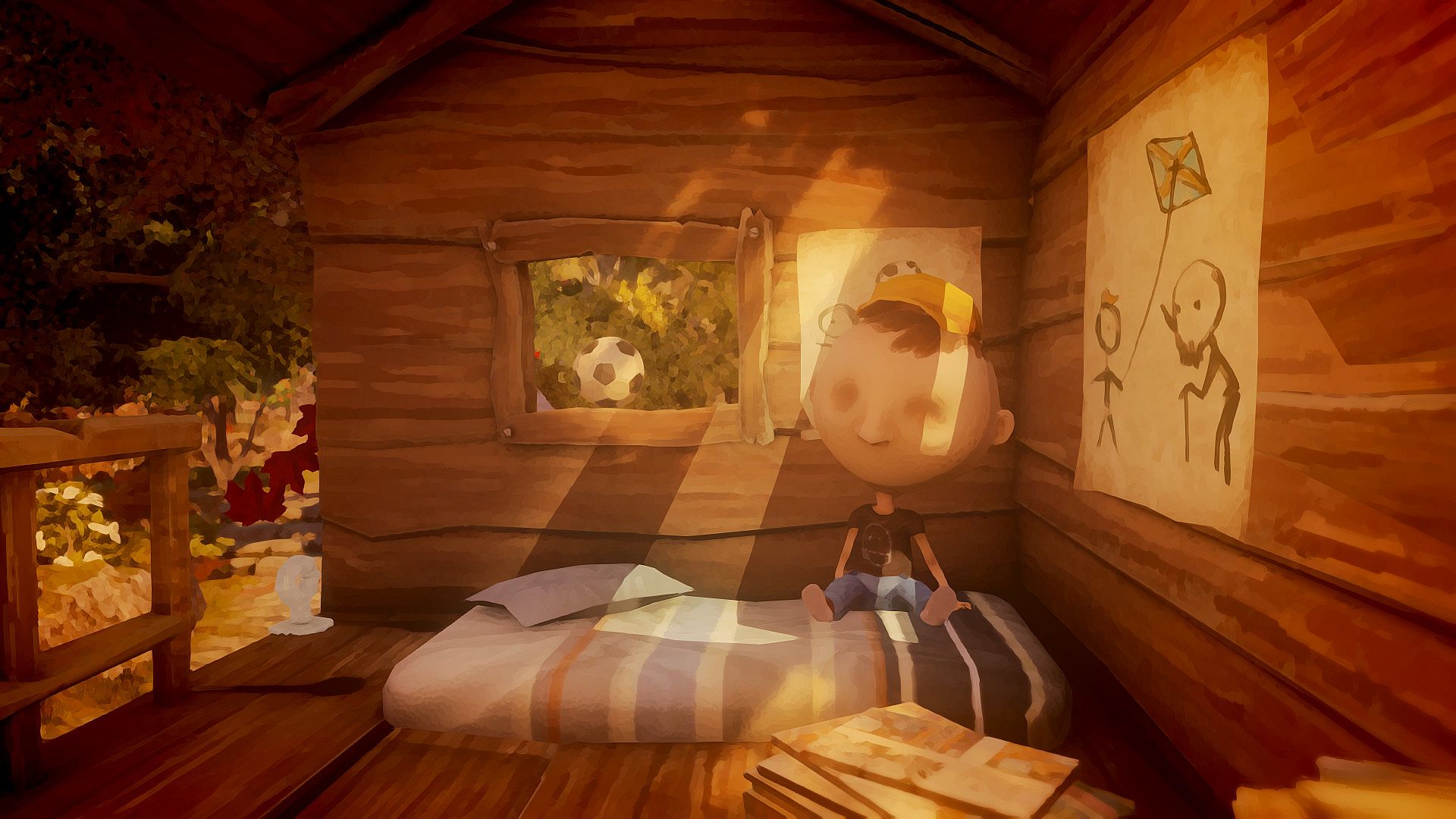





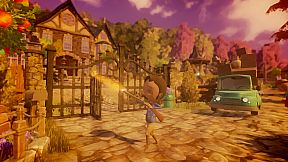
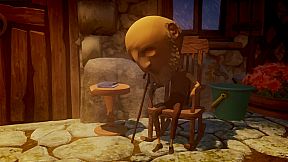


Last Day of June is an indie adventure game available on PC that centers on a personal story of love, memory, and attempts to alter fate. Players follow Carl as he navigates a painterly world to revisit key moments from his wife June's final day, using environmental interactions and puzzle elements to shift outcomes.
Gameplay
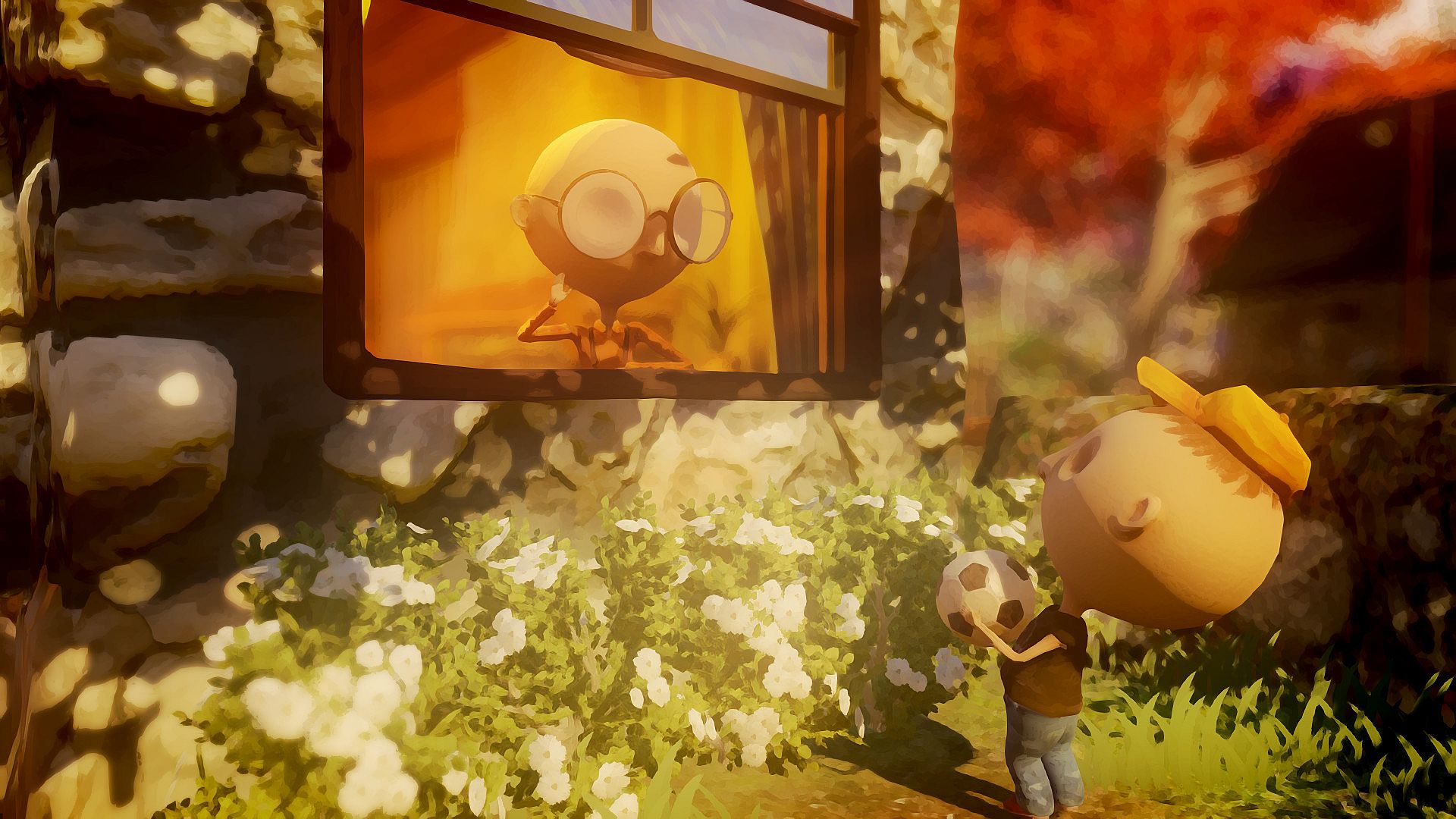
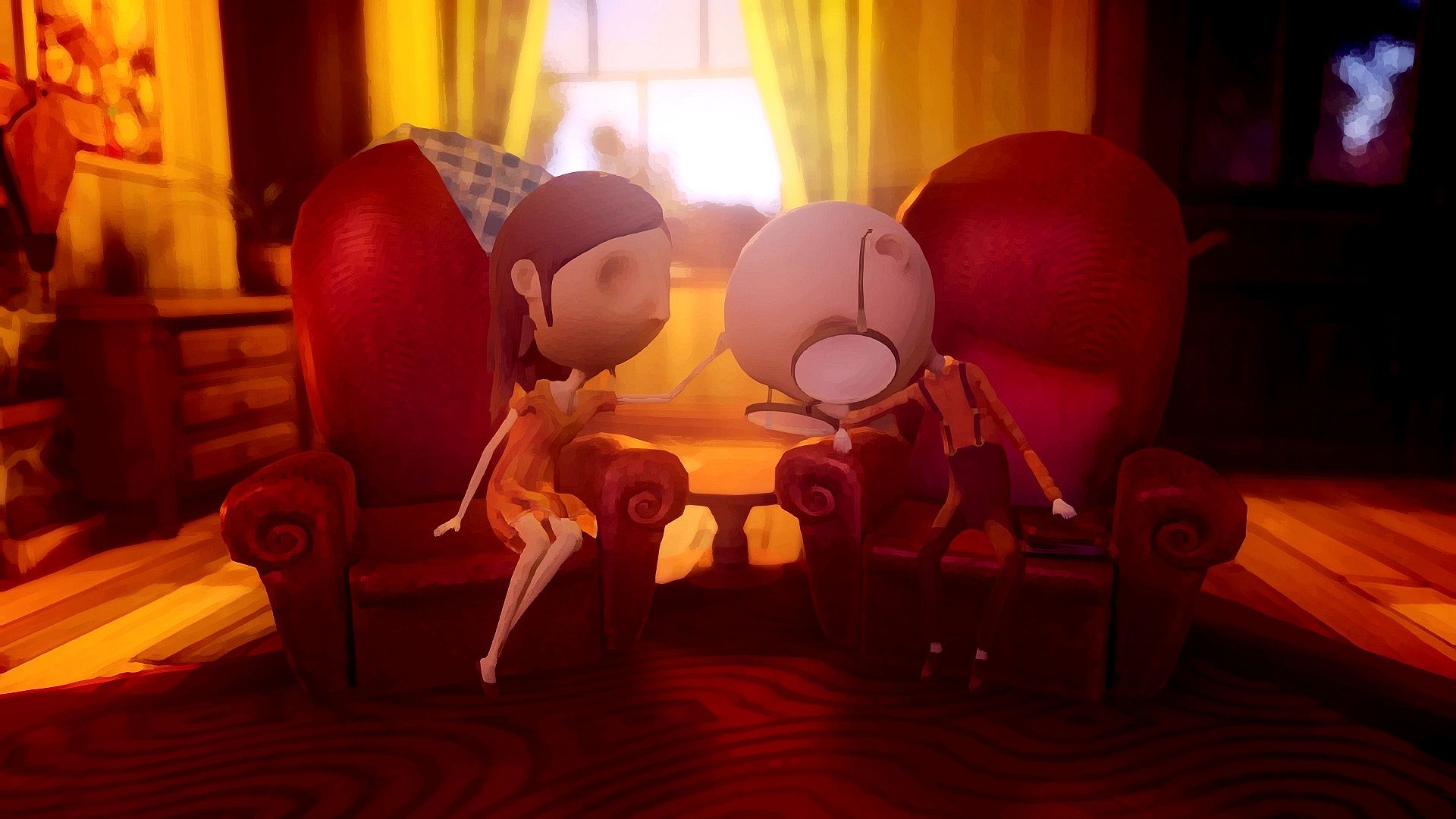
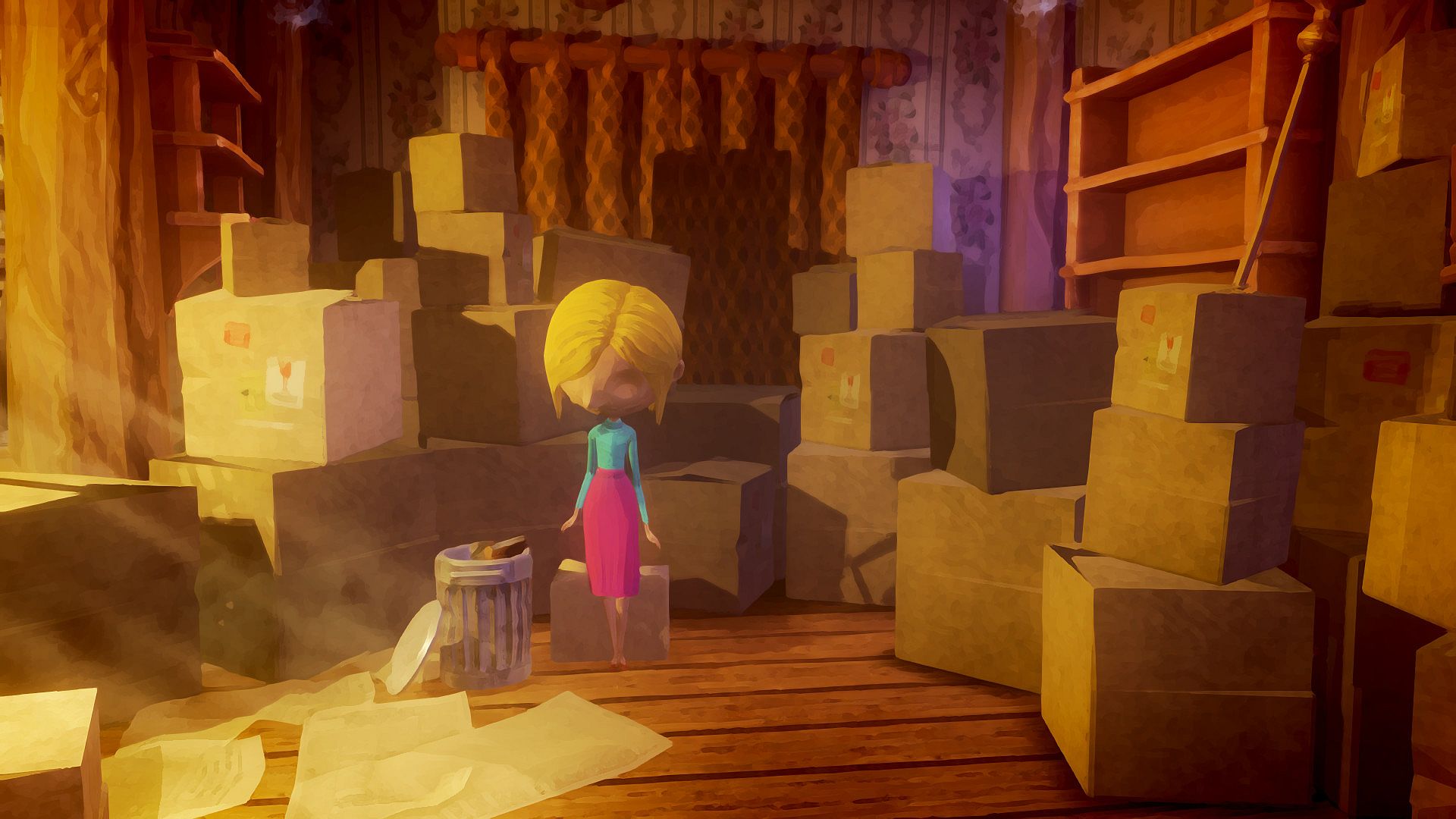
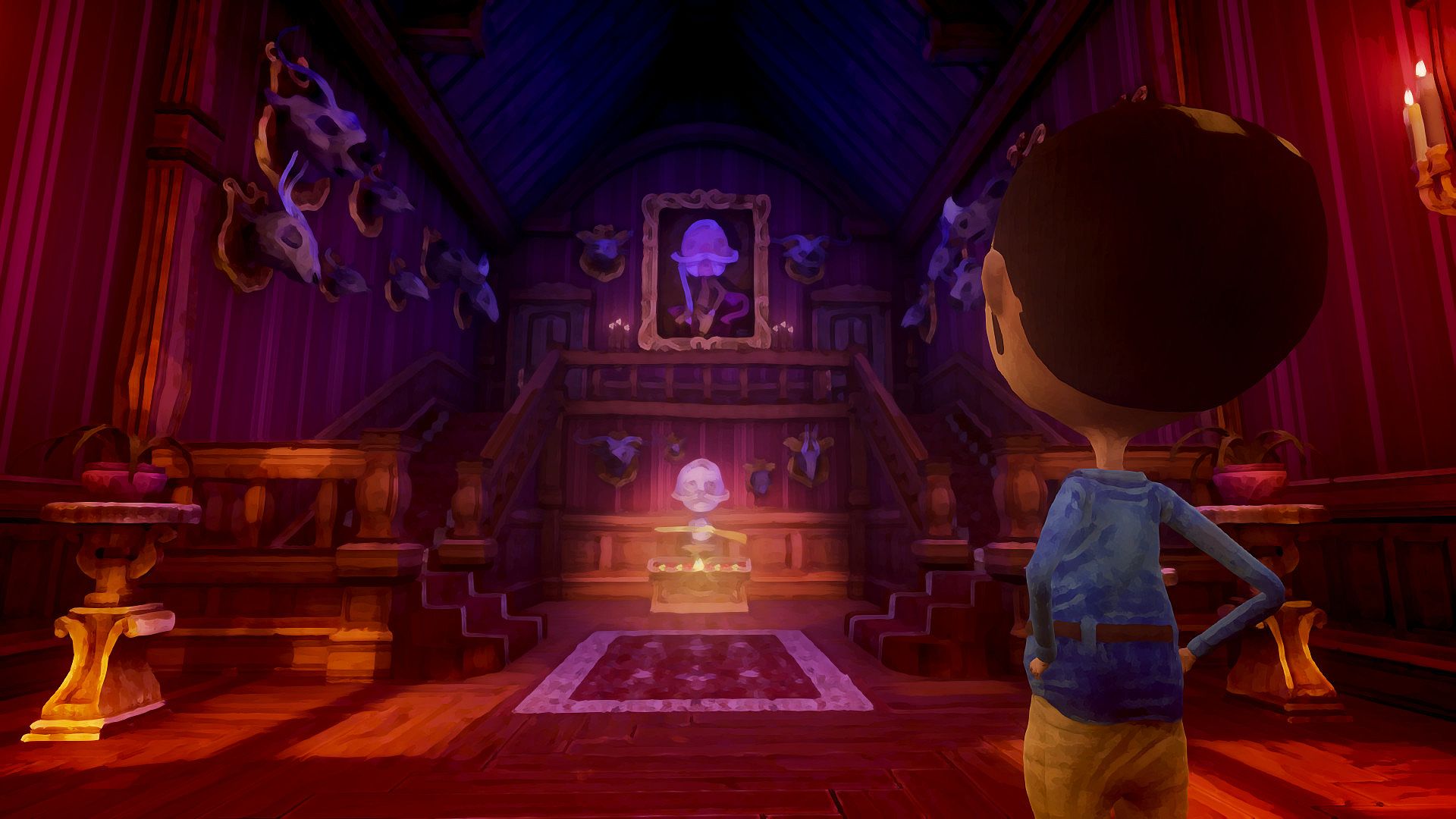
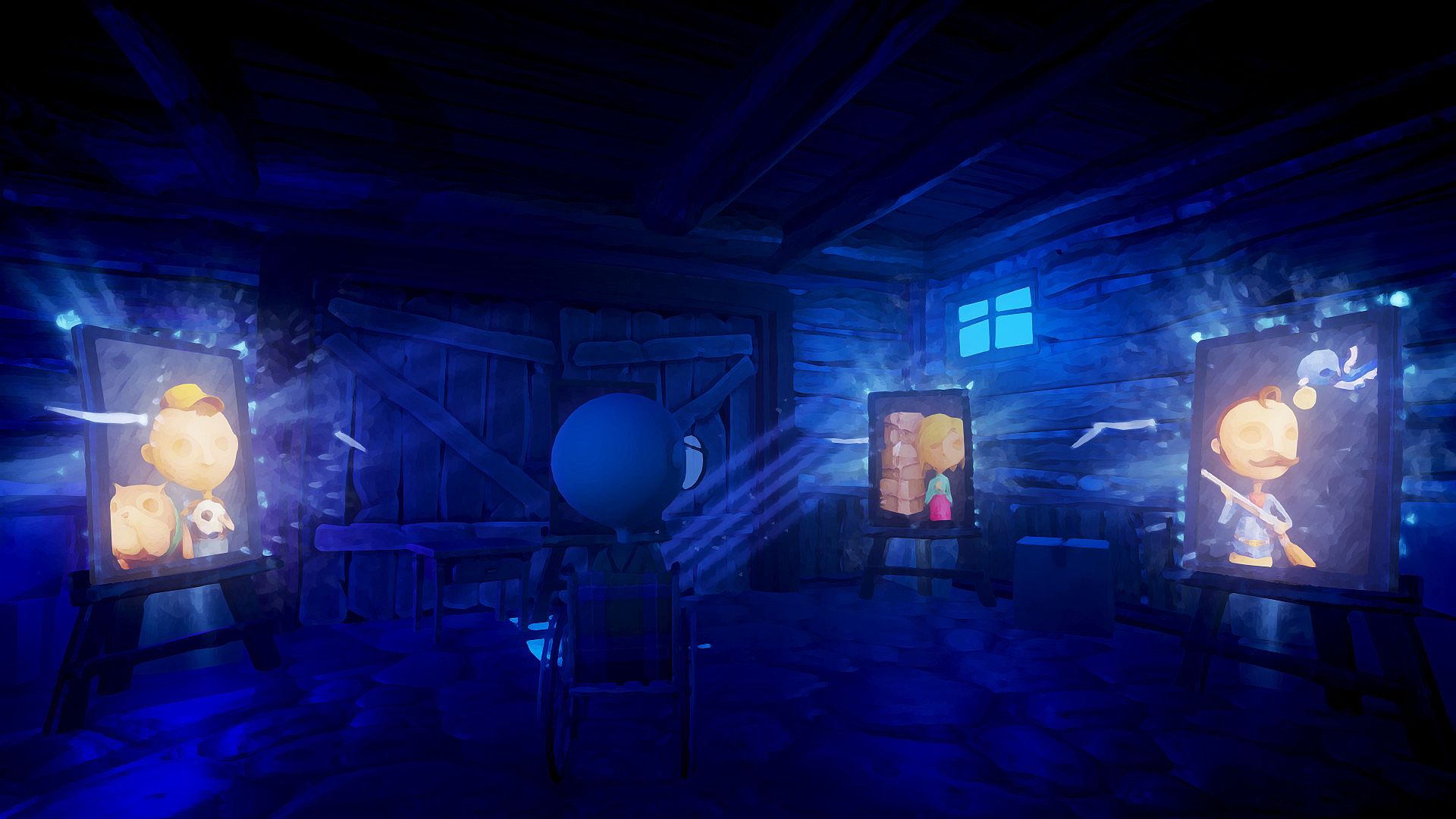
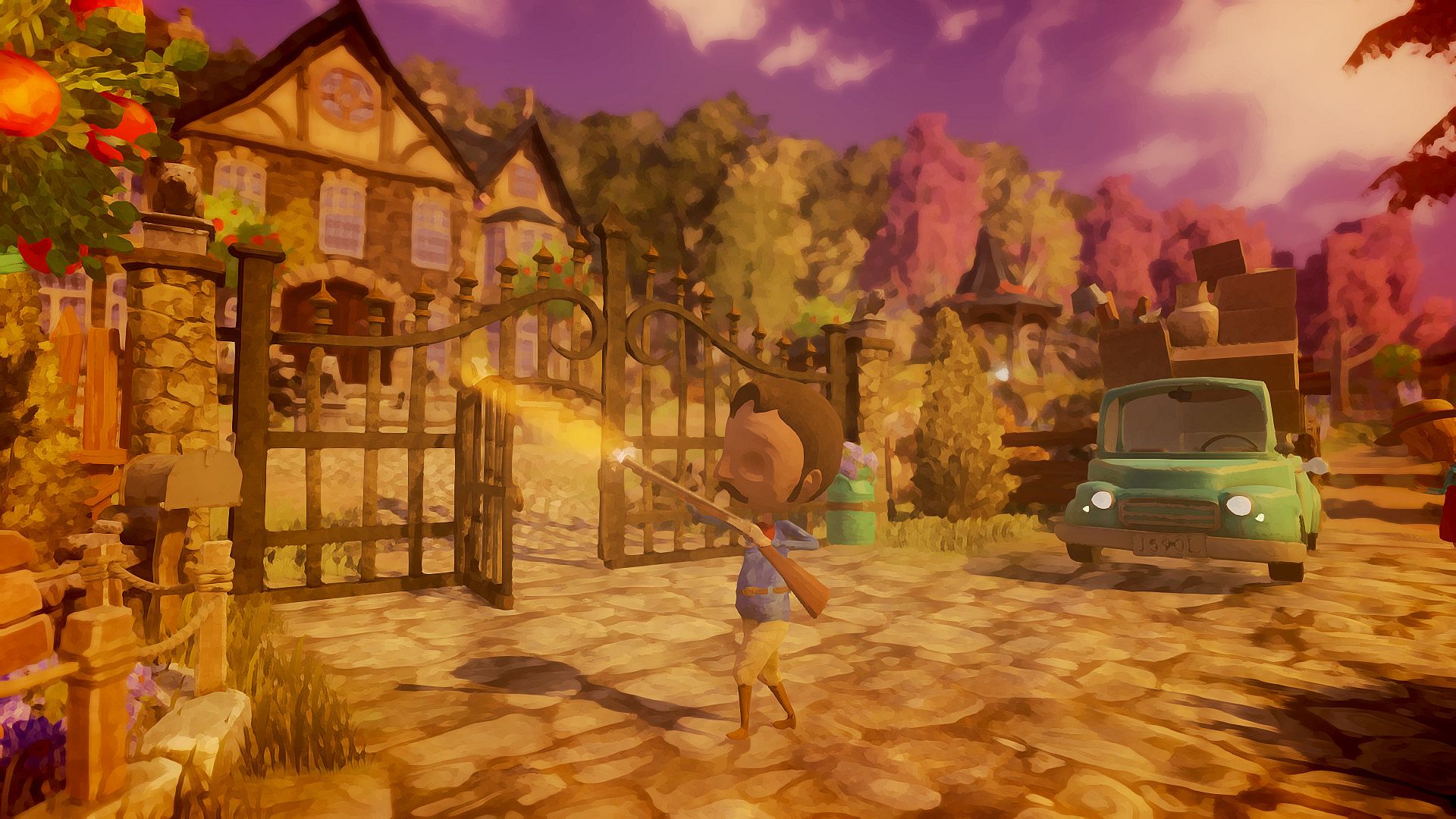
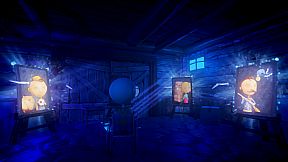
The core loop involves third-person exploration of detailed environments that reflect the characters' memories. Movement focuses on walking through familiar locations while examining objects and scenes that trigger narrative progression. Central to the experience are paintings that serve as gateways to previous events, allowing players to rearrange sequences and observe how small changes ripple forward. These alterations form the puzzle layer, where timing and positioning of characters or items must align to produce different results on subsequent loops. The process repeats with variations, building toward a resolution through careful observation of cause and effect. Visual presentation uses a distinctive artistic style that emphasizes emotional tones over complex mechanics, with interactions limited to direct environmental engagement and occasional timed inputs during key sequences.
Game Modes
The game operates as a single-player narrative experience without separate modes or multiplayer components. Progression follows a linear structure centered on story advancement, where players revisit and modify the same day multiple times through the painting mechanic. There are no branching campaigns, competitive elements, or additional play styles beyond the main interactive tale.
Story and Artistic Approach
The narrative draws from themes of grief and connection, presented through Carl's perspective as he seeks to prevent a tragic outcome. Dialogue remains minimal, relying instead on visual storytelling, character animations, and environmental details to convey relationships and motivations. Music composed by Steven Wilson underscores the emotional beats, integrating with the painterly visuals to create a cohesive atmosphere. The experience unfolds over a compact duration, typically completed in a few hours, with each loop revealing new layers of the central events and their consequences.
Is It Worth Playing?
This title suits players interested in short, focused narrative adventures that prioritize emotional impact and puzzle-based time manipulation over action or extensive systems. Reception highlights the strength of its story and presentation while noting the repetitive nature of revisiting sequences as a potential drawback for some. The game remains available on PC in its original form with no major post-launch updates or seasonal content. Those who appreciate interactive tales centered on personal loss and reflection often find the journey memorable, while players seeking varied gameplay loops or longer sessions may prefer other options in the genre.