

LAIN is a 2D puzzle platformer built around a distinctive layer manipulation system. Players navigate stages by toggling visibility of individual layers and reordering them to alter object interactions and open new routes through each environment.
Gameplay
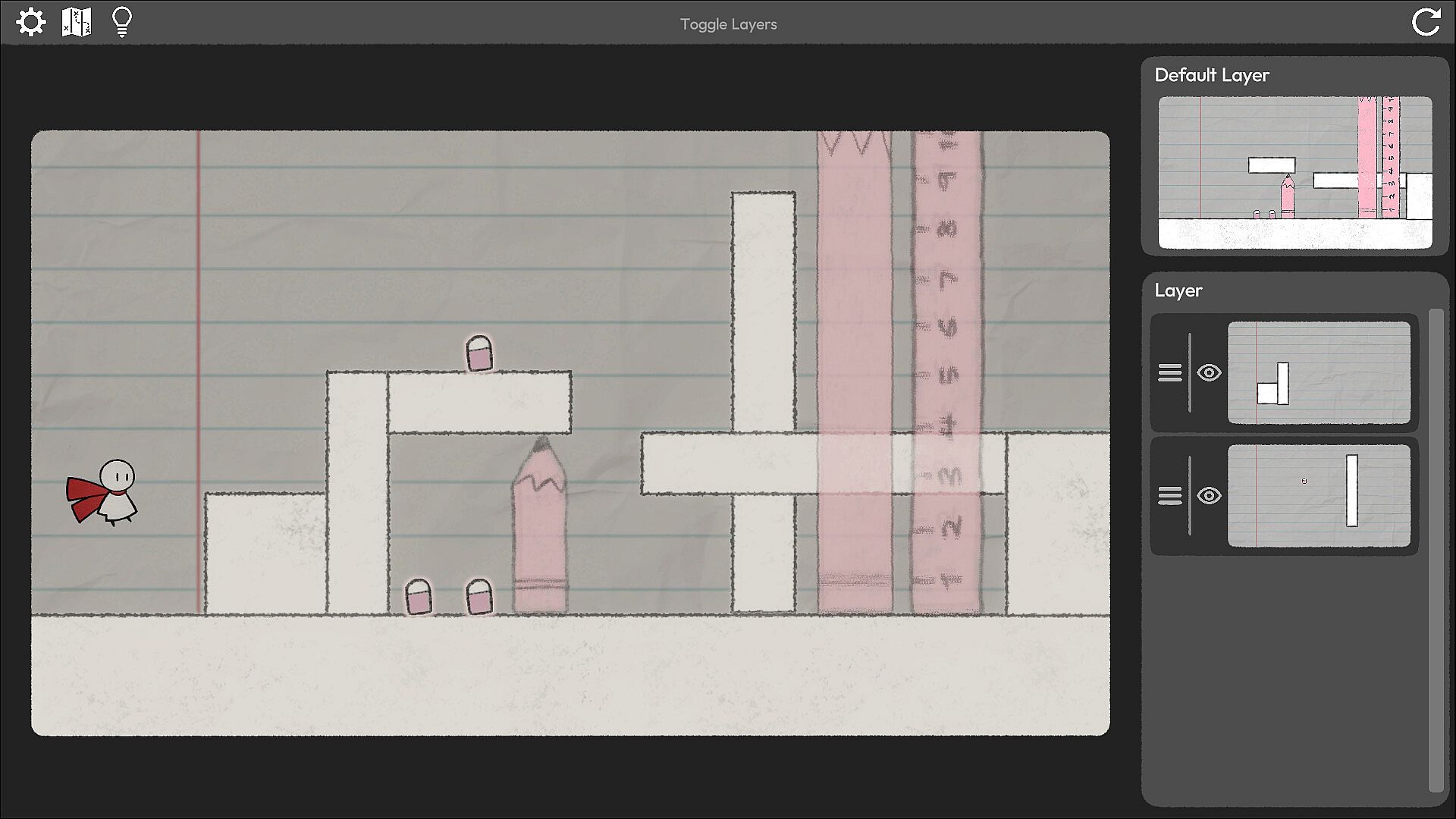
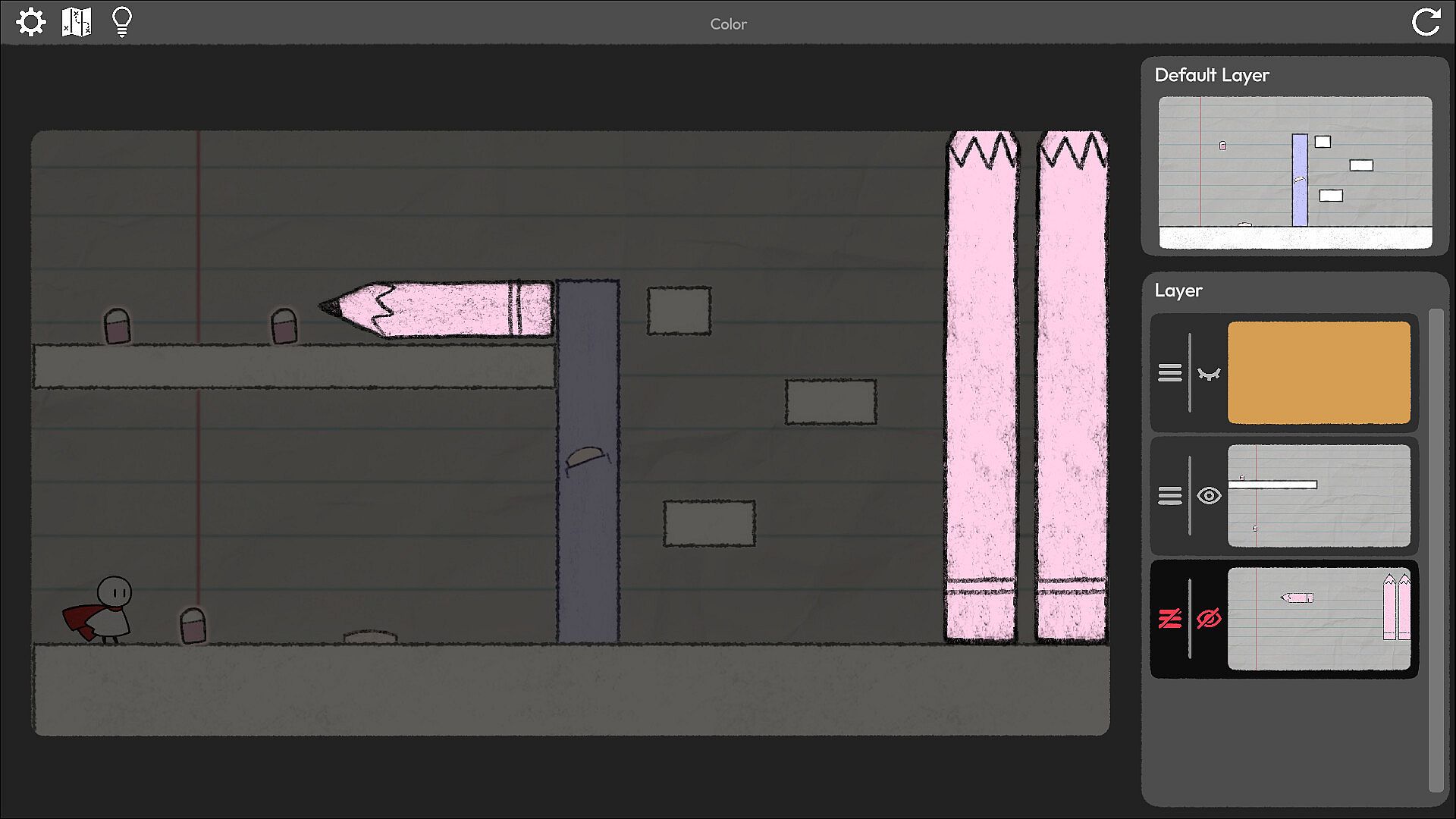
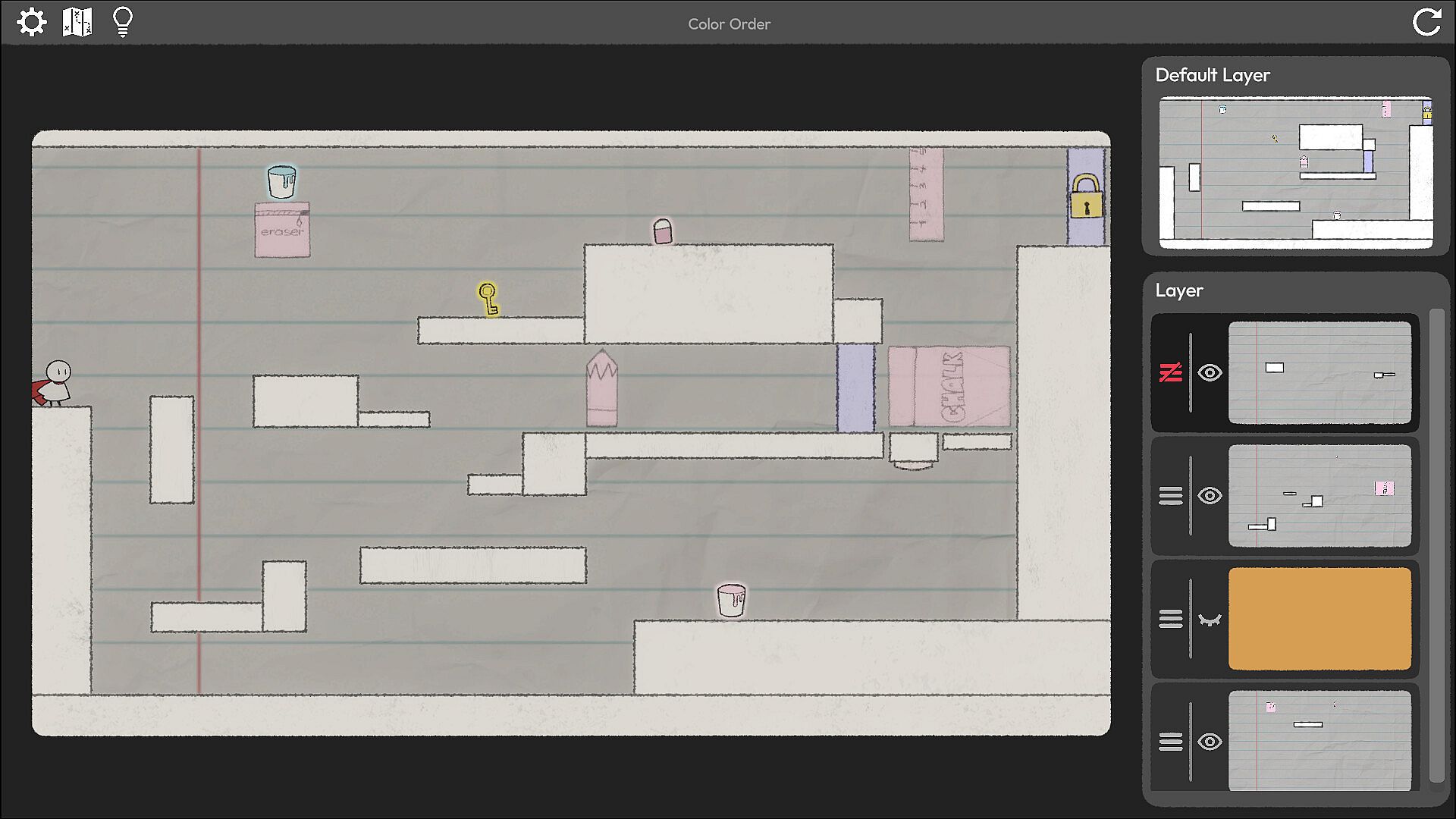
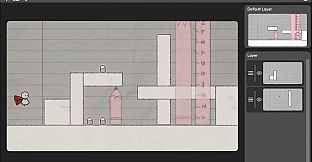
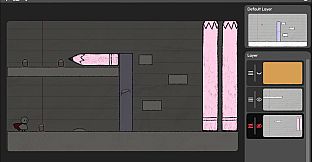
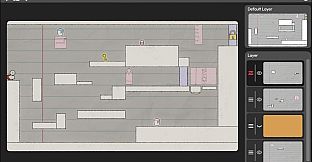
The core loop centers on treating the game world as a stack of editable layers similar to those in image editing programs. Each layer holds platforms, obstacles, and interactive elements. Disabling a layer removes everything on it from the active scene, which can clear a path or eliminate a barrier without direct destruction. Re enabling the layer restores those elements instantly. This toggle mechanic requires careful planning because every object on the disabled layer vanishes at once, potentially removing needed platforms along with unwanted ones.
Layer reordering adds another dimension. Layers sit in a fixed vertical stack, and shifting their sequence changes how overlapping elements relate to one another. An object on a higher layer might block or support one below it depending on the current order. Players examine the current arrangement, decide which layer to bring forward or push back, and observe the resulting physical changes to solve each puzzle. The approach rewards observation and experimentation rather than speed or combat.
Stages present self contained challenges that grow in complexity as new combinations of toggles and reorders appear. The emphasis stays on spatial reasoning and understanding cause and effect across multiple layers simultaneously.
Game Modes
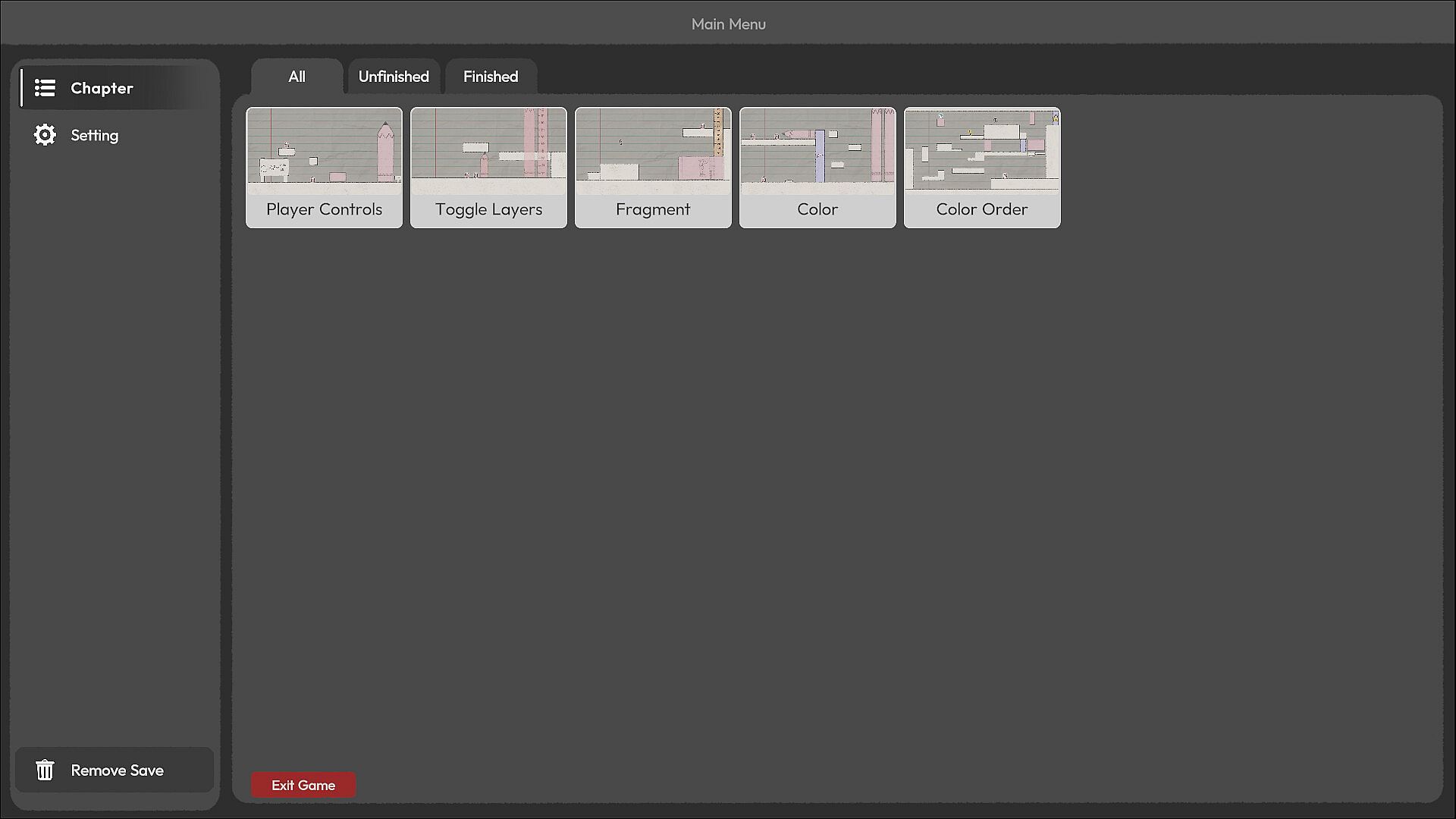
LAIN operates entirely in single player. The experience consists of a sequence of puzzle stages that players complete at their own pace. No competitive or cooperative modes exist, and progression follows a linear structure focused on mastering the layer tools. Each stage functions as an independent puzzle that builds on the same core systems without introducing separate rule sets or alternate play styles.
Visual Design and Presentation
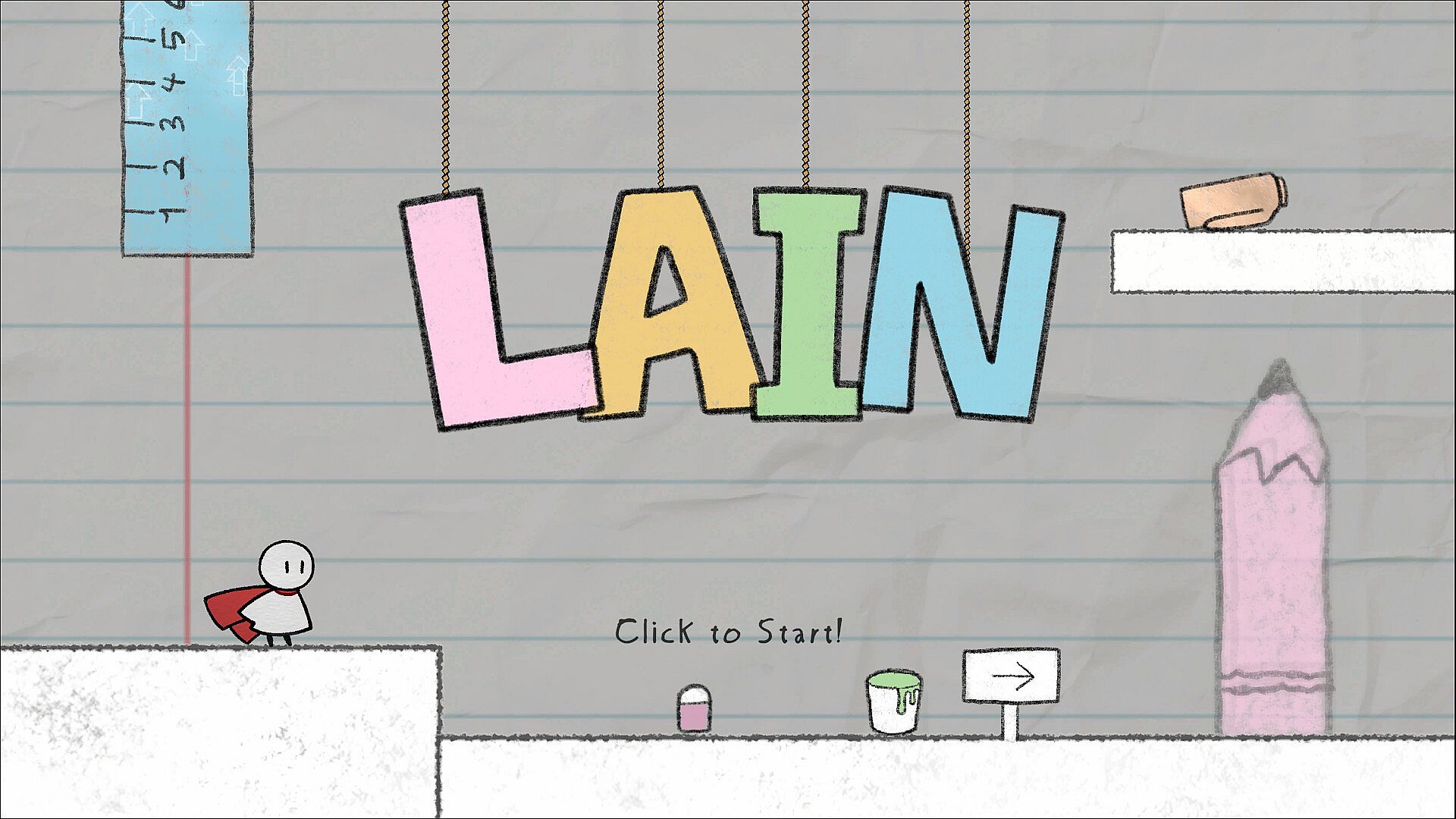
The art style keeps the focus on clear layer separation. Objects and platforms receive distinct visual treatment so players can quickly identify which layer contains each element. Backgrounds remain simple to avoid visual clutter when layers are toggled. Sound design supports the puzzle solving with minimal cues that highlight successful layer changes and path openings. The overall presentation stays functional and clean, directing attention toward the mechanical interactions rather than narrative or atmospheric elements.
Technical Requirements and Accessibility
The game runs on modest hardware with low system demands. It supports keyboard and mouse controls that map directly to layer selection, toggling, and reordering commands. English and Korean language options cover both interface text and subtitles. Family sharing is enabled, allowing multiple accounts on the same machine to access the title once released.
Is It Worth Playing?
Players who enjoy deliberate puzzle solving and spatial manipulation will find the layer system engaging. The mechanics introduce a fresh way to approach platforming challenges without relying on traditional jumping precision or timing. Because the title remains in a pre release state with no completed stages available for public testing, current impressions rest solely on the described systems. Those interested in indie puzzle platformers that emphasize creative problem solving over reflex based action may wish to follow its development. The single player focus and modest scope suit sessions of concentrated puzzle work rather than extended play sessions or social features.