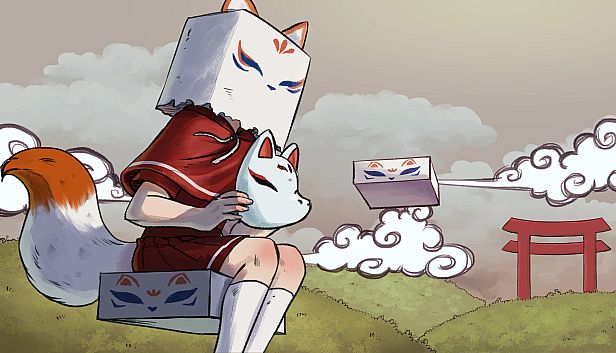


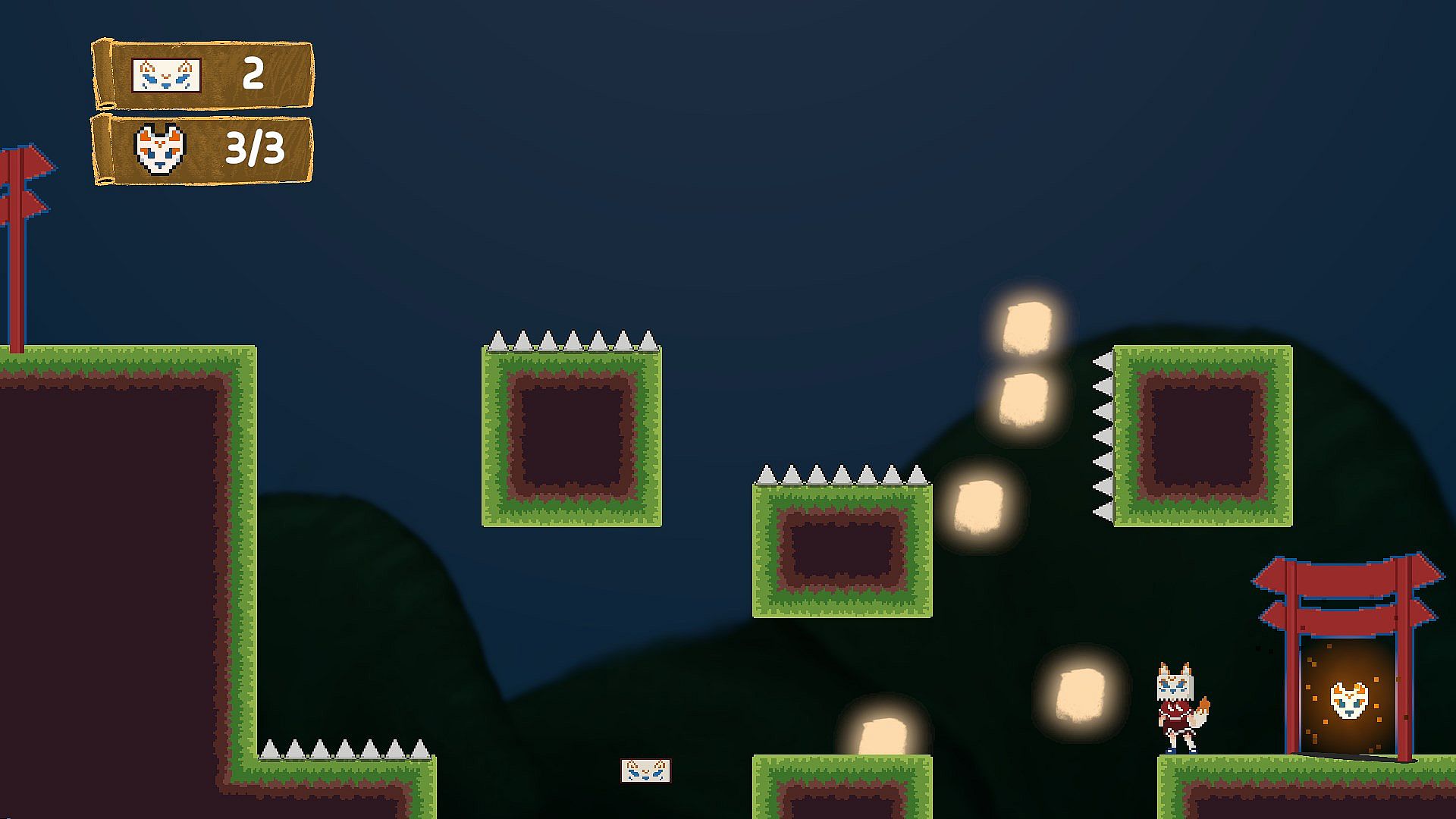
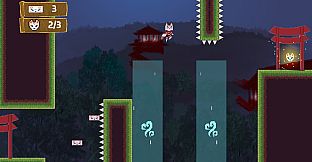
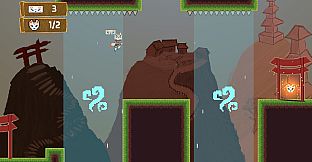
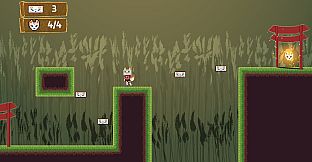
Kitsune Kaeru is a precision platformer that blends action and strategy on Xbox Series X|S. Players control a small kyubi fox spirit drawn to cardboard boxes in a world rendered with pixel art and sumi-e brush strokes. The core loop centers on creating boxes through spiritual powers to alter the terrain, reach distant platforms, and navigate hazards while minimizing box usage for better performance rankings.
Gameplay
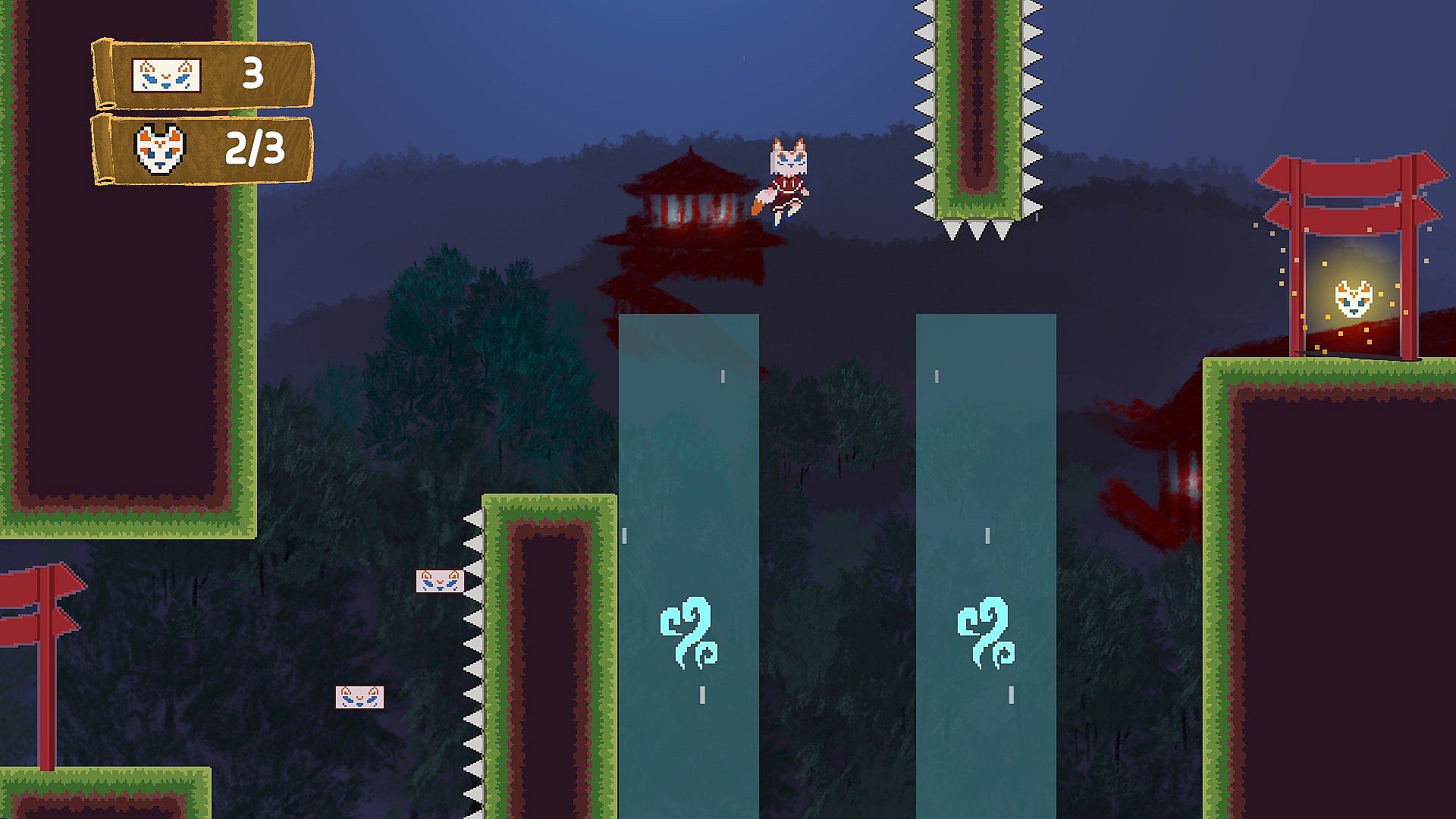
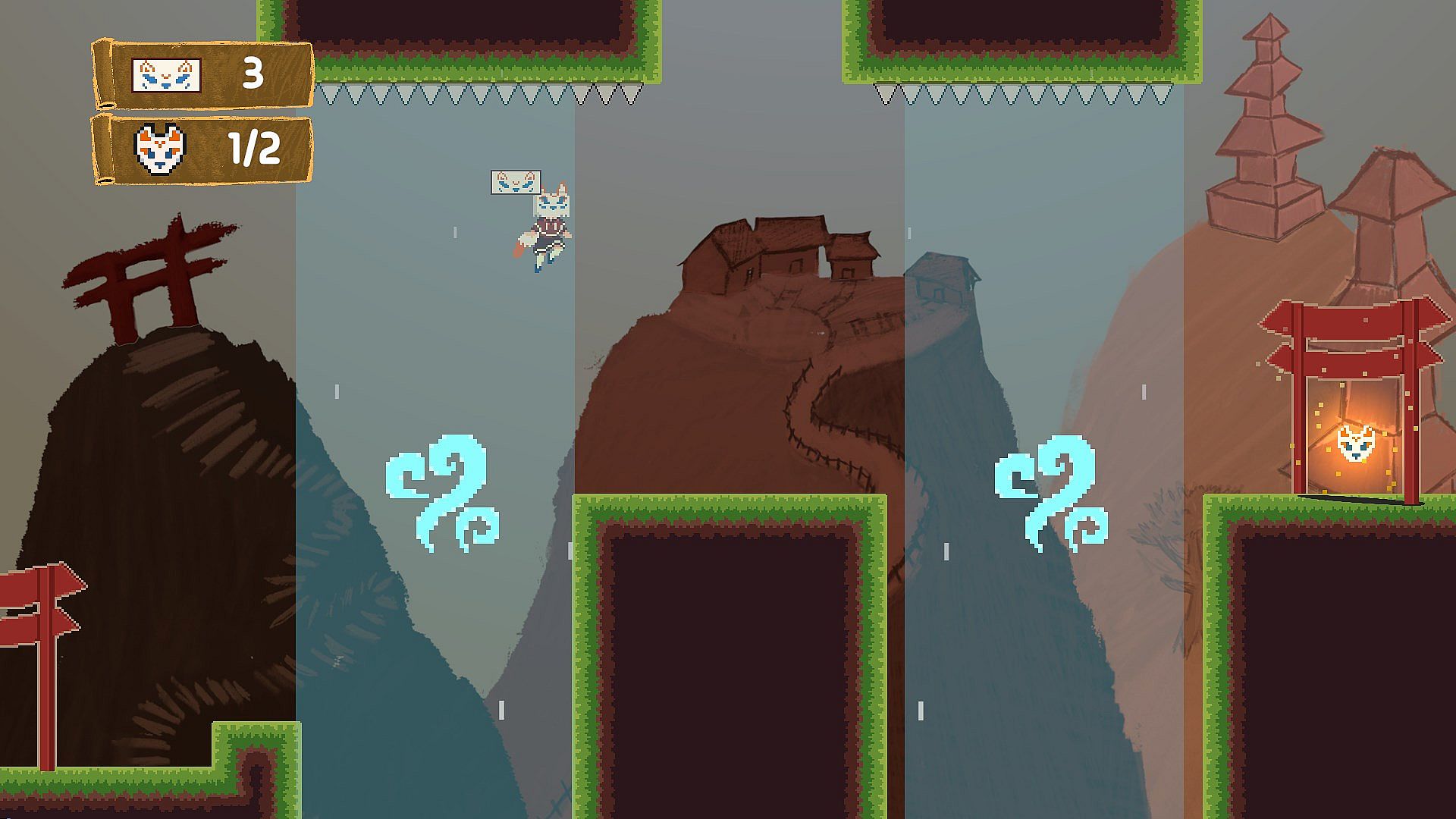
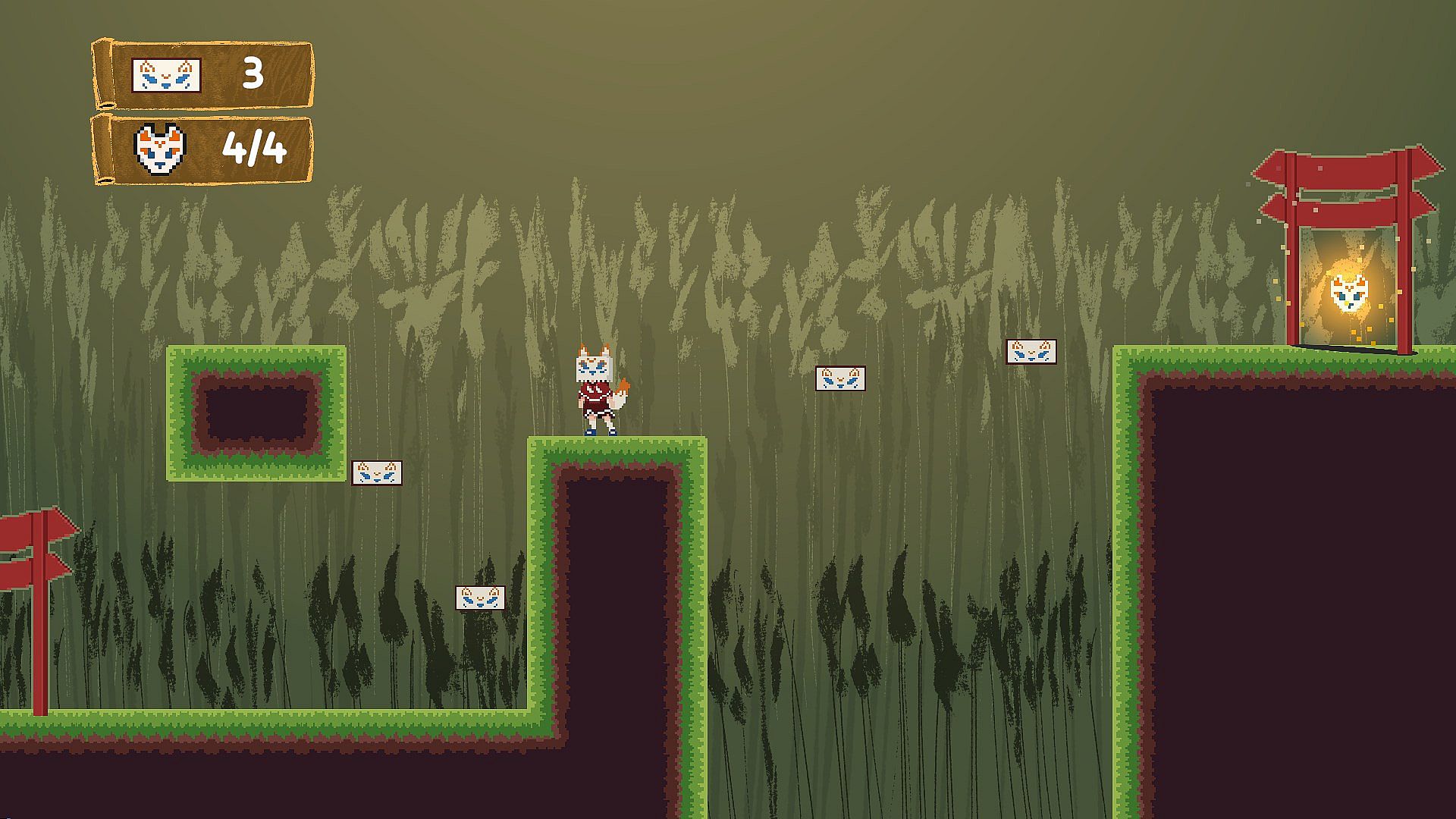
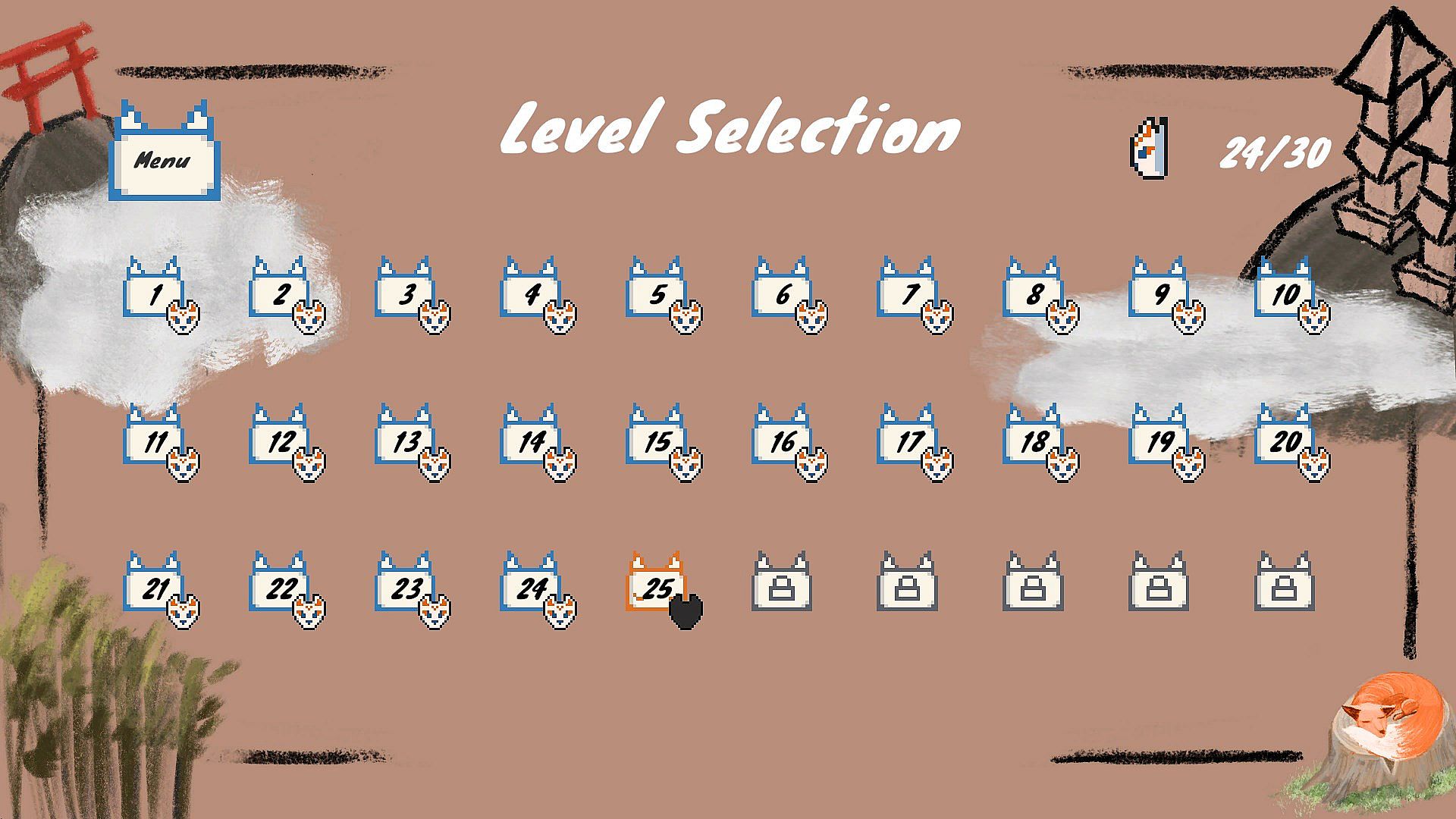
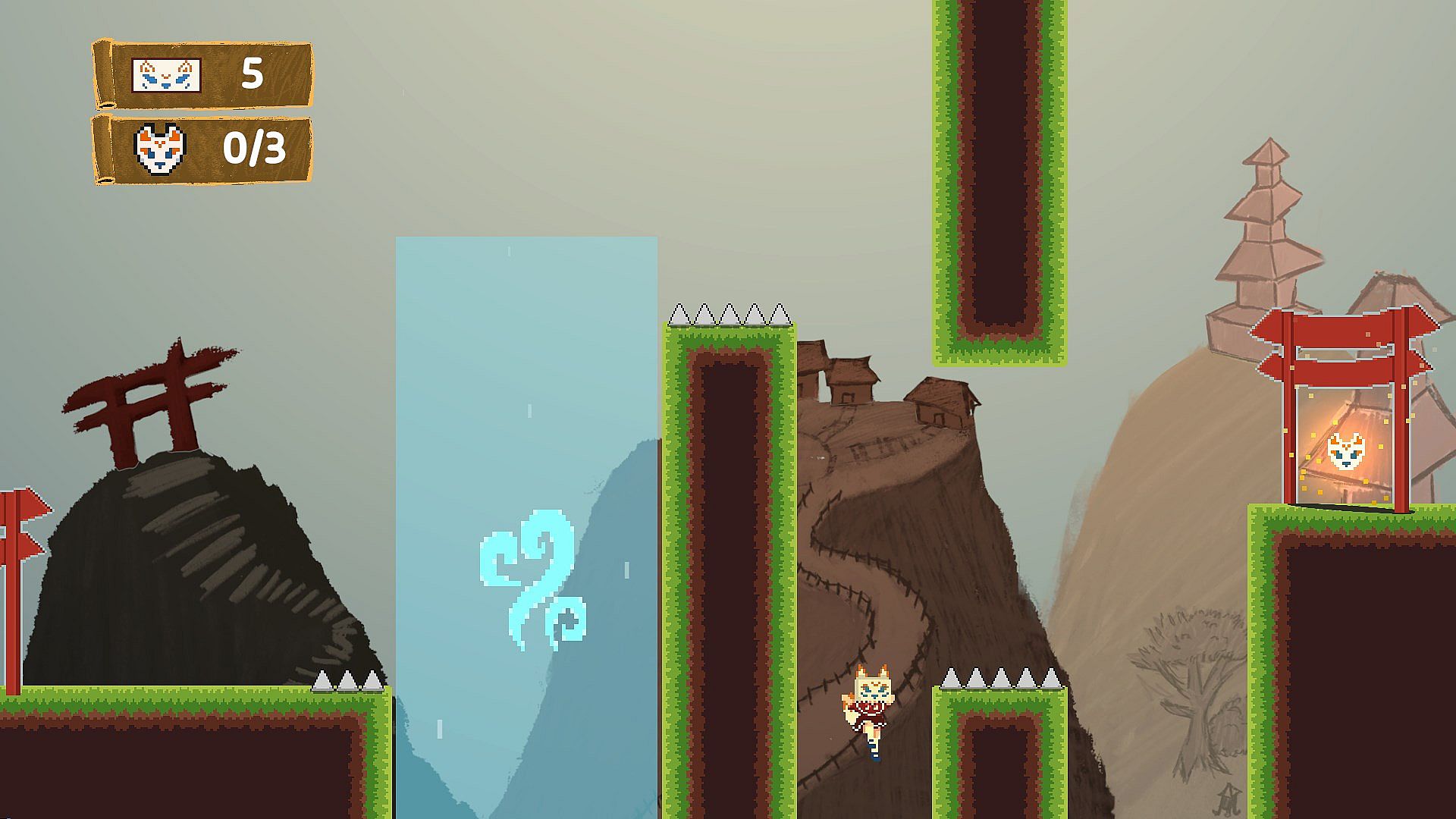
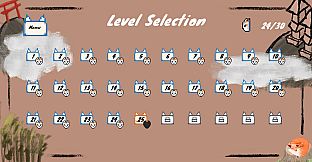
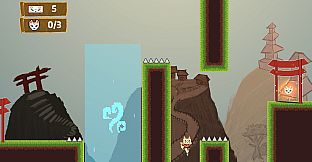
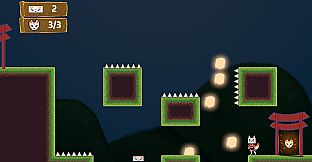
The experience unfolds across more than 30 levels set in environments that evoke traditional Japanese ink painting. Each stage presents environmental challenges including spikes, deep chasms, and shifting winds that force adjustments to placement strategies. Box creation serves as the primary tool for building temporary platforms or bridges, allowing creative solutions that reward careful planning over repeated attempts.
Mechanics emphasize efficiency alongside skill. Using fewer boxes leads to higher mastery ranks, encouraging players to experiment with minimal interventions while still overcoming obstacles. The system integrates directly with platforming demands, where precise jumps and timing determine success in reaching portals that connect stages. Controls focus on positioning and power activation, with the fox's movement feeling responsive yet demanding accuracy in tight spaces.
Visual design keeps stages feeling dynamic through animated brush effects layered over pixel sprites. This approach highlights the contrast between solid box structures and fluid ink-like backgrounds without overwhelming the puzzle focus. Progression builds gradually, introducing new hazard combinations that test both spatial awareness and resource management.
Game Modes
Kitsune Kaeru operates as a single-player title with no separate multiplayer components or distinct modes beyond the main level progression. The structure revolves around completing the sequence of stages, each designed with multiple solution paths that accommodate different approaches to box placement and navigation.
Within this framework, an efficiency ranking system provides replay incentive. Returning to earlier levels allows attempts at lower box counts for improved scores, turning the campaign into a self-contained challenge loop centered on optimization rather than linear completion alone.
Art Direction and Presentation
The game's aesthetic merges retro pixel art with flowing sumi-e influences, creating stages that resemble animated scrolls. Backgrounds shift subtly with ink textures and color washes that respond to player actions, reinforcing the spiritual theme without adding mechanical complexity.
Sound design supports the quiet, deliberate pace through minimalistic effects tied to box creation and movement. This restraint keeps attention on the visual and puzzle elements, avoiding distractions during extended platforming sequences.
Is It Worth Playing?
Kitsune Kaeru suits players who enjoy short, focused puzzle-platformers that reward experimentation with placement mechanics. Its low price point and compact length make it accessible for those seeking a niche indie experience rather than extended campaigns.
Reception highlights the clever box-creation system and appealing visual style as strengths, while noting that levels can feel repetitive and controls occasionally lack the expected precision. The title delivers a complete single-player package with achievement support for completionists, though its straightforward structure may not appeal to those seeking high variety or ongoing content updates.
Overall, the game appeals most to fans of efficiency-driven challenges in a compact format. Those comfortable with trial-and-error platforming and creative problem-solving will find consistent engagement across its levels, while others might prefer titles with broader mechanical depth.