



















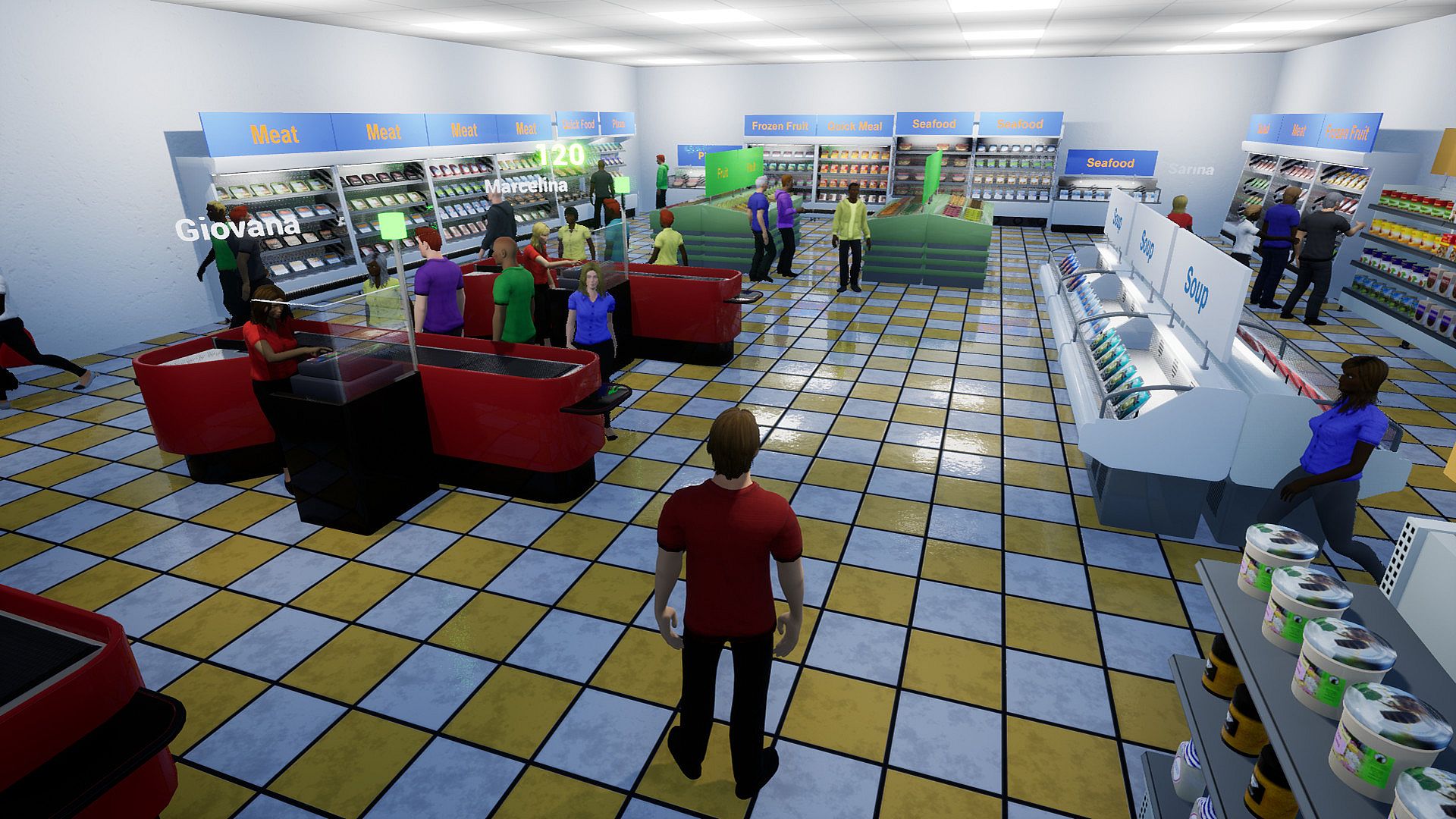
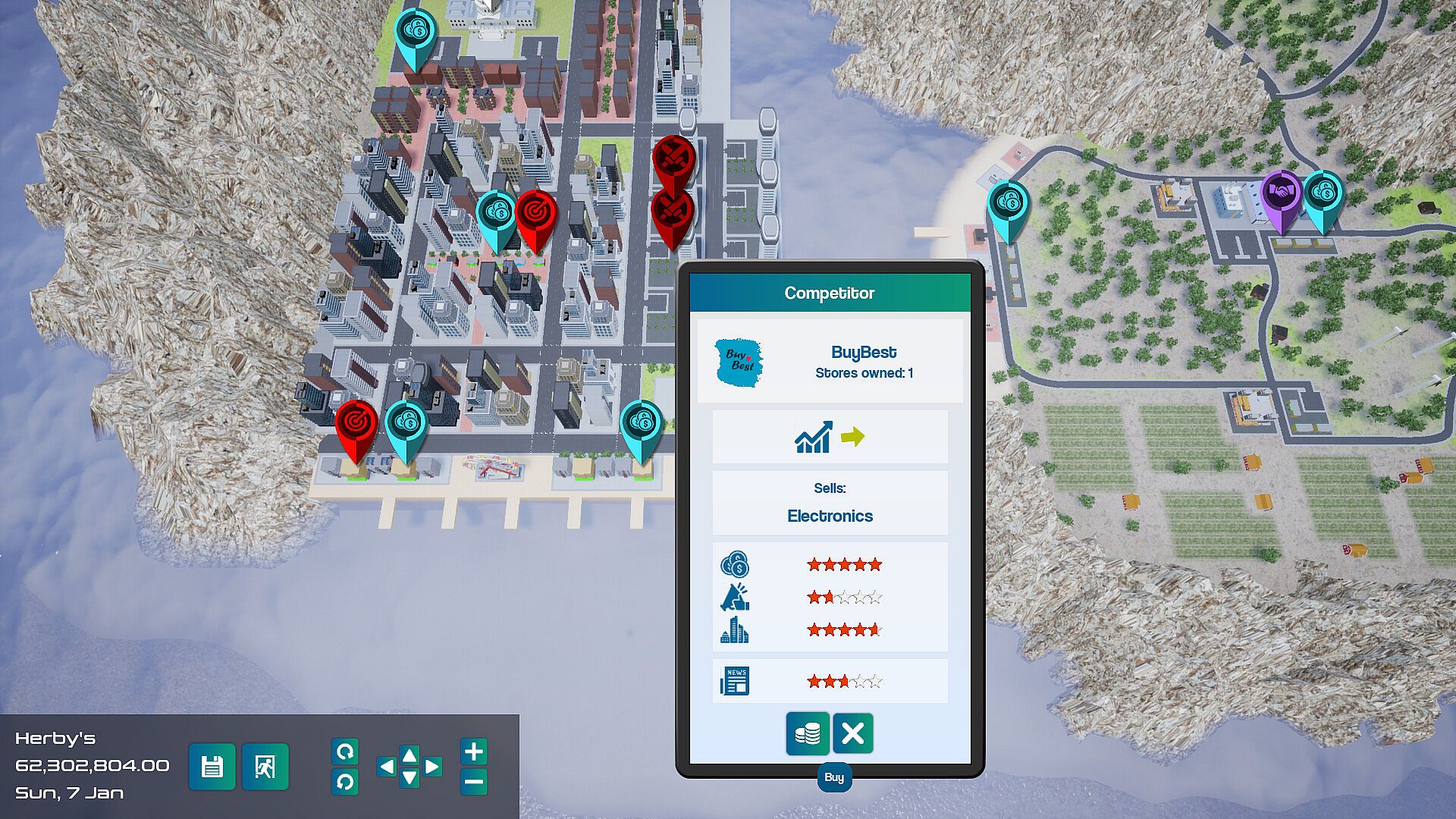
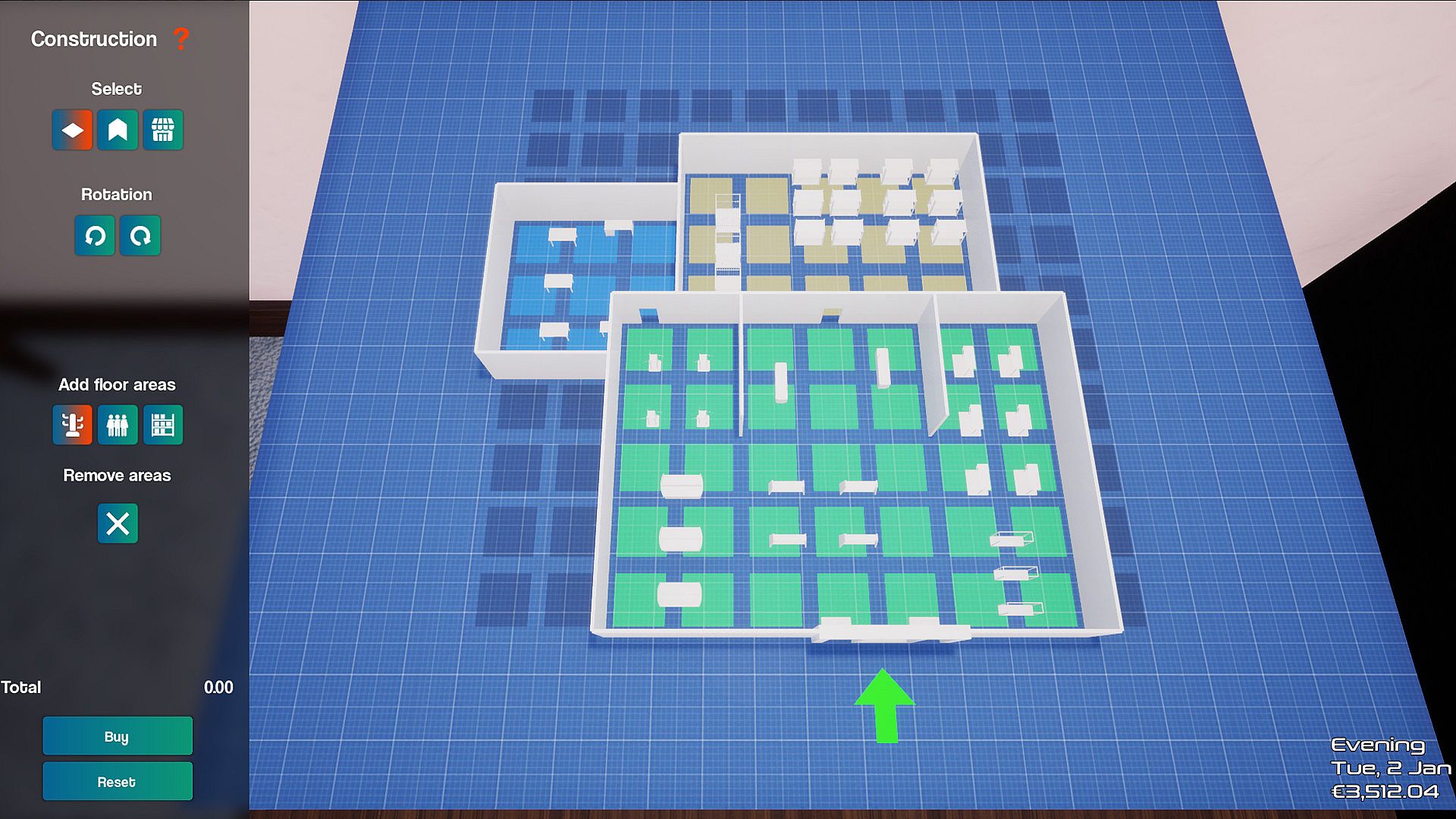
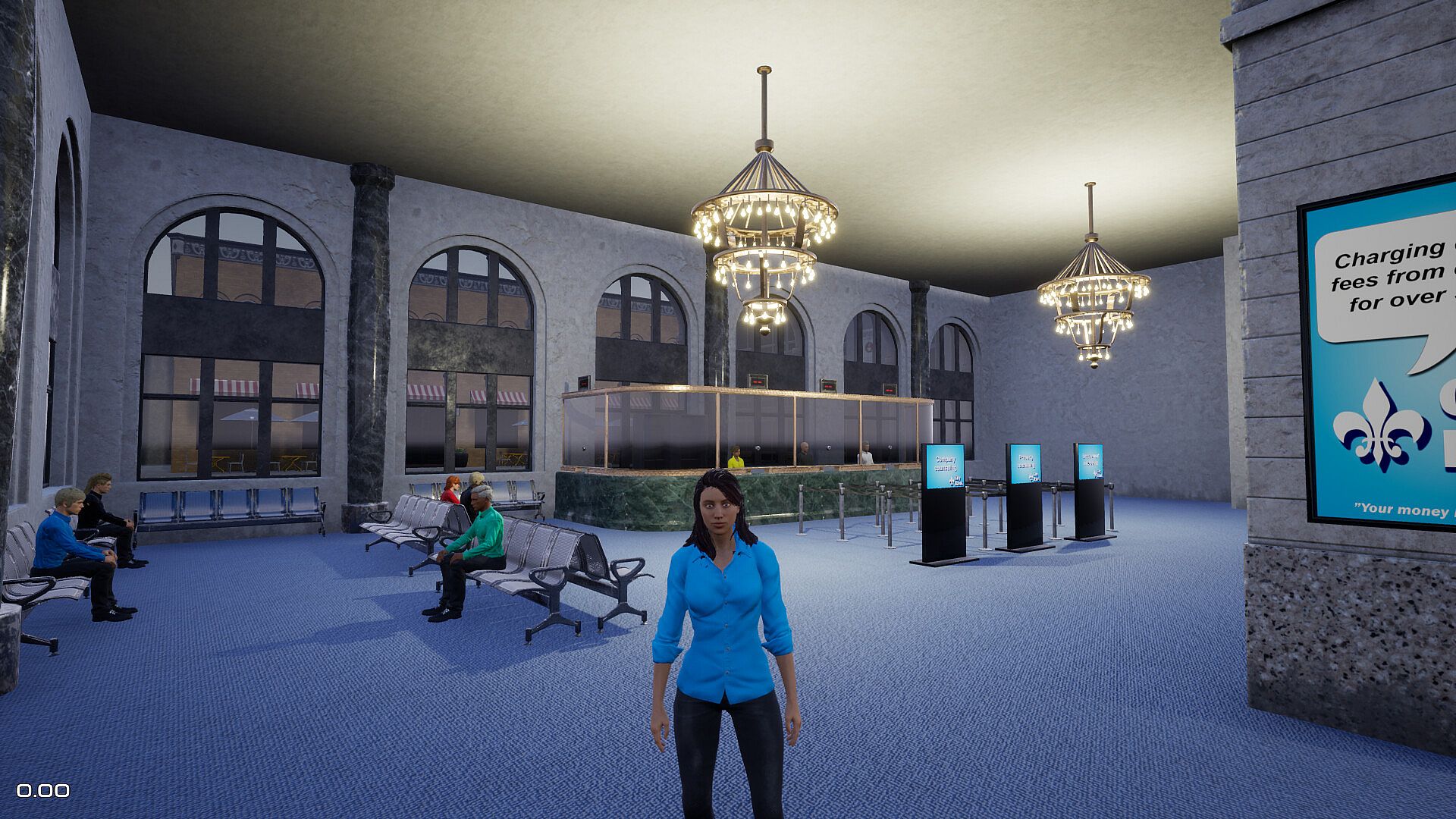
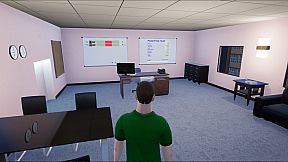
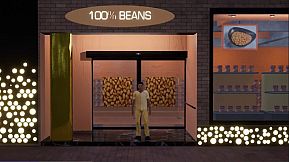
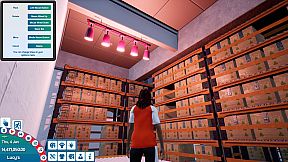
King of Retail is a singleplayer retail simulation game that puts players in charge of building and running their own store from the ground up. Developed as an indie title in the casual simulation genre for PC, it focuses on business management where every choice about layout, inventory, staffing, and marketing influences daily operations and long-term growth. The core experience revolves around turning a small shop into a successful enterprise through careful planning and ongoing adjustments.
Gameplay
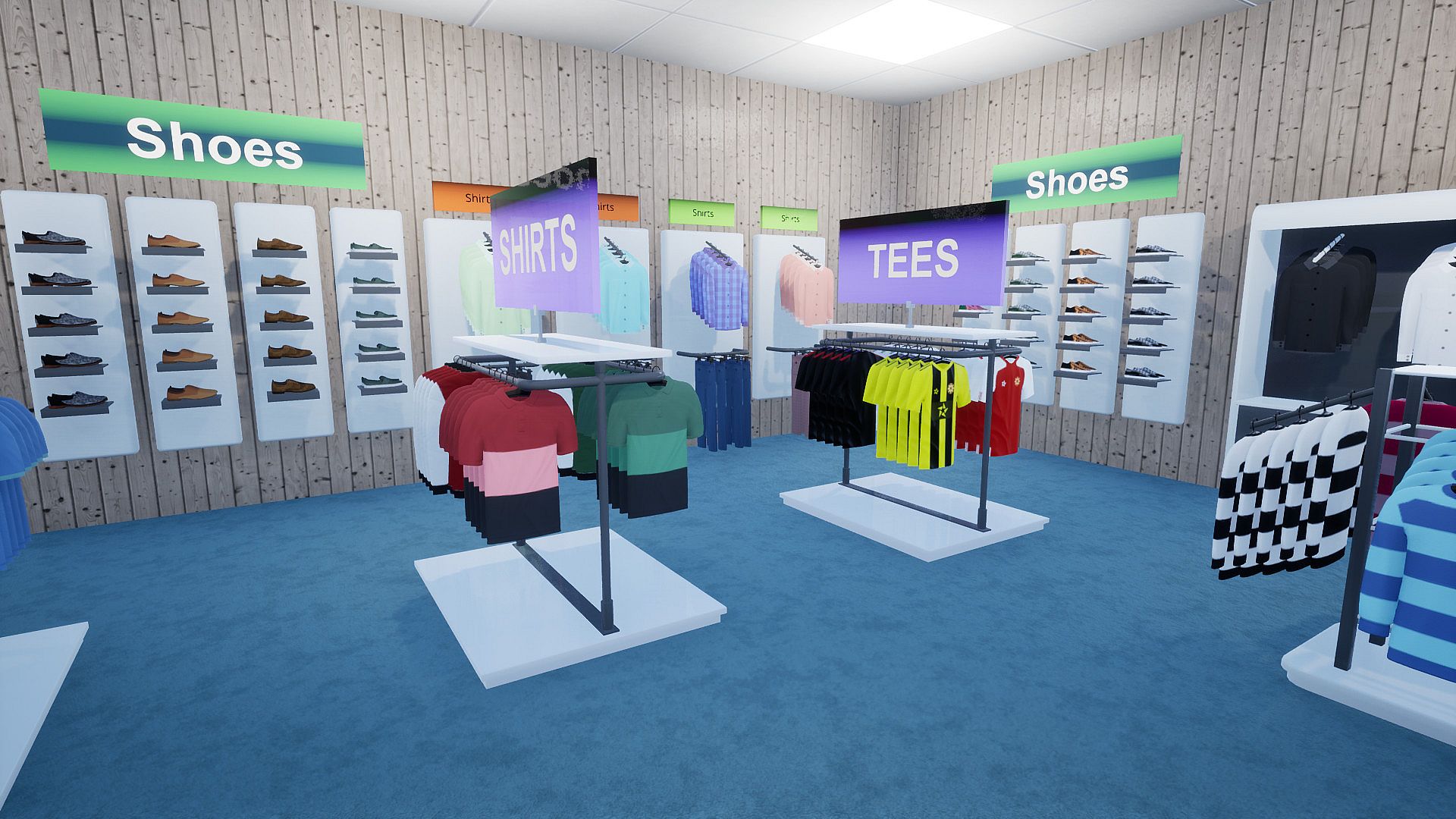
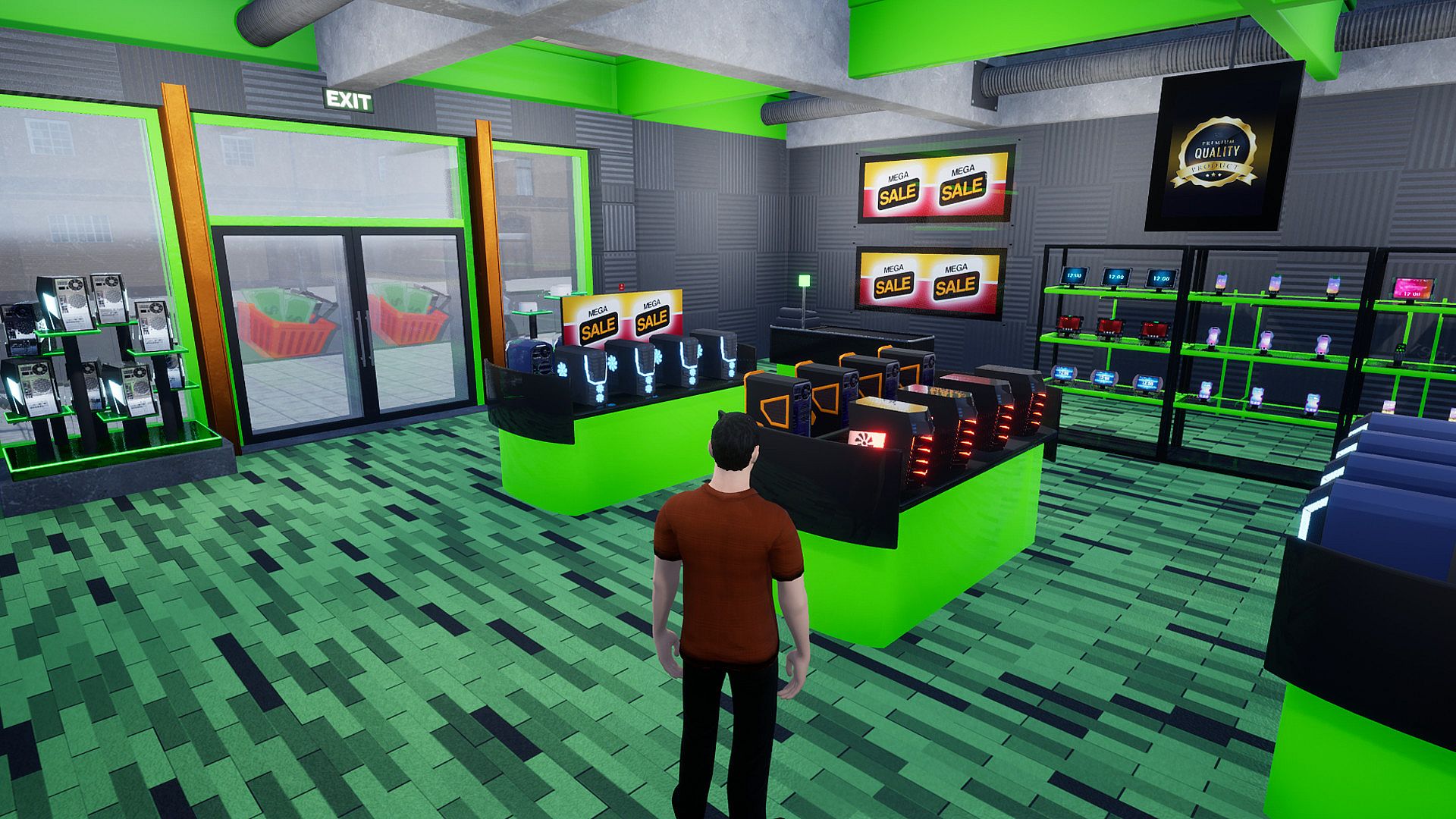
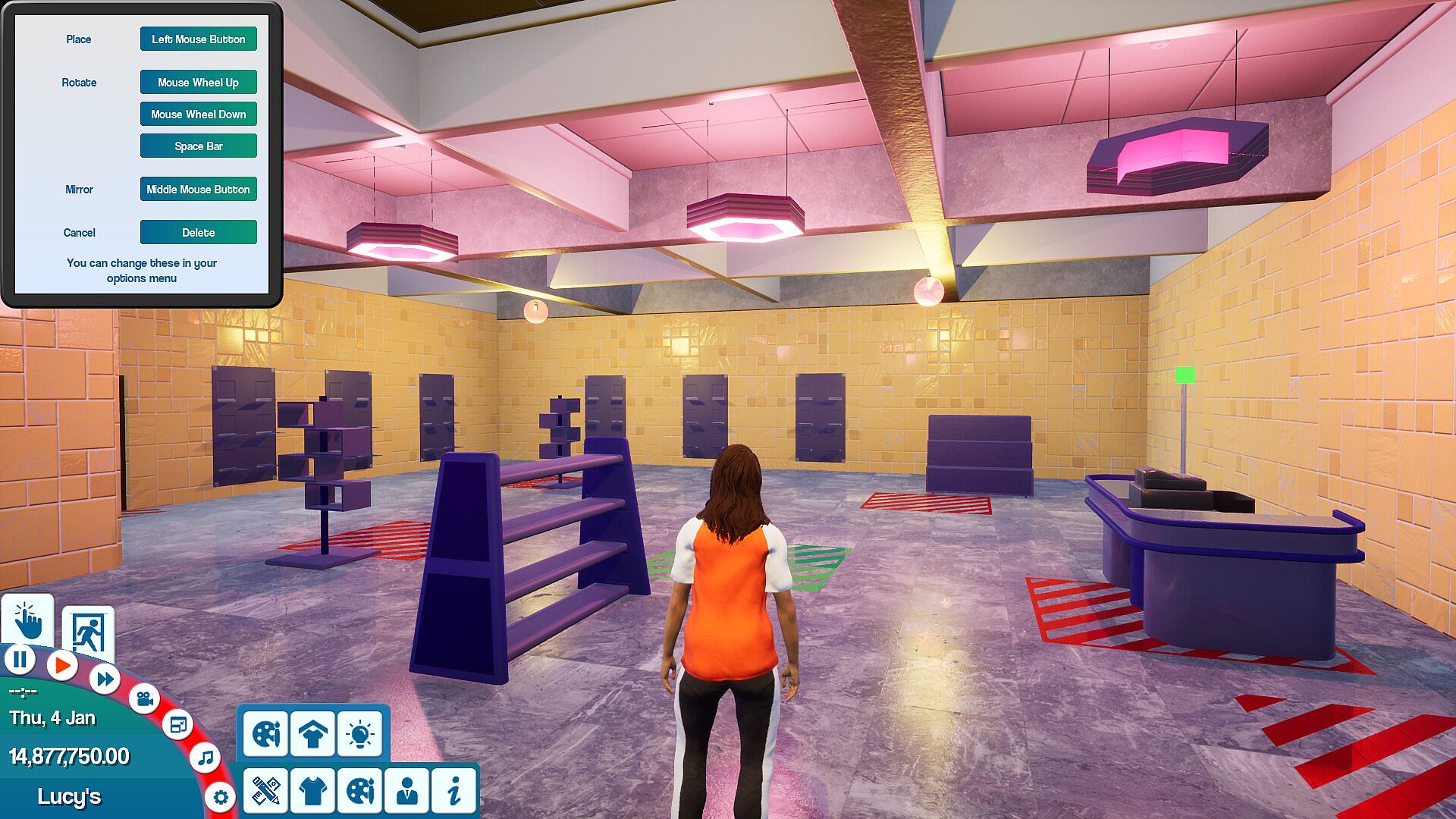
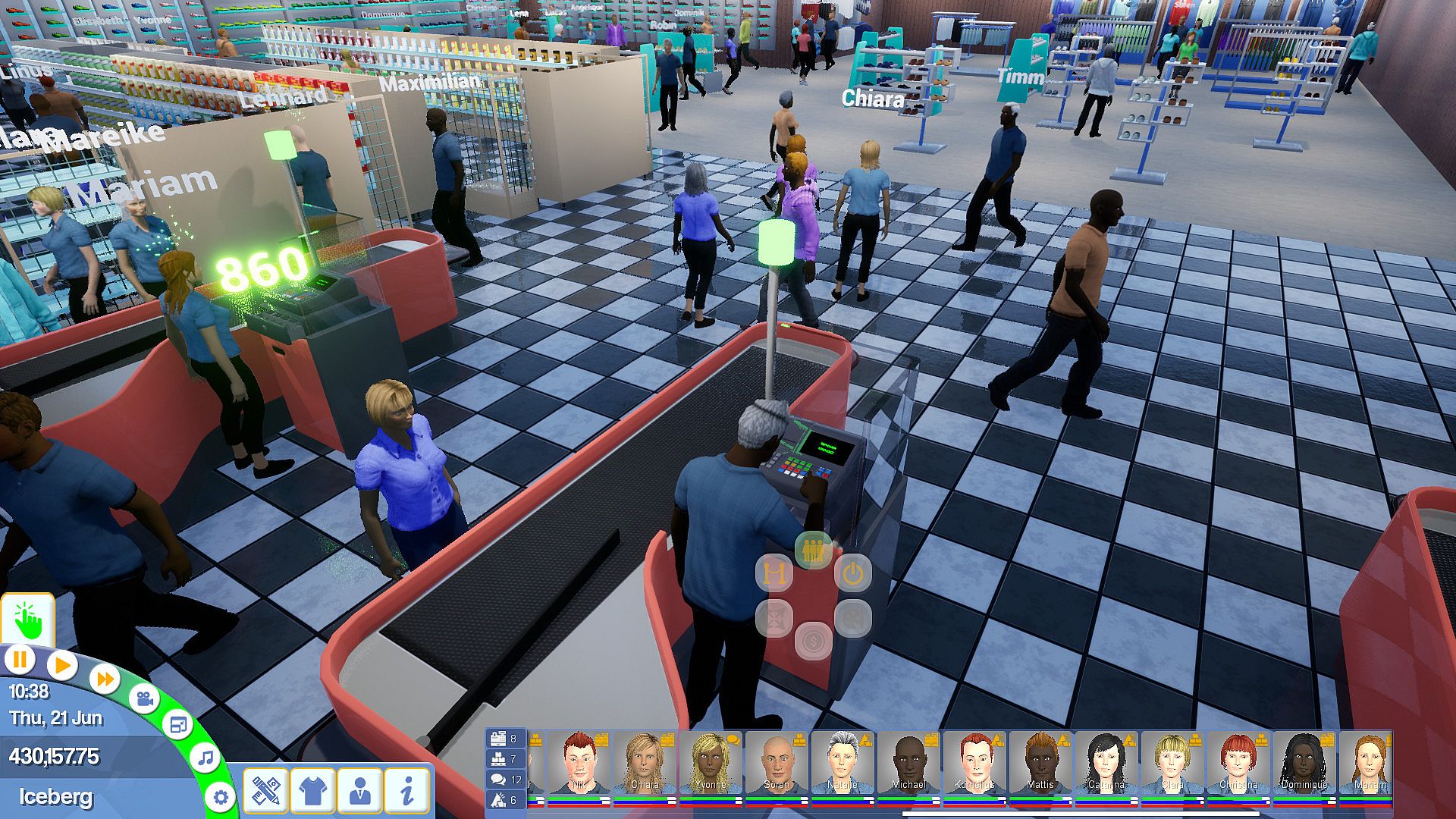
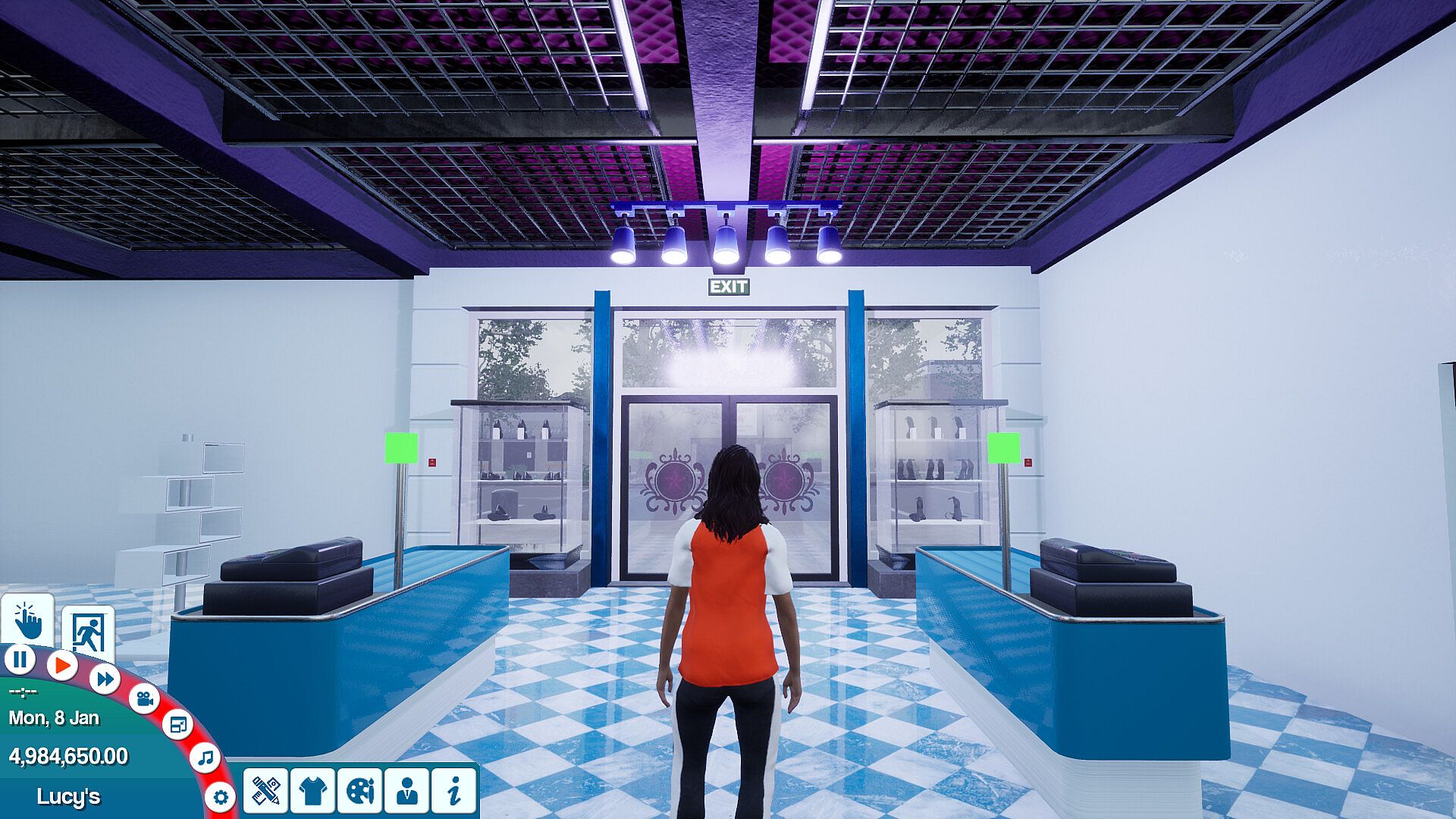
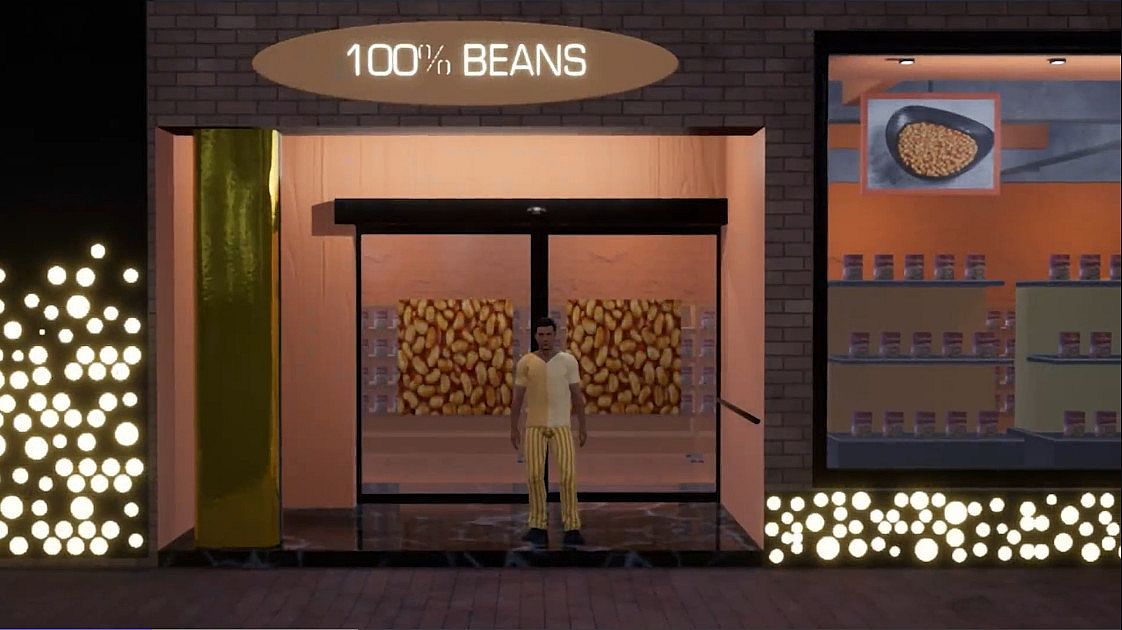
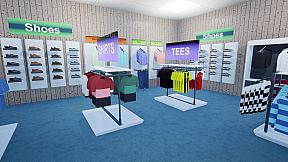
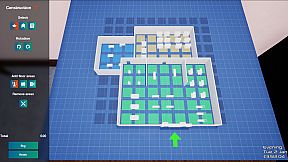
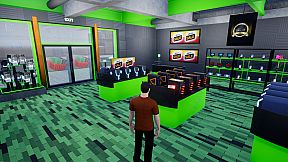
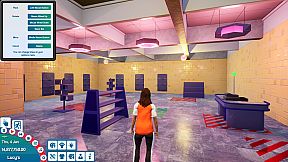
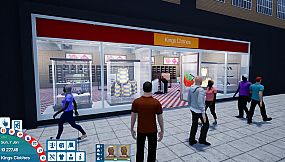
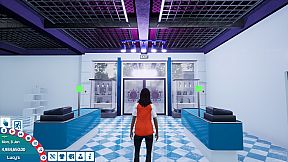
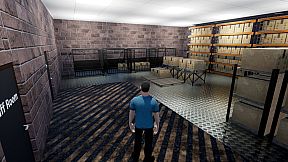
Players begin by selecting a shop theme and designing the interior layout to match their vision. This includes arranging shelves, displays, and overall store flow to appeal to shoppers. Inventory decisions allow complete freedom, from stocking only one type of item like chicken to mixing electronics with fresh foods in the same space. The goal centers on drawing customers through targeted efforts rather than simply pushing products.
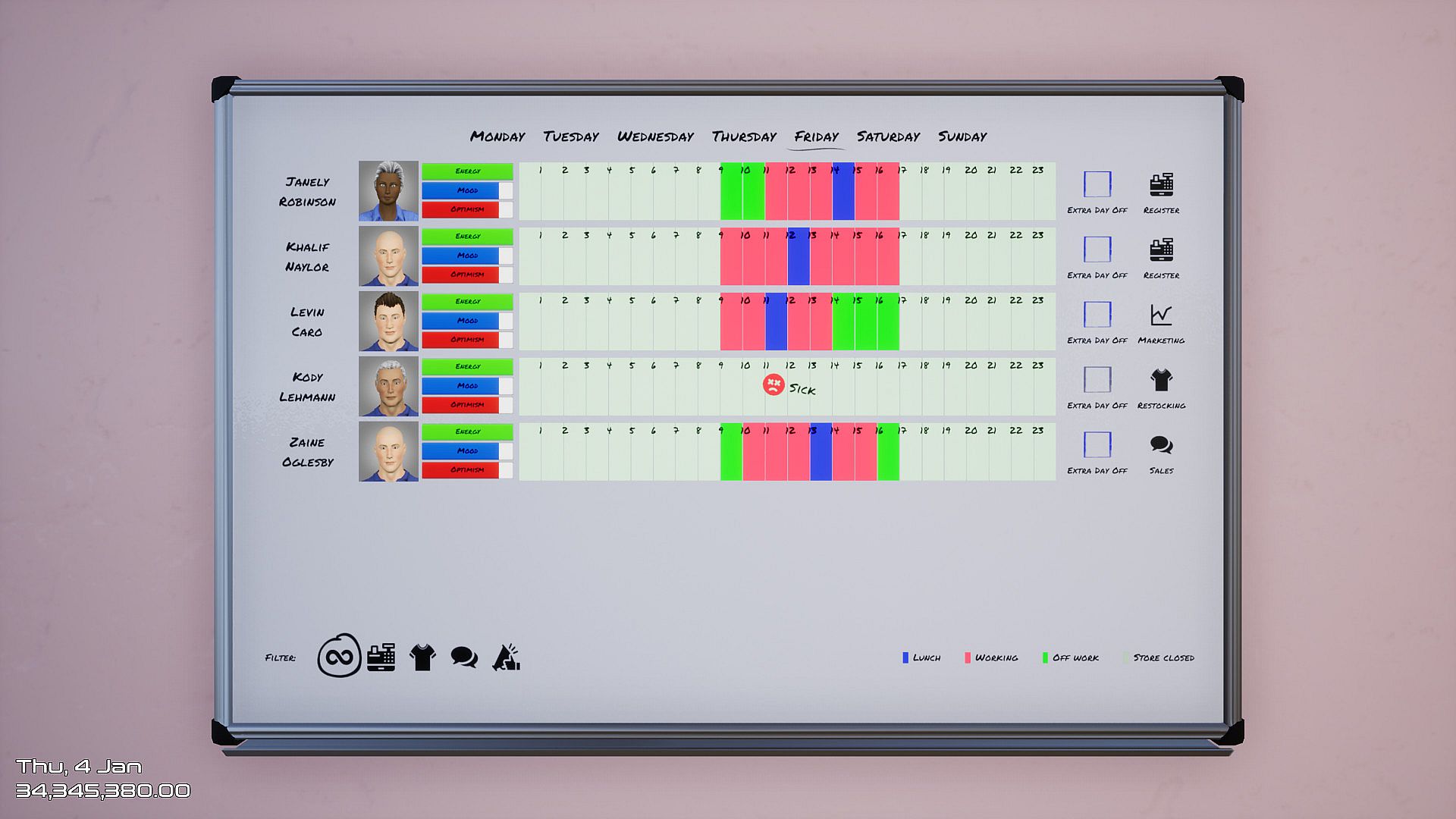
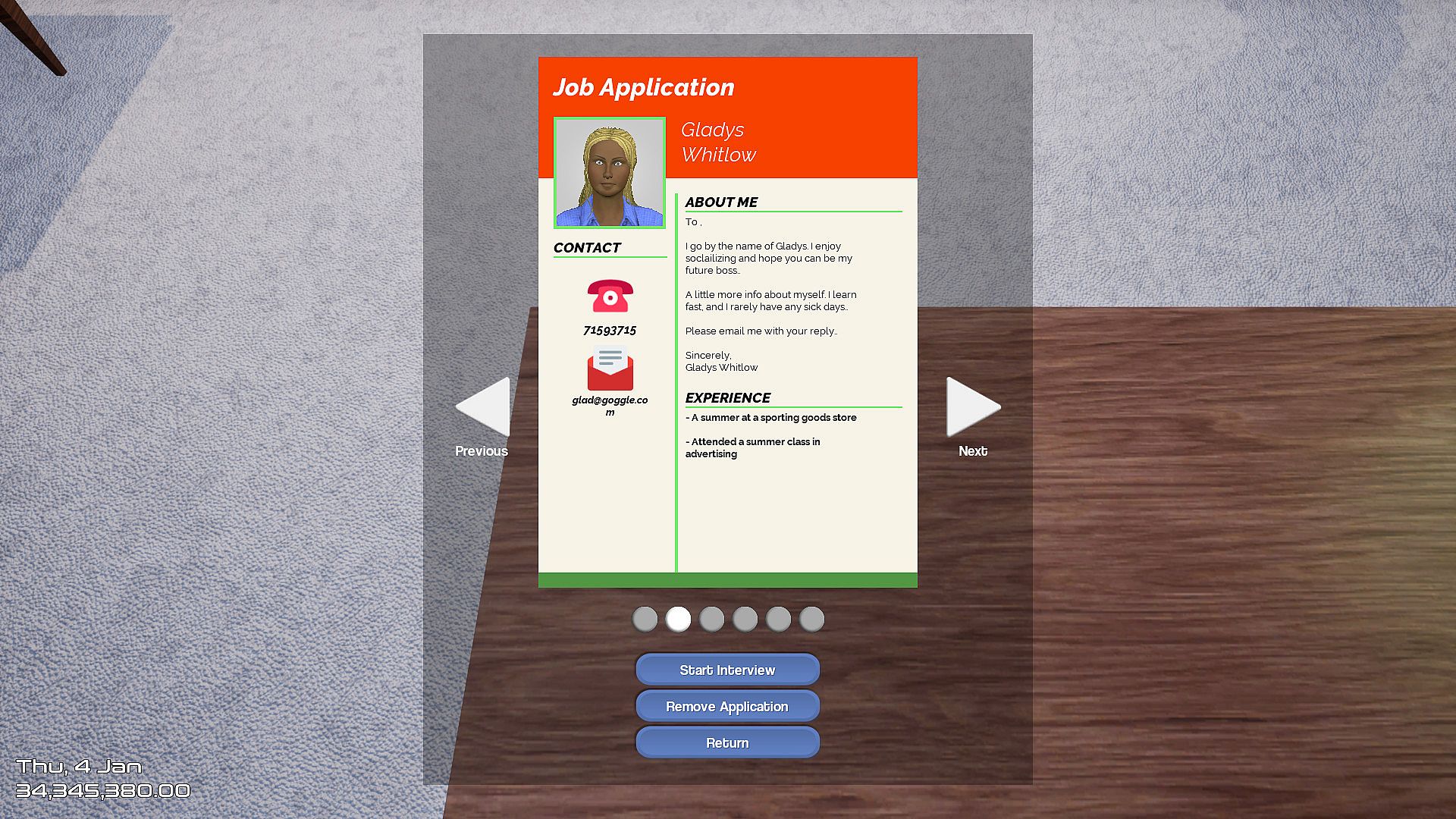
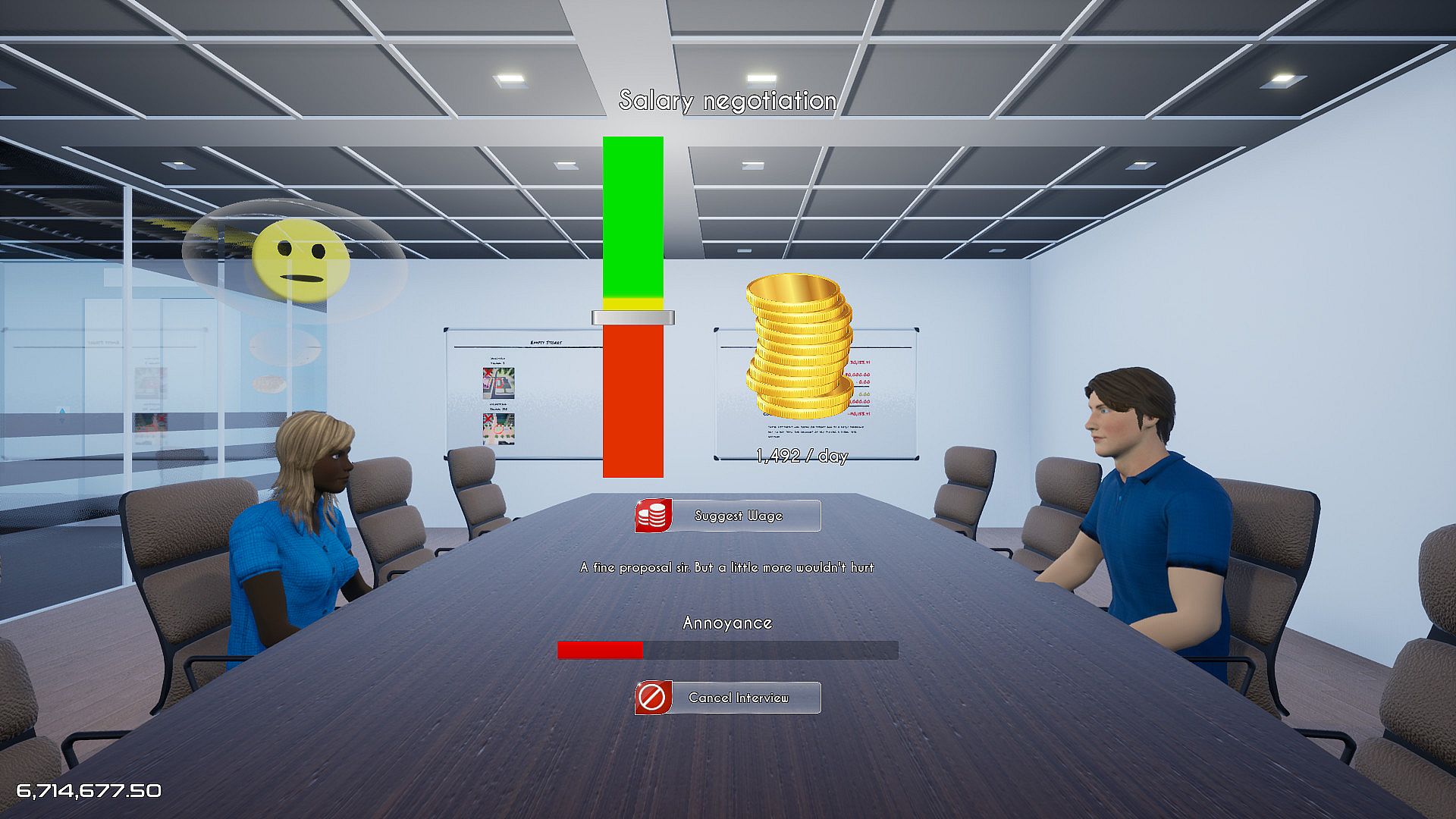
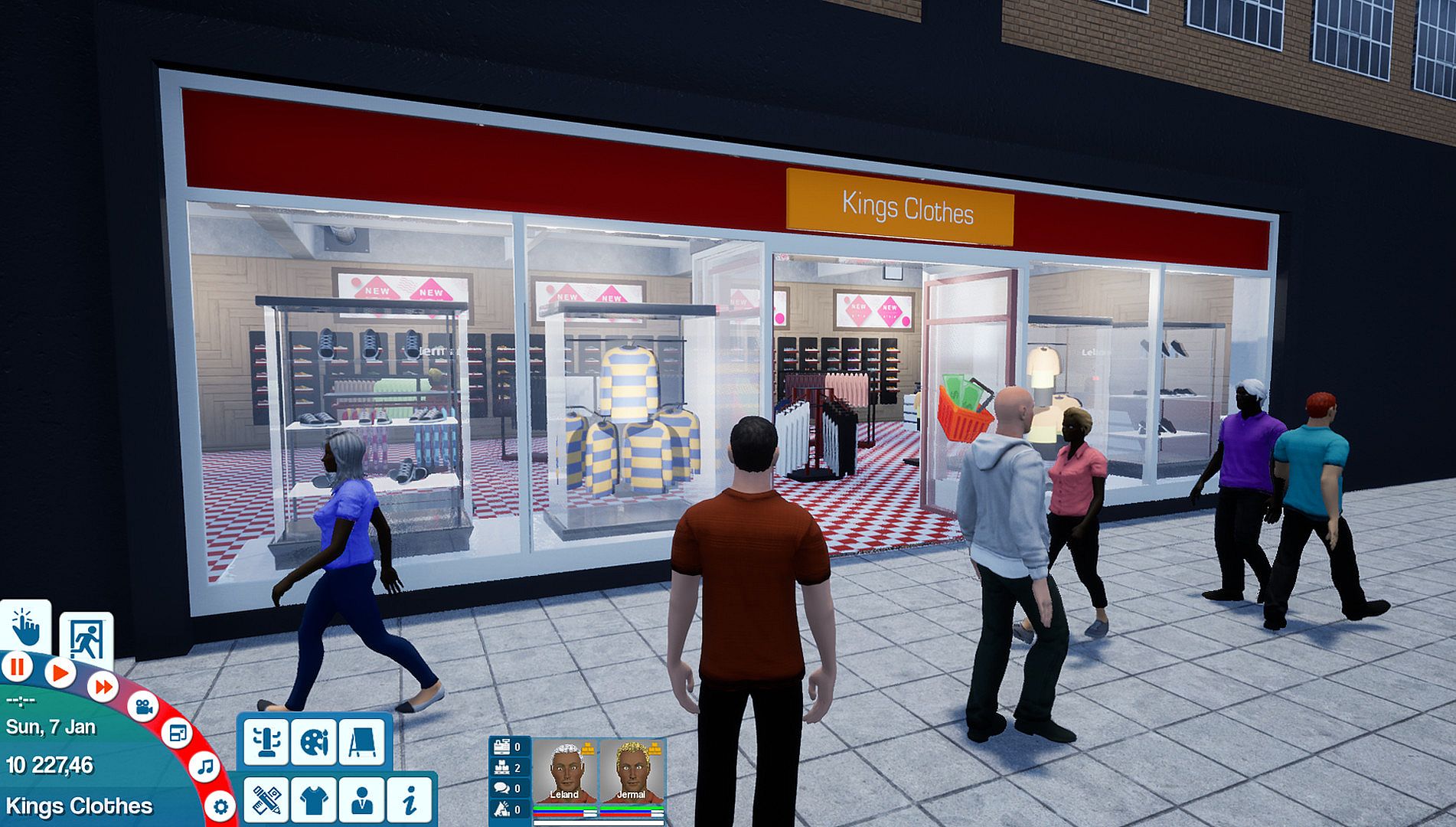
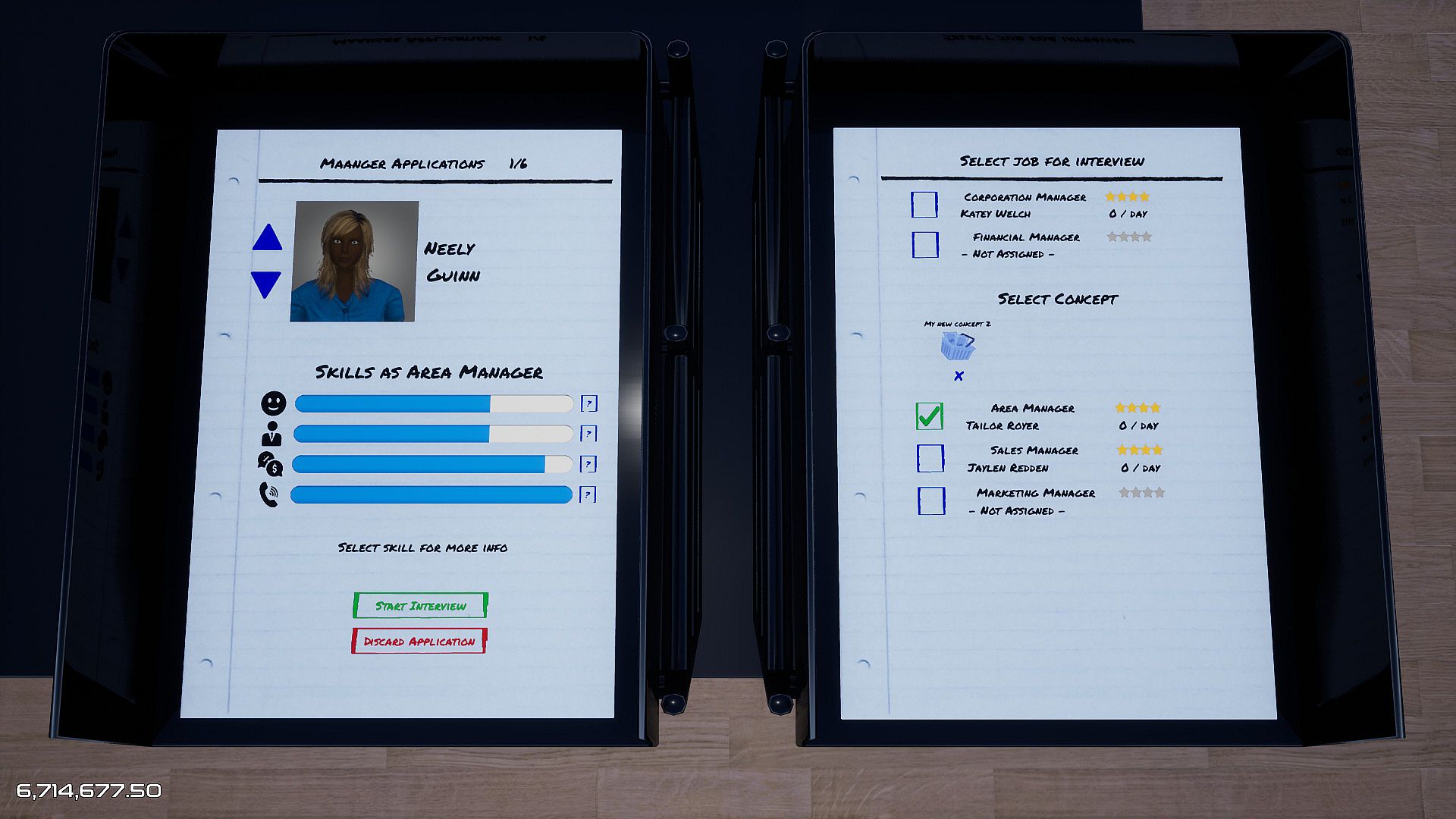
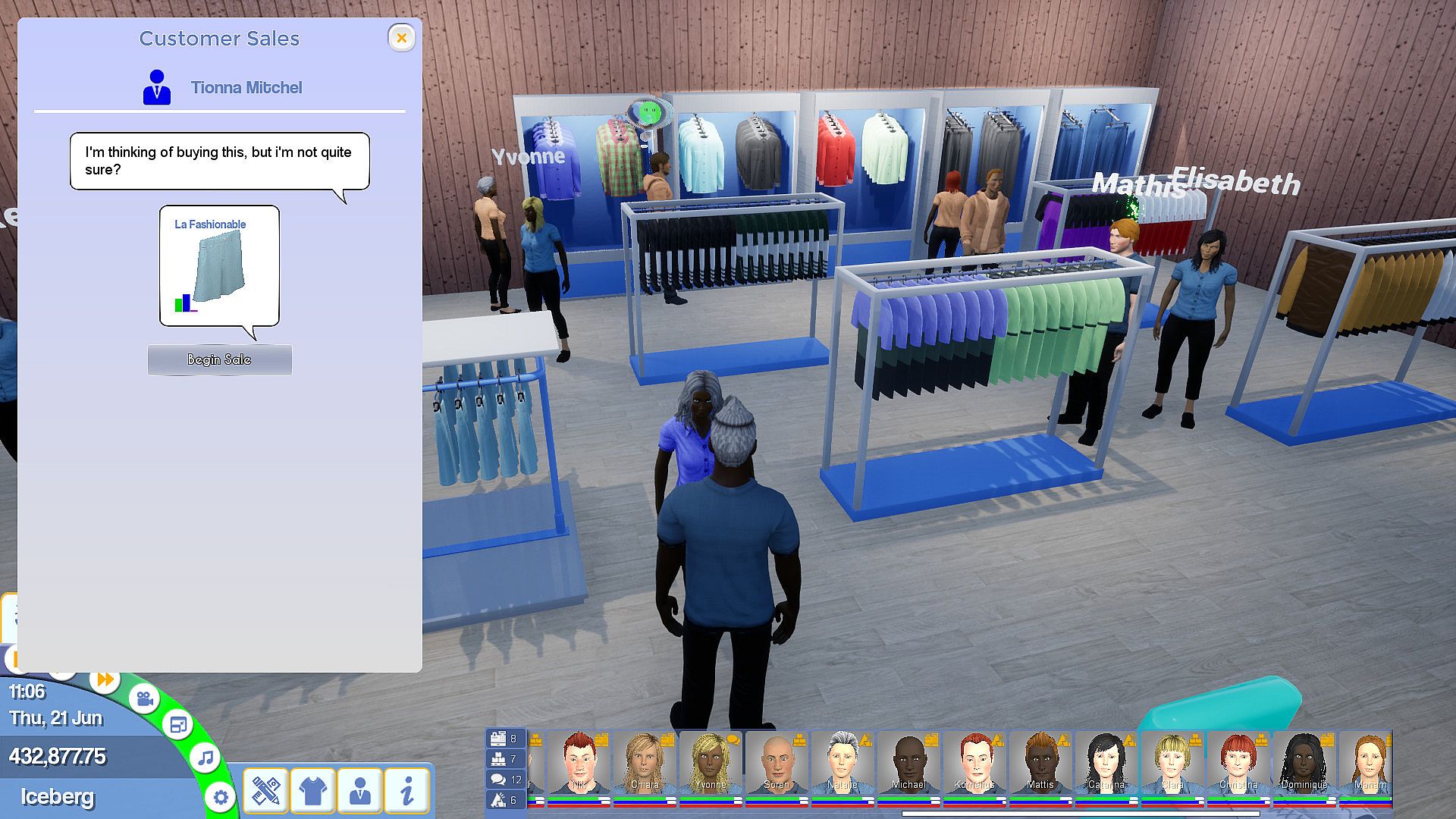
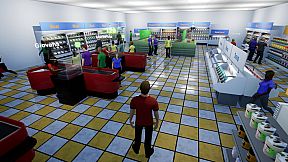
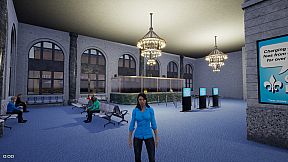
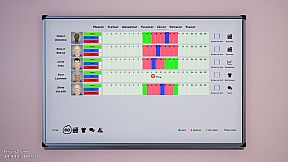
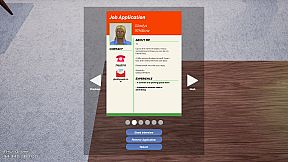
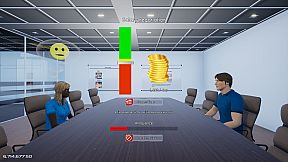
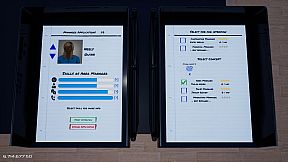
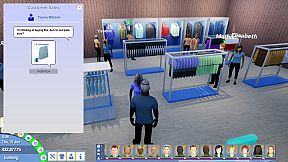
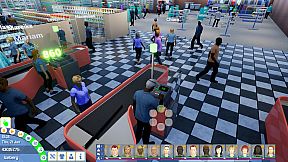
Customer behavior plays a central role. Observing how visitors move through the store and what prompts purchases helps refine strategies over time. Effective approaches might involve hiring skilled shelf stockers, training persuasive salespeople, or running well-placed online advertisements to increase foot traffic. Employees require active management, including conducting interviews to match skills and company culture, negotiating pay, scheduling shifts, and providing training that allows staff to develop alongside the business.
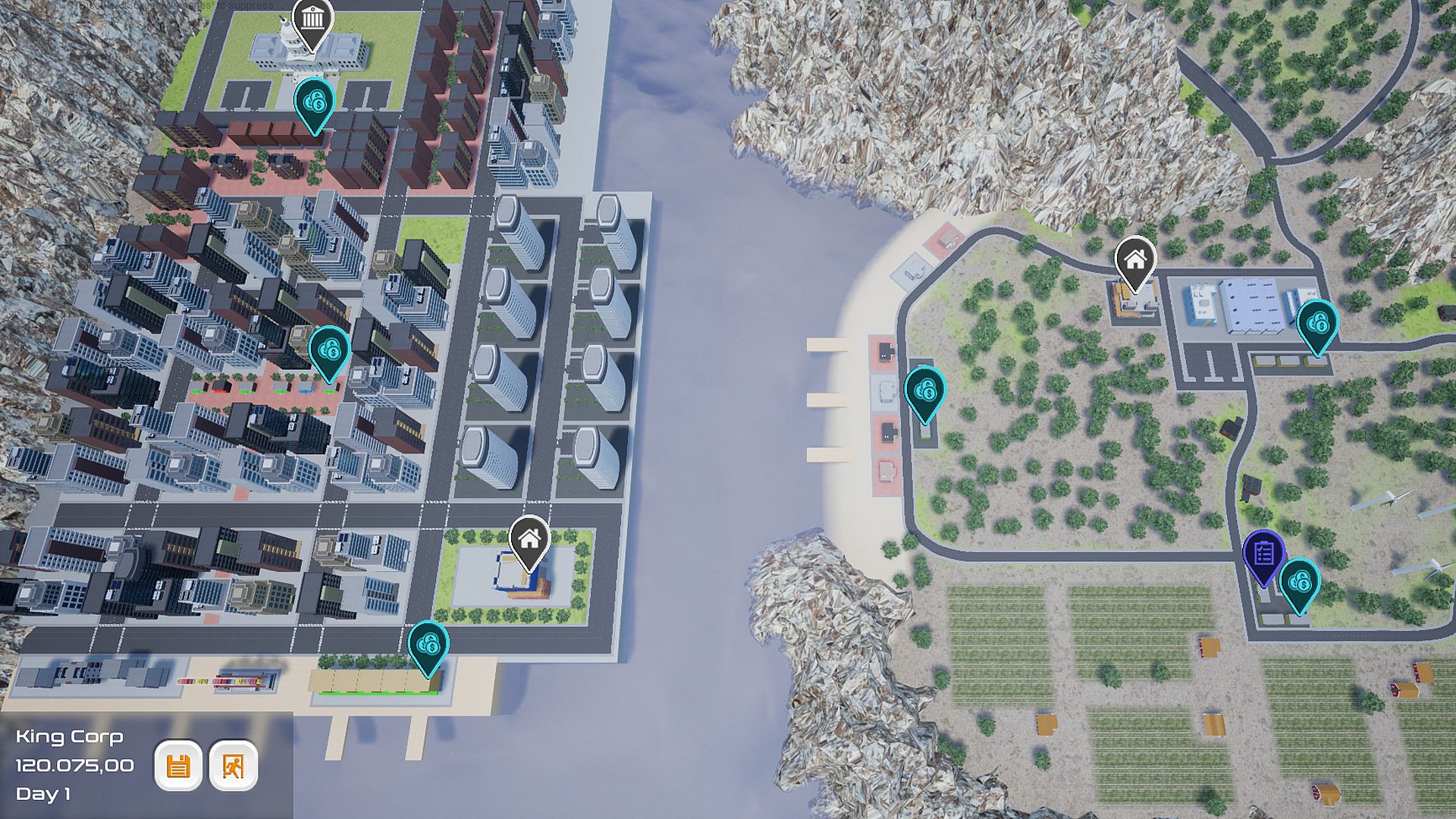
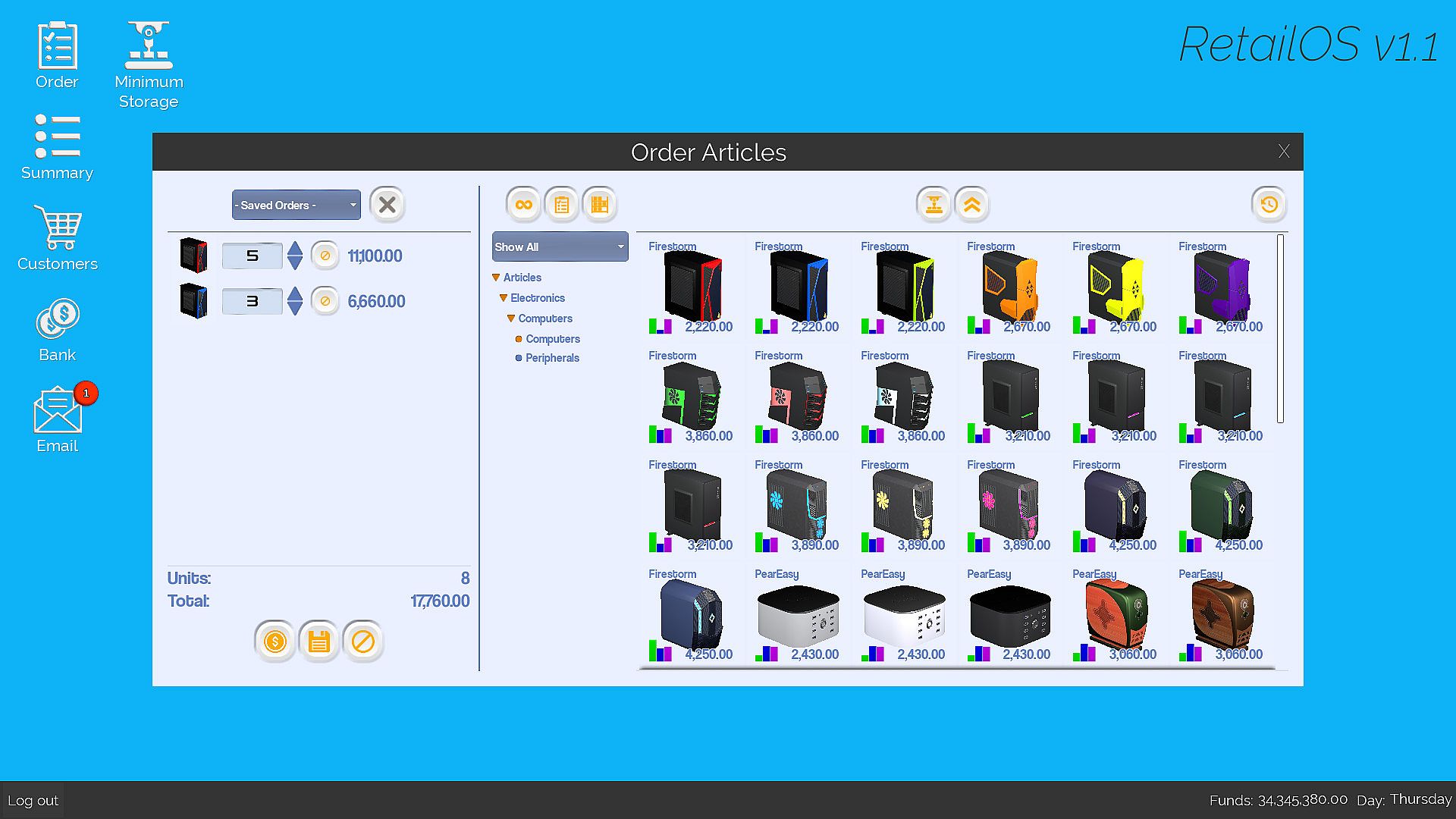
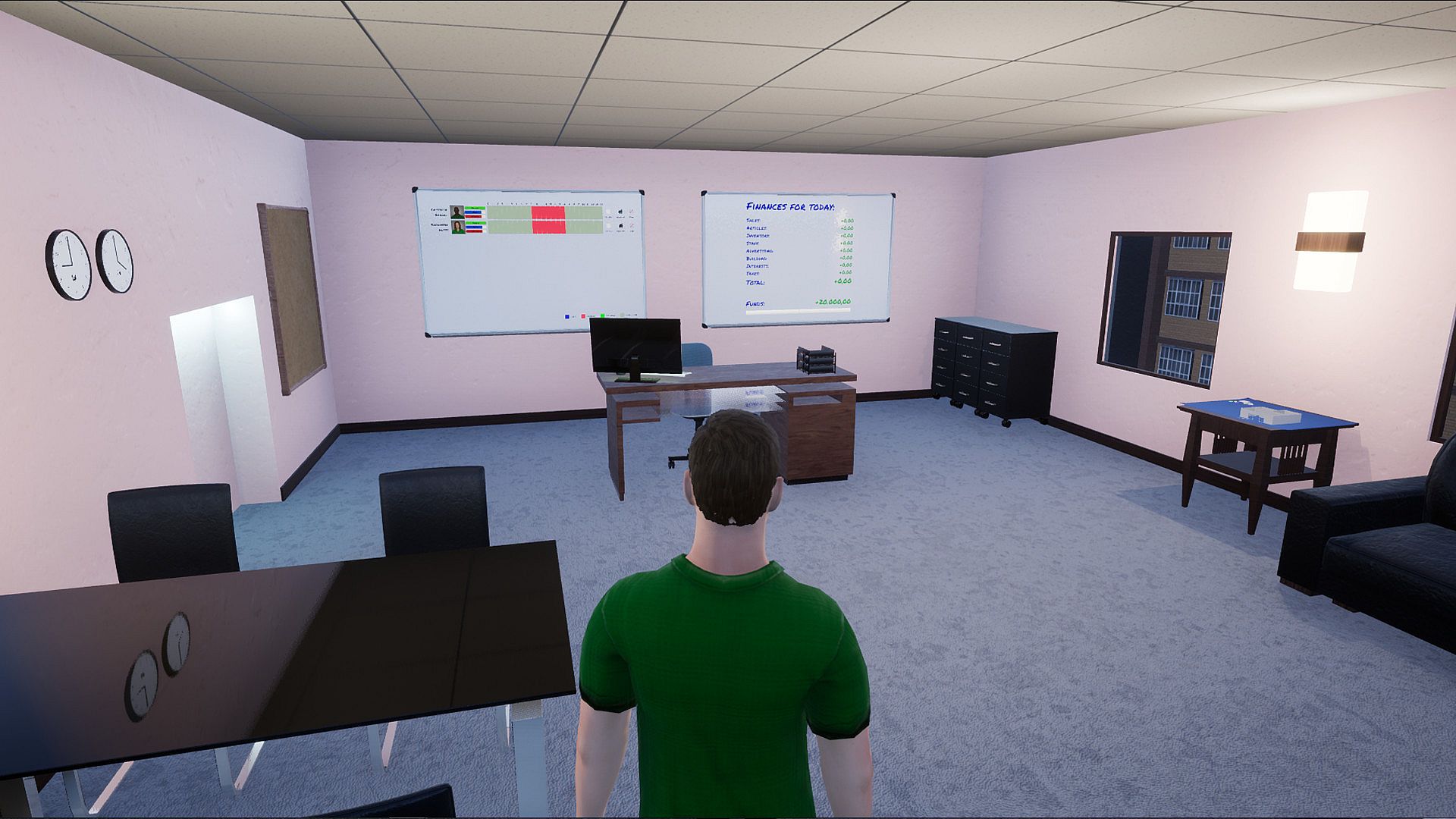
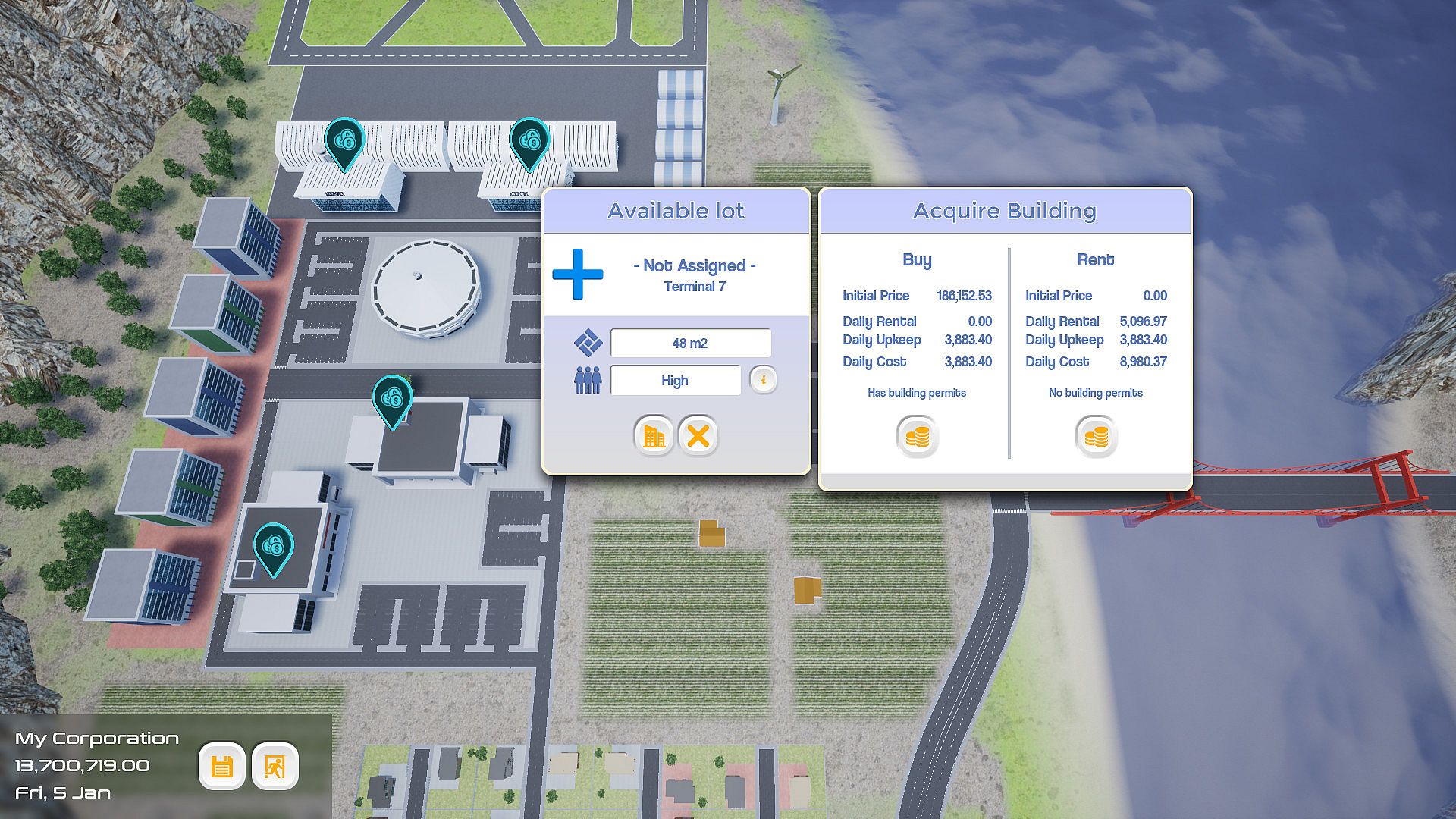
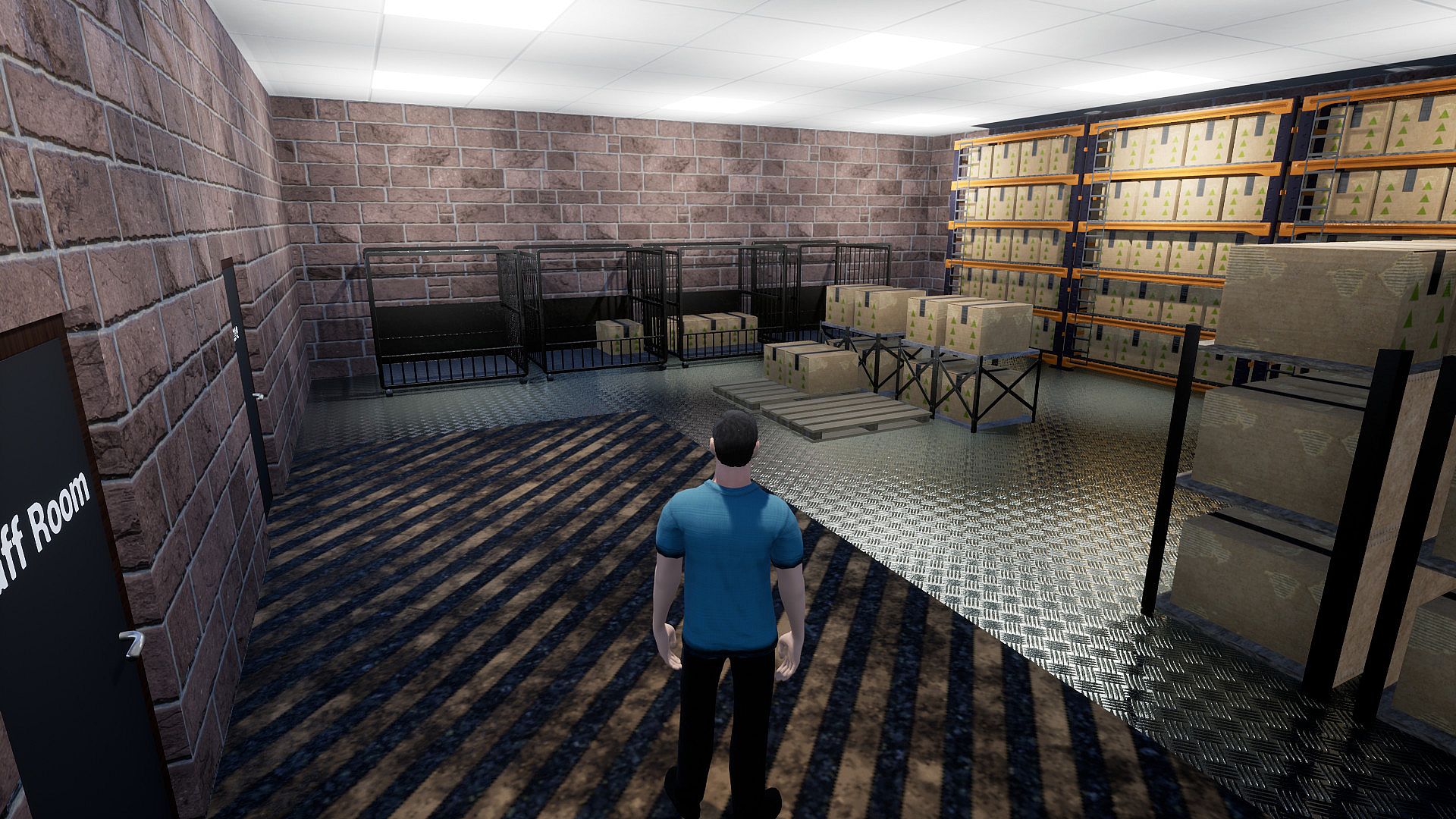
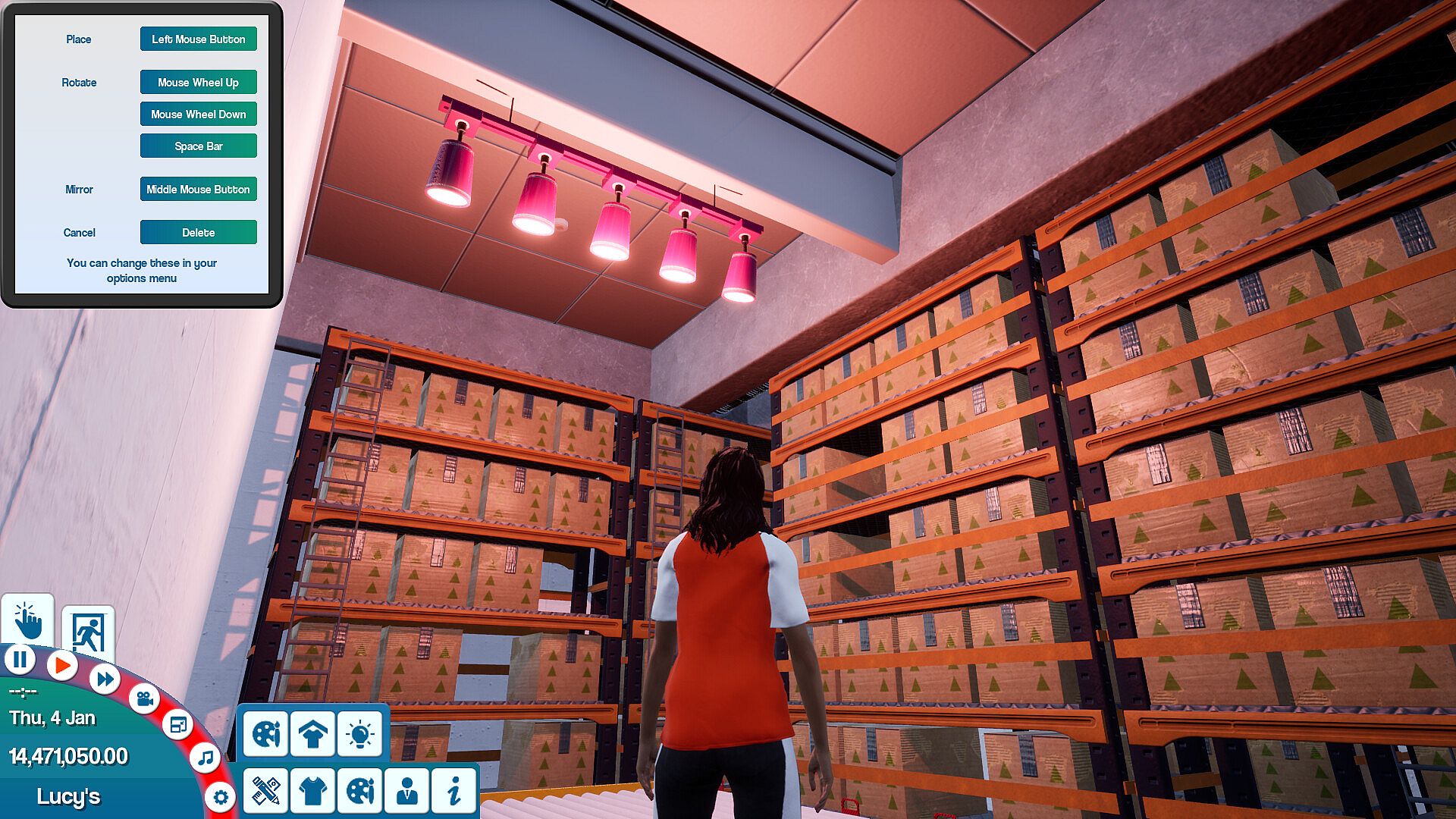
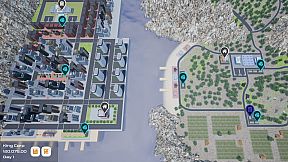
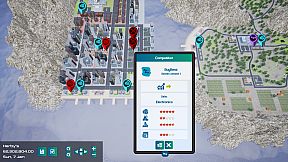
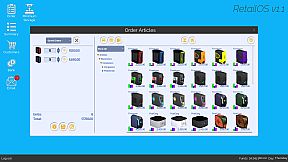
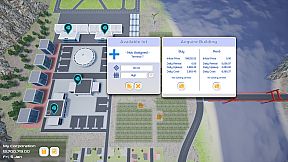
Expansion becomes possible once the initial store proves profitable. Funds can go toward broader advertising campaigns, interior redesigns, and fine-tuning stock levels along with pricing to boost margins. Success opens the path to incorporating the business and opening additional locations across the city, shifting from single-site oversight to overseeing a growing operation. Players retain full control, whether through detailed micro-management of every element or a more hands-off approach that lets systems run while monitoring results.
Game Modes
The game supports different approaches to progression without locking players into rigid structures. One style emphasizes focused management of a single location, where attention stays on optimizing daily operations, staff performance, and customer satisfaction within that space. Another direction encourages longer-term planning aimed at scaling the business outward, incorporating elements like increased marketing reach and multi-site coordination to build a larger presence.
These options allow flexibility based on preferred pace. Shorter sessions can center on refining one store's efficiency, while extended play involves balancing resources across growing operations. The emphasis remains on adapting to economic factors and customer responses rather than following preset objectives.
Business Management Systems
Staffing forms a key pillar, with interviews serving as the entry point for building a capable team. Once hired, employees need shift assignments and skill development to maintain high performance levels. This human element adds depth, as the right hires can elevate service quality and contribute to a stronger brand identity.
Marketing and customer insights integrate directly into daily decisions. Studying patterns in shopper behavior reveals opportunities to adjust displays, promotions, or product mixes for better results. Pricing and stock optimization occur continuously, requiring players to respond to what sells well and what does not in order to sustain profits.
Is It Worth Playing?
King of Retail appeals to those interested in retail and business simulation experiences. Its systems reward thoughtful planning around store design, employee development, and customer engagement, with progression that scales from one location to multiple sites. The game has received very positive feedback from players who appreciate the freedom to experiment with unique store concepts and the satisfaction of watching a business grow through consistent management.
Reception highlights its addictive qualities for fans of management sims, though some note areas where polish could improve flow. It suits players comfortable with singleplayer pacing that mixes creative customization with operational oversight. Availability on PC makes it accessible for those seeking this style of simulation without additional commitments. Overall, it delivers a solid foundation for anyone drawn to building and refining a retail empire on their own terms.