






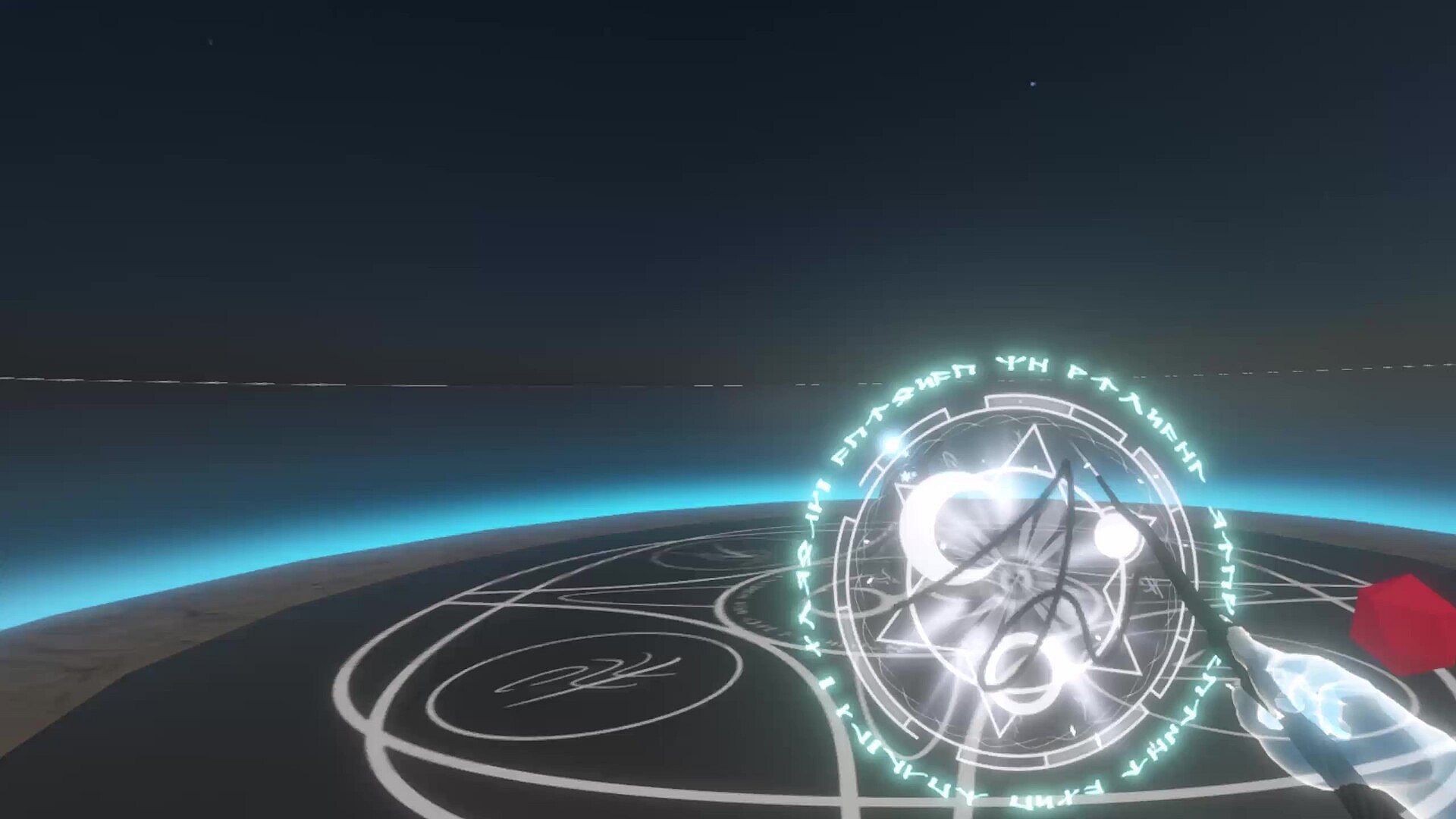
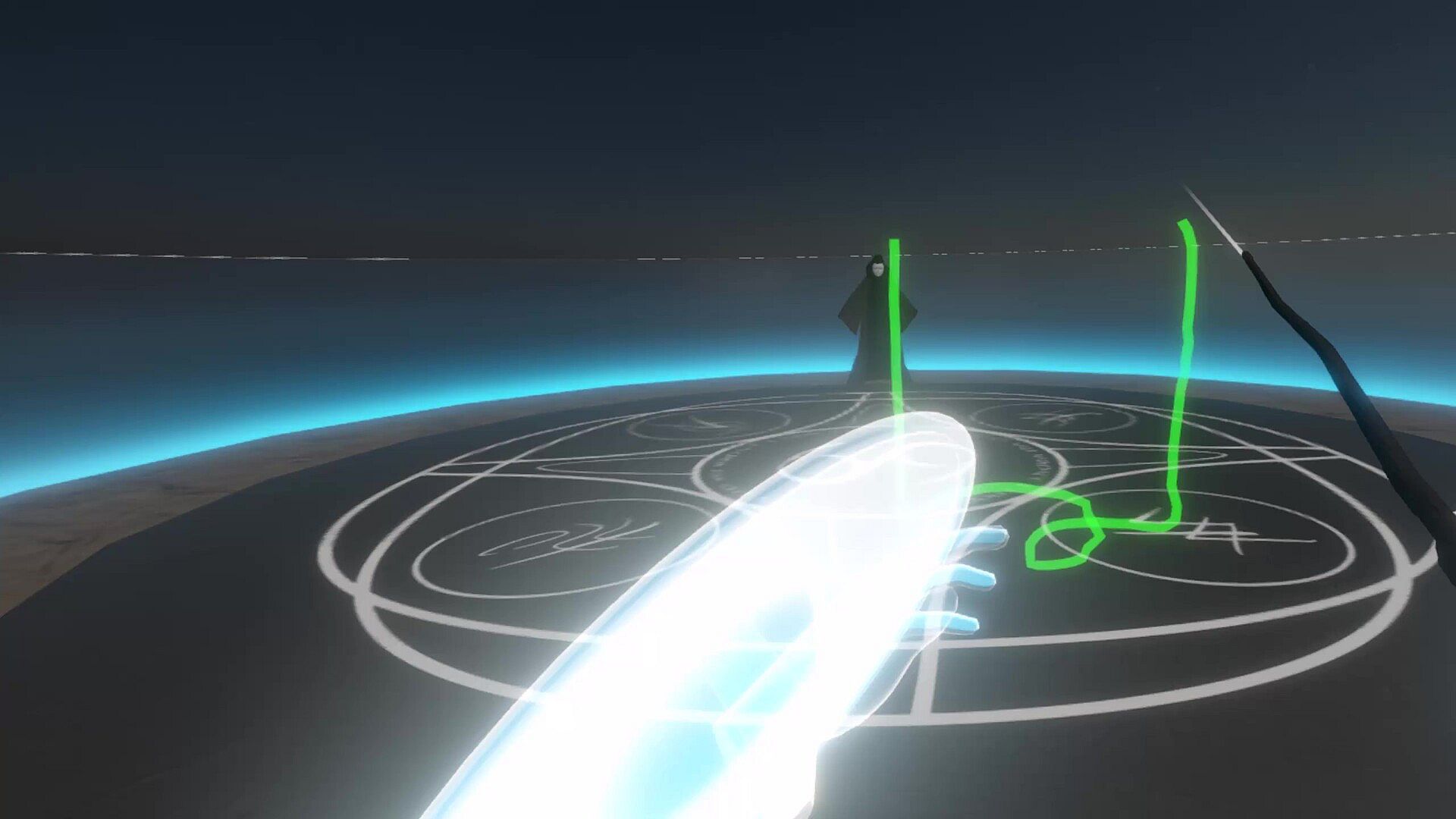
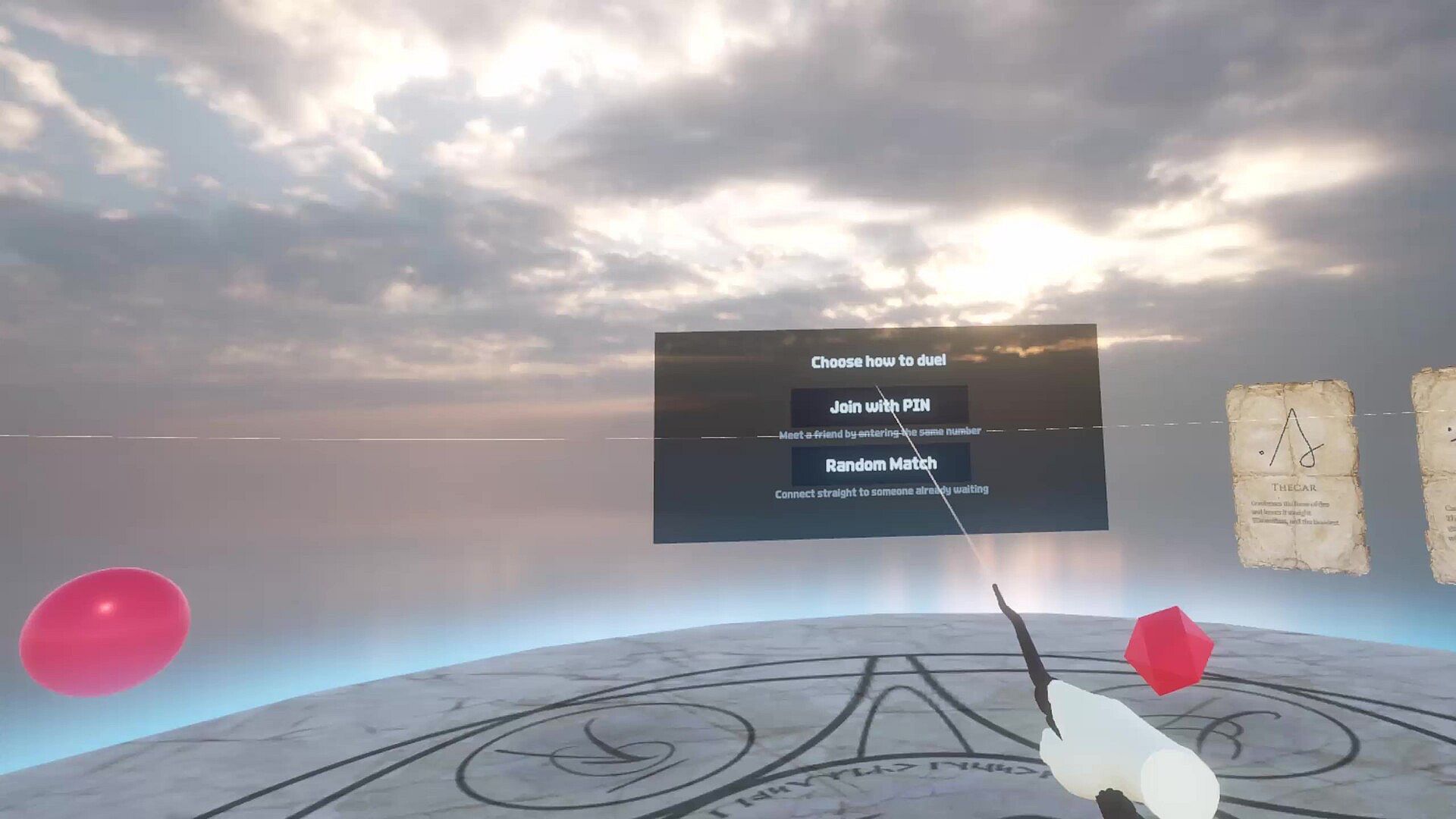
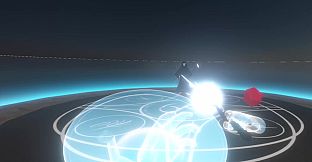
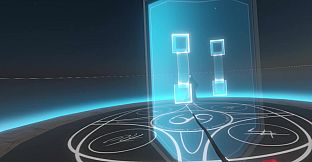
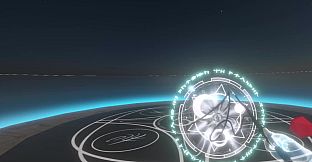
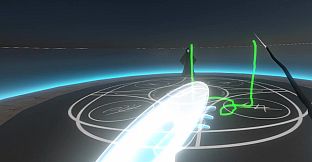
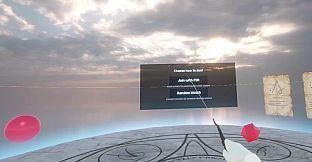
Kalmareth: Rune Duel VR is a single-player action game built for VR on PC. Players take on the role of a duelist who traces spells directly in the air to engage opponents in focused magical combat. The experience centers on precise hand movements that form the core of every encounter, with no traditional interfaces interrupting the flow.
Gameplay
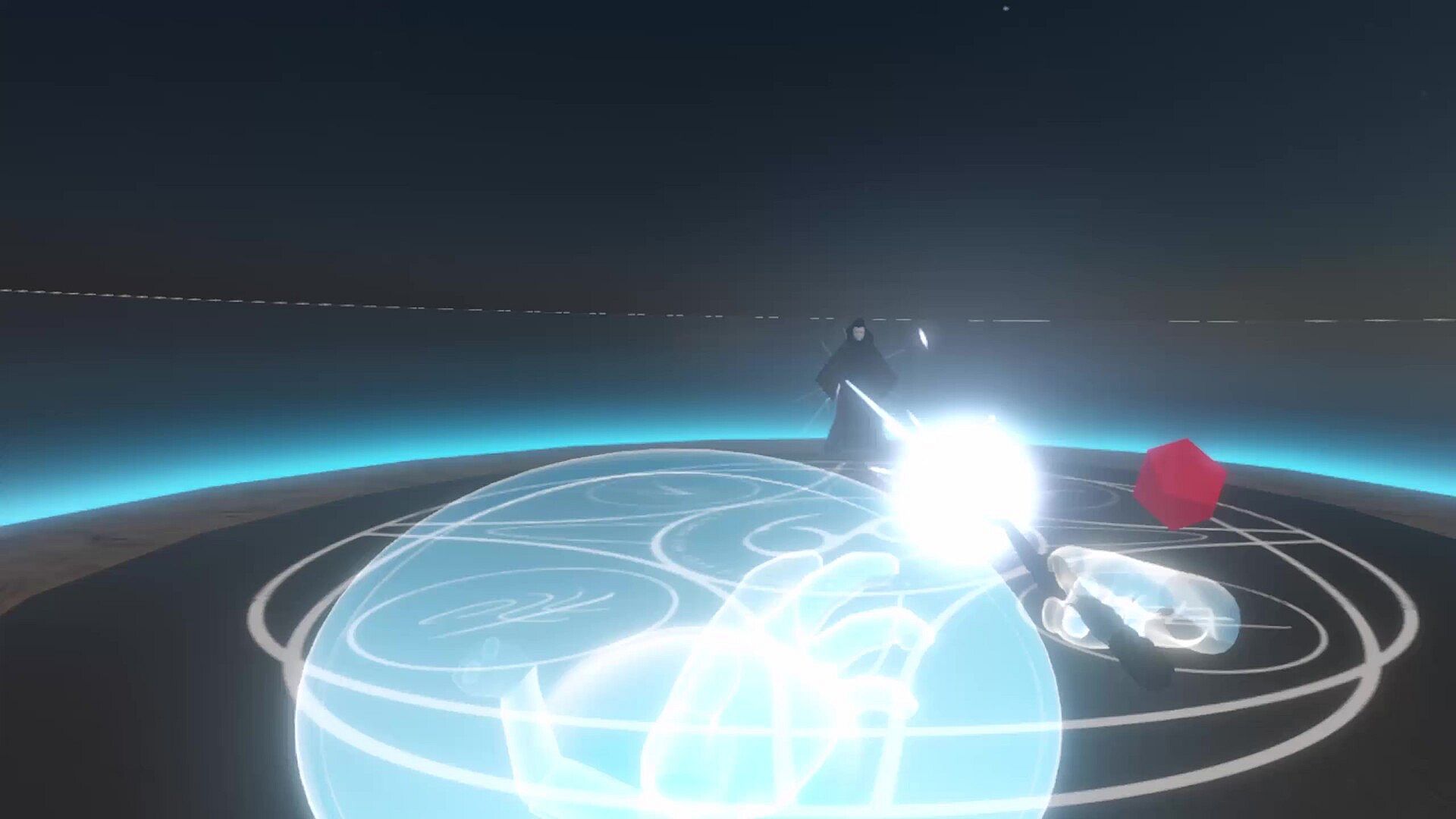
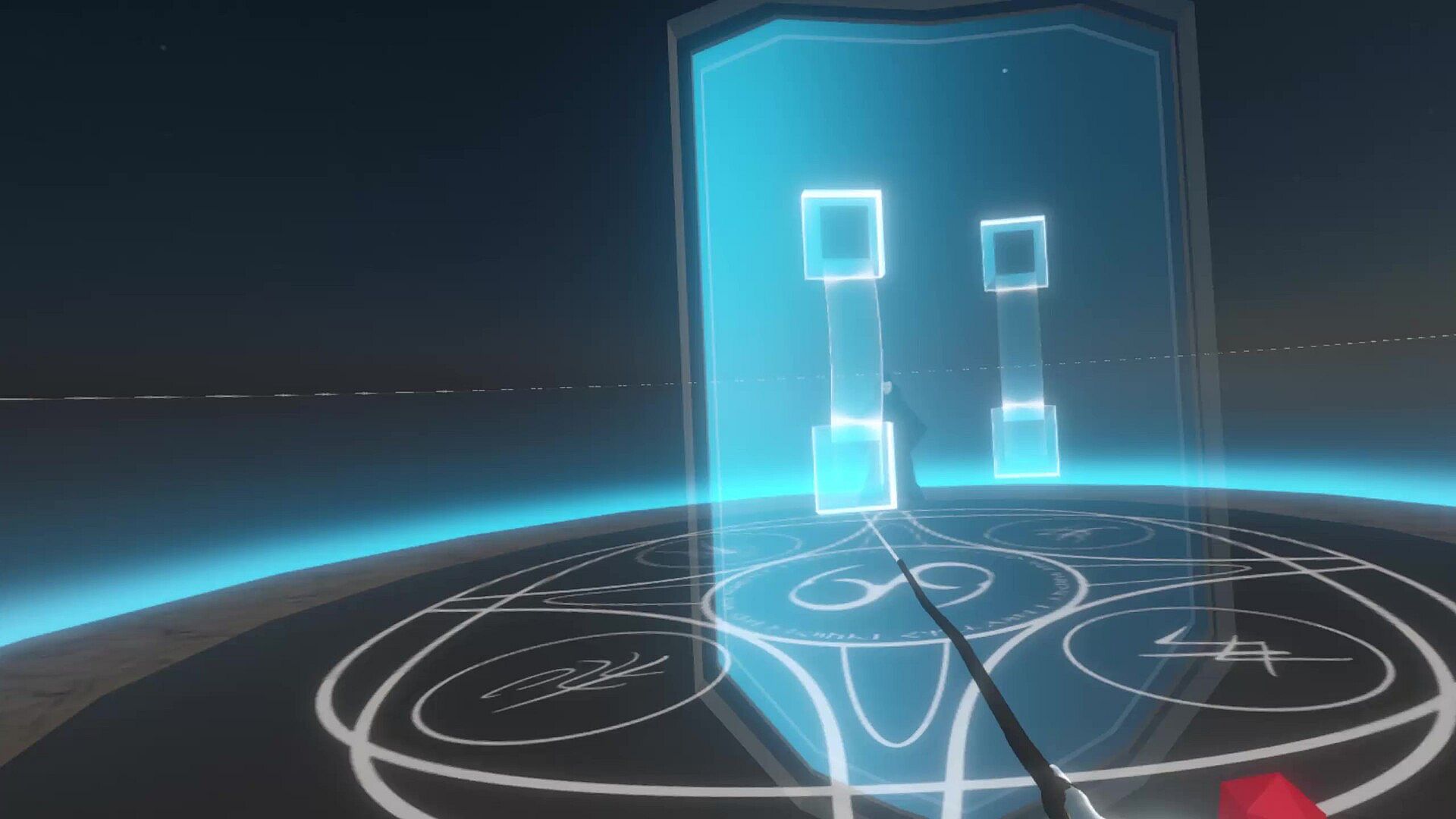
Combat relies entirely on drawing strokes in three-dimensional space. Each spell begins as a specific shape traced with the dominant hand, and the system recognizes the motion only when the full pattern completes. Projectiles follow real trajectories once released, barriers maintain position until struck or timed out, and terrain alterations appear exactly where the stroke ends. Timing determines success more than raw power, because an incomplete or slow trace leaves the caster exposed.
Health registers through environmental audio cues, controller vibration, and shifts in the arena rather than any visible meter. Mana appears on a physical gauge attached to the off-hand controller, giving players a direct way to monitor resources without breaking immersion. The six surviving strokes each carry distinct physical behaviors that cannot substitute for one another, so players must decide in the moment whether to commit to a cast or hold position.
Mastery comes from repetition and observation. The same stroke behaves differently depending on distance, angle, and the opponent's actions, rewarding players who study patterns instead of relying on memorized sequences. Short sessions suit the design, because each duel emphasizes quick adaptation over long campaigns.
Game Modes
Story Mode presents a structured sequence of fifteen escalating waves. Enemies arrive in groups that test different combinations of the available strokes, forcing players to rotate between projectile, barrier, and terrain options as threats change. Progress through the waves unlocks additional entries from the catalogue, expanding the toolkit for later attempts.
Endless Mode removes the wave limit and focuses on survival and scoring. Leaderboards track performance across runs, encouraging repeated play to refine timing and resource management. Both modes share the same core rules, so skills developed in one transfer directly to the other without separate learning curves.
The Catalogue and Its Constraints
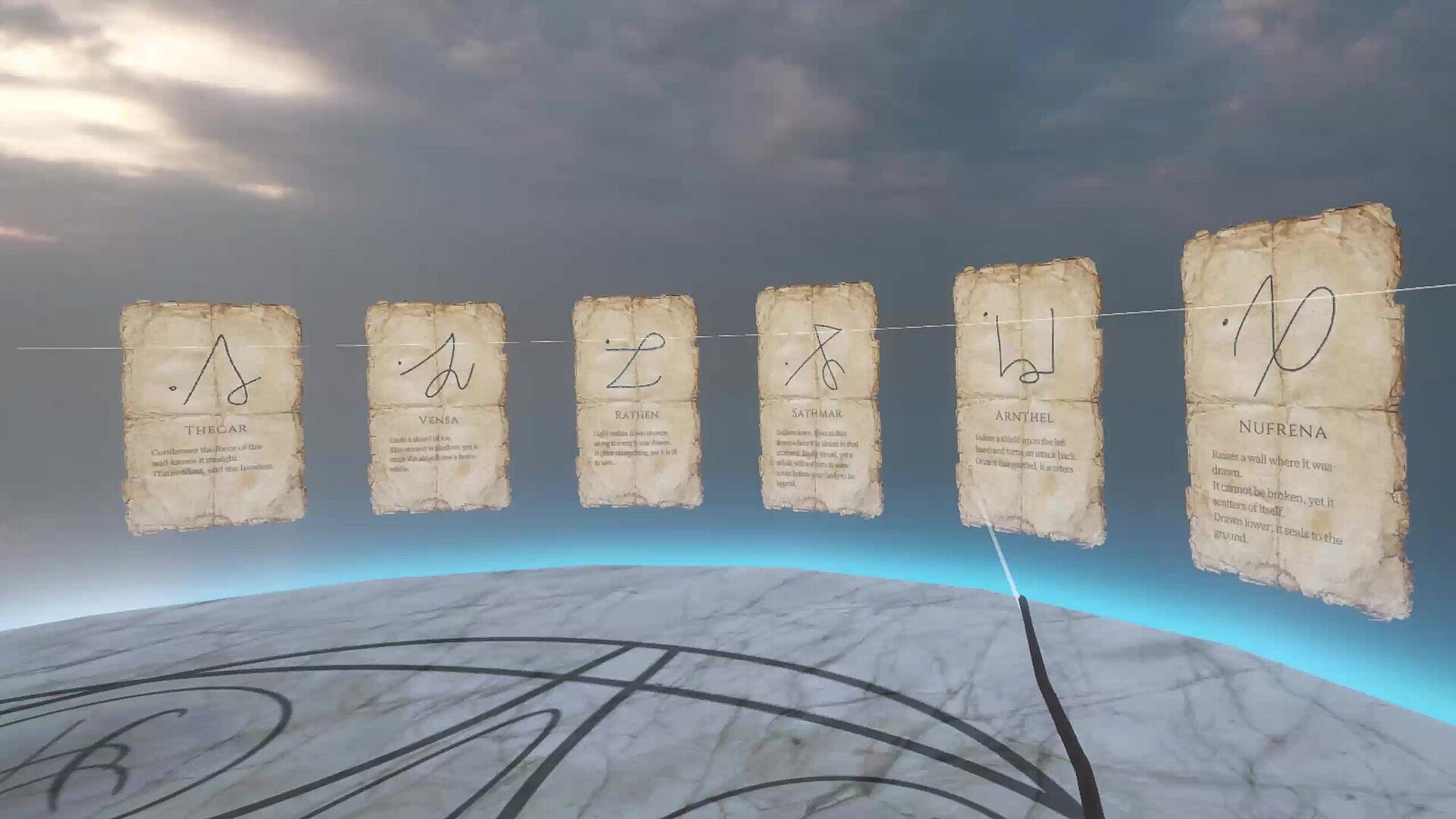
The catalogue contains the six strokes that remain from an older collection. Each stroke operates under fixed physical rules that players learn through direct use rather than tutorials. One produces traveling projectiles, another creates stationary barriers, and others reshape the arena floor or walls. Because the strokes cannot be swapped or combined arbitrarily, players develop preferences based on personal timing and the specific threats they face most often.
Learning the catalogue means internalizing not only the shapes but also their limitations. A barrier stroke holds only as long as the physical rules allow, and a projectile follows its initial trajectory without mid-flight correction. This constraint turns every duel into a test of judgment: when to begin a stroke, when to abort, and when to rely on positioning instead of casting.
Is It Worth Playing?
Kalmareth: Rune Duel VR suits players who enjoy VR spellcasting systems that emphasize physical gestures over button inputs. The single-player structure and short session length make it accessible for repeated practice without requiring long commitments. The roguelike progression in Story Mode and the competitive angle of Endless Mode provide clear goals for improvement across runs.
Reception remains limited because the title launched recently with a small number of reviews available. Those who have played highlight the satisfaction of mastering the stroke system and the tension created by the absence of traditional health displays. The game offers no multiplayer components, so it appeals most to solo players seeking focused mechanical depth rather than social or cooperative elements.
Anyone interested in VR action titles that reward precise hand tracking and quick decision-making will find the core loop consistent and repeatable. The verified mechanics deliver a direct test of spatial awareness and timing that stands on its own without additional content layers.











