













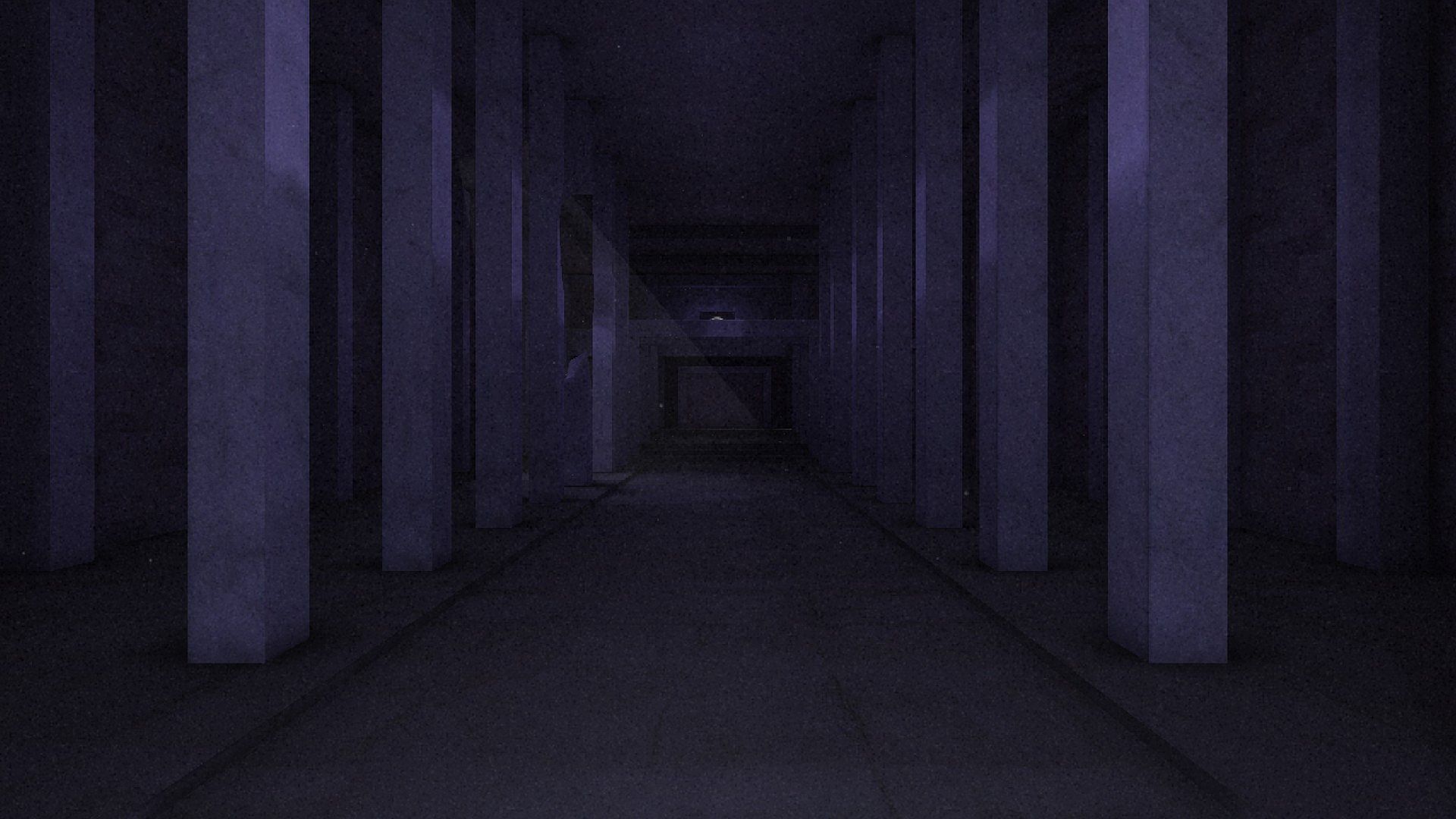
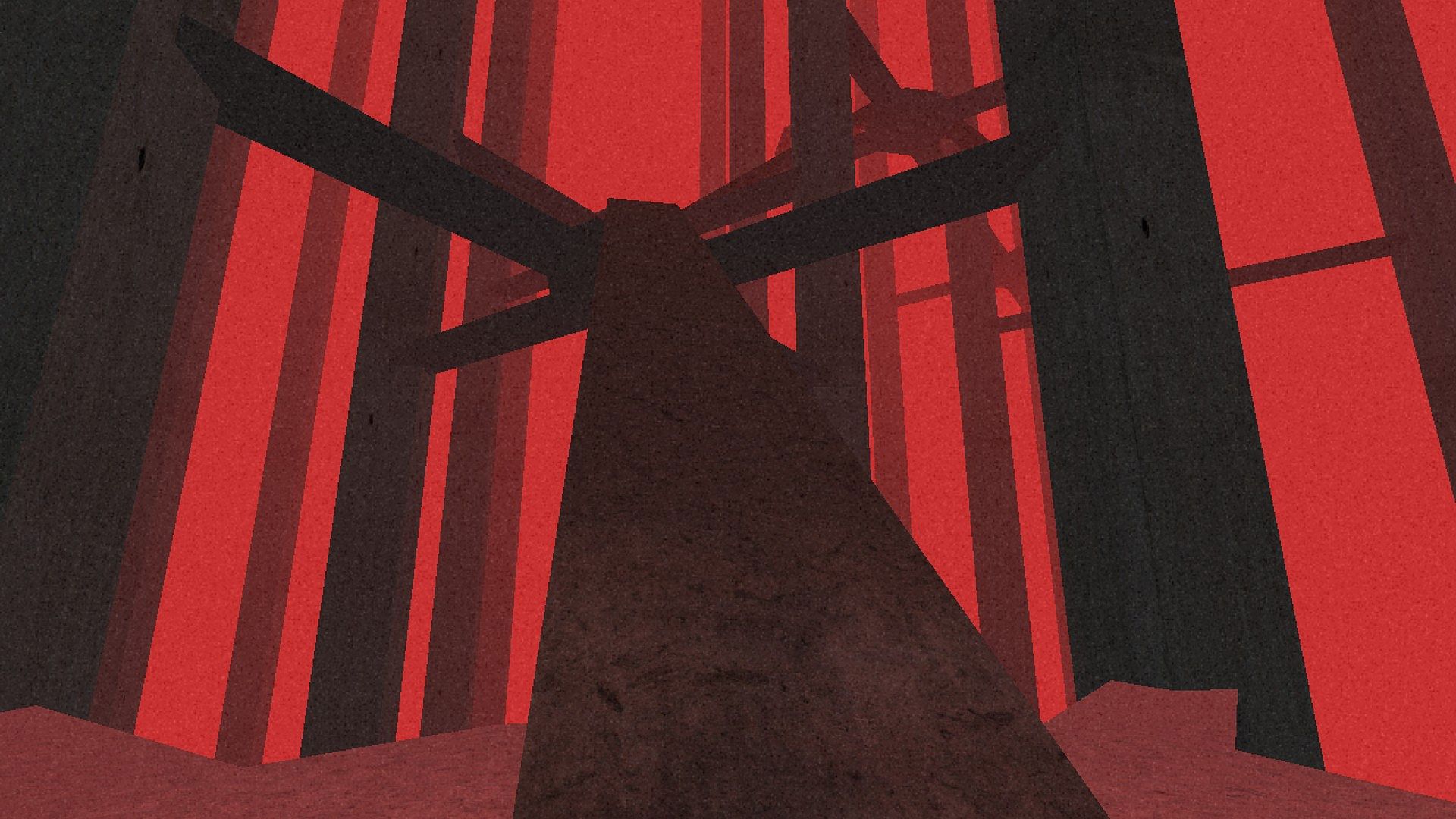
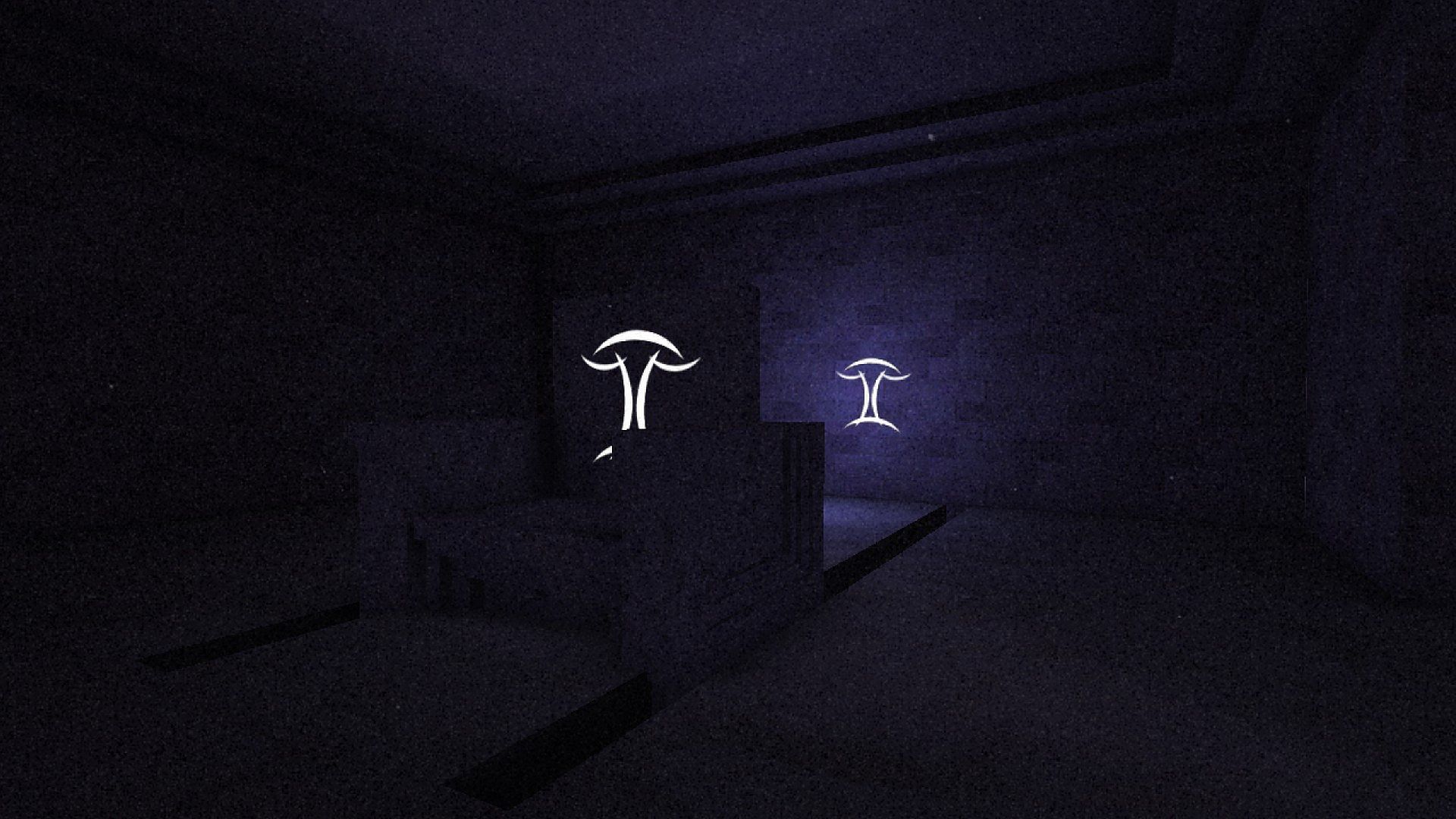
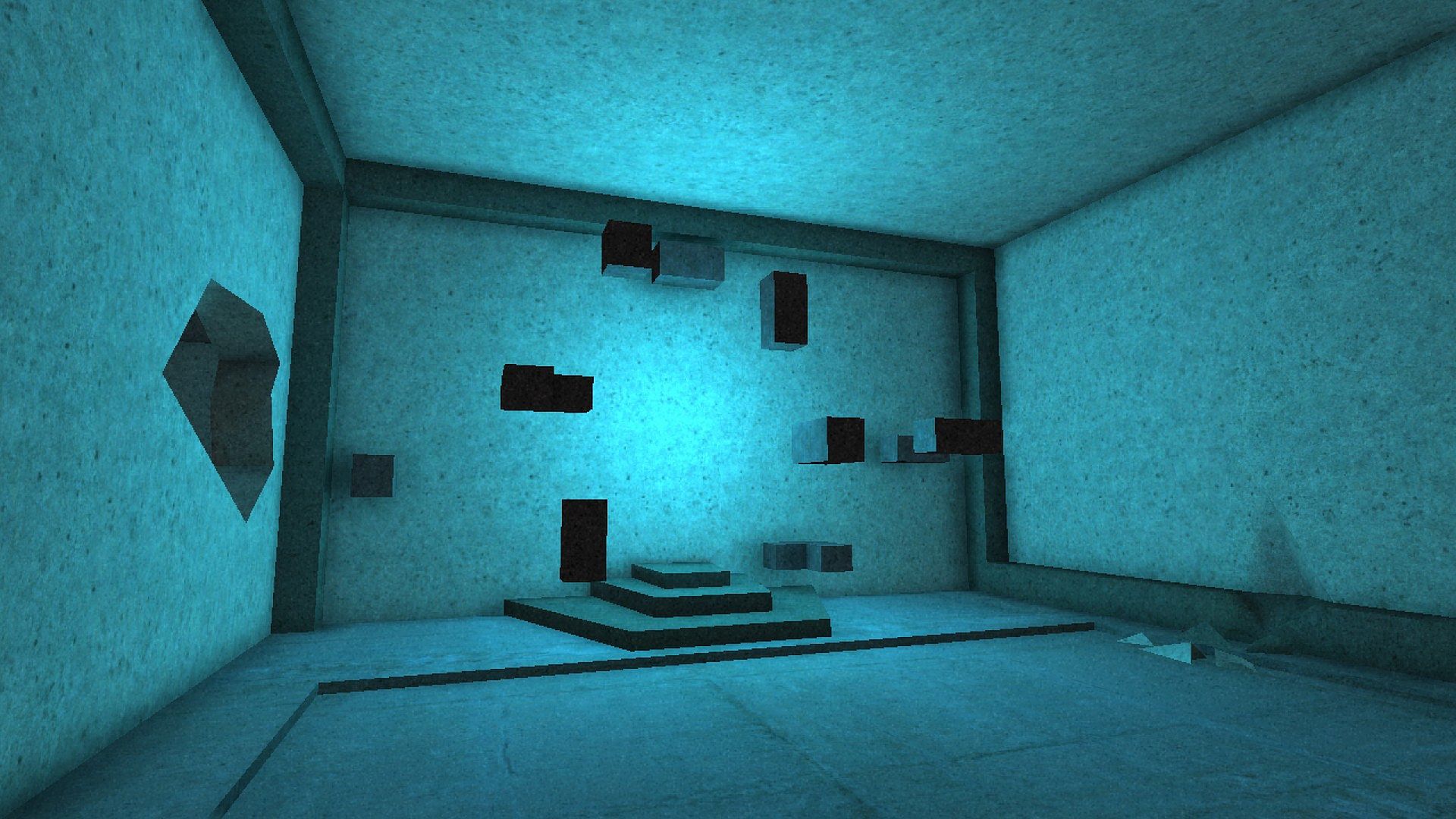
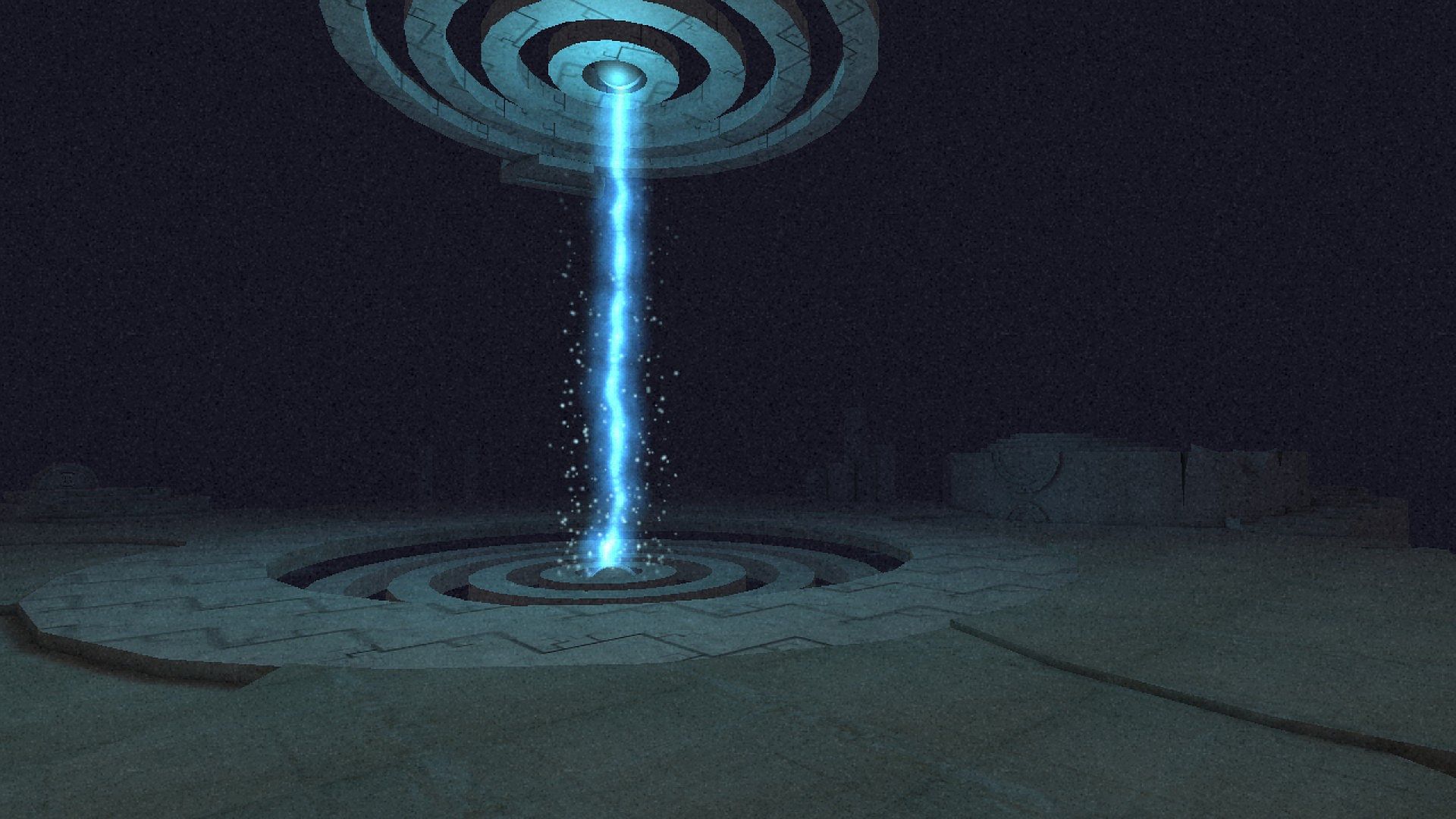
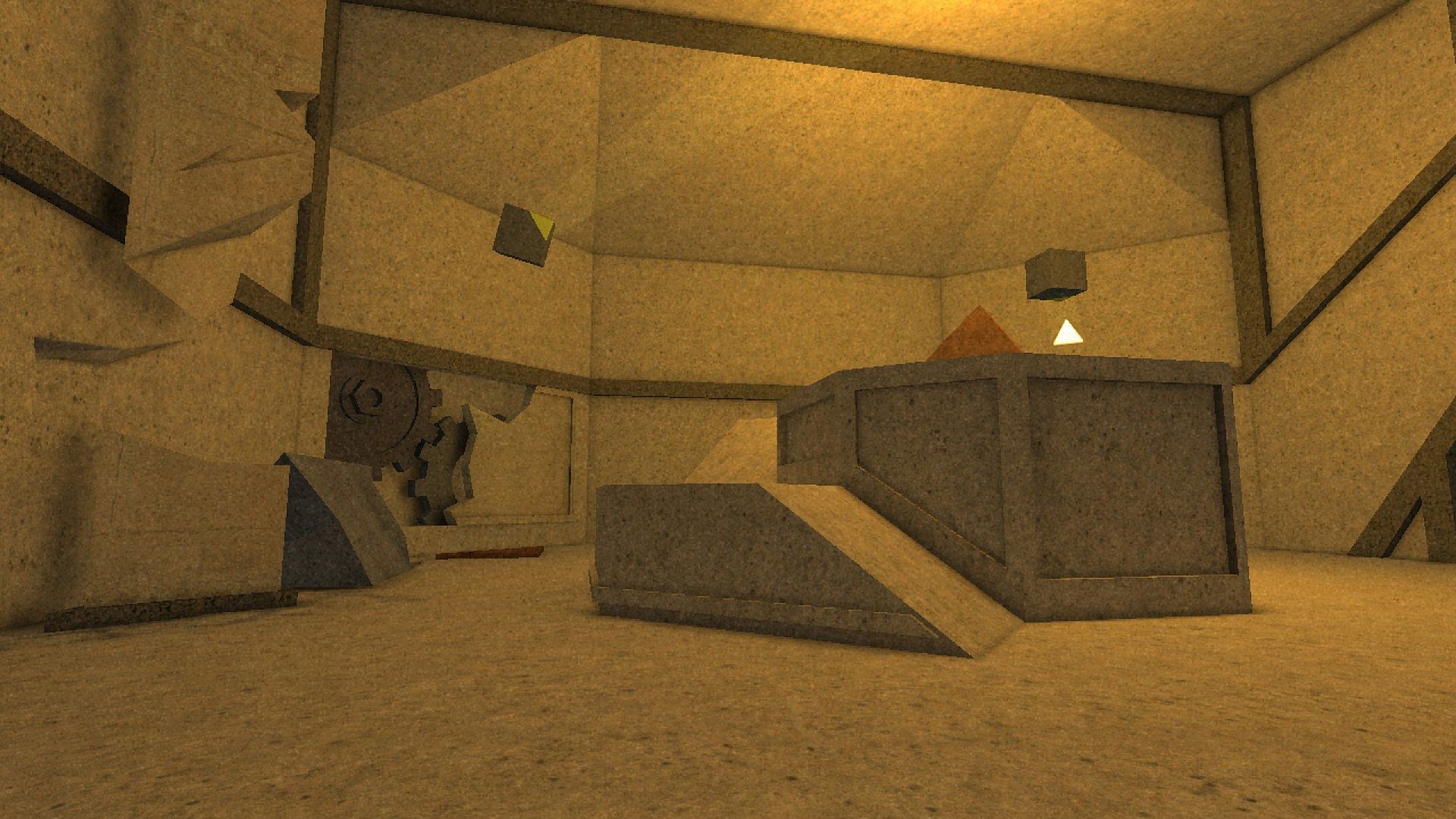
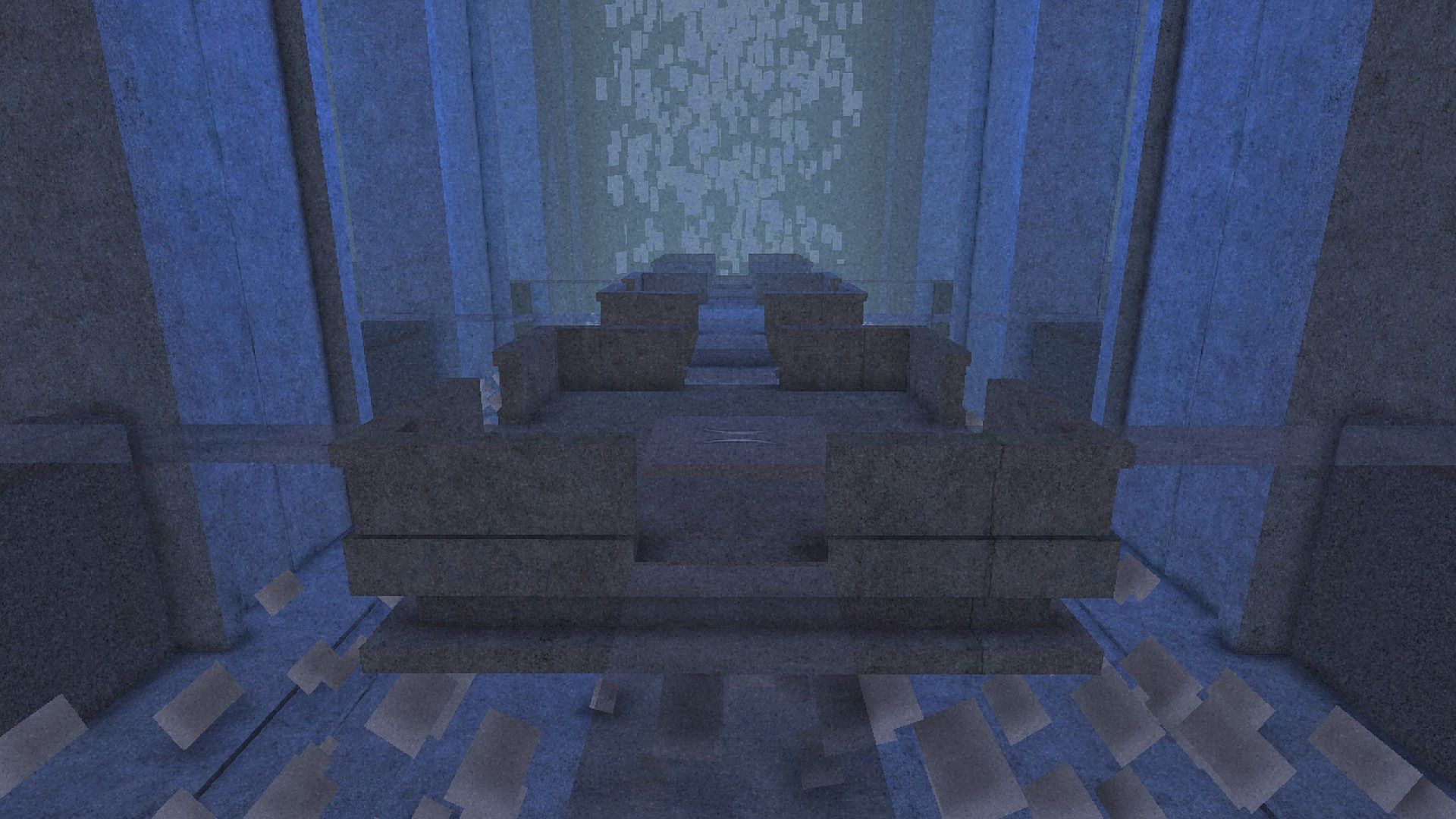
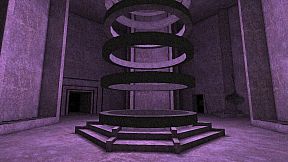
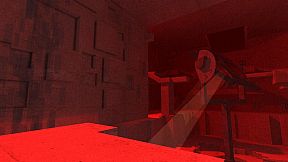
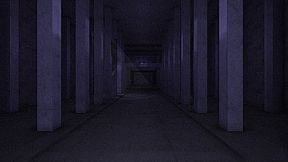

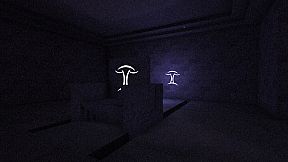
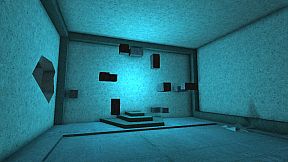
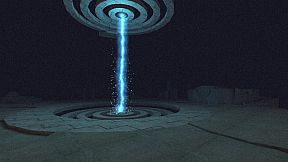
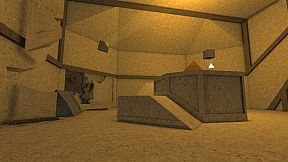
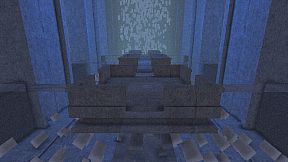
Kairo is a single-player atmospheric 3D exploration and puzzle-solving adventure game set in a world of abstract architecture and forgotten monuments. Players navigate vast, empty structures while activating ancient machinery to restore life to the environment and reveal the land's underlying purpose through environmental details alone.
Gameplay
The core loop centers on first-person movement through interconnected rooms and larger monuments where each space presents unique abstract designs. Navigation relies on standard controls for walking, looking around, and jumping, with no additional tools or combat systems present. Progress comes from locating and repairing machinery scattered throughout the environments, which gradually activates lights, mechanisms, and pathways in previously inert areas.
Puzzle elements focus on observation and logical interaction with the surroundings rather than complex inventories or timers. Players examine the geometry and state of each room to determine how to restore function to devices, often requiring careful traversal of vertical spaces or repeated visits to connected areas as changes propagate. The absence of dialogue or on-screen text means all guidance derives from visual and auditory cues in the world itself.
Game Modes
Kairo operates exclusively as a single-player experience with no multiplayer options, competitive modes, or cooperative features. The entire game unfolds as one continuous journey through its monuments, where the player advances at their own pace without branching paths or alternative play styles. This structure emphasizes solitary exploration and personal discovery over any shared or versus elements.
Exploration and Environmental Storytelling
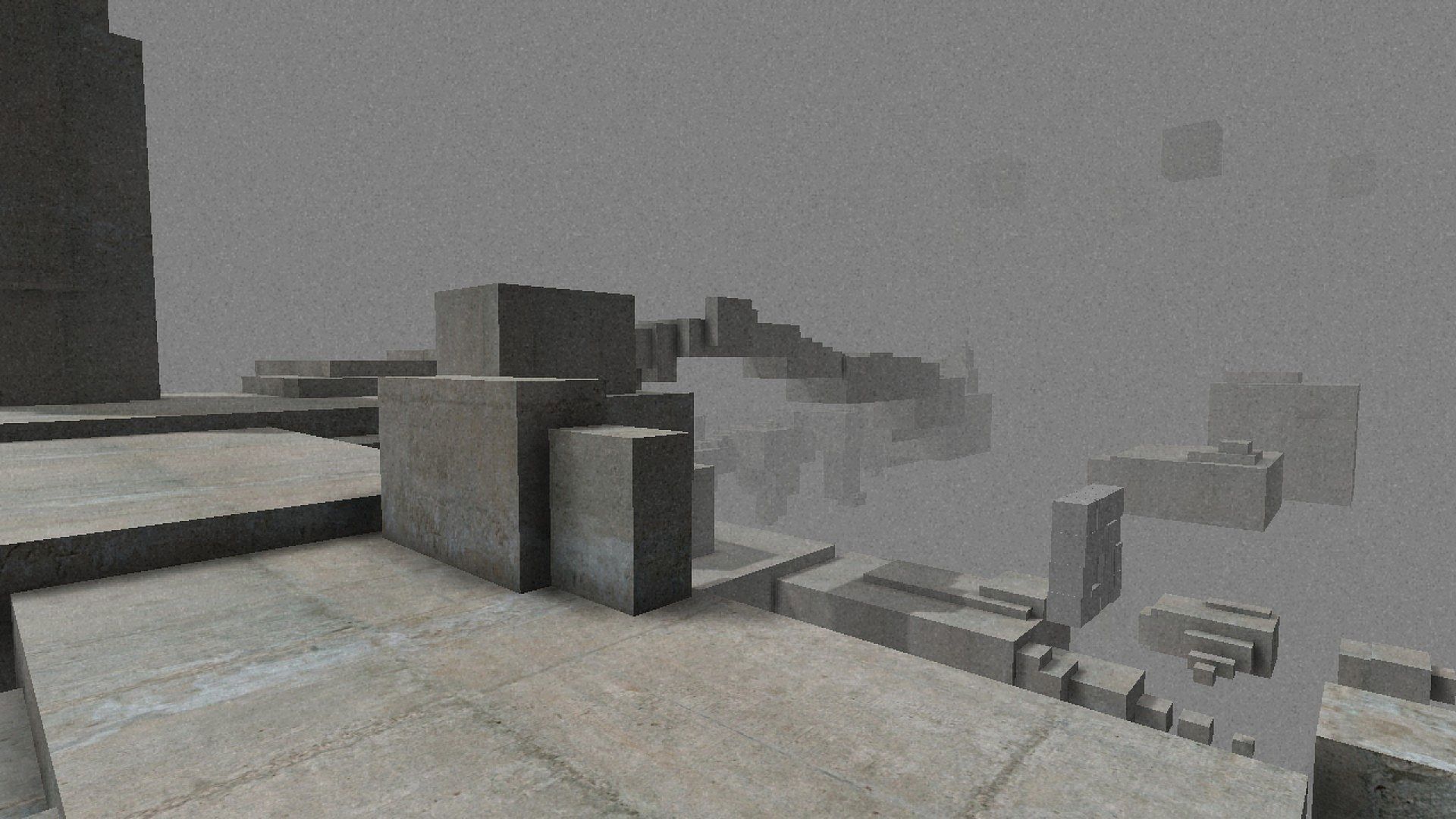
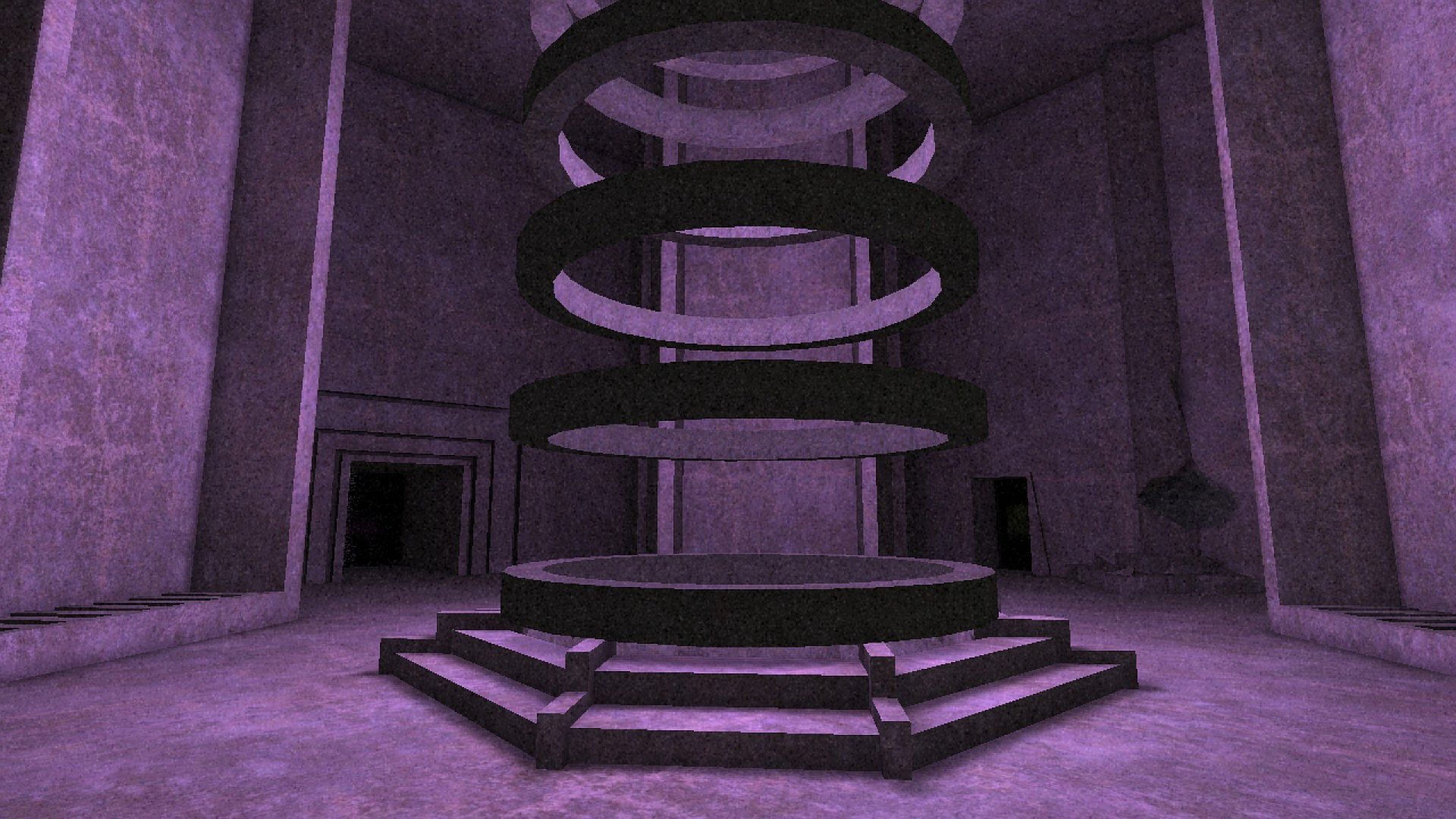
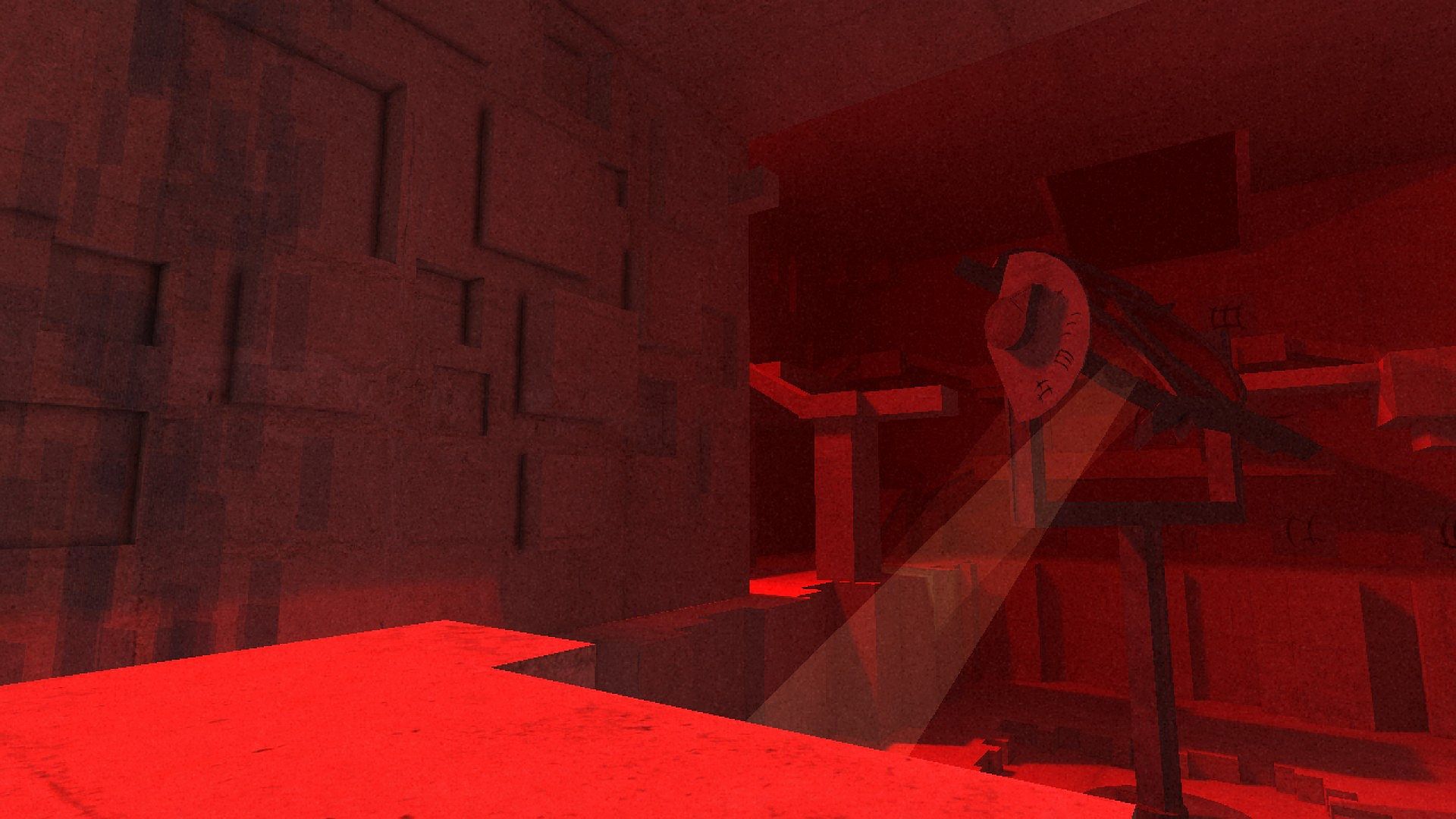
Travel through the game reveals a consistent world of brutalist and minimalist structures that feel both ancient and otherworldly. Each new chamber introduces distinct architectural variations, encouraging thorough searching for machinery and subtle changes that indicate prior activations. The narrative unfolds entirely through these environmental shifts and the objects discovered along the way, building a sense of purpose without explicit exposition.
Restoring sections of the world creates a tangible sense of progression as previously dark or static areas gain illumination and movement. This feedback loop rewards patient observation, as small repairs often unlock access to previously unreachable spaces or alter the atmosphere in connected zones.
Atmosphere and Soundtrack
The presentation relies on stark visuals paired with an original score that shifts between tones of wonder and unease. Music integrates directly with the environment, responding to player actions and the state of restored machinery to reinforce the mood of each area. Sound design emphasizes echoes, mechanical hums, and ambient shifts that highlight the isolation of the setting.
Development by Richard Perrin, known for prior work on The White Chamber, and composition by Wounds contribute to the cohesive minimalist approach. The result supports extended sessions of quiet investigation where the focus remains on the world and its gradual revival.
Is It Worth Playing?
Kairo suits players who prefer deliberate, observation-driven experiences over fast-paced action or guided objectives. Its single-player structure delivers a complete, self-contained journey focused on exploration and machinery repair within abstract monuments. Reception highlights the strong atmosphere and thoughtful presentation as standout qualities, though some note the unpolished edges typical of its independent origins. Those drawn to environmental storytelling and slow puzzle resolution will find the game aligns well with that preference, while others seeking more conventional mechanics or variety may find the scope limited. The title remains available as a straightforward PC experience without ongoing updates or additional content layers.