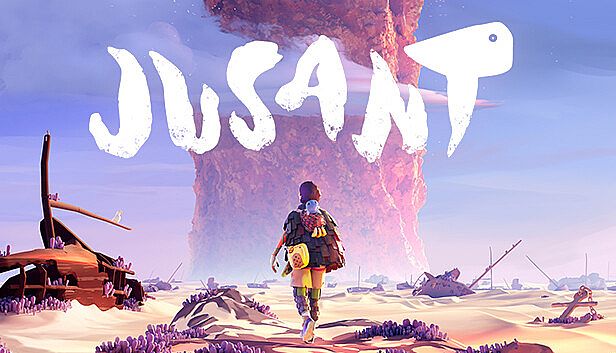














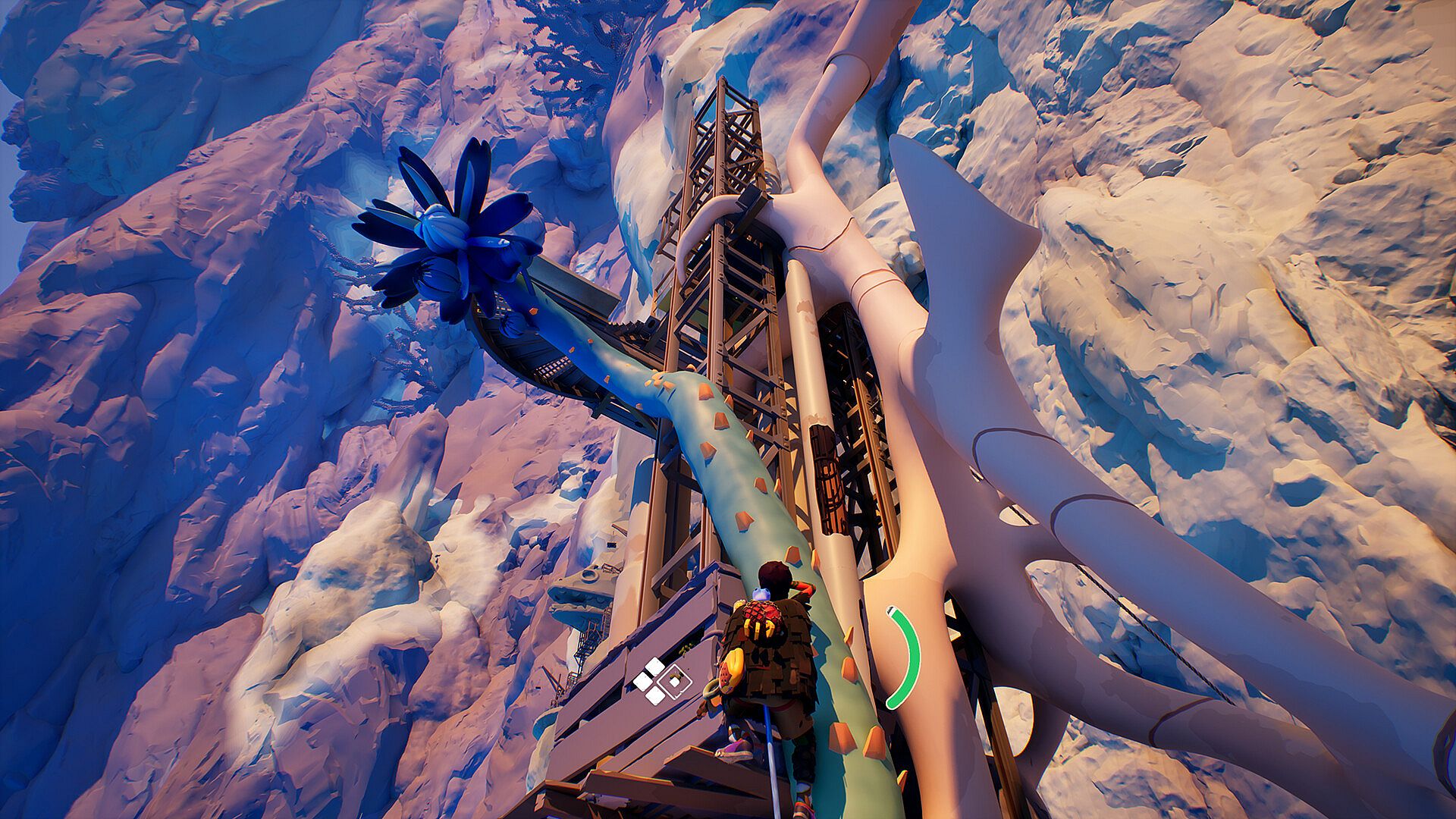
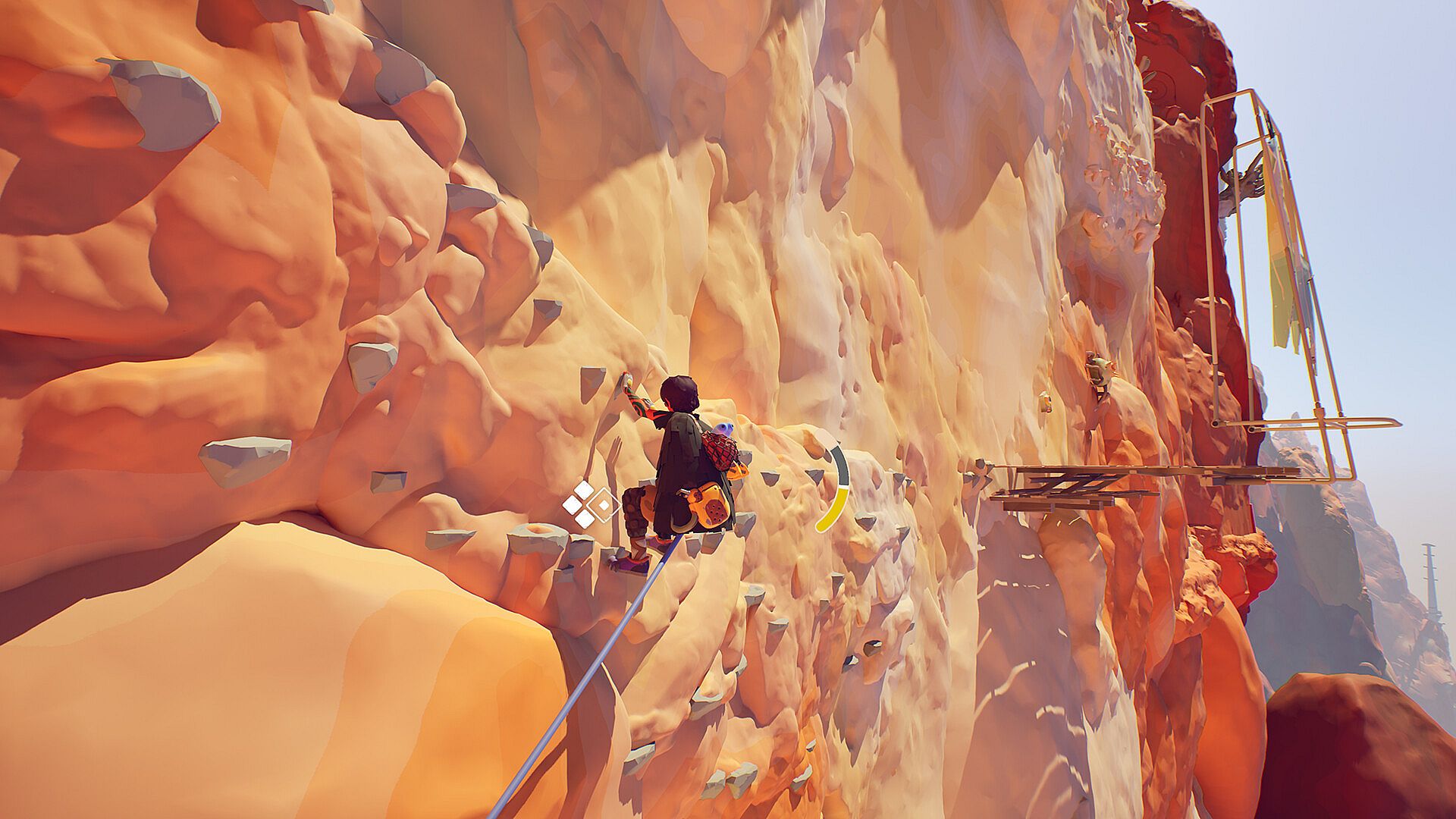
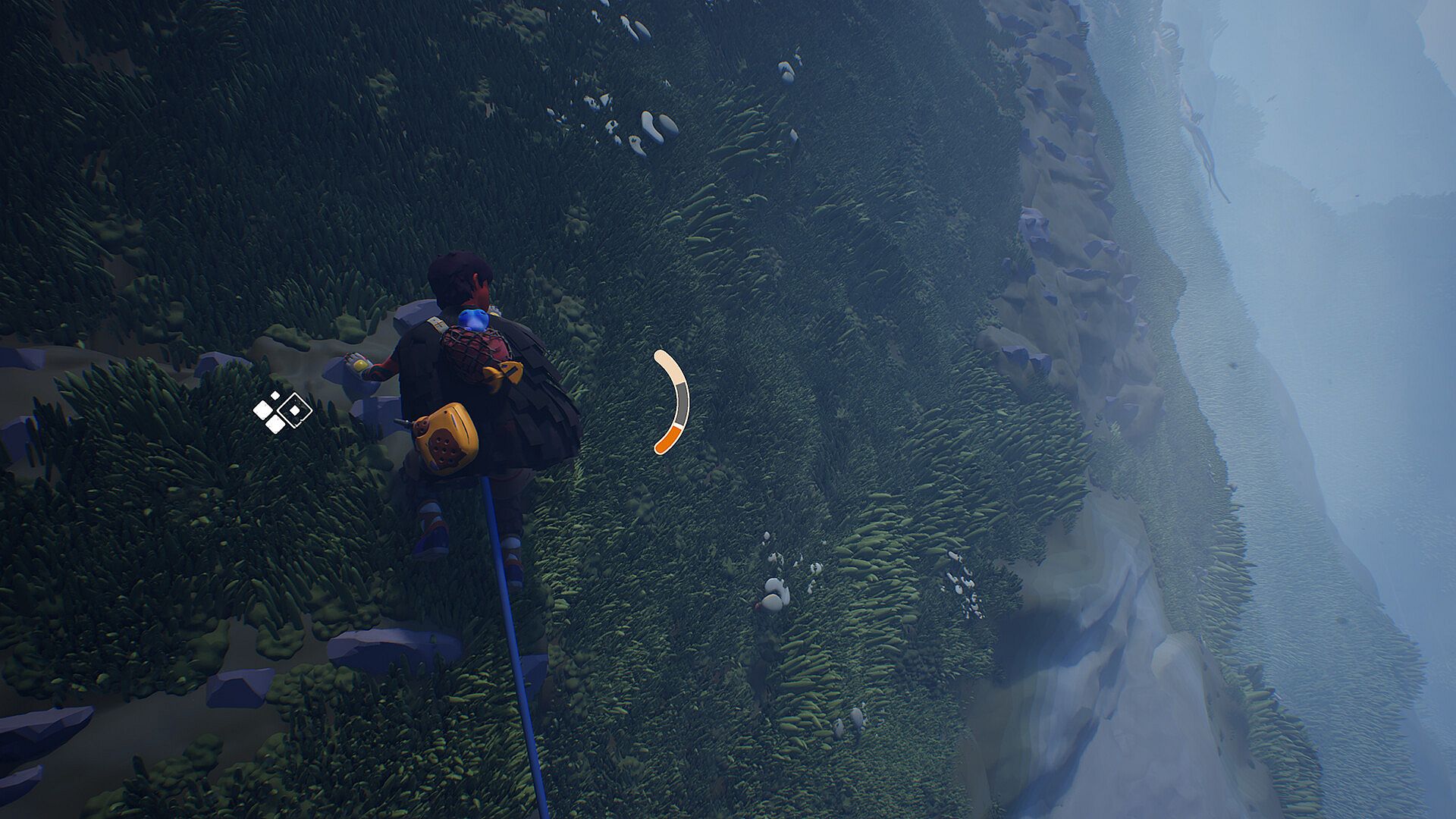
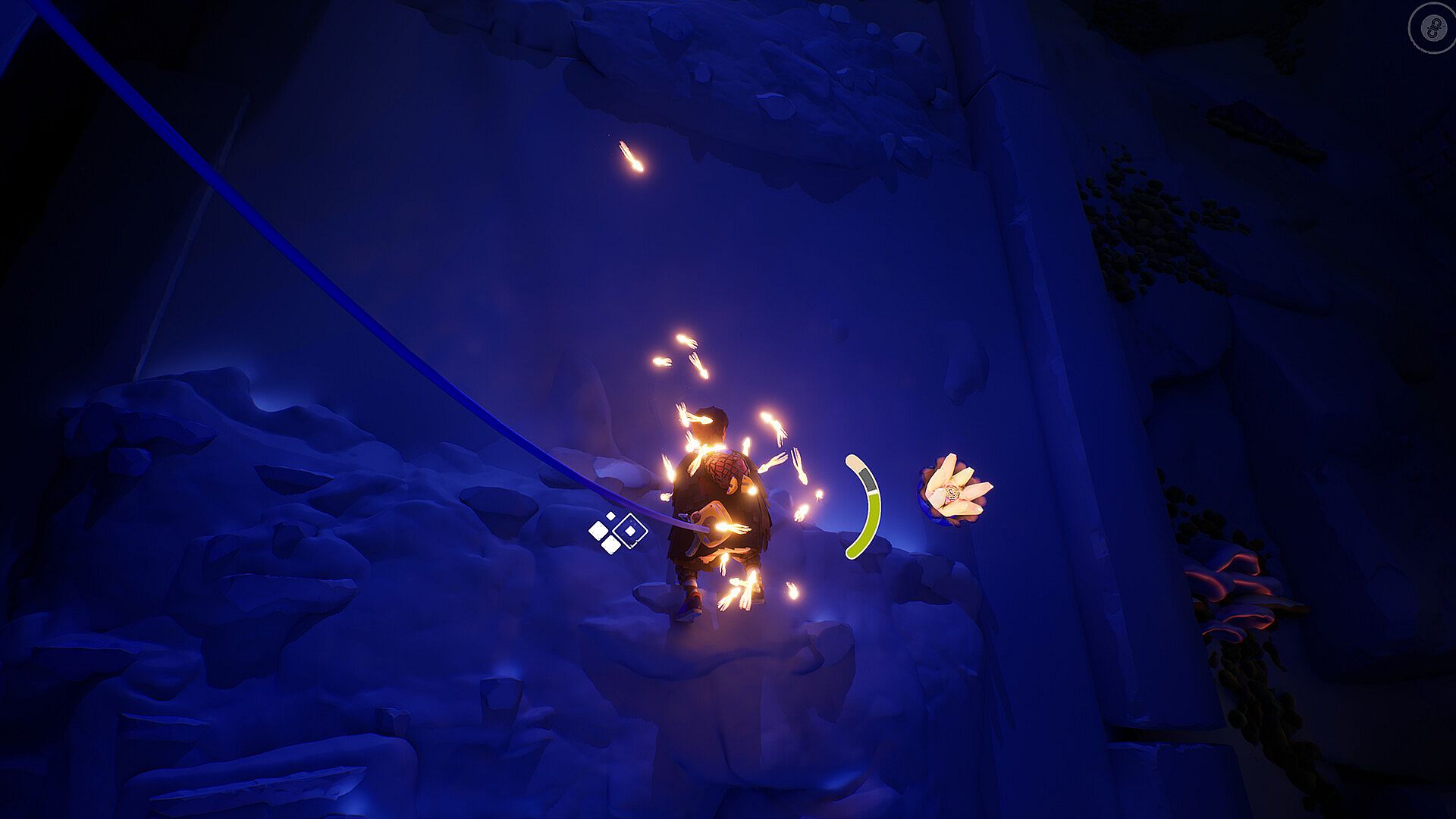
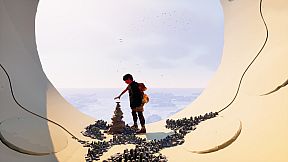
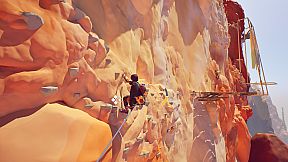
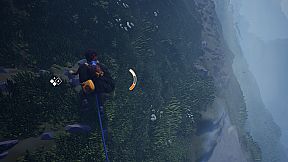
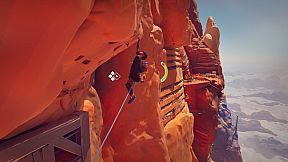
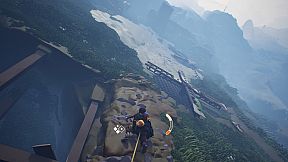
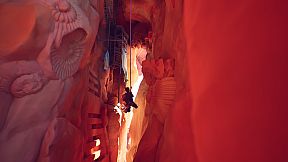
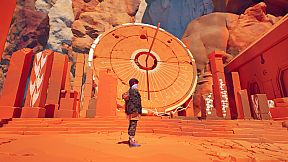
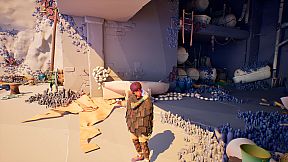
Jusant is an action-puzzle climbing game developed as a single-player experience on PC. Players take control of a lone wanderer ascending an immense tower filled with remnants of past civilizations, using precise climbing tools and environmental awareness to reach the summit while uncovering fragments of its history.
Gameplay
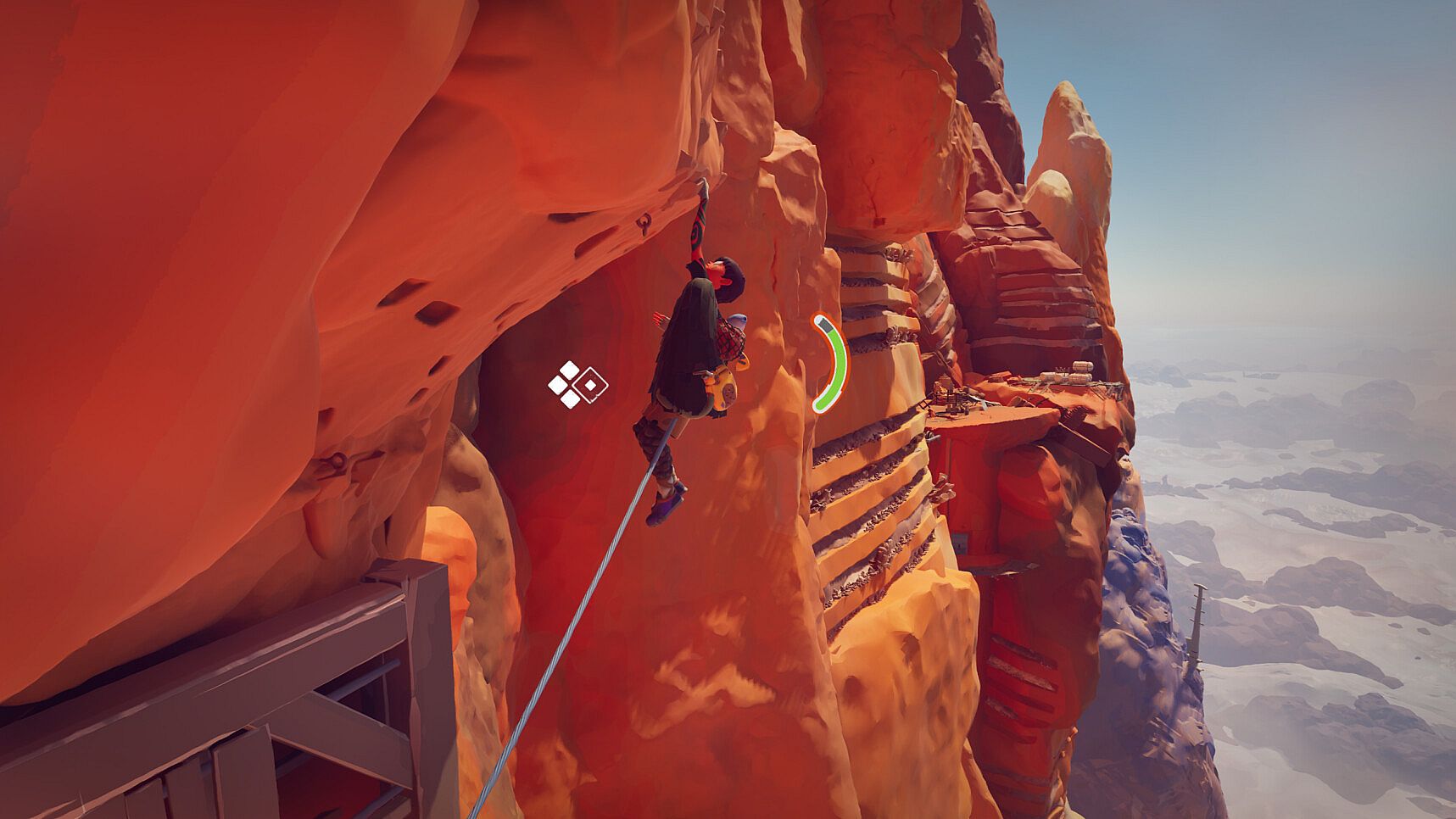
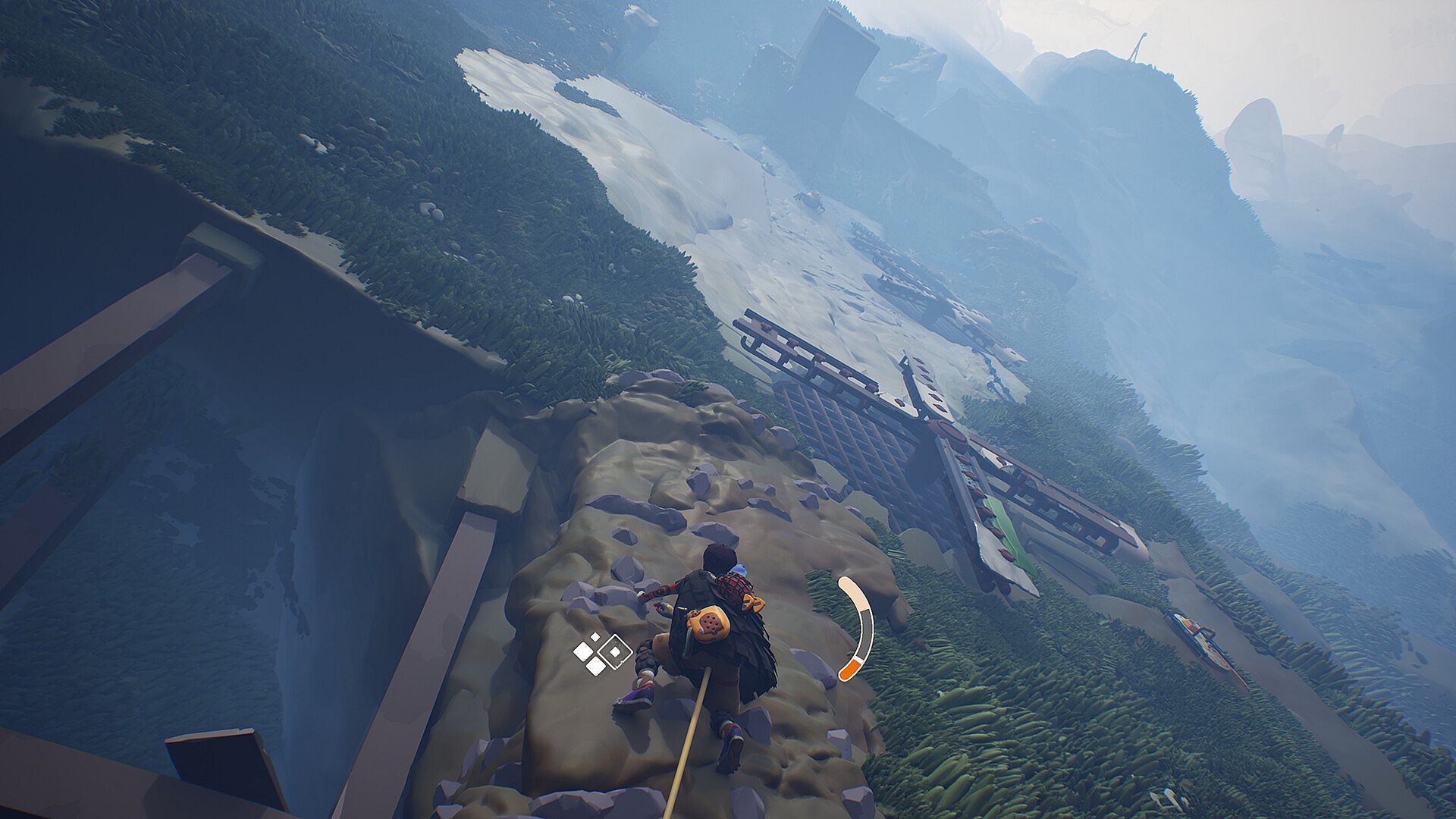
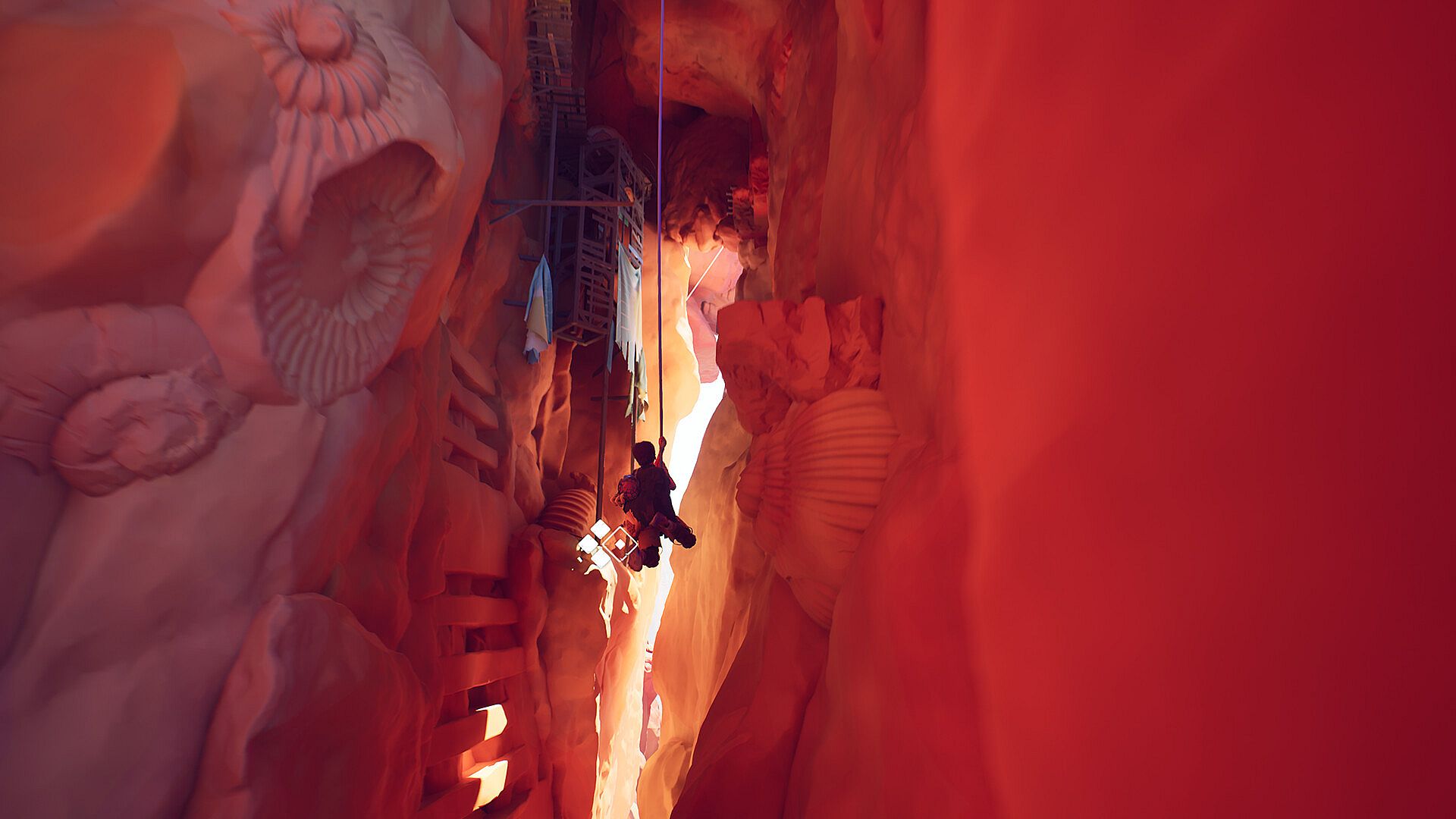
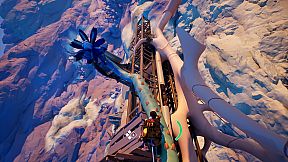
The core loop centers on methodical vertical traversal across varied rock faces and structures. Controls assign each hand to a dedicated trigger, allowing independent gripping and release that creates fluid yet deliberate movement. A rope and carabiners enable descent, swinging, and pendulum-style shifts to reach distant holds, while pitons provide temporary anchors for stability during longer stretches. Stamina drains with sustained effort and recovers only on secure ledges, forcing players to plan routes and rest points carefully. Alternative paths branch across the surfaces, rewarding observation of handholds and environmental cues over speed.
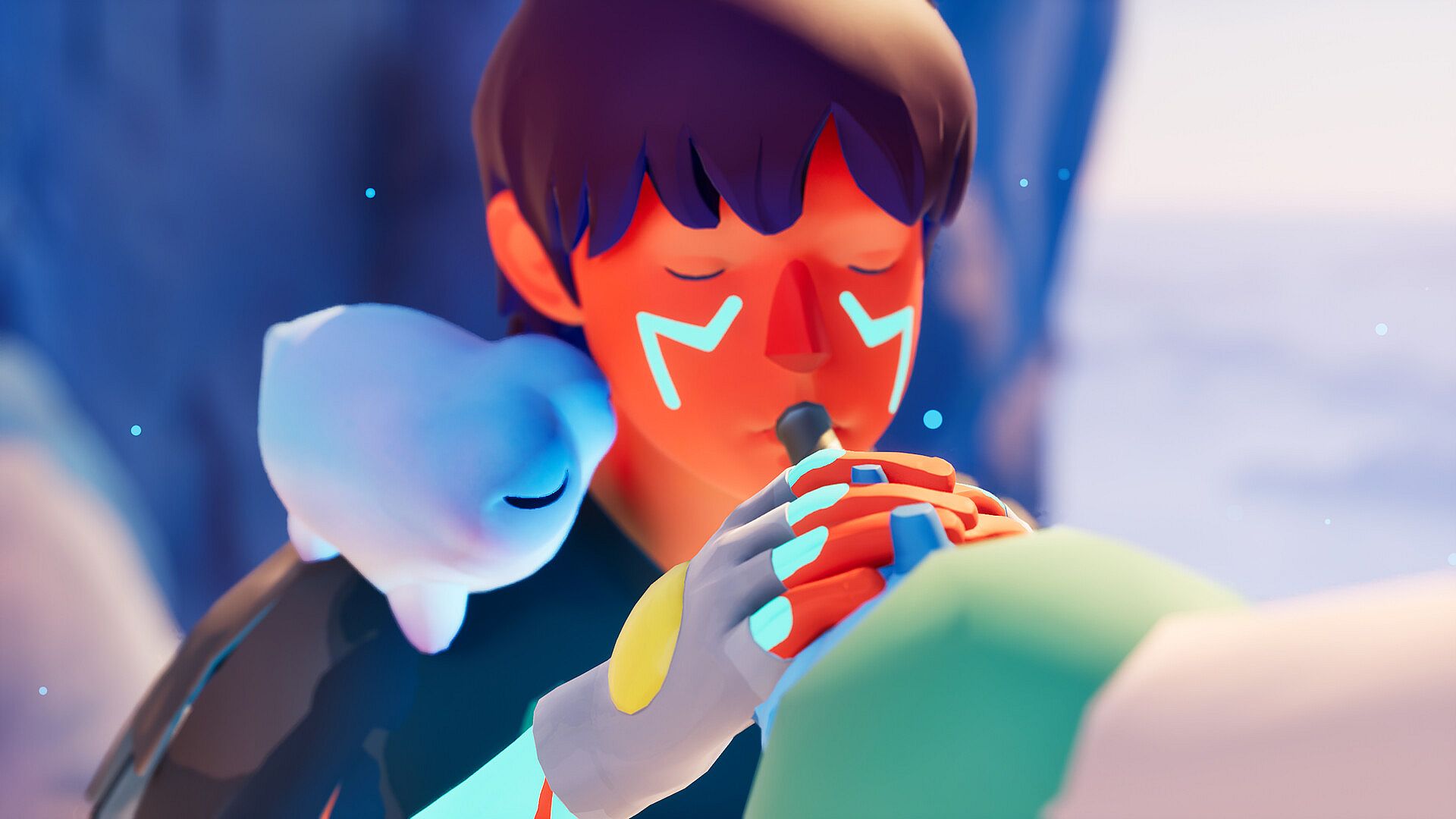
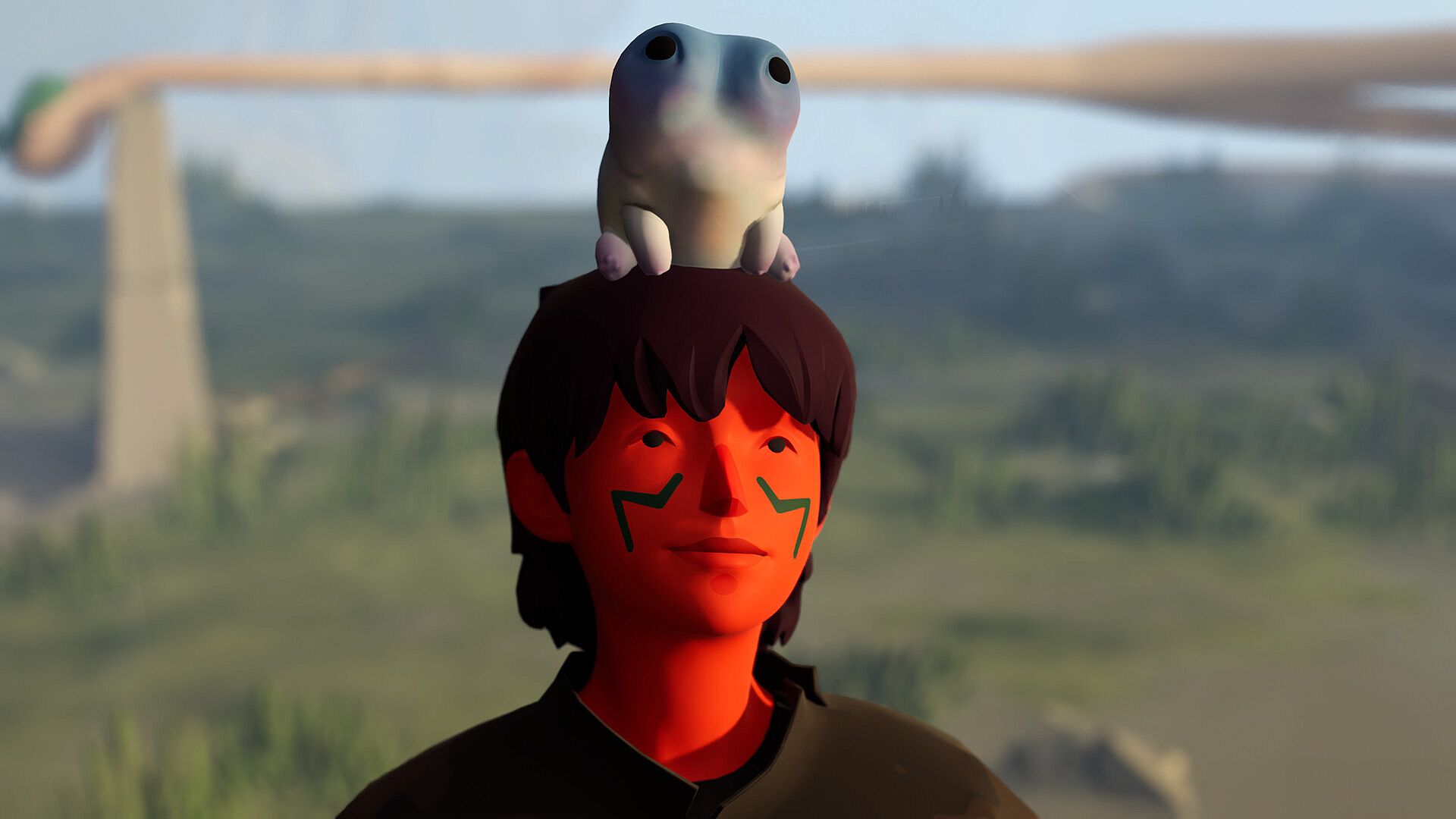
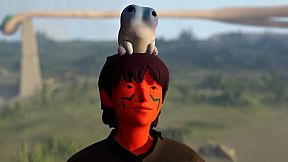
Progression builds skill through repeated practice rather than upgrades. Early sections introduce basic grips and jumps, then layer in wind resistance, narrow gaps, and vertical drops that demand timing and positioning. The companion Ballast accompanies the journey, interacting with surrounding life to open routes or highlight hidden details tied to the tower's story. No combat or resource gathering interrupts the focus on ascent and navigation.
Game Modes
Jusant offers only a single-player mode with no multiplayer, co-op, or competitive options. The entire experience unfolds as one continuous ascent divided by distinct biomes, with players free to backtrack or explore side routes at any time. There are no separate difficulty settings, time trials, or challenge arenas; the structure emphasizes personal pacing and discovery within the main climb. Achievements track completion milestones and optional pathfinding but do not alter the core single-player flow.
Exploration and Atmosphere
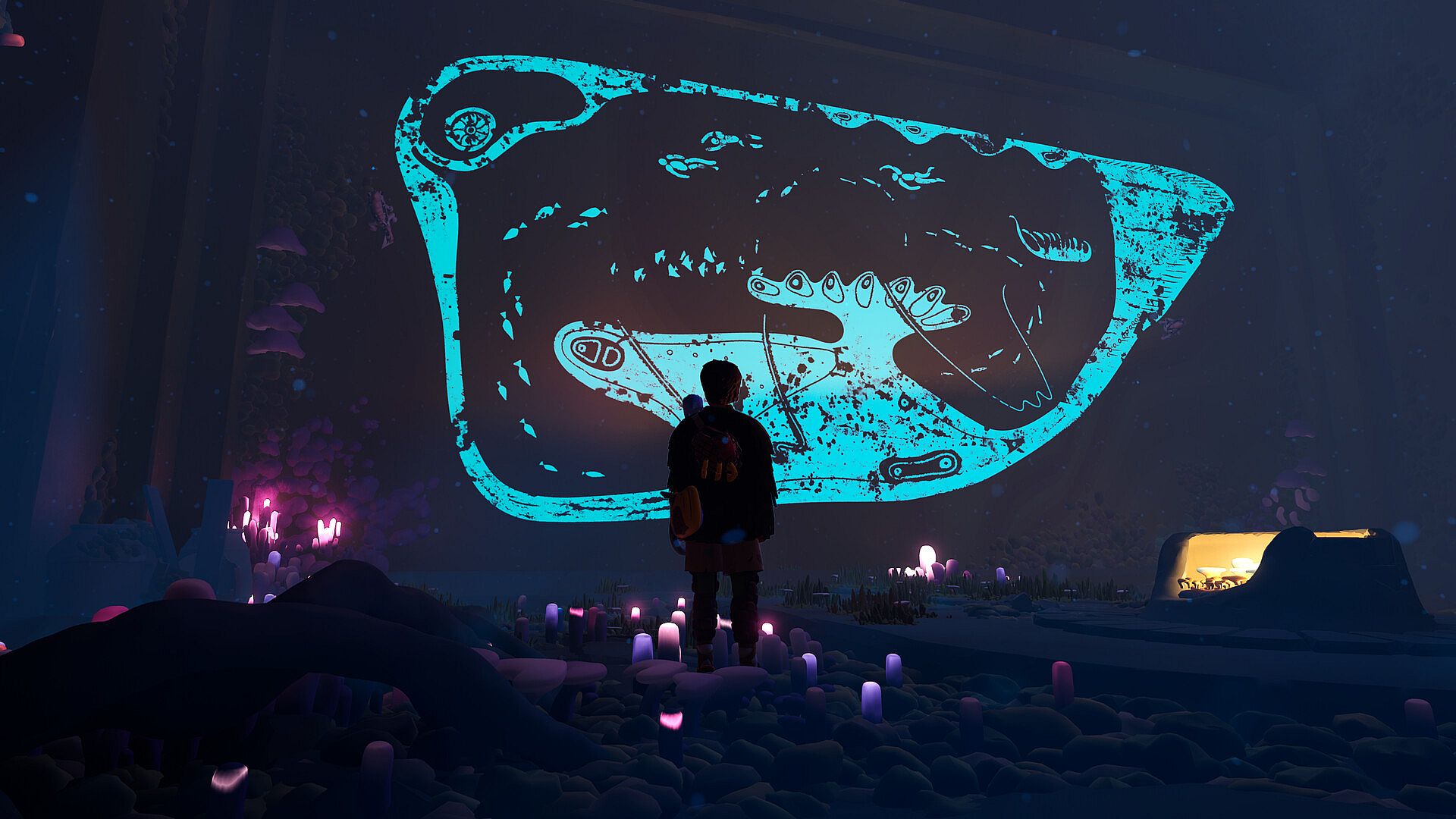
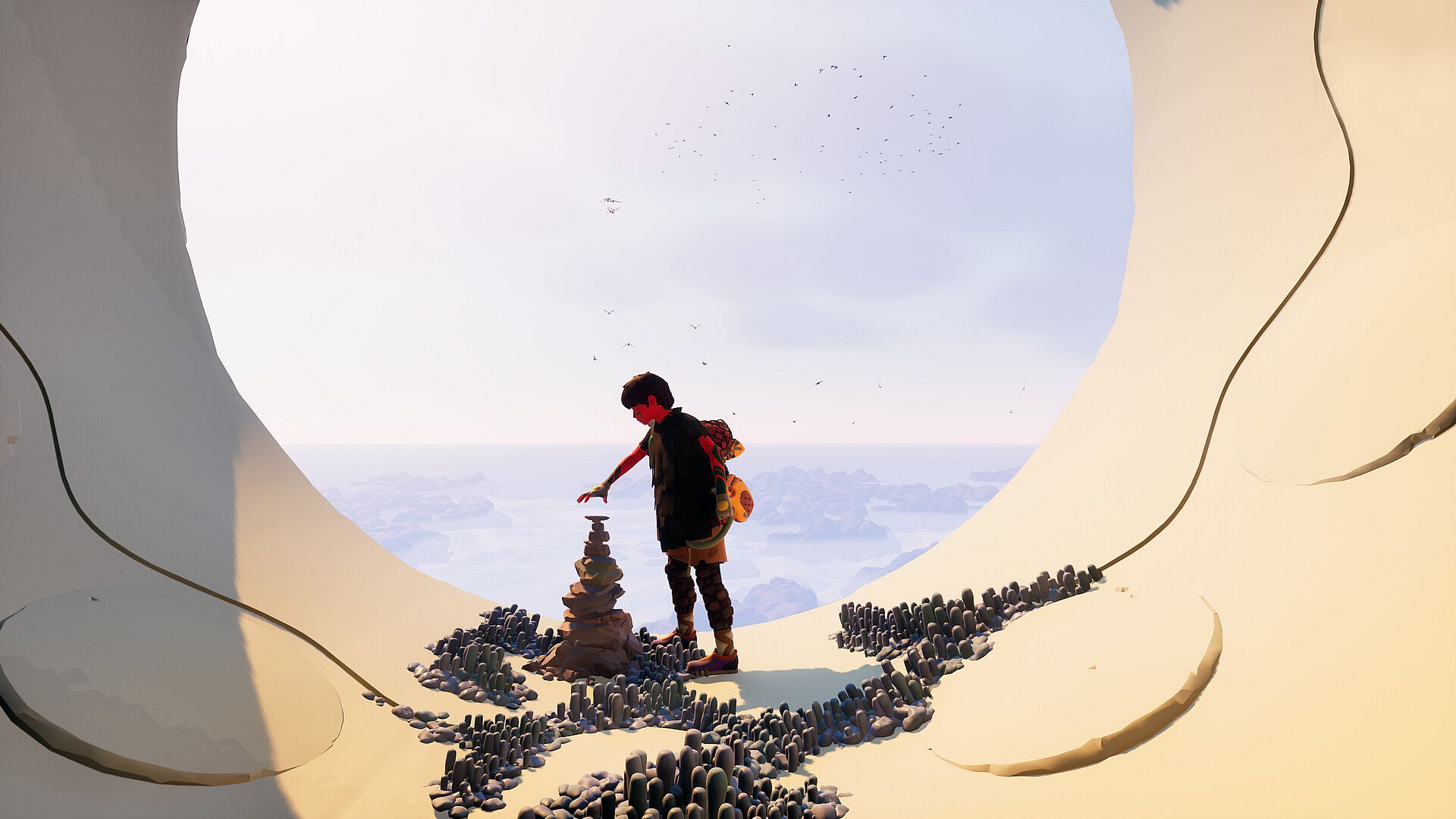
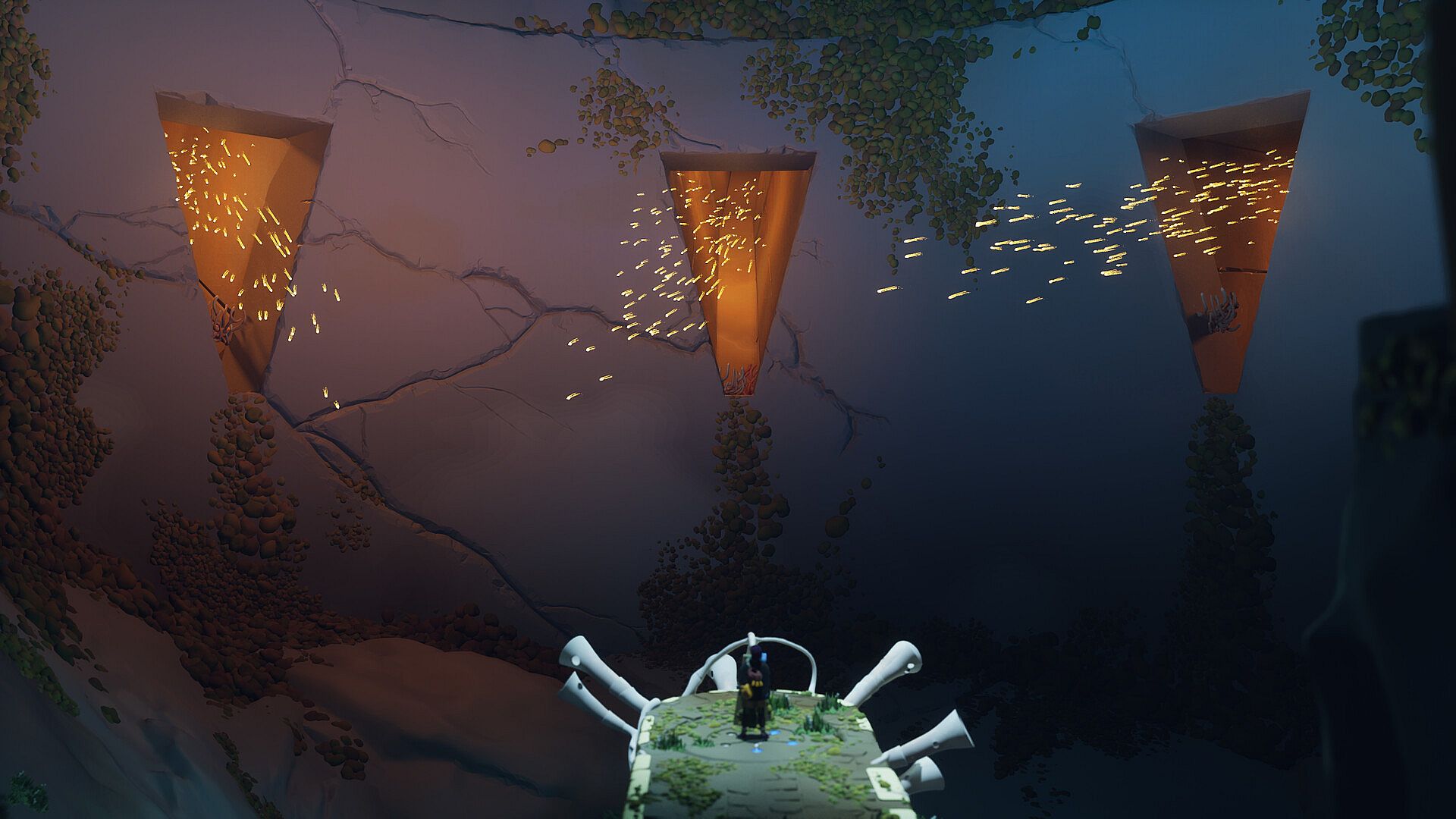
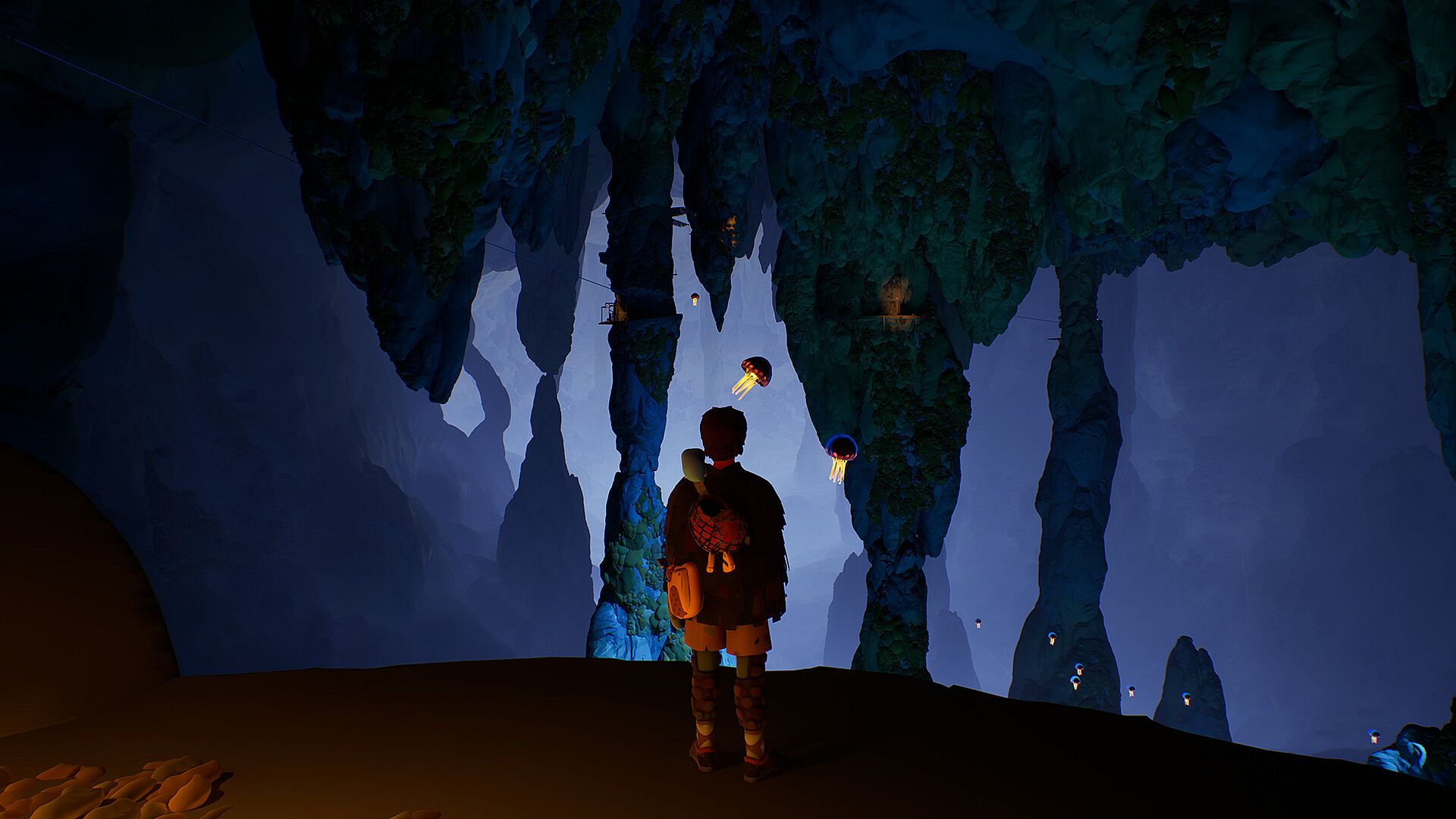
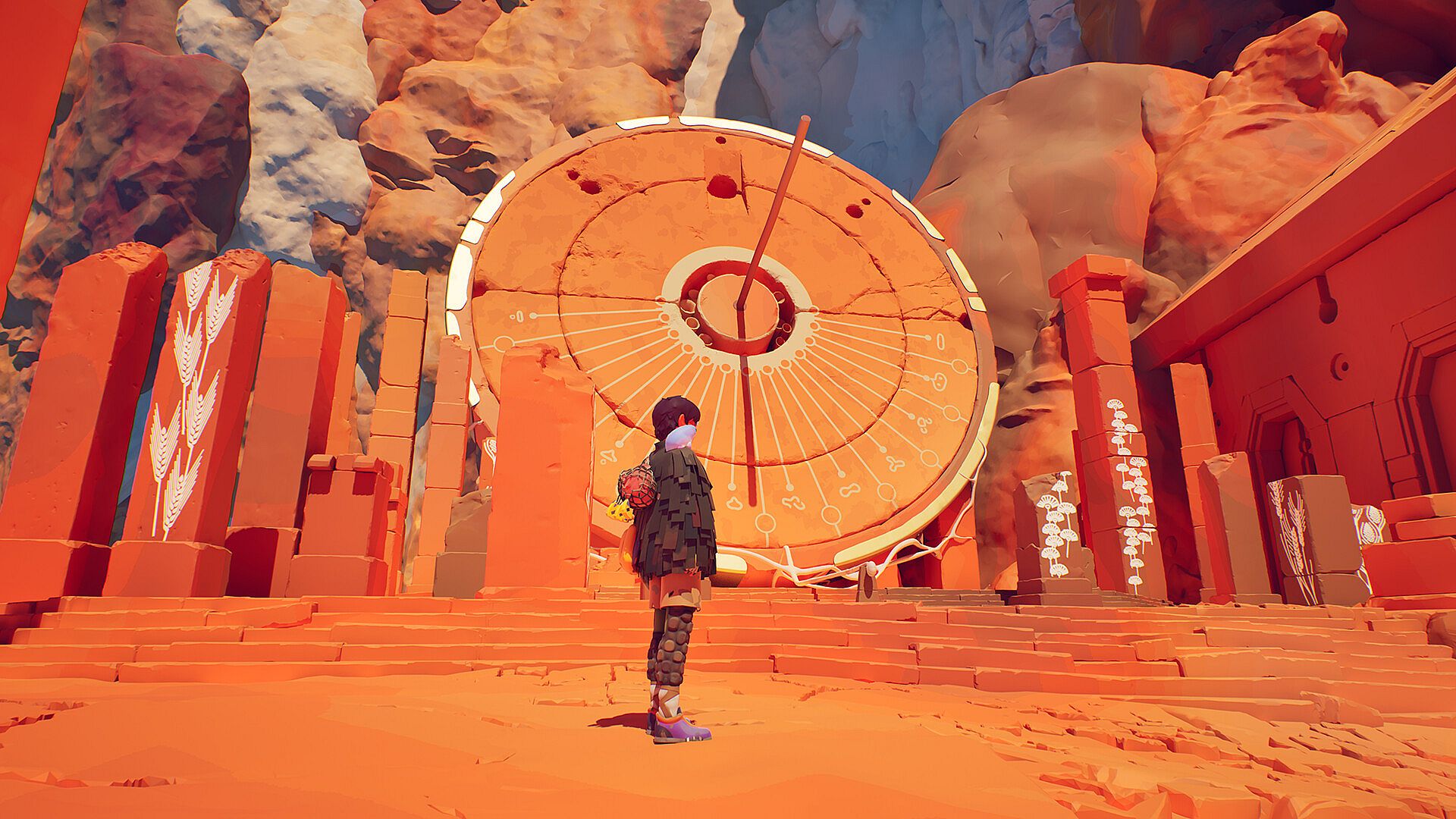
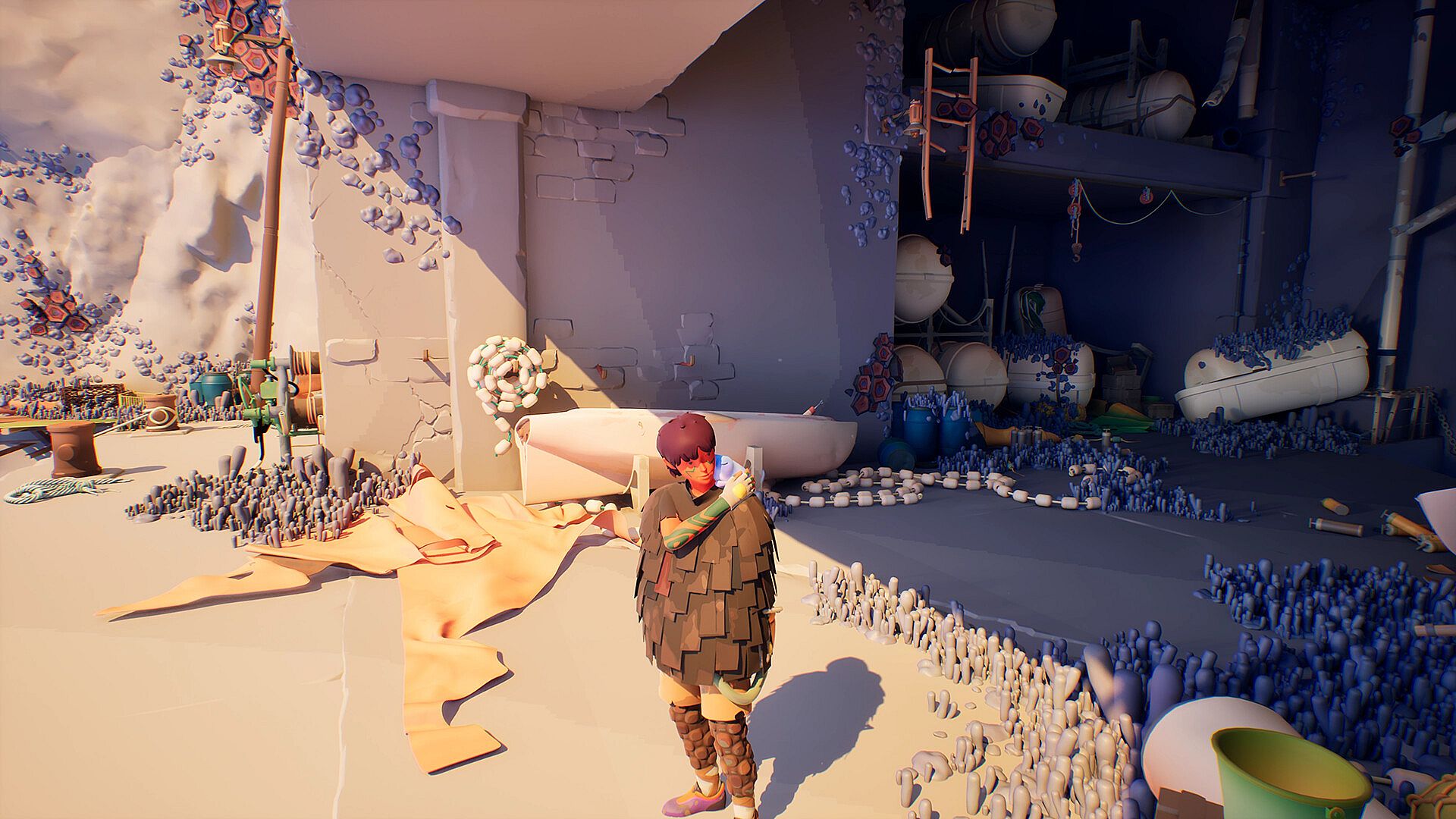
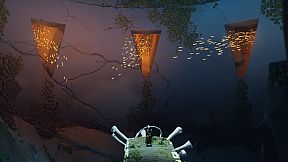
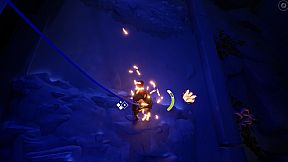
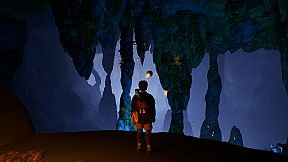
Each new section of the tower introduces unique environmental conditions that shape climbing decisions. Arid, exposed slopes test grip against gusts, while enclosed passages rely on faint bioluminescent light for orientation. Flora and fauna appear along the way, often serving as visual landmarks or subtle indicators of safe routes. The soundtrack remains understated and ambient, shifting gently with elevation and location to maintain a consistent sense of quiet focus. Clues scattered through artifacts and environmental changes gradually reveal the tower's backstory without spoken dialogue or text-heavy exposition.
Is It Worth Playing?
Player feedback highlights the satisfying precision of the climbing system and the peaceful progression through changing landscapes as standout elements. Reviews consistently praise the tactile feel of managing hands, rope, and stamina in service of thoughtful route-finding. The game suits those seeking a focused, skill-driven adventure without combat, timers, or social features. Its compact length and lack of ongoing content mean it delivers a complete, self-contained journey best enjoyed in focused sessions. Reception remains strongly positive years after release, with many noting its distinctive approach to puzzle-platforming through vertical movement. Those drawn to deliberate exploration and atmospheric single-player titles will find the mechanics rewarding, while players expecting action variety or multiplayer elements may prefer other options.