

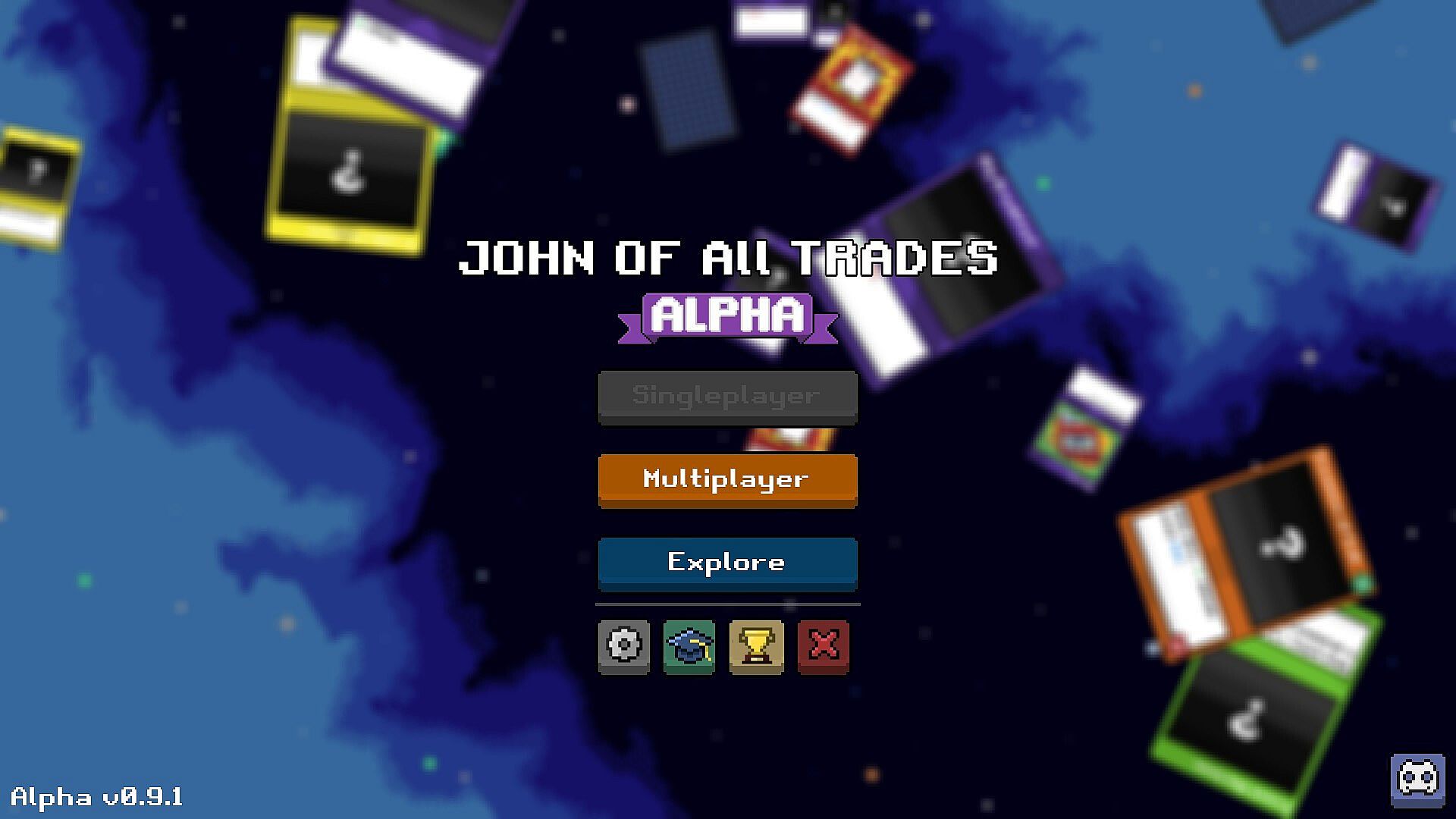
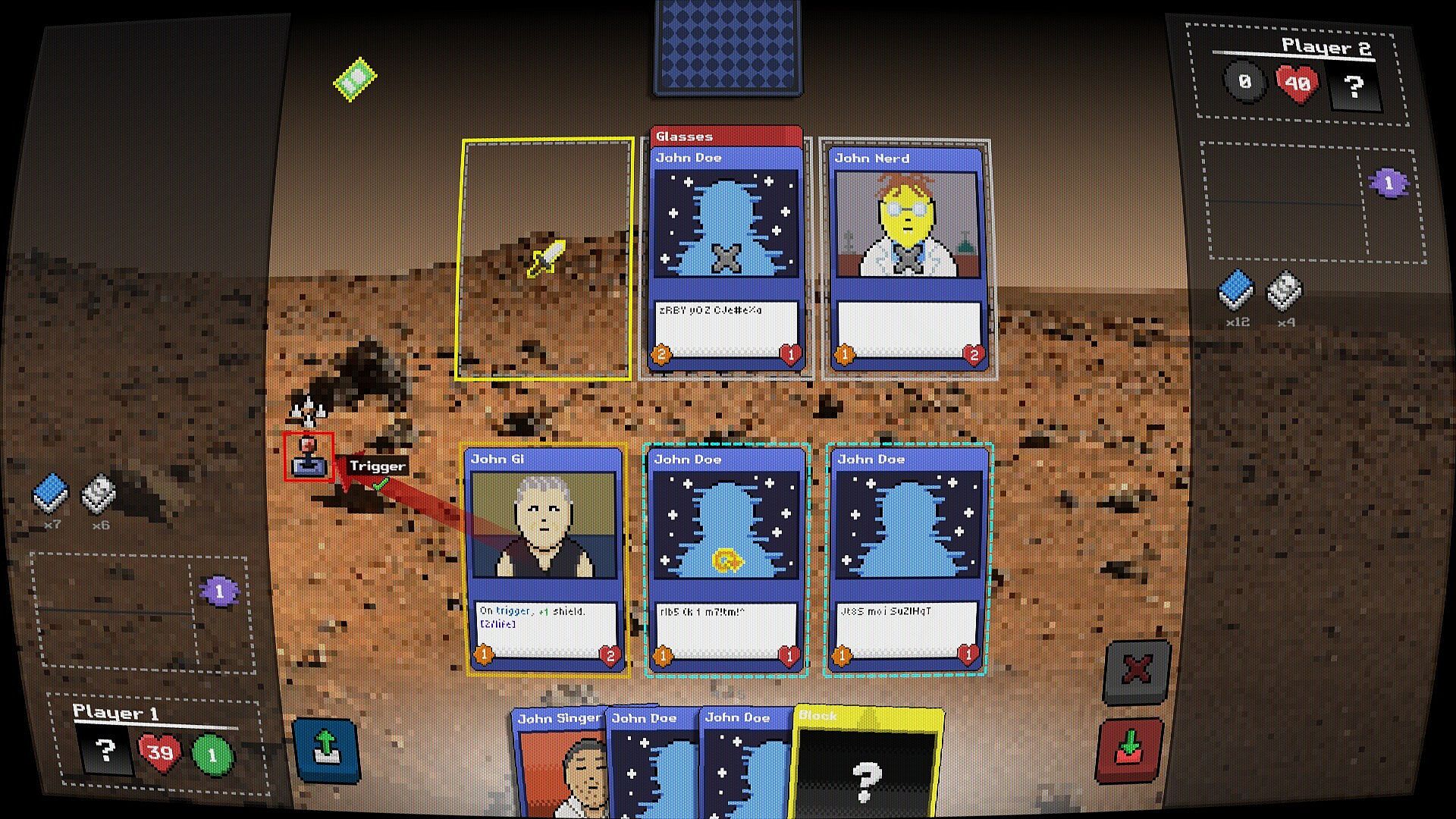

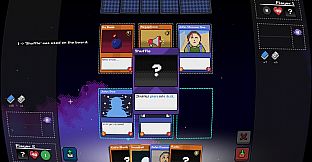
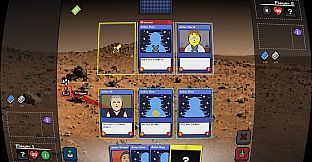
John of all trades is a tactical turn-based card battler that emphasizes board positioning, deck construction, and real-time resource decisions during matches. Players assemble decks from distinct card categories and compete on a compact grid where every placement influences the outcome. The game supports online PvP and shared or split-screen play, making it suitable for both remote opponents and local sessions.
Gameplay
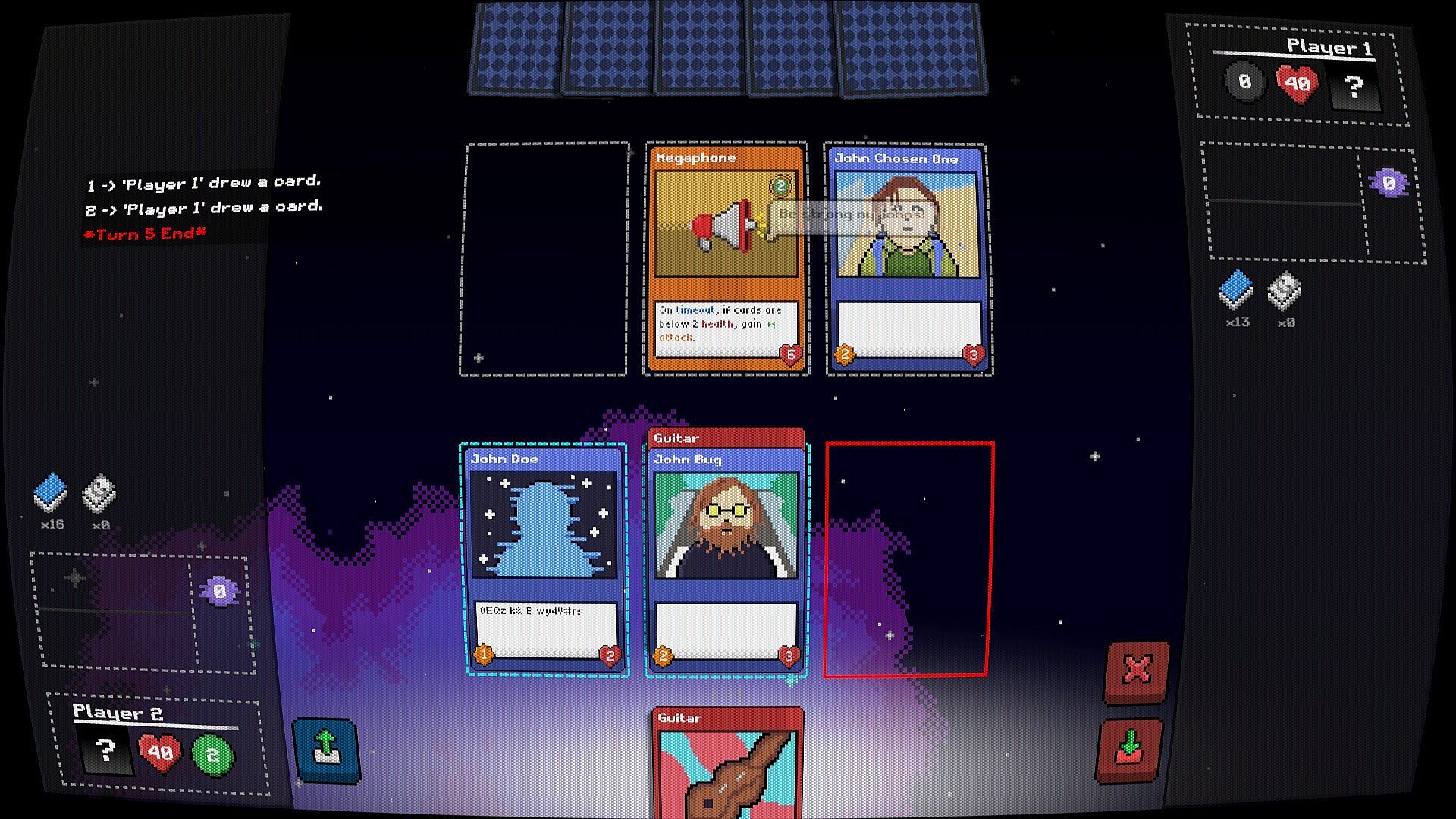
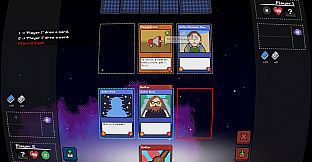
Matches revolve around summoning and managing units called Johns on a limited battlefield. Each side controls a row of cells, and attacks target the space directly opposite an attacking unit. When that space holds an enemy John, damage is exchanged until one side reaches zero health. Empty opposing cells allow direct strikes against the opponent's life total. Victory requires reducing the opponent's health to zero while protecting your own position.
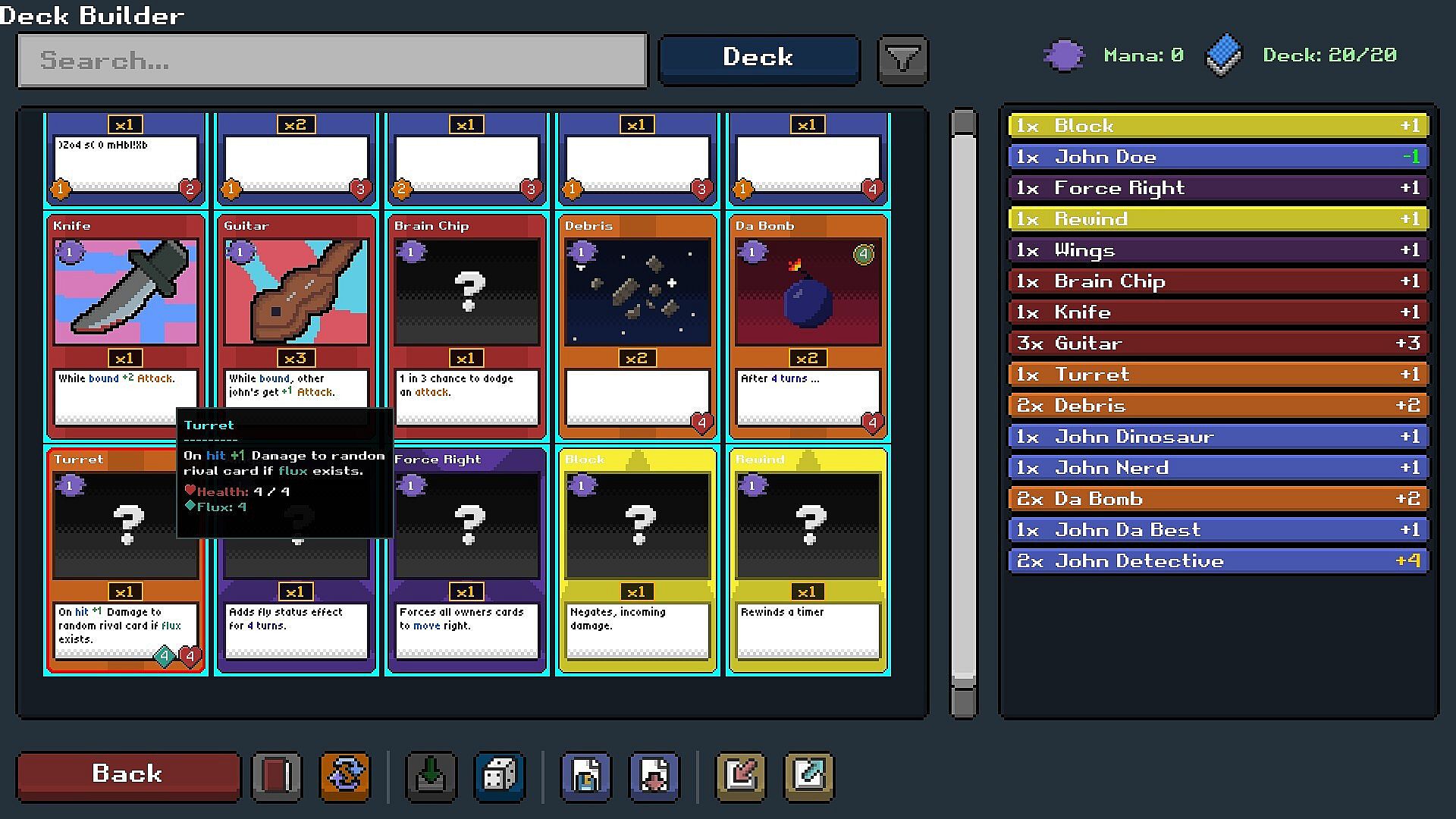
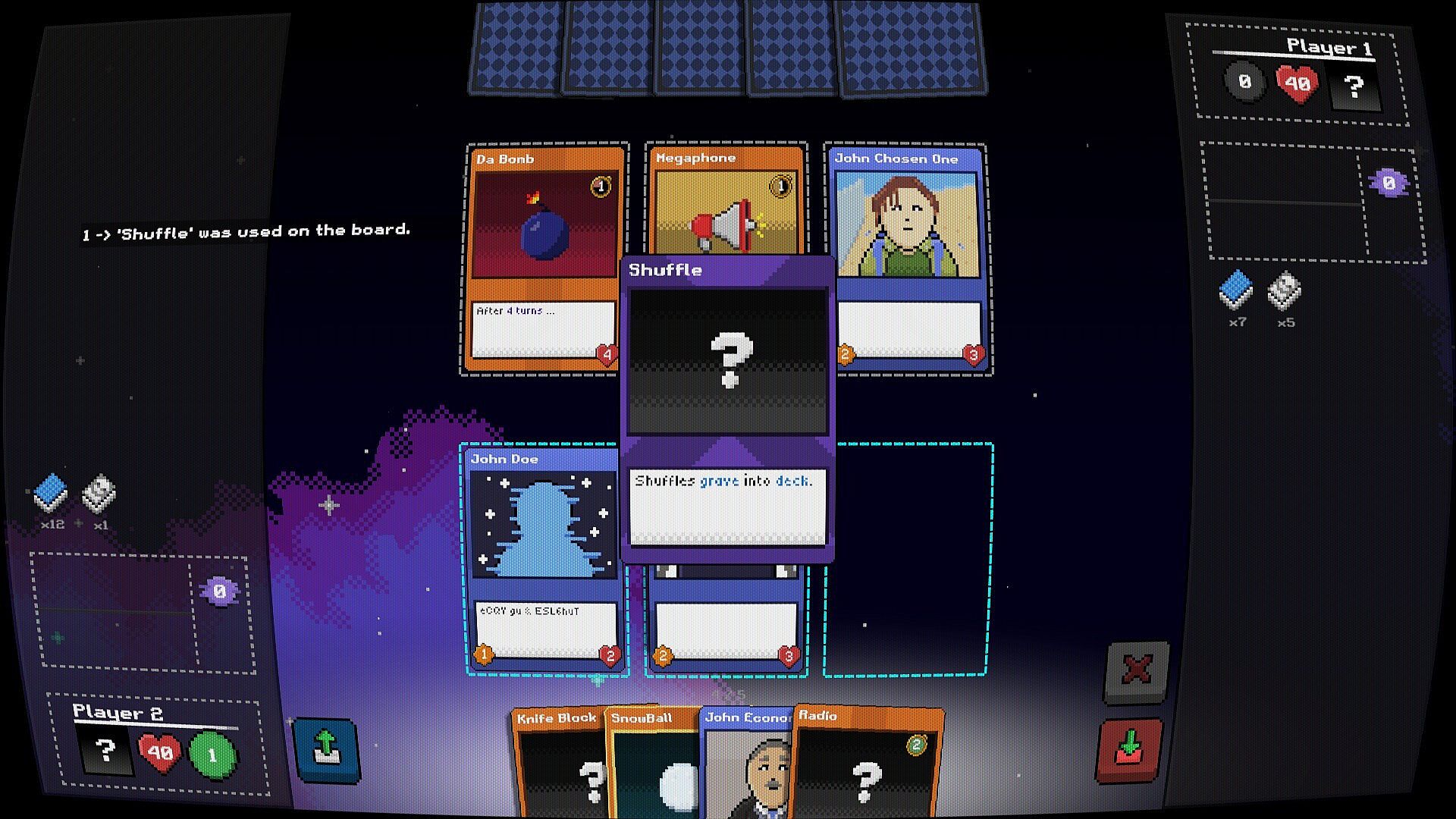
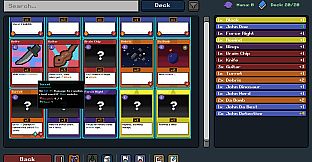
Deck building draws from five color-coded categories. Blue Johns form the core attacking and defending force. Red Items attach to active Johns to grant bonuses or new effects. Purple Active cards deliver immediate one-time actions such as damage, movement, or resource shifts. Green Environment cards occupy a dedicated slot and impose global rules that affect all units until replaced. Orange Passive cards remain on the board to provide continuous support without the ability to attack or receive certain status effects.
Defeated Johns generate Souls, a currency spent mid-match at a shop. Players can buy temporary Active Items or permanent Trades that upgrade specific Johns. These purchases create branching choices: early spending can seize momentum, while saving allows investment in stronger long-term synergies. The shop system integrates directly with the core loop of drawing, placing, and resolving cards.
Positioning adds a spatial layer absent from most card games. Limited cells force trade-offs between committing powerful units early or holding space for future plays. Cards interact through status effects, chained triggers, and mutual support, rewarding experimentation with combinations that strengthen allies, disrupt opponents, or convert apparent setbacks into advantages.
Game Modes
The primary competitive format is online PvP, where players matchmake and test decks against others in one-on-one battles. A separate couch mode supports shared or split-screen play for local opponents on the same device. Both modes use the same core rules and card pool, allowing direct comparison between remote and in-person sessions.
Deck construction occurs outside matches, with players refining collections based on observed interactions. The current build includes progression systems that track achievements and unlock further options as matches are completed. No additional named modes such as single-player campaigns or ranked ladders appear in the available description.
Card Categories and Interactions
Johns serve as the primary units, summoned to empty cells on the player's side and removed to a graveyard once their health reaches zero. Items remain equipped to a chosen John until removed or the host is defeated. Active cards resolve instantly and then discard, while Environments occupy a single persistent slot that updates when a new one is played. Passives emphasize longevity, delivering ongoing benefits without participating in direct combat.
Resource management ties these elements together. Souls earned from combat feed the shop, and Trades can permanently alter a John's capabilities. Status effects and triggered abilities create layered sequences where one play can cascade into multiple outcomes depending on board state and timing.
Current State and Development
The game is scheduled to enter Early Access with a playable core that includes deck building, online and local multiplayer, shop mechanics, and card interactions. Developers plan to expand the card roster, refine balance, and add features based on player input during this period, which they estimate at six to twelve months. The full release is expected to include more cards, achievements, and progression depth.
System requirements remain modest, supporting Windows 7 and later with basic integrated graphics. The title is listed under strategy and free-to-play tags, with an emphasis on competitive card play rather than narrative elements.
Is It Worth Playing?
John of all trades targets players who enjoy tactical card games that combine deck building with spatial decision-making. The emphasis on positioning and mid-match purchases distinguishes it from purely hand-management titles. Because the game remains in pre-Early Access with no published user reviews, expectations should center on an evolving experience that will incorporate community feedback on balance and features.
Those comfortable with iterative development and interested in testing card interactions in a compact battlefield setting may find value in participating early. The presence of both online and local multiplayer broadens its appeal for different play styles. Players seeking a finished product with extensive single-player content or established rankings should monitor progress toward full release before committing time.