




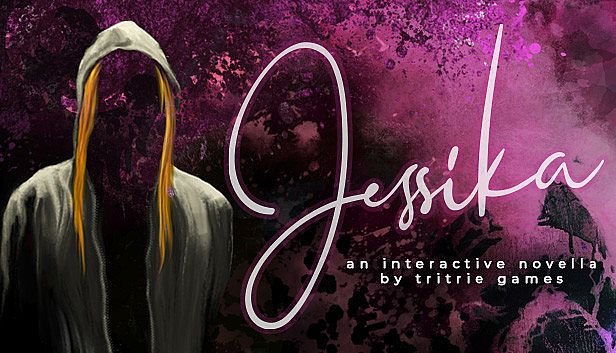















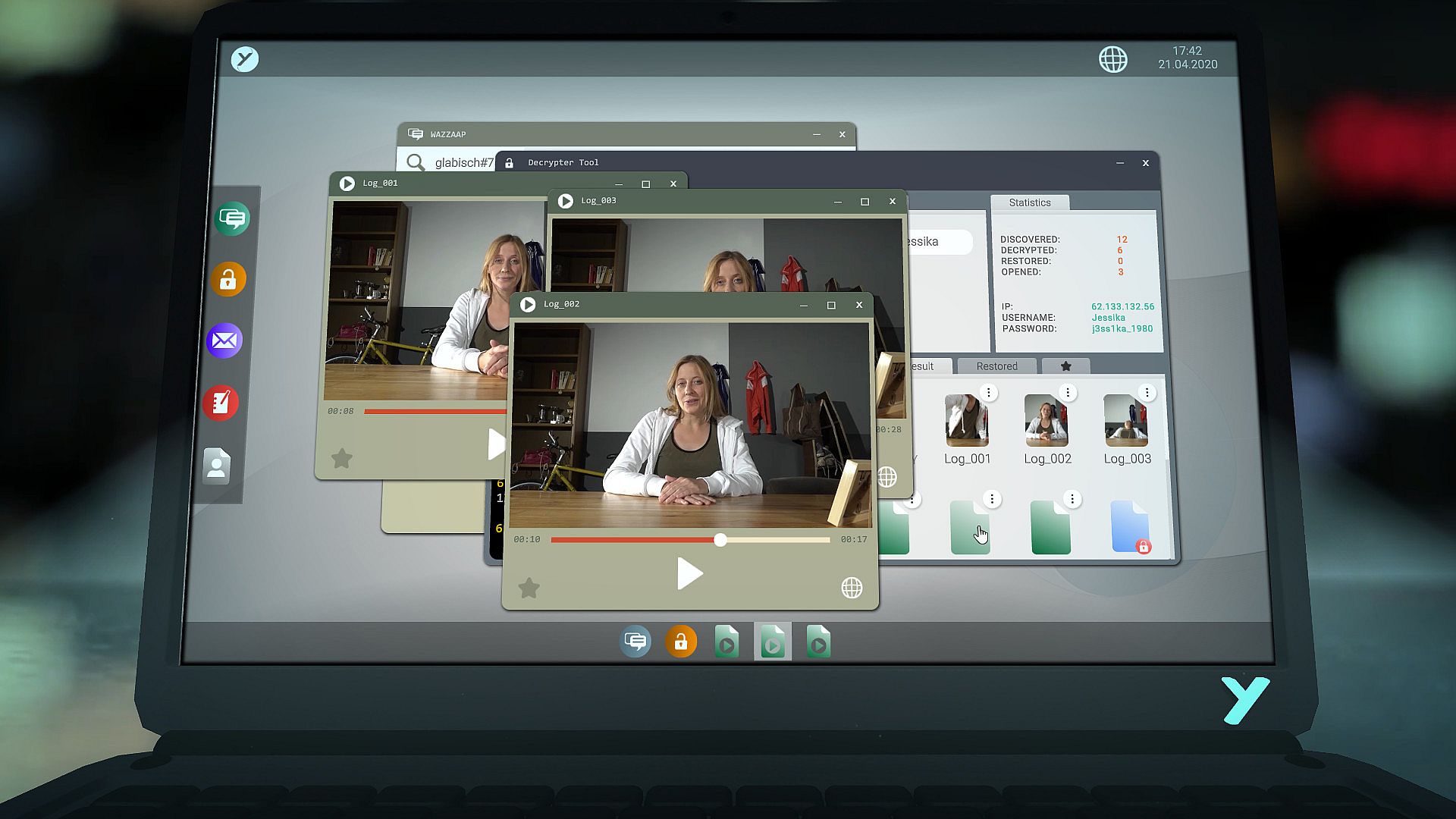
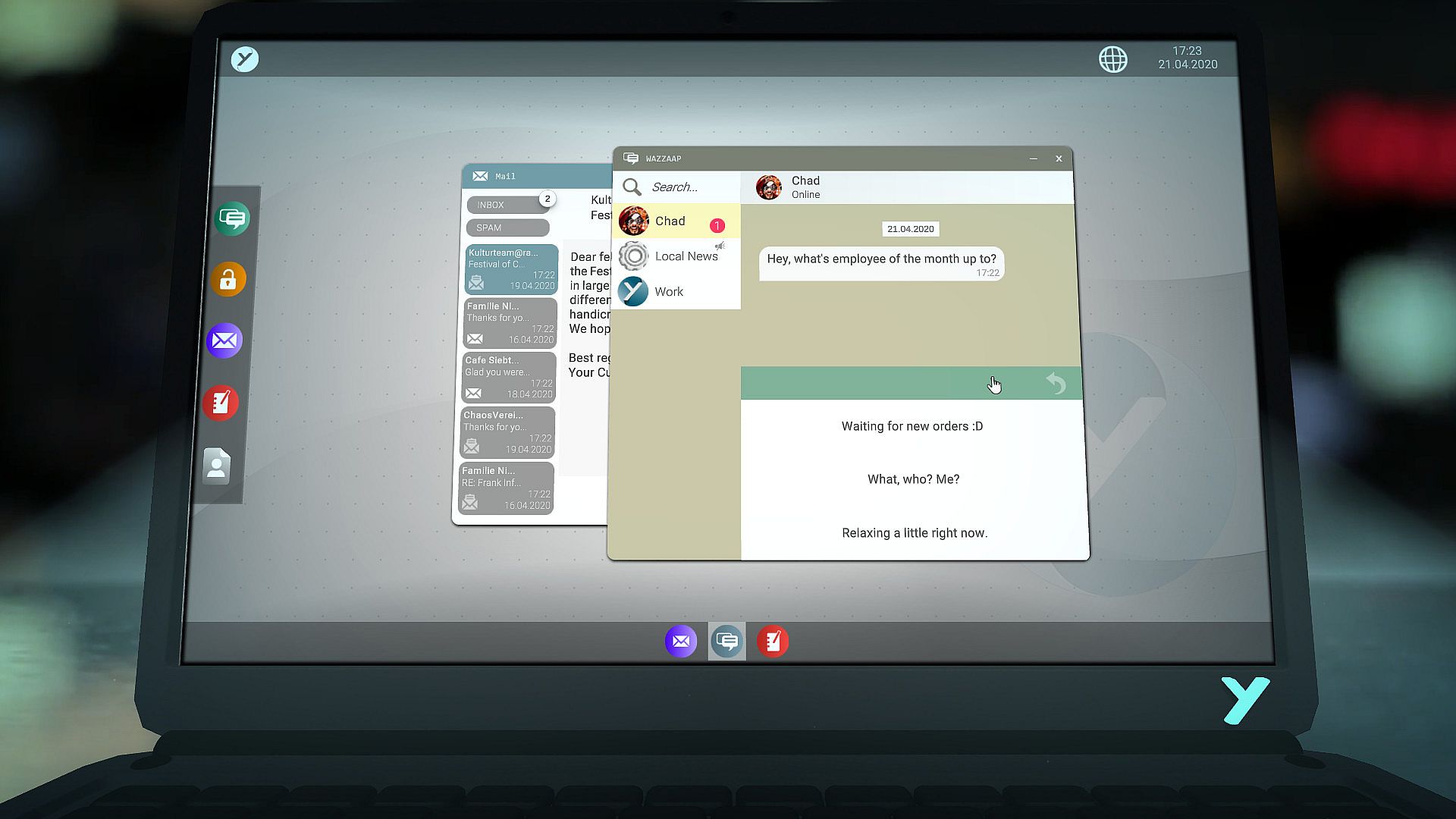
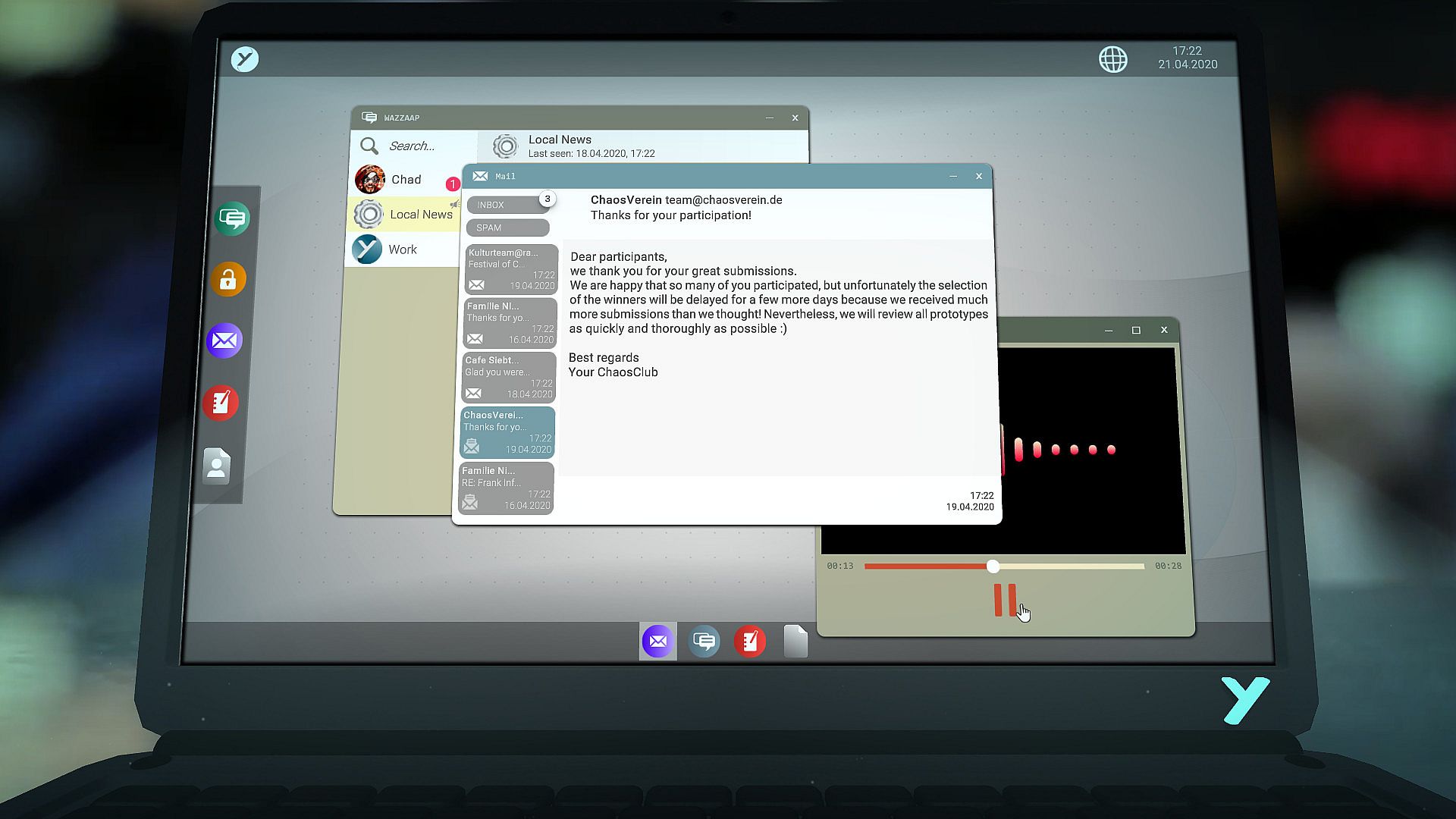










Jessika stands out as a distinctive indie adventure title built around full motion video sequences and database investigation. Players step into the role of a specialist at a company that processes digital records left behind by the deceased, all at the request of surviving family members. The central case revolves around a young woman named Jessika, whose files contain video clips, audio recordings, notes, and news articles that gradually reveal the events leading to her death.
Gameplay
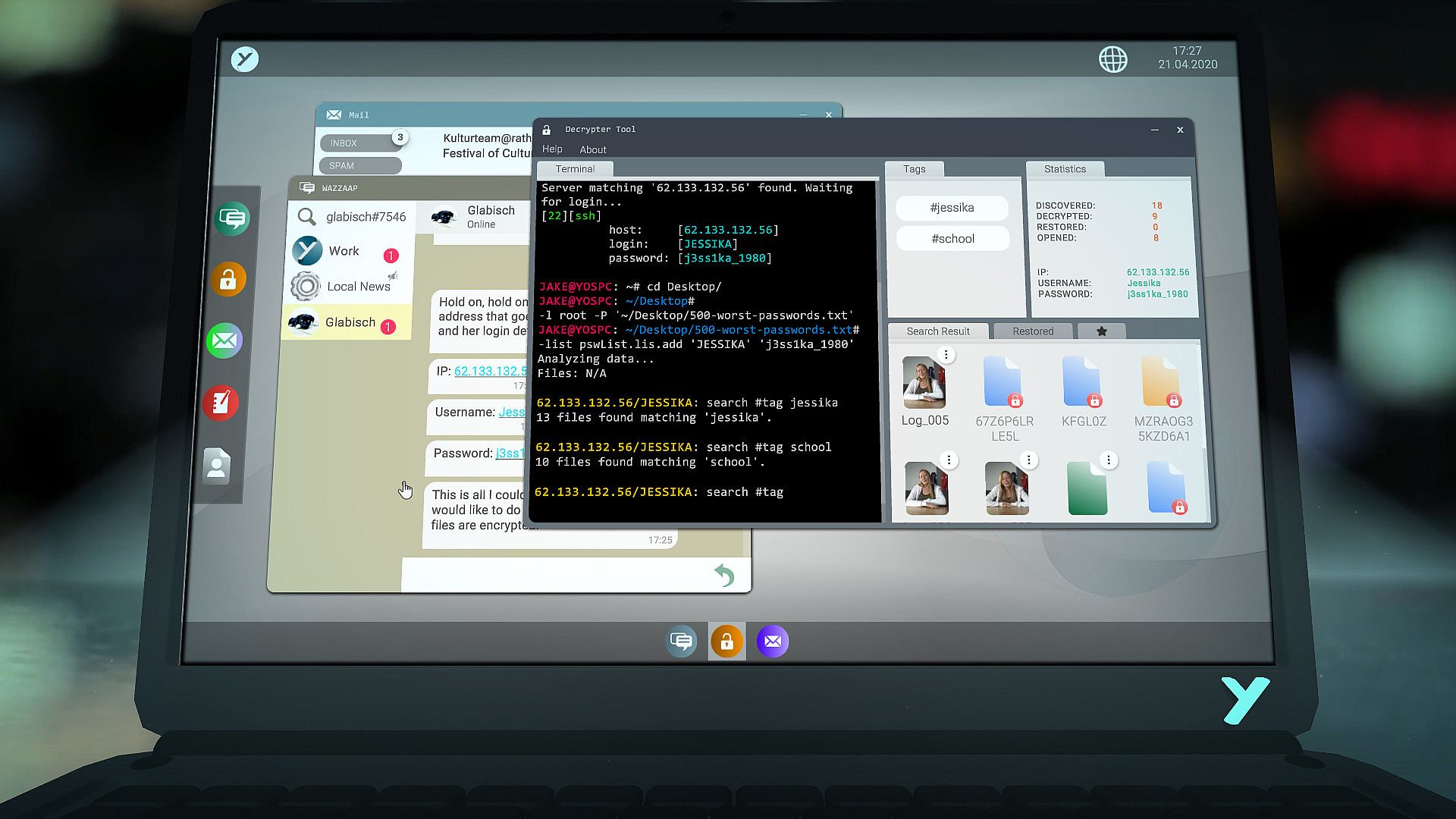
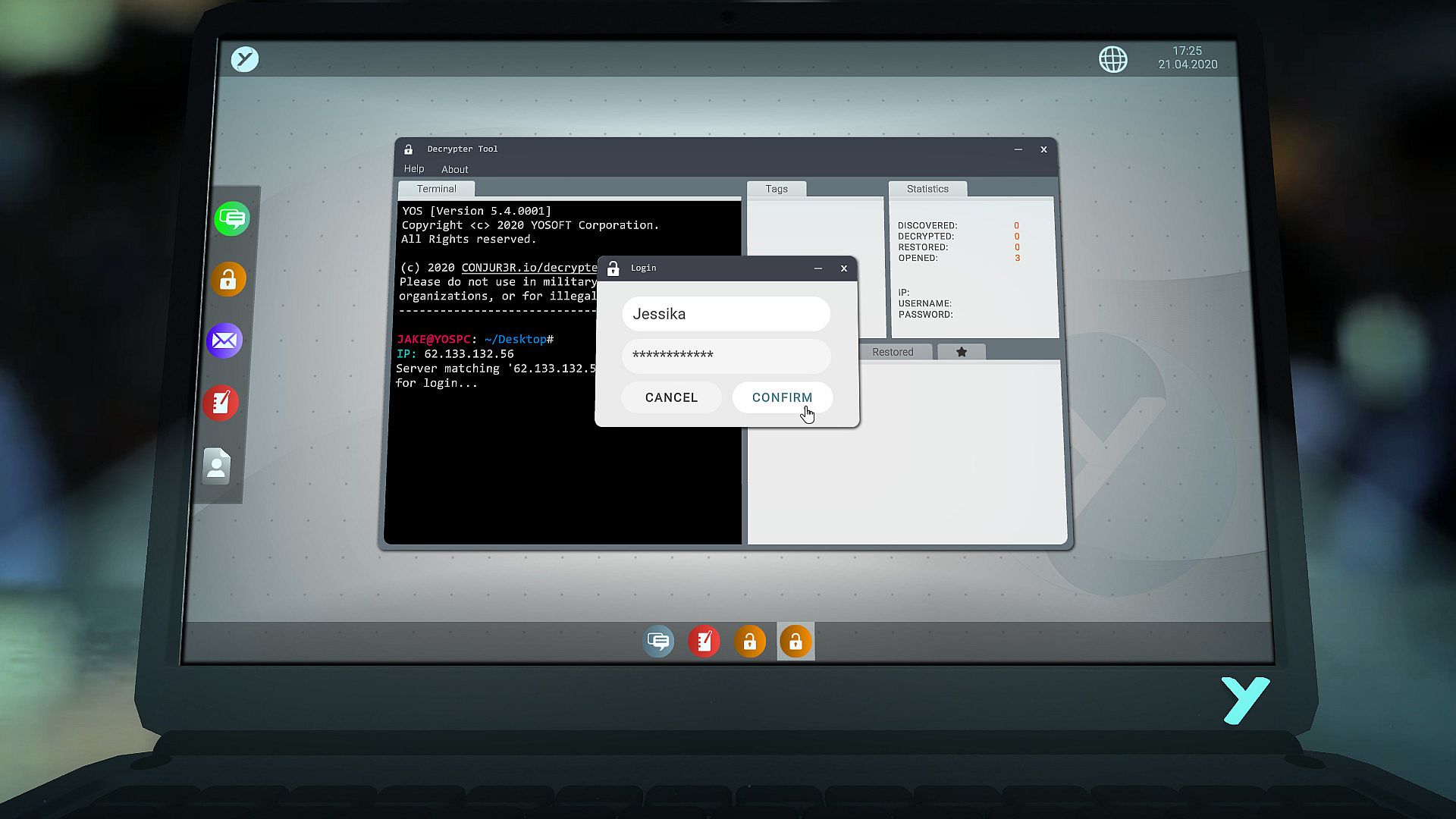
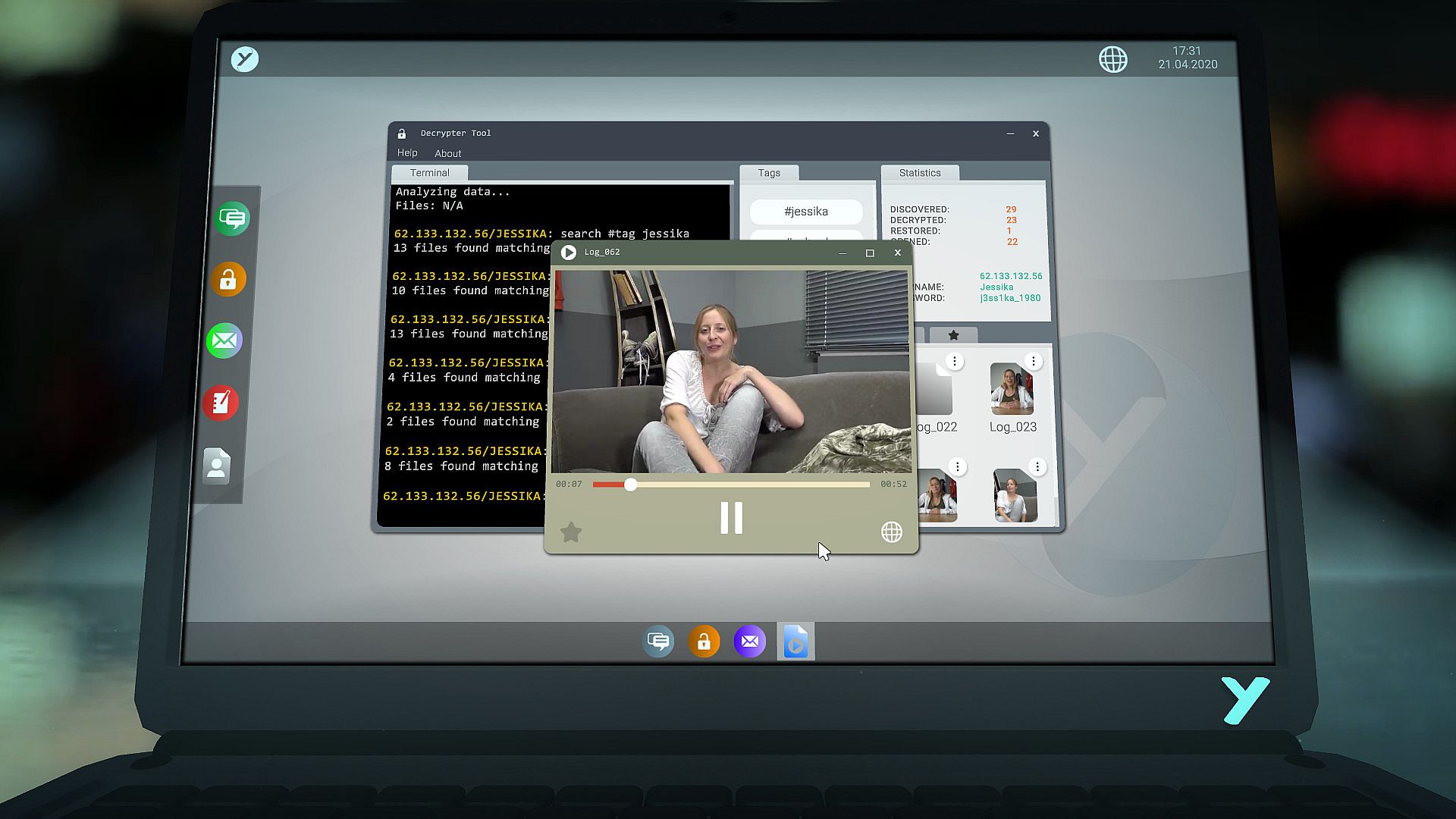
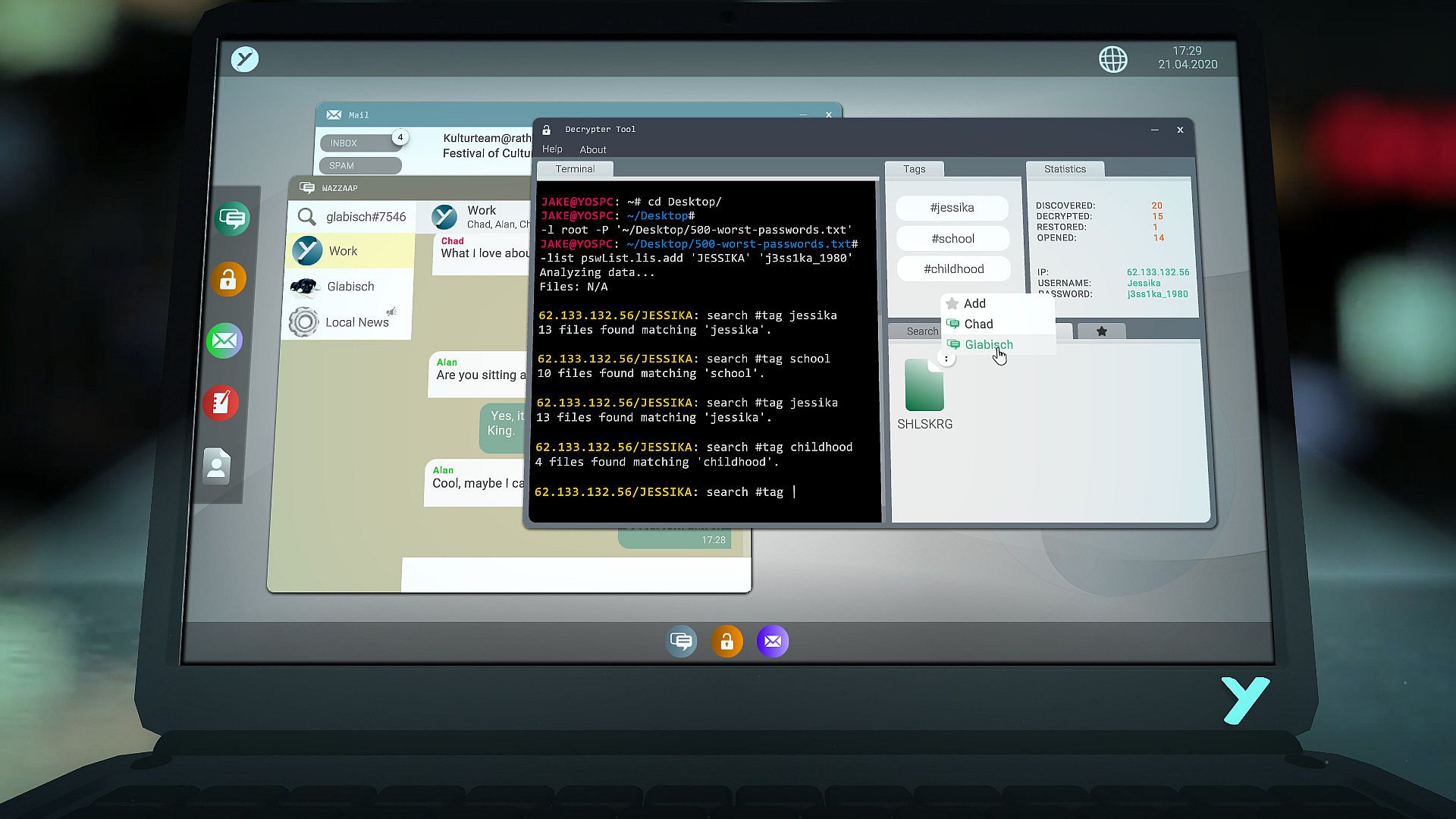
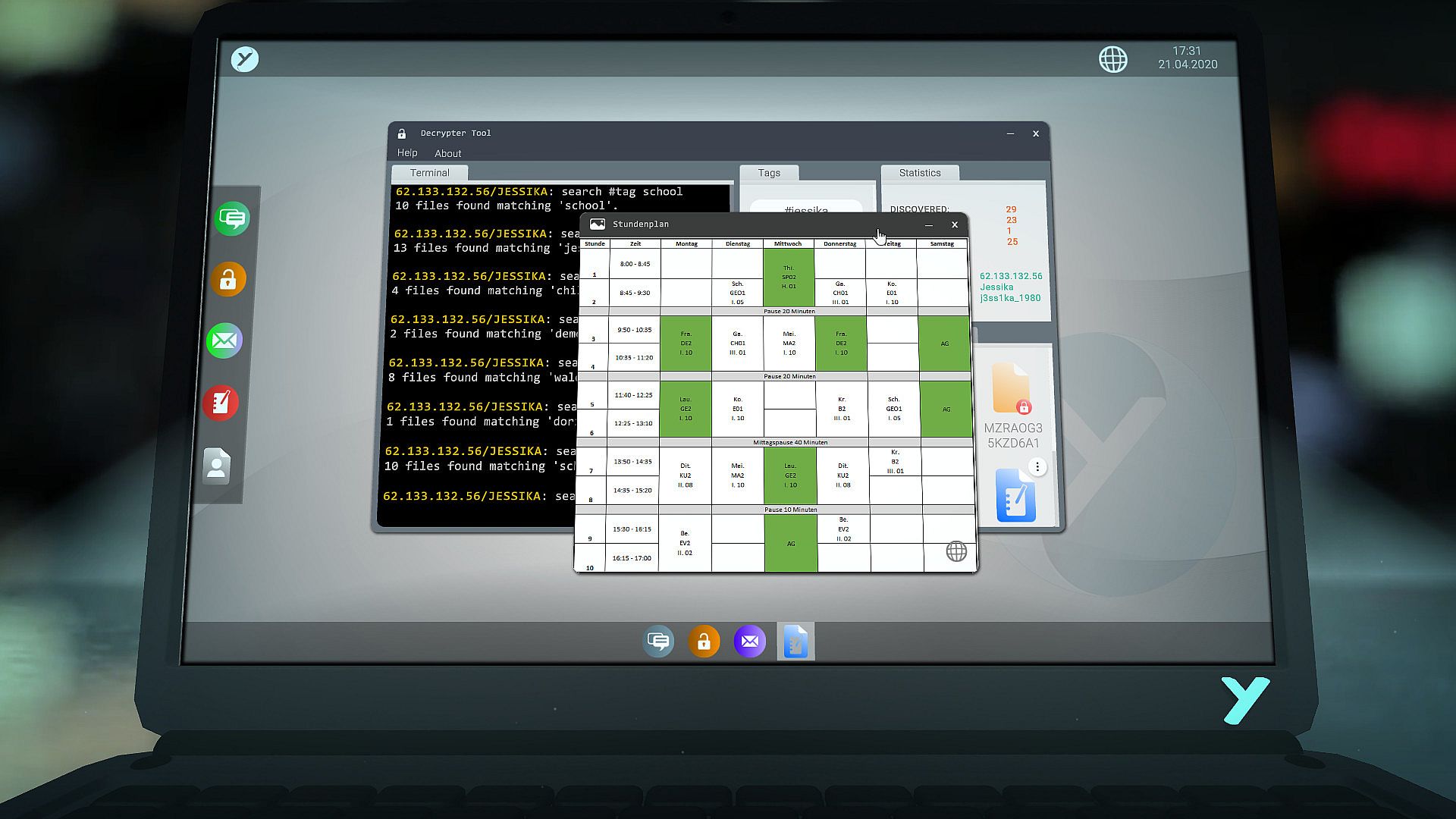
The core loop centers on keyword searches within a simulated database interface. Entering terms such as names, places, or events unlocks new pieces of media that players review on their in-game laptop. These clips and documents often contain further clues, prompting additional searches that expand the available material. Progress comes from logical connections between fragments rather than traditional puzzles or combat.
Once enough evidence surfaces, players share selected files with virtual colleagues and the client to advance the narrative. The interface remains straightforward, relying on text input and simple navigation to keep focus on the unfolding story. All interaction stays within the bounds of the provided digital archive, creating a contained experience that rewards careful observation and cross-referencing.
Game Modes
Jessika offers a single continuous investigative experience without separate modes or branches. The entire narrative unfolds through one structured case that players complete by systematically uncovering and interpreting the available media. There are no multiplayer components, competitive elements, or alternate scenarios, keeping the focus entirely on solitary deduction and story reconstruction.
Story and Presentation
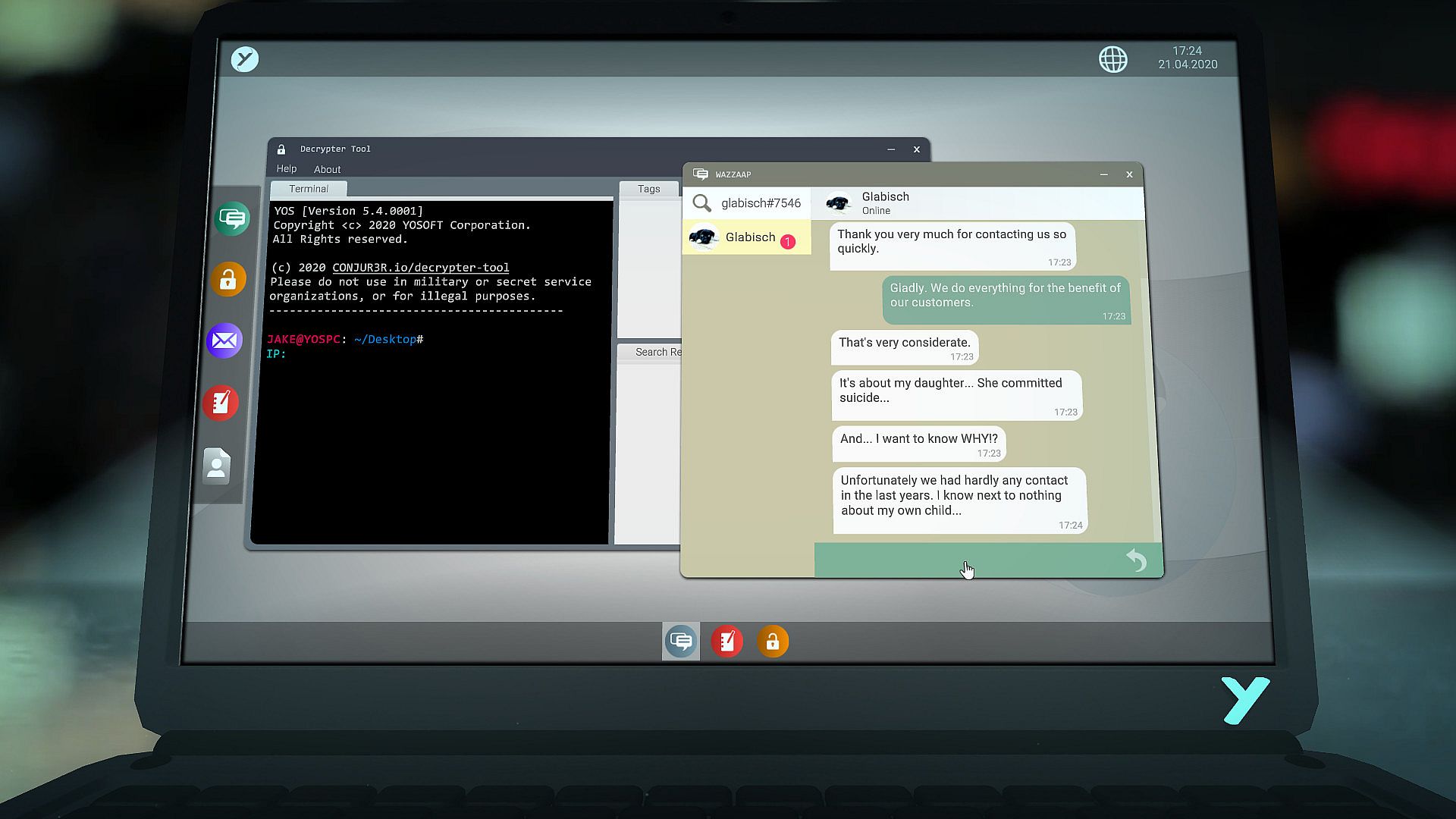
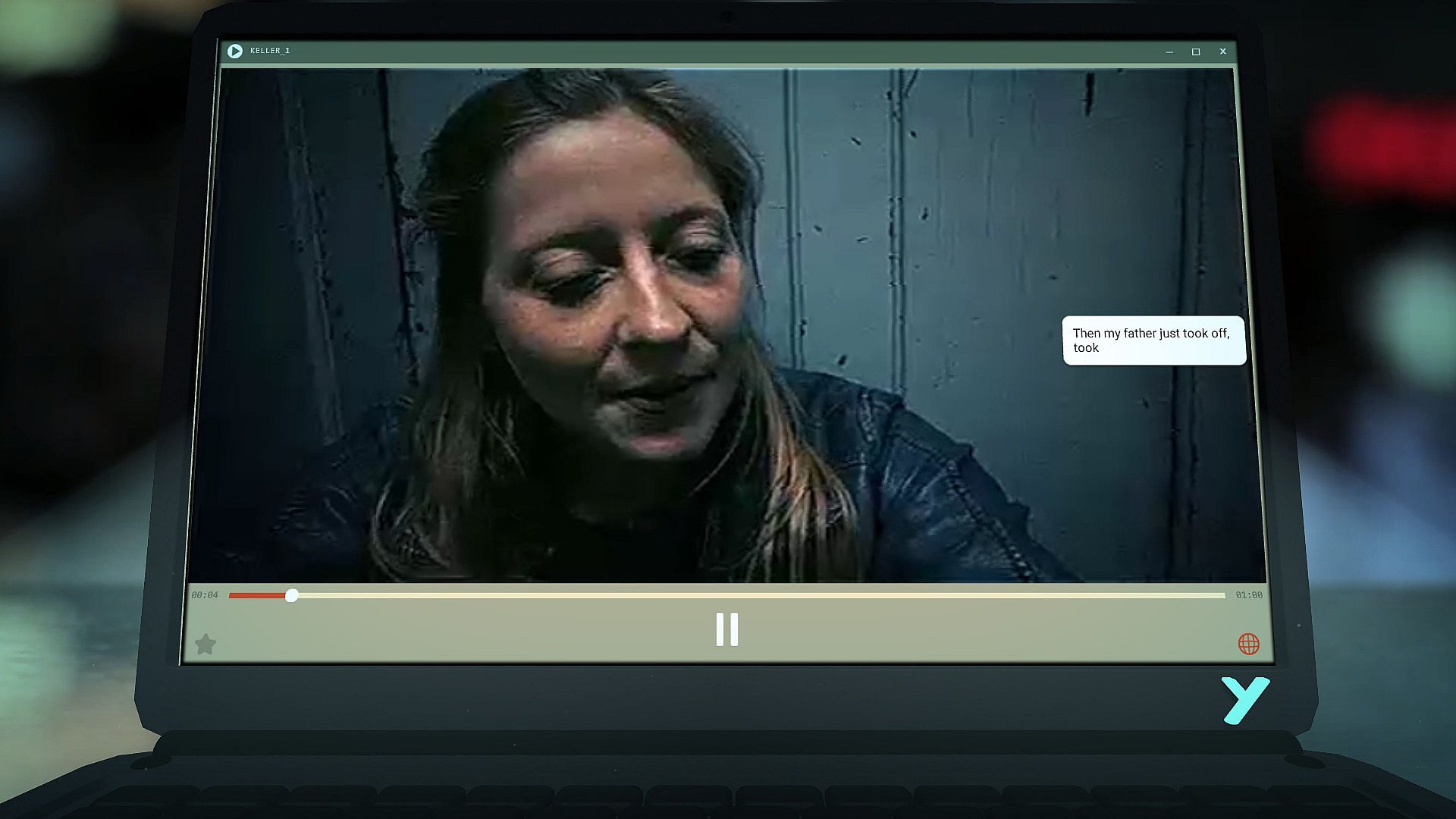
The narrative begins with a letter from Jessika's father, who hires the investigation team after her death. As files open, the story explores family tensions, personal struggles, and the reasons behind her choices. Full motion video sequences feature live actors delivering the dialogue and events, giving the mystery a grounded, documentary-like quality. The tone remains serious and introspective, touching on themes of regret, communication, and loss without relying on jump scares or action sequences.
Visuals consist primarily of screen recordings and video files viewed through the laptop interface, supplemented by occasional news articles and written notes. Sound design emphasizes the audio logs and spoken lines, allowing the performances to carry emotional weight. The presentation stays minimal to highlight the investigative process itself.
Is It Worth Playing?
Jessika appeals most to players who enjoy slow-burn mysteries and interactive storytelling in the vein of other database-driven adventures. Its strength lies in the gradual revelation of a personal tragedy through player-driven searches, which can feel rewarding when connections click into place. The game runs smoothly on standard PC hardware and requires no additional purchases or ongoing support.
Reception among those drawn to full motion video titles has been generally positive for the concept and acting, though some find the pacing deliberate and the total length modest. It suits fans of narrative-focused indie adventures who prefer deduction over reflexes or exploration in open worlds. If the premise of piecing together a life from digital remnants interests you, the title delivers a focused, self-contained experience that concludes once the central questions receive answers.














