




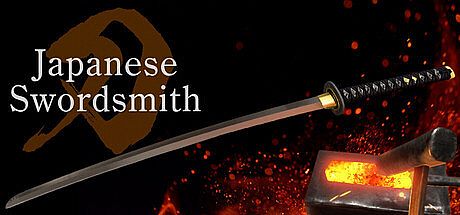


Japanese Swordsmith is an indie simulation game that places players in the role of a swordsmith working in Bakumatsu-era Kyoto. The experience centers on forging a katana from raw tamahagane through a sequence of traditional Japanese metalworking techniques.
Gameplay
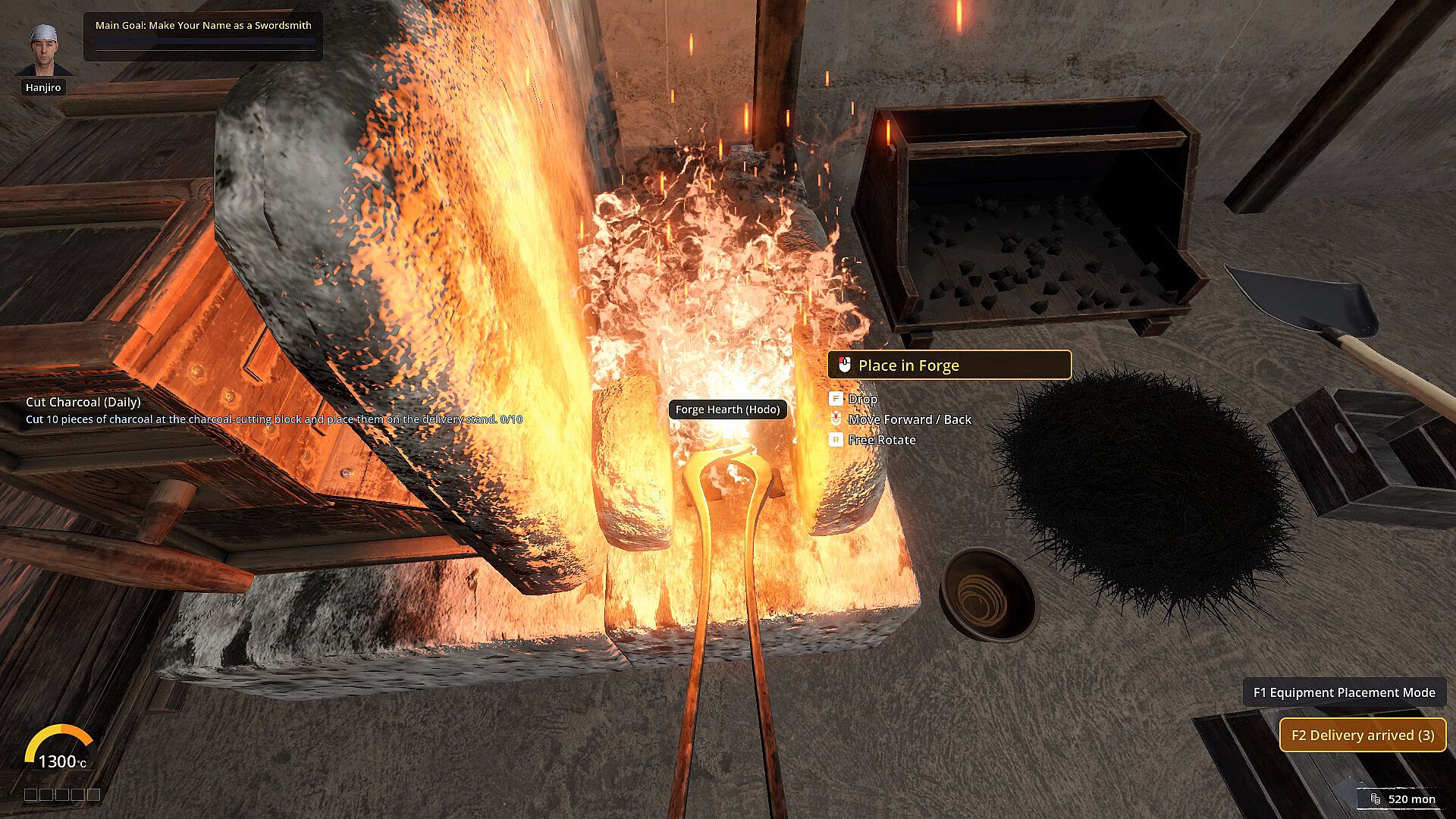
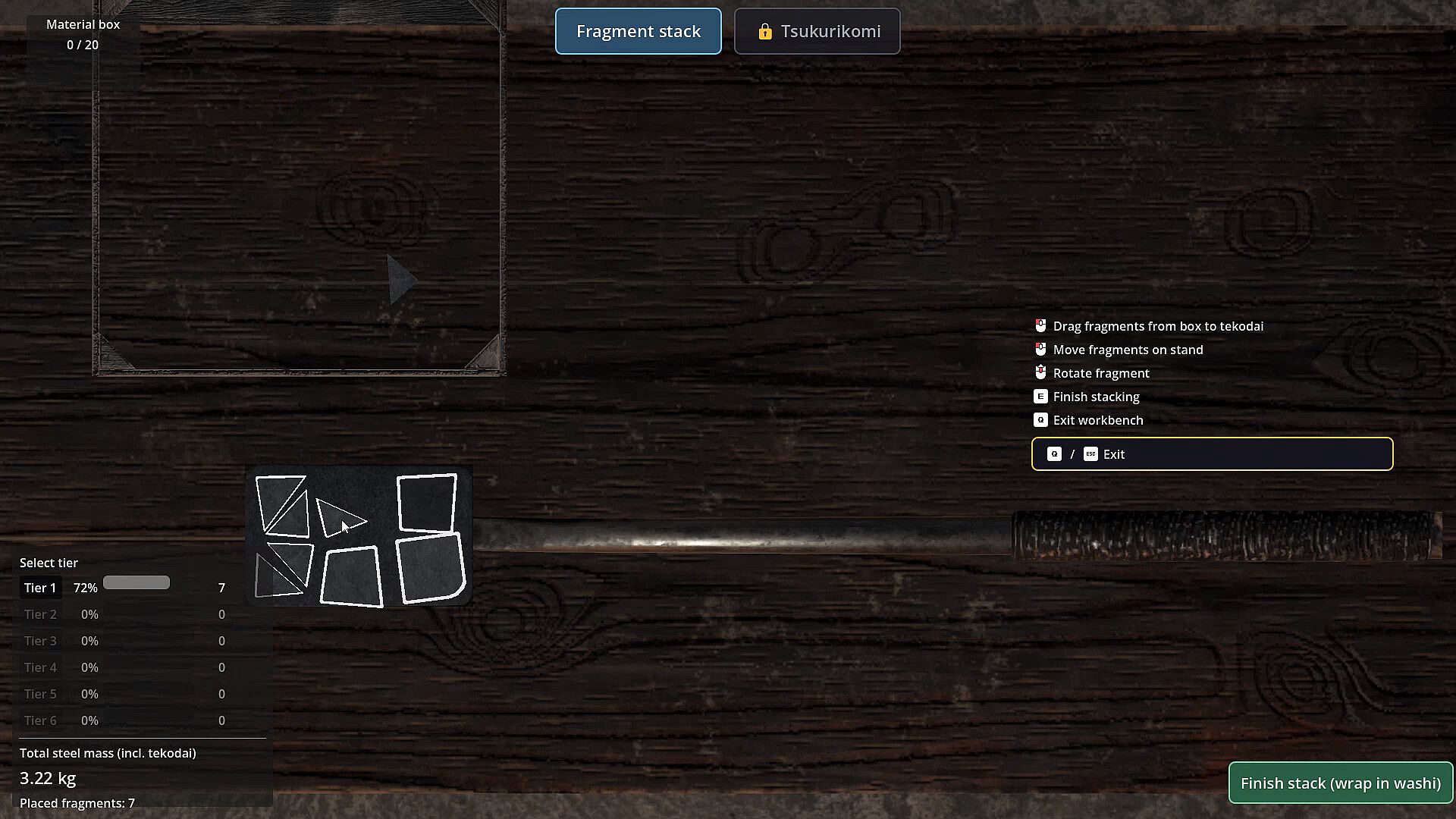
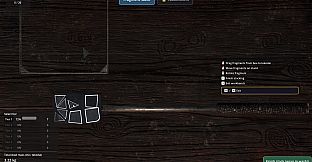
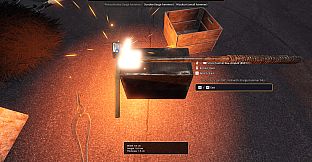
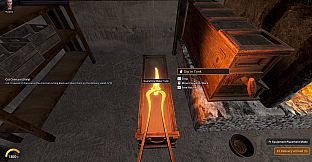
The core loop requires careful attention to each stage of blade creation. Players begin by preparing charcoal through sumikiri, cutting and sorting material by hand to fuel the forge. Next comes mizuheshi, where tamahagane is heated, hammered, quenched, and broken into pieces for sorting by quality. Fragments are then stacked and welded in tsumiwakashi to form a single billet before tanren folding refines the steel through repeated heating and hammering.
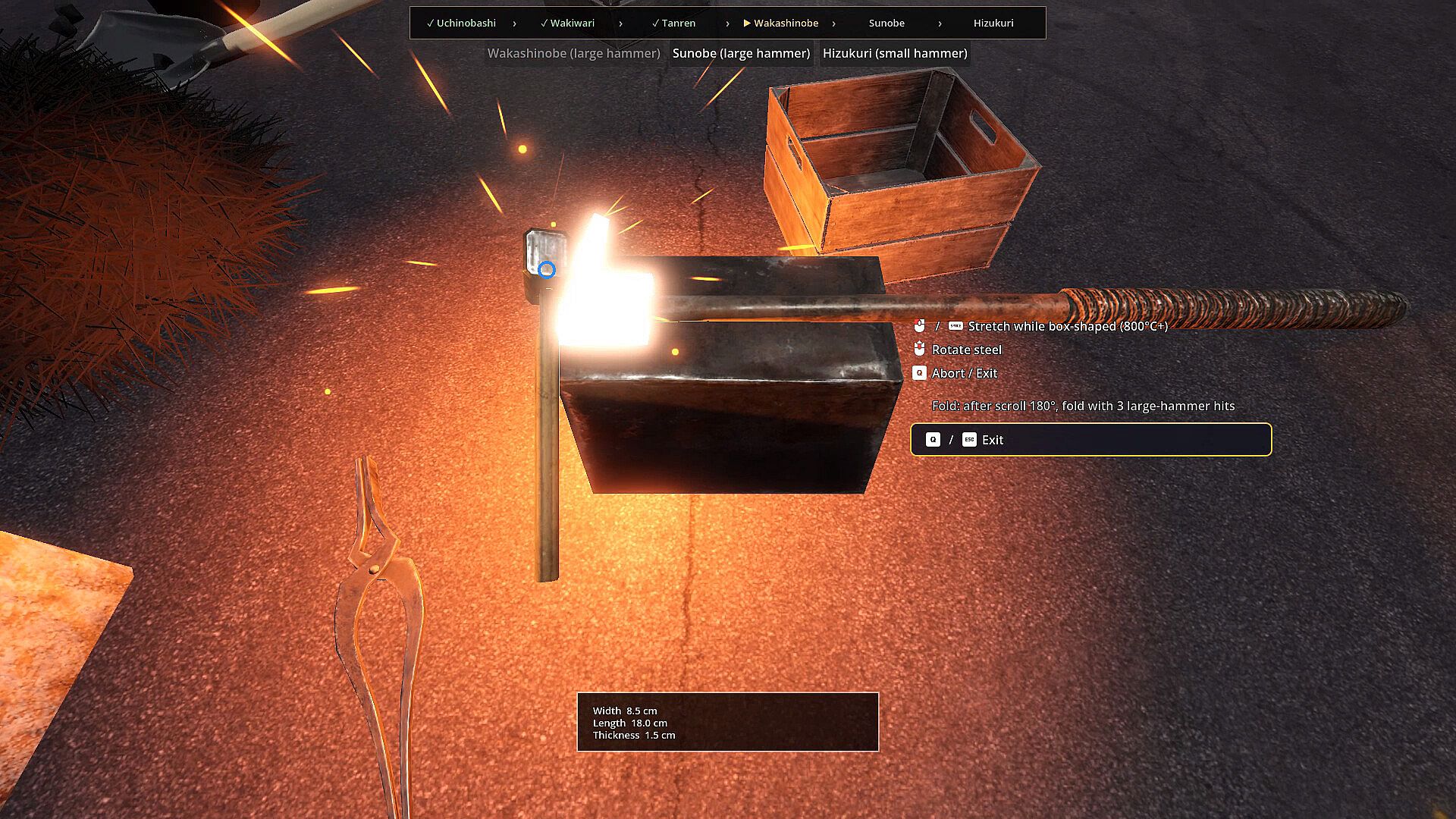
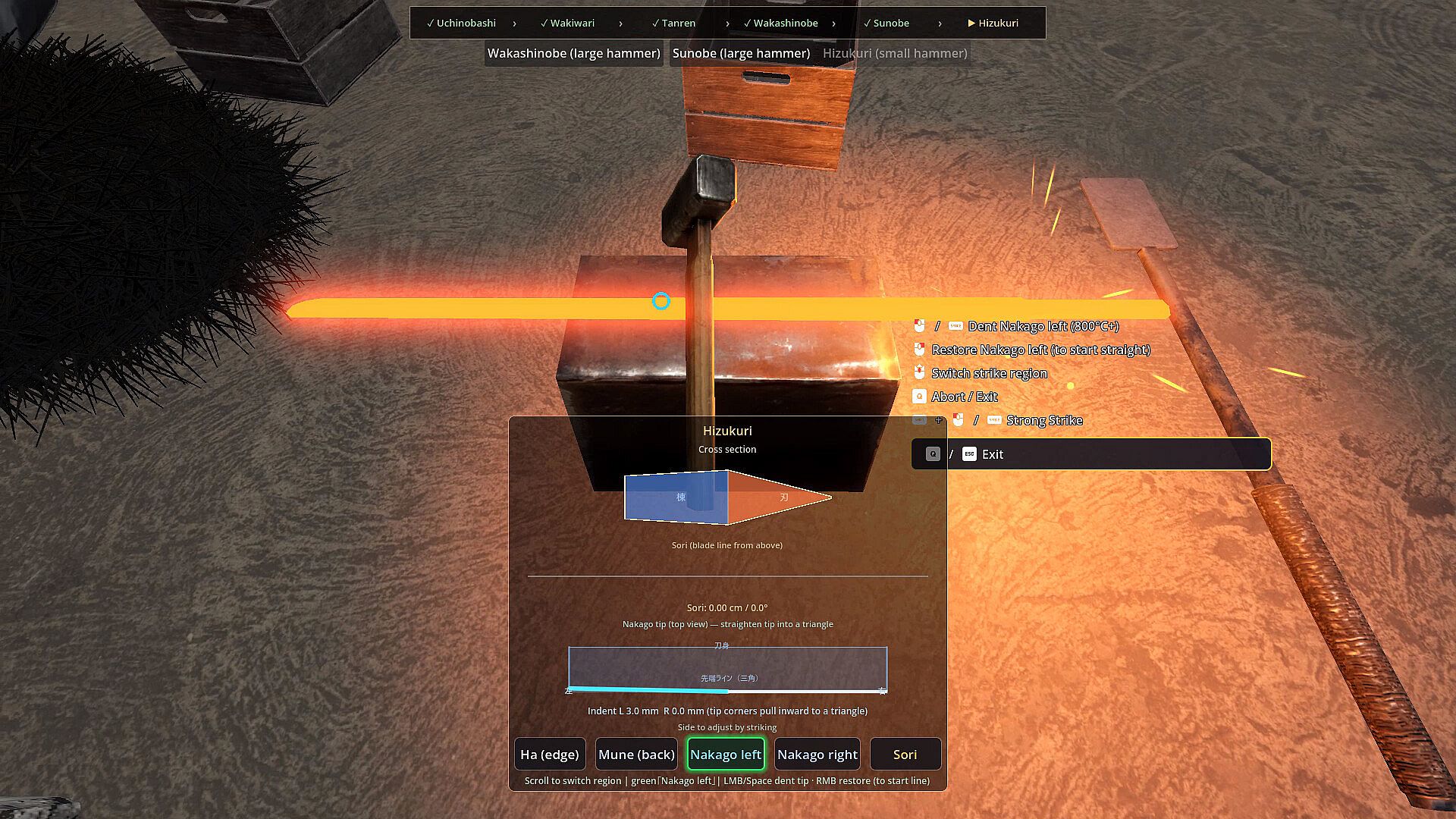
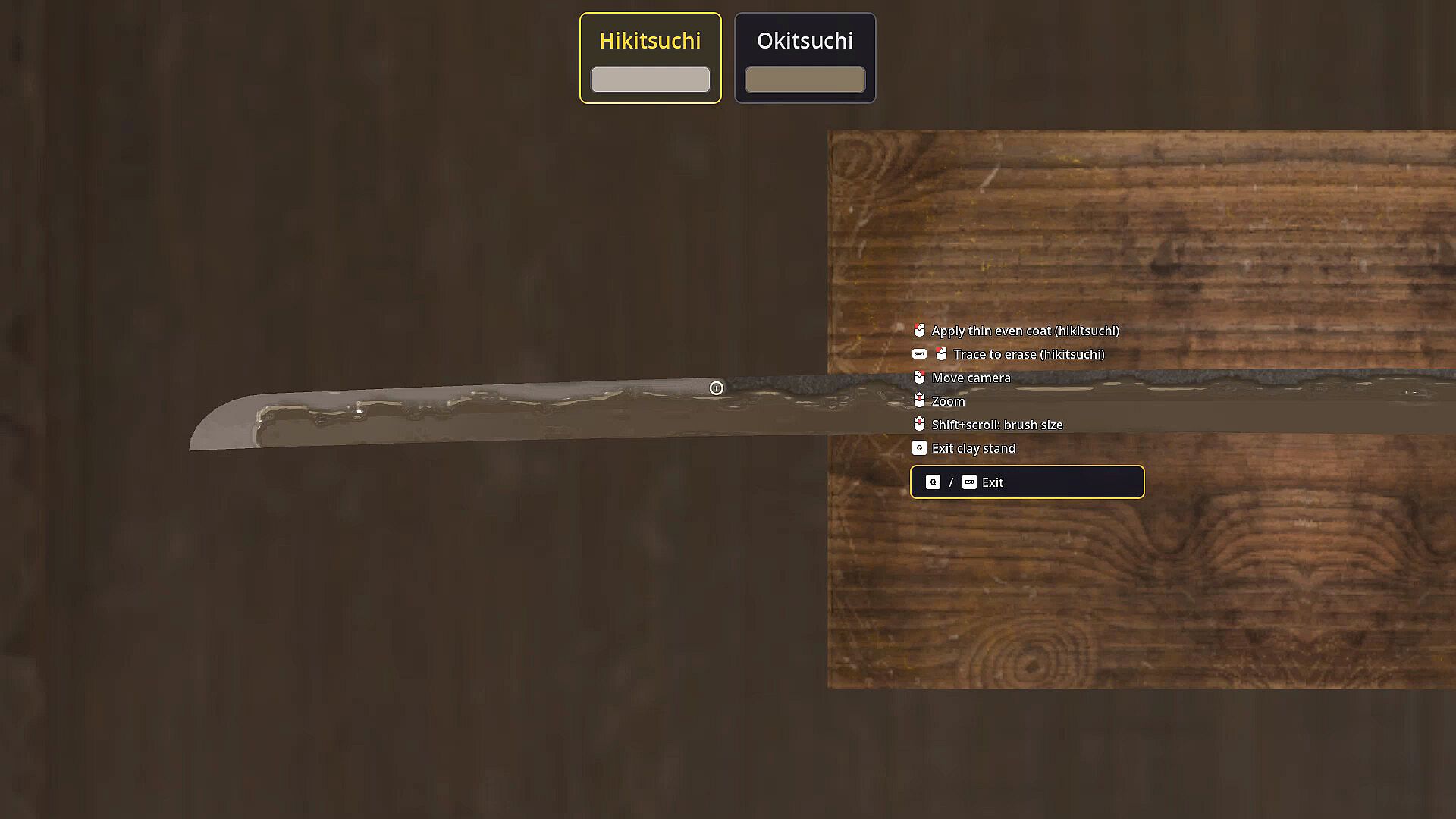
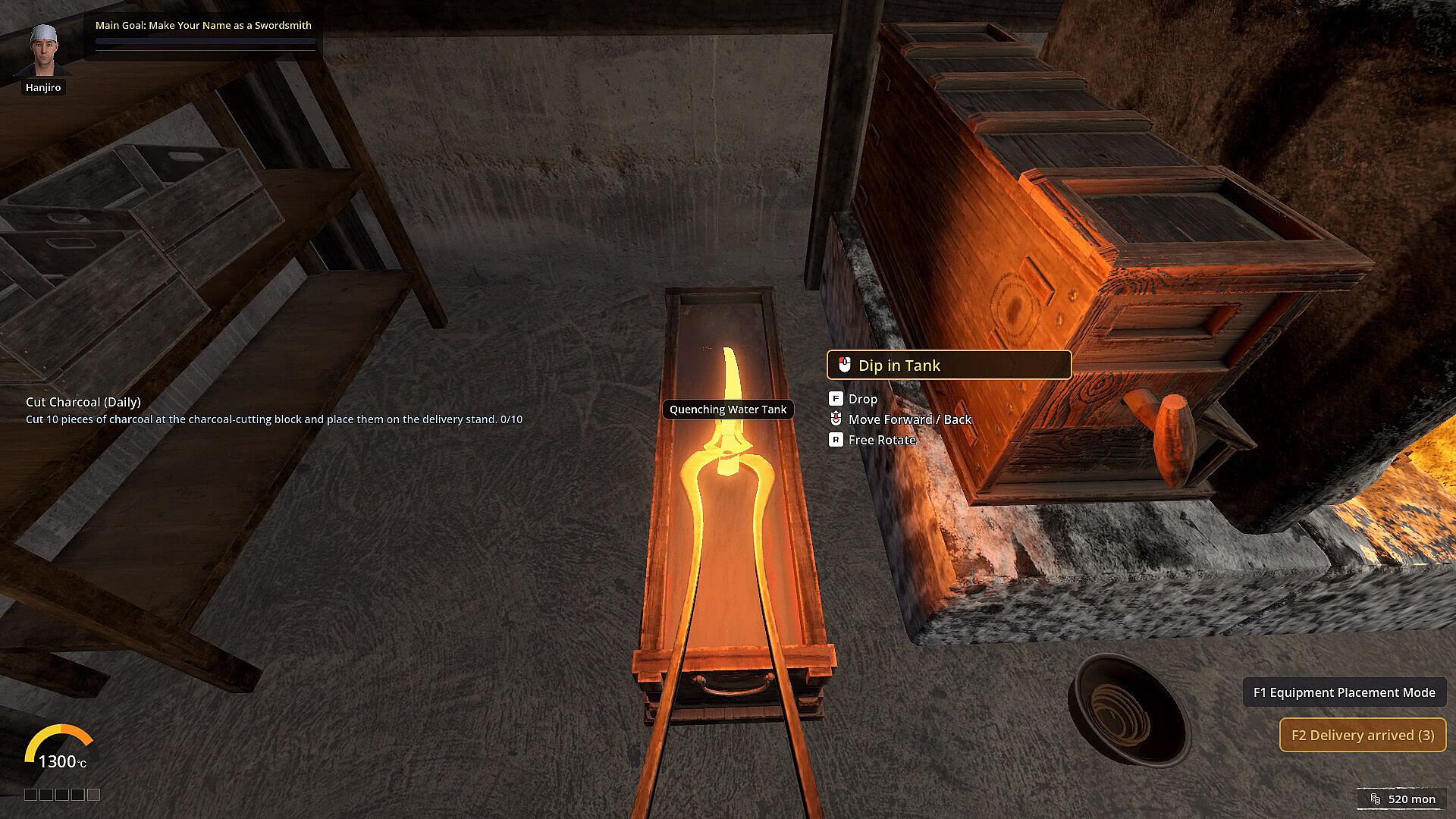
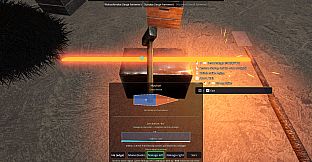
Construction proceeds with tsukurikomi to layer jacket and core steels that will define the blade's structure. Drawing out follows in wakashinobe and sunobe, extending the metal to length while shaping the kissaki tip. Fire shaping in hizukuri establishes the edge, spine, and overall curve. Clay packing in tsuchioki applies the line that will produce the hamon pattern during the critical yakiire quench, which locks in the differential hardening with no opportunity for correction.
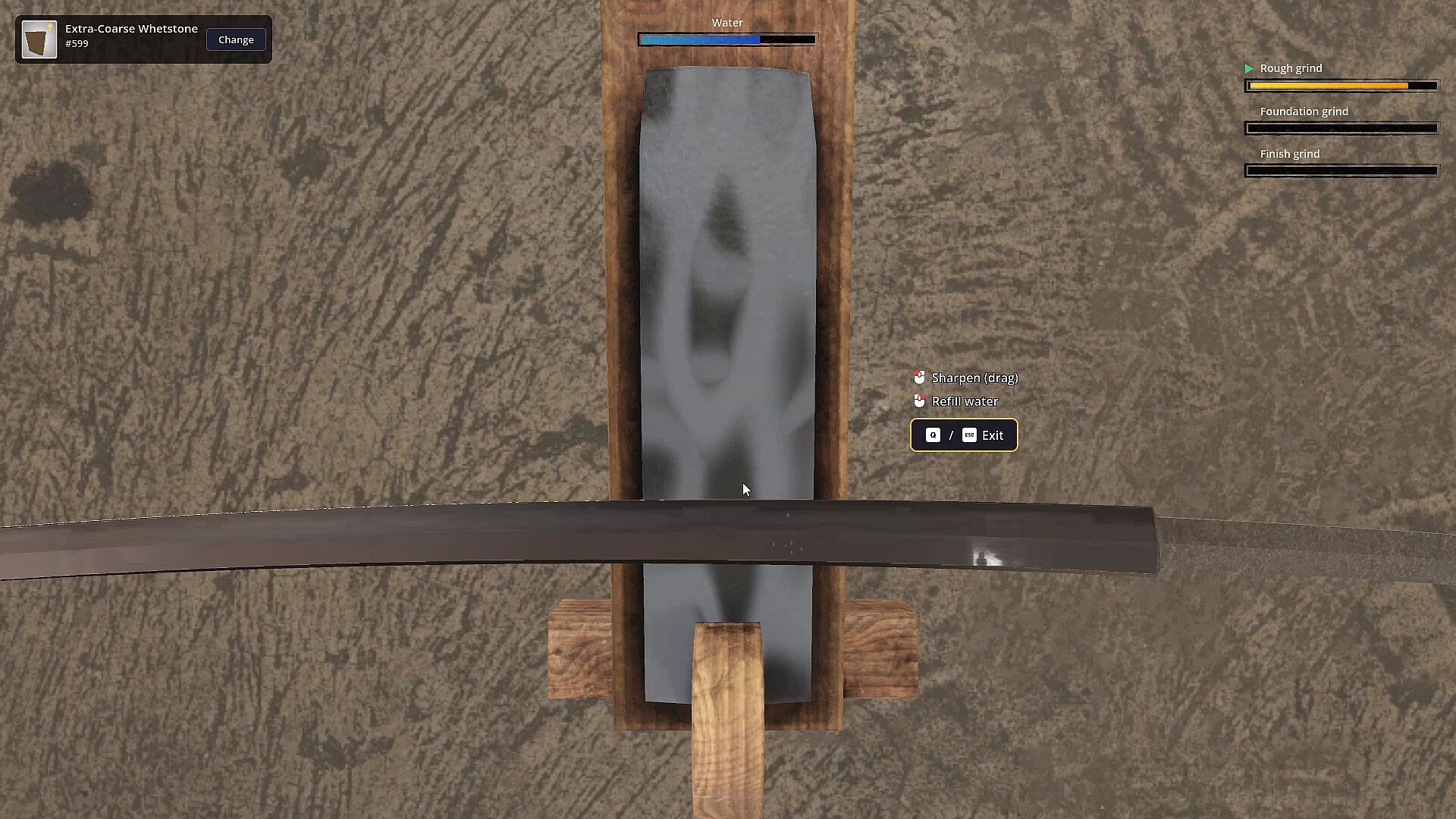
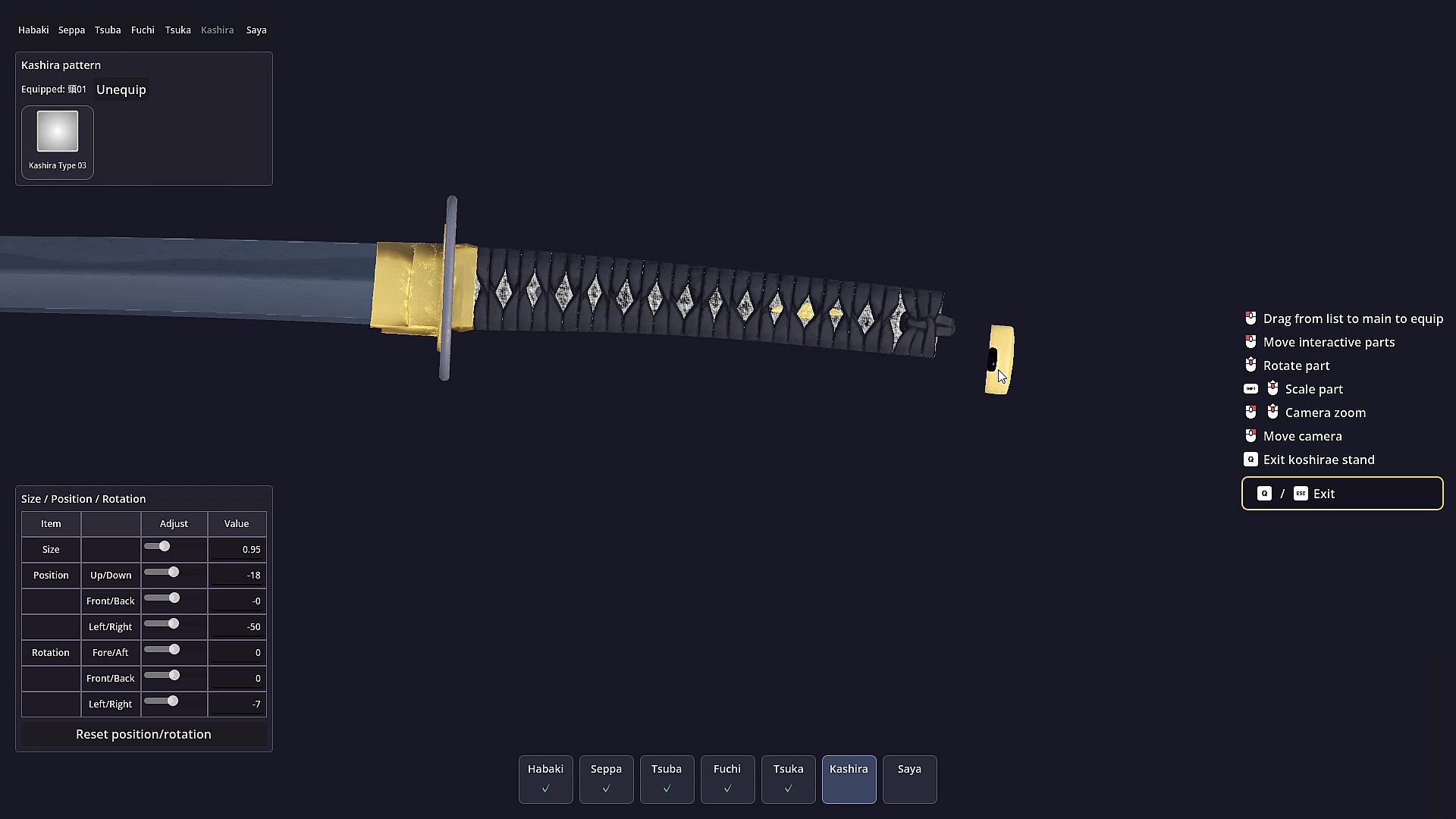
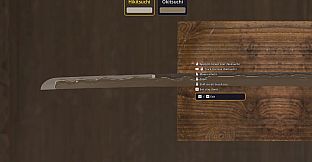
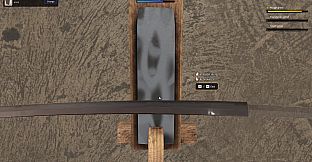
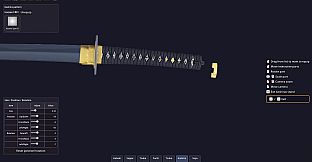
Polishing in togi removes the clay on stones to reveal the jigane and hamon. Final mounting in koshirae assembles the tsuka, tsuba, and saya to complete the sword. Success depends on reading the color of hot steel, the state of each strike, and the timing of every step to produce a blade that holds its edge without bending or breaking.
Game Modes
The game operates as a single-player simulation with no separate competitive or cooperative modes. All activity centers on progressing through the full traditional craft sequence from raw material to finished katana. Players repeat and refine the process across multiple attempts, adjusting techniques based on the results of prior forgings.
The Swordsmith's Workshop
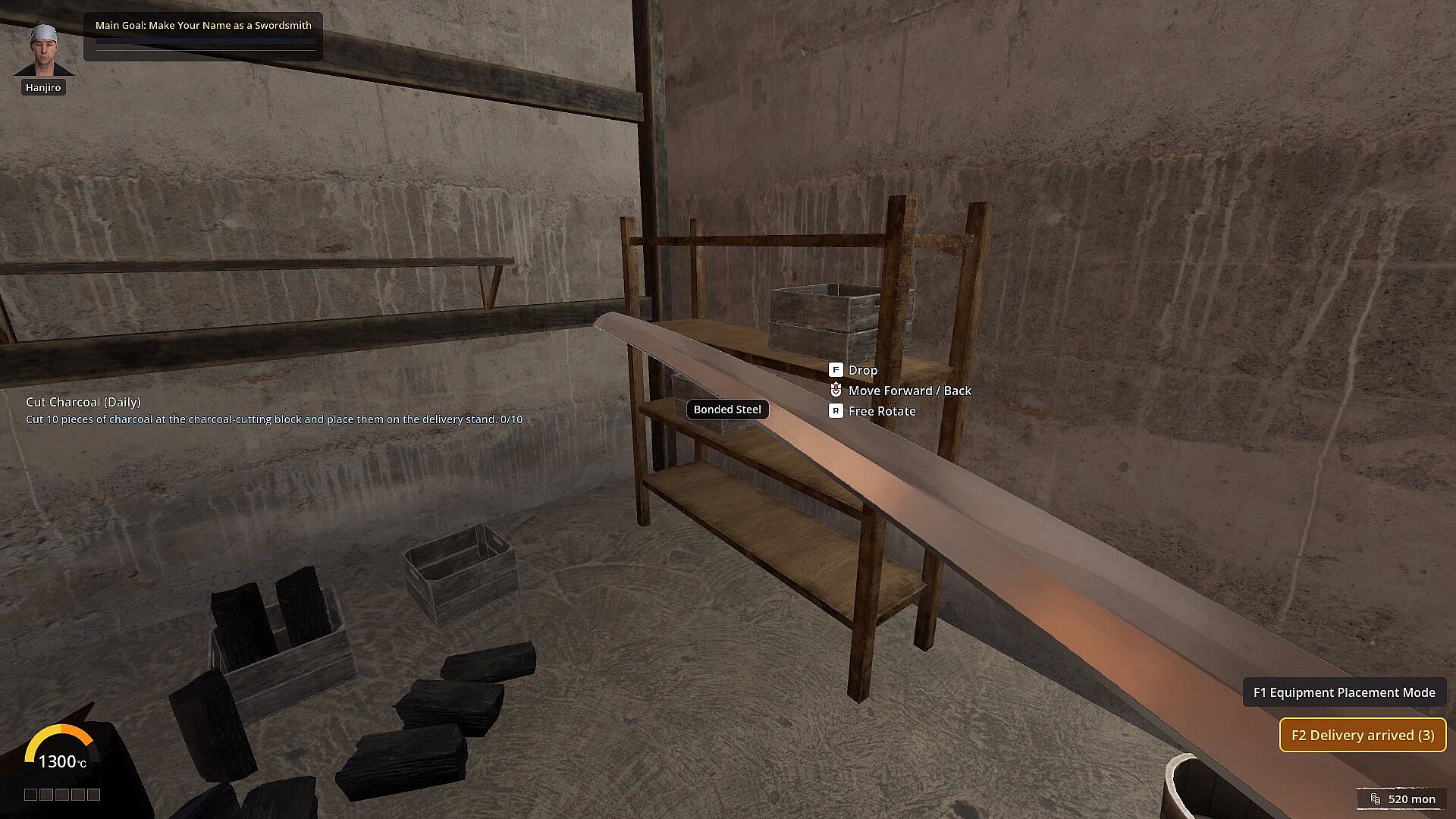
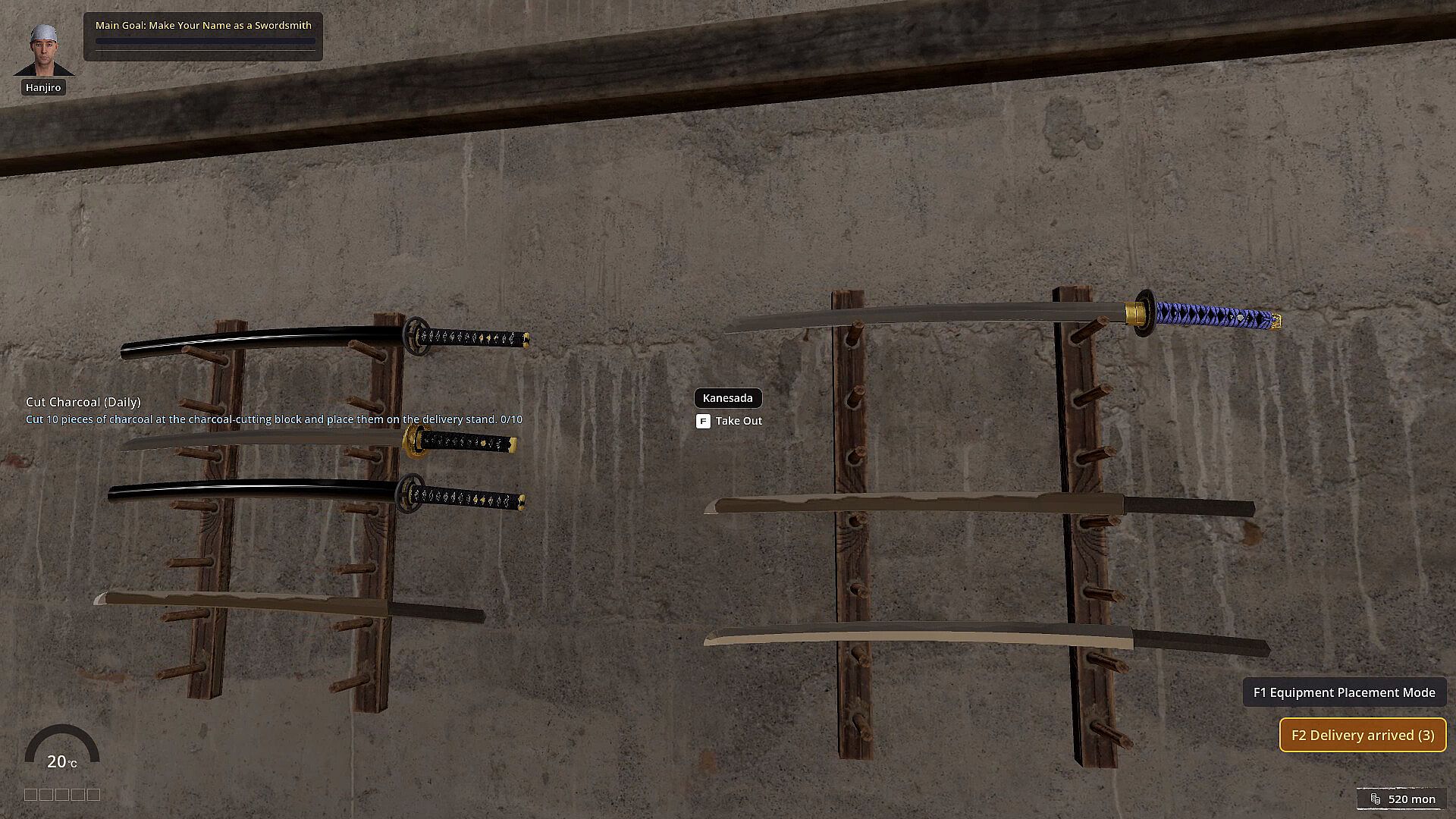
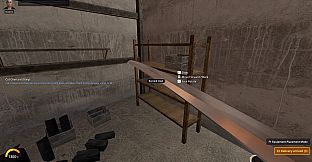
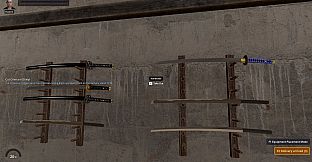
Players arrange tools, furniture, tamahagane stock, and works in progress within the forge space. Layout choices influence workflow efficiency or create a preferred atmosphere. The position of items remains under player control throughout the session.
Each completed blade carries the visible marks of the decisions made during clay application and quenching. The hamon pattern and overall character of the steel reflect the precision applied at every prior stage.
Is It Worth Playing?
This title suits players who enjoy detailed craft simulators and those interested in the historical methods of Japanese sword production. The steep learning curve and focus on sequential, irreversible steps reward patience and observation rather than quick reflexes. Individuals seeking a straightforward action or narrative experience may find the deliberate pace less engaging. The game remains available on PC for those ready to commit to the full forging path.











