




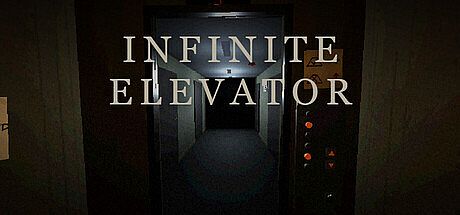


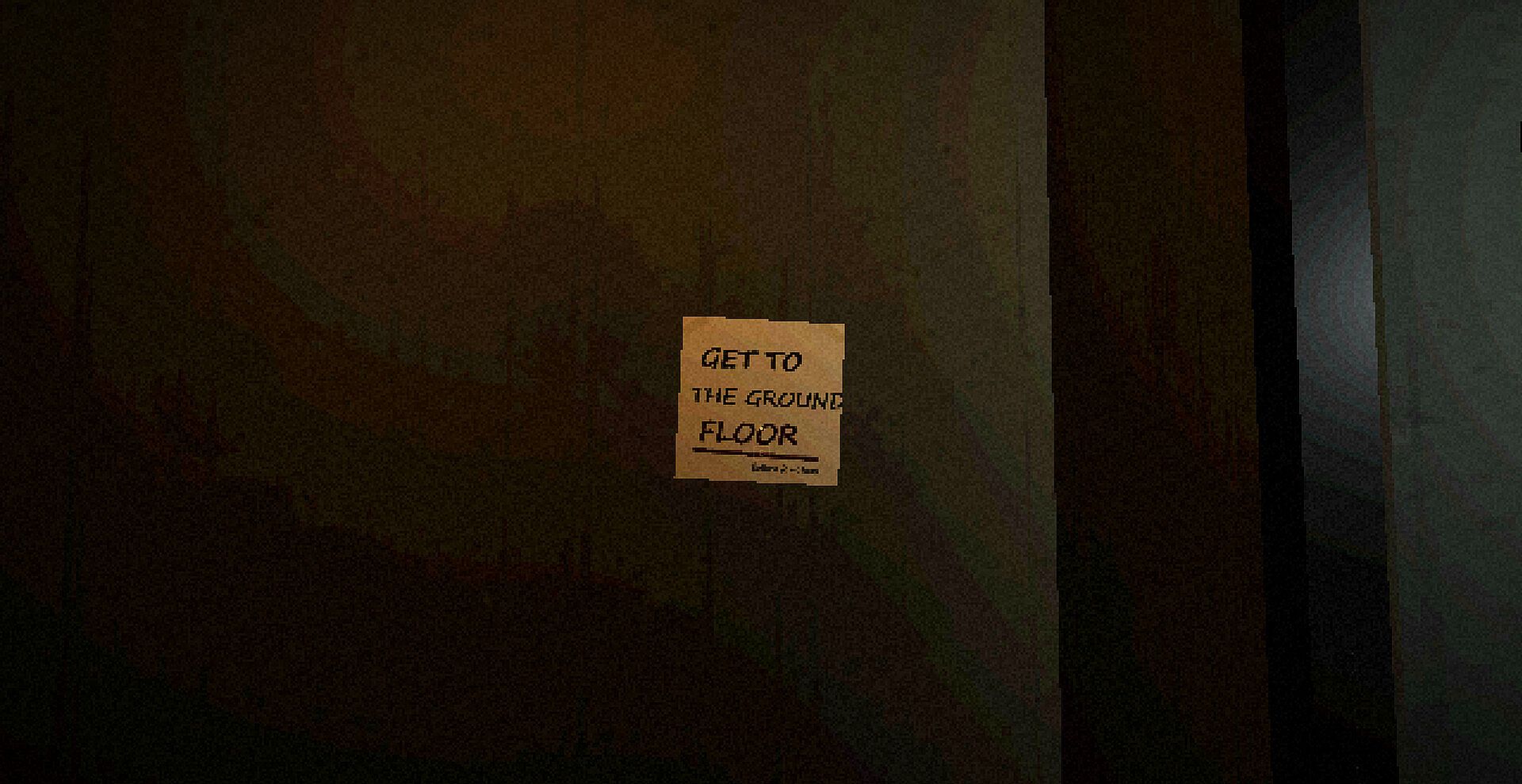
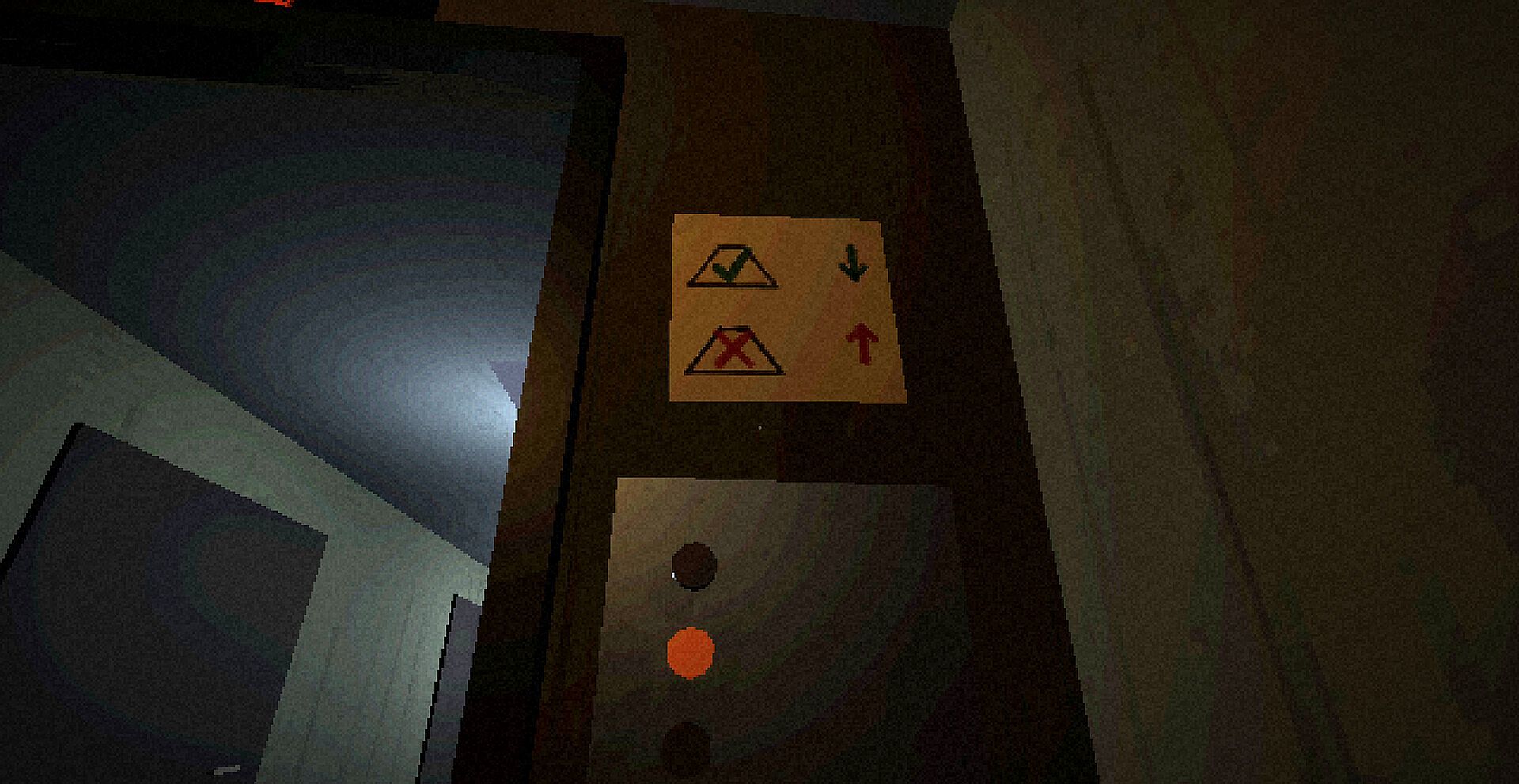


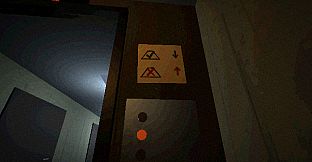
Infinite Elevator is a single-player action, casual, and adventure title for PC that places players in a looping descent through an unchanging hallway viewed from an elevator. The experience centers on spotting subtle or overt changes in the environment to decide whether to continue downward or ascend, all while aiming to reach the ground floor and break free from the repeating nightmare.
Gameplay
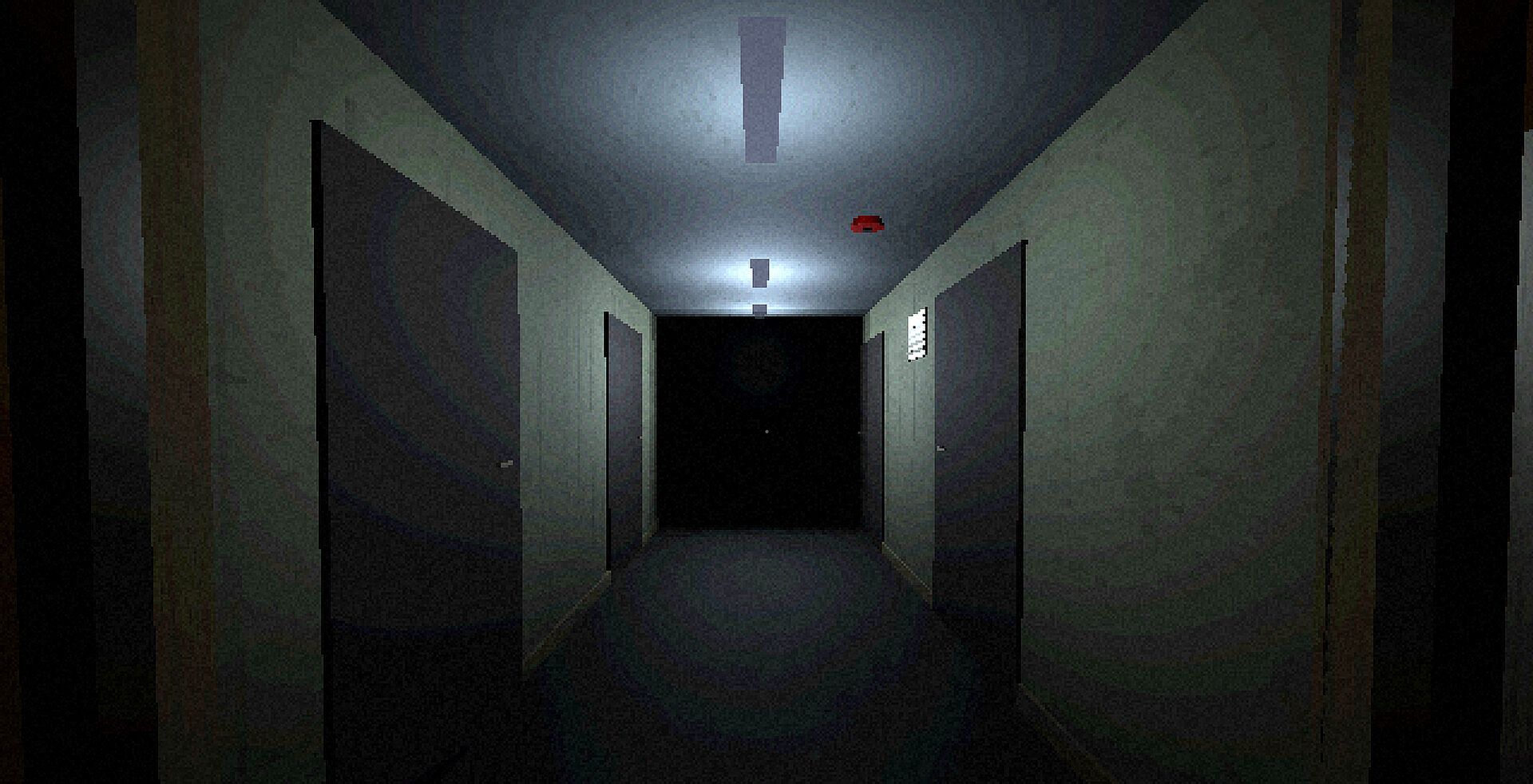
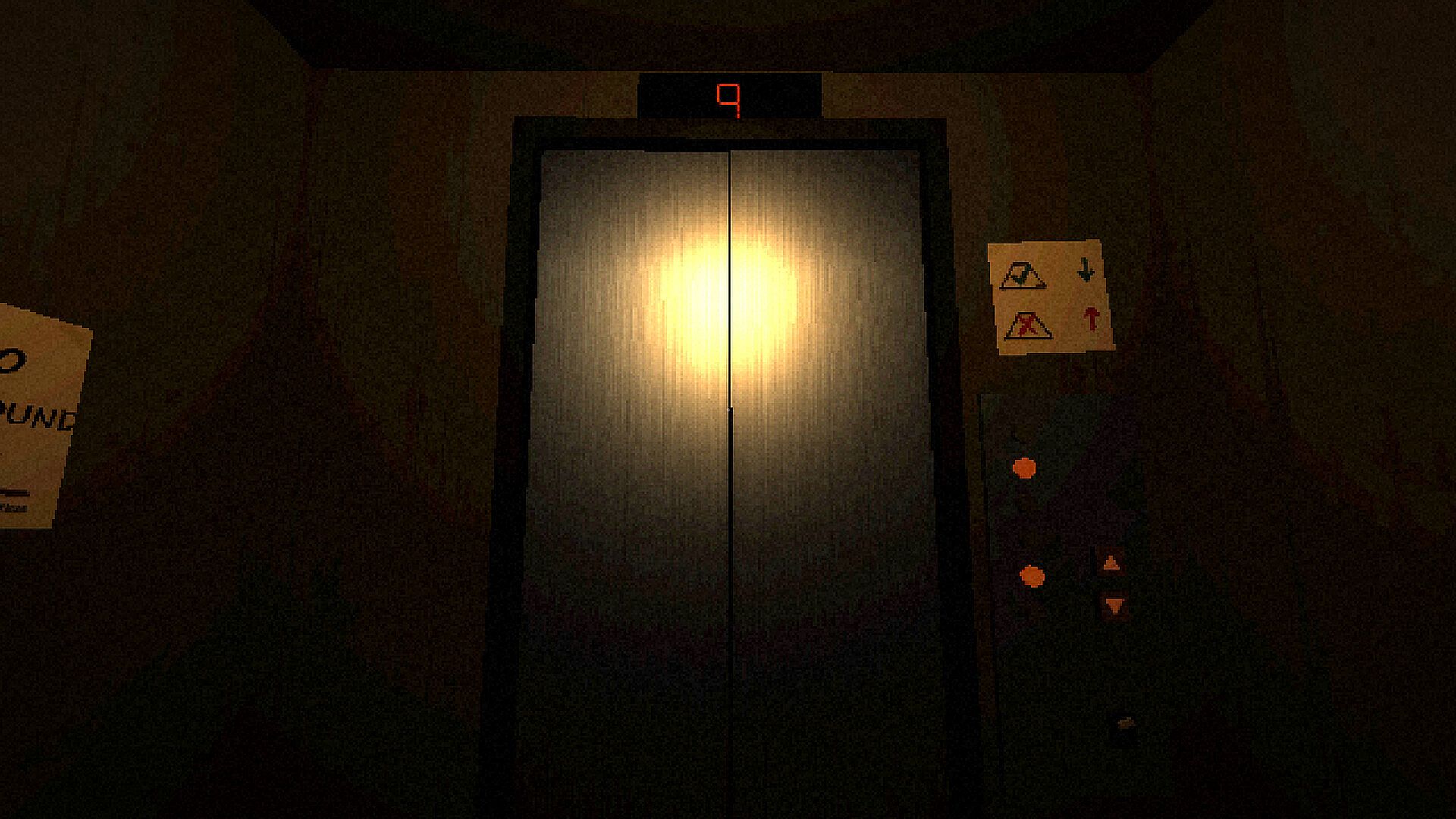
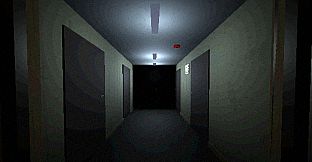
The core loop involves riding the elevator down floor by floor, where each stop reveals the identical hallway setup complete with doors and lamps under a single warm light source. Players must examine the scene carefully for any alterations that signal an anomaly. A correct assessment of no change allows descent to continue, while detecting a difference prompts an ascent instead. The game provides no explicit feedback on errors, leaving players to rely on their own judgment and growing sense of unease as runs progress deeper.
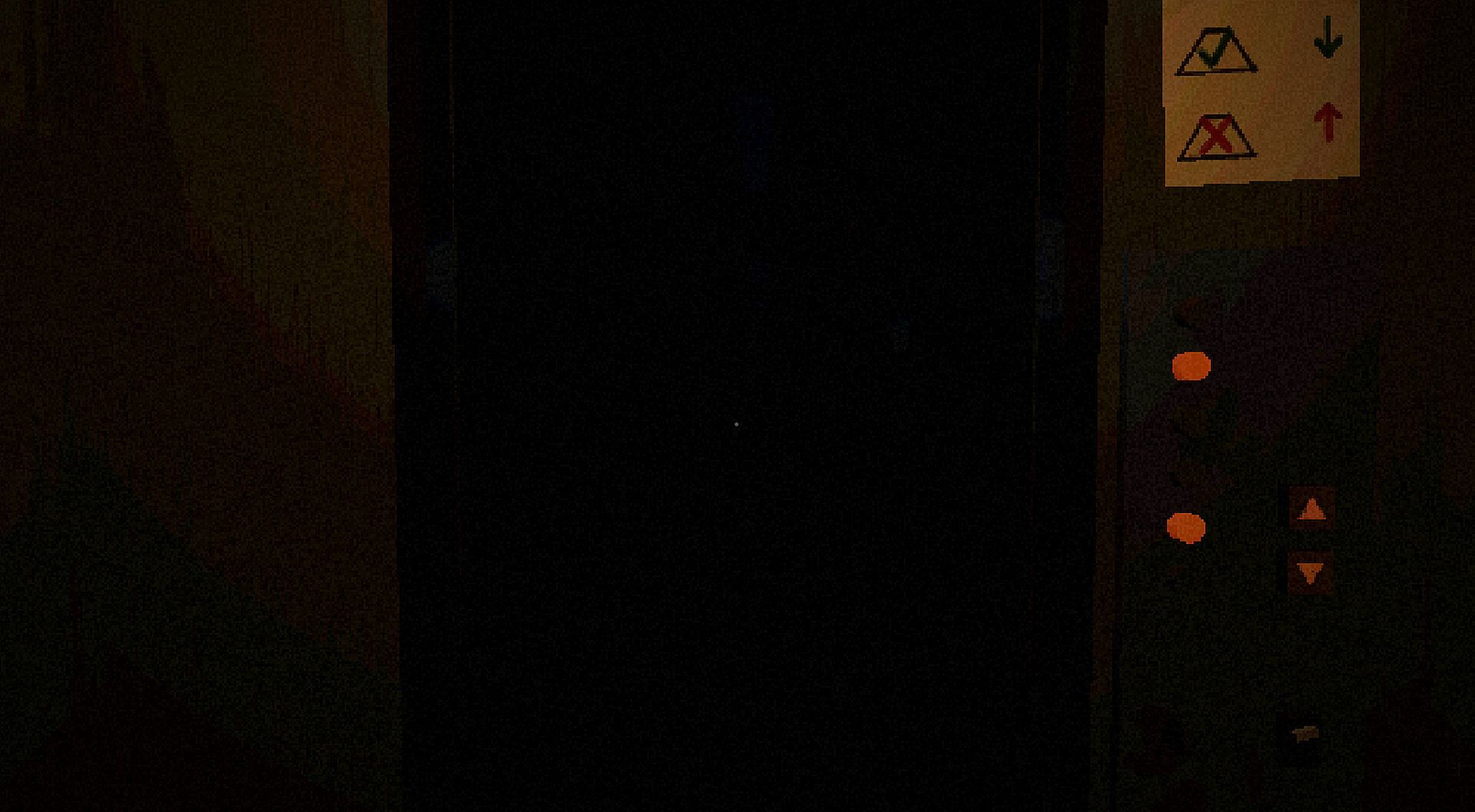
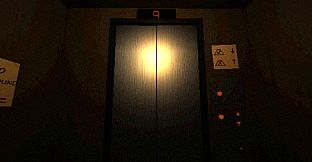
Visuals adopt a retro PS1-style aesthetic that emphasizes minimalism with one hallway, one elevator car, and consistent lighting. This restrained presentation heightens the tension around potential intrusions or shifts that may appear across the 20 or more anomalies featured. Runs remain short and focused, encouraging repeated attempts through the same basic structure without lengthy tutorials or expansive levels.
Mechanics stay tightly scoped around observation and decision-making. Anomalies range from obvious placements to minor details that players might initially dismiss as unchanged. The silent failure system means mistakes only become apparent through the altered path or eventual outcome, reinforcing the theme of doubt within the corridor.
Game Modes
Infinite Elevator operates entirely as a single-player experience built around its central judgment mechanic. There are no separate multiplayer options, co-op sessions, or alternate modes listed. The entire session revolves around the repeated descent process, where each run tests pattern recognition and tolerance for uncertainty in the fixed hallway environment.
Progression follows the same elevator-based loop across all playthroughs. Players manage the up-or-down choices independently, with no additional layers such as combat, resource management, or branching story paths. The design keeps focus on the anomaly detection cycle and the goal of reaching the ground floor.
Visuals and Atmosphere
The presentation relies on low-fidelity retro graphics that evoke early 3D console eras. Everything funnels through the narrow perspective of the elevator doors opening onto the same corridor repeatedly. This repetition, combined with the single light source, creates an atmosphere where small deviations stand out sharply against the otherwise static scene.
Audio and environmental details remain minimal to match the visual restraint. The emphasis stays on the player's internal questioning rather than external spectacle or varied locations. The result suits short sessions where the mind fills in the gaps left by the sparse setting.
Is It Worth Playing?
Infinite Elevator targets players who enjoy concise, observation-driven experiences with a psychological edge. Its single-player structure and focused anomaly mechanic deliver dense runs that reward careful attention without requiring long commitments. The silent feedback on decisions adds a layer of self-reliance that fits the casual adventure genre while incorporating action elements through repeated risk assessment.
The game supports 11 languages and includes Steam Achievements for those who track progress. As a title listed as coming soon with no user reviews available yet, it appeals most to fans of retro-style horror and puzzle-like judgment games. Those seeking expansive worlds or varied gameplay systems may find the narrow scope limiting, while players drawn to minimalist tension and pattern spotting will likely appreciate the tight execution.
Availability on PC through standard digital storefronts makes it accessible once released. The core loop of descending, observing, and deciding provides a clear test of perception that stands on its own without additional content layers.











