


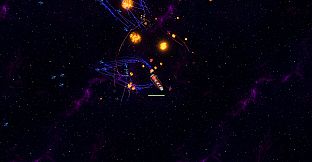
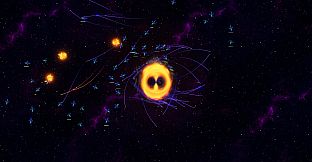


Idlenaut is a single-player incremental space-industry strategy and simulation game set in a top-down 2D procedurally generated star system. Players build and manage a growing economy across multiple planets in real time, with every production step and transport route rendered visibly on screen.
Gameplay
The core loop centers on establishing per-planet production chains. Miners extract raw ores, refiners process them into materials, and fabricators turn those into finished goods such as copper wire, rocket fuel, battery cells, and solar sails. Output generates resources continuously as items are completed.
Power generation draws from solar, wind, coal, steam, nuclear, and orbital solar plants, each influenced by the unique sunlight and wind conditions on every planet. Supporting structures include observatories, research stations, gold reserve banks, battery arrays, maintenance stations, rock crushers, and solar sail launchers.
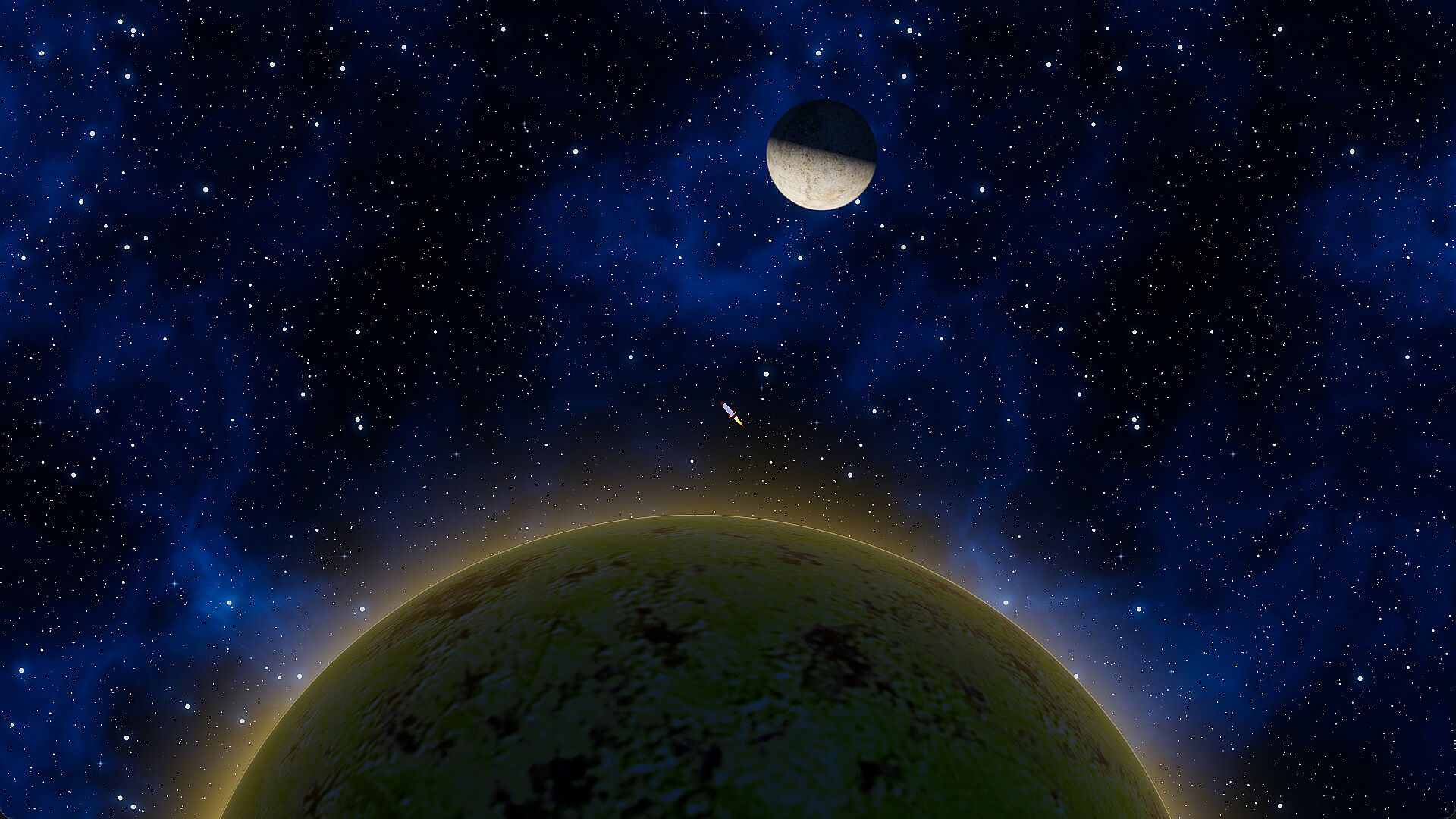
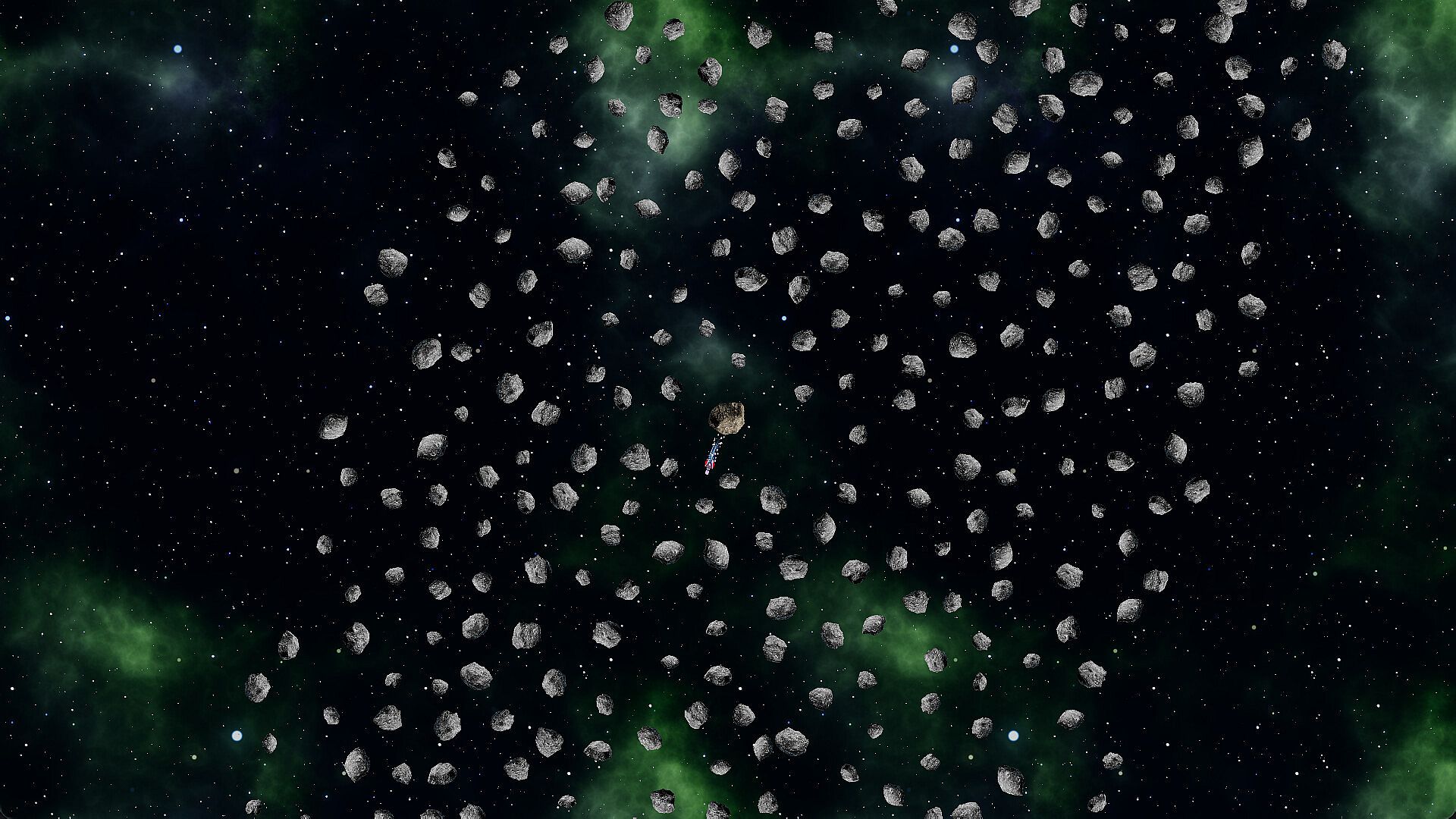
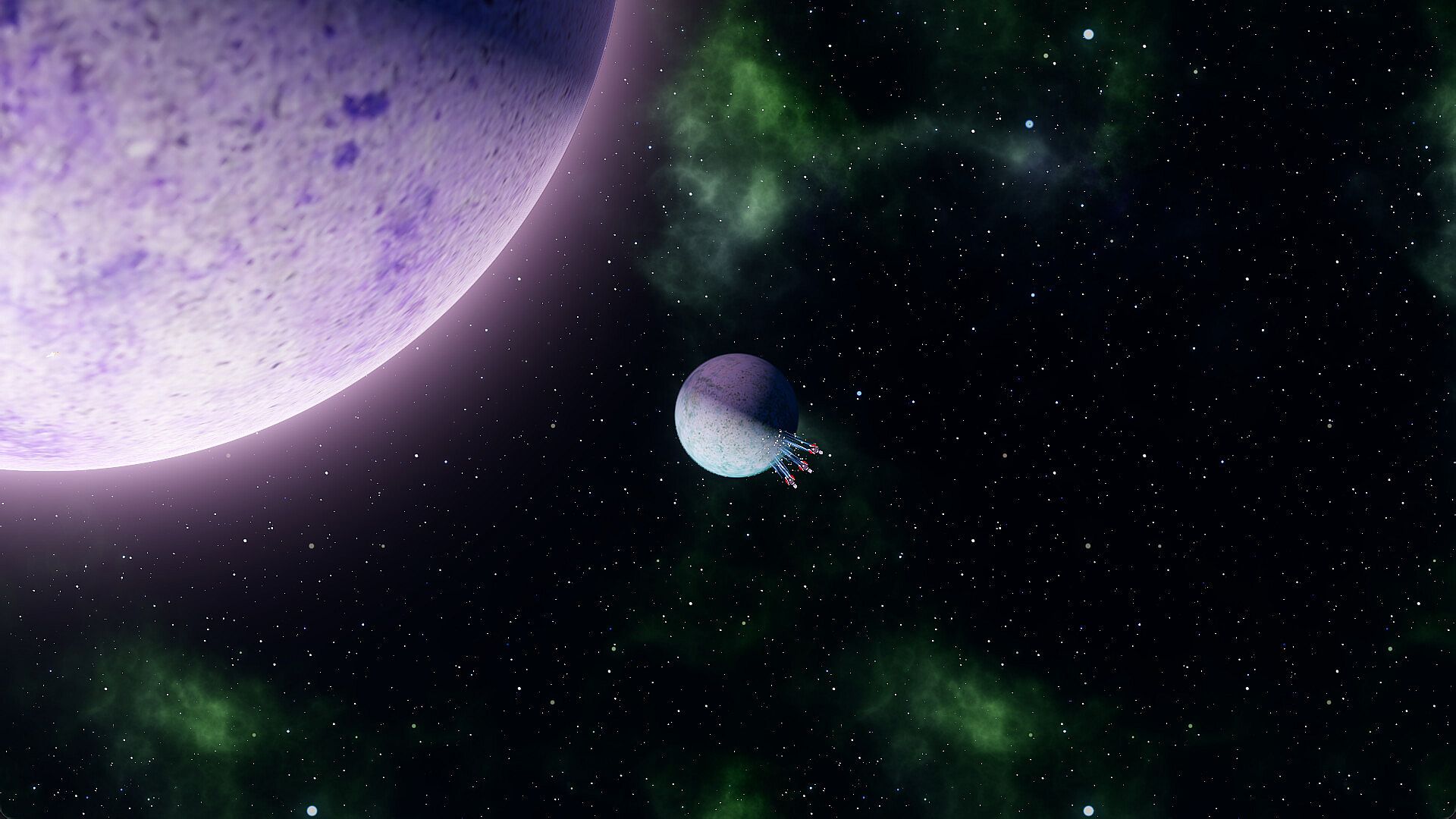
Ships handle all transport and harvesting. Transport vessels follow multi-stop cargo routes between planets. Extraction ships collect resources from moons, asteroid belts, and nebula anomalies. Discovery ships survey unexplored regions while observatories gradually clear the fog of war. All vessels travel along curved orbital paths that account for planetary gravity and stellar positioning.
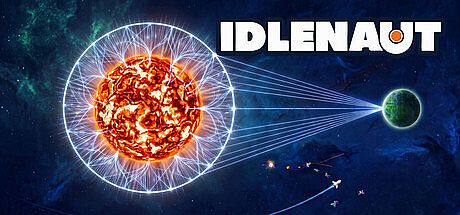
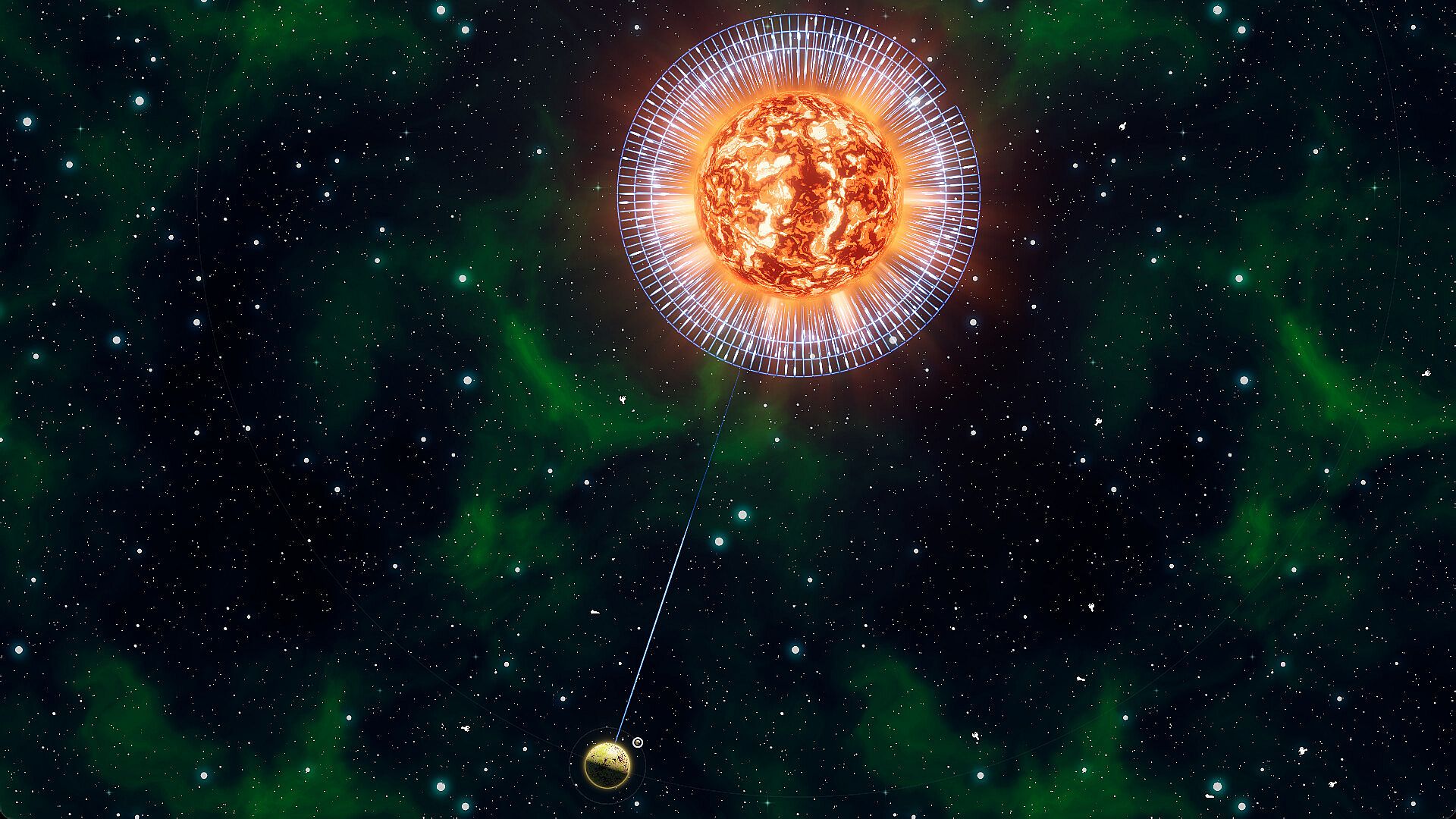
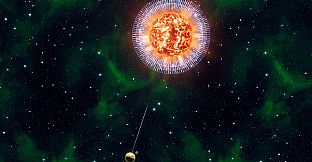
A Dyson swarm forms through repeated fabrication and launch of solar sails. These assemble into rings around the star and direct orbital rays toward planets to power orbital facilities. Sails have finite lifespans, so launchers require steady resupply.
Game Modes
Idlenaut operates entirely in a single-player real-time format. There are no separate named modes or multiplayer options. The experience unfolds across one procedurally generated star system at a time, with all progression tied to economy building, research, and defense within that shared space.
Economy and Infrastructure
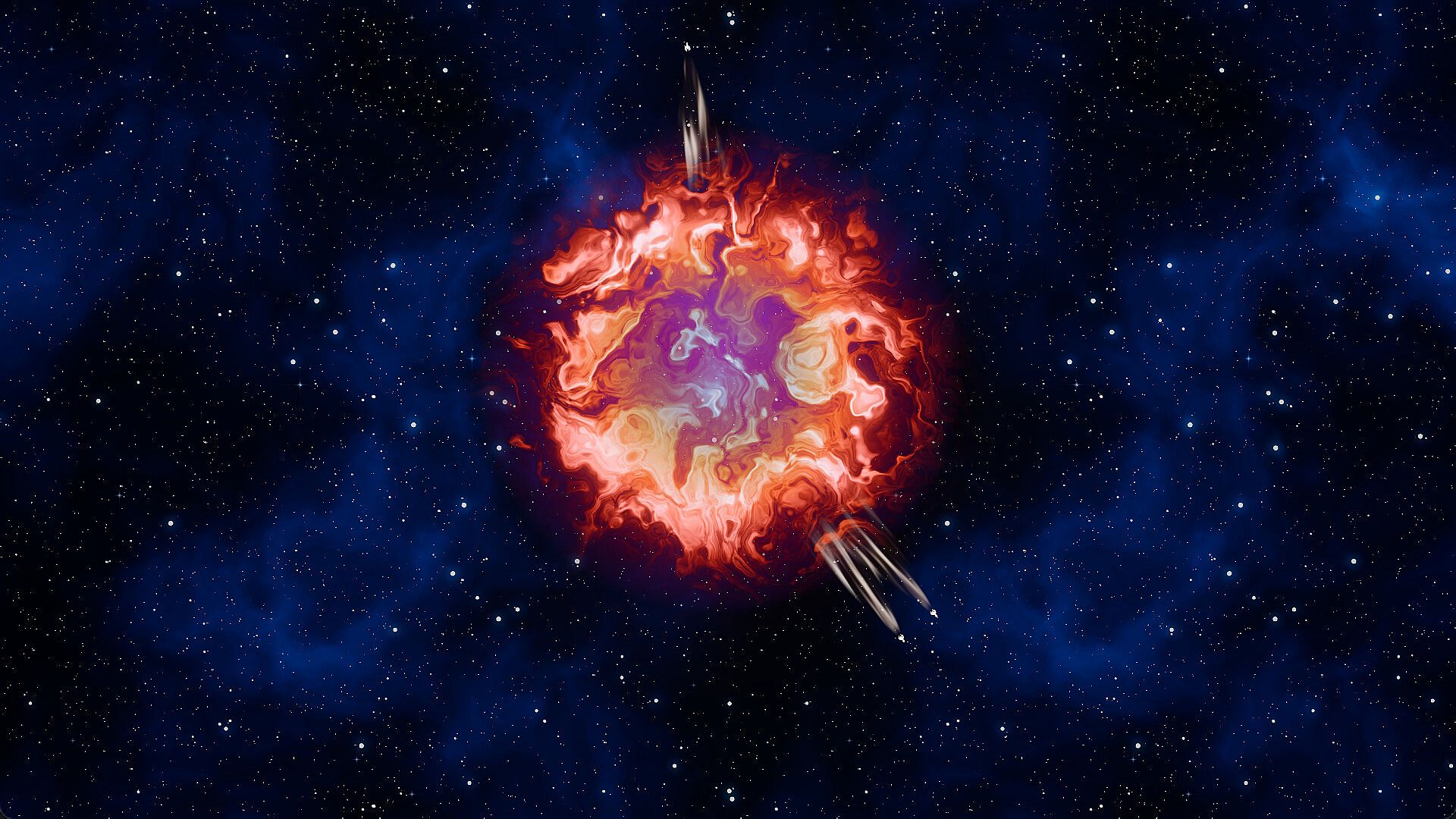
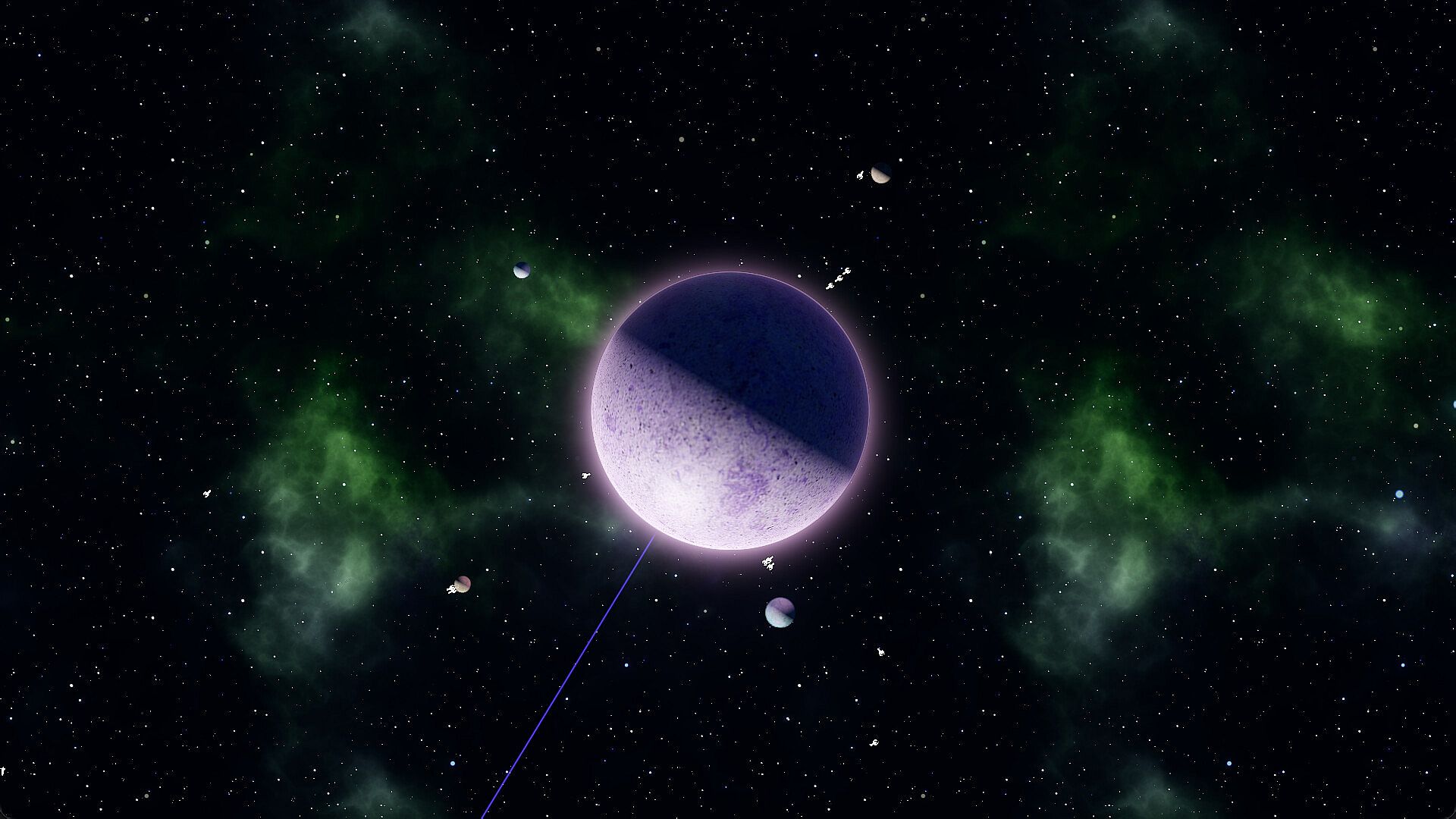
Every element of industry receives visible simulation. Cargo and extraction ships actively fly their routes, while production buildings operate continuously. Players expand across rocky and terrestrial worlds, gas and ice giants with moons, asteroid belts, and glowing nebula anomalies. Shaded stars add visual variety to each new system.
Research unlocks more than 100 nodes focused on mining, refining, fabrication, energy, and structures. A quantum particle accelerator combines antimatter and neutralino samples to produce quantum credits. These credits fund permanent upgrades that carry over between runs.
Threats and Progression
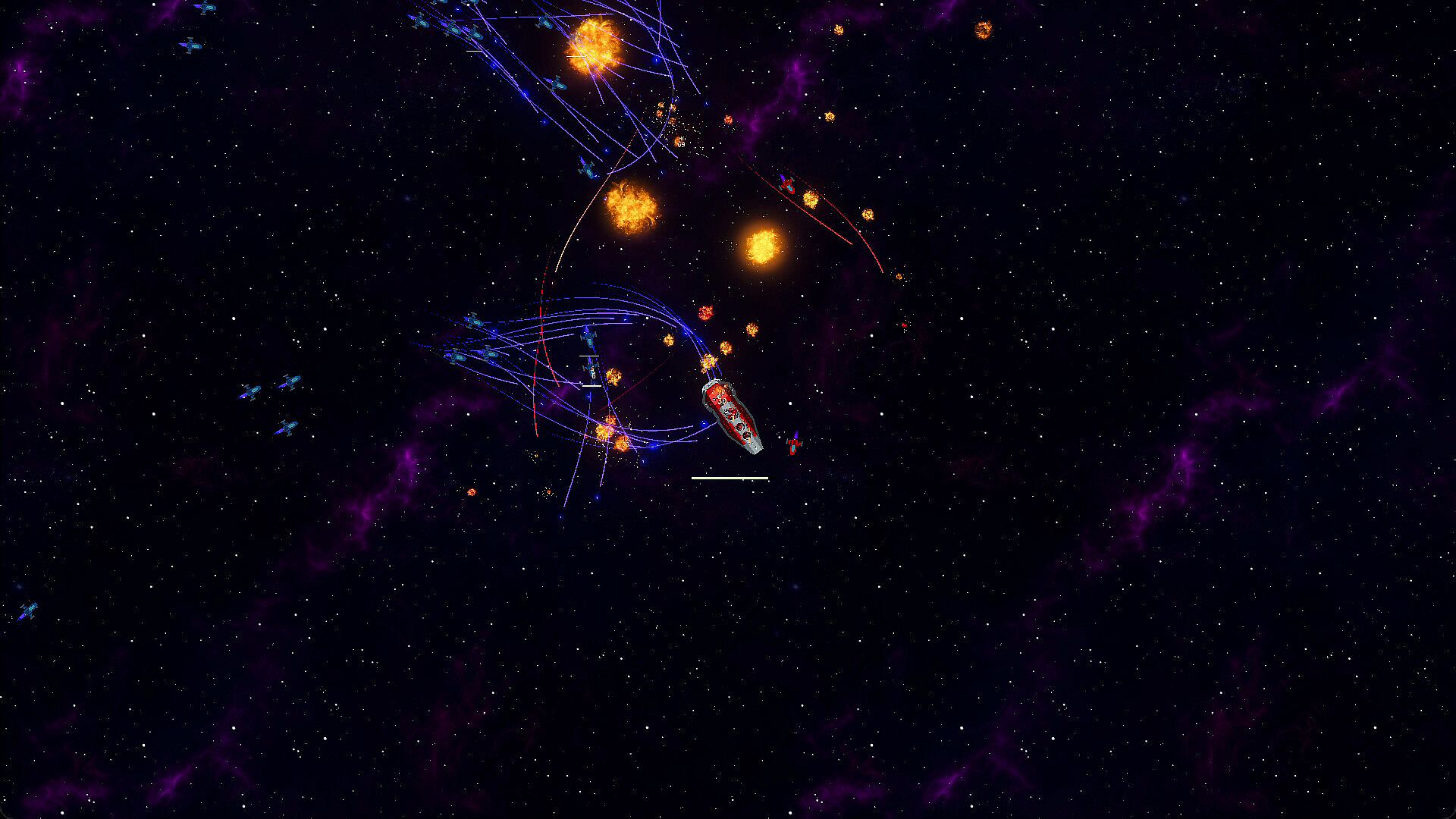
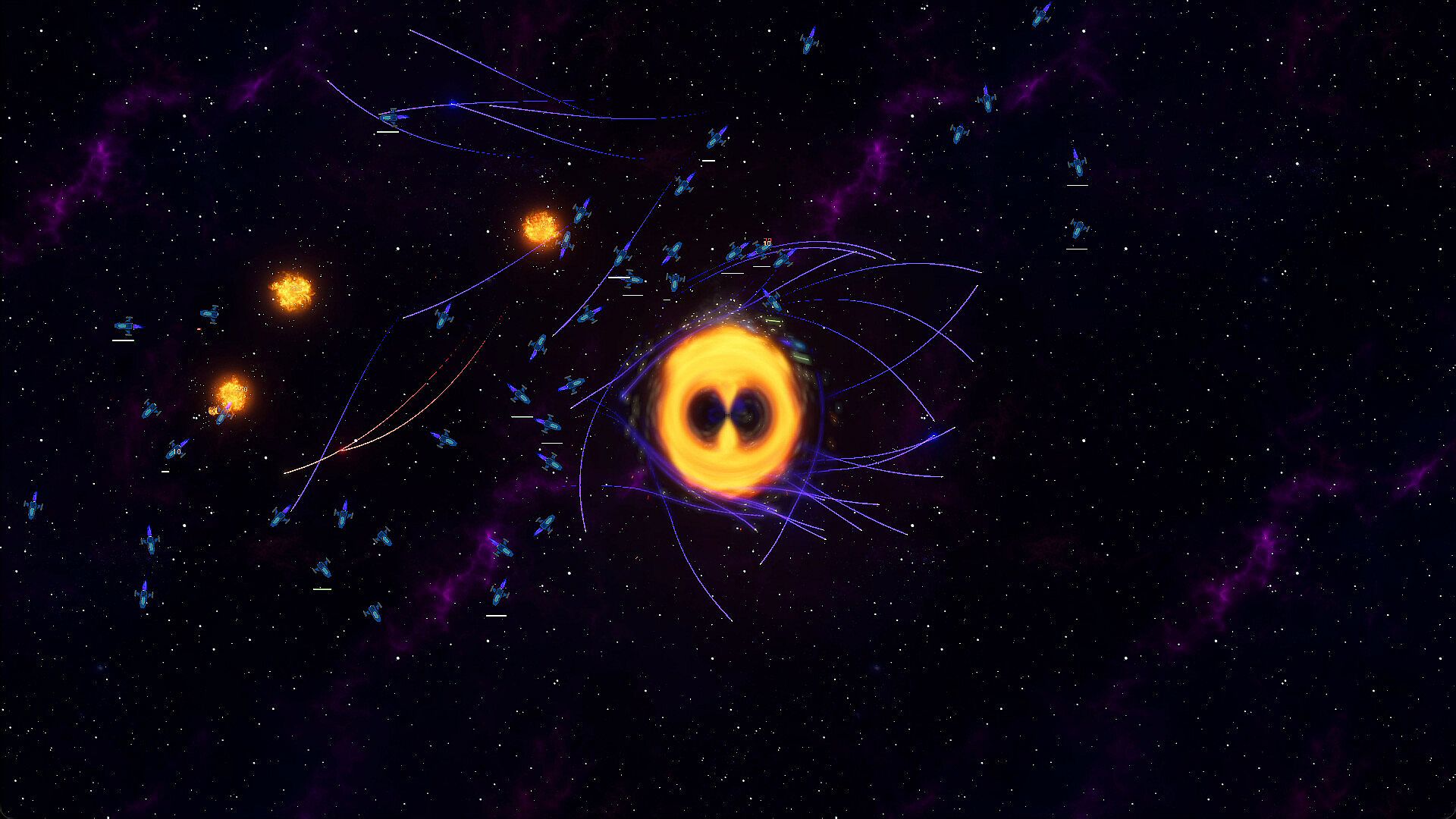
Enemy carriers appear in waves and deploy invaders that attach to planets and reduce output. Space Force centers deploy fleets of three fighter variants equipped with lasers, ion weapons, guided missiles, and quantum beams. Fighters handle pursuit, combat, disengagement, and regrouping automatically. An adaptive director adjusts event pacing based on the current economy, introducing hazards such as ion storms or beneficial events like mineral blooms.
Ascension resets the current star system while preserving quantum upgrades. New systems retain the same range of planet types and anomalies, allowing continued growth through accumulated permanent improvements.
Is It Worth Playing?
Idlenaut suits players who enjoy incremental strategy and simulation titles with visible, real-time systems. The emphasis on automated ship routes, continuous production, and layered defense creates a steady sense of expansion without requiring constant direct control. Those who prefer games built around economy management, research trees, and procedural systems will find the core loop engaging. The single-player focus and lack of separate modes keep the experience streamlined around long-term progression and repeated ascensions.