



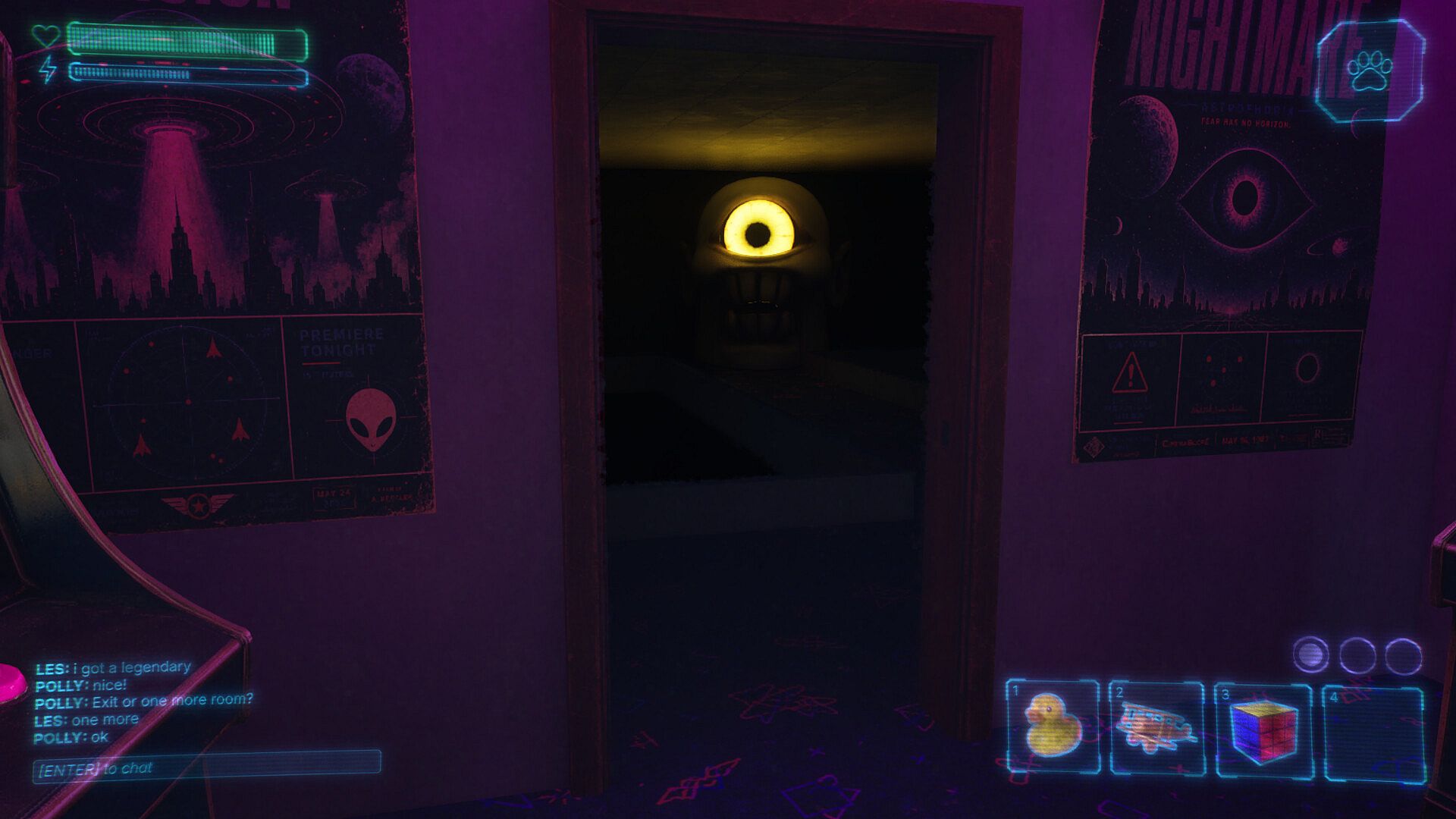
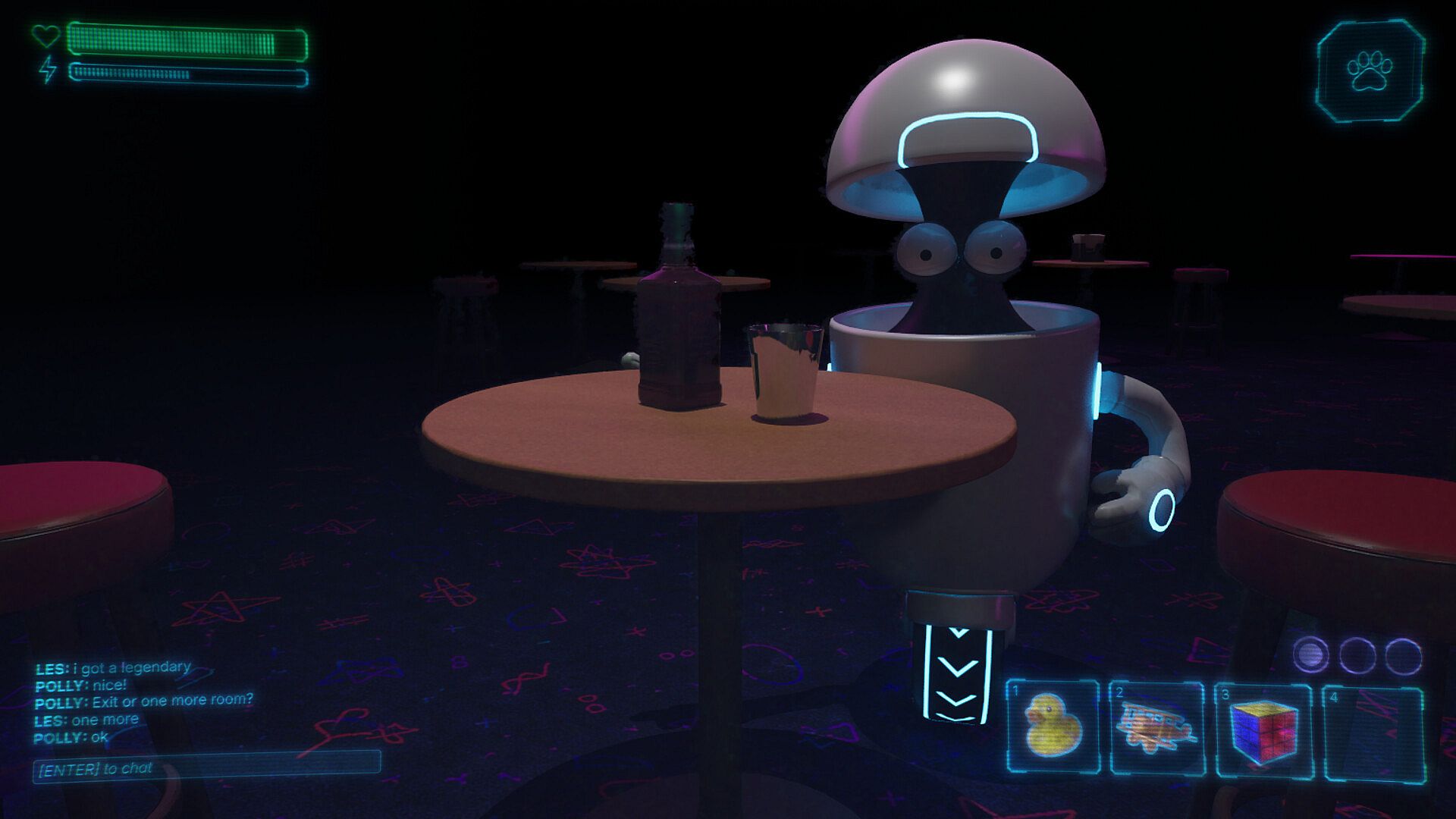
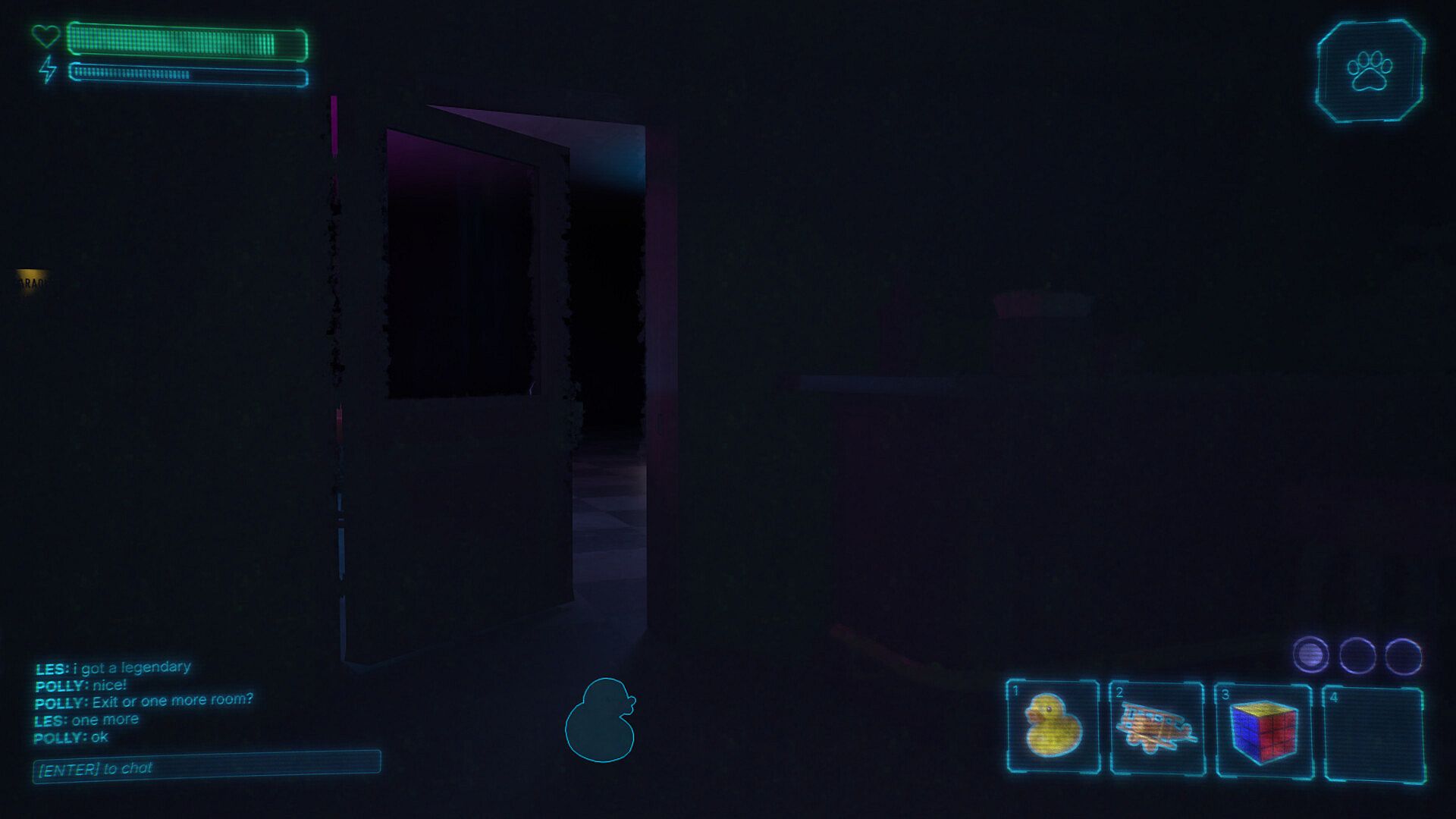


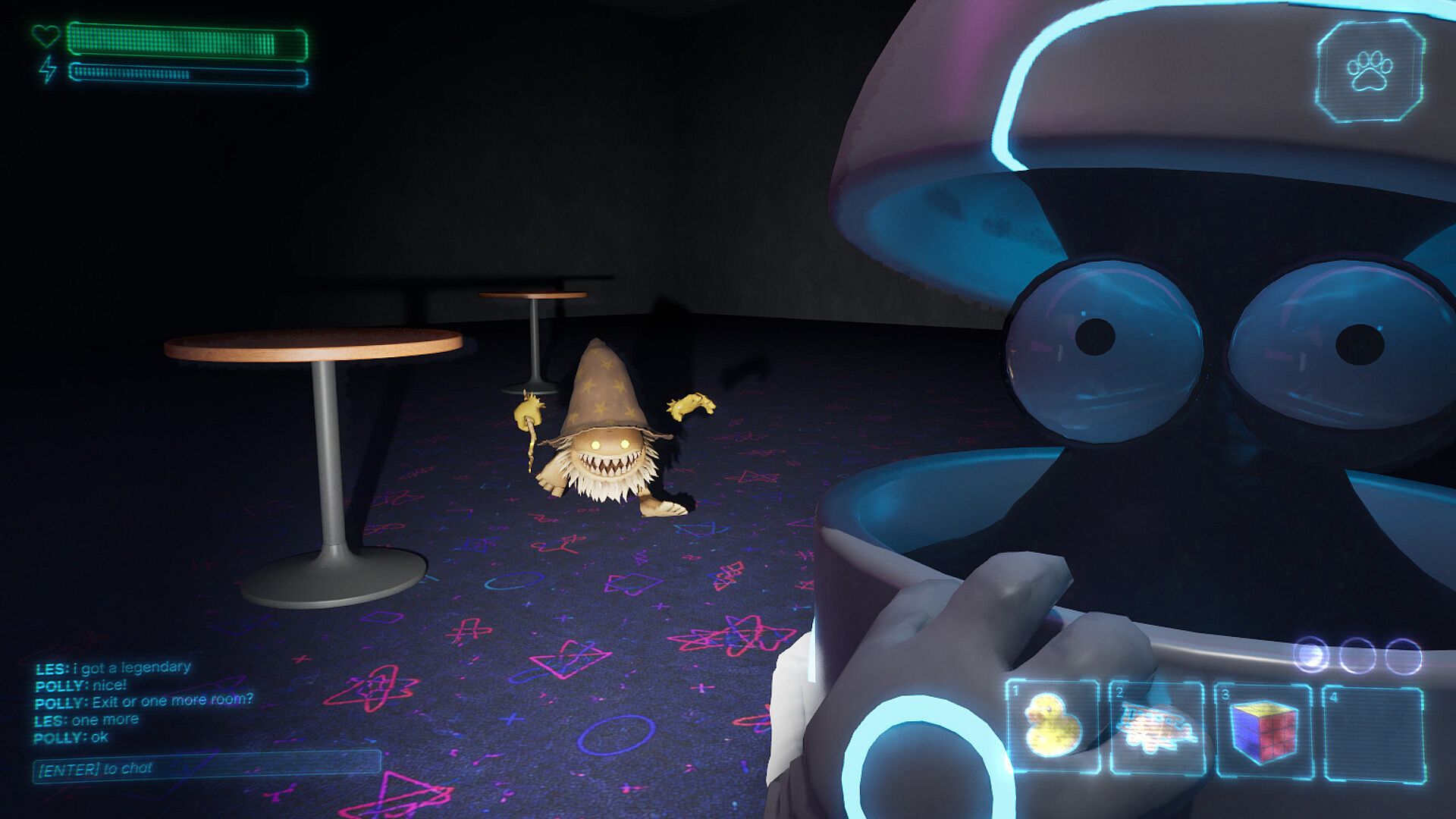
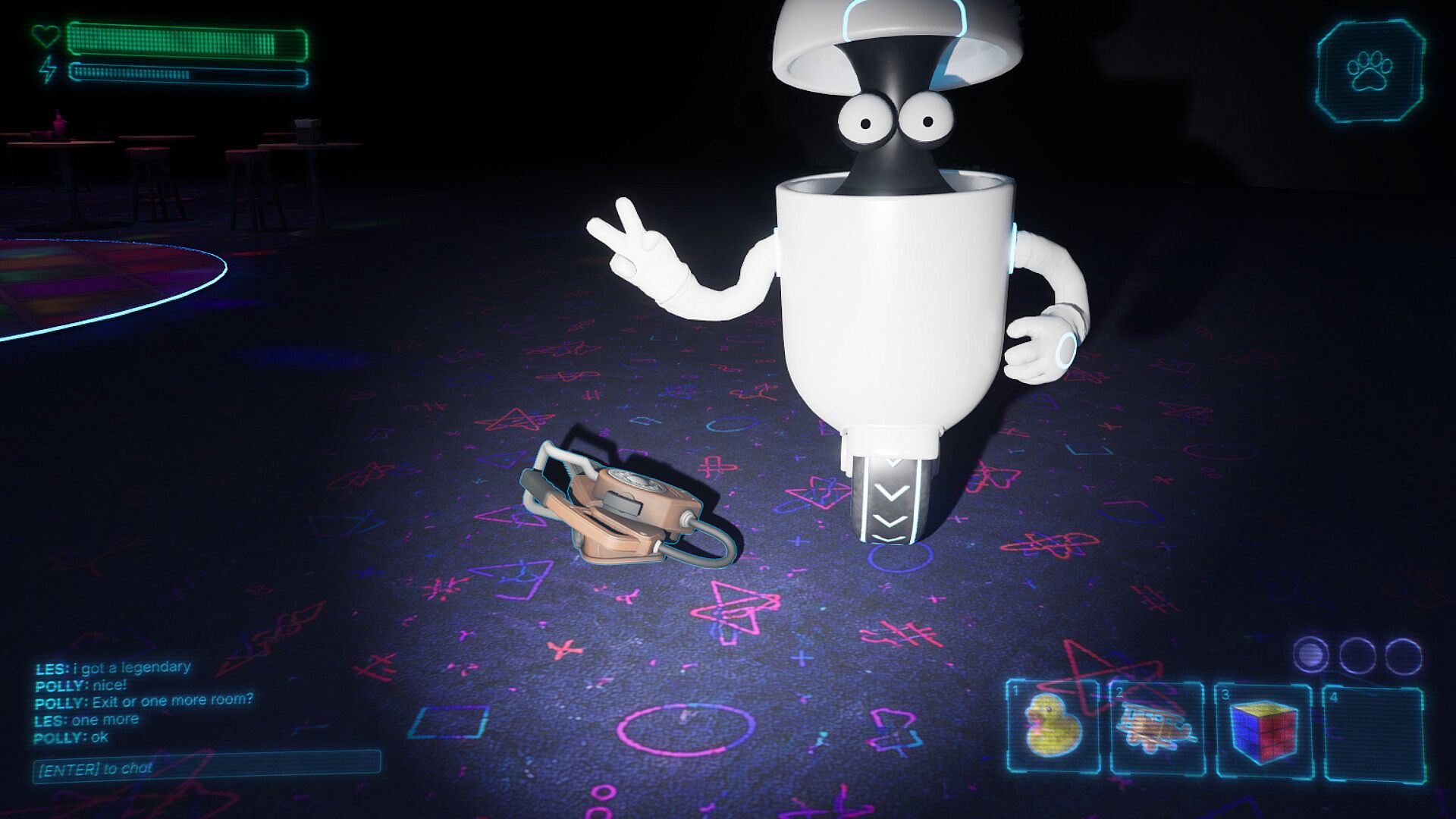
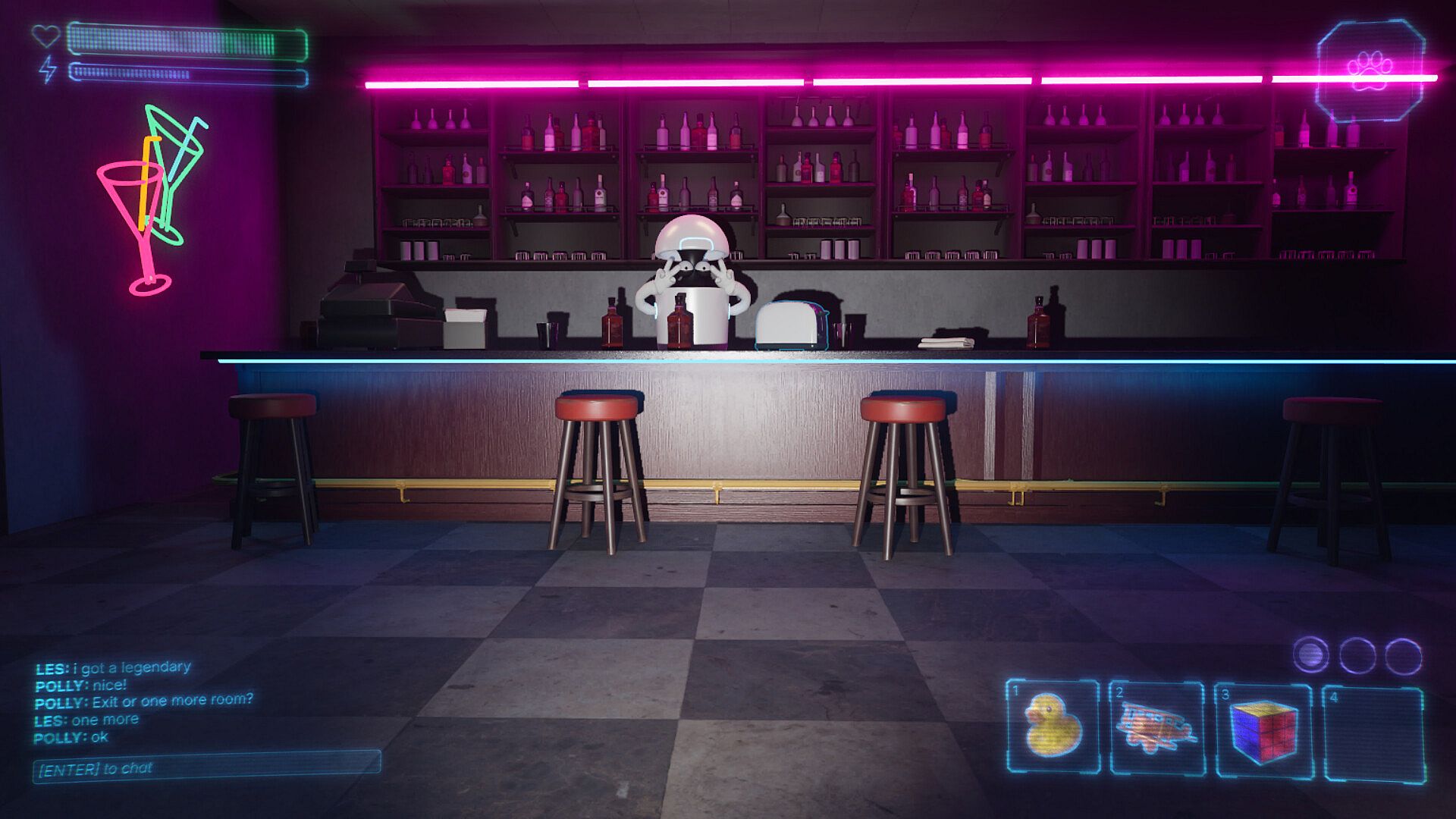
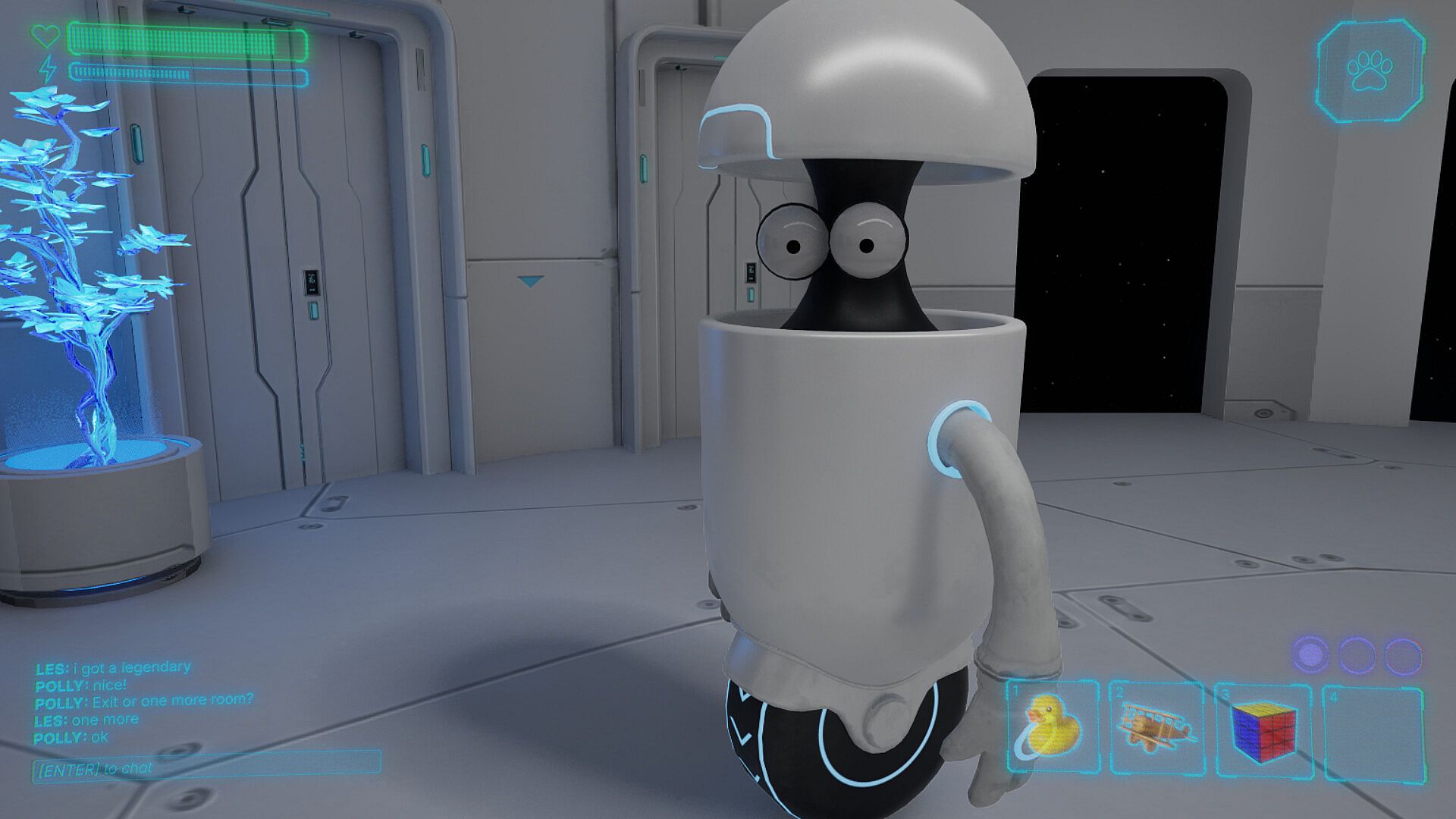










ID88 is a sci-fi horror adventure game developed by Vayatika for PC. Players take on the role of a customizable robot sent into dangerous, unknown zones to recover artifacts while surviving encounters with unpredictable creatures. The core loop centers on exploration, risk assessment, and resource management in a stylized horror setting that emphasizes tension over direct combat.
Gameplay
The gameplay revolves around expeditions into procedurally generated zones. Each run starts at the Hub, where players prepare by selecting equipment, weapons, and utility pets before entering a new location. Inside these zones, the focus stays on searching rooms and corridors for valuable artifacts while monitoring threats. Monsters follow distinct behavior patterns, requiring players to adapt their approach rather than rely on a single strategy. Some creatures pursue actively, others remain passive until provoked, and a few ignore intruders entirely unless specific actions trigger them.
Inventory management plays a key role. Artifacts occupy space and must be carried back safely, as losing them means missing out on museum additions. Players decide when to retreat to the Hub or push deeper into additional zones for greater rewards. This choice creates the main tension, as farther progress yields more items but increases exposure to hazards. Equipment choices influence survival chances, with options suited to different approaches such as direct engagement or avoidance.
Between expeditions, the Hub serves as the central hub for progression. New destinations unlock over time, equipment becomes available for purchase, and the personal museum grows with each successful return. Character customization extends to the robot's appearance and loadout, allowing players to refine their setup based on prior experiences.
Game Modes
ID88 supports solo play and cooperative sessions for up to eight players. In solo mode, the experience emphasizes careful planning and individual decision-making during each expedition. Multiplayer allows groups to coordinate strategies, share inventory space for artifacts, and tackle zones together, though the procedural nature ensures no two runs feel identical regardless of group size.
There are no separate competitive or versus modes. All play centers on cooperative expeditions where the shared goal remains artifact collection and safe extraction. The system scales with player count through adjusted monster behaviors and zone layouts that account for group dynamics.
Key Mechanics and Progression
Procedural generation ensures variety across expeditions, with locations changing in layout and content each time. Artifact collection ties directly into long-term progression through the museum display system, where brought-back items contribute to a growing personal collection. Equipment and pets provide utility options that fit varied playstyles, from defensive tools to support companions.
Unlocking increasingly dangerous expeditions happens through repeated Hub returns and successful runs. This structure rewards consistent play without requiring specific milestones beyond exploration and survival. The stylized sci-fi horror atmosphere supports the mechanics by maintaining a sense of isolation and uncertainty even in multiplayer groups.
Is It Worth Playing?
ID88 targets players who enjoy procedural exploration combined with horror elements and light co-op interaction. The emphasis on unique monster behaviors and the push-or-retreat decision loop offers replayability for those interested in roguelike-style runs within an adventure framework. Since the game remains in development with a planned release in Q4 2026 and currently has no user reviews available, its appeal depends on interest in the described systems rather than established community feedback.
Those who prefer structured campaigns or competitive multiplayer may find the open-ended expedition format less engaging. Players drawn to sci-fi horror with artifact hunting, monster variety, and group coordination up to eight participants will likely find the core loop matches their preferences based on the available details.