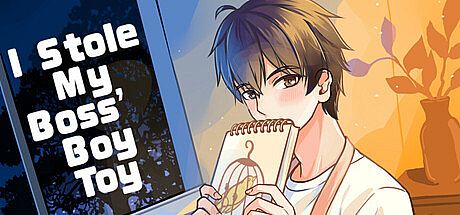


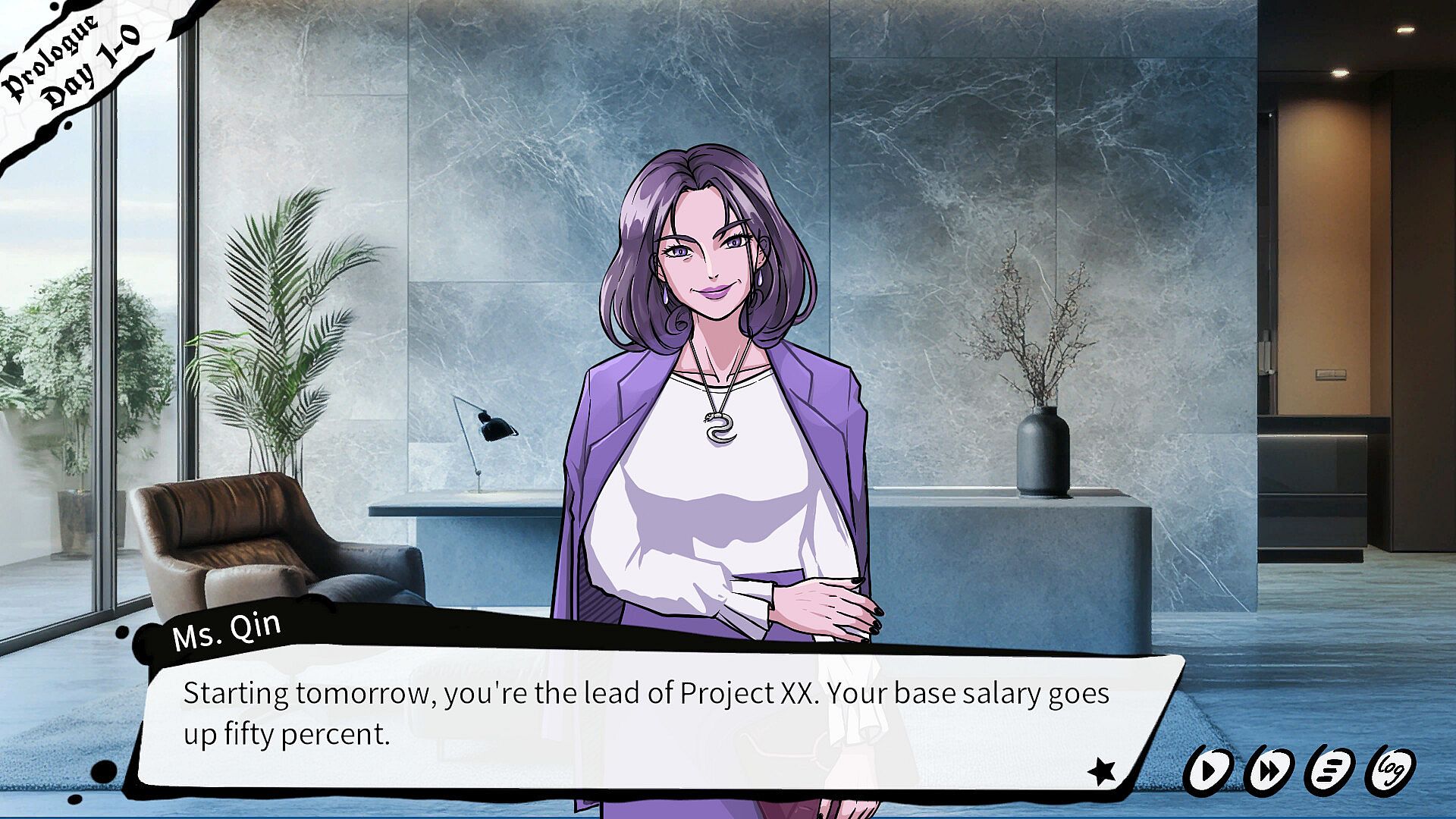
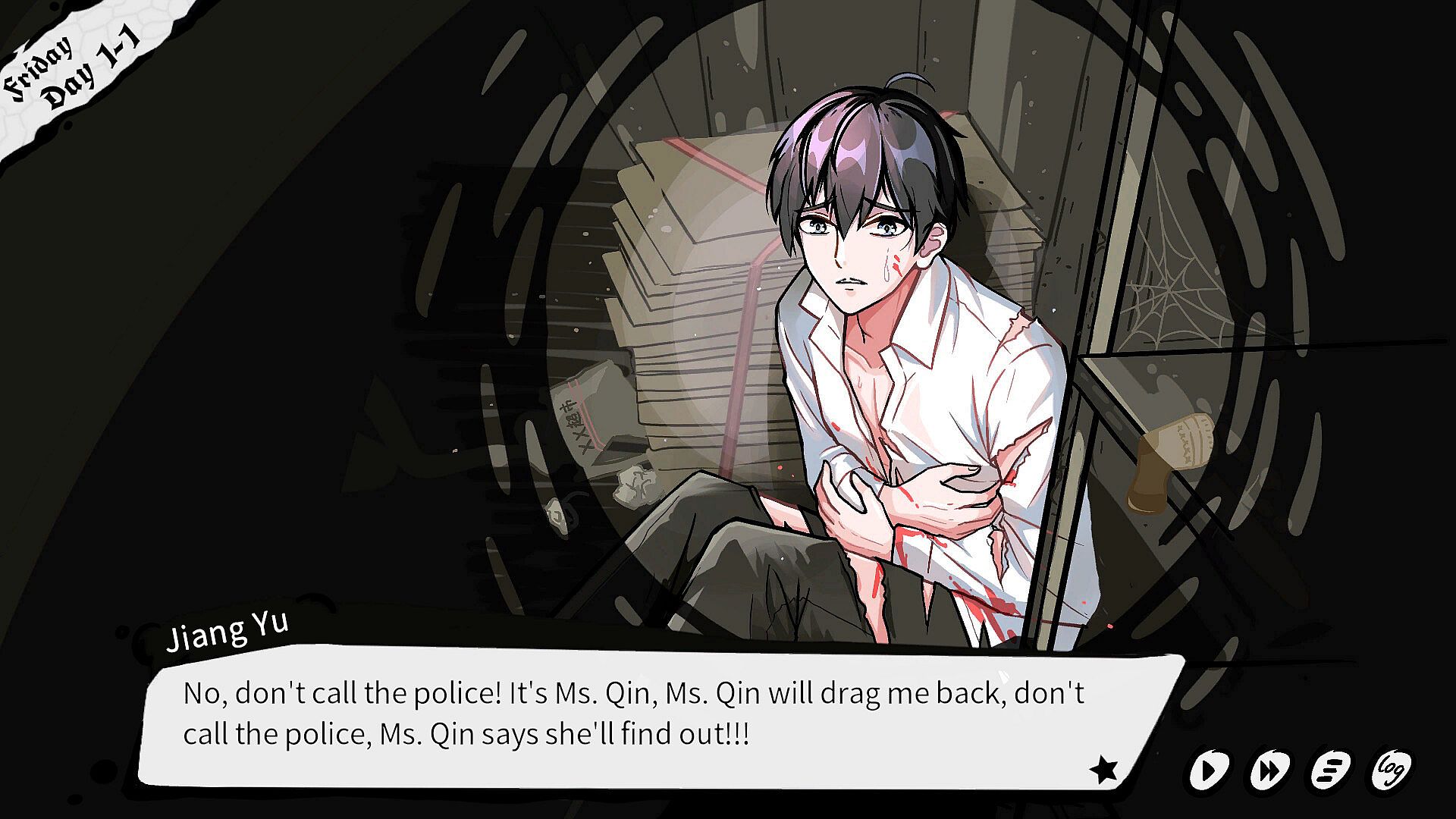
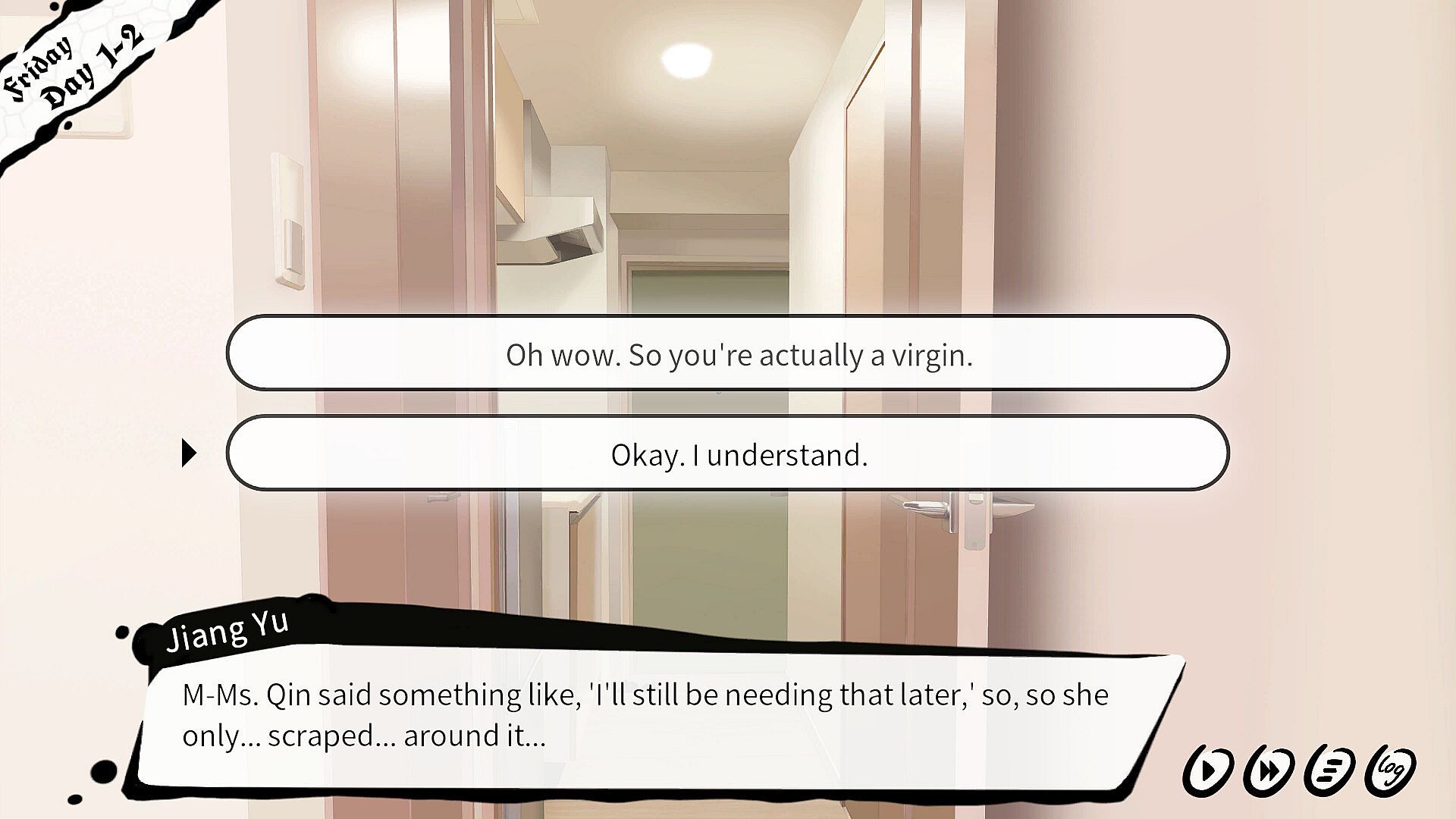
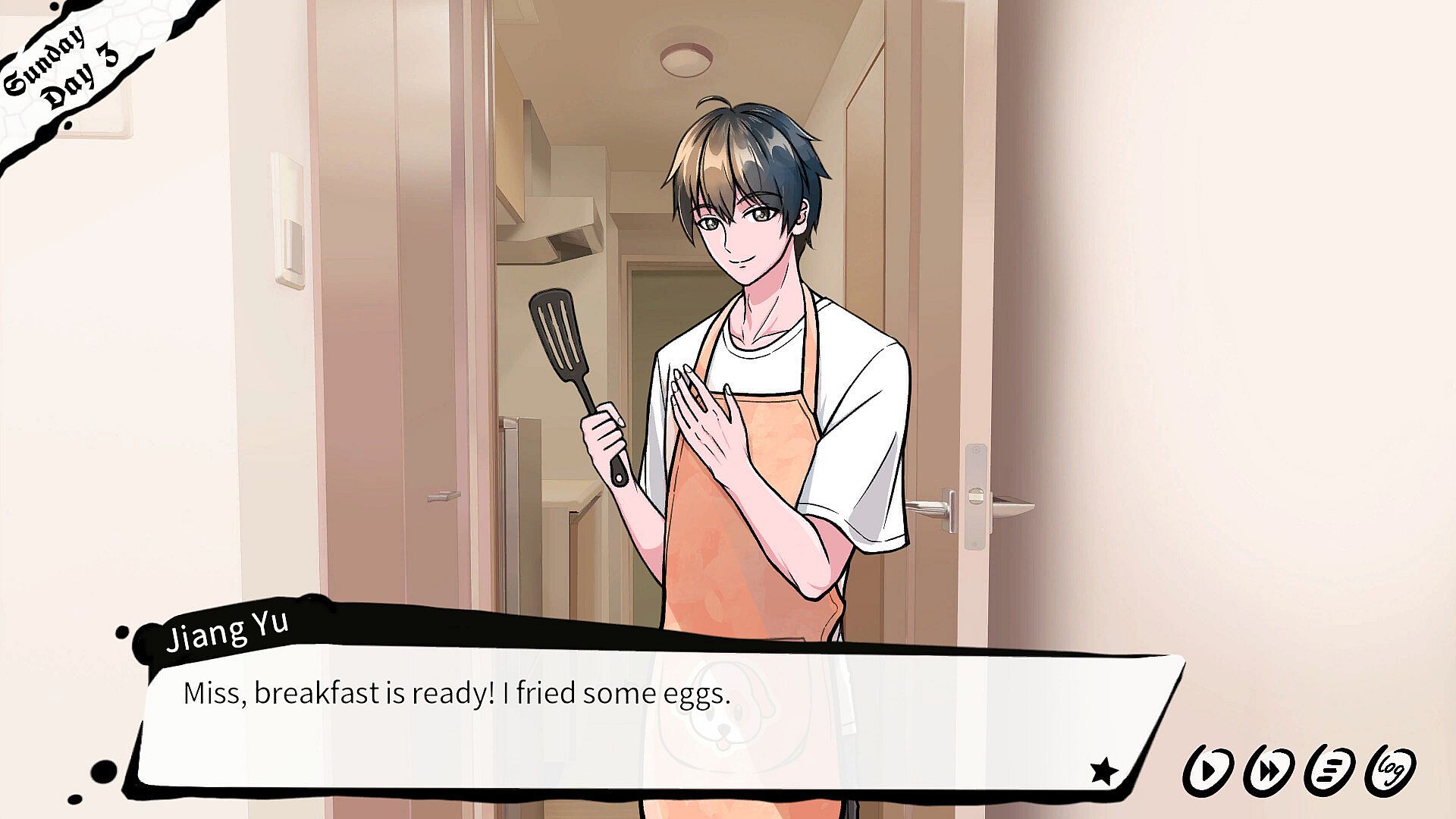


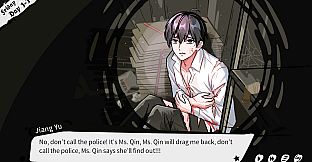
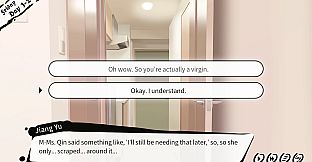


This indie RPG called I Stole My Boss' Boy Toy places players in the shoes of a determined art student who must navigate deception, protection, and calculated revenge after falling victim to a shady agency. The story centers on hiding and safeguarding a key figure while unraveling a larger scheme, with every decision shaping the outcome in a single-player experience built around narrative choices and light interactive elements.
Gameplay
The core loop revolves around progressing through a structured story divided into episodes that span multiple days. Automatic saving occurs after each episode, eliminating the need for manual saves and allowing seamless continuation. Players can freely jump between completed episodes to revisit sections or explore different decision paths without restarting from the beginning.
Customization options focus on the protagonist, whose name can be altered at any time and who lacks a fixed visual appearance. This setup keeps the emphasis on player-driven choices rather than character design. Several mini-games appear throughout the narrative to break up the reading and decision-making segments, adding variety to the pacing.
The game explores themes of trauma, power, and redemption through a positive lens of fighting crime and aiding others in need. Multiple branches exist, and some paths can lead the main character toward moral complexity depending on the selections made.
Game Modes
The experience unfolds as a linear yet branching narrative adventure with no separate competitive or cooperative modes. Story progression occurs through sequential episodes that players advance by making choices at key moments. These decisions directly influence the path taken and determine which of the four available endings the player reaches: two bad endings, one normal ending, and one good ending.
Replay value comes from the ability to switch between episodes and test alternative choices to uncover different outcomes. A humorous side story becomes accessible after finishing the main narrative, providing additional content in a lighter tone once the core plot concludes.
Story and Themes
The plot follows an art student desperate for college funds who gets entangled with a shady agency. From there, the focus shifts to protecting a specific individual while plotting revenge and exposing wrongdoing. All characters are presented as adults, and the narrative avoids any explicit visual depictions of sensitive content while addressing heavier topics like attempted misconduct through text and implication only.
Every element remains fictional, with no ties to real-world entities or people. The game encourages players to consider the consequences of power dynamics and personal redemption within its crime-fighting framework.
Is It Worth Playing?
A playtest version is currently available that covers the first three days of the story, with the complete release planned to expand to twelve days of content. This structure suits players who enjoy choice-based narrative RPGs where decisions carry weight across multiple endings and encourage repeat playthroughs.
The combination of automatic progression tools, episode jumping, and integrated mini-games creates an accessible format for those interested in story-driven experiences with moral branching. Individuals drawn to themes of fighting crime, personal agency, and redemption may find the setup engaging, particularly if they appreciate shorter episodic sessions over long continuous play.
Those sensitive to mentions of trauma or abuse should review the content warnings beforehand, as the game handles these elements through narrative text without graphic visuals. The overall design prioritizes player control over the protagonist's name and story flow, making it a focused option for fans of indie RPGs centered on decision consequences rather than combat or exploration systems.