

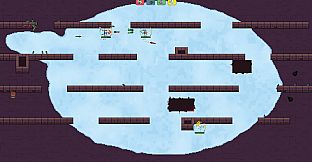
Hurlyburly is a top-down action arena brawler designed for local multiplayer on PC. Players compete in chaotic rounds where everyone starts with basic tools and a shared goal of outlasting the others through precise timing and clever upgrades.
Gameplay
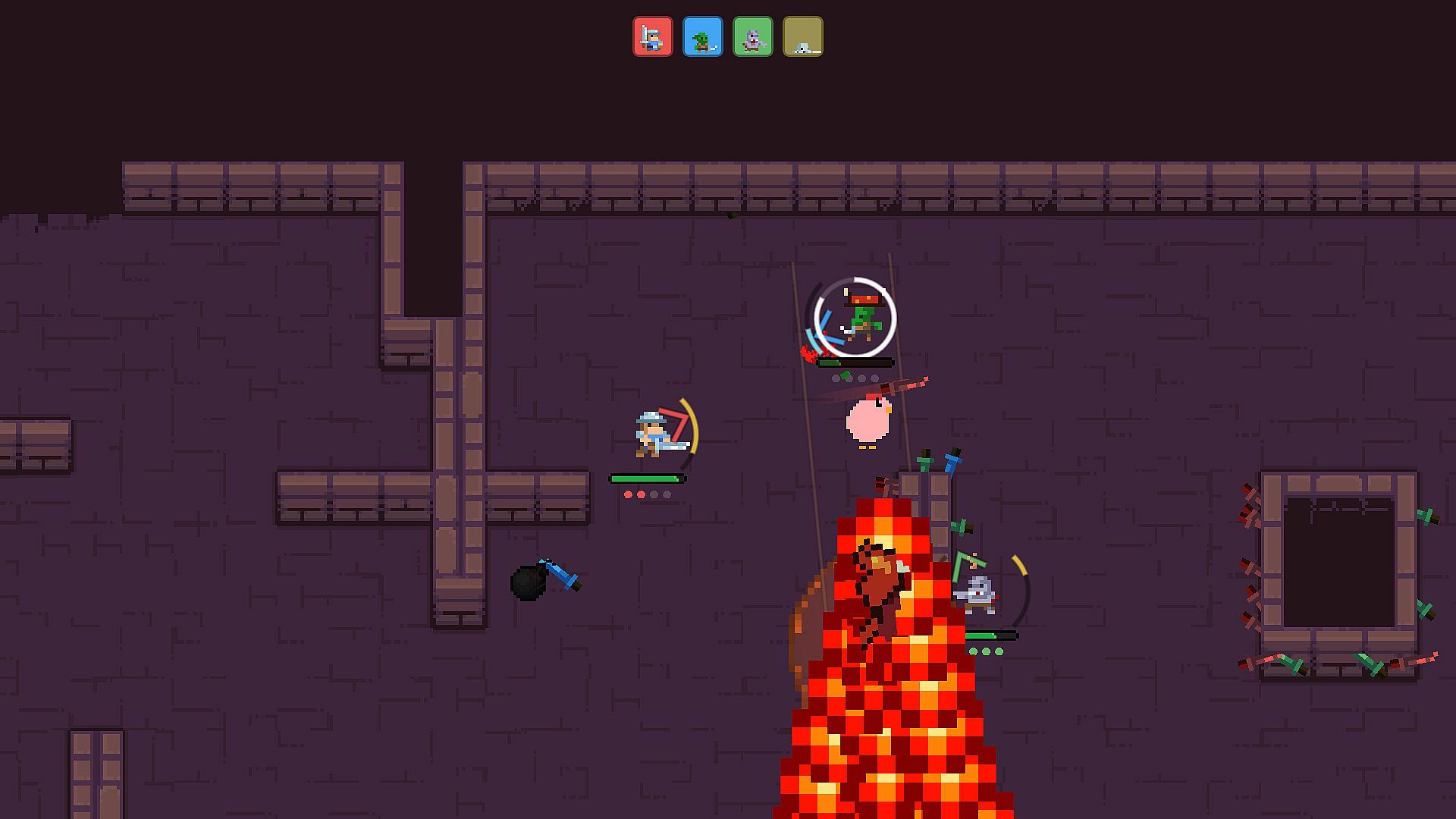
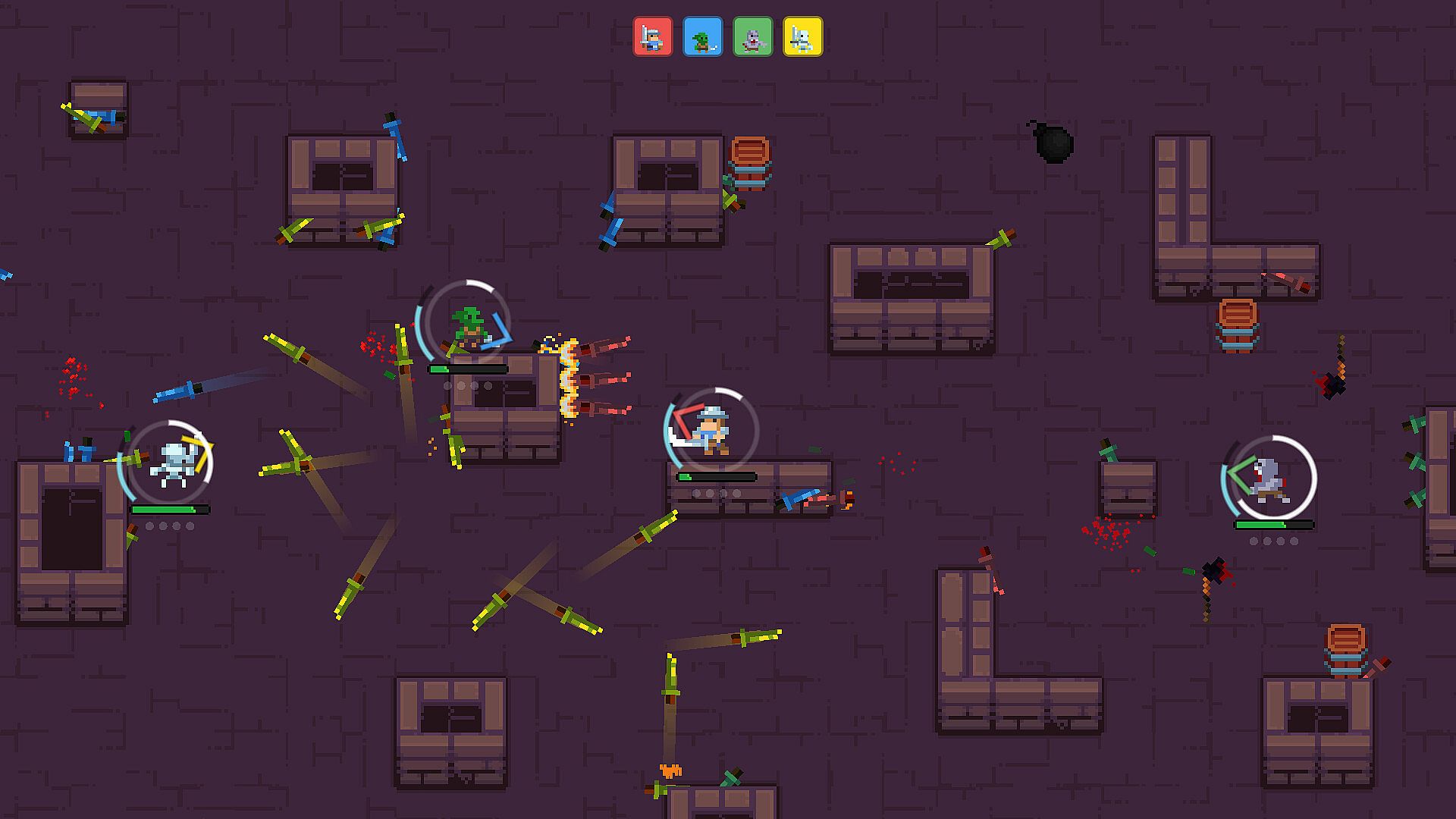
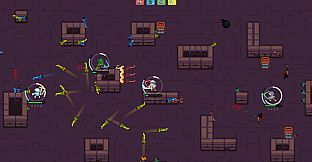
Each participant controls one character with access to sword throws, a dash for quick movement, and a deflect ability to turn incoming attacks back on their source. The core loop revolves around staying alive while eliminating rivals in an enclosed space. Early elimination does not end participation, as fallen players return with fresh options that build toward stronger setups over successive rounds.
Points accumulate from successful eliminations and survival time, with the first player or team to hit the match target claiming victory. The system rewards both aggression and patience, since remaining in the fight preserves the current loadout while others gain new tools upon respawn.
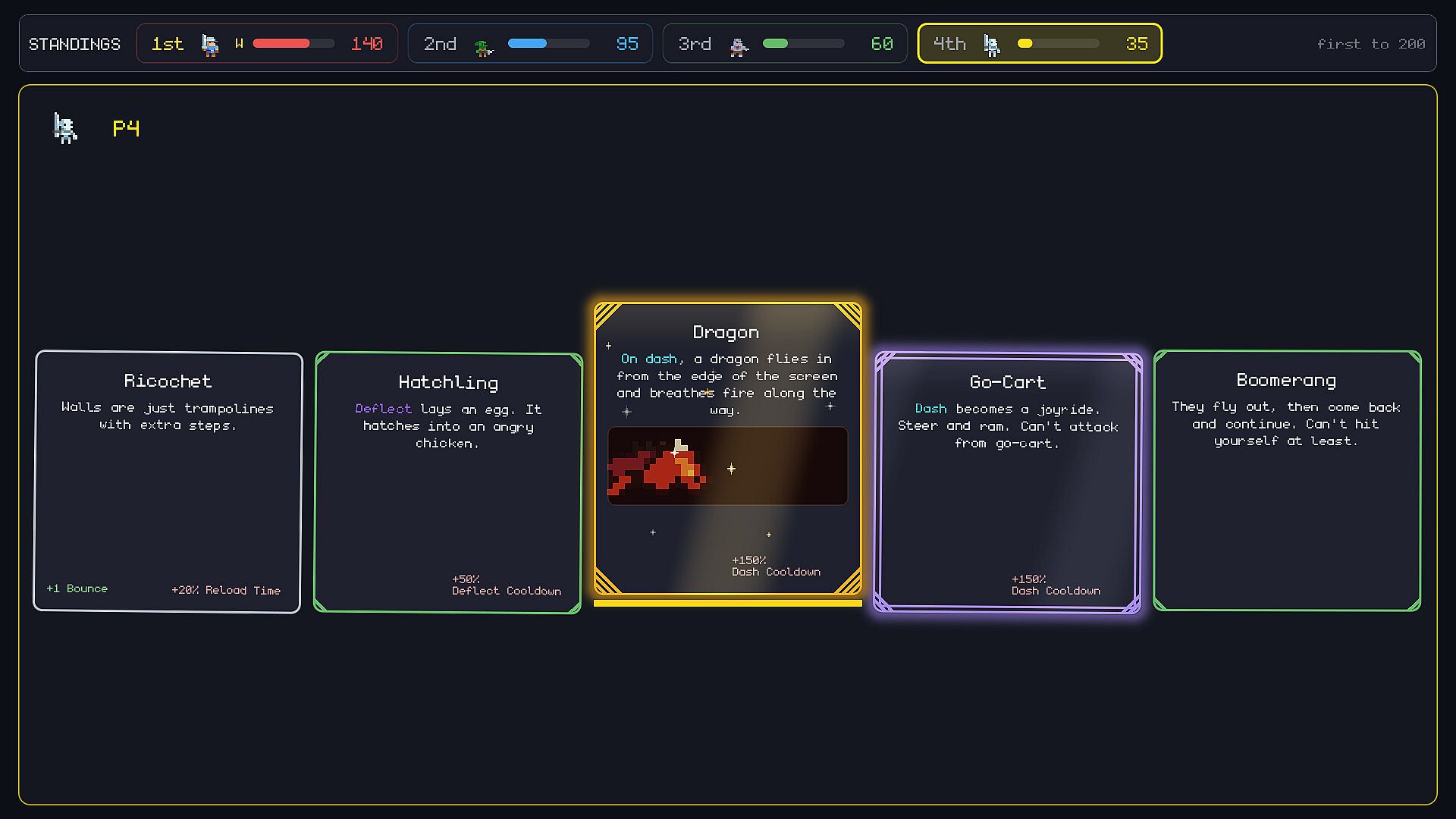
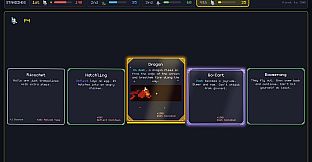
Over 150 cards alter fundamental actions in distinct ways. Swords can bounce between targets, split into multiples, return like boomerangs, orbit the wielder, or pass through obstacles. The deflect might deploy an egg that hatches into a hostile chicken. Dashes transform into vehicles, summon large creatures from off-screen, or swap positions with nearby opponents. Standing still can turn a player into an unassuming barrel that evades notice. Temporary card theft or reversal of recent movement adds further layers of disruption.
Cards combine freely, with rarity increasing from common to legendary as rounds progress. By later stages, combinations produce unpredictable results that shift strategies mid-match. The deflect mechanic stands out for its satisfaction when timed correctly, sending a thrown sword back to its originator and claiming it as your own.
Game Modes
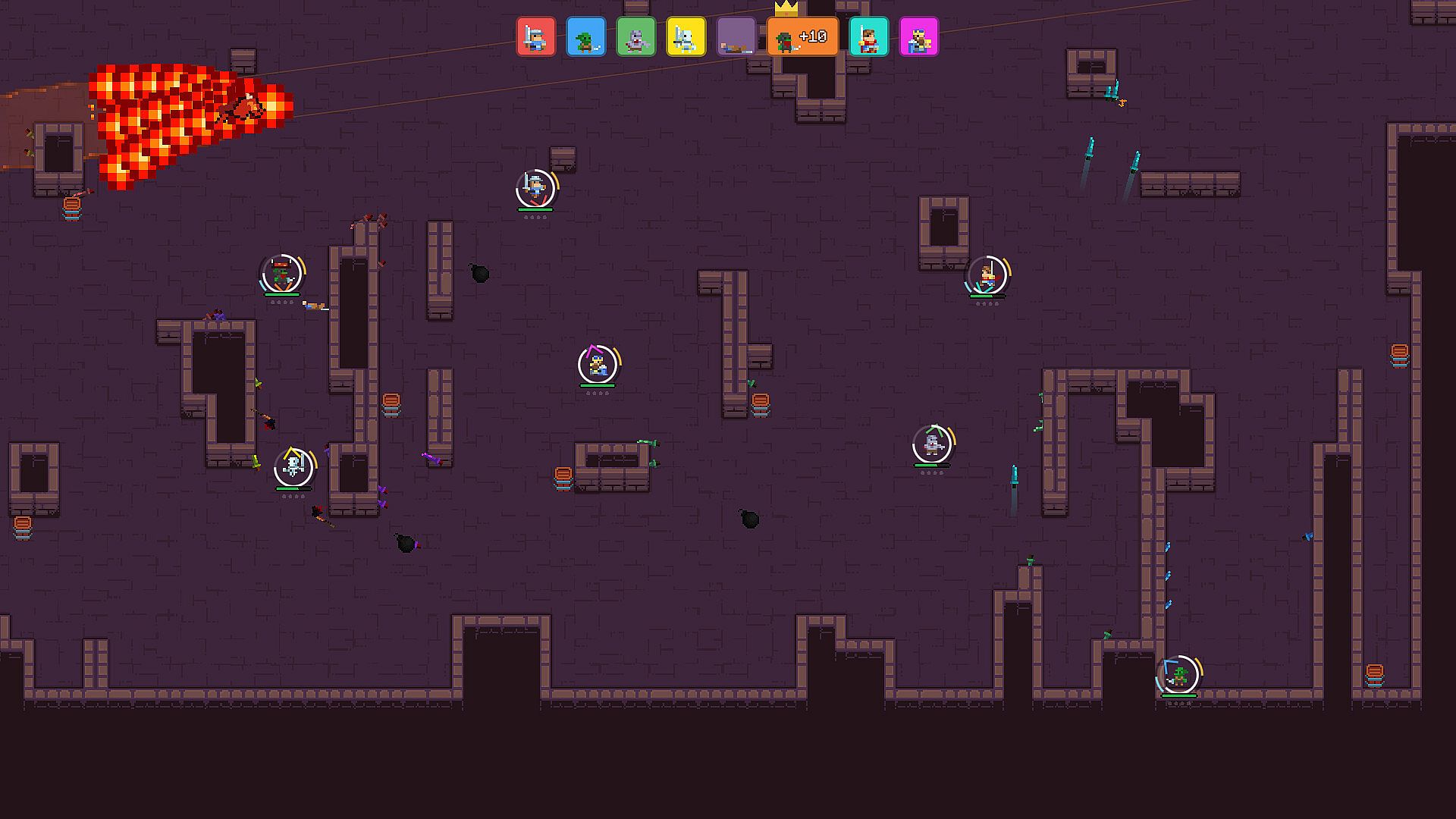
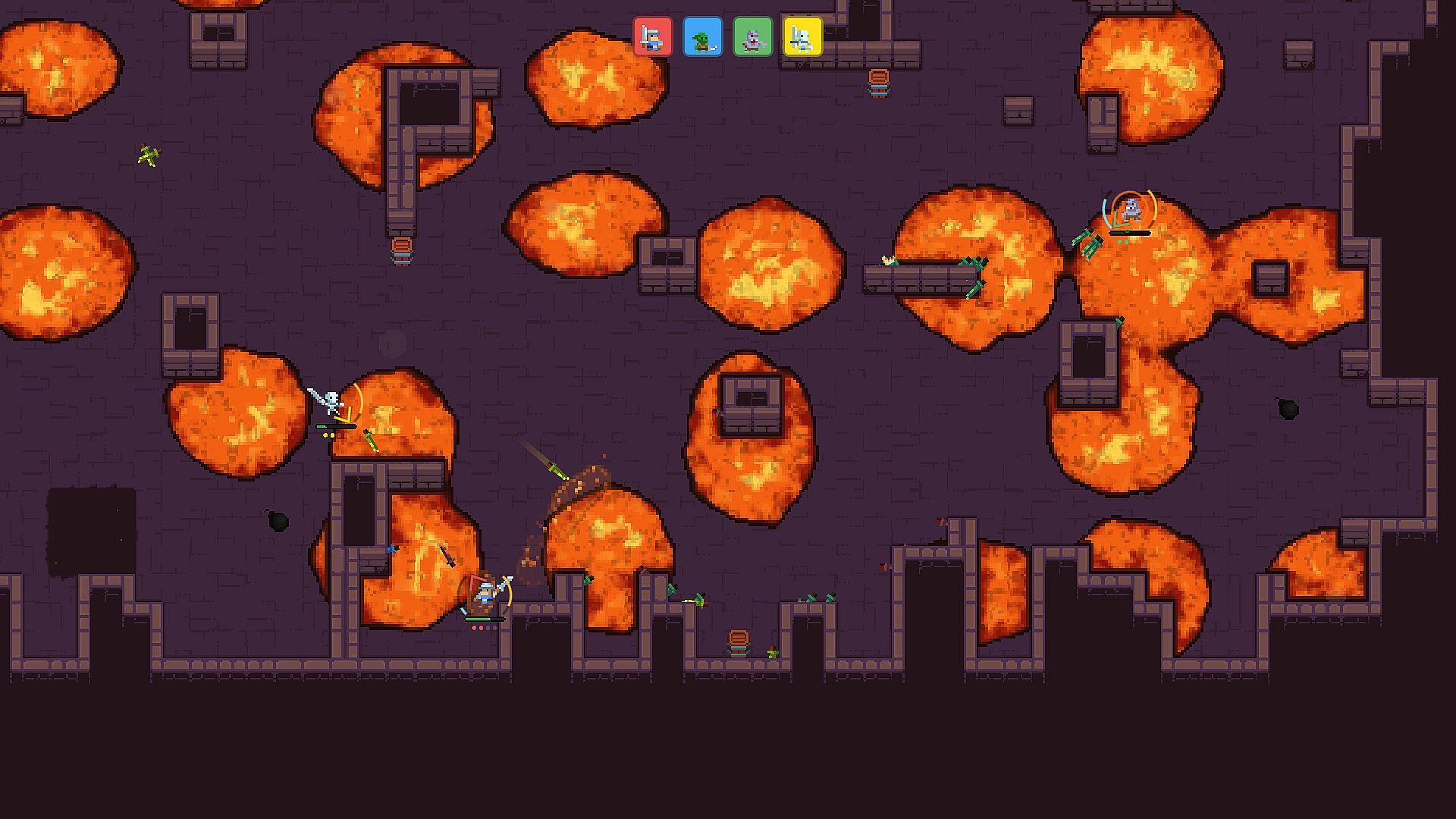
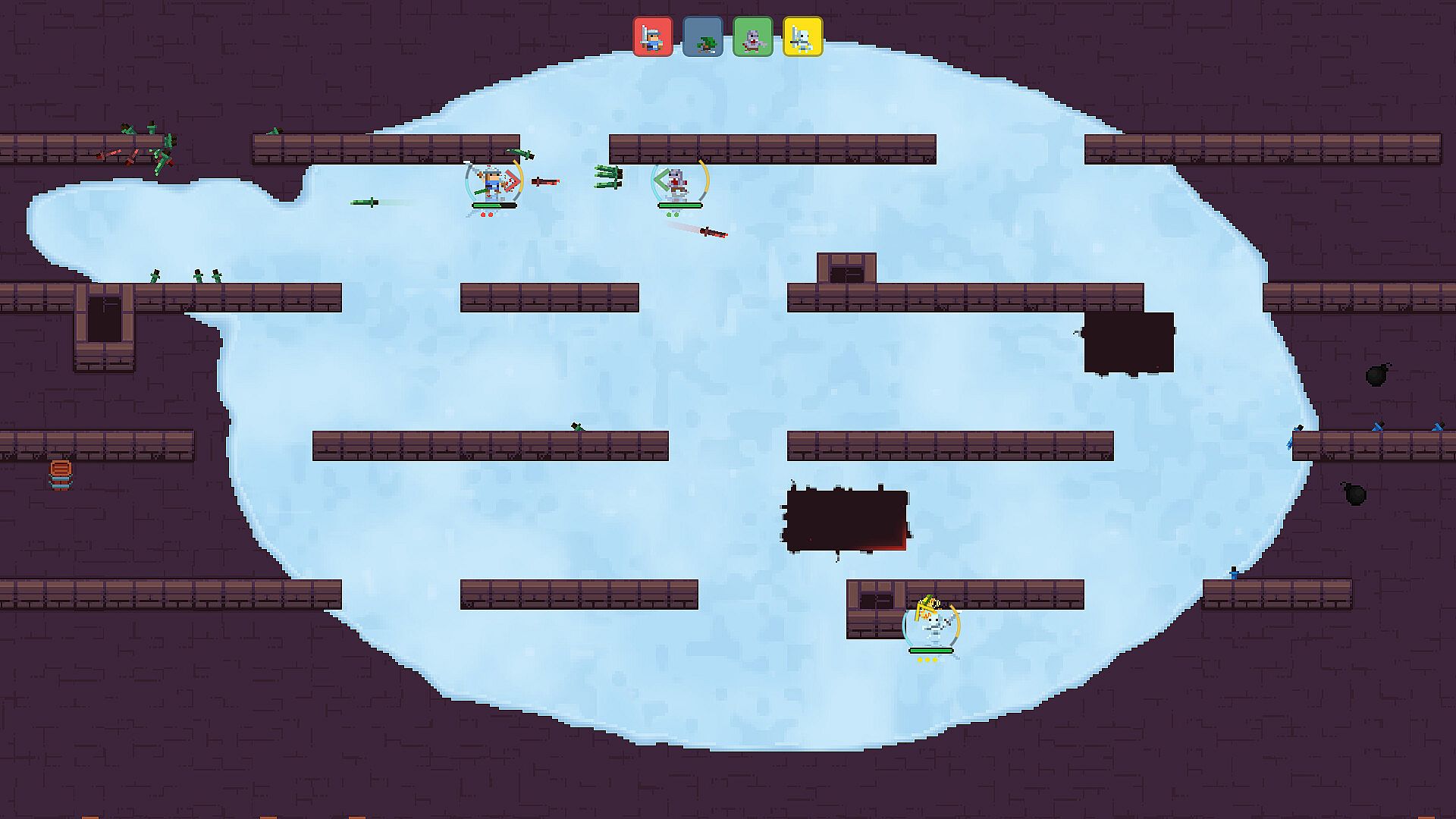
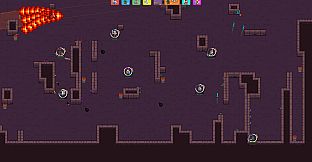
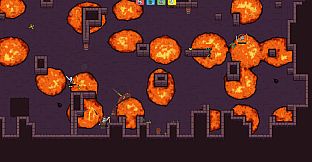
Matches follow a consistent structure across rounds. Each round generates a new arena layout, some of which include environmental hazards that can eliminate players independently of direct combat. The camera adjusts dynamically to keep all participants visible on a single screen, supporting seamless local play without splitscreen divisions.
Progression within a match emphasizes adaptation. Survivors carry forward their existing abilities while eliminated players re-enter with upgrades. This creates shifting power dynamics where early leaders must contend with increasingly capable challengers. Points from kills and longevity determine the overall winner once the target threshold is reached.
Arena Design and Local Focus
Arenas vary with each round, introducing fresh layouts and occasional dangers that demand careful positioning. The emphasis on one shared screen and individual controllers makes the experience ideal for groups gathered together. Sessions encourage repeated play through short rounds and the potential for dramatic turnarounds via card acquisitions.
The design draws from similar arena fighters but adapts the perspective and player count for couch settings. Up to eight participants can join, with mechanics scaled to maintain clarity even in larger groups. Card stacking encourages experimentation, as effects interact in ways that rarely repeat exactly across sessions.
Is It Worth Playing?
Hurlyburly suits players who enjoy fast local multiplayer action with elements of progression and surprise. The combination of direct combat tools and transformative cards creates matches that reward timing, positioning, and adaptability. Groups seeking a party-style brawler that fits on one screen without complex setup will find the format accessible.
Those preferring solo experiences or online matchmaking may find the local-only focus limiting. The game shines when multiple people share the same space and controllers, turning each round into a mix of competition and shared reactions to unexpected card outcomes. Its current state centers on the core arena loop described, with no additional seasons or expansions confirmed at this time.
- Strong emphasis on local couch play for 2 to 8 participants
- Card variety drives replayability through changing builds
- Simple controls paired with deep interaction potential