










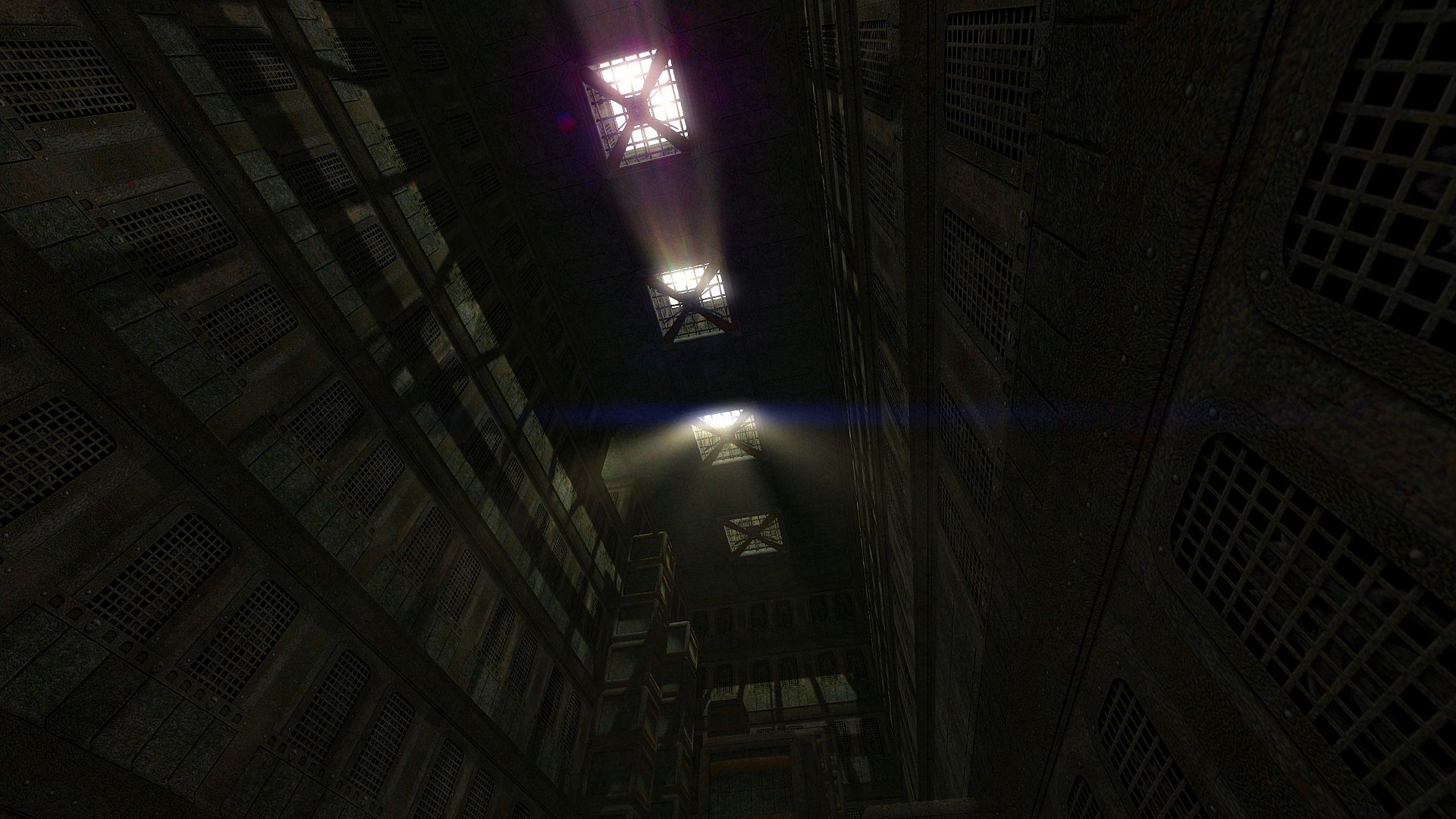
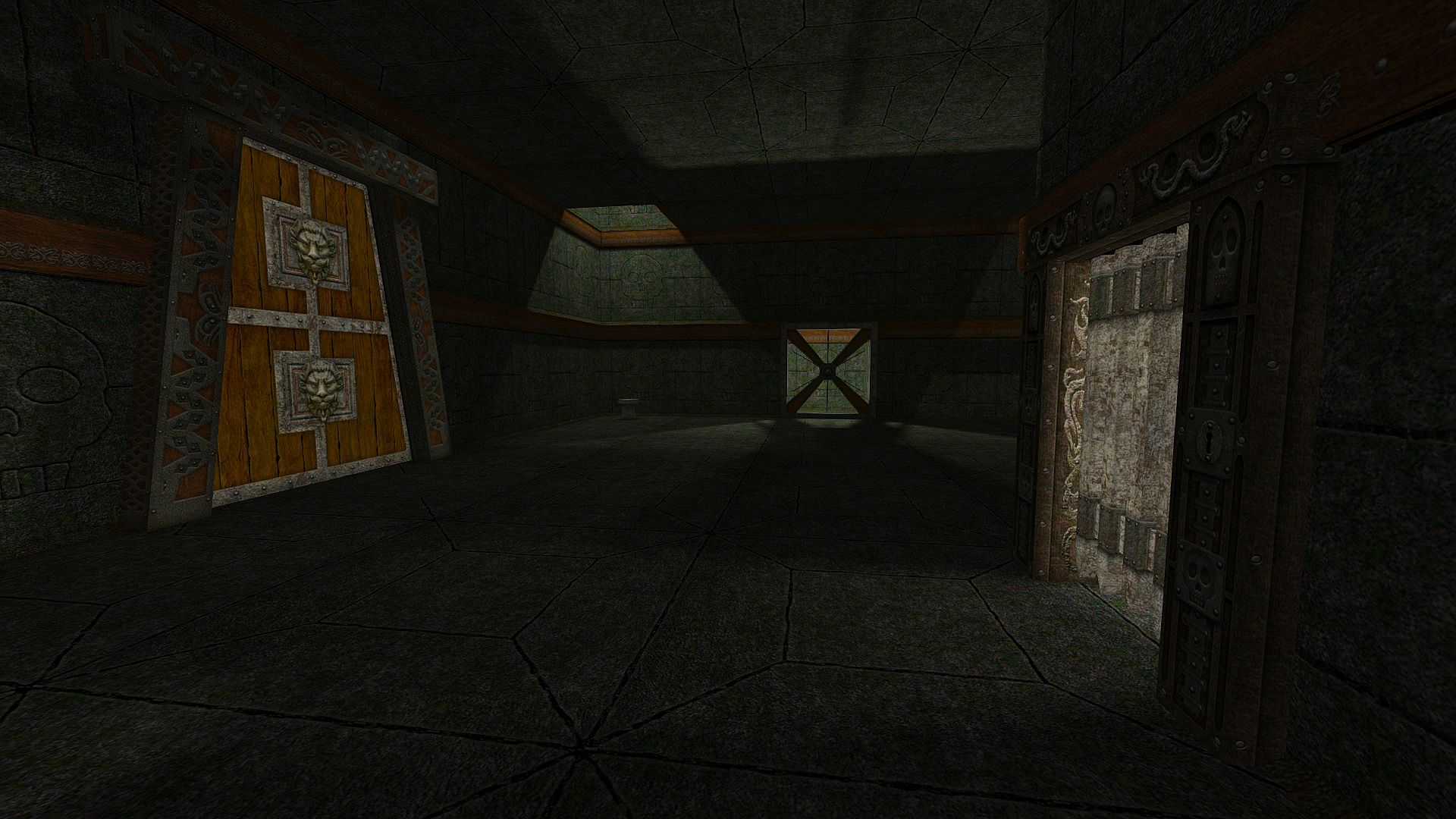
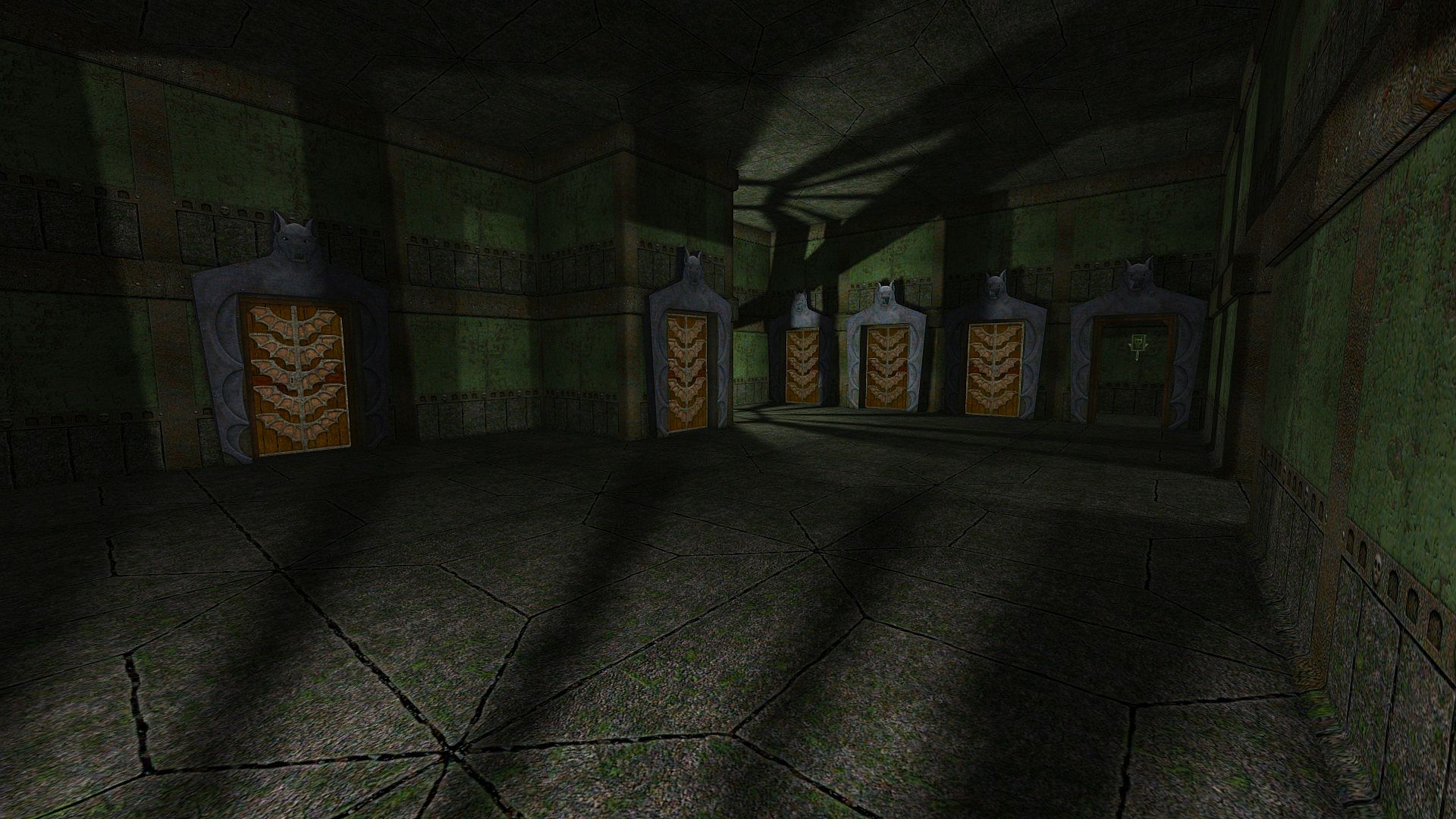
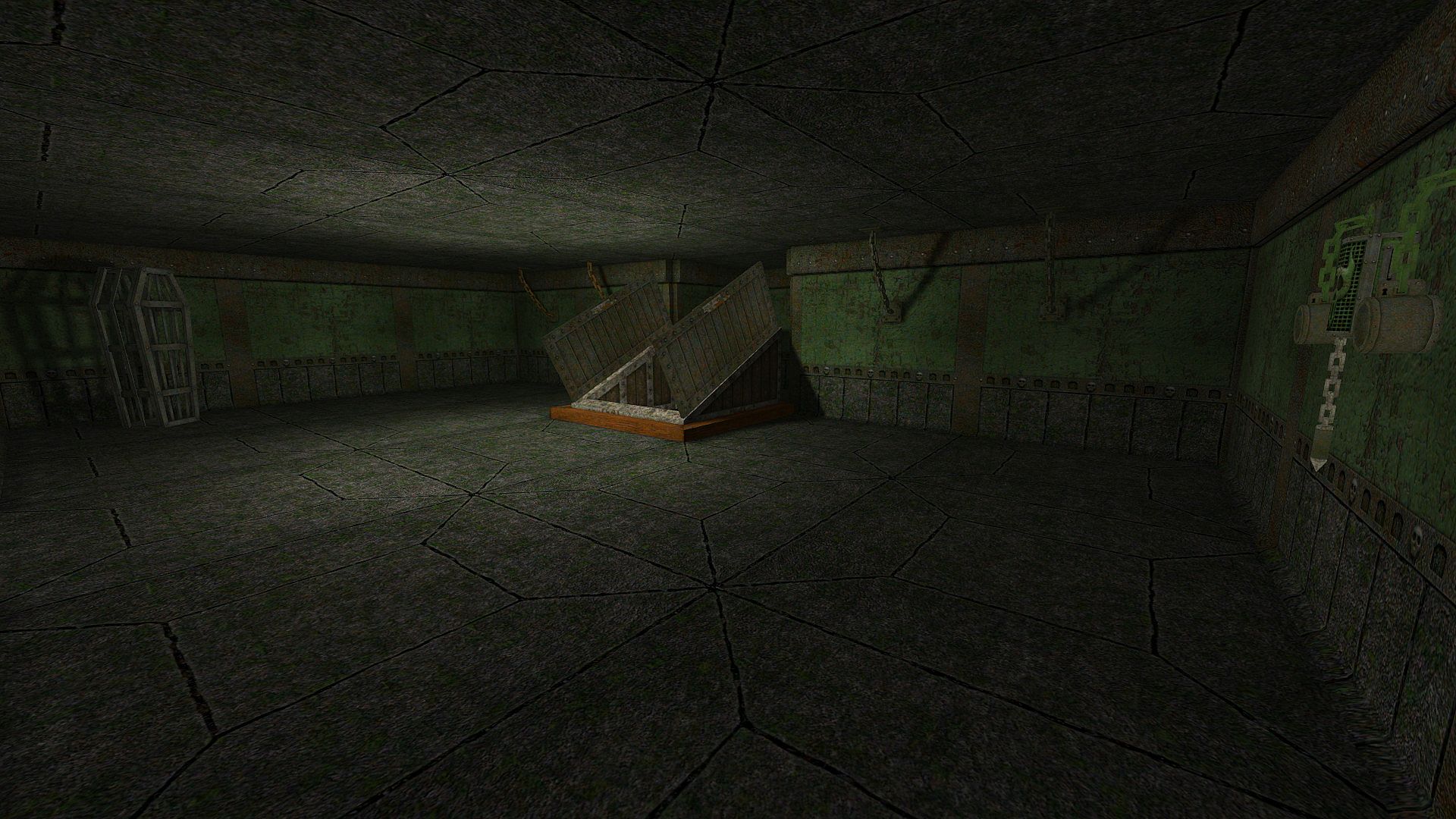
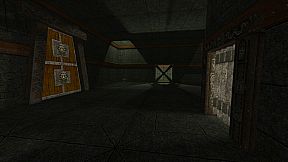
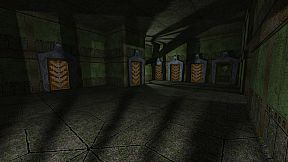
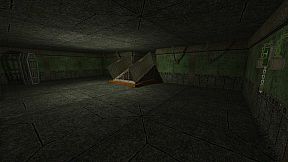
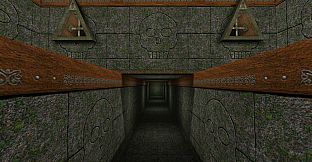
Hunter of Antiques is a single-player hardcore platformer adventure developed for PC. Players navigate a series of dungeon corridors filled with environmental hazards, where precise movement determines survival. The core experience centers on exploration and survival in a confined, trap-laden environment that punishes errors immediately.
Gameplay
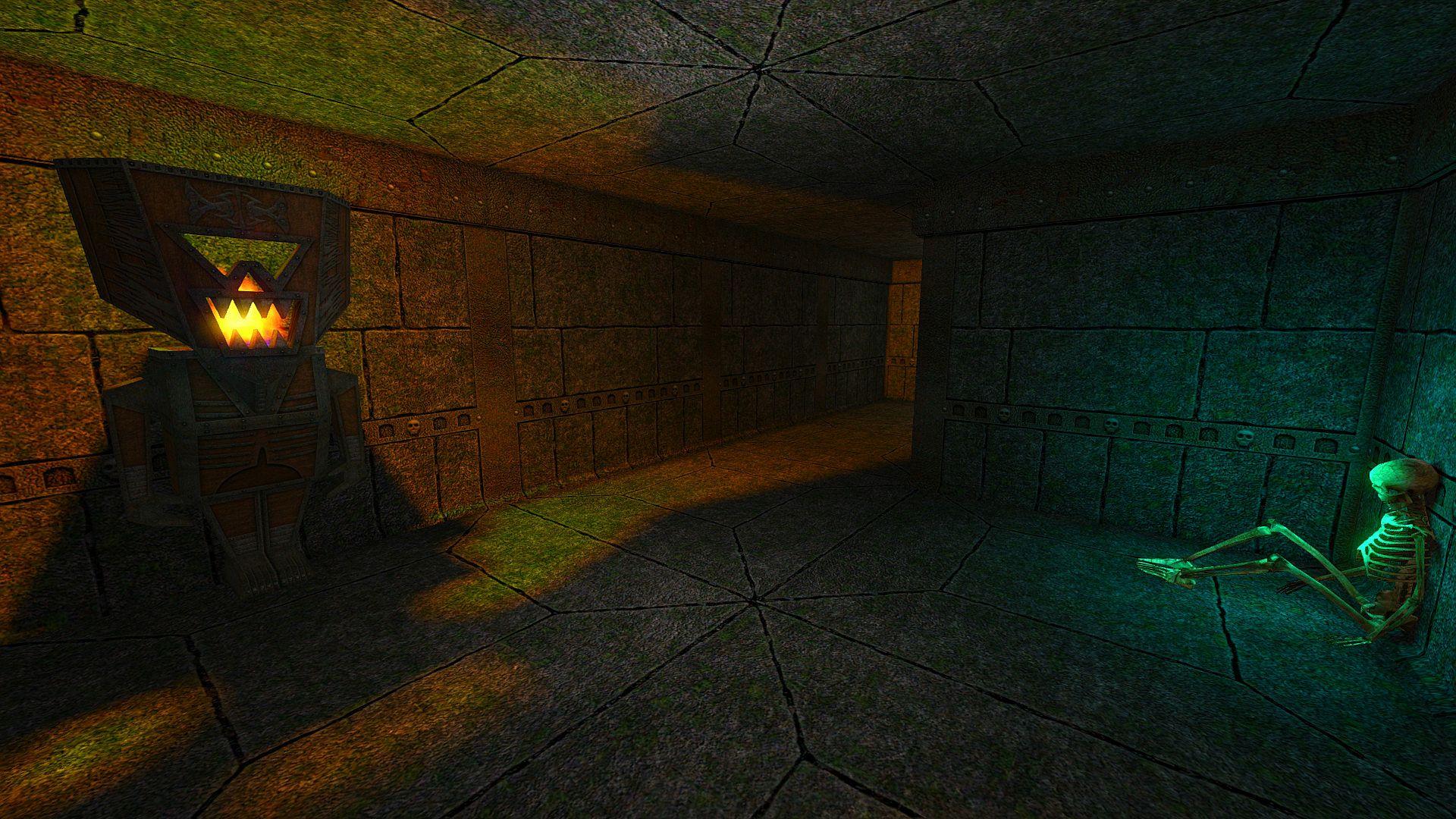
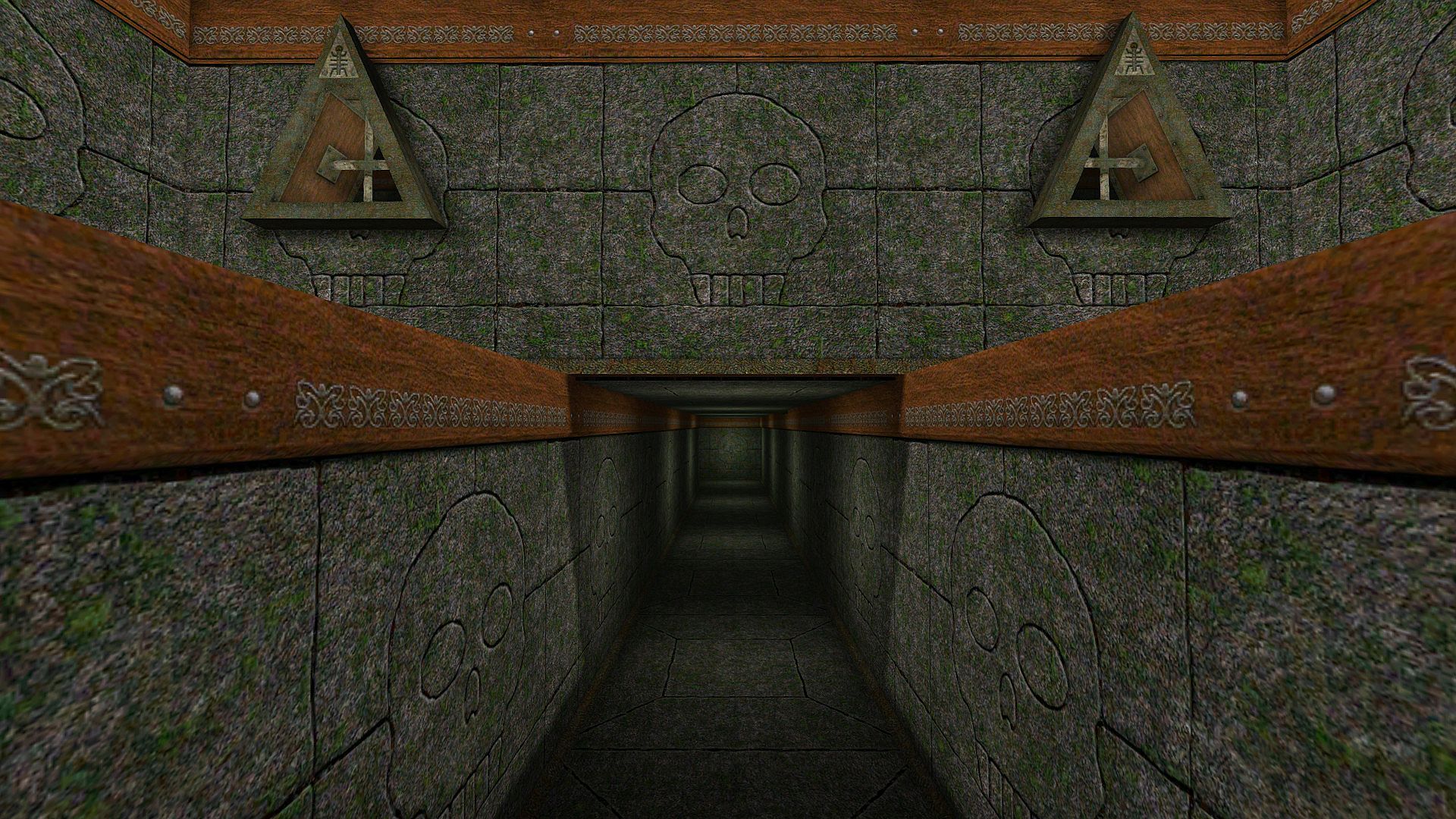
The game places emphasis on first-person navigation through three-dimensional labyrinthine spaces. Movement involves running and jumping across platforms while avoiding instant-death obstacles. Traps appear throughout the levels and include spikes, holes in the floor, trick surfaces that give way, pools of lava, and other environmental dangers. Hidden passages branch off the main corridors and often conceal additional secrets alongside further hazards. Every step requires caution because a single miscalculation ends the attempt. The design encourages repeated attempts to map out safe routes and uncover all corners of each area.
Game Modes
Hunter of Antiques supports only single-player mode. There are no multiplayer options or alternate modes confirmed in available information. The entire experience consists of progressing through the dungeon levels at the player's own pace, focusing on complete exploration of every corridor and secret area.
Exploration and Level Design
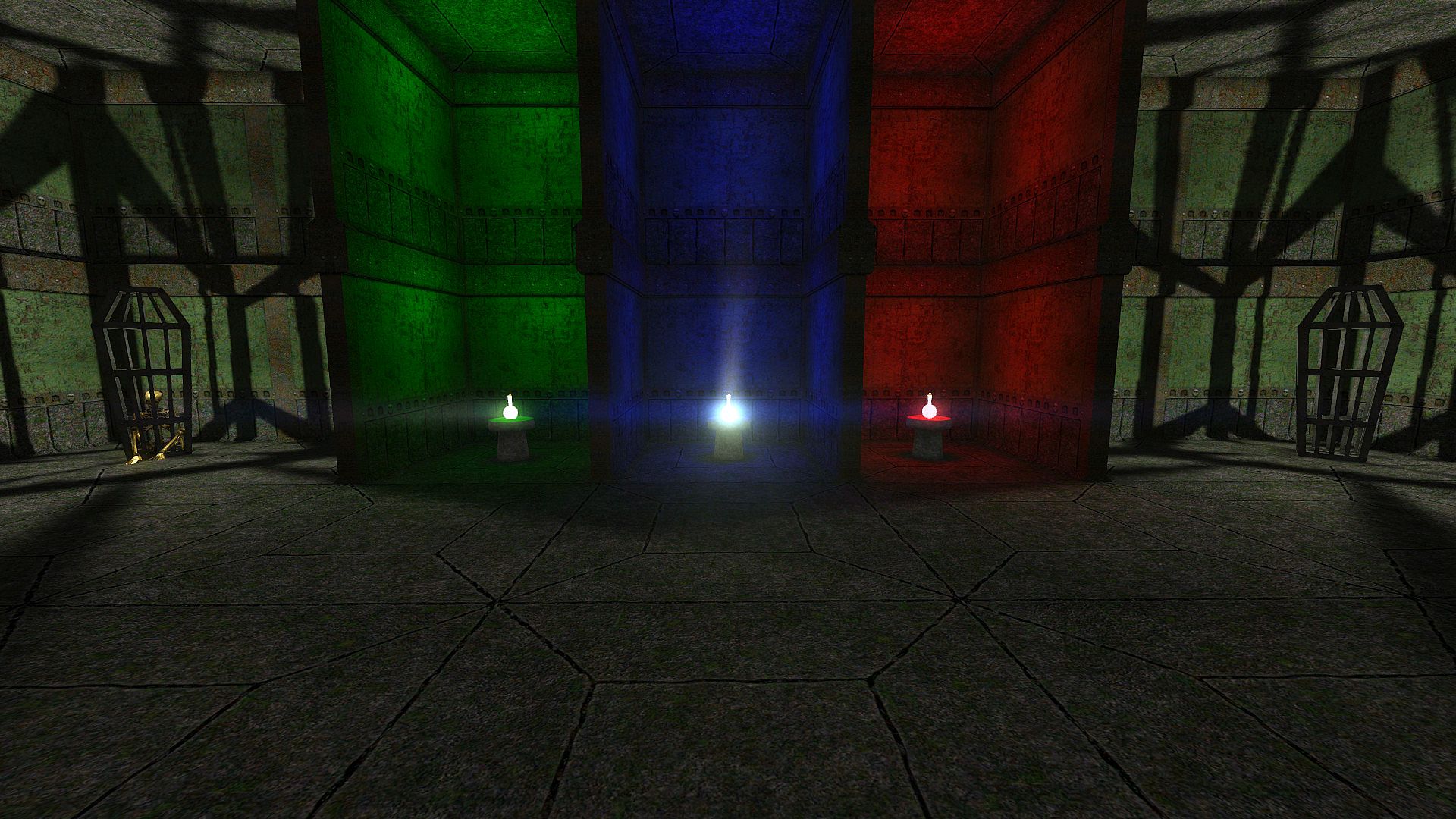
Levels consist of interconnected corridors that form a larger prison-like structure. Players must examine every section to locate hidden paths while managing the constant presence of traps. The layout rewards thorough investigation, as secrets lie off the obvious routes. Progression depends on learning the placement of hazards such as collapsing floors and lava pits through trial and error. The compact scope keeps the focus tightly on spatial awareness and careful platforming rather than combat or narrative elements.
Is It Worth Playing?
Hunter of Antiques appeals to players who seek a punishing, minimalist platformer centered on trap avoidance and dungeon traversal. Its straightforward mechanics deliver a direct challenge that matches the description of one wrong step resulting in death. With its 2017 release and limited ongoing development, the game remains a short, self-contained experience available on PC. Those drawn to indie adventures that prioritize precise movement and repeated attempts at hazardous corridors may find value in its focused design. Others looking for broader features or sustained content may prefer titles with more varied systems.