

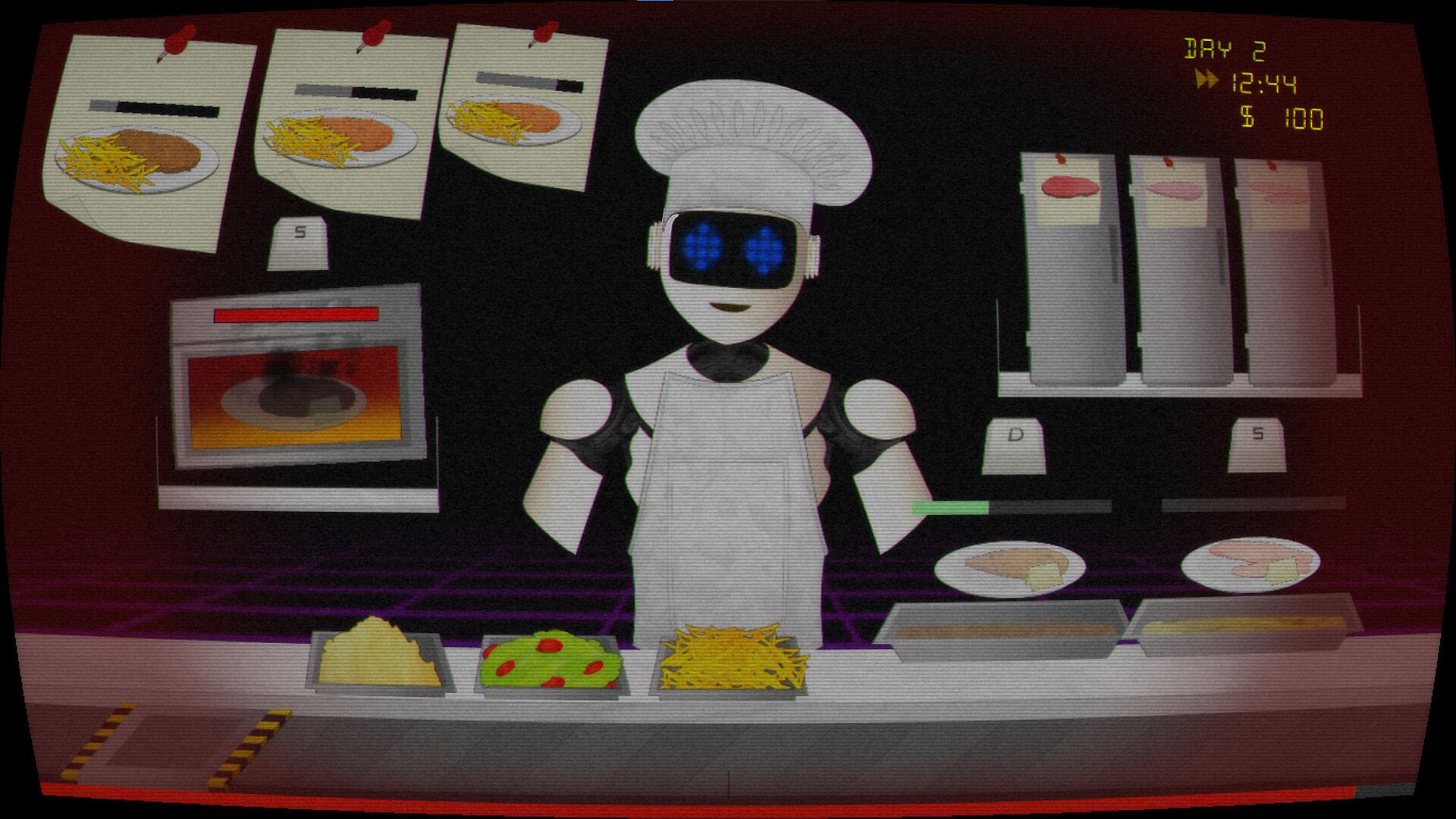
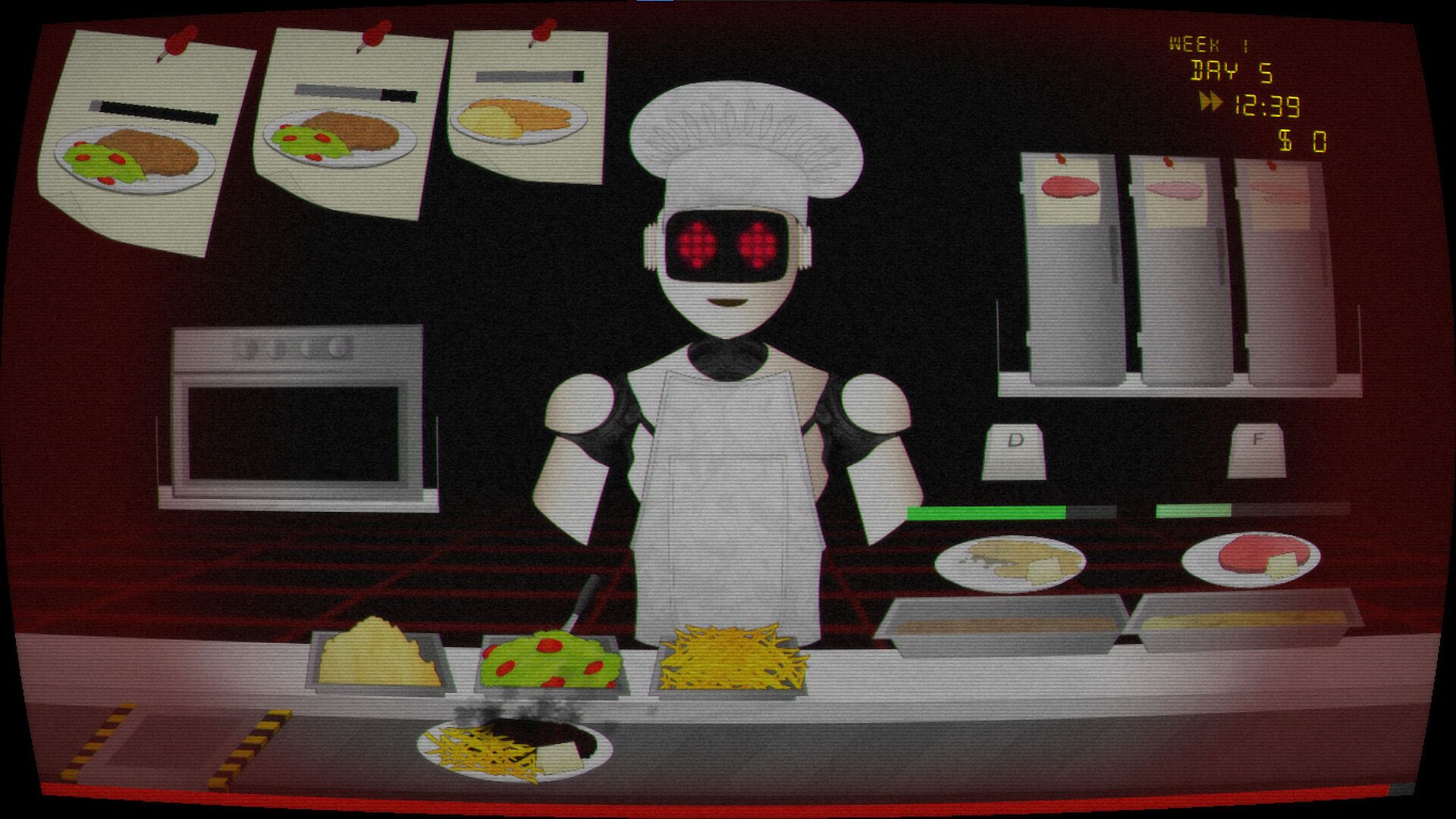
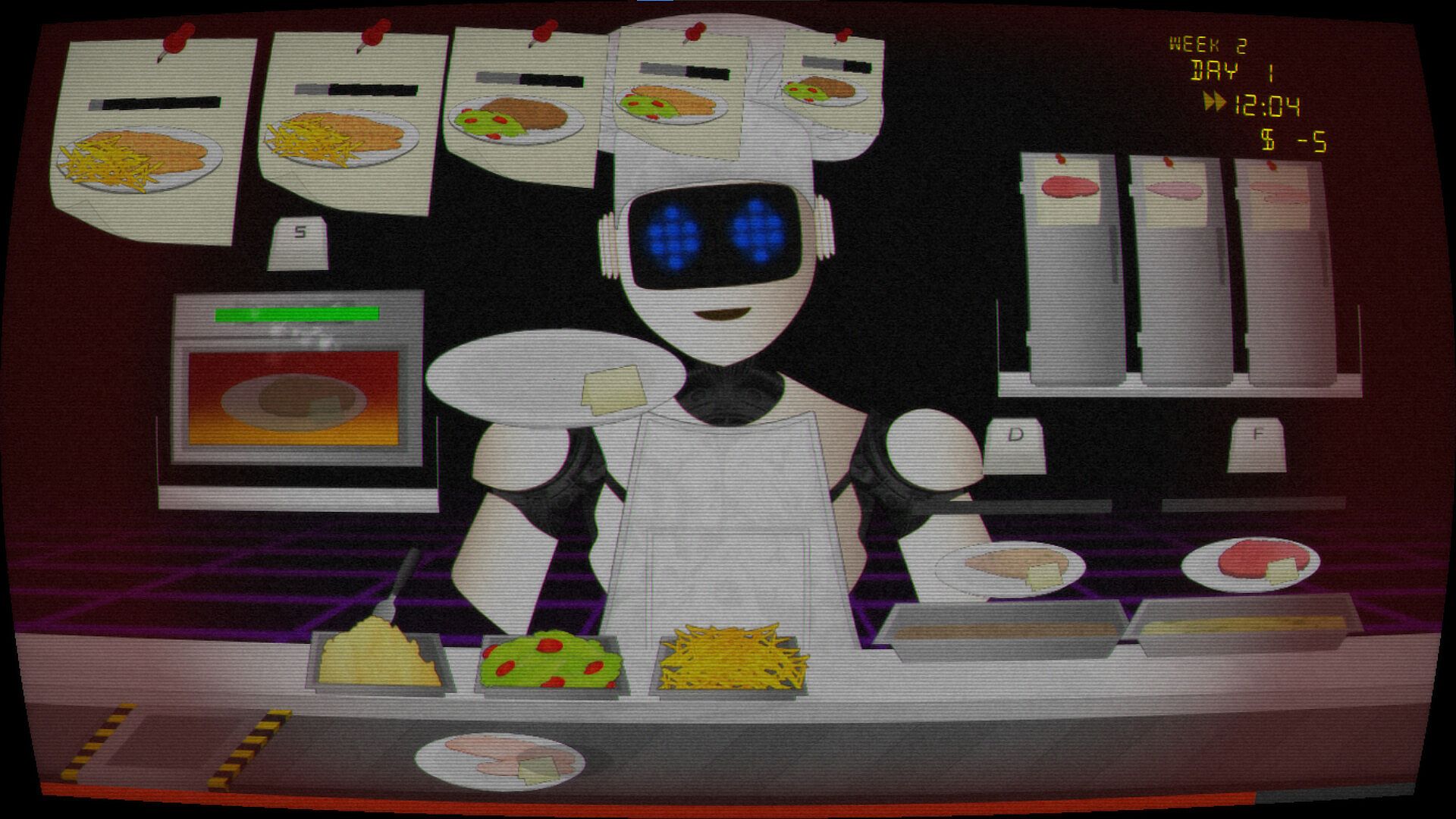
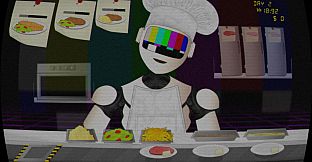
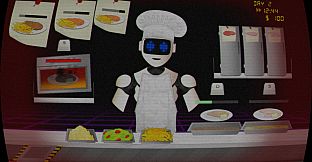
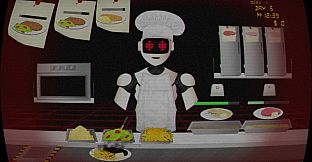
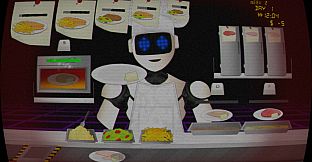
How Many Robots Do You Need to Make a Milanesa? is an indie casual simulation game for PC that puts players in charge of a small family diner where a helpful kitchen robot turns every shift into controlled chaos. The premise centers on preparing milanesas for customers while managing a malfunctioning assistant whose glitches create constant problems in the kitchen.
Gameplay
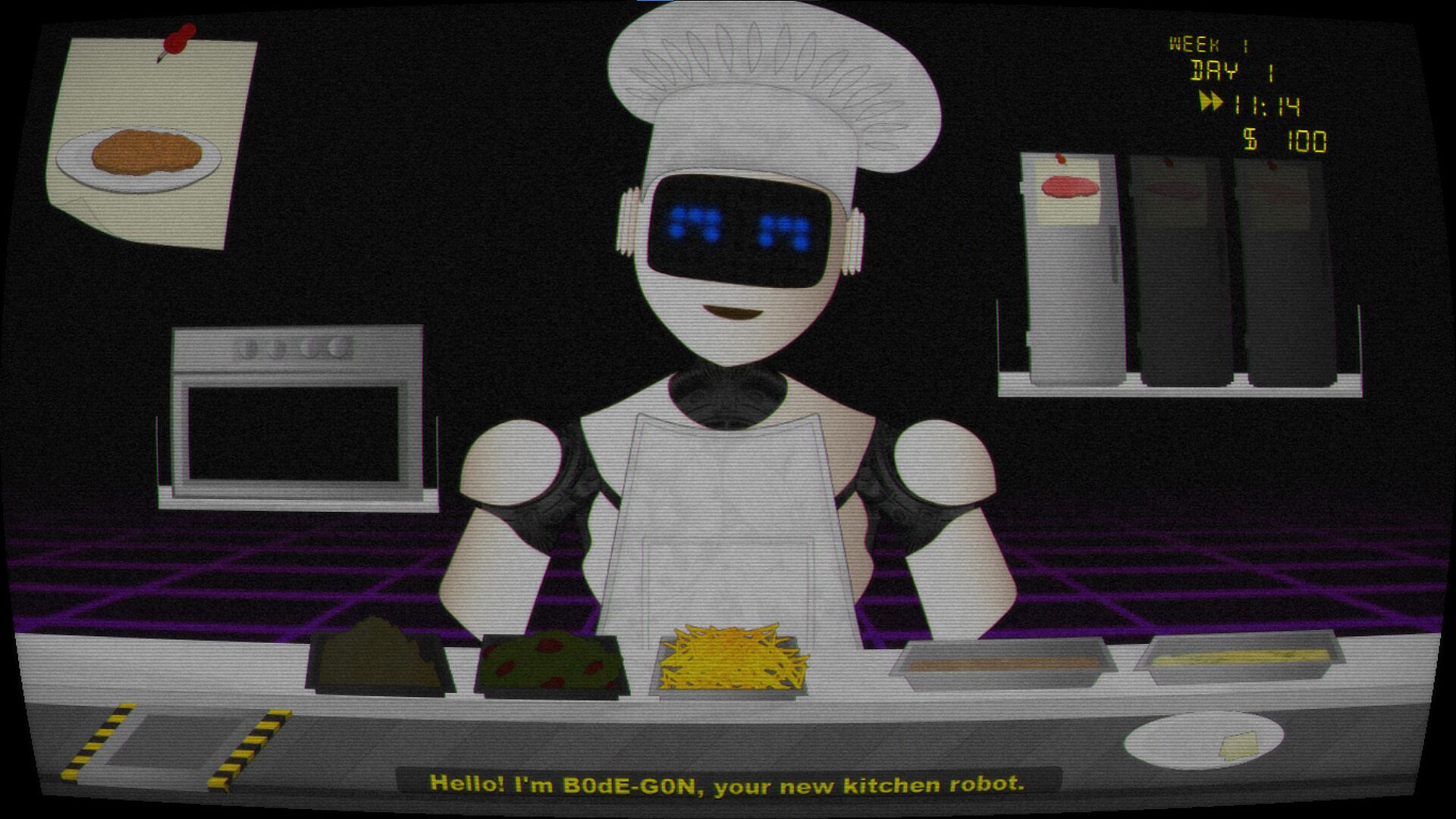
Core gameplay revolves around drag-and-drop mechanics across multiple cooking stations. Players handle orders that specify the type of milanesa, such as beef, chicken, or fish, along with sides like mashed potatoes, salad, or fries. The process requires moving dishes through preparation steps while keeping an eye on the robot's actions.
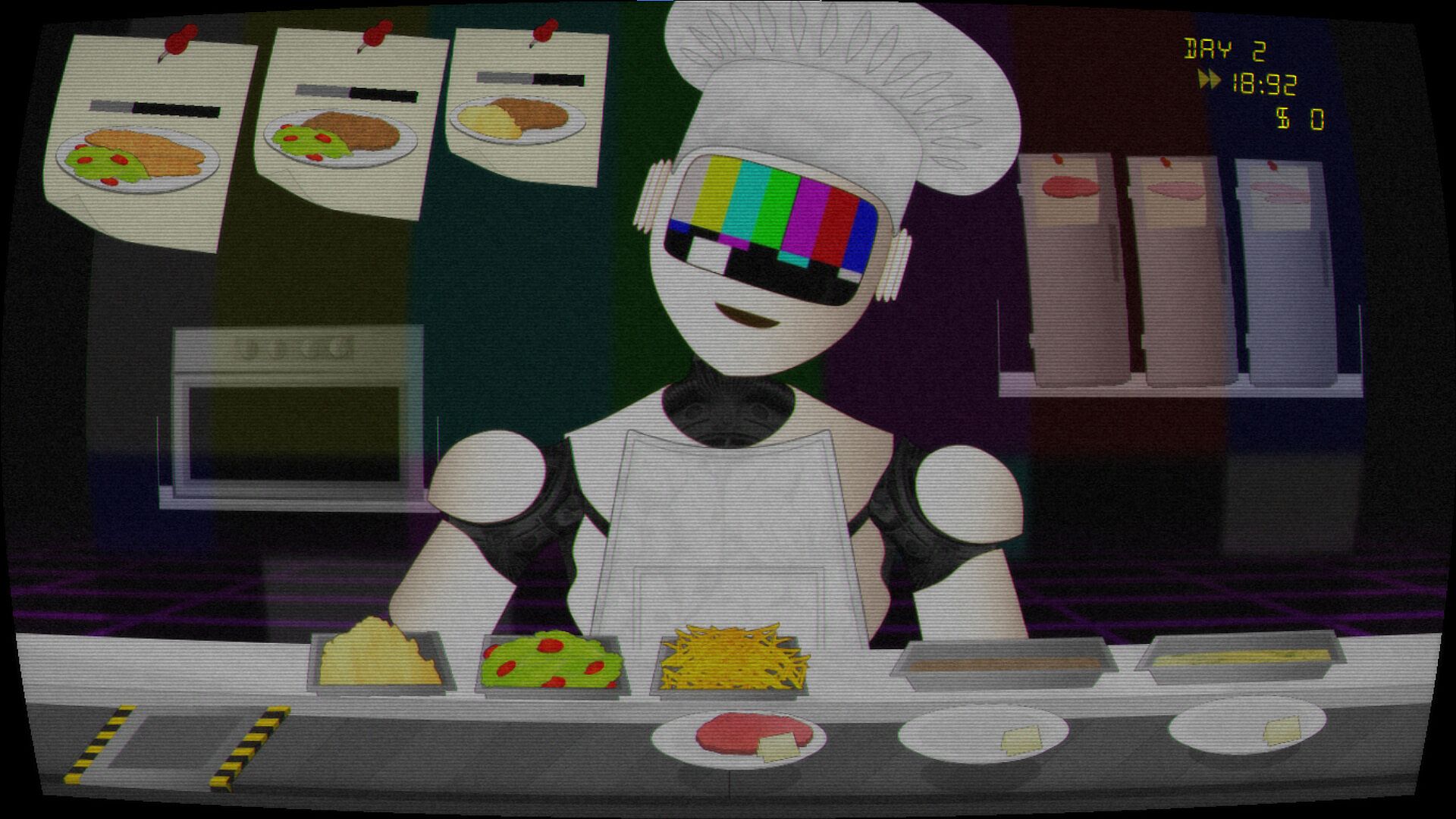
The robot is meant to speed up service but frequently introduces errors that ruin meals. Correcting these mistakes before customers receive the food forms a central challenge. As the diner grows busier, the number of simultaneous orders increases and the robot becomes more unpredictable, leading to tighter timing and more frantic adjustments.
Upgrades become available to improve kitchen efficiency and help cope with the rising disorder. The experience stays focused on short, intense sessions where quick decisions and precise drags determine whether orders succeed or pile up as failures.
Game Modes
Two distinct modes support different play styles. Story mode follows the daily operations of a father and daughter running their bodegón. Progress continues regardless of individual successes or failures, allowing the narrative to unfold across multiple shifts while the kitchen challenges escalate naturally.
Arcade mode strips away the story to emphasize pure skill testing. Here the focus shifts entirely to managing high volumes of orders, fixing robot errors on the fly, and sustaining performance as conditions grow more demanding. Both modes share the same core drag-and-drop system and robot interaction but differ in pacing and long-term goals.
Key Mechanics and Progression
Order management requires tracking multiple customer requests at once without letting any sit too long. The robot assists at stations but demands constant oversight to prevent ruined plates from reaching the counter. Side choices add variety to each shift, forcing players to adapt their workflow based on what customers request that day.
Progression comes through handling busier periods and unlocking improvements that reduce some of the robot-induced friction. The design keeps attention on the interplay between human oversight and mechanical unreliability rather than complex systems or long-term resource tracking.
Is It Worth Playing?
This title suits players who enjoy short, high-pressure casual simulations with a humorous twist on kitchen management. The combination of straightforward drag mechanics and escalating robot glitches creates memorable moments of near-disaster that resolve through quick corrections. Those looking for relaxed single-player experiences will find the story mode approachable, while arcade mode offers repeatable challenges for those who want to push their efficiency further.
Because the game remains in active development following its game jam origins, the current version delivers a focused loop without unnecessary layers. It appeals most to fans of indie cooking or management titles who appreciate chaos that stays manageable within brief play sessions rather than sprawling campaigns or competitive elements.