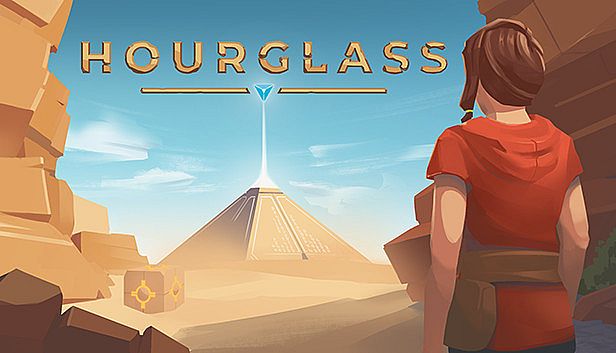














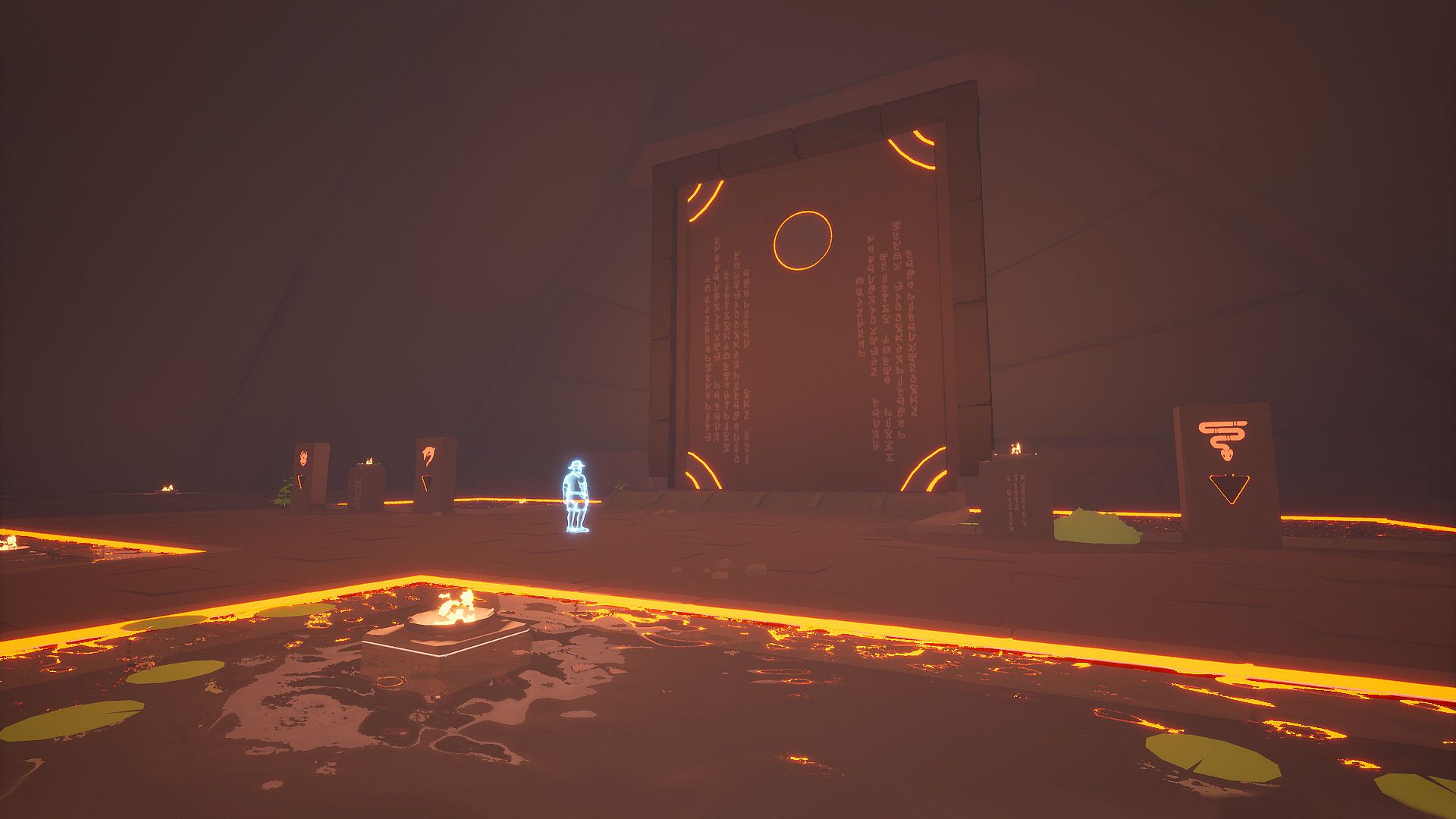
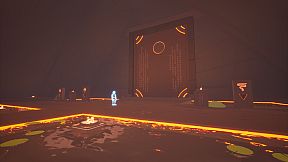
Hourglass is an indie adventure game built around a distinctive time manipulation system that turns puzzle solving into a process of planning and coordination with a past version of the player character. Set in an ancient Egyptian world where advanced technology exists alongside familiar monuments, the experience focuses on exploration and logical challenges rather than combat or open-ended freedom. Players control Aywa, who ventures into a remote temple complex in search of a missing parent while uncovering lost devices and portals.
Gameplay
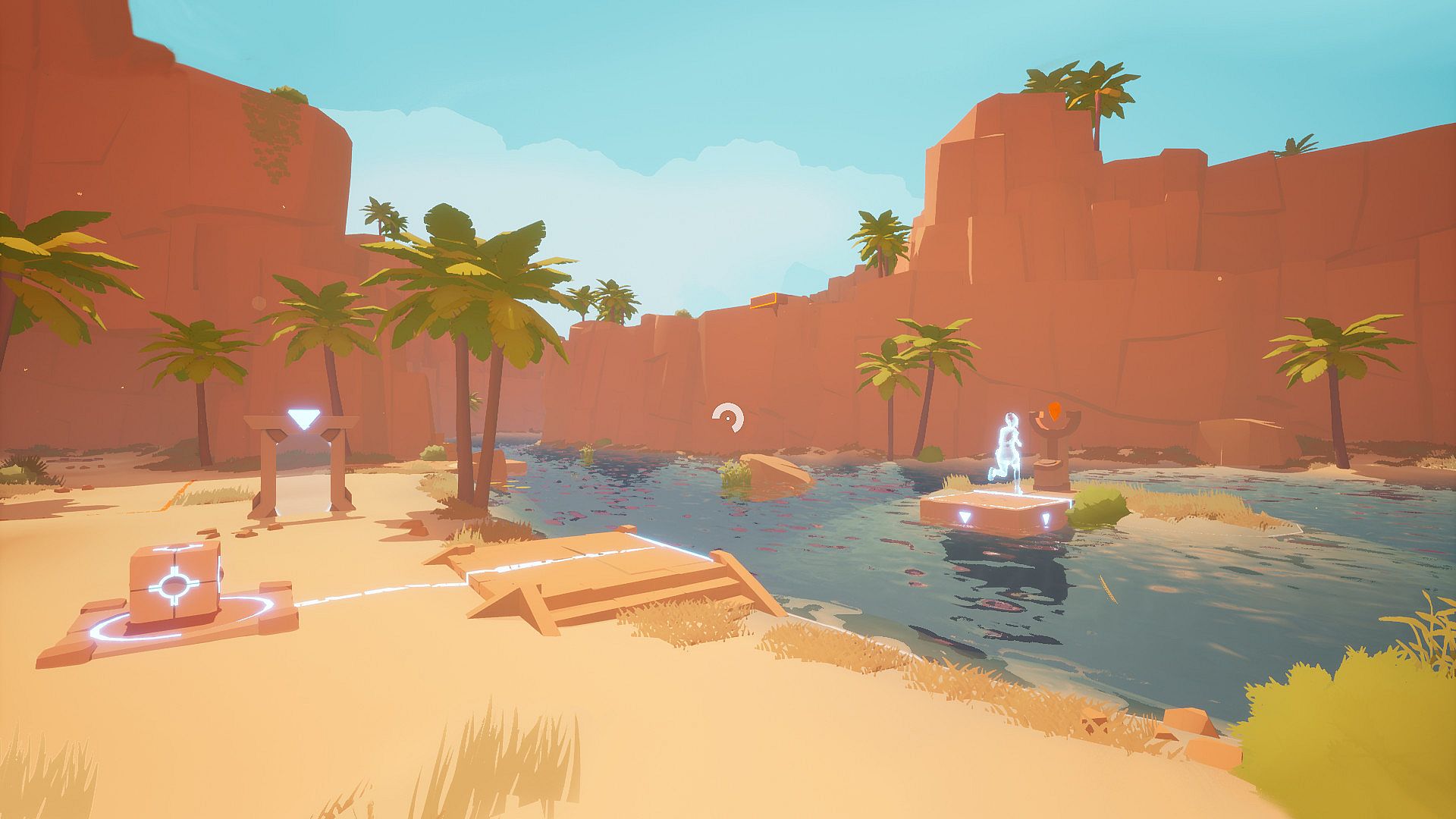
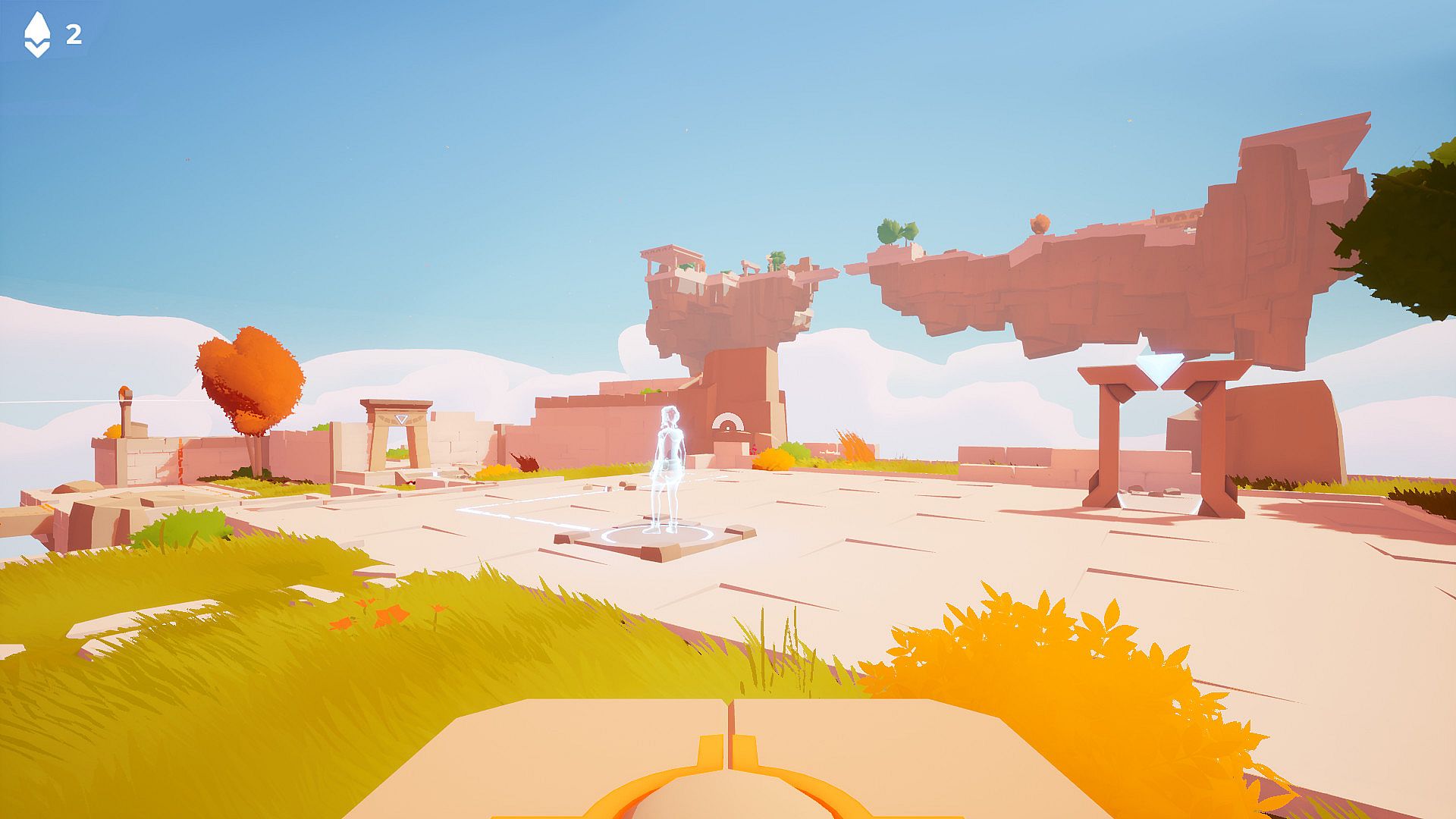
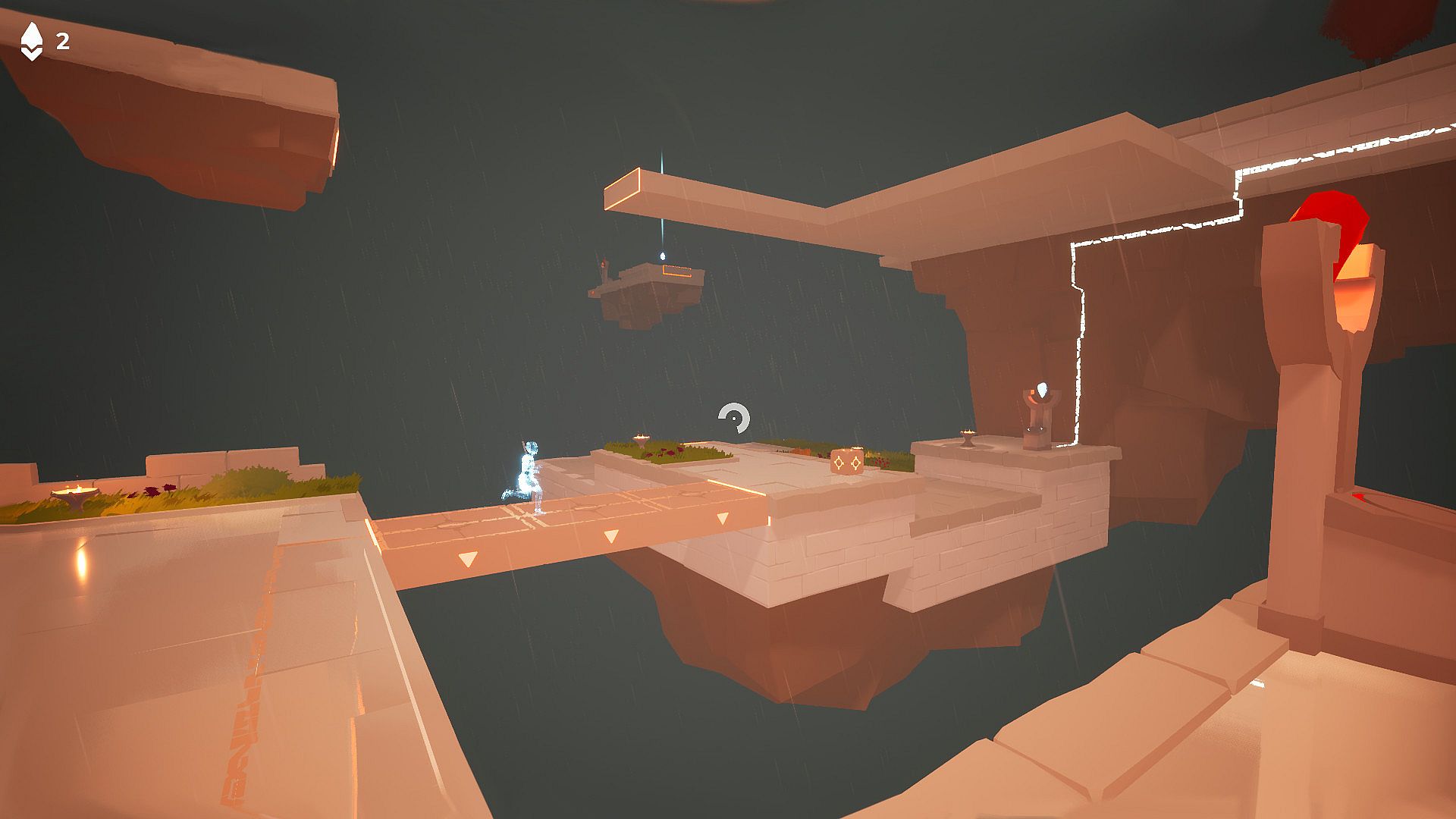
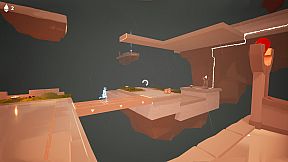
The central loop revolves around recording a sequence of movements and interactions for a limited duration. Once the recording ends, time resets to the start point and a clone appears to repeat every action exactly. This clone can stand on pressure plates, activate switches, or hold doors open while the real character moves through newly accessible paths. Puzzles begin with straightforward applications, such as using the clone to keep a switch depressed, and gradually layer additional requirements like moving blocks, timing portal entries, or coordinating multiple steps within the same recording window.
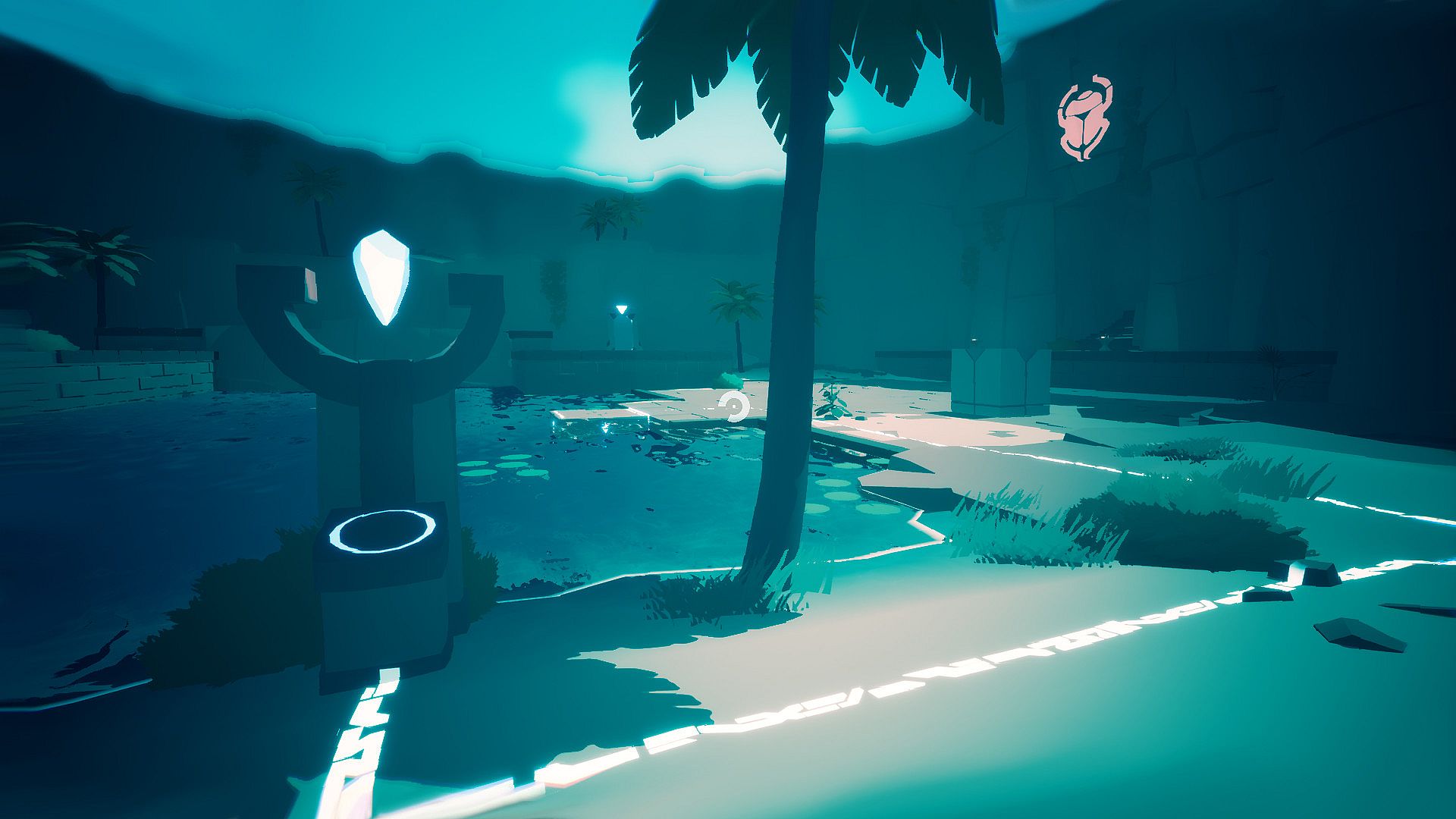
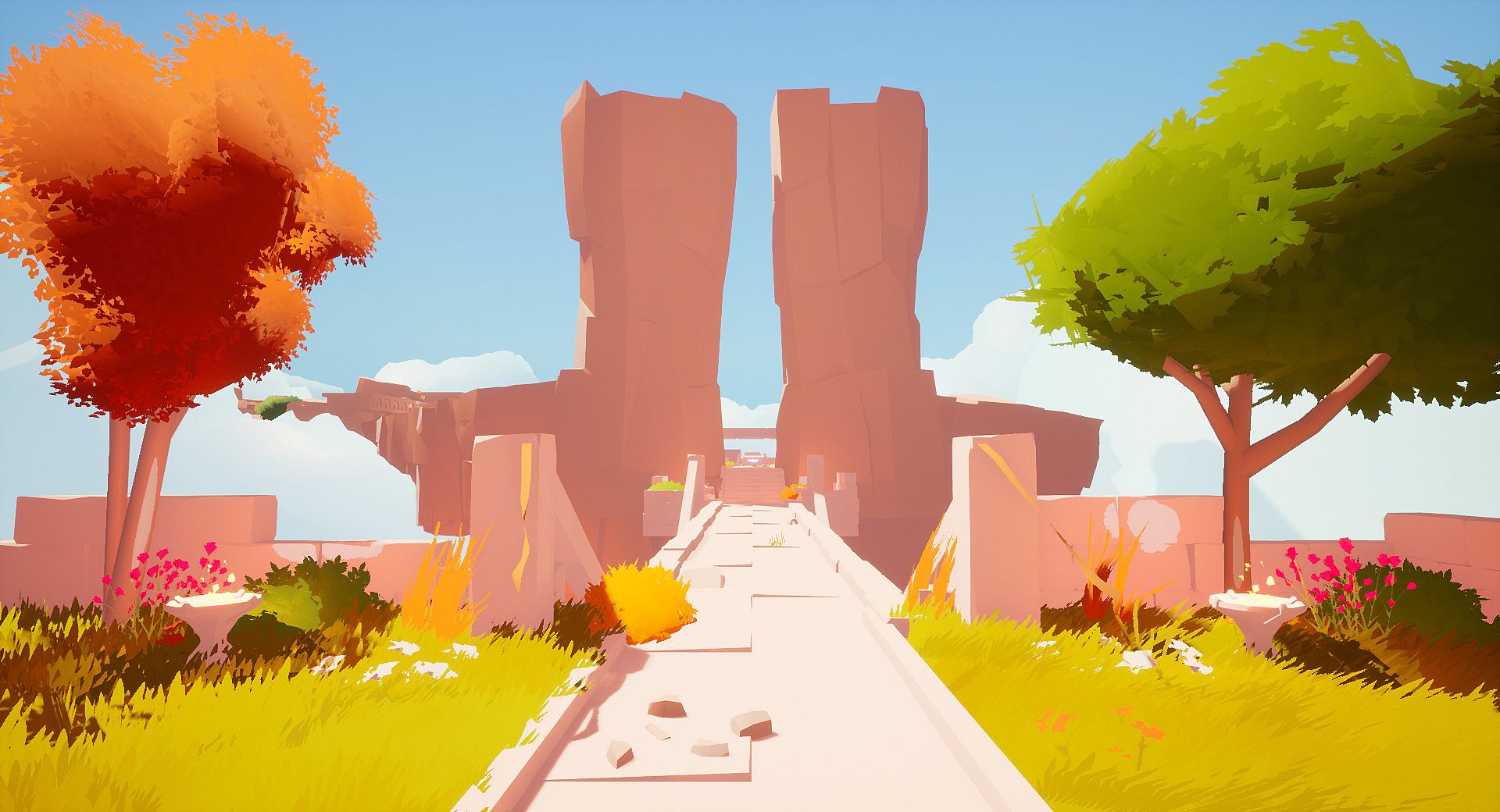
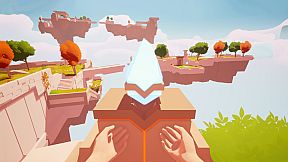
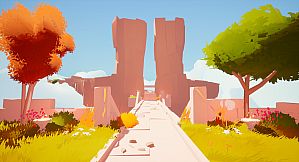
Progression takes place across distinct zones inside the temple, each introducing new environmental elements and requiring fresh combinations of the core ability. Blocks serve as portable weights or platforms, while special doorways create opportunities for the clone to operate independently. The design rewards careful observation and experimentation, as solutions often involve creating space or buying extra time through precise positioning rather than speed alone. The world itself remains compact and focused, with clear visual cues guiding players toward the next objective without unnecessary backtracking.
Game Modes
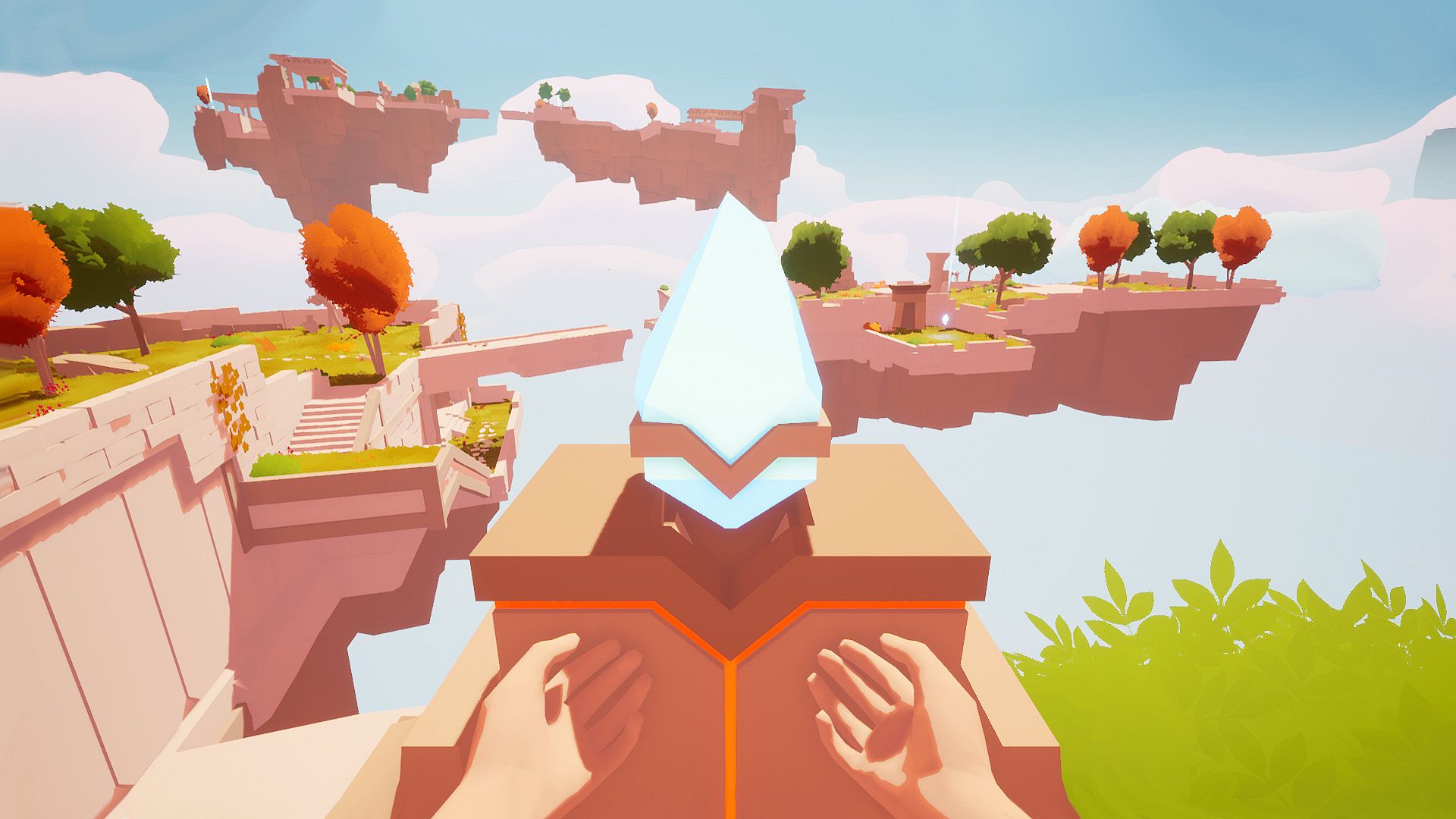
Hourglass operates entirely as a single-player experience. There are no separate competitive or cooperative modes, and the entire campaign unfolds through sequential puzzle areas that build on the same recording mechanic. Players advance by collecting items that unlock further sections of the temple, with occasional branches that allow limited choice in the order of challenges. The structure stays linear overall, directing attention toward mastering the time-clone system rather than offering alternate play styles or multiplayer options.
Story and Setting
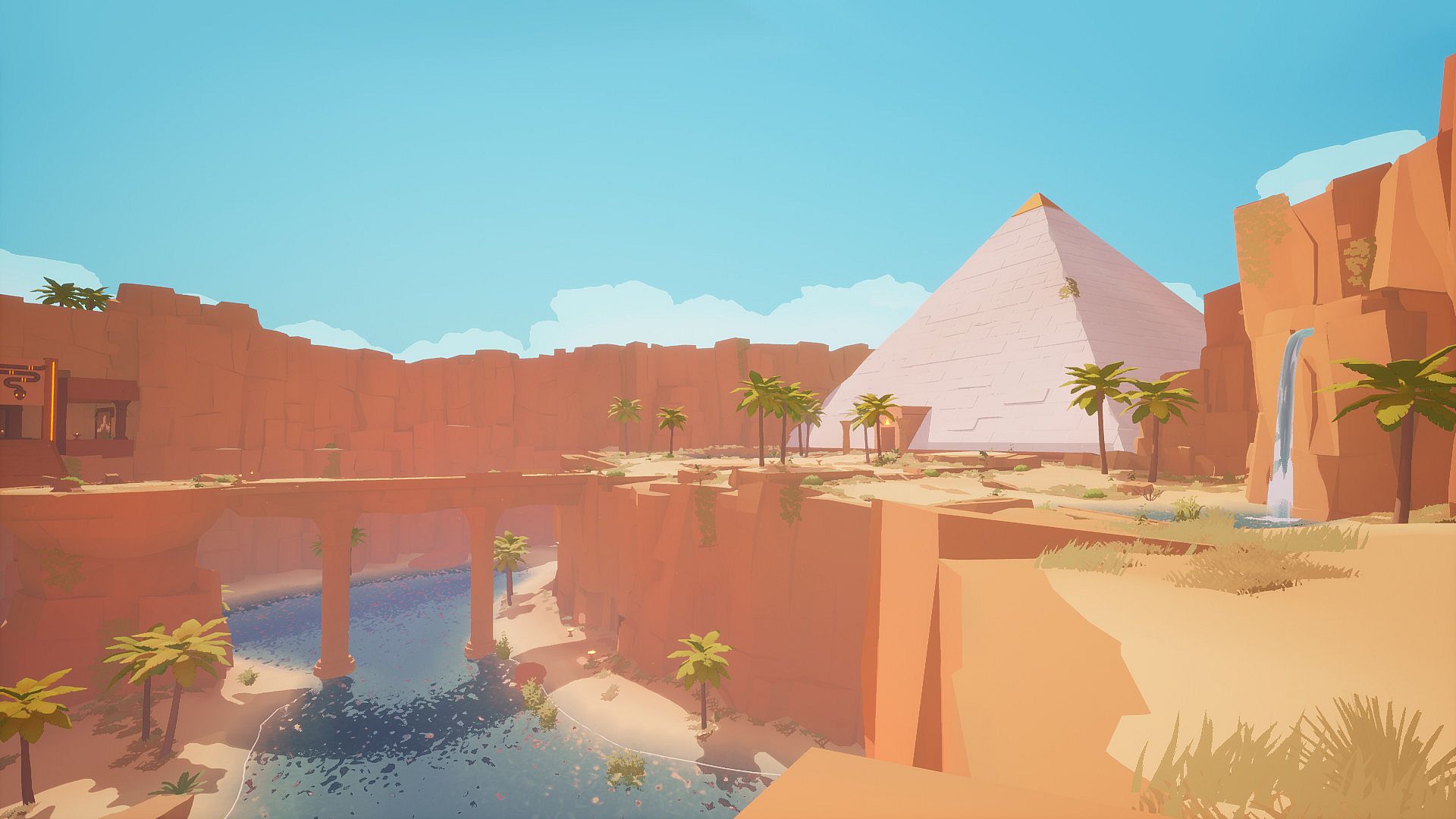
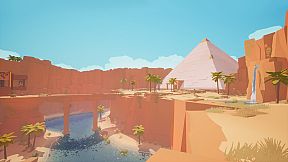
The narrative follows Aywa as investigations into ancient Egyptian technology lead to a hidden temple filled with functional machinery and gateways to other realms. The story remains understated, emerging primarily through environmental details and the goal of locating a missing father. Discoveries about portals and long-lost devices tie directly into puzzle solutions, reinforcing the connection between exploration and mechanical problem solving. The atmosphere draws from desert landscapes and monumental architecture, presented with a clean, stylized art direction that keeps attention on the interactive elements.
Is It Worth Playing?
Hourglass suits players who enjoy deliberate puzzle games that emphasize planning and creative use of a single powerful tool. The time-clone mechanic provides consistent novelty across its length, with difficulty scaling through added complexity rather than artificial obstacles. Reviews on major platforms describe the experience as satisfying for those who appreciate methodical thinking, though some note occasional puzzles that demand very specific sequences. The game remains available as a complete title with no ongoing seasonal content or expansions required for the core campaign. Those drawn to indie adventures centered on inventive single-player mechanics will find a focused package that delivers on its central idea without excess length or distraction.