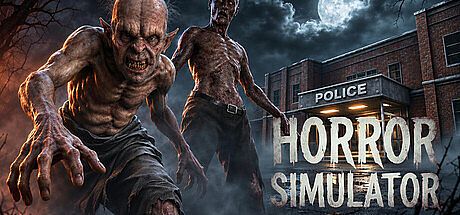


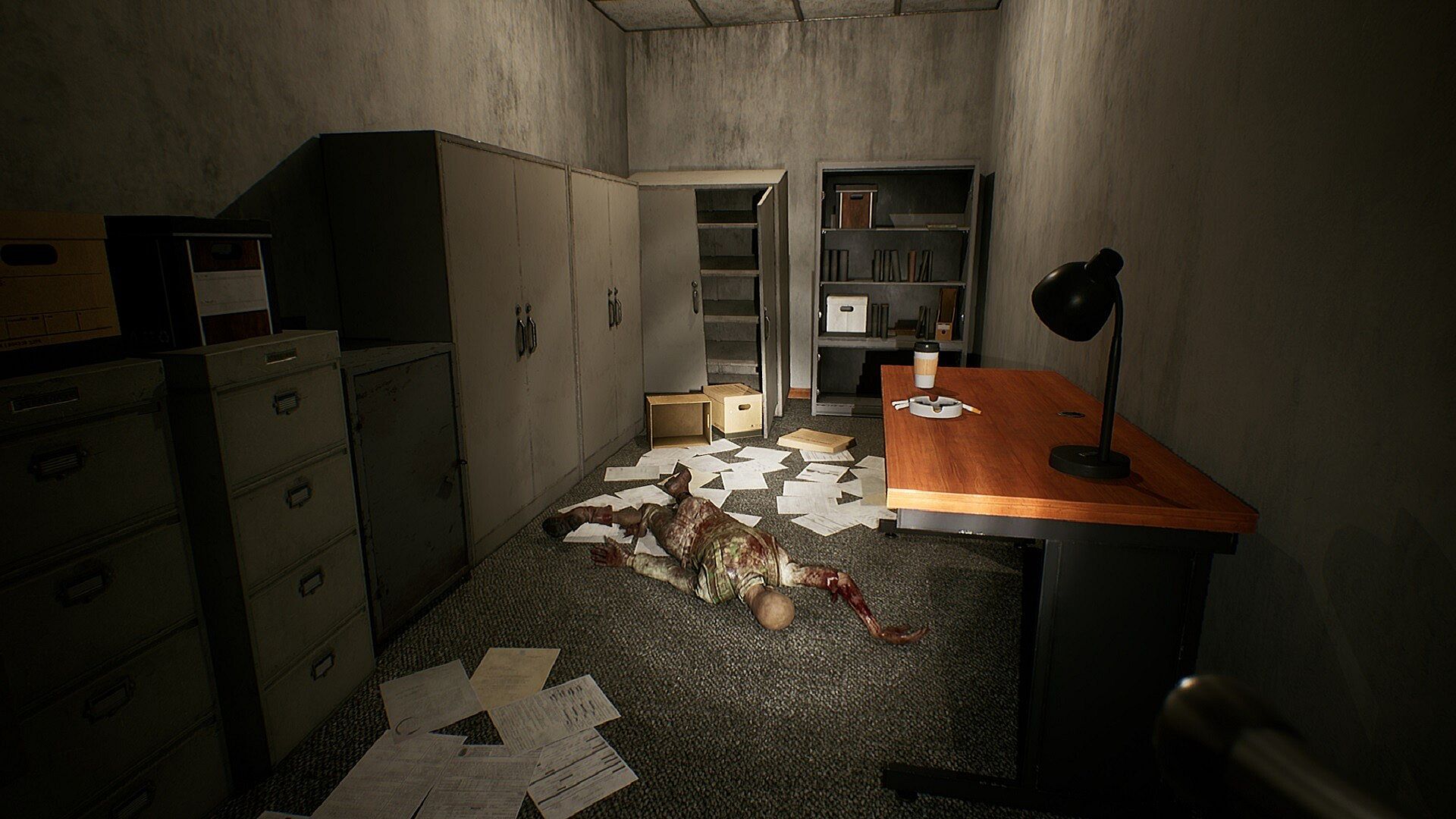
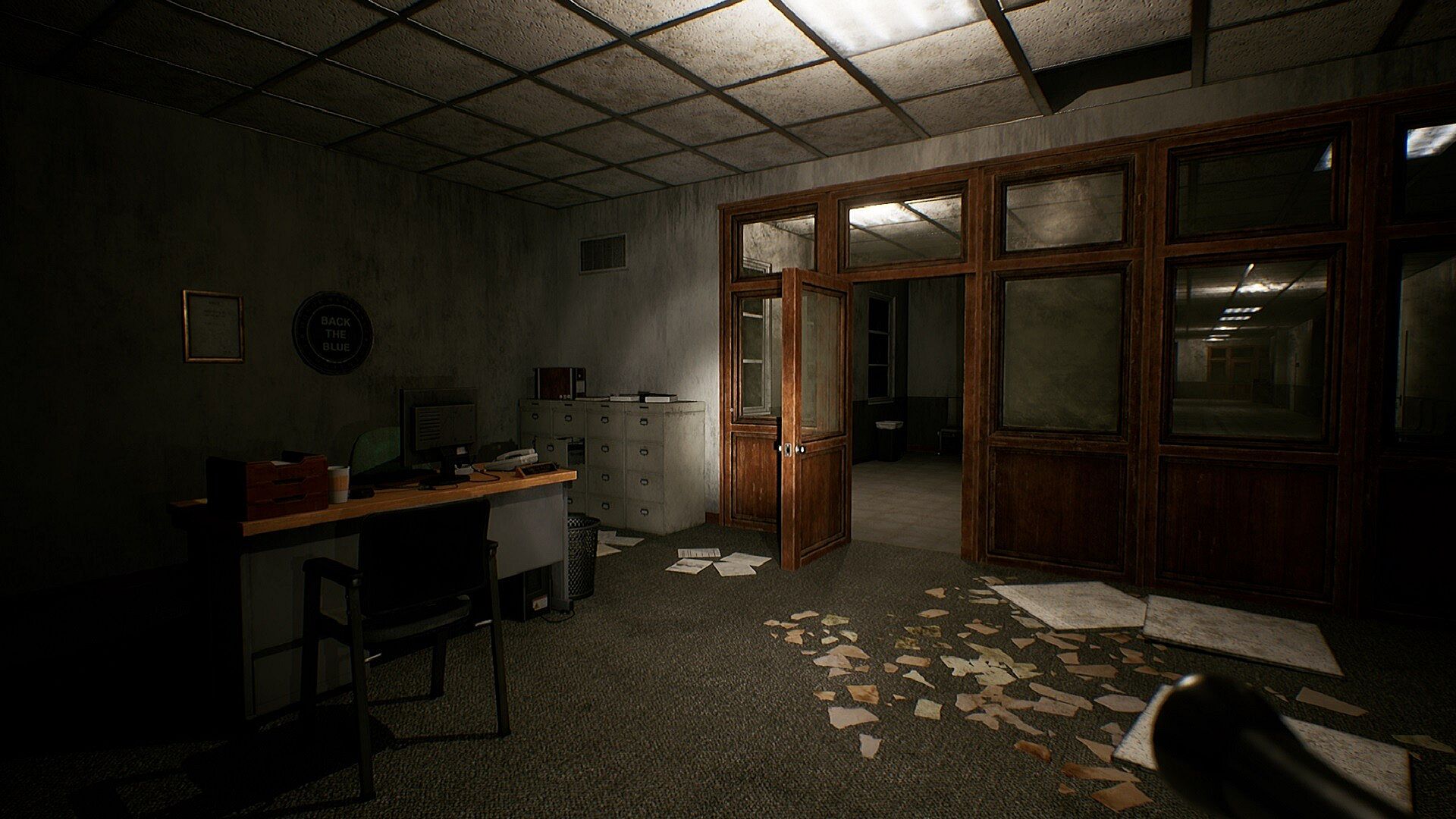
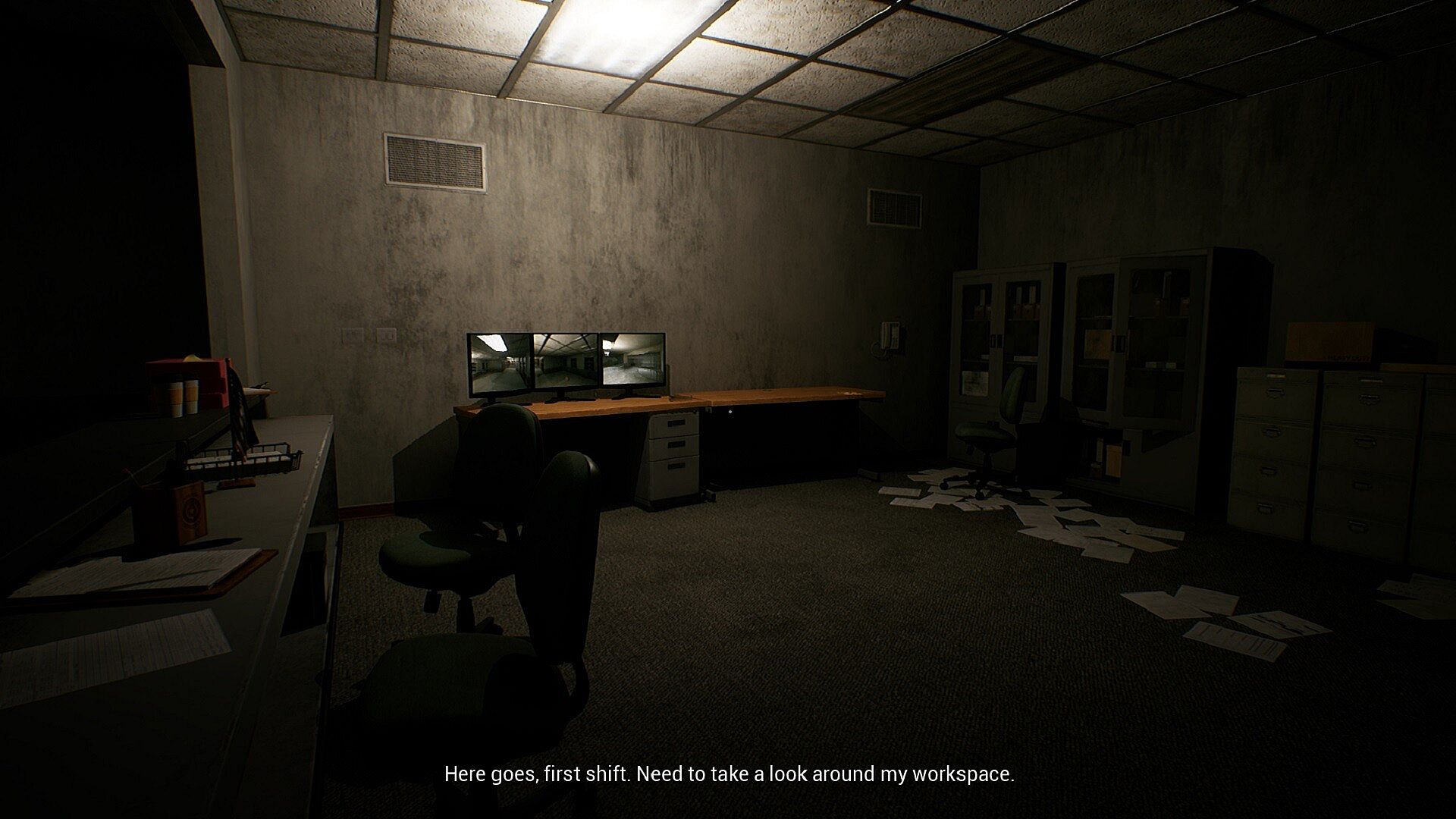
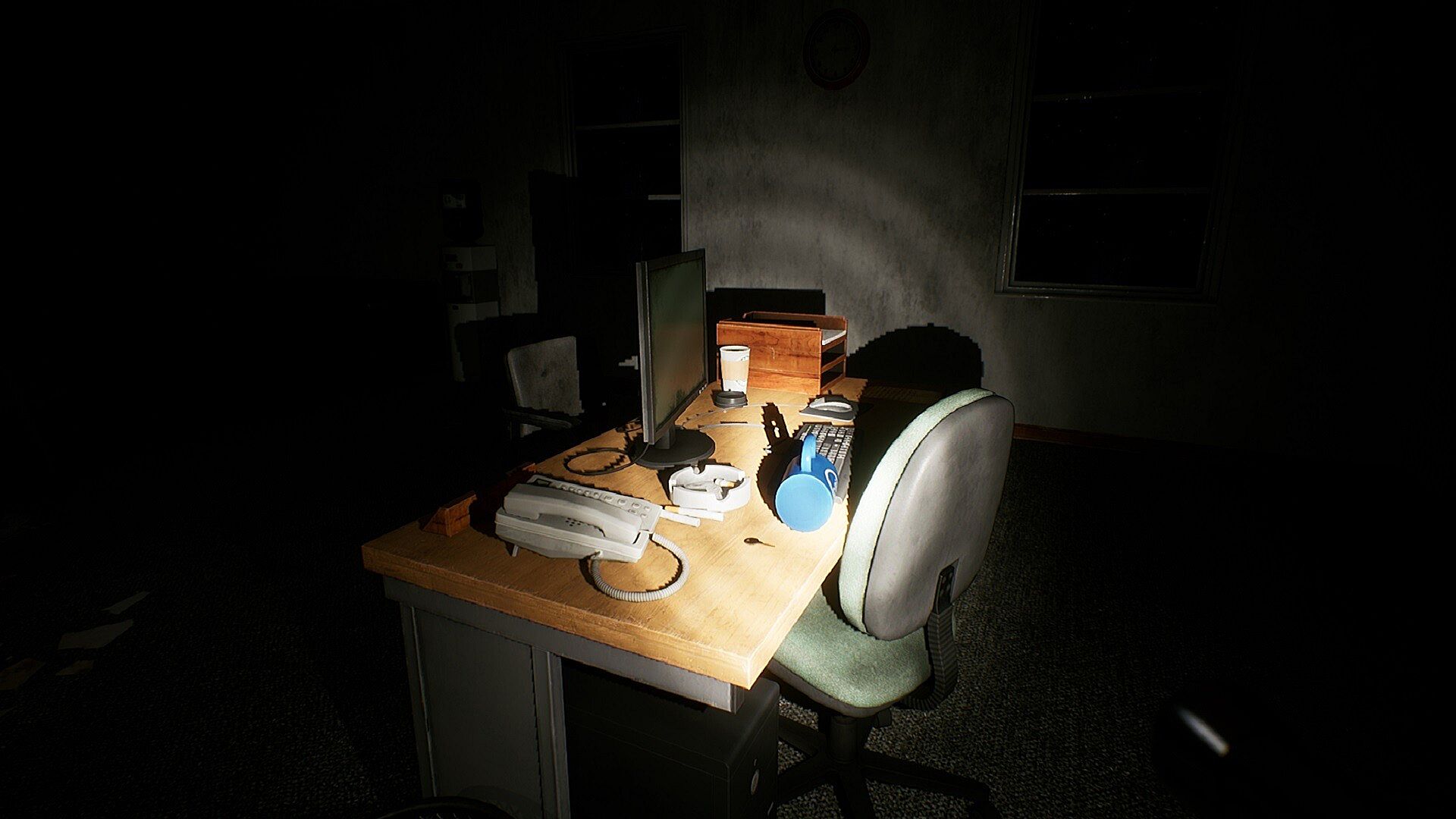
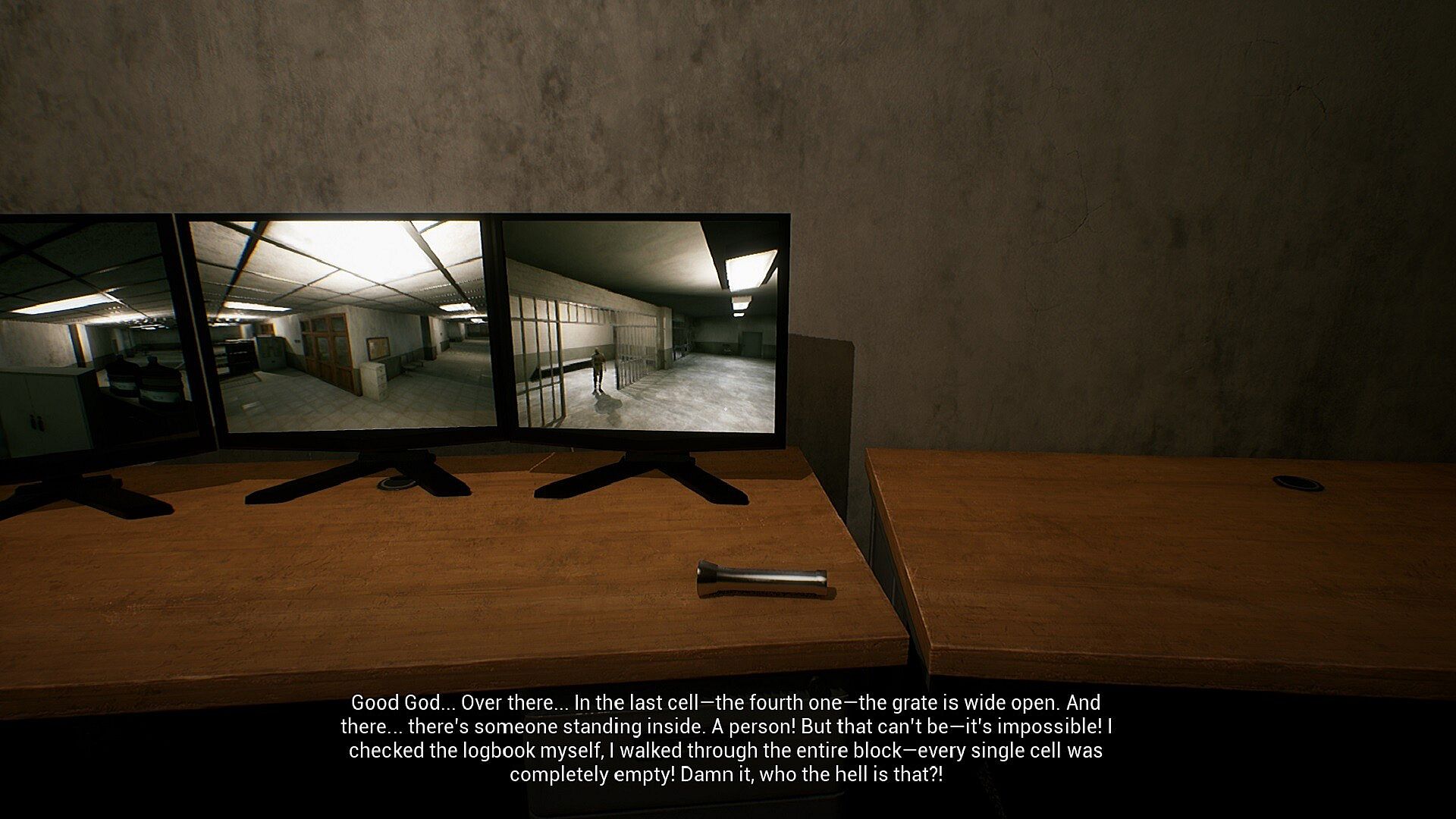
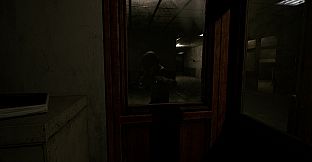
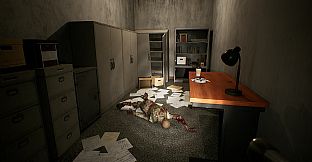
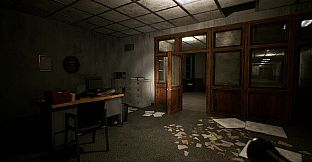
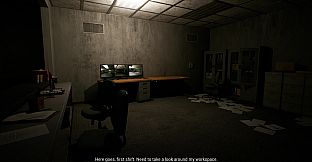
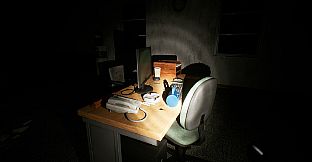
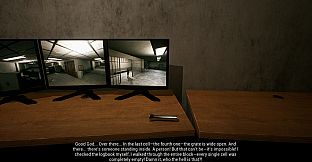
Horror Simulator places players in the role of a desk officer trapped overnight in a county police precinct after an entity known as Subject #4 escapes containment. This single-player survival horror title blends action, adventure, and simulation elements on PC, emphasizing vulnerability and environmental navigation over combat or resource management.
Gameplay
Players begin the shift with routine tasks interrupted by static on a CCTV feed and an urgent call from the evidence archive. The power fails shortly after, leaving the building in darkness with jammed exits and severed external communications. Movement relies on careful exploration of offices, holding areas, and storage zones while avoiding detection by the escaped subject.
Progression involves locating combination codes for mechanical safes, electronic keycards, and mechanisms that lift emergency lockdowns. Navigation includes maneuvering through tight ventilation ducts, unstable archive shelving units that can collapse, and narrow emergency stairwells. Environmental puzzles require observation of the surroundings and logical sequencing to unlock new sections of the precinct without alerting threats.
Scattered documents such as incident reports, staff diaries, and notes reveal fragments of the station's hidden past. These clues explain the nature of Subject #4, the disappearance of prior shifts and patrol units, and the reasons behind a government quarantine that isolated the facility. Collecting and interpreting these items forms a core loop alongside survival decisions.
Game Modes
The experience centers on a single continuous night shift that runs until 08:00. No separate multiplayer or competitive modes exist. Difficulty stems from the permanent absence of weapons, health indicators for threats, or ammunition pickups, forcing reliance on stealth, timing, and environmental awareness throughout the session.
Atmosphere and Setting
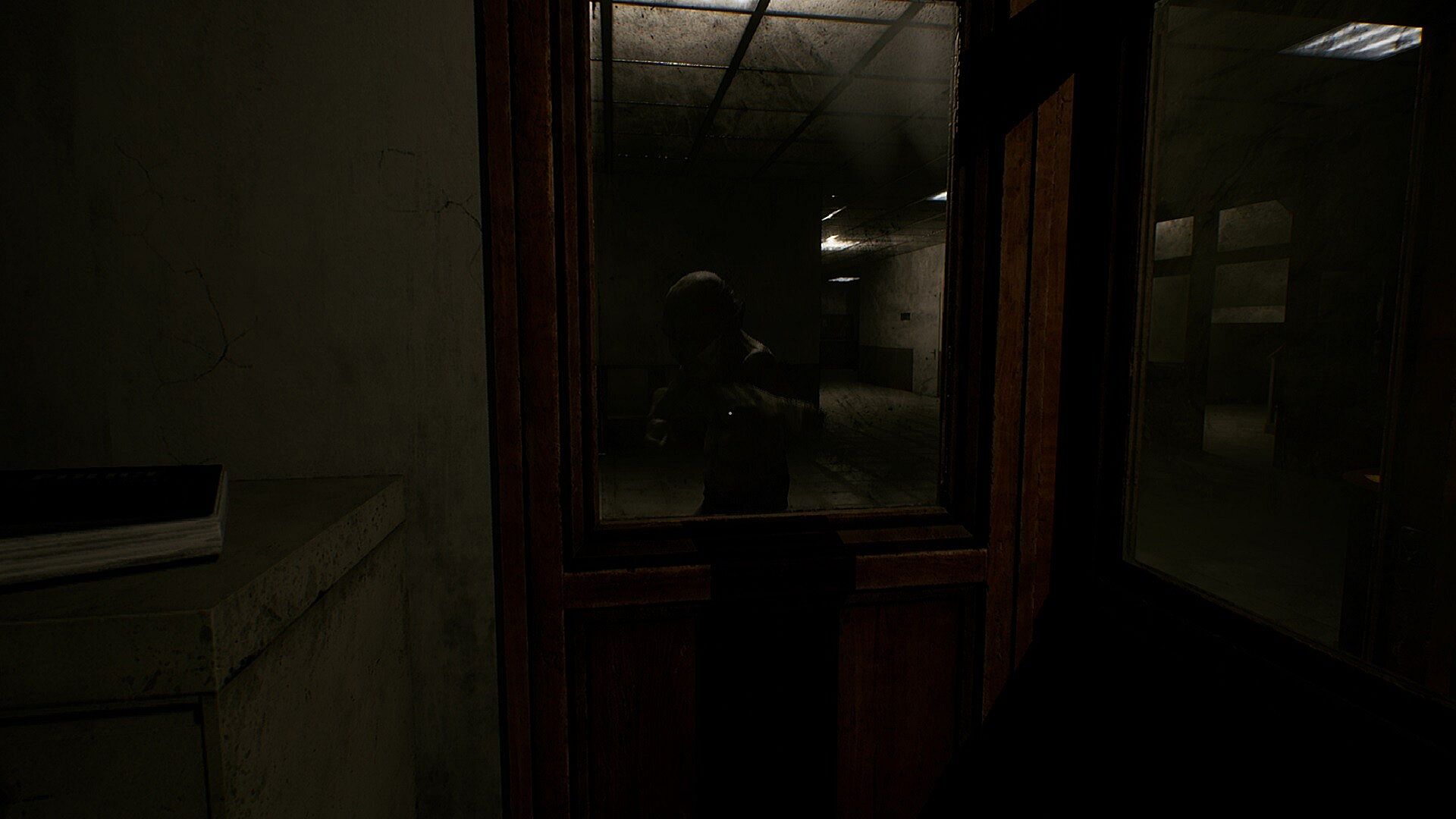
The precinct captures an authentic retro aesthetic from the 1980s and 1990s, featuring flickering CRT monitors, dripping pipes, and persistent static on unused radio channels. Isolation defines the tone, with the player character lacking any issued firearm and facing a completely sealed structure. Sound design highlights distant footsteps, sudden static bursts, and the hum of failing equipment to heighten tension during exploration.
Lighting remains minimal, relying on emergency sources and the occasional glow from monitors or flashlights found in drawers. The layout encourages repeated traversals of corridors and rooms as sectors open progressively, turning familiar spaces into potential ambush points once the power outage occurs.
Key Mechanics
Core systems strip away traditional survival tools. Players carry no service weapon and must instead prioritize hiding spots, silent movement, and rapid puzzle resolution under pressure. Interaction with objects focuses on practical actions such as searching desks, manipulating locks, and rerouting power or signals where possible.
Failure states occur through direct encounters with the subject or by failing to escape before dawn. The design rewards methodical searching and note collection, as understanding the entity's background can inform safer routes through the building.
Is It Worth Playing?
Horror Simulator suits players who prefer pure tension and puzzle-driven survival without combat systems or co-operative elements. The emphasis on defenseless navigation and environmental storytelling delivers a focused session centered on one location and a single night. Those seeking atmospheric single-player horror with retro institutional details will find the core loop consistent with the described premise. Availability remains limited to PC, and the title stands alone without confirmed post-launch updates or additional content at this time.