


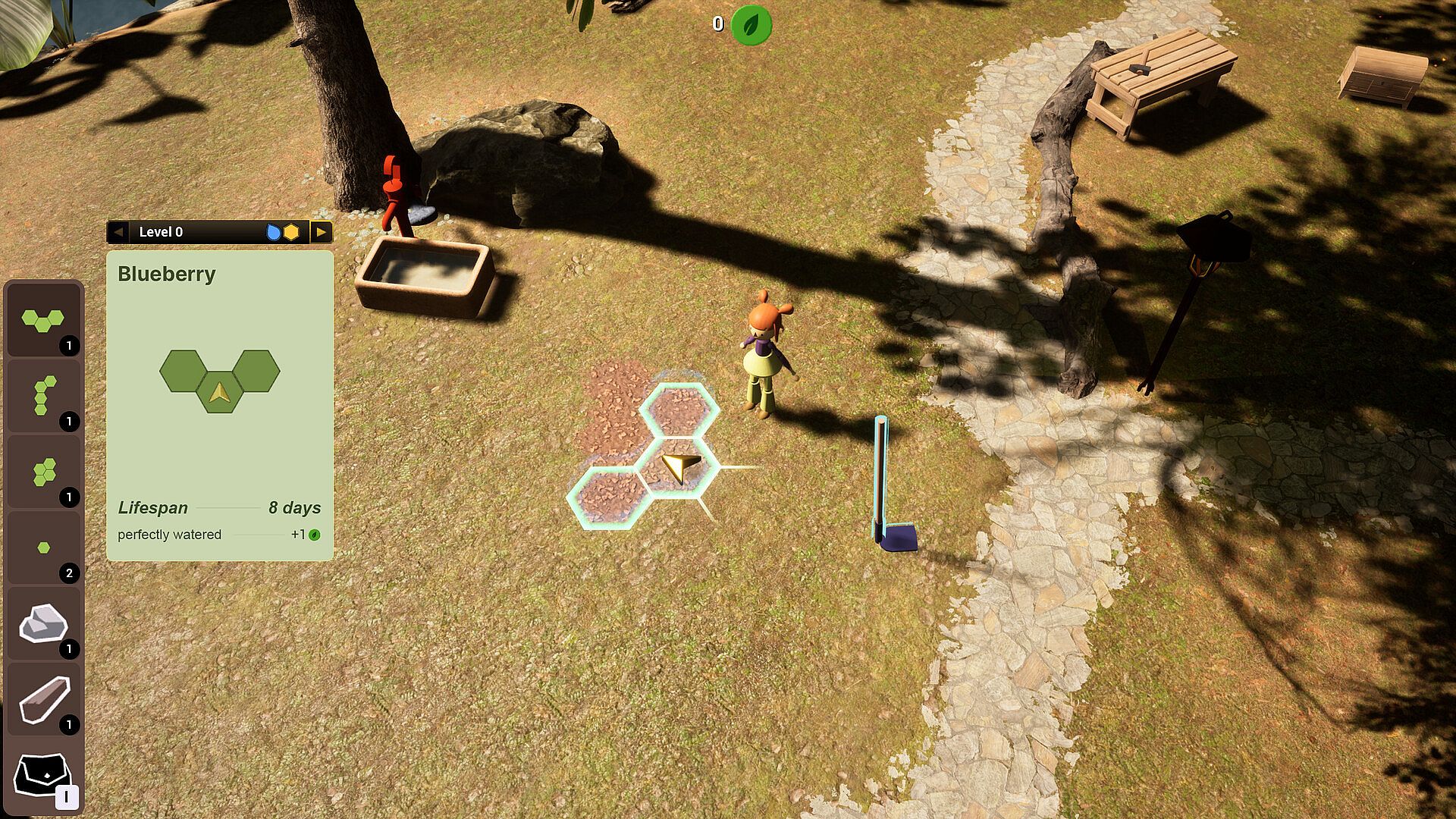
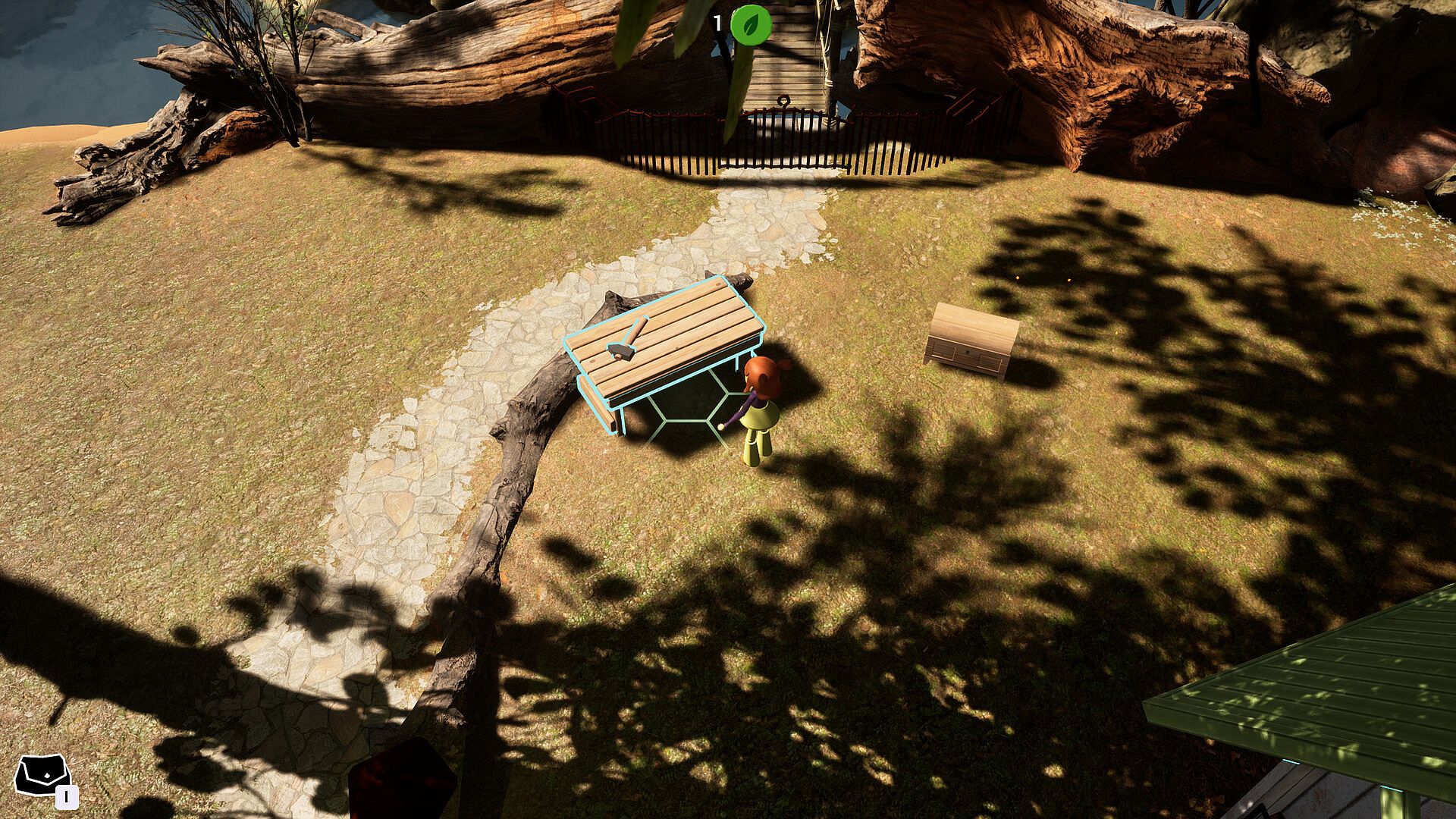
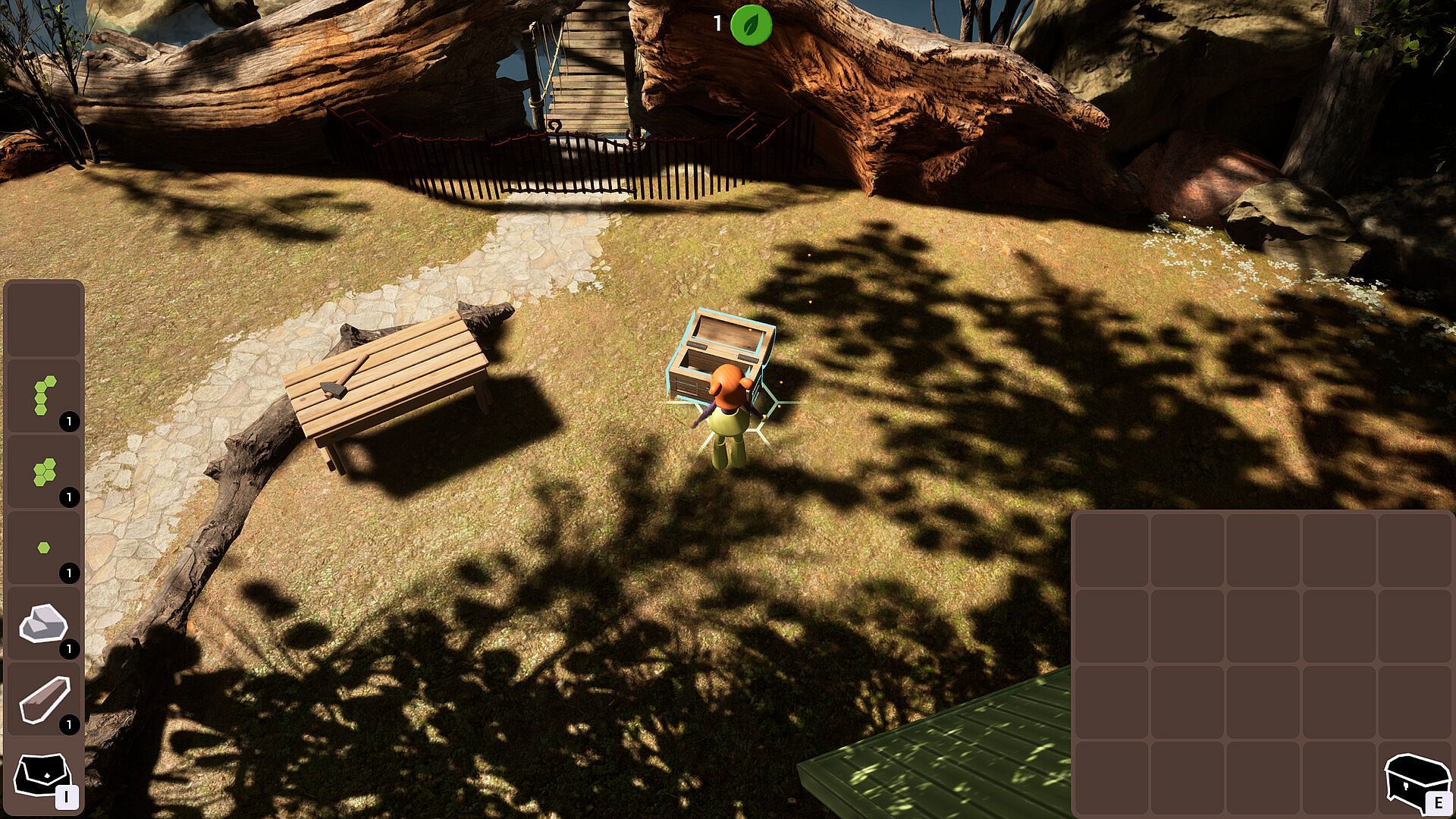
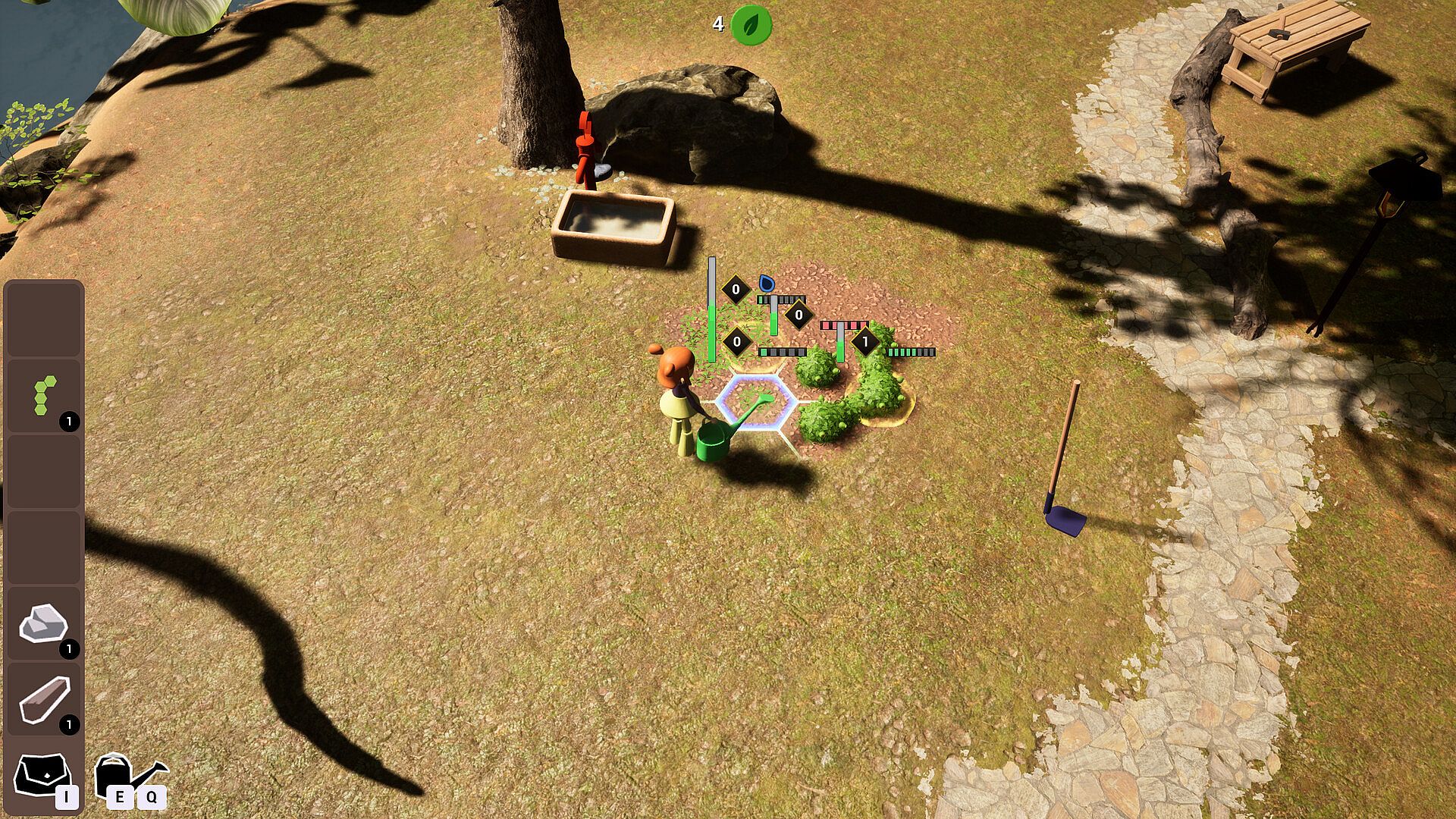
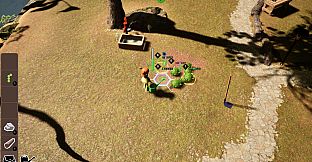
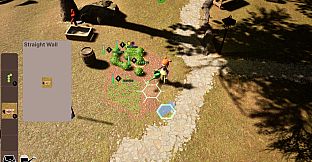
Hexgarden is a strategy indie casual game on PC that combines card drawing with garden building in a relaxed turn-based deckbuilder format. Players expand a magical garden by placing plant shapes that create synergies, harvest them for power, and defend against periodic frost while unlocking new cards and artifacts over time.
Gameplay
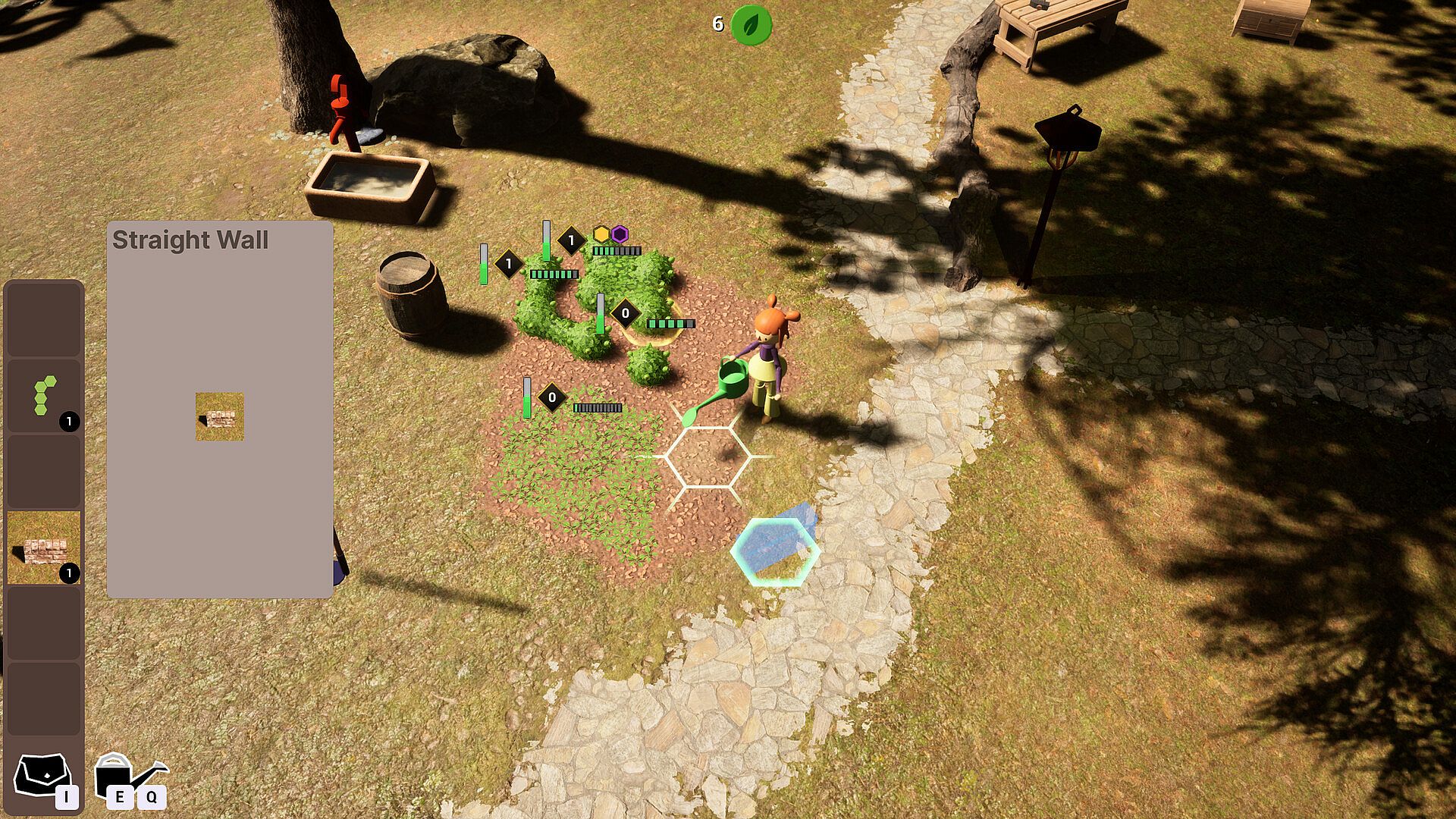
Each round starts with a deck of plant cards. Players draw one card per turn and place it inside or connected to the barrier that protects the garden. Plants feature synergy edges of different types, and matching edges next to one another boosts the power gained upon harvest. This placement creates strategic choices because every plant has a unique arrangement and number of edges.
Power from harvesting strengthens the barrier and serves as currency to unlock new cards and artifacts. Harvesting returns the plant to the bottom of the deck, but it also resets active synergies on adjacent plants, so the sequence of harvests matters for maintaining momentum. Disaster cards appear in the deck as well, including frost that eliminates unprotected plants outside the barrier, along with threats like snails and magical thieves that target the harvest.
Relics appear beyond the barrier in the mist. Matching synergies next to them unlocks bonuses such as extra power from harvests or previews of the next card draw. Plants can only be placed outside the barrier if connected to existing ones, which encourages gradual expansion and careful exploration of the map.
Game Modes
Hexgarden centers on a single-player campaign experience built around successive rounds of deck management and garden growth. The core loop repeats with each frost event that shuffles the deck, allowing players to adapt their strategy as new cards and relics become available. No separate competitive or cooperative modes appear in the current design, keeping the focus on personal progression through careful placement and resource decisions.
Deckbuilding and Cards
The deck evolves during play through choices that add plant cards, disaster cards, shop cards featuring Wolfgang, and relic cards. Plant cards form the foundation of the garden, while other types introduce risks or opportunities that shape long-term strategy. Unlocking artifacts provides ongoing benefits that carry across rounds, such as improved power gains or defensive advantages against frost.
Synergy edges on plants determine scoring efficiency. Placing them to activate multiple matches increases harvest value, but the need to protect those plants from disasters requires balancing expansion with barrier strength. This system rewards observation of card order and timing rather than rapid calculations.
Is It Worth Playing?
Hexgarden suits players who enjoy thoughtful strategy games without time pressure or complex math. The peaceful setting and emphasis on synergies make it accessible for casual sessions while offering depth through deck evolution and placement decisions. The small development team from Trier and Cologne has focused on a self-contained experience that rewards experimentation with plant arrangements and harvest order.
Those seeking relaxed building combined with light deckbuilding mechanics will find consistent engagement in the repeated rounds and relic discoveries. The game remains in development with a to-be-announced release, so interested players can follow updates from the studio for the latest on its final form.