













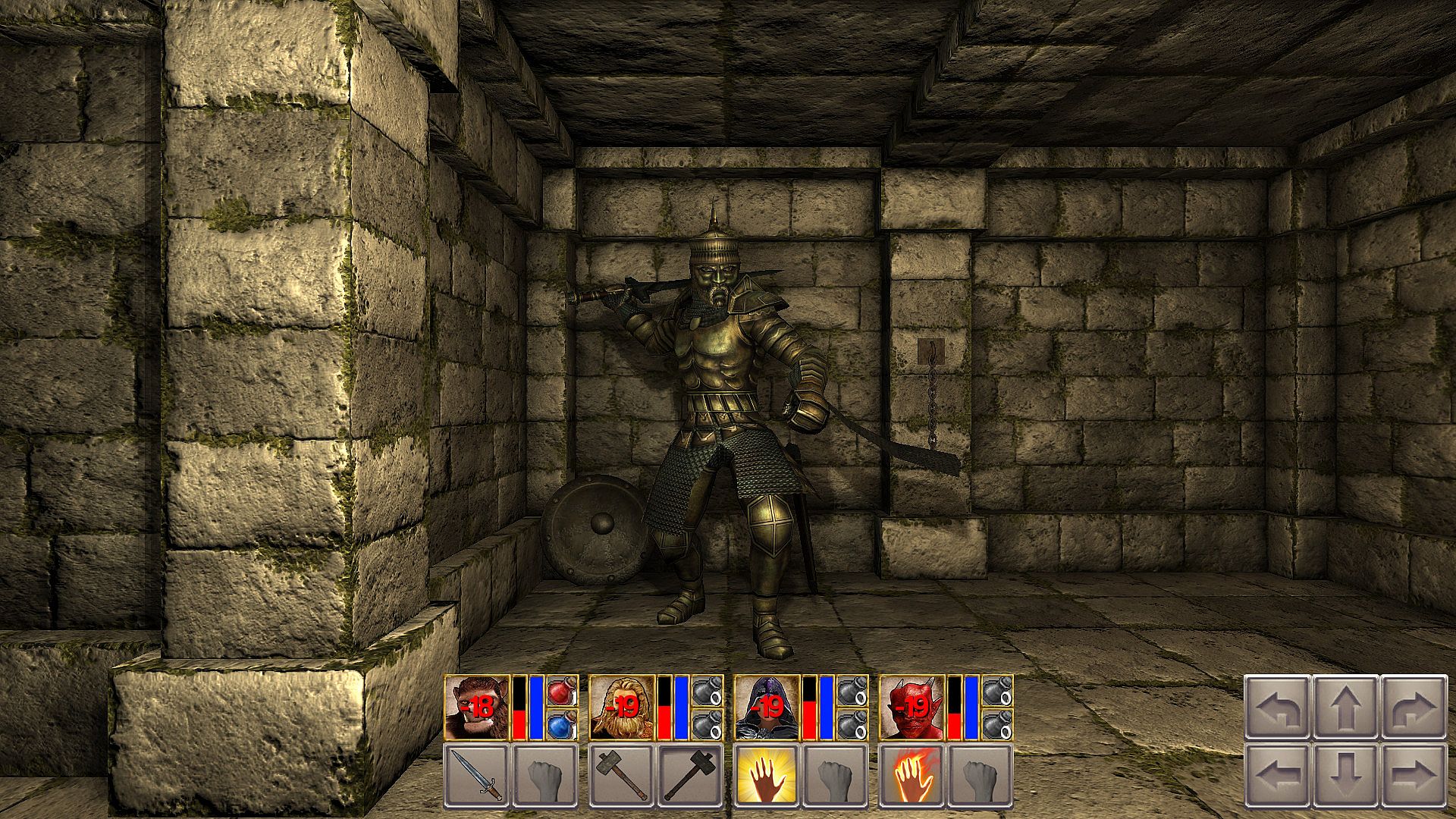
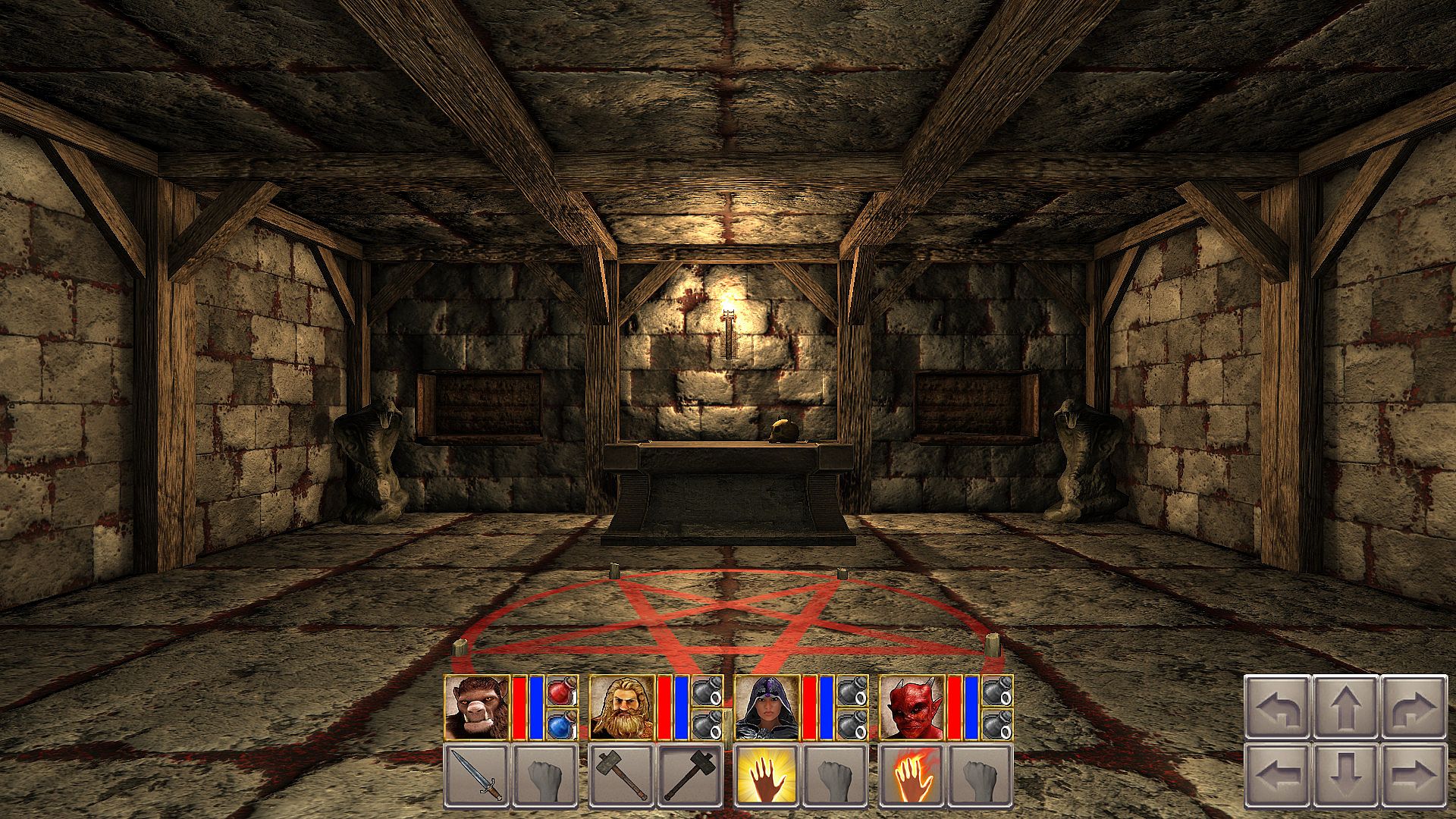
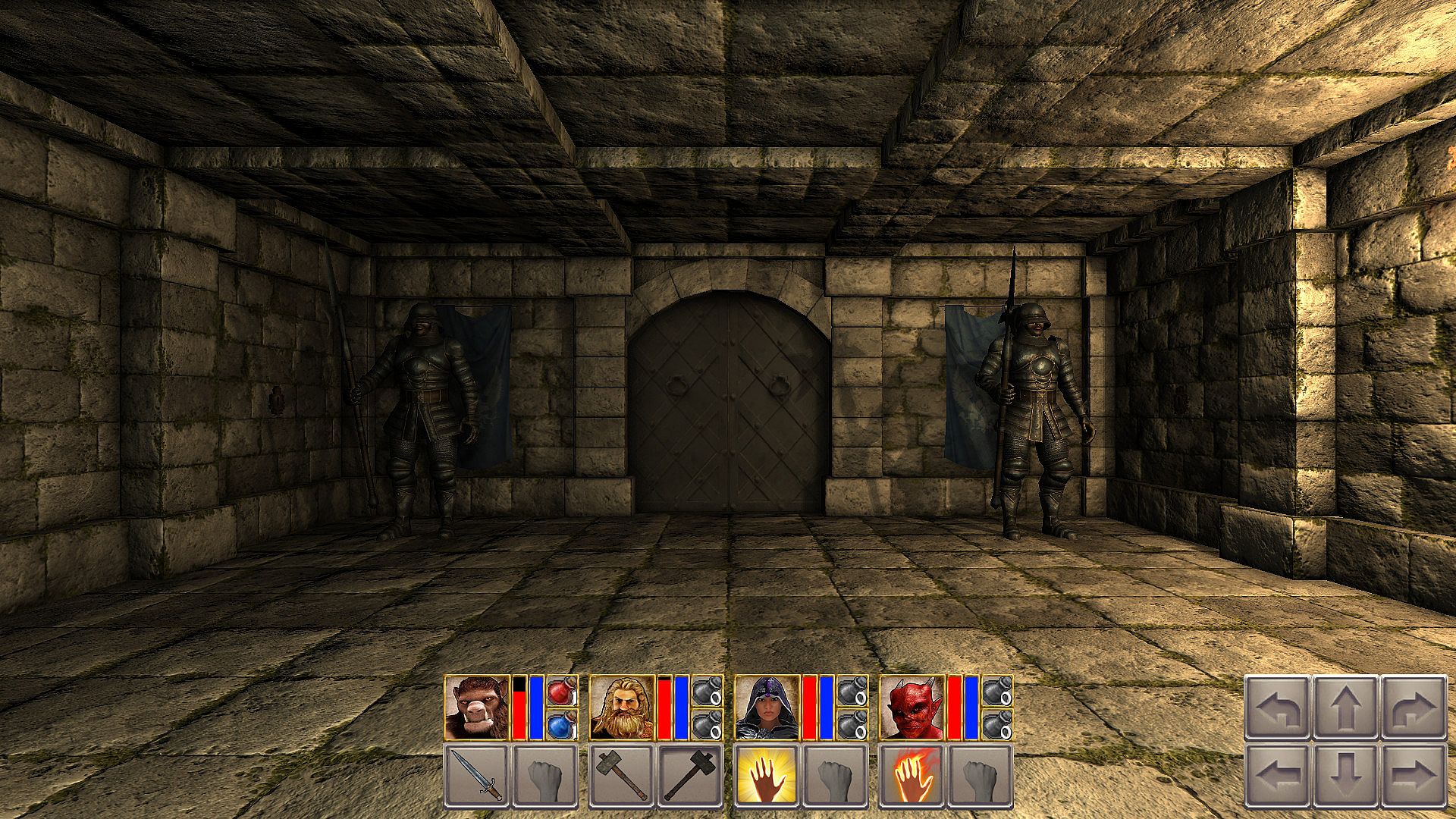
Heroes of the Monkey Tavern is a first-person grid-based dungeon crawler that blends action, indie development, RPG character building, and adventure exploration on PC. Players assemble a party of adventurers who have squandered their savings at the Monkey Tavern and receive an unexpected offer from a stranger to raid a tower packed with riches. The experience centers on methodical movement through a dangerous dungeon filled with riddles, hostile creatures, and hidden dangers.
Gameplay
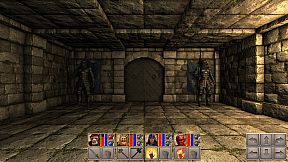
The core loop involves navigating a dungeon using grid-based movement in first-person view. Each step forward, turn, or interaction requires deliberate planning because the environment contains numerous traps that can punish careless progress. Exploration rewards attention to detail, as secret passages often lead to powerful equipment among the more than 100 unique items scattered throughout the levels.
Combat takes place in static real-time encounters against a roster of 22 different enemies, six of which serve as bosses. These fights emphasize positioning and party composition rather than frantic action, allowing players to assess threats before committing to attacks or retreats. The system supports both keyboard and gamepad controls, giving flexibility for different play styles during extended sessions.
Three difficulty levels adjust the challenge for newcomers and veterans alike. A soundtrack spanning two hours of music accompanies the journey, maintaining atmosphere without overwhelming the focus on tactical decisions and discovery.
Game Modes
The game operates as a single-player dungeon crawler with no separate multiplayer or competitive modes. The main experience unfolds as a linear yet replayable campaign through the tower's floors, where success depends on party management and adaptation to the environment. Different class selections and difficulty settings encourage multiple runs, each revealing new combinations of traps, enemies, and item synergies.
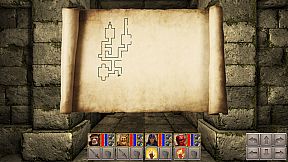
Progression relies on careful mapping and resource use rather than branching story paths or alternate campaigns. Players return to the tavern only in the framing narrative, while the bulk of time is spent inside the dungeon itself, testing different approaches to the same challenges.
Classes and Party Building
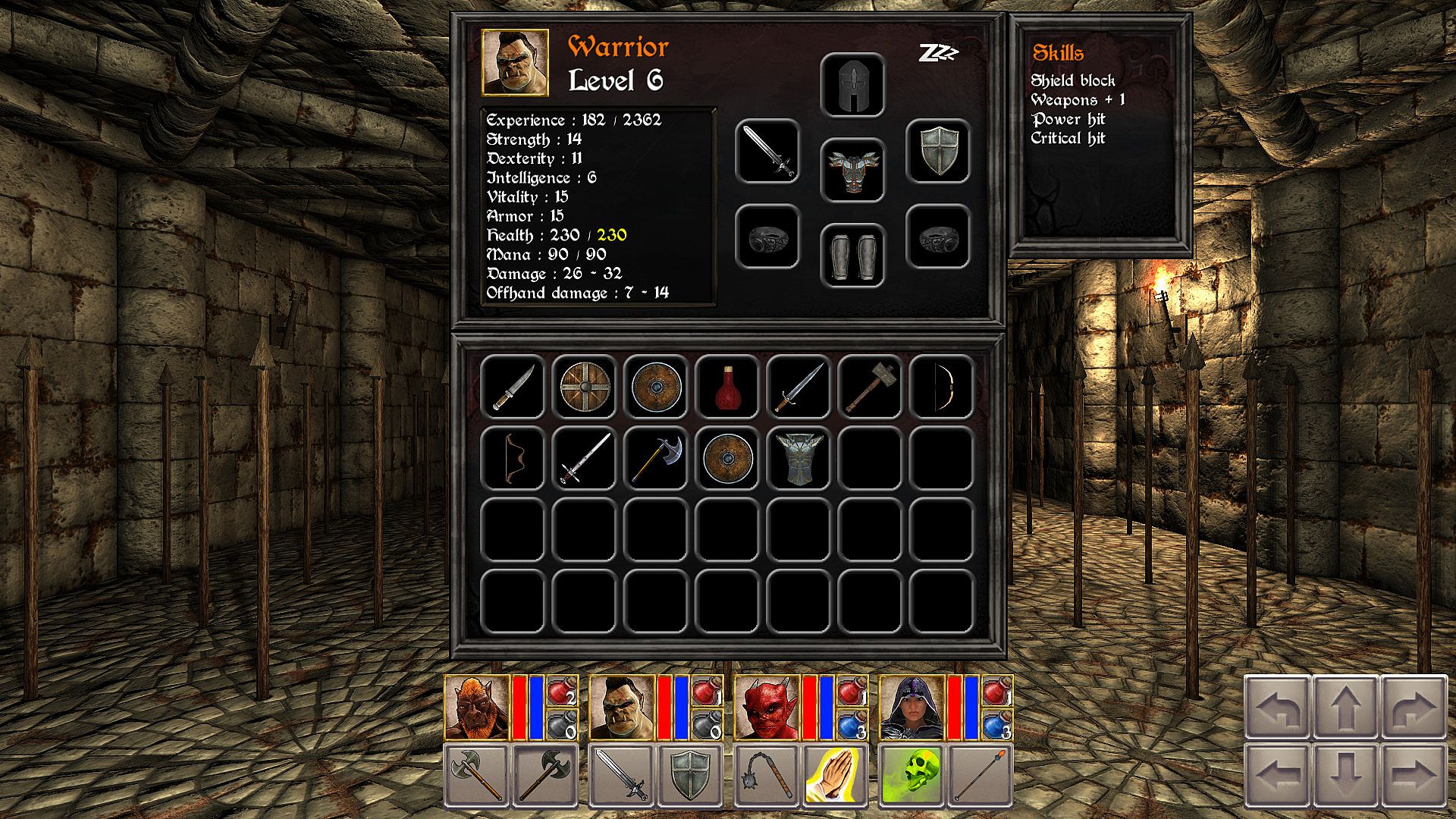
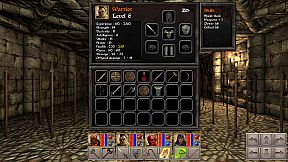
Eight distinct classes form the foundation of party composition. Each brings unique strengths that influence combat effectiveness and survival against the dungeon's threats. Balancing the group becomes essential because certain enemies exploit specific weaknesses, and traps can quickly reduce a poorly assembled team to nothing.
Item management adds another layer, as the large pool of equipment allows customization for different difficulties. Players experiment with loadouts across runs to optimize for the static real-time fights and the riddles that block progress.
Is It Worth Playing?
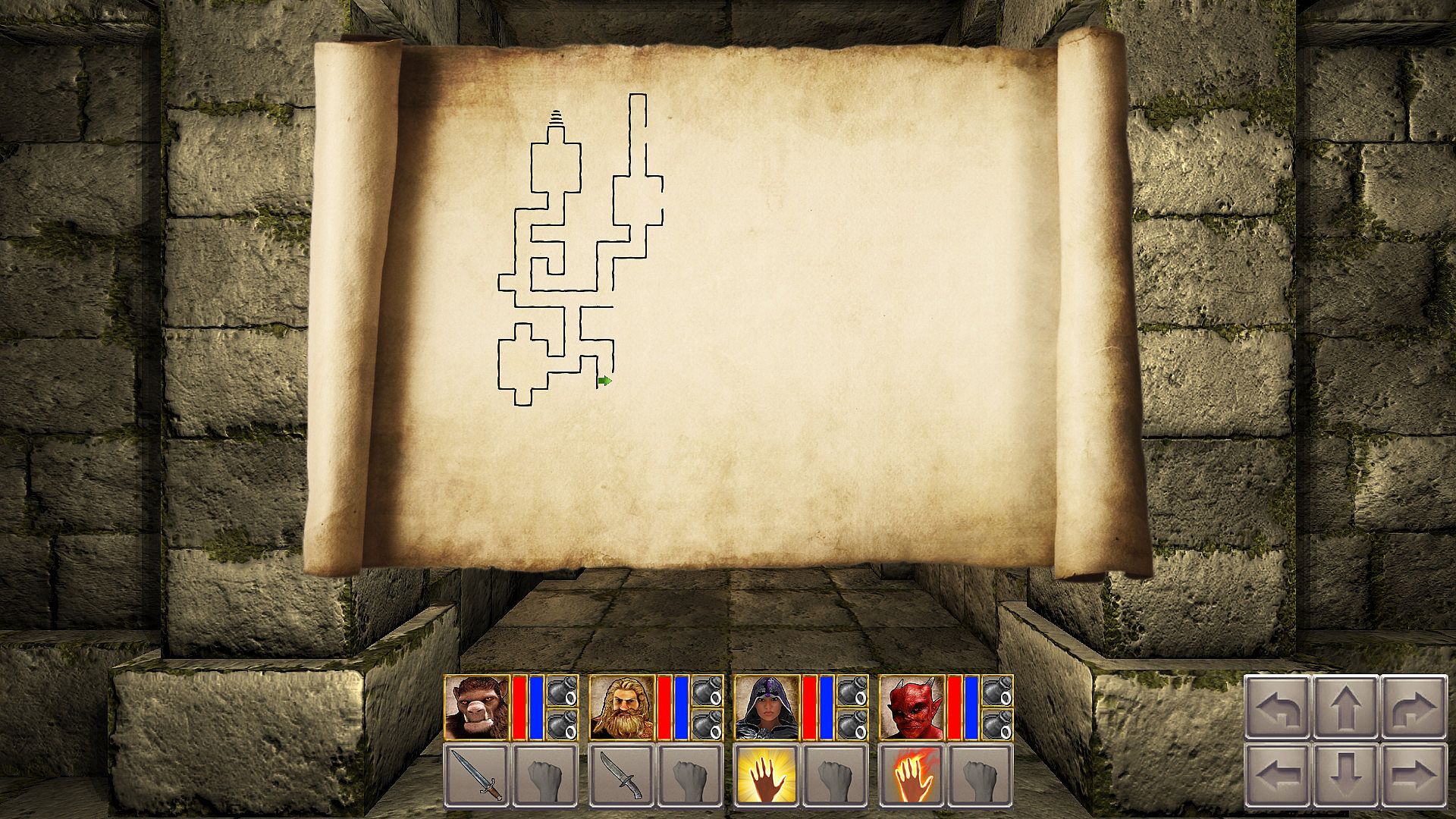
Player reception on Steam stands at mostly positive, with 74 percent approval from hundreds of reviews. Those familiar with classic dungeon crawlers often praise the sense of exploration and the satisfying map-drawing mechanic that tracks progress. The game delivers a compact experience that suits short sessions or focused playthroughs.
Newcomers may find the controls and lack of extensive tutorials frustrating at first, yet the three difficulty options provide a way to ease into the mechanics. Replay value comes from trying all eight classes and adjusting strategies for the three difficulty settings, making it a solid choice for anyone seeking a straightforward introduction to grid-based dungeon crawling without modern bloat.
Overall, the title appeals most to fans of deliberate, exploration-driven RPGs who appreciate its indie scale and focused design. It remains available as a complete package with no ongoing seasons or major updates required for enjoyment.














