







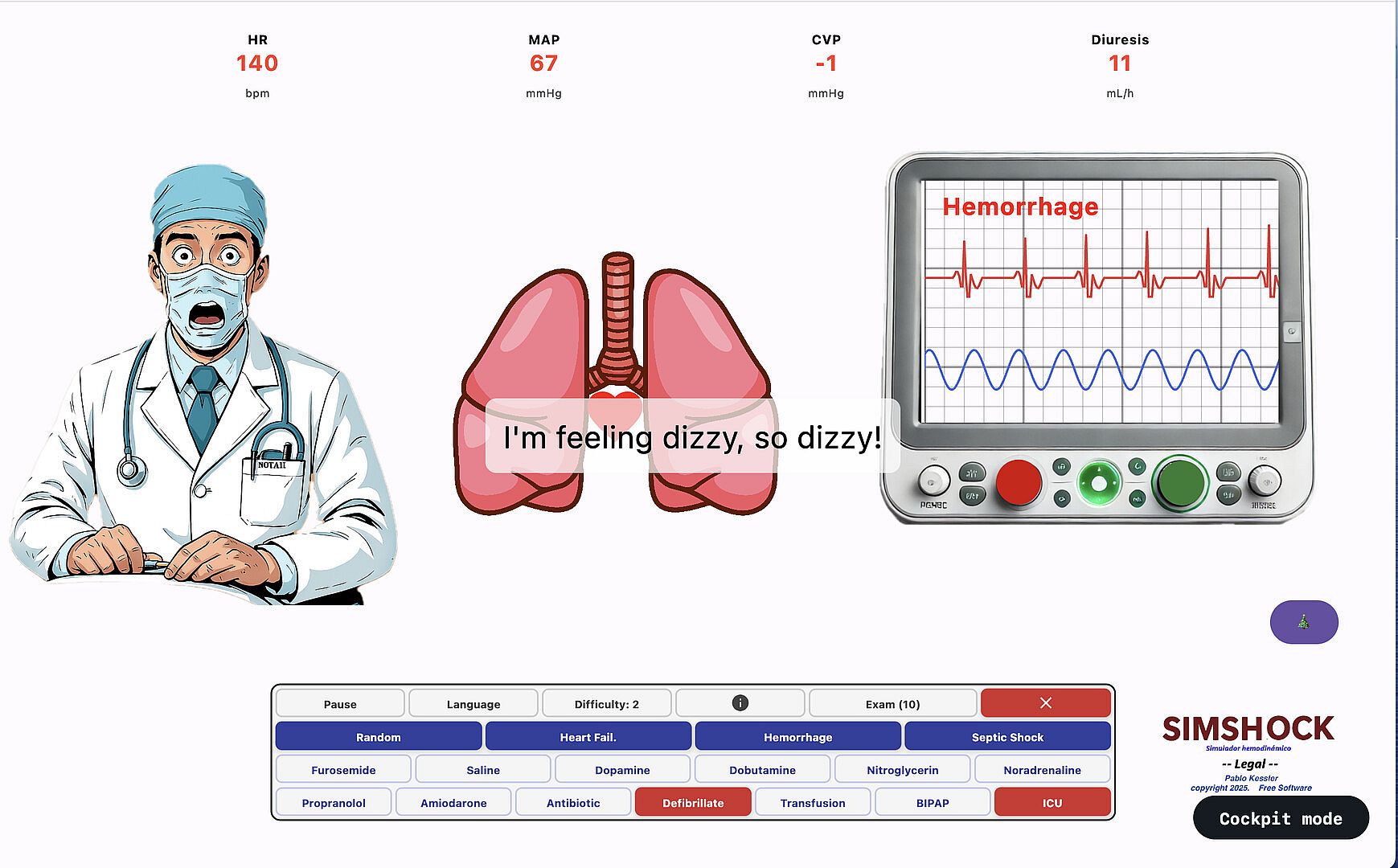
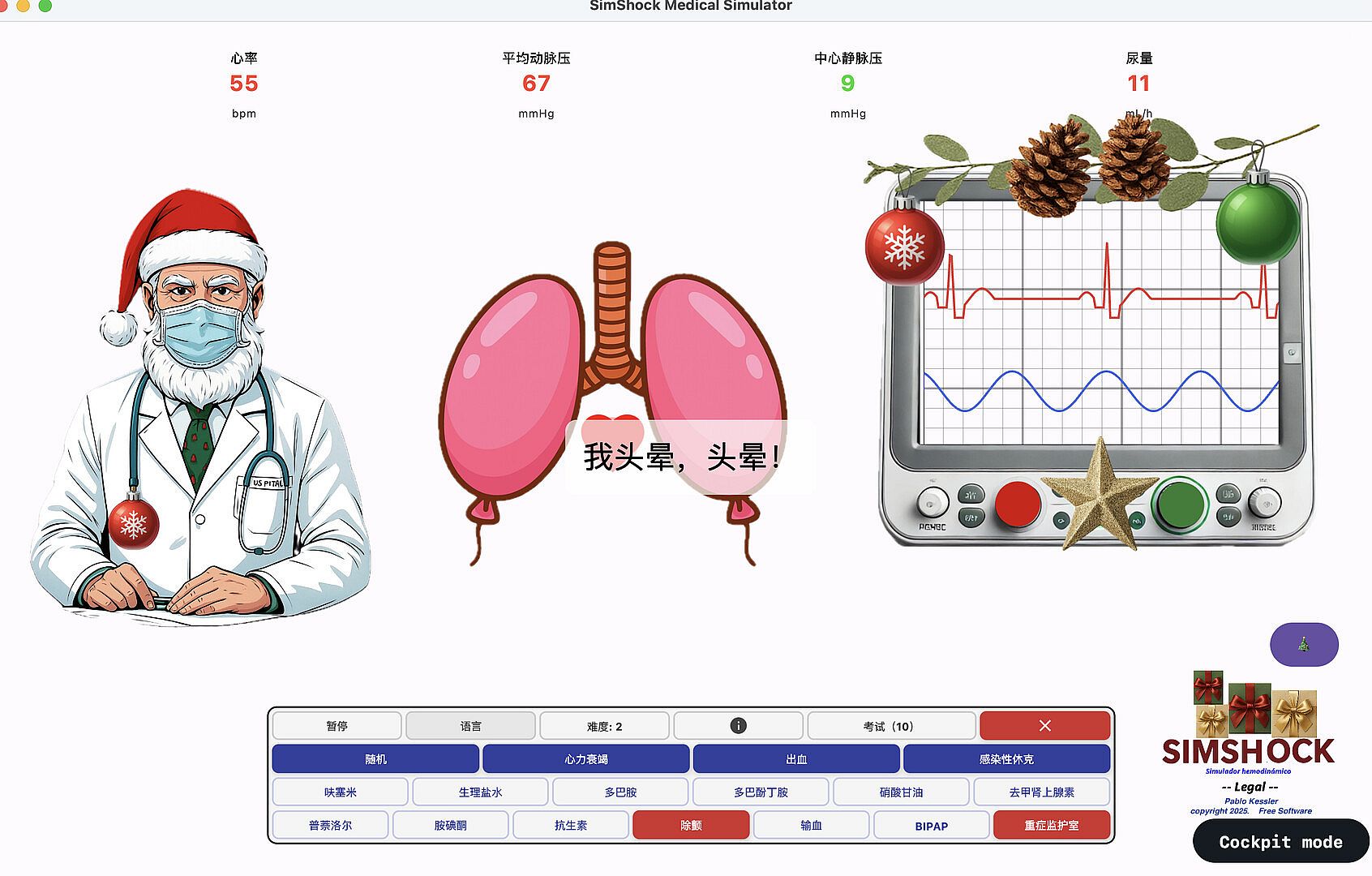
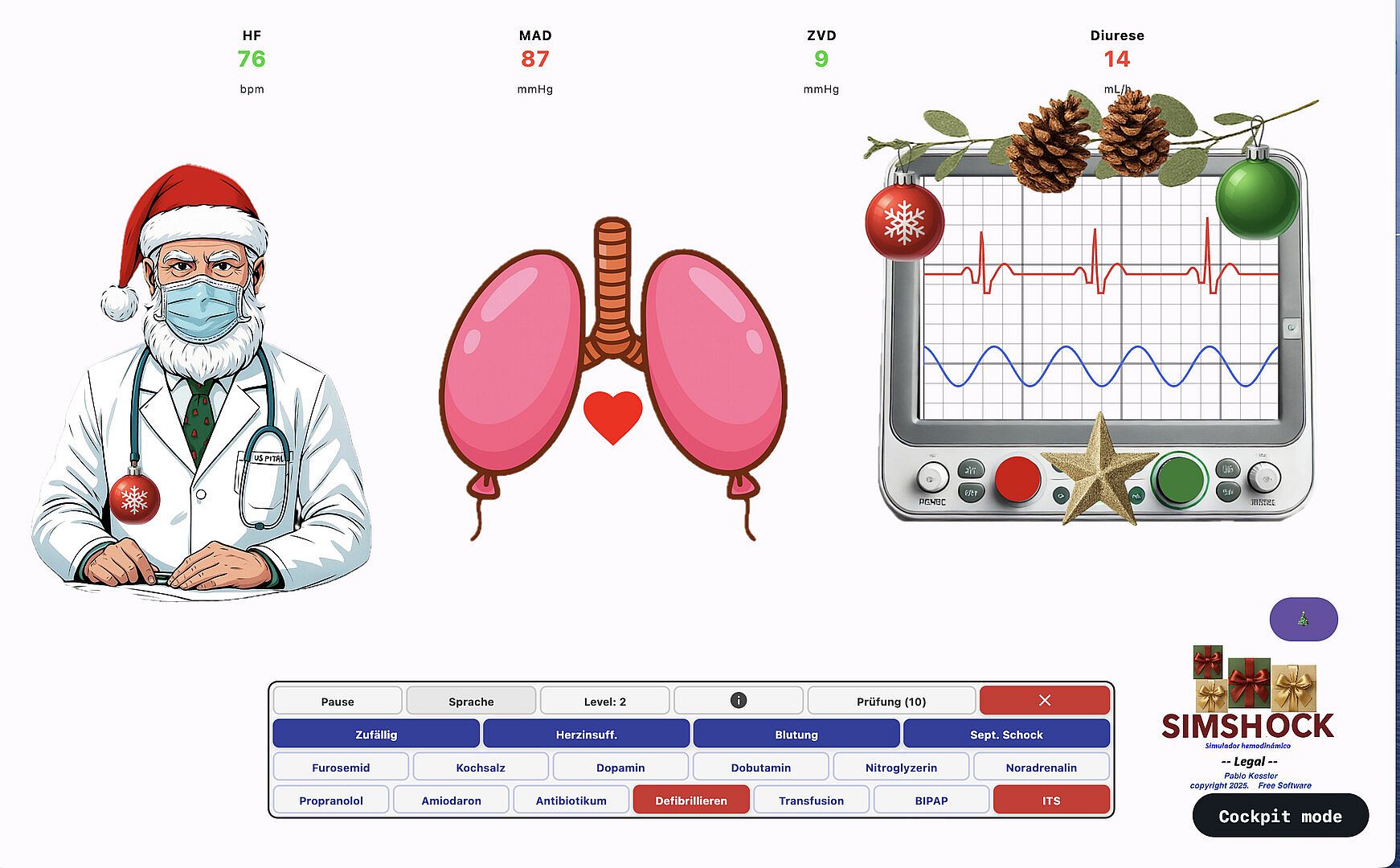
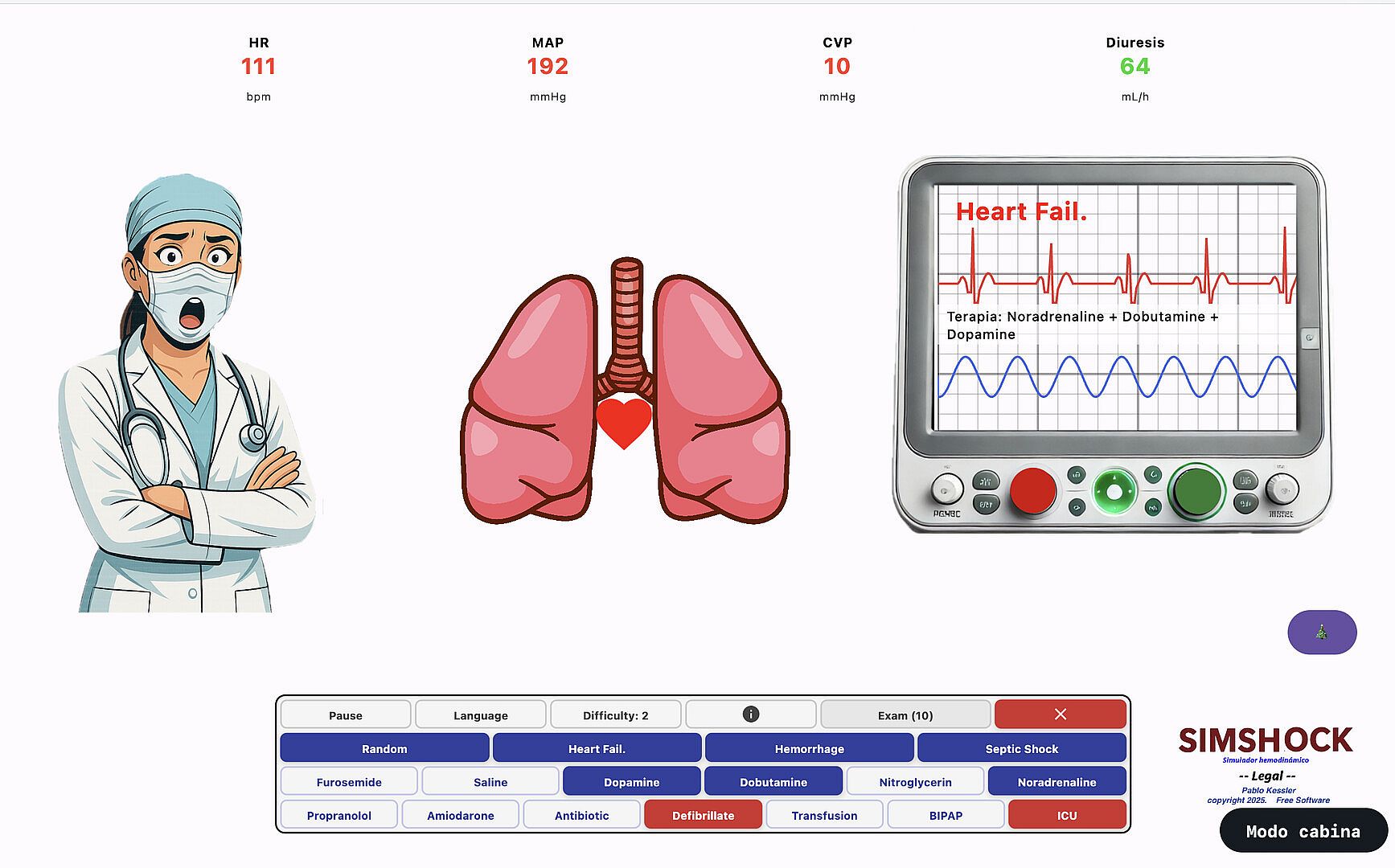
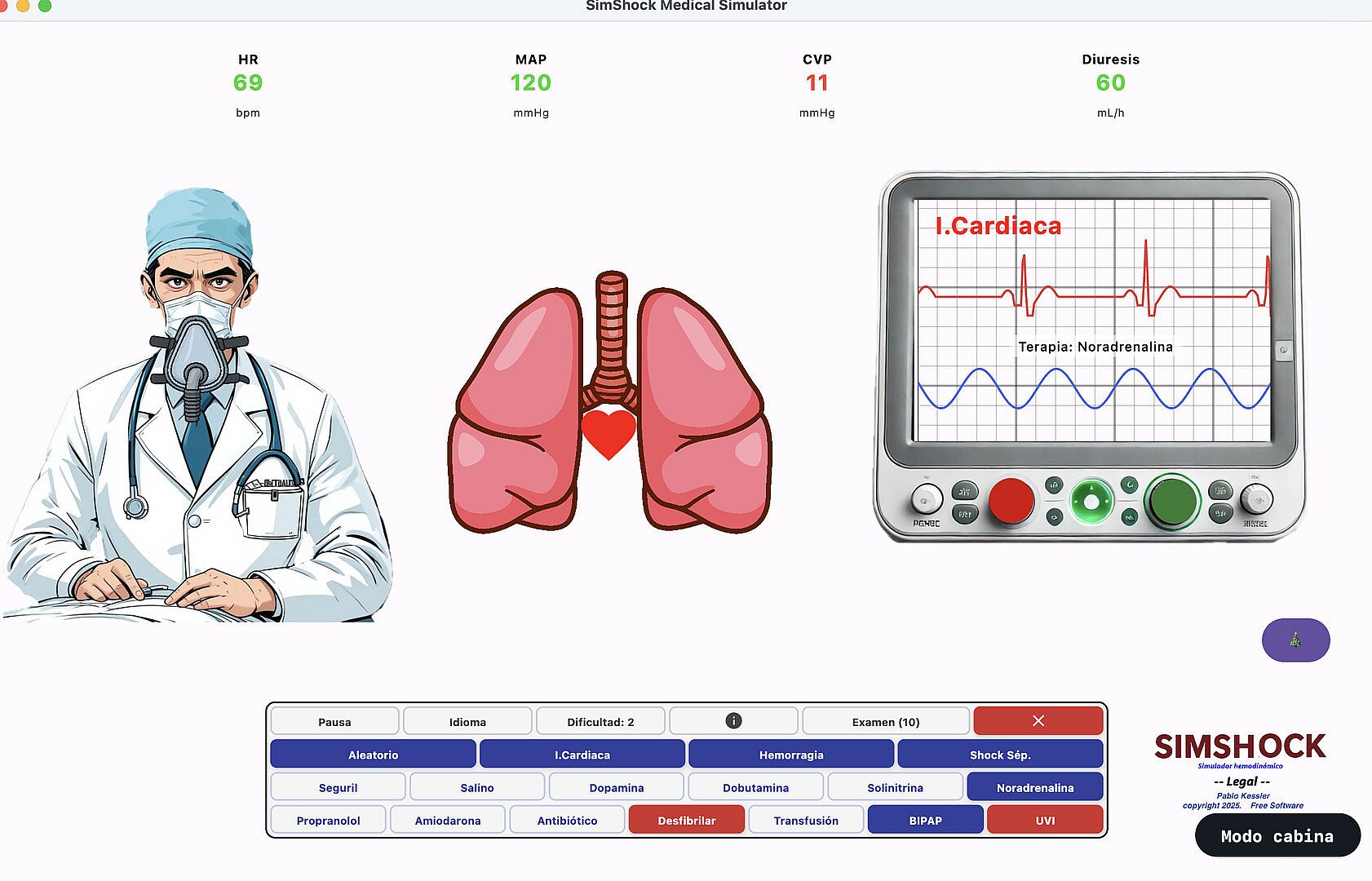
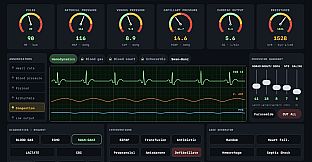
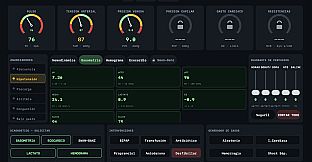
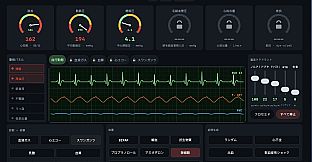


HemoSim is a free-to-play action strategy simulation game for PC that places players in the role of managing a critically ill patient through hemodynamic monitoring and intervention. The experience centers on stabilizing vital signs in real time as multiple physiological systems interact and shift in response to every decision.
Gameplay
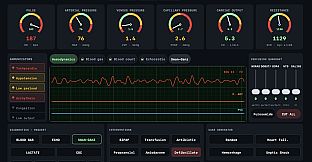
Players monitor a patient sliding into shock, where pulse rate rises while blood pressure falls and urine output ceases. Ten interconnected variables respond simultaneously to actions, including pulse, mean arterial pressure, central venous pressure, cardiac output, blood volume, systemic vascular resistance, pulmonary capillary pressure, pulmonary artery pressure, stroke work, and urine output. Adjustments to one value ripple through the others, creating unpredictable chain reactions that demand constant attention and recalibration.
A drug cabinet offers immediate interventions such as dopamine, dobutamine, epinephrine, nitroglycerin, furosemide, saline, propranolol, amiodarone, transfusion, and antibiotics. Additional tools include a defibrillator and BIPAP ventilatory support. Each choice carries trade-offs, as boosting pressure with a vasopressor might strain another system elsewhere. Workups like blood gas analysis, blood count, echocardiogram, lactate levels, or Swan-Ganz catheter placement provide new data but require time to process, mirroring the limits of real-time information gathering.
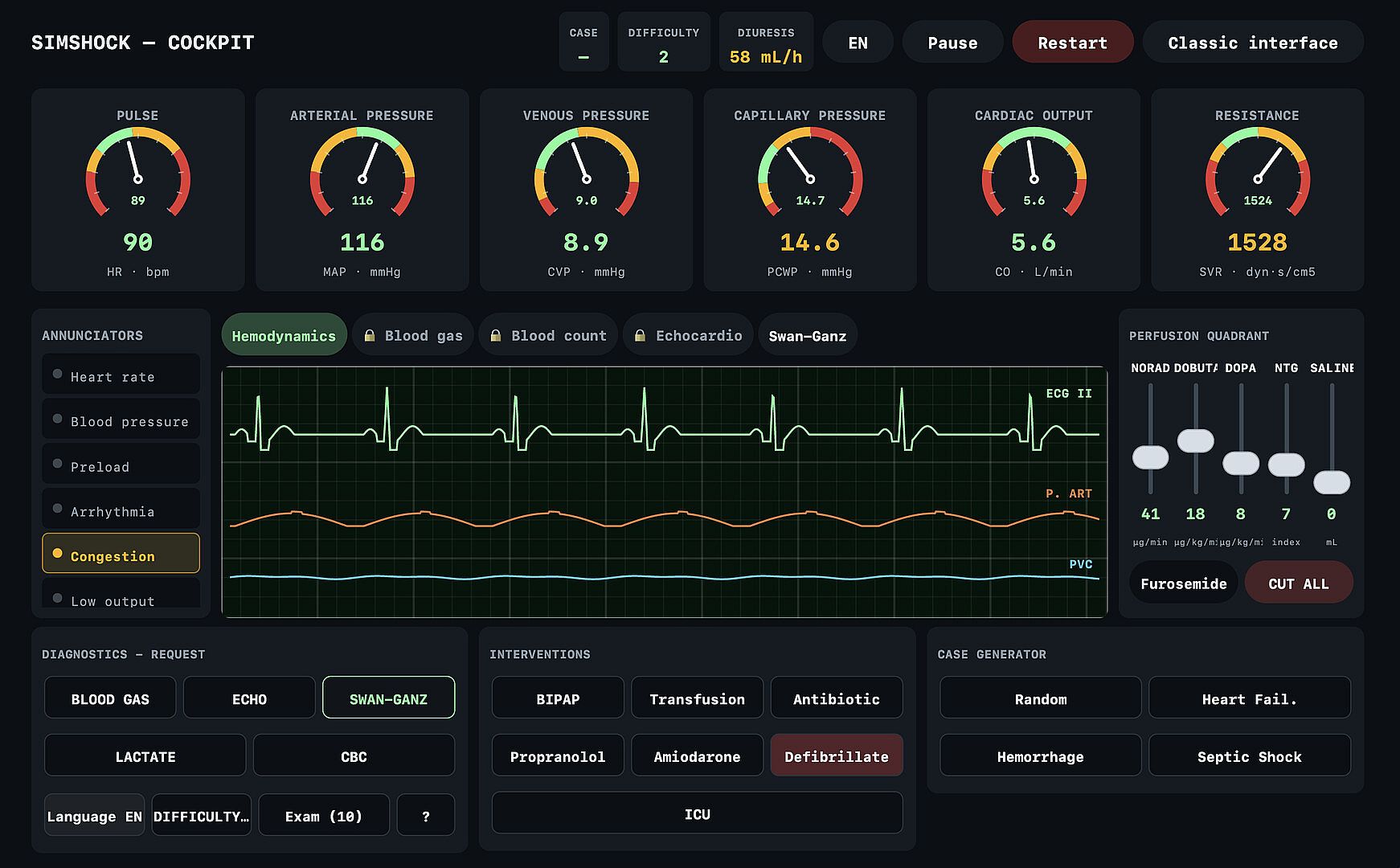
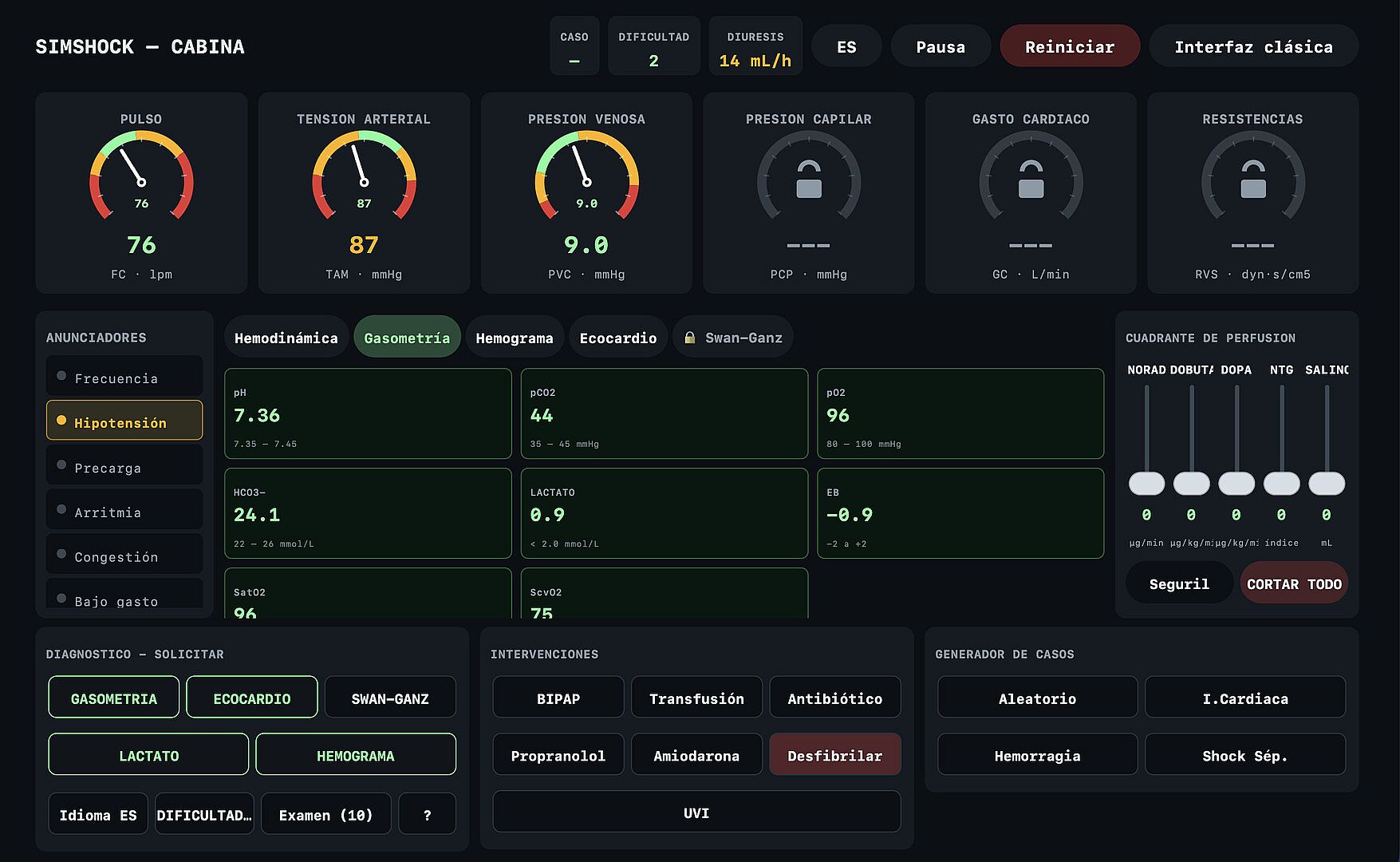
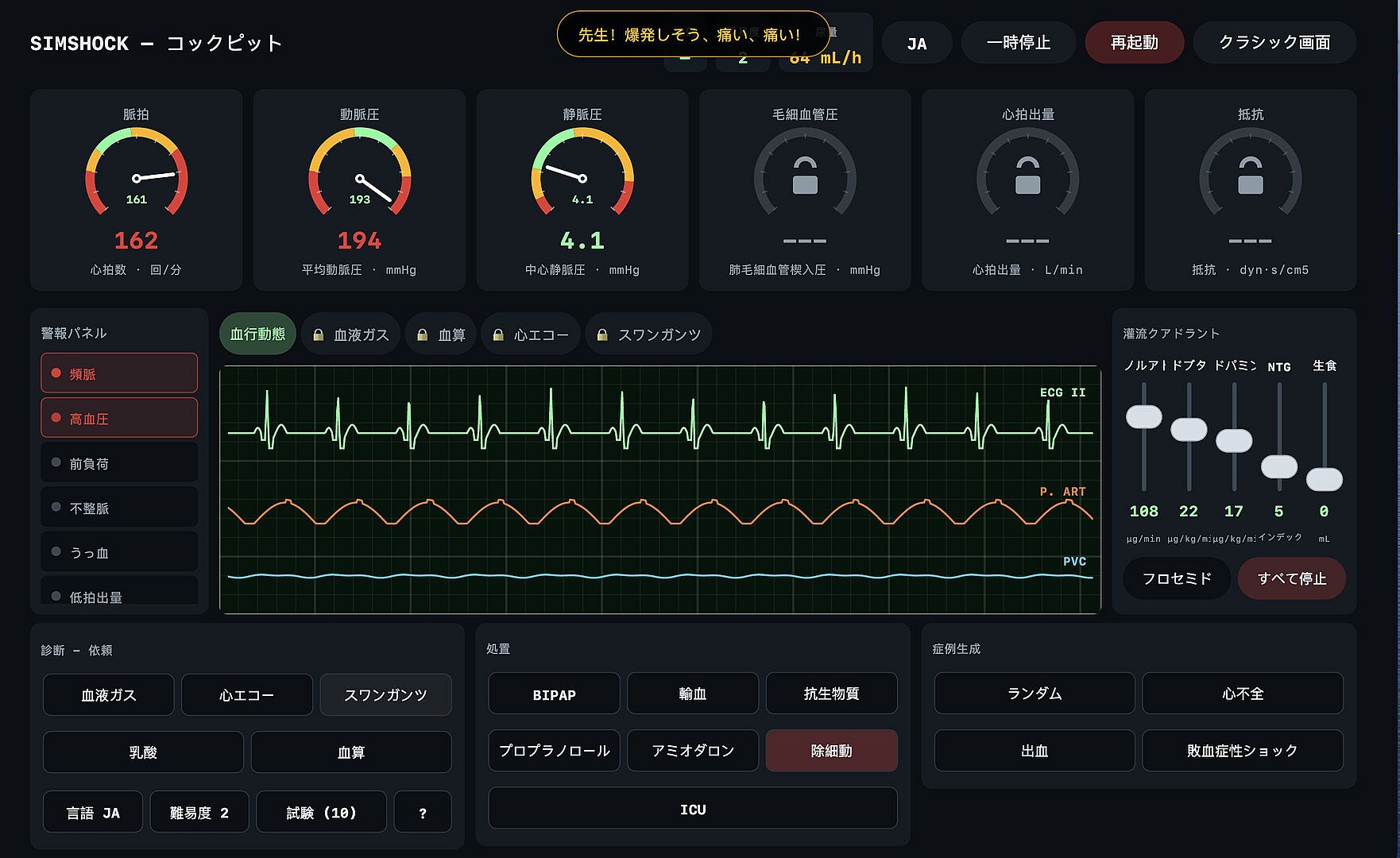
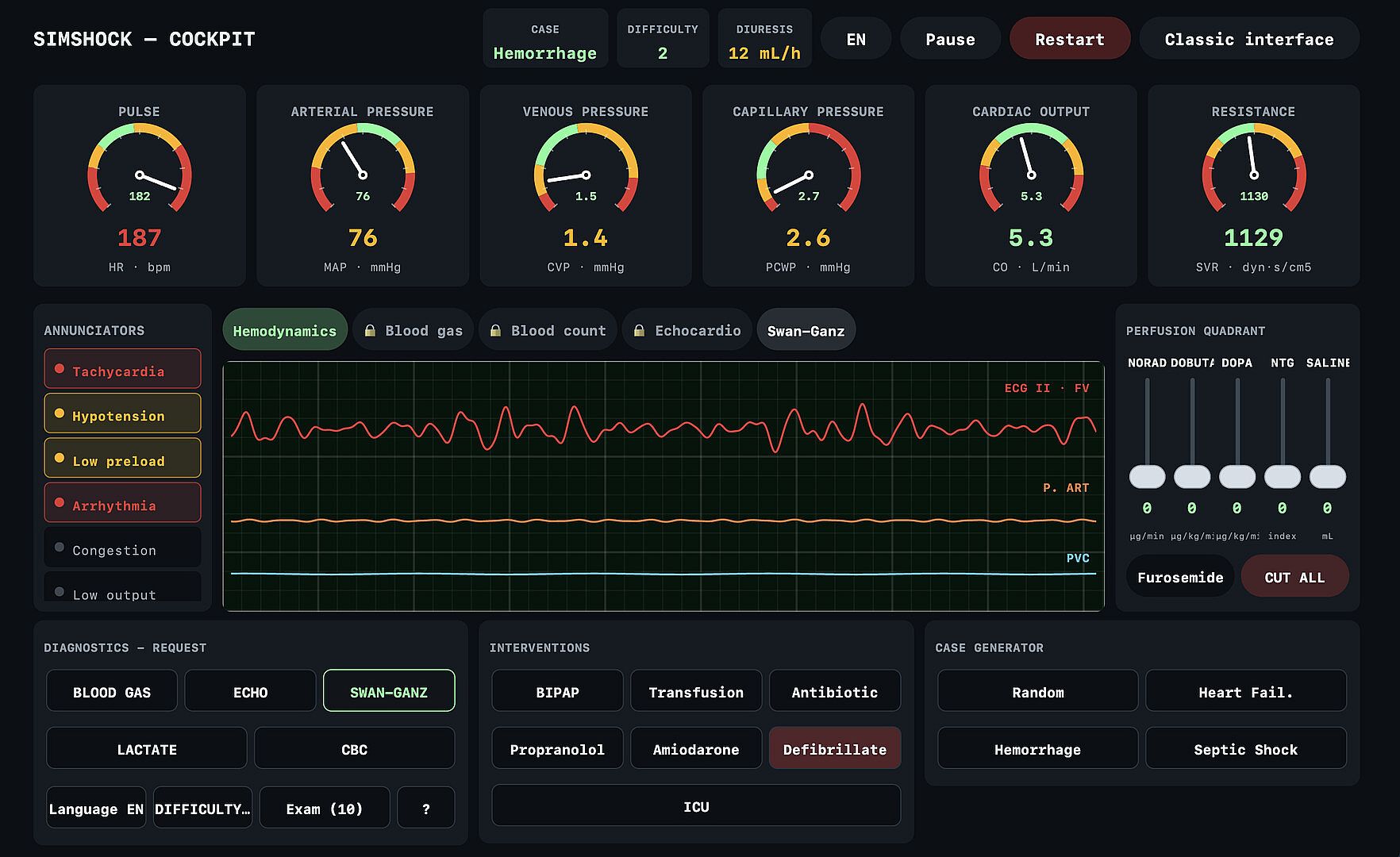
Cockpit Mode replaces the standard monitor view with analog gauges, warning lights, and a tabbed multifunction display. The Swan-Ganz catheter specifically unlocks additional gauges that remain inactive until requested. Players can switch between monitor and cockpit interfaces during a session without interrupting the ongoing case.
Game Modes
Free Mode lets players select a specific condition or allow random selection, then tracks performance through a scoring system that rewards successful stabilization with up to seven points while deducting ten for failure. Speed and difficulty factor into the final tally. Exam Mode chains ten consecutive cases and evaluates overall performance on an average basis, increasing the pressure through sustained focus across varied scenarios.
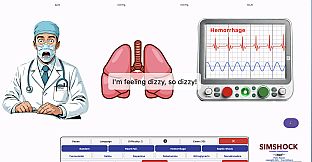
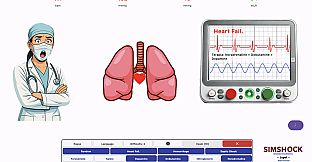
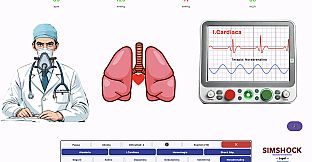
Three primary loss conditions define failure states: hypertensive heart failure where the heart fails to pump effectively as pulmonary pressure climbs, hemorrhage where volume loss leads to compensatory tachycardia that eventually collapses, and septic shock where vascular resistance drops and capillary leak depletes internal volume. These paths emerge from the same core variable interactions but require distinct intervention priorities.
Core Systems and Mechanics
The simulation emphasizes coupled dynamics rather than isolated fixes. Every drug or fluid input alters multiple readings at once, forcing players to anticipate secondary effects and maintain balance across the full set of parameters. Limited time windows add urgency, as delays allow conditions to progress toward one of the three failure states. Measurement tools remain unavailable until explicitly requested, reinforcing the need for targeted diagnostics before acting on incomplete data.
Is It Worth Playing?
HemoSim suits players drawn to intricate single-player strategy simulations that reward precise system oversight and quick adaptation to cascading changes. Its free-to-play model removes any financial barrier, allowing direct access to the full set of modes and variables. Those who enjoy managing interconnected mechanics in medical or technical contexts will find the layered decision-making engaging, while the simplified formulas keep sessions focused on gameplay flow rather than clinical precision. The experience stands alone as entertainment without external dependencies or ongoing seasonal content.











