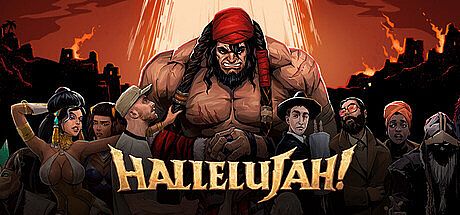


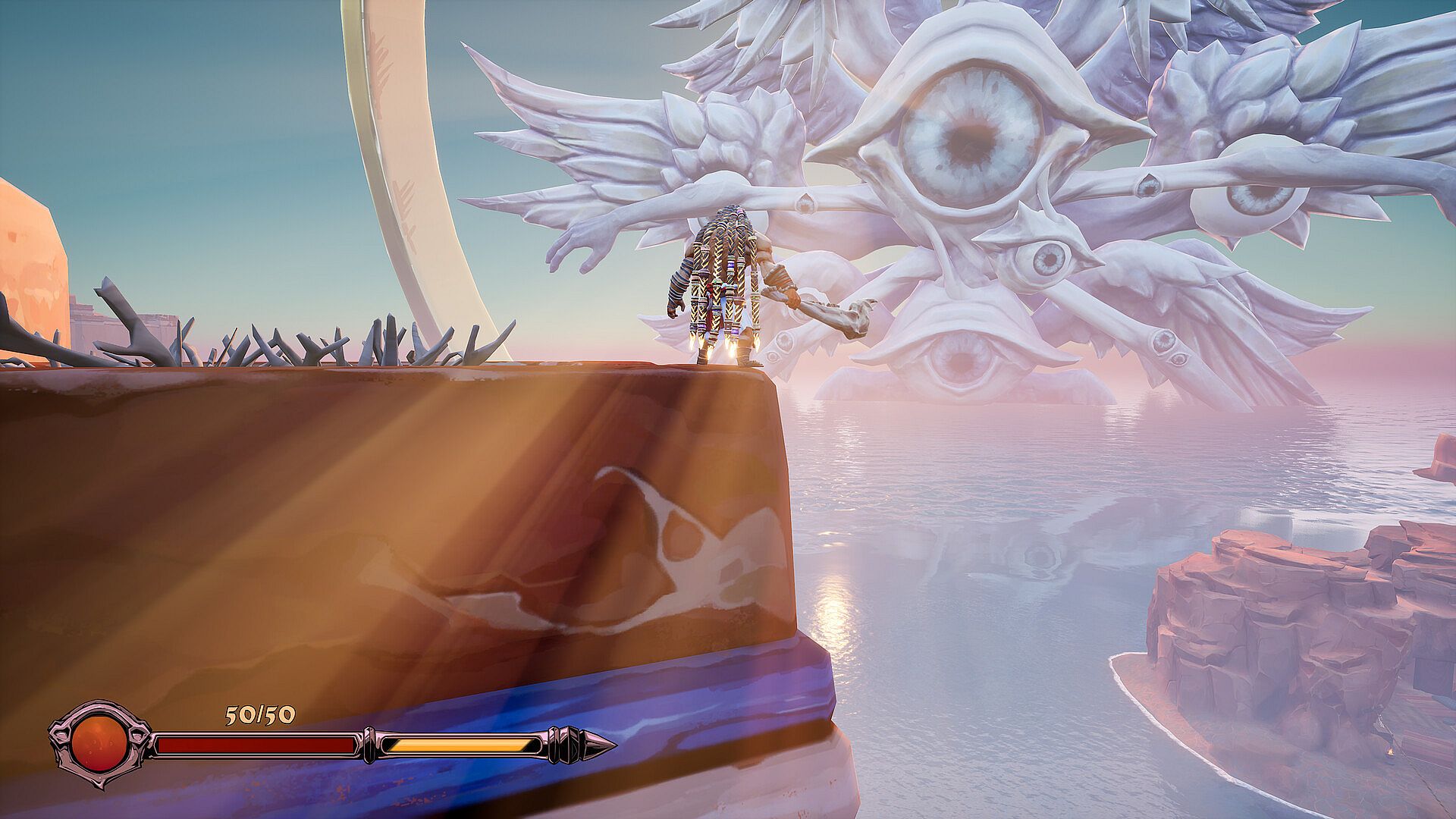
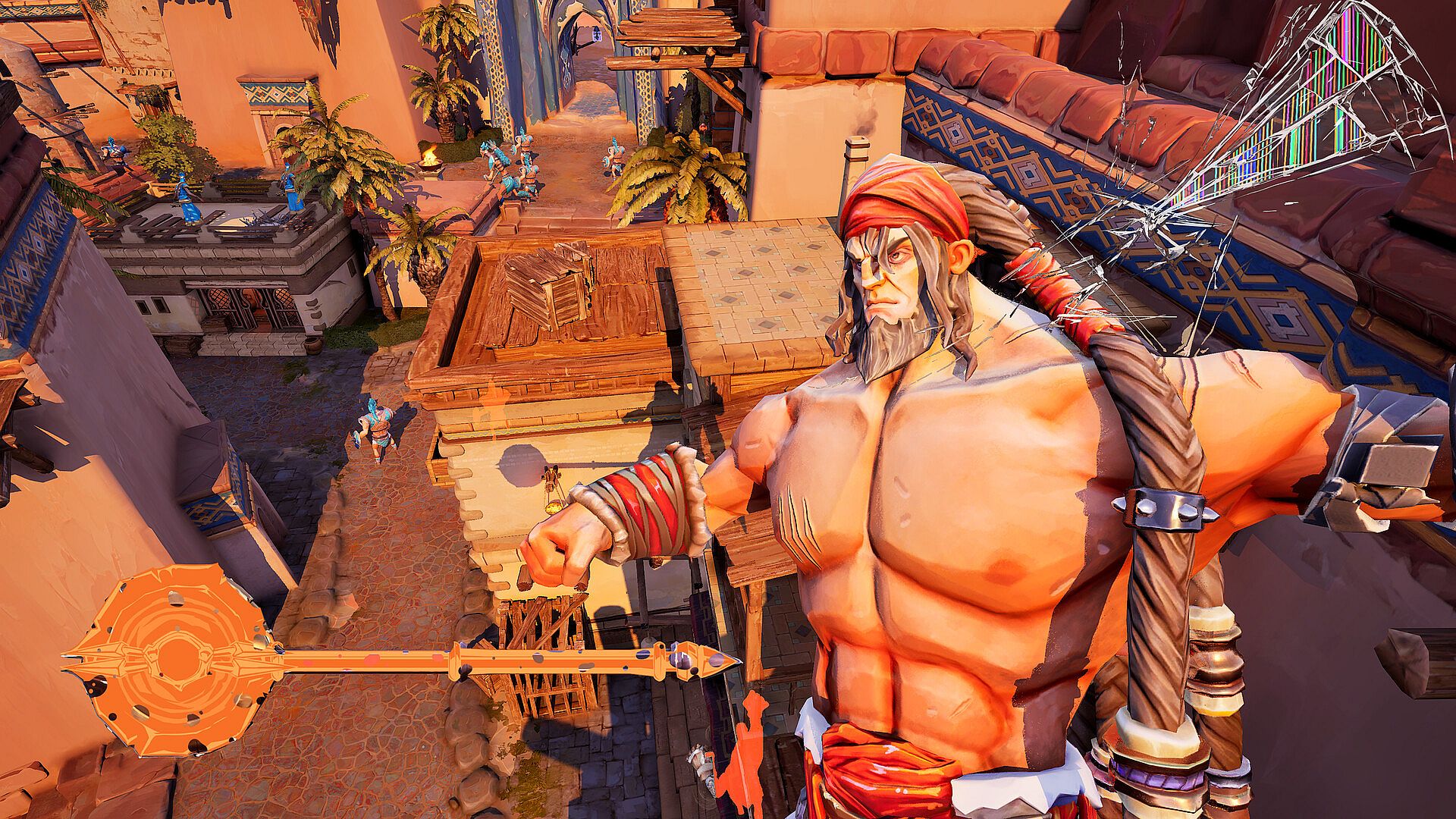
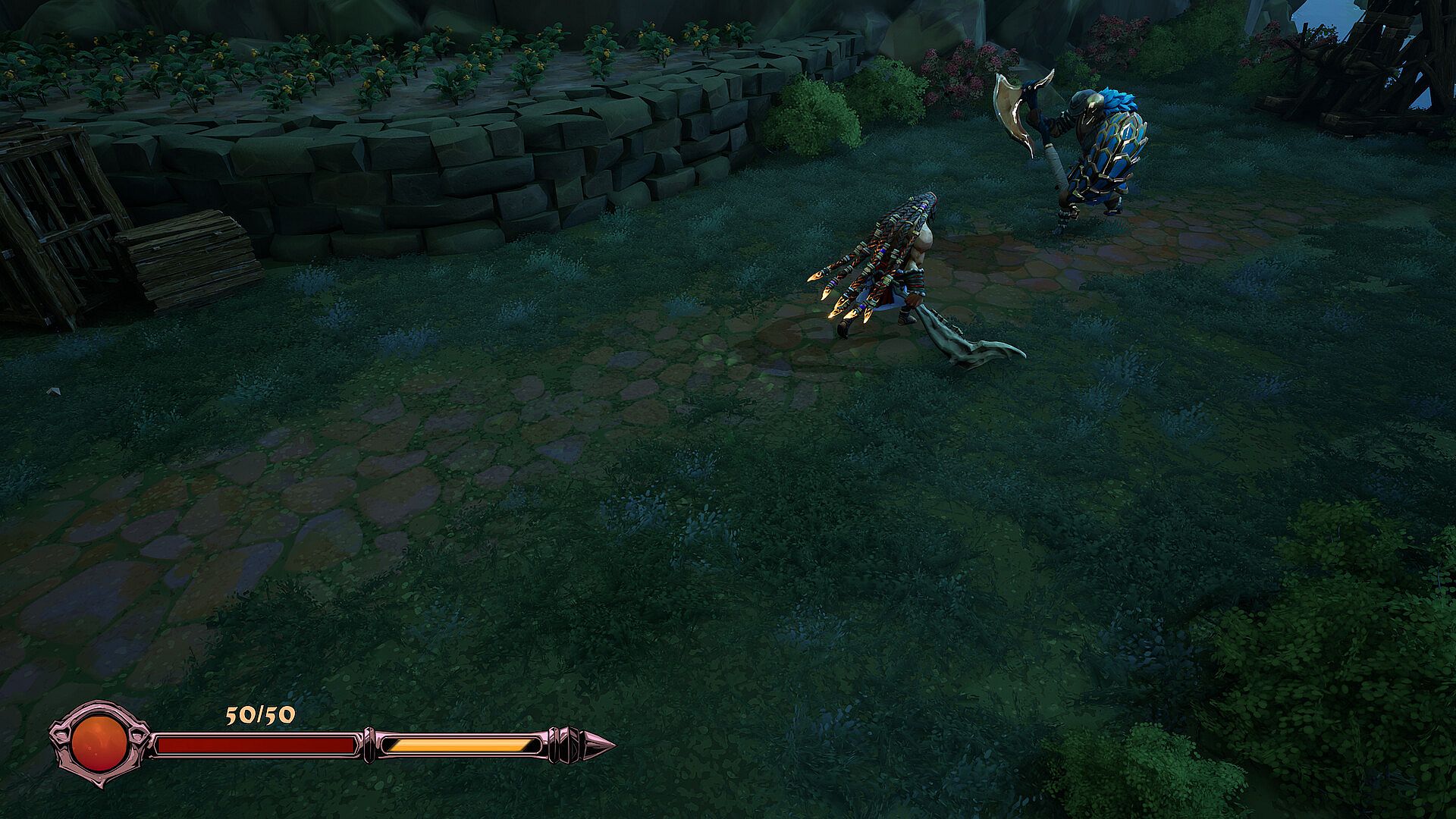
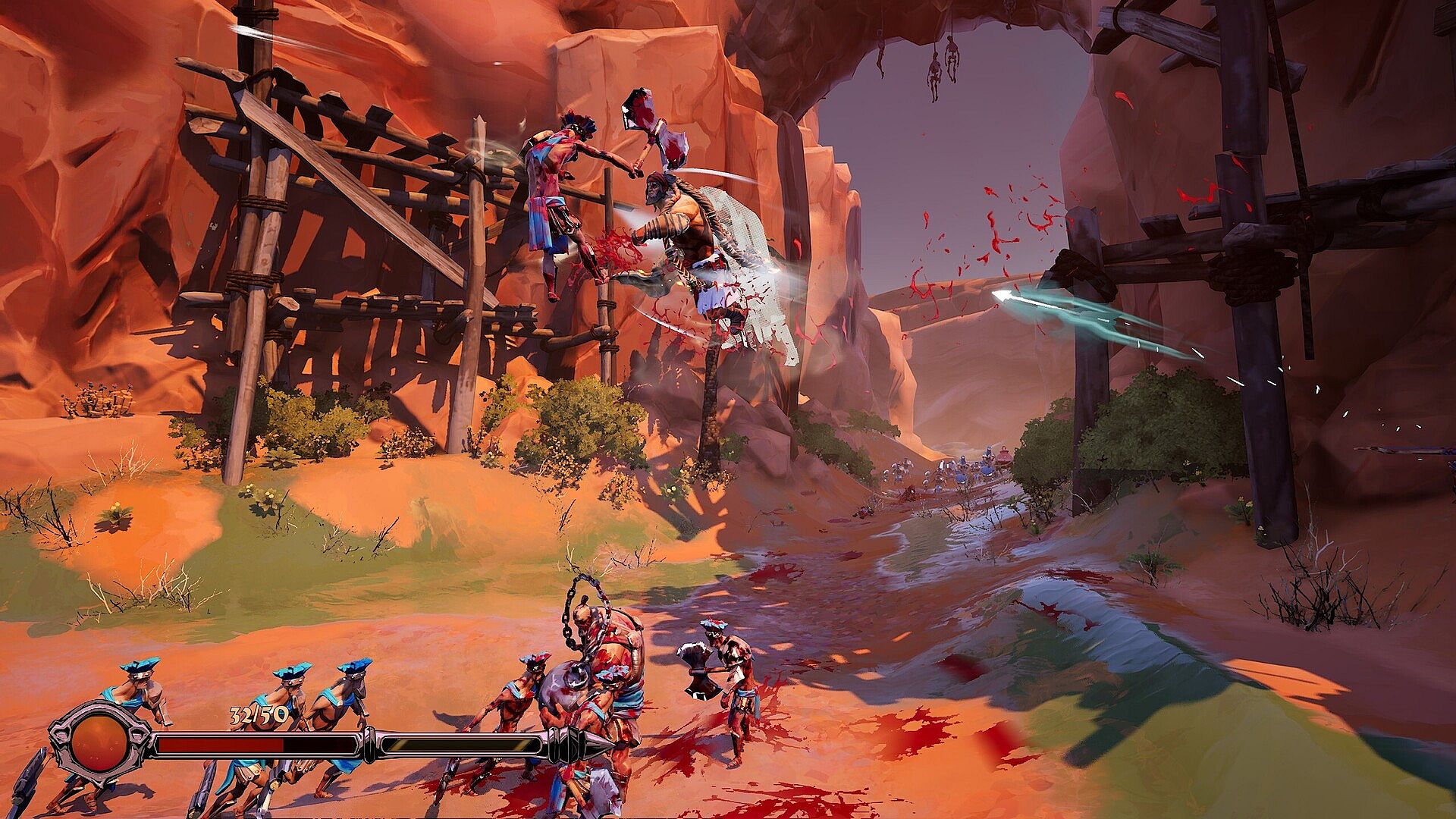
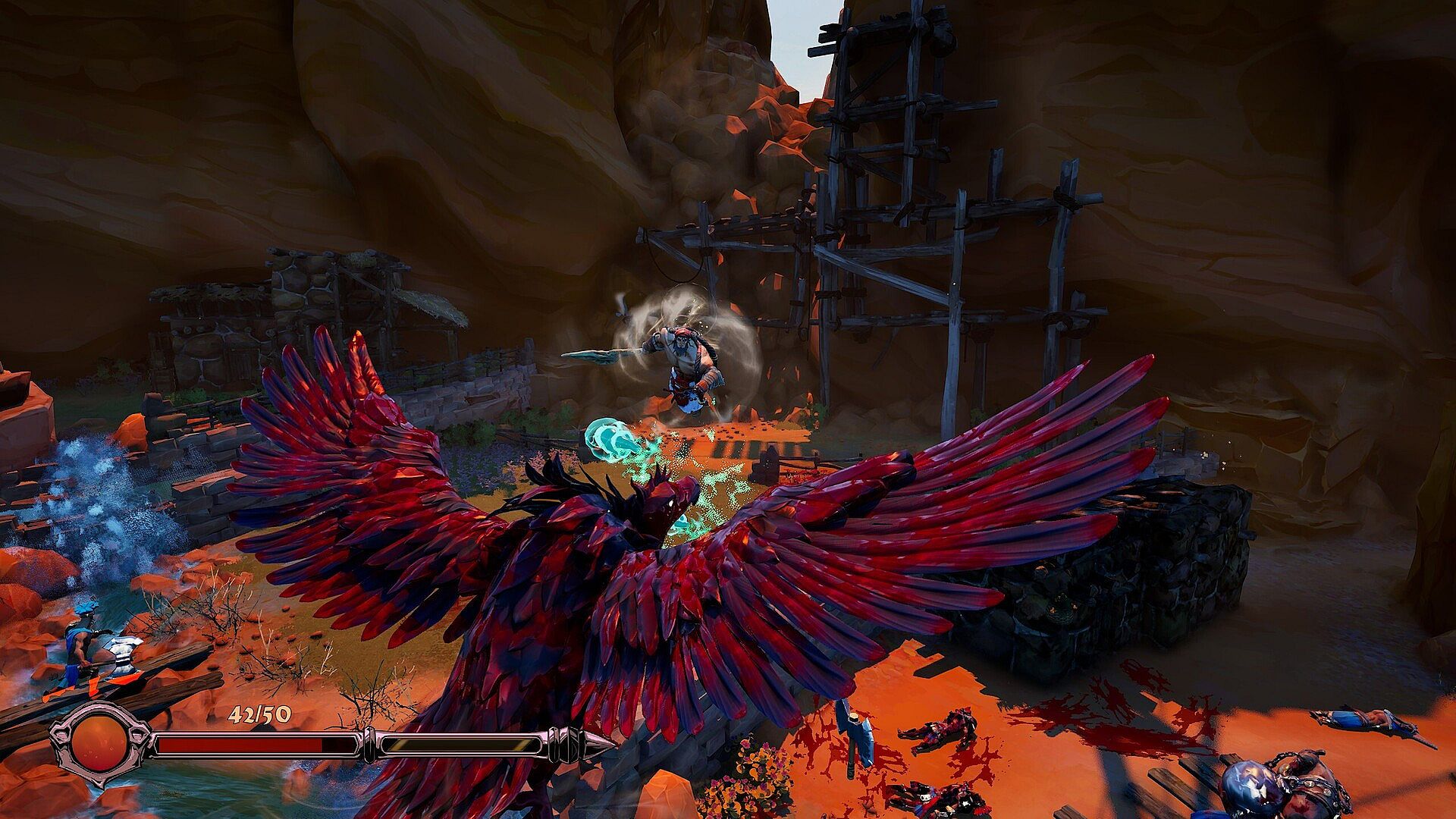
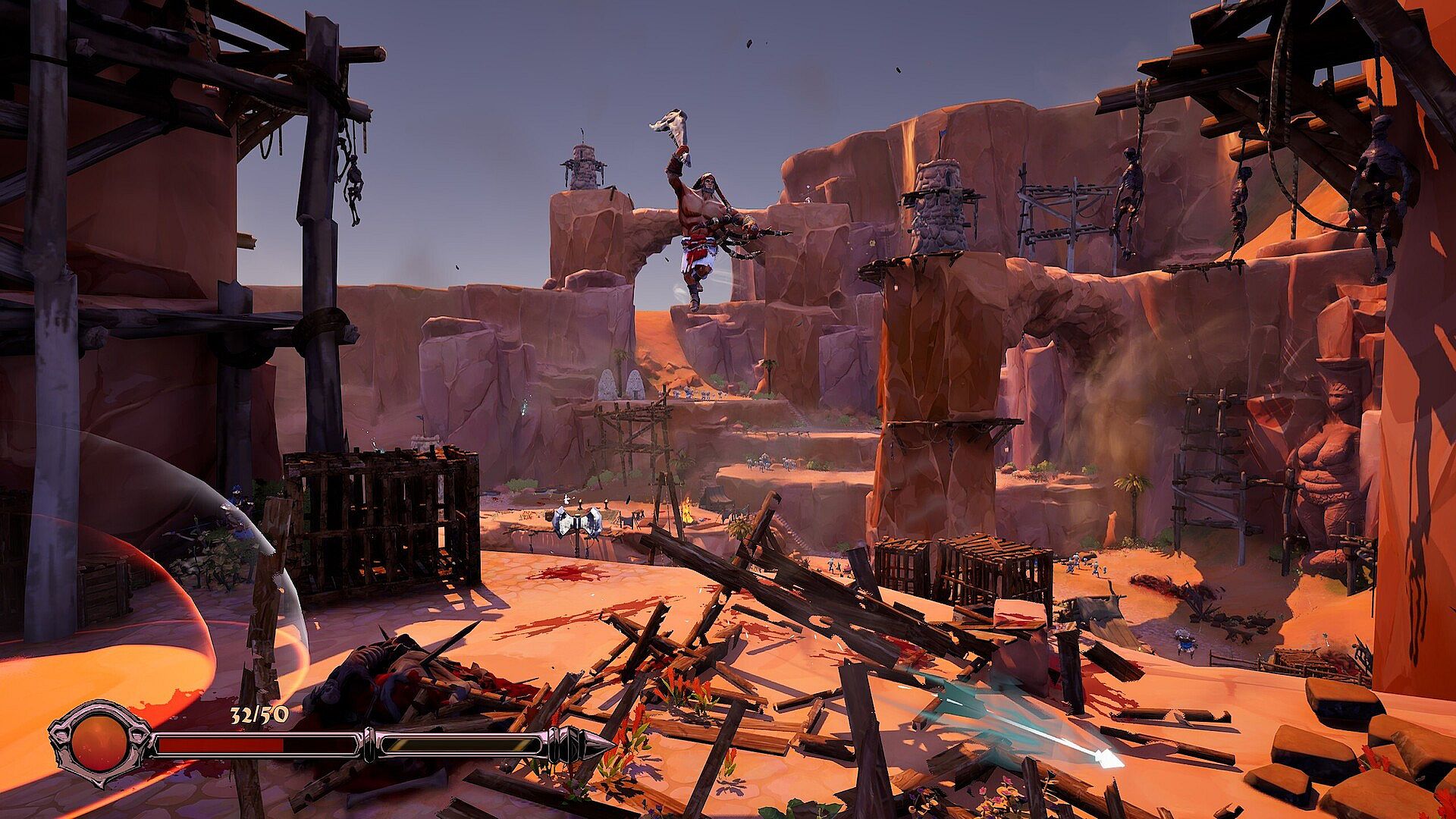
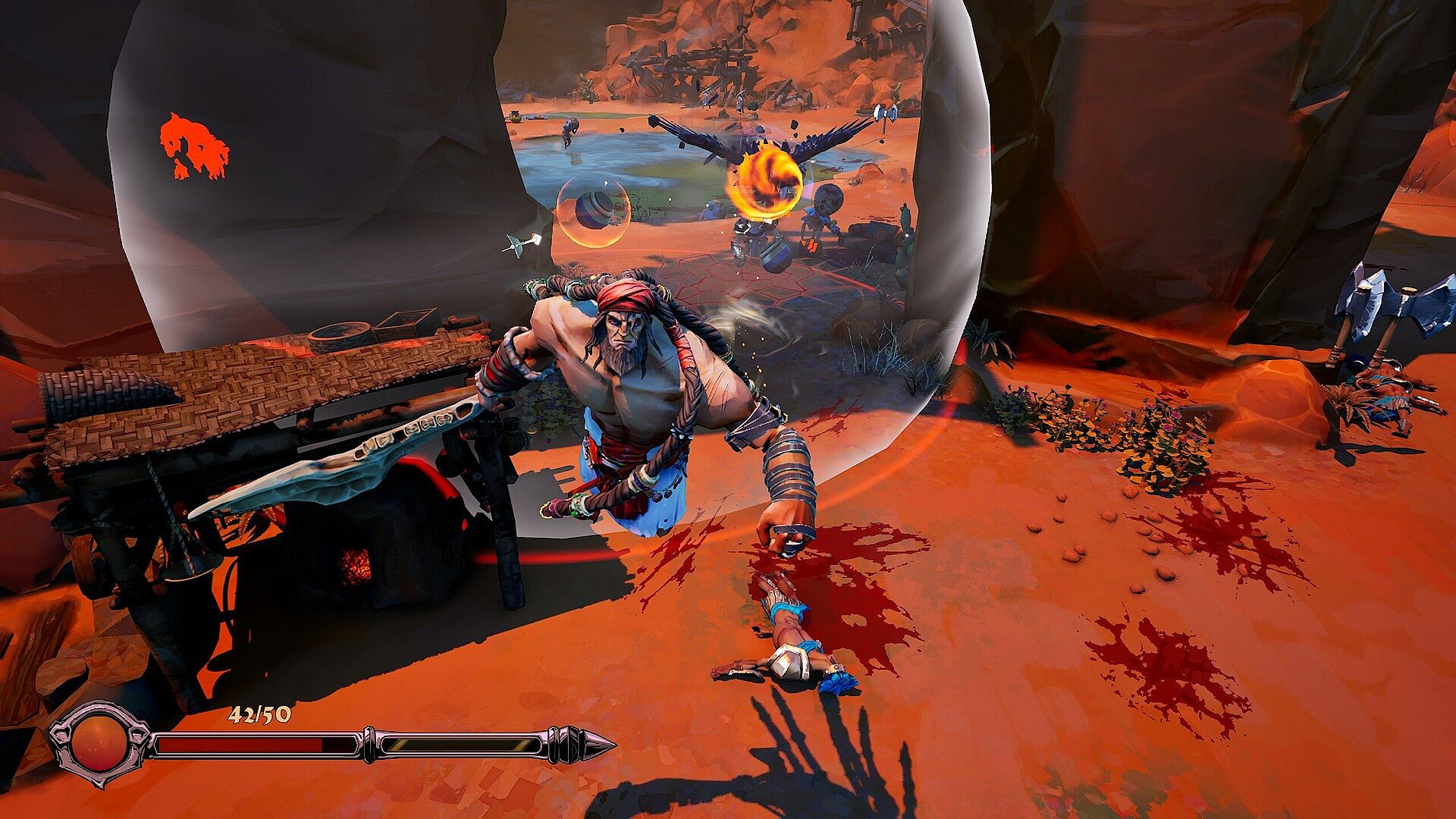
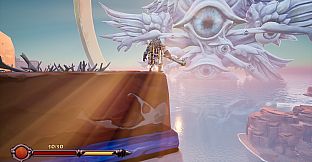
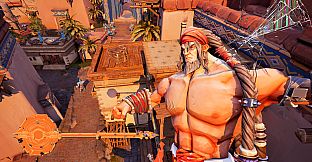
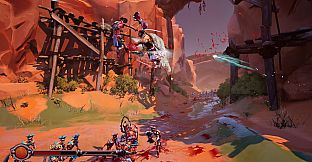
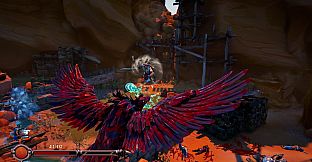
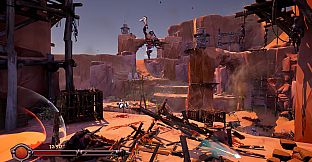
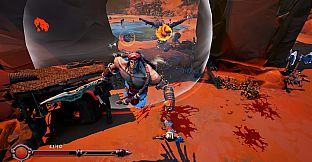
HALLELUJAH! is an action roguelike developed for PC that follows the biblical figure Samson through a violent, destructive combat experience. Players control a character gifted with superhuman strength, using that power to tear through enemies and environments in runs that emphasize relentless aggression and creative movement. The game blends roguelike progression with sandbox-style destruction and a narrative frame involving three distinct storytellers who comment on events as they unfold.
Gameplay
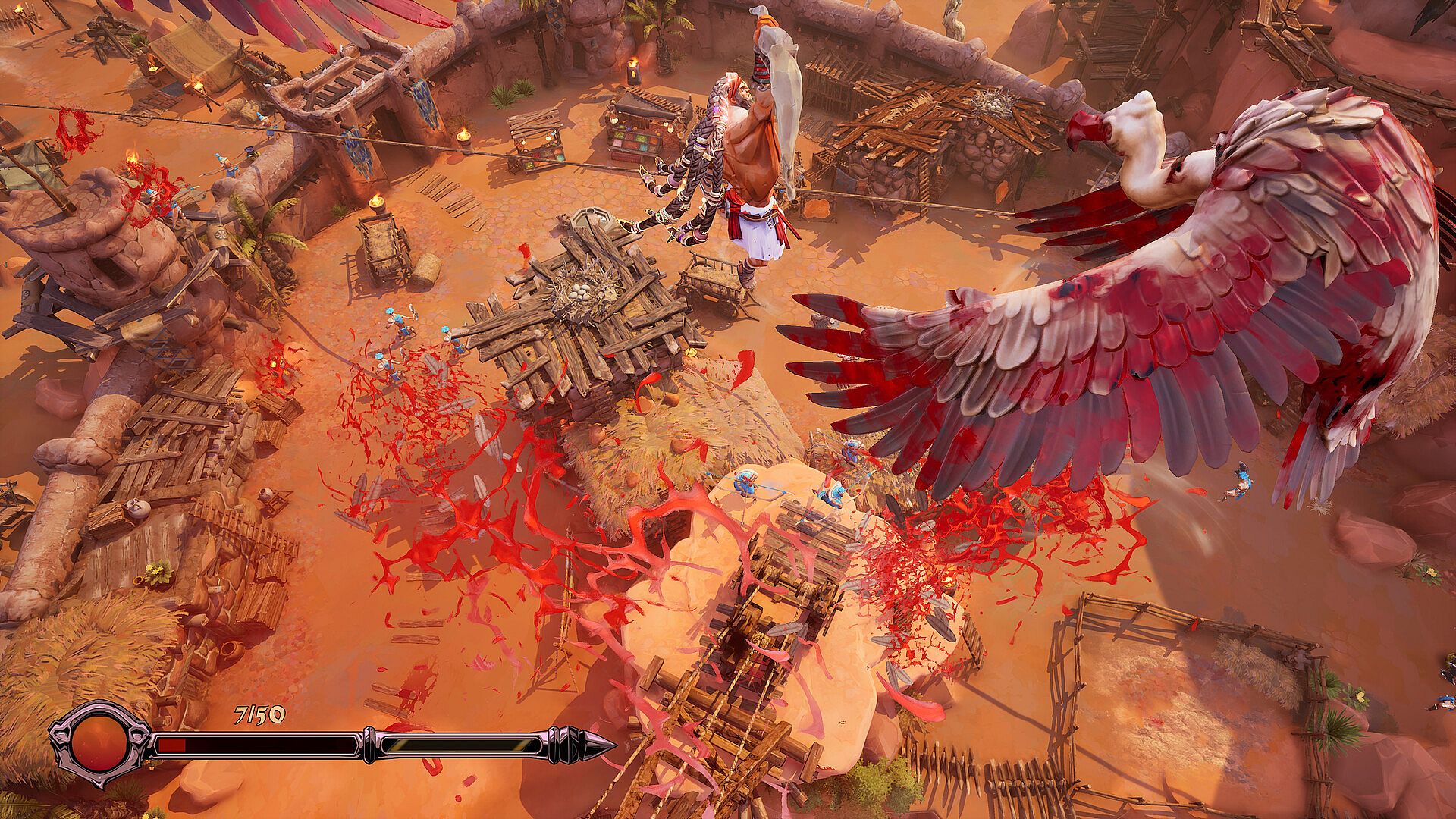
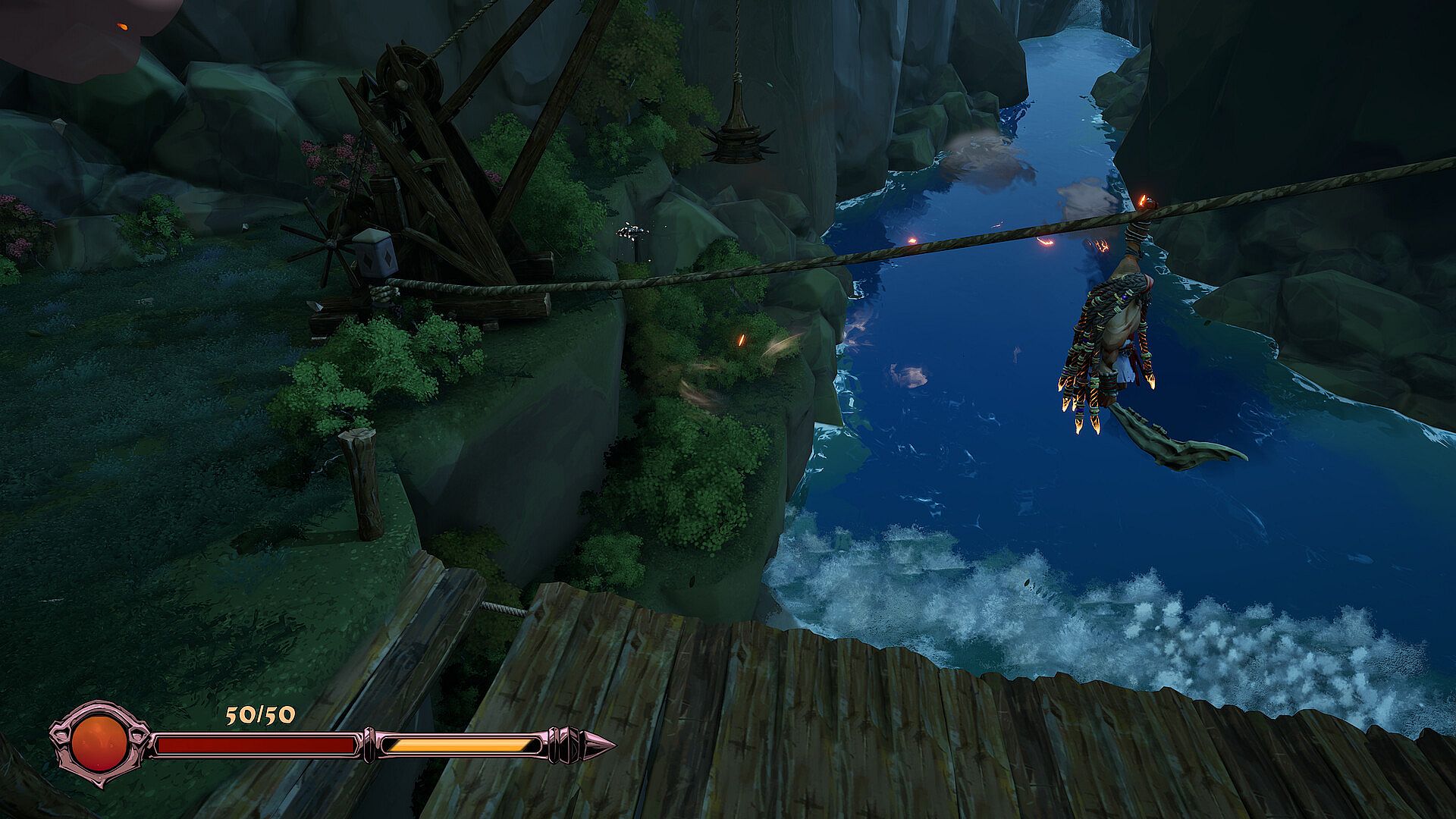
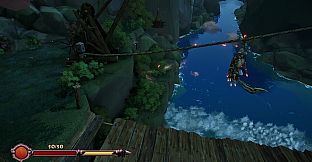
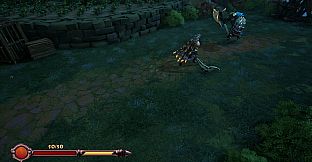
Core combat revolves around abilities that have no cooldowns and can be cancelled at any time. This design encourages chaining attacks, maintaining momentum, and experimenting with timing to maximize damage output. Lifesteal and rage systems reward aggressive play, turning sustained assaults into opportunities for greater power and recovery. Mobility tools expand the possibilities further, including wall jumps, air dashes, enemy weapon grabs, dive bombs, combat juggling, and body slams. These options let players launch foes into structures, along ziplines, off trampolines, through air currents, or over cliffs to create new angles of attack.
Environmental destruction forms a central loop. Players can smash through buildings and other objects, which opens fresh paths while also feeding into build progression. Certain upgrades tie destruction to benefits such as increased money drops, rage generation, explosive damage, or health restoration from item effects. This creates evolving strategies where breaking the world becomes both a tactical choice and a source of power.
Build variety comes from blessings, curses, weapons, and permanent upgrades collected across runs. Combinations can alter movement, damage types, environmental interactions, and reward structures, leading to wildly different experiences from one attempt to the next. Gambling mechanics add another layer, with systems like Kvitlach, Spin the Dreidel, and the Bonfire game that allow players to risk resources for shop upgrades and investments.
Game Modes
The primary structure centers on roguelike runs that send Samson through increasingly chaotic encounters. Each attempt incorporates the movement sandbox and destruction tools to clear areas while collecting blessings and upgrades. Runs emphasize experimentation, as synergies between abilities, environmental effects, and gambling outcomes can shift dramatically based on choices made during play.
Narrative delivery occurs through the perspectives of three companions who accompany Samson. Bobby Teague provides a foul-mouthed, Appalachian soldier viewpoint shaped by military experience and personal vices. Shaul Feigenbaum offers commentary rooted in rabbinic study and observant Jewish tradition. Professor Kilian Van Doorn contributes a skeptical, precise academic lens from his background in horology. Their interactions frame the violence in ways that highlight literal scriptural elements alongside personal interpretations, without altering the core action focus.
Narrative and Themes
The story draws directly from the Book of Judges account of Samson, presented through a lens that prioritizes scriptural accuracy over modern reinterpretation. The three narrators discuss events in real time, blending religious commentary with personal anecdotes that range from devout analysis to outright skepticism. This setup keeps the focus on the raw savagery of the source material while allowing the game to explore how different worldviews respond to the same sequence of divine gifts and human brutality.
Progression ties back to the roguelike loop, where permanent upgrades and run-specific blessings influence both combat effectiveness and the way destruction plays out. The overall tone remains amoral and game-first, treating the biblical setting as a foundation for mechanical creativity rather than a platform for moral messaging.
Is It Worth Playing?
HALLELUJAH! targets players who enjoy roguelike runs built around high-mobility combat and large-scale environmental interaction. The absence of ability cooldowns combined with extensive movement options creates a fast, expressive system that rewards practice and improvisation. Destruction mechanics add depth by turning the environment into both obstacle and resource, while the blessing and gambling systems provide meaningful variety across attempts.
The narrative framing with the three companions adds context without interrupting the action, appealing to those interested in a direct retelling of the Samson story presented alongside contrasting viewpoints. As an upcoming title with no release date confirmed yet, its value will depend on how well the systems deliver on the described freedom and synergy potential once available. Fans of action roguelikes that emphasize destruction and build experimentation will find the most immediate draw here.