




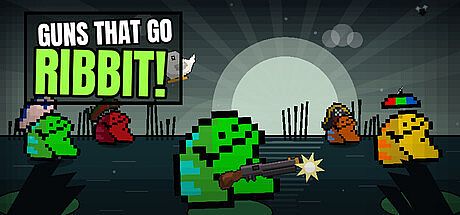


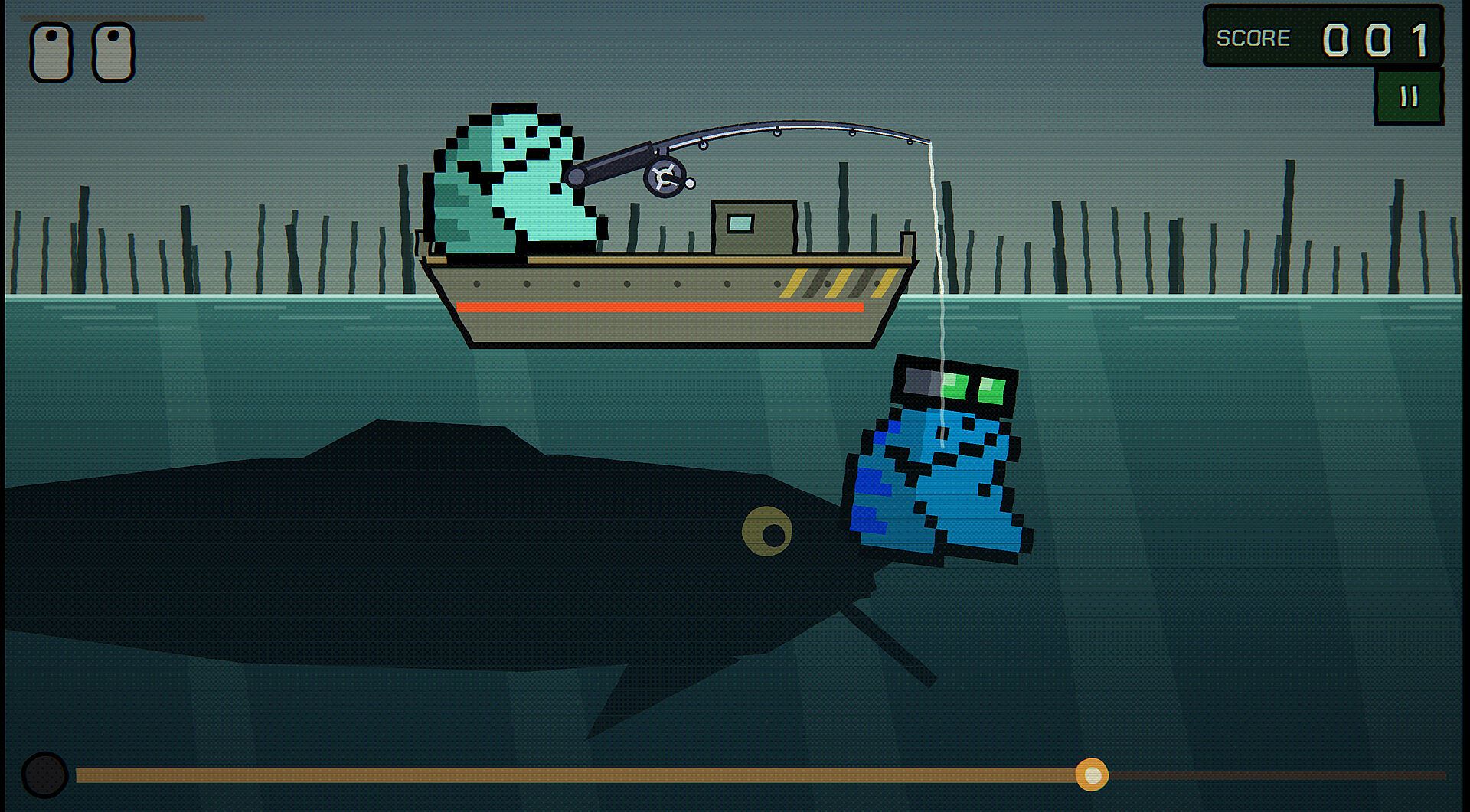
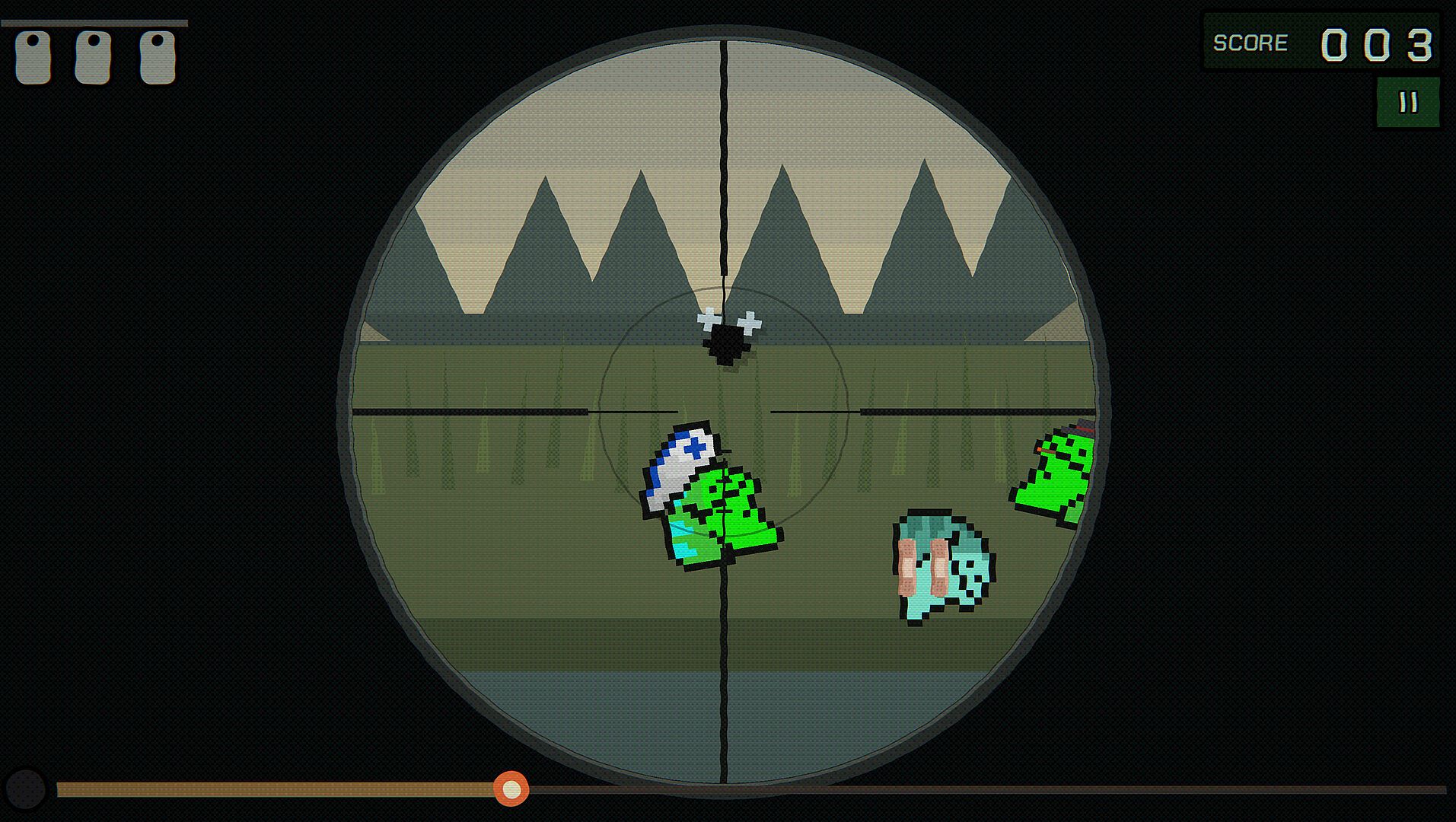
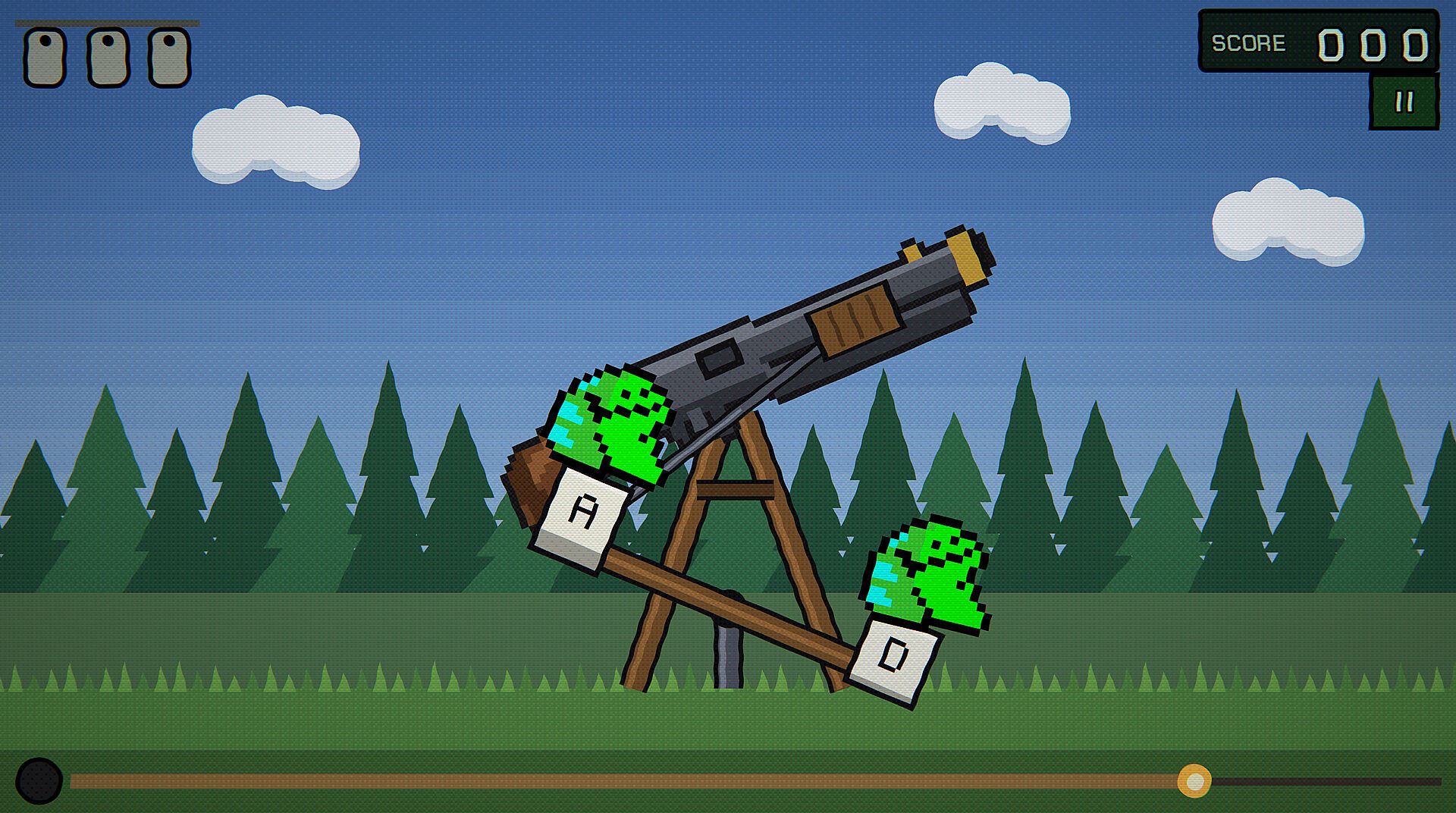
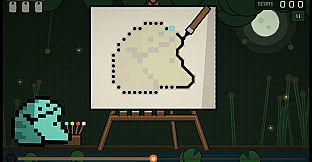
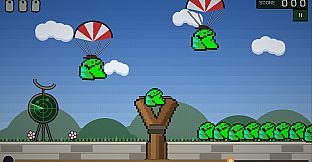
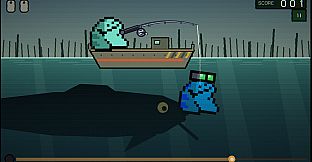
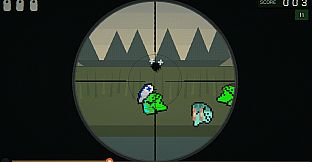
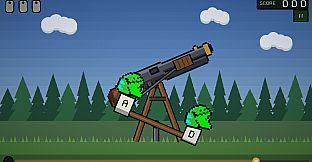
Guns That Go Ribbit! is an action indie casual game on PC that puts players in the role of a frog soldier navigating a chaotic war through quick reaction microgames.
Gameplay
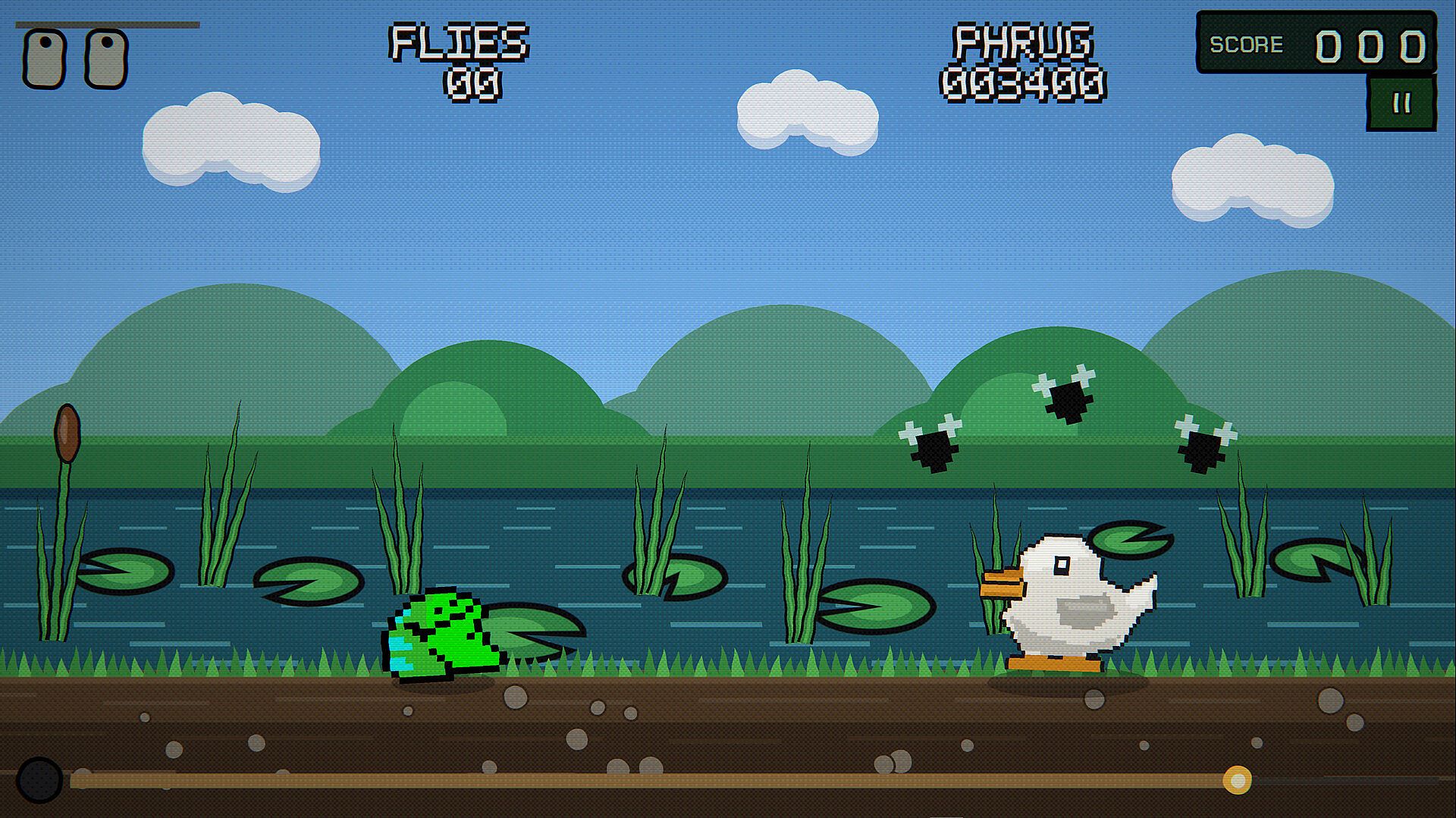
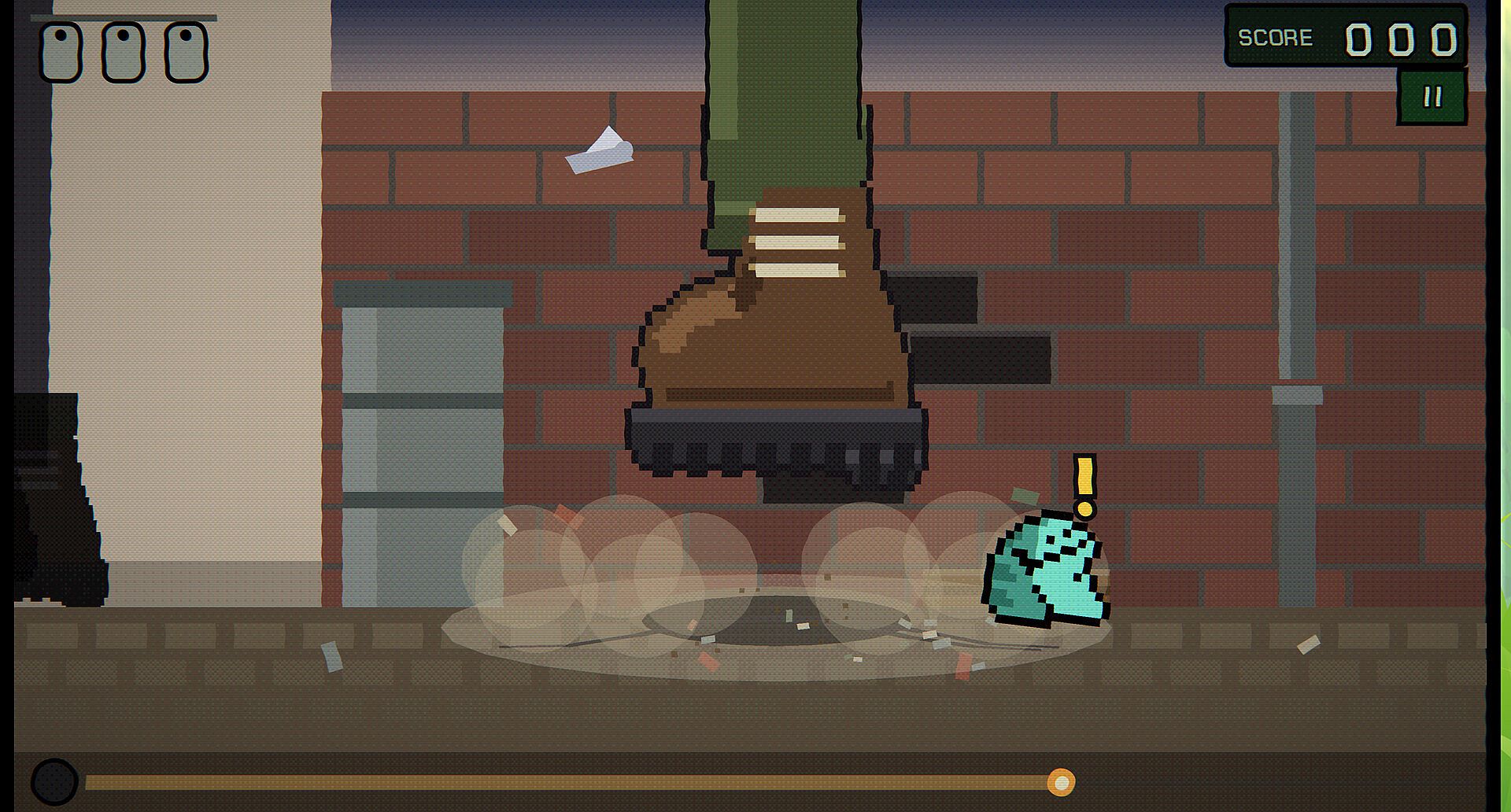
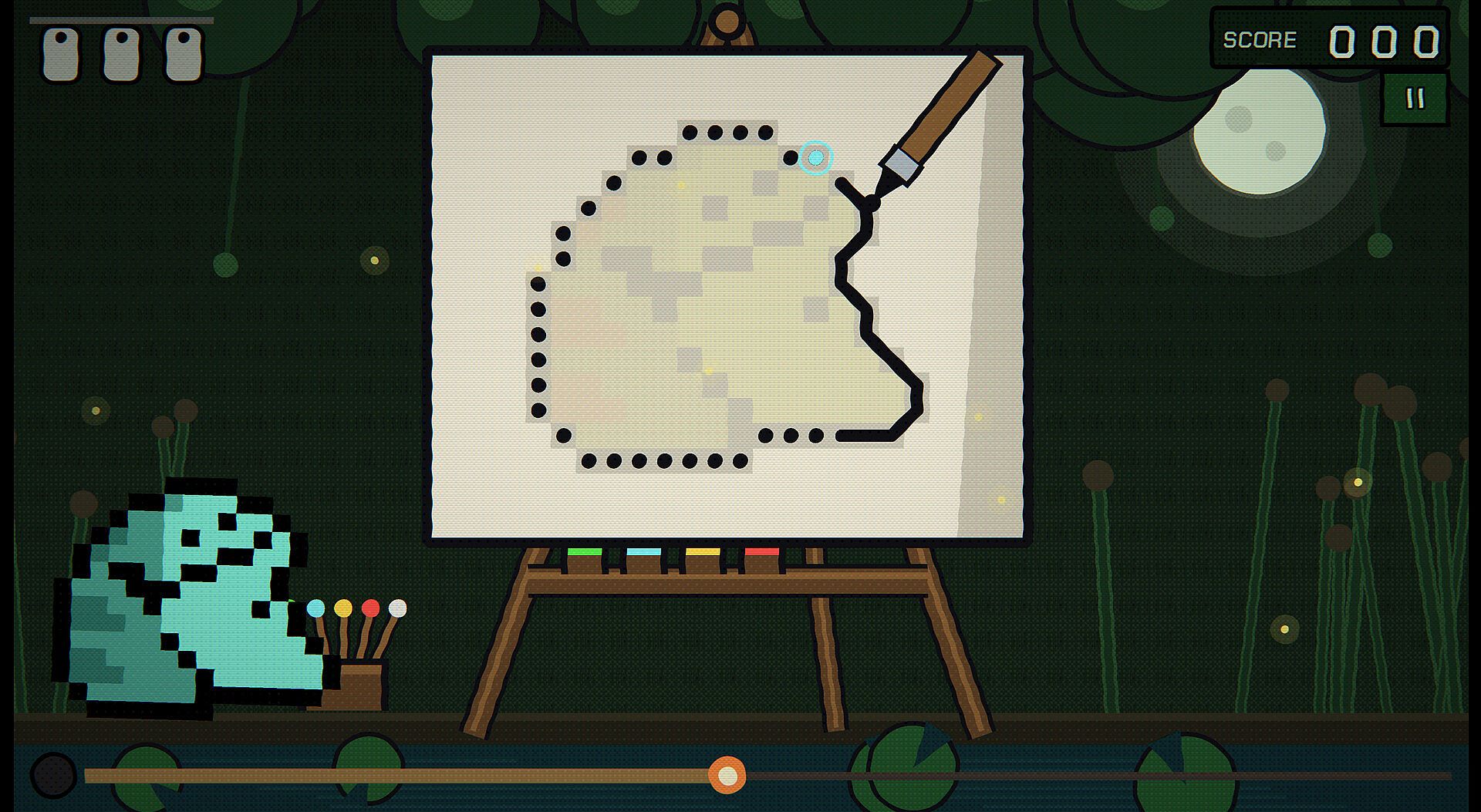
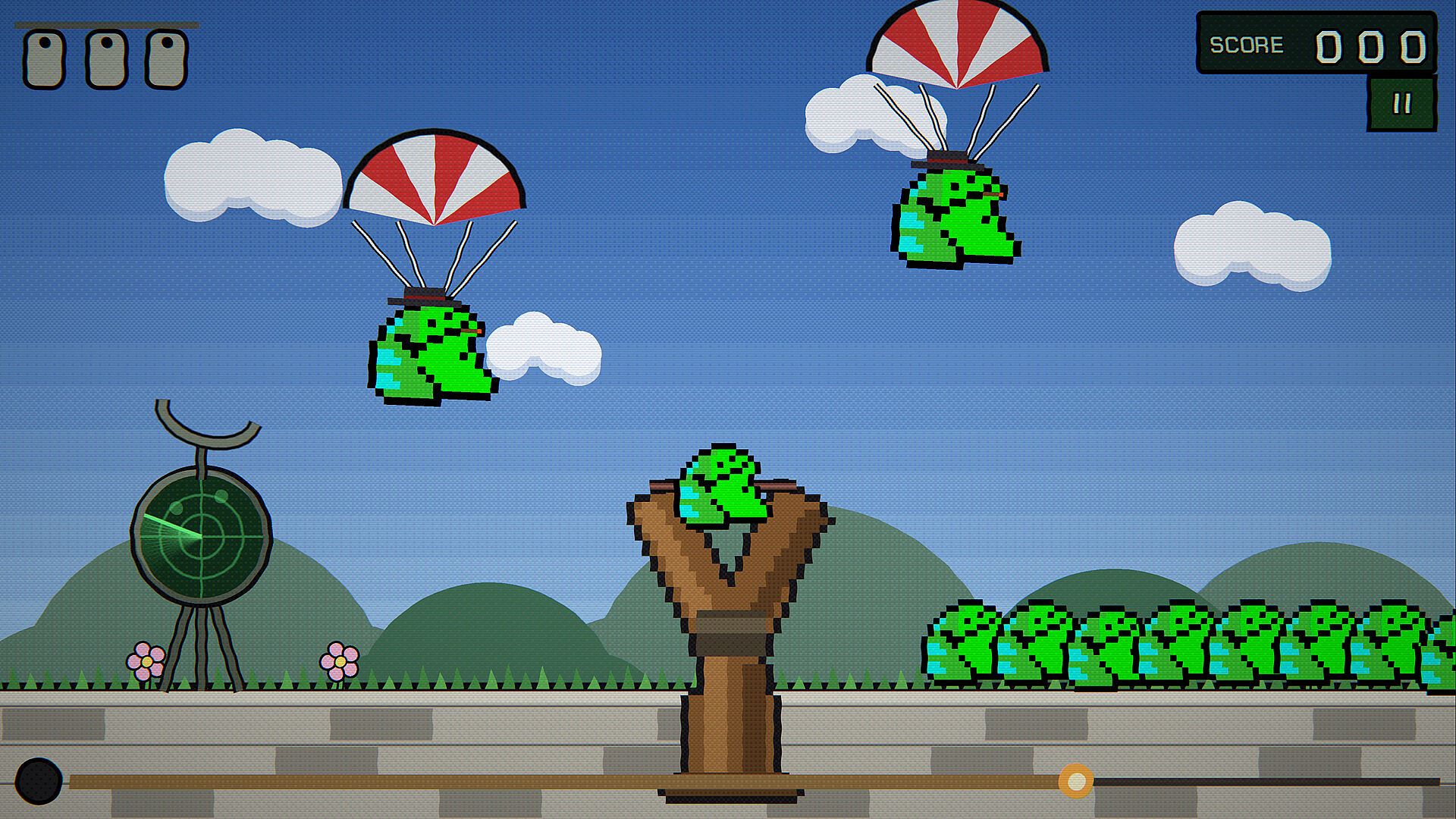
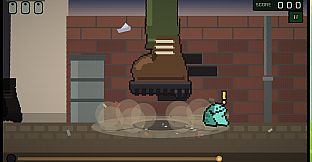
The core loop revolves around short bursts of action where orders flash on screen for just a few seconds. Commands such as CATCH, RELOAD, and DON'T SHOOT require immediate interpretation and execution. Success keeps the platoon moving forward while mistakes draw attention from the entire group. Each microgame builds around one primary command yet varies in layout and setup on repeat plays, preventing rote memorization from carrying players through later stages. Speed increases steadily, shrinking the window for reading, deciding, and acting. Boss encounters interrupt the flow with larger challenges that test the same reflexes under greater pressure. Failure sequences receive equal focus to victories, often producing humorous outcomes that encourage players to experiment with mistakes rather than avoid them entirely.
Game Modes
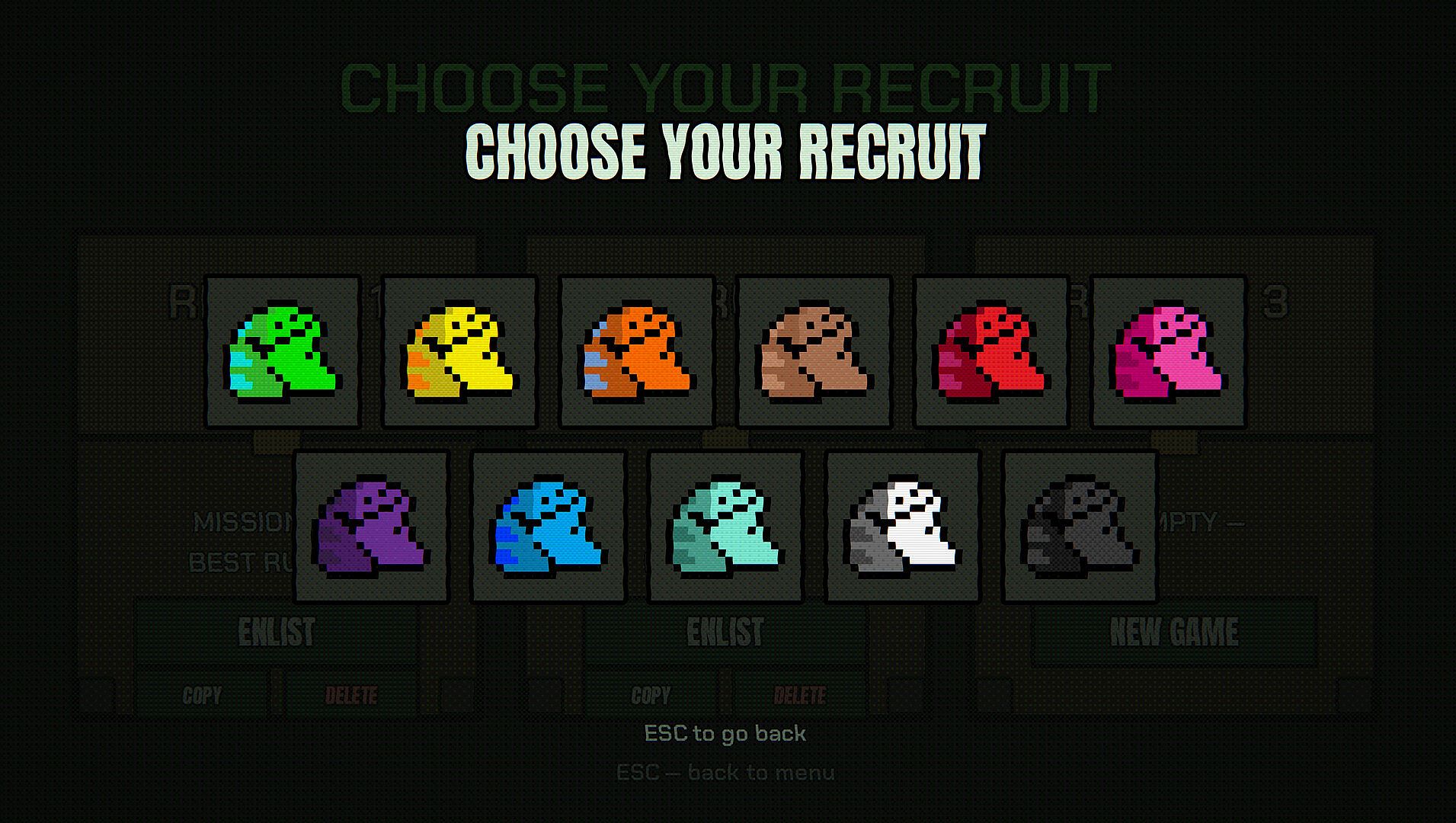
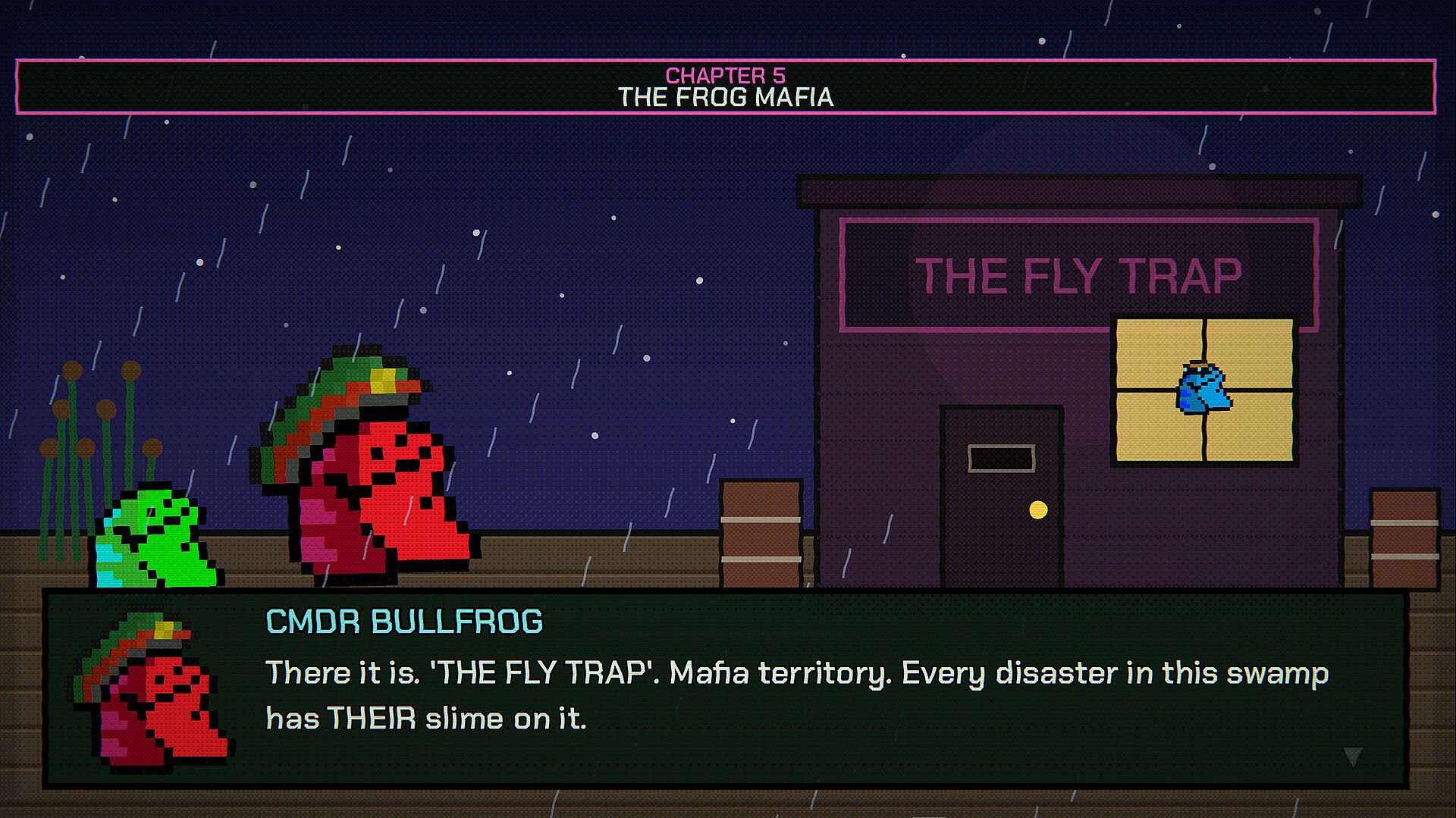
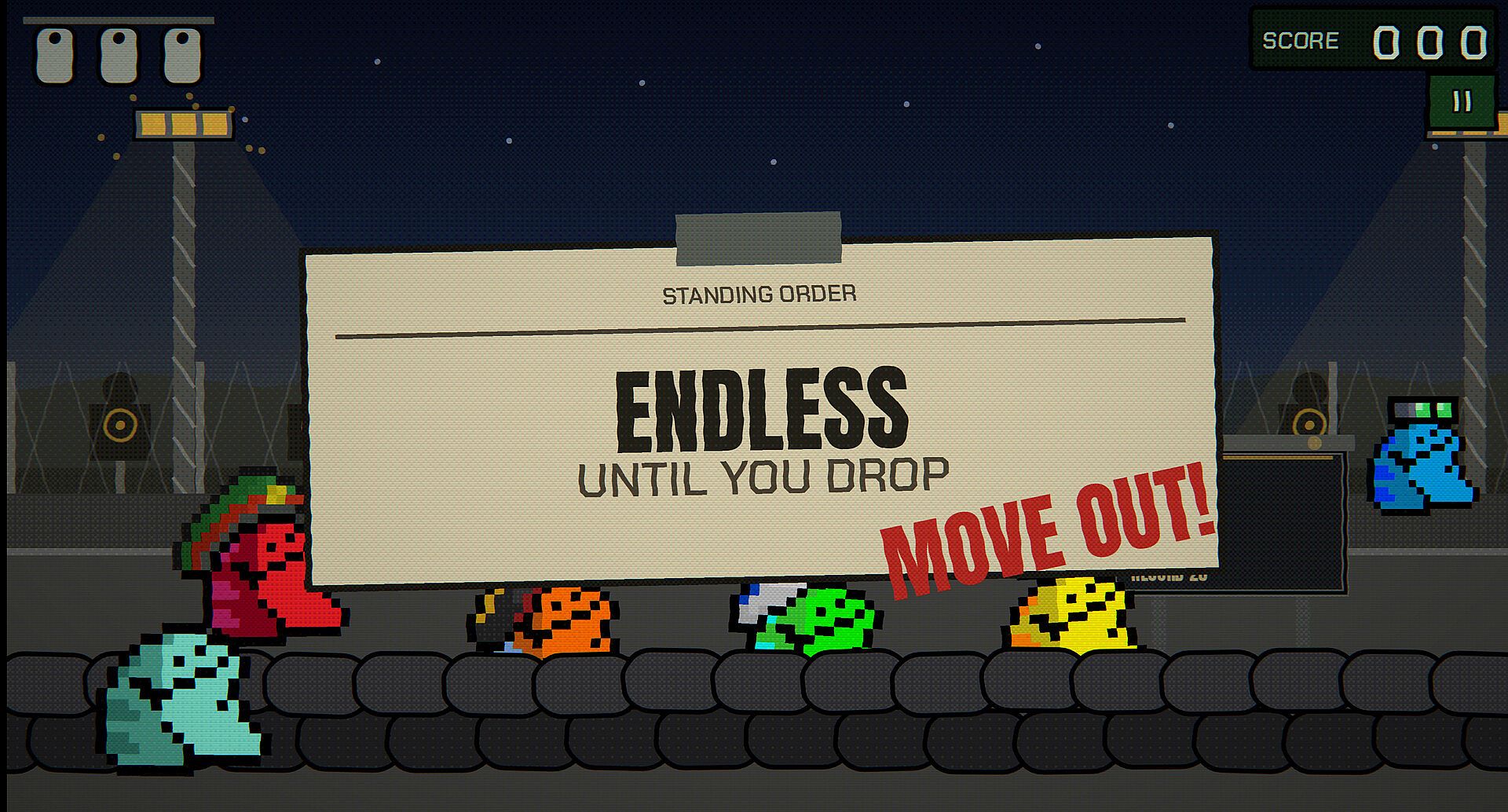
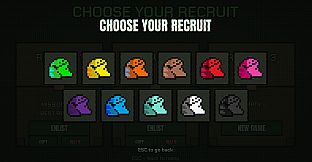
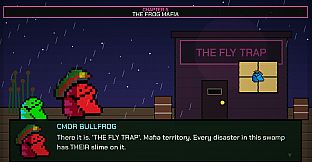
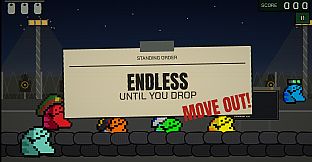
A structured campaign follows the frog war across a war room map that tracks progress toward a complete ending. Between waves of microgames, players encounter boss fights that escalate the difficulty. Endless mode strips away the campaign structure and challenges players to survive as long as possible while the pace accelerates without pause. Multiple save slots support different colored recruits, allowing separate runs to track individual progress without overwriting earlier attempts. The design emphasizes single player sessions that reward both precise timing and a willingness to observe what happens on the losing side of each command.
Core Mechanics and Progression
Every microgame centers on reading the order quickly and performing the correct action before time expires. Layouts shift slightly on subsequent appearances, introducing small changes that force fresh attention each time. The increasing tempo means early stages allow more breathing room while later ones demand near instantaneous responses. Boss fights insert larger set pieces that combine multiple command types or add new layers of complexity. The war room map provides a visual overview of campaign advancement, guiding players through the sequence of encounters toward the finale. Endless mode removes that structure and focuses purely on endurance as reaction windows tighten continuously.
Who the Game Appeals To
Players who enjoy short, repeatable challenges with a humorous edge will find the format engaging. The mix of action and casual pacing suits sessions that last only a few minutes or stretch into longer attempts at high scores in endless mode. Those drawn to indie titles that blend quick reflexes with comedic failure states will appreciate how losing sequences receive detailed attention rather than simple resets. The single player focus keeps the experience self contained without requiring coordination with others.
Is It Worth Playing?
The game delivers consistent tension through its five second command windows and the steady rise in speed. Campaign structure gives a clear path with an ending while endless mode provides an open ended test of reflexes. Multiple save slots and varied recruit colors add light replay value without complicating the core loop. The emphasis on both successful and failed outcomes creates memorable moments that stand out from typical action games. For anyone seeking a focused indie experience built around rapid decision making and lighthearted consequences, the title offers a distinctive approach that rewards attention and adaptability.












