




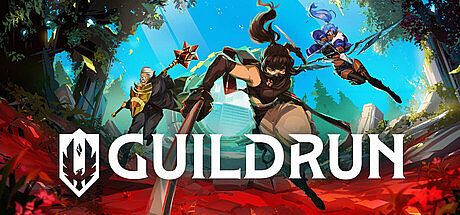



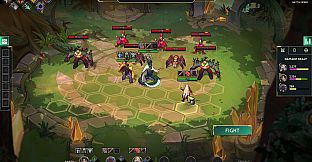

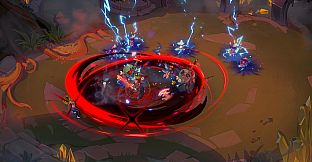
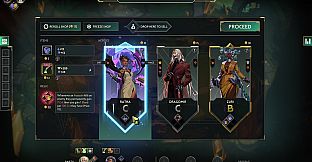
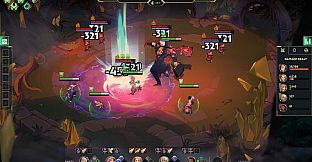
Guildrun is a single-player action strategy indie game that blends roguelike progression with auto-battler combat on PC. Players assemble teams of heroes to close mysterious rifts that have appeared in cities worldwide, focusing on deep customization and adaptive strategies rather than competitive matchmaking.
Gameplay
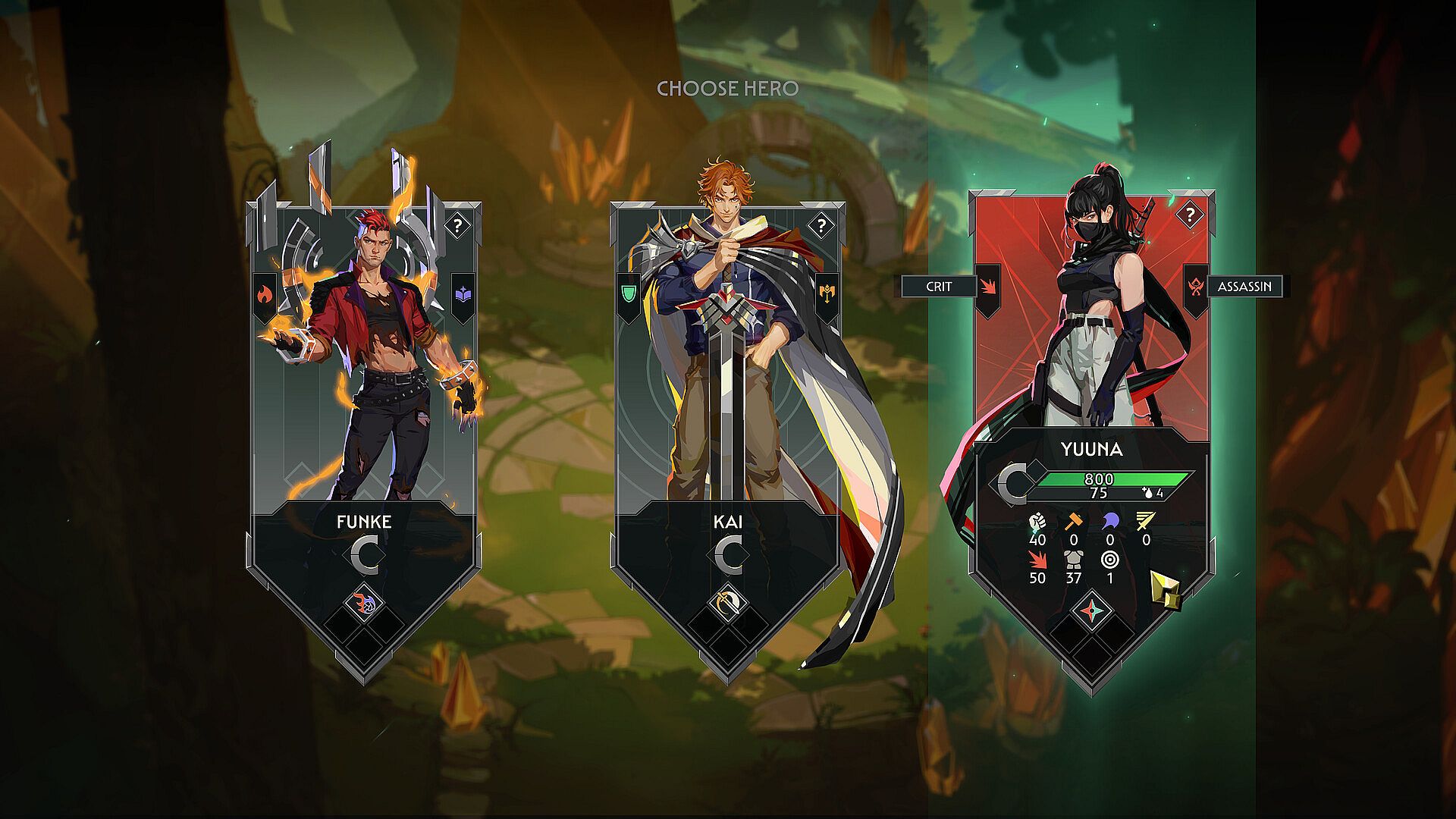
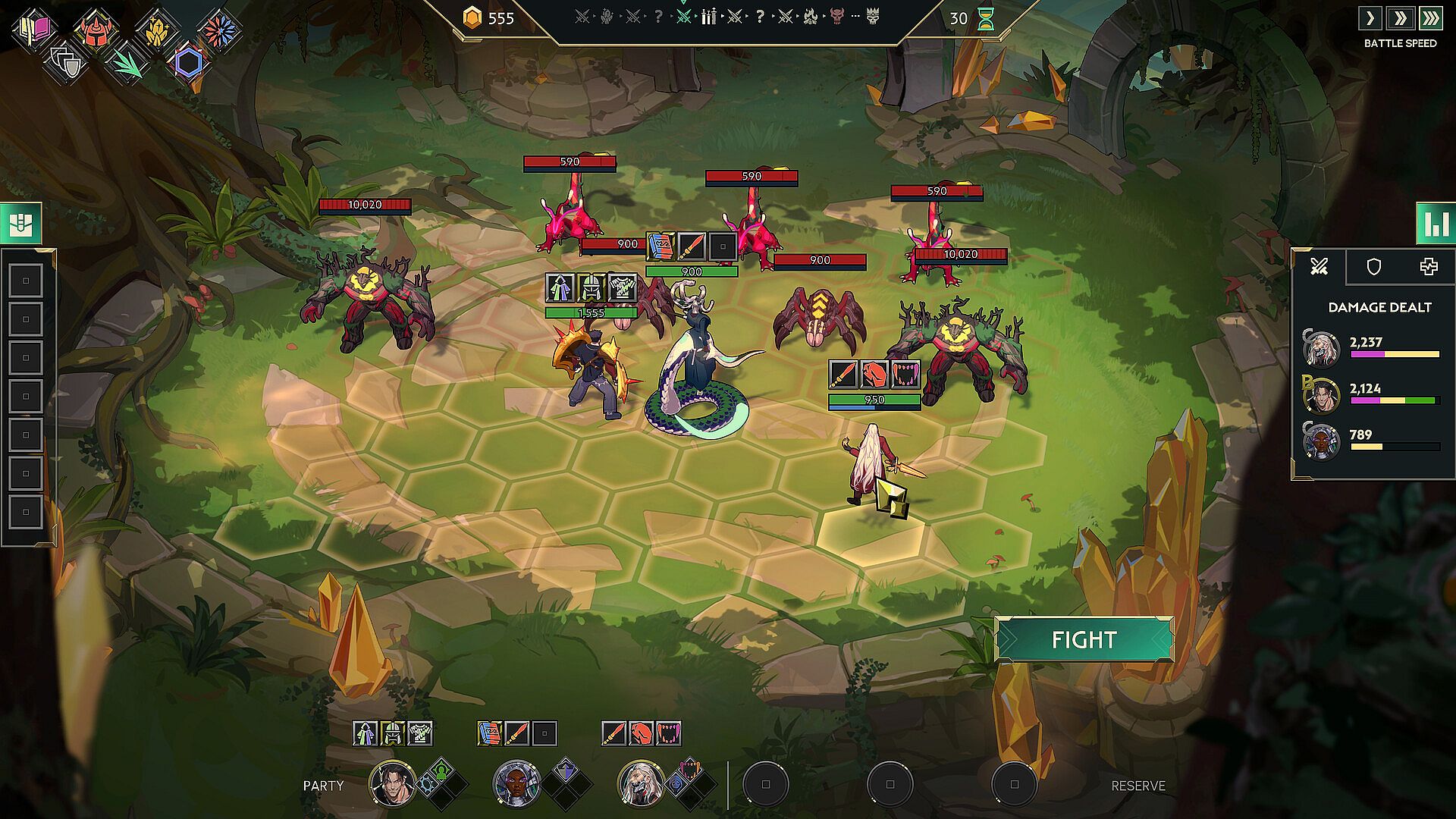
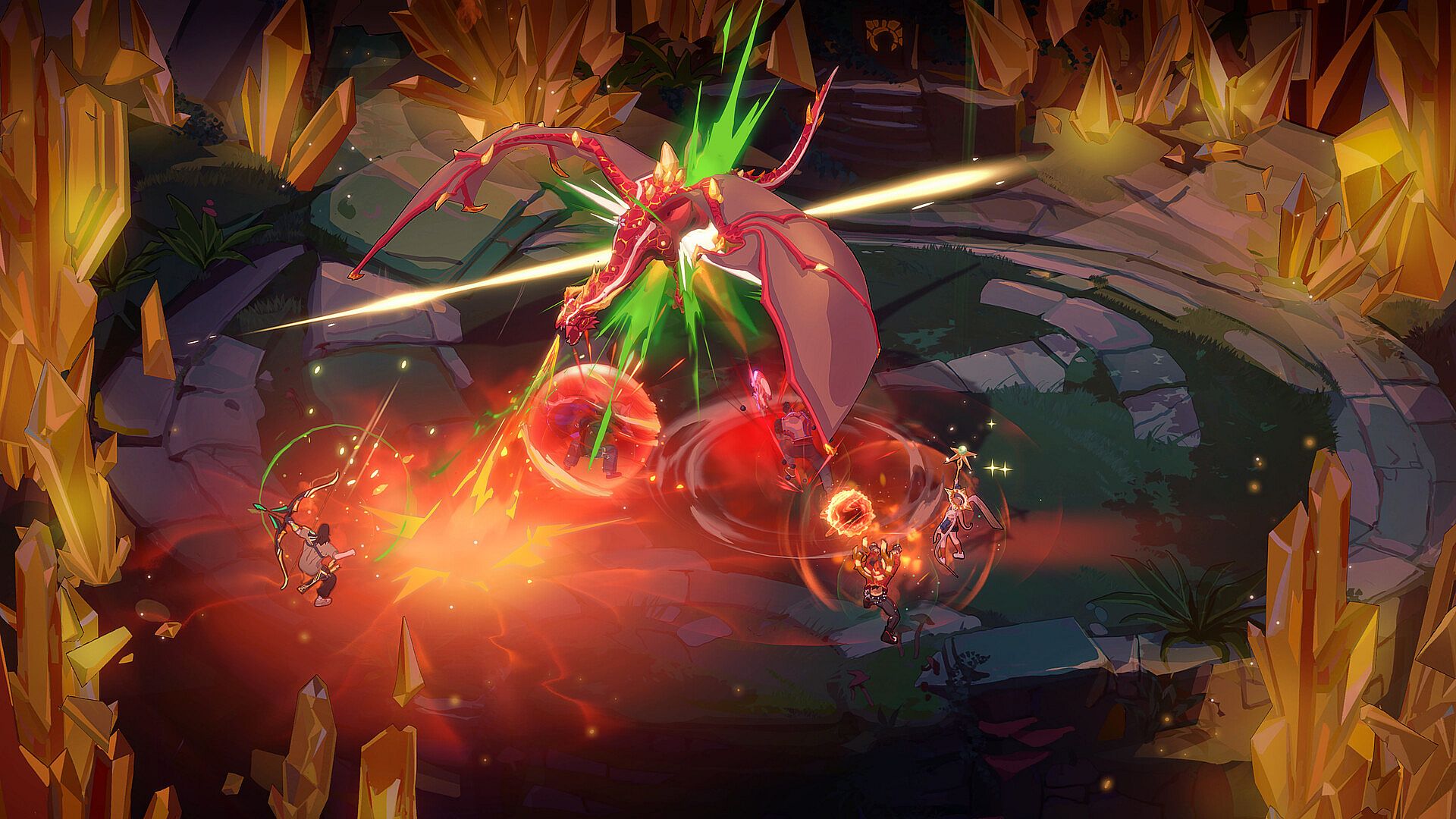
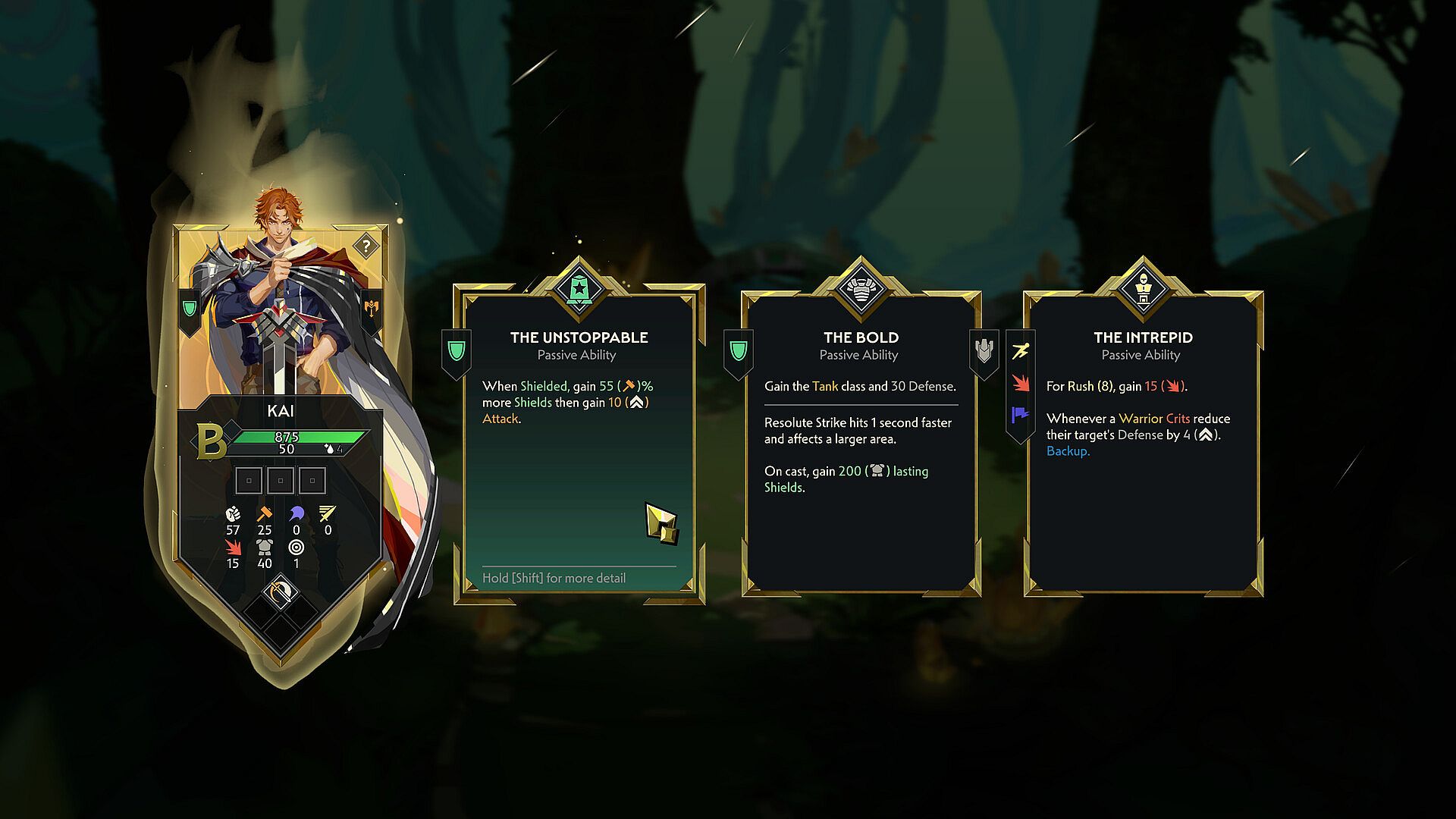
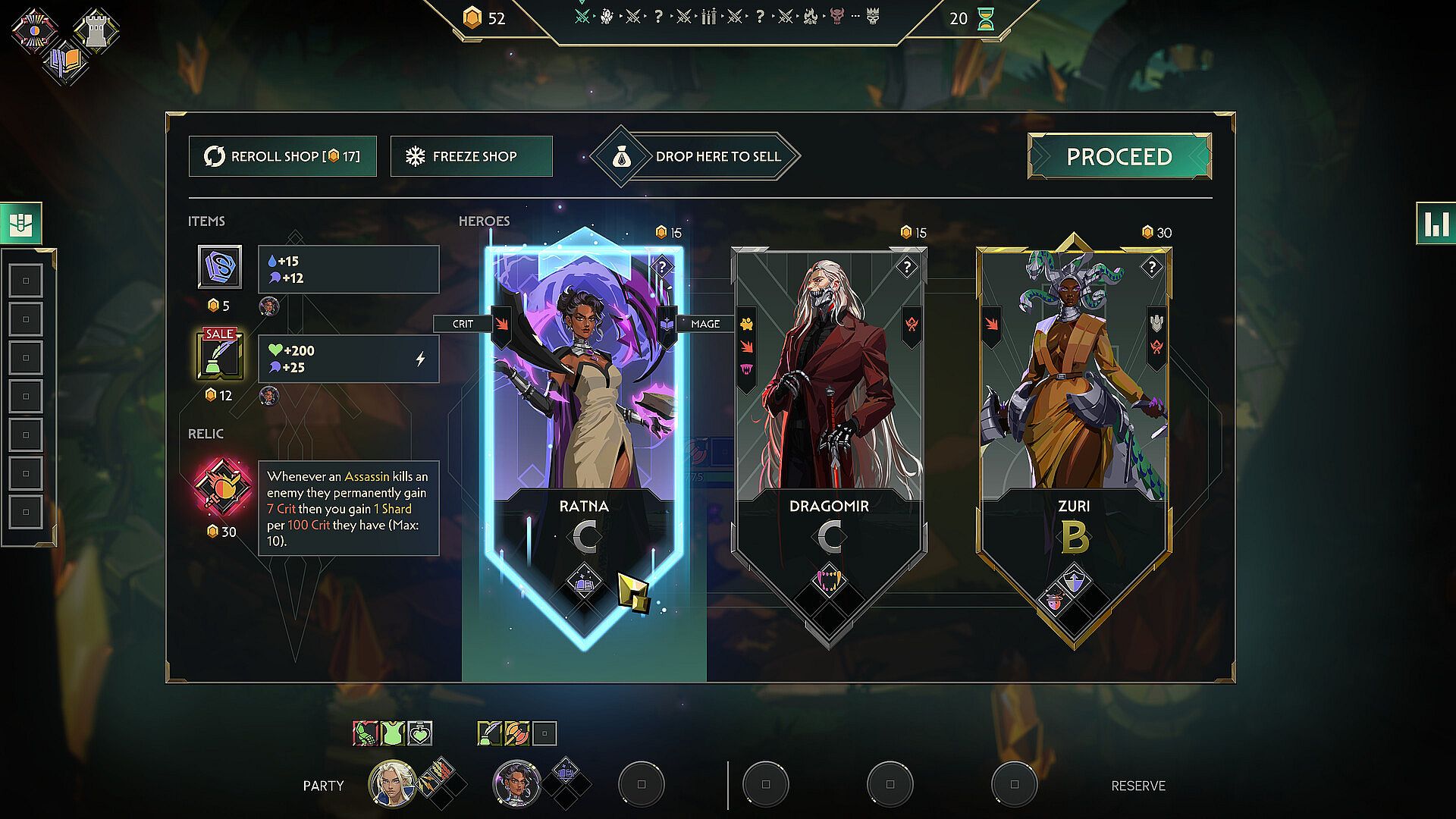
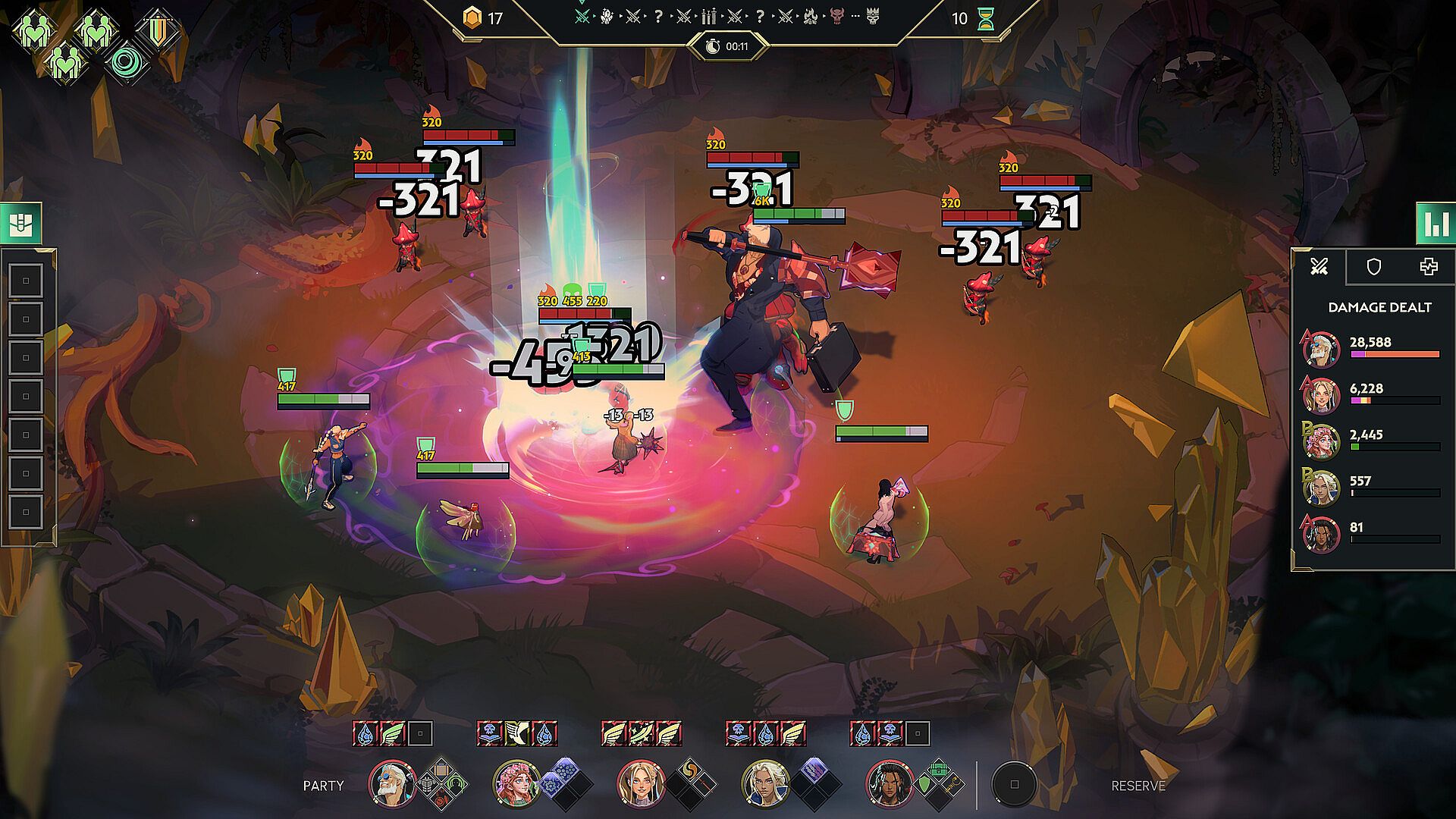
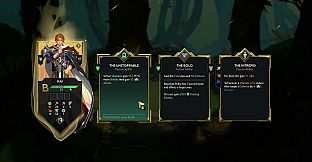
Core gameplay centers on drafting and refining a squad of heroes before each battle unfolds automatically. Heroes start with a class and basic ability, but players direct their growth through extensive specialization options that allow complete role shifts, such as converting a support character into a durable frontline presence or repositioning a ranged attacker into close-quarters combat. Pairing specific heroes unlocks additional scaling effects that reward thoughtful composition.
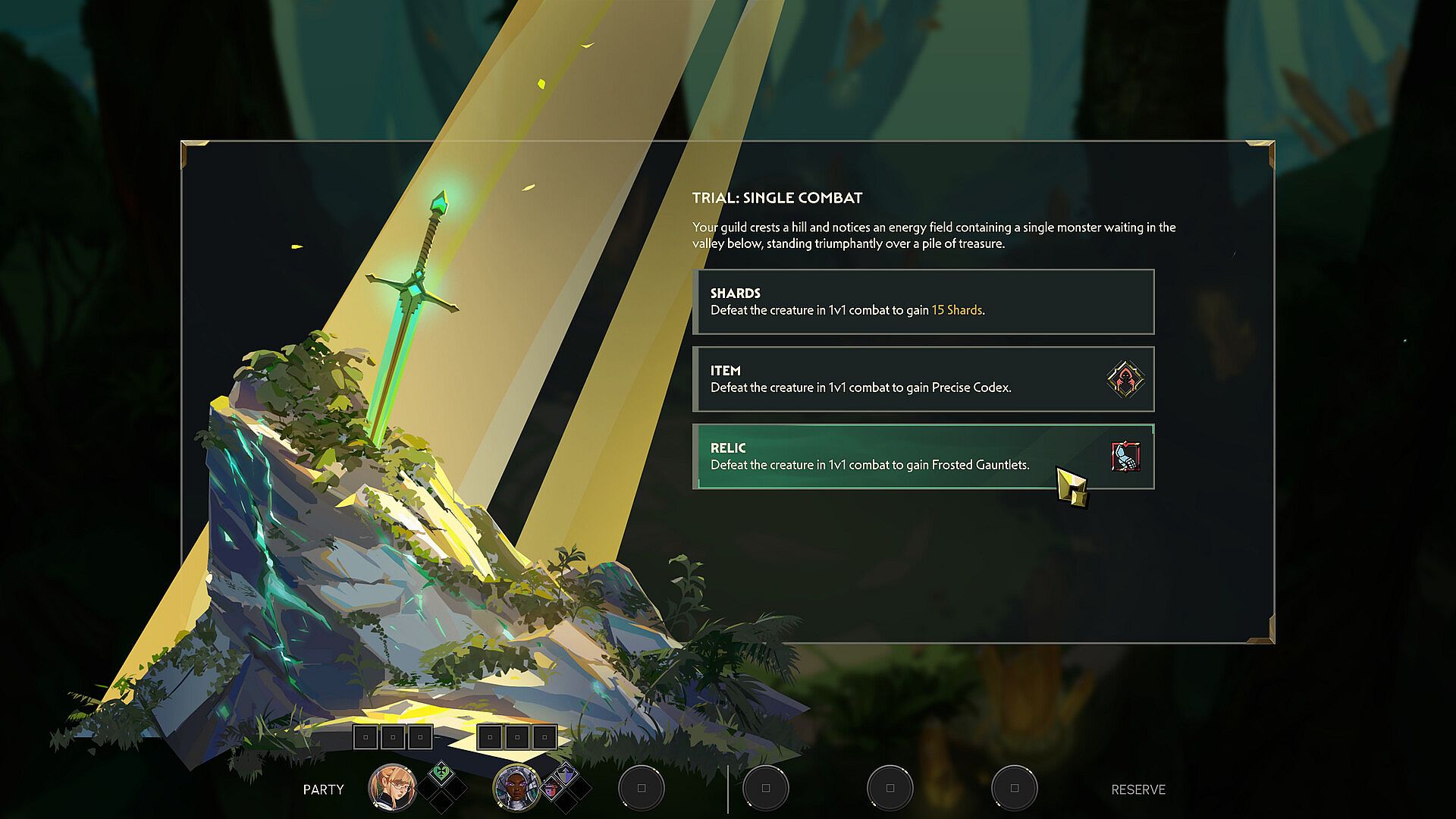
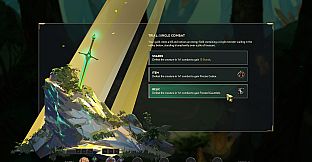
Items and relics add layers of synergy, letting players stack modifiers that amplify strengths or cover weaknesses across multiple runs. The system supports over 500 distinct upgrade paths per hero, encouraging experimentation without external pressure from player-versus-player balance. Runs adapt based on offered choices, turning each session into a fresh puzzle of resource allocation and team synergy.
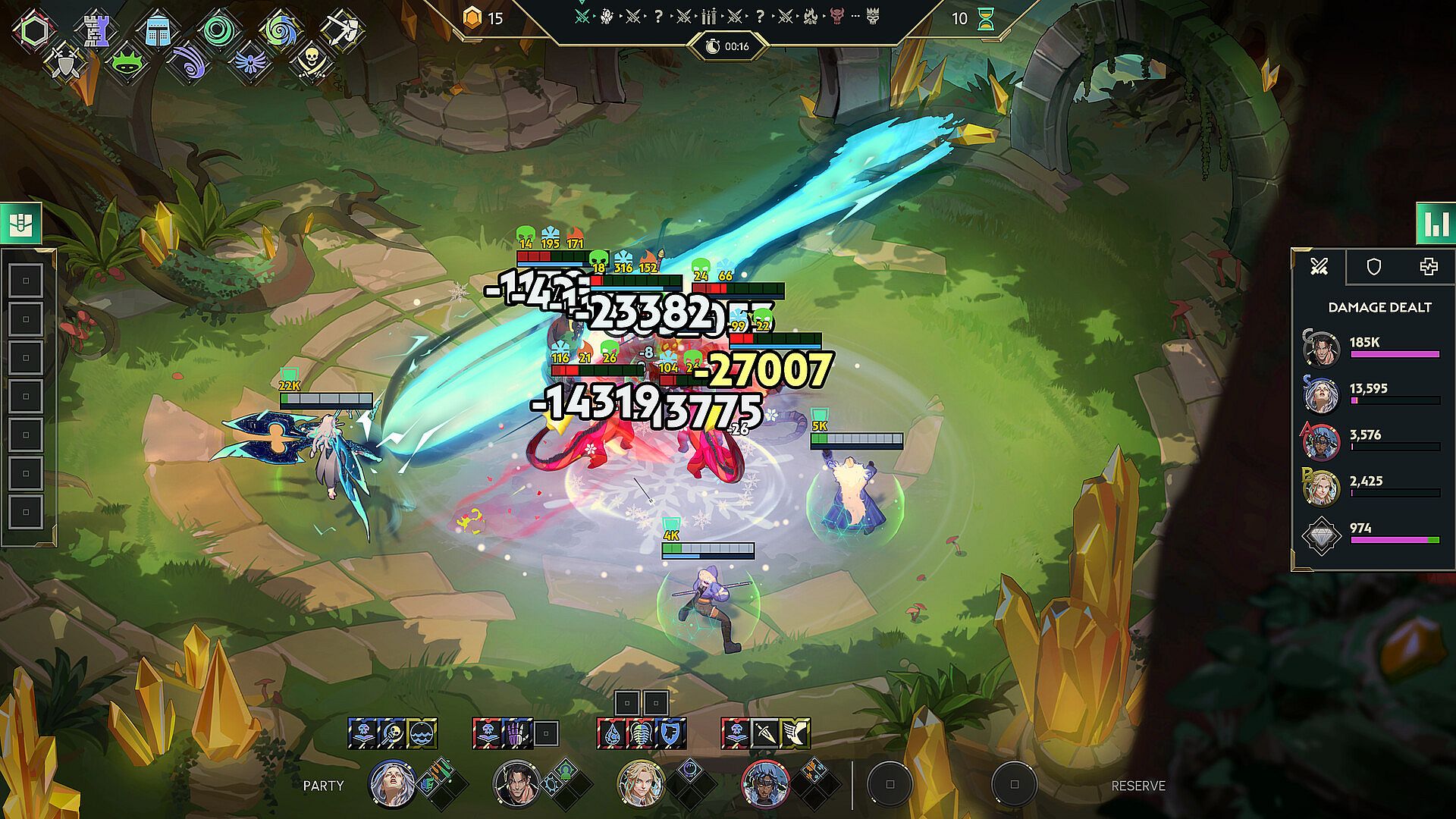
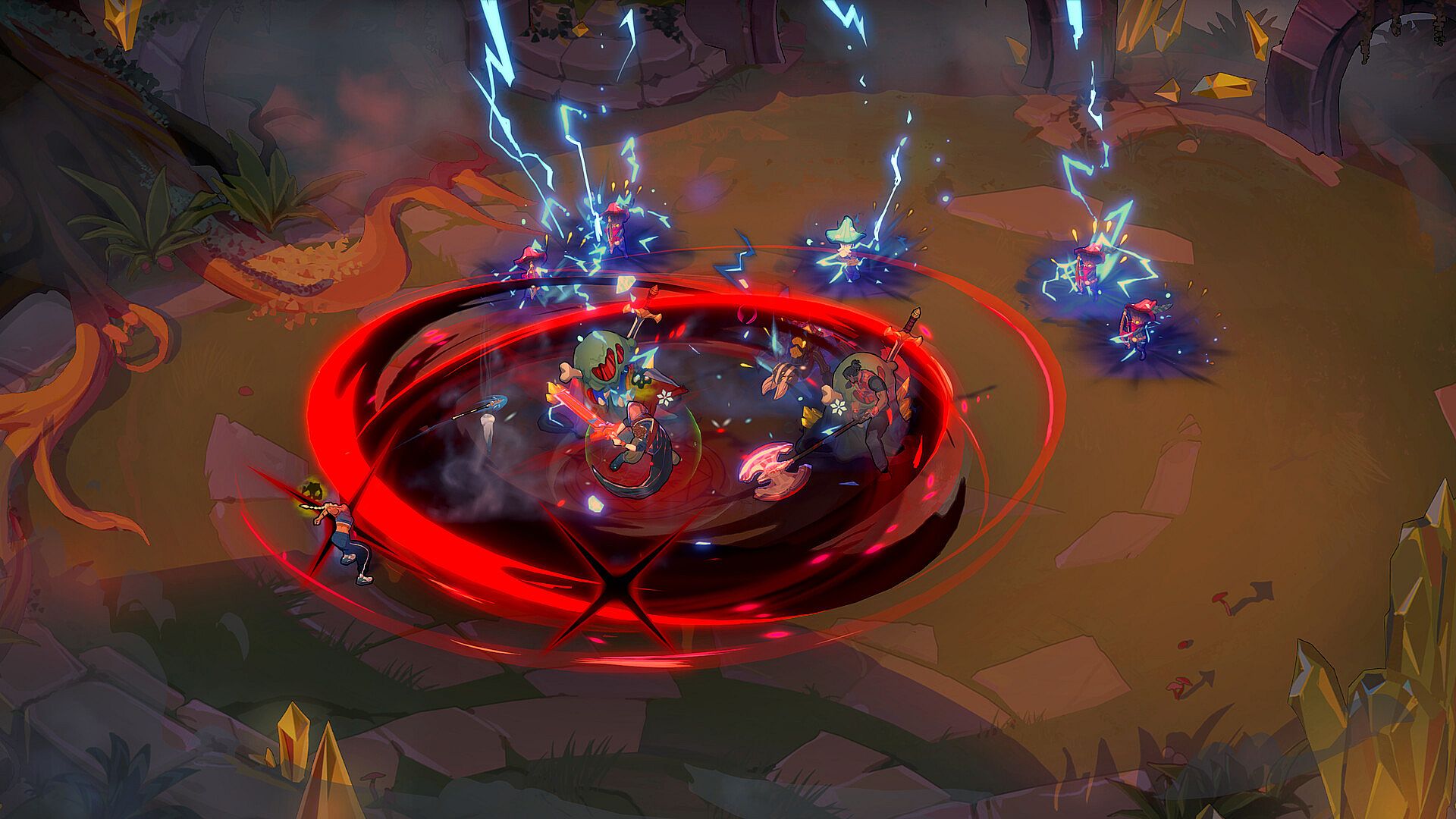
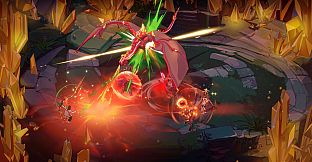
Progression happens through unlocks that carry forward, expanding the roster and available tools gradually. Battles emphasize preparation over real-time control, with combat resolving on its own once teams are set. This structure suits players who enjoy theorycrafting builds in advance and adjusting plans when new options appear mid-run.
Game Modes
The primary experience revolves around roguelike runs where success advances the player to higher challenges. Eight escalating difficulties introduce stacked modifiers that alter enemy behavior and available rewards, demanding tighter builds and better adaptation with each step. Completing a run at one level opens the next, creating a clear ladder of increasing complexity.
Endless mode extends the loop for those seeking extended sessions and leaderboard competition. Here, players chase higher scores by surviving as long as possible against continually intensifying waves, using the same hero customization tools to push limits. No timers or queues interrupt the flow, allowing players to pause, save, and resume at their convenience.
All modes remain strictly player-versus-environment, with no multiplayer elements forcing specific strategies. The focus stays on personal optimization and discovery across repeated attempts.
Progression and Customization
Unlocks occur run by run, gradually revealing additional heroes, specializations, relics, and items. The demo alone includes 25 heroes, 180 specializations, over 300 relics, and more than 100 items, providing substantial variety from the start. Each hero supports multiple spec paths that stack modifiers across classes, enabling hybrid builds that break traditional role boundaries.
Weekly updates have kept the experience evolving since the alpha launch earlier in the year, with the development team incorporating community feedback to refine mechanics and expand options. This ongoing support maintains freshness for players returning across multiple sessions.
Is It Worth Playing?
Guildrun appeals to fans of strategic roguelikes and auto-battlers who value build freedom and solo pacing over fast matches or social competition. The emphasis on mid-run pivots and extensive customization creates high replayability without repetitive meta constraints.
Players who enjoy methodical team assembly and incremental power growth will find the difficulty progression rewarding, especially in Endless mode where global leaderboards add a competitive edge to personal runs. The absence of time pressure and the ability to save progress make it accessible for varied schedules.
With a demo available that showcases the core systems, interested players can test the depth of hero shaping and relic combinations before committing. Active development through frequent patches suggests continued refinement and new content ahead. Those drawn to single-player strategy experiences centered on experimentation rather than reaction will likely appreciate the focused design.











