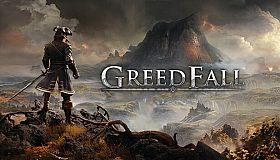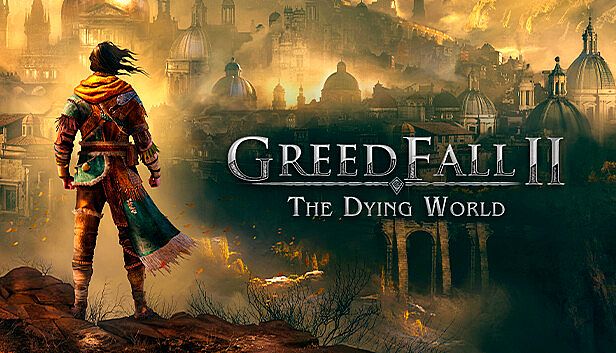
















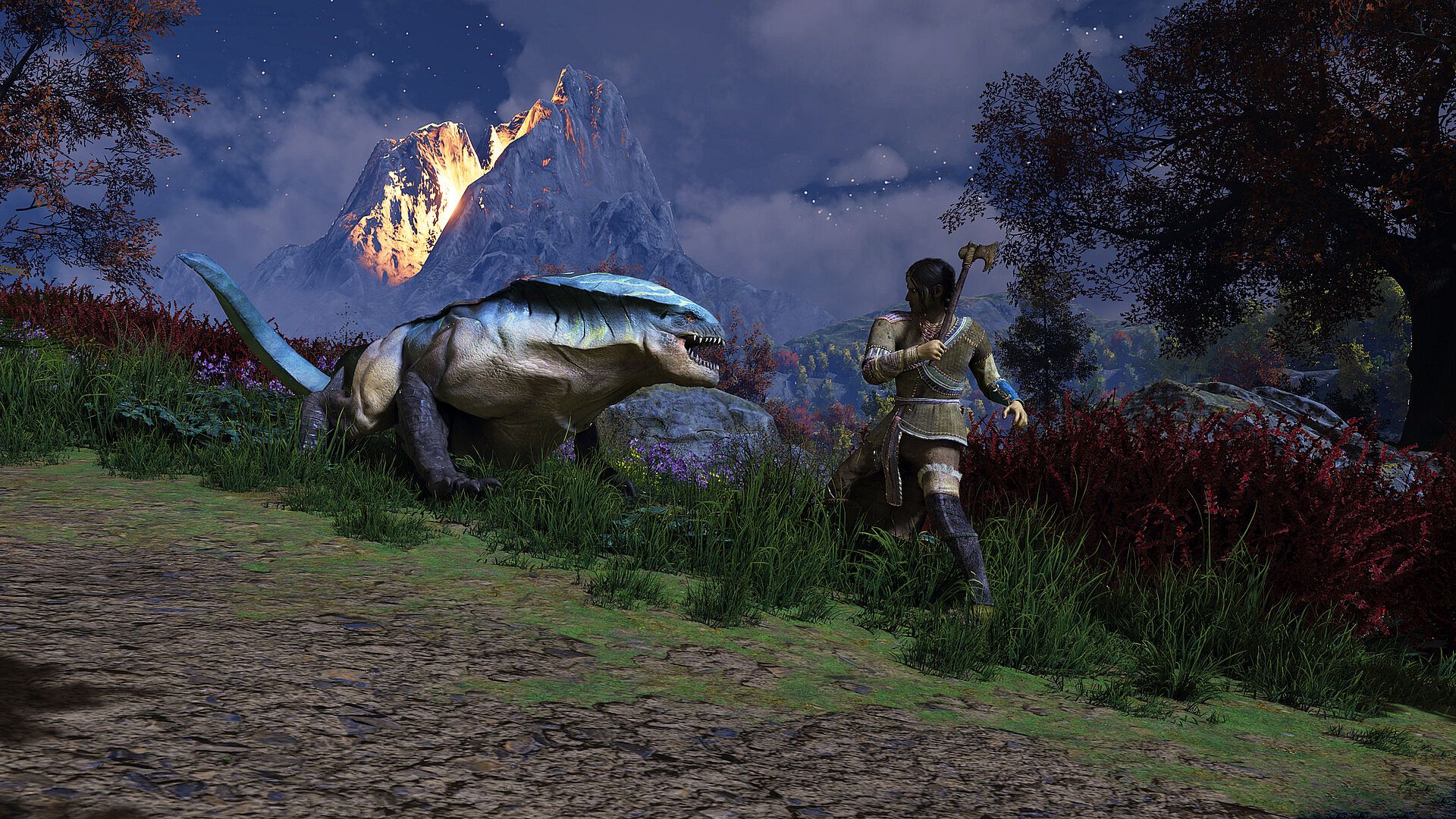

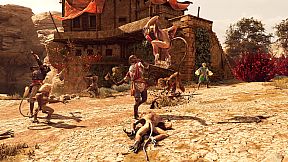
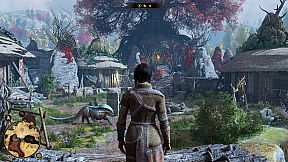
GreedFall: The Dying World is a narrative-driven action RPG set in a vast fantasy world inspired by 17th century Europe. Players create a custom character with choices for appearance, attributes, talents, and abilities before embarking on a story that emphasizes personal decisions and their lasting effects on events and relationships. The game places heavy focus on exploration across the continent of Gacane, where diplomacy, crafting, and stealth offer alternatives to direct confrontation in many situations.
Gameplay
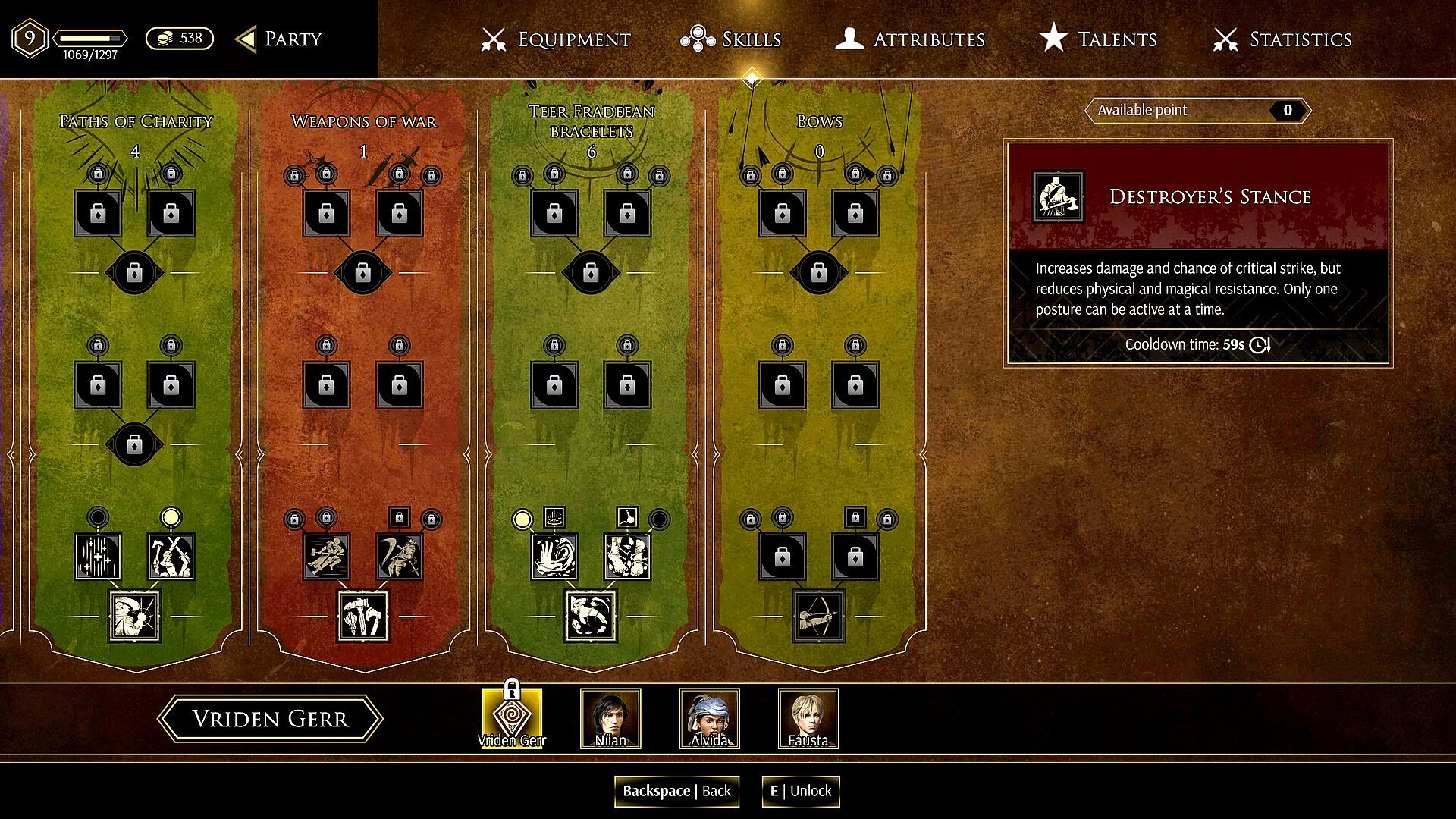
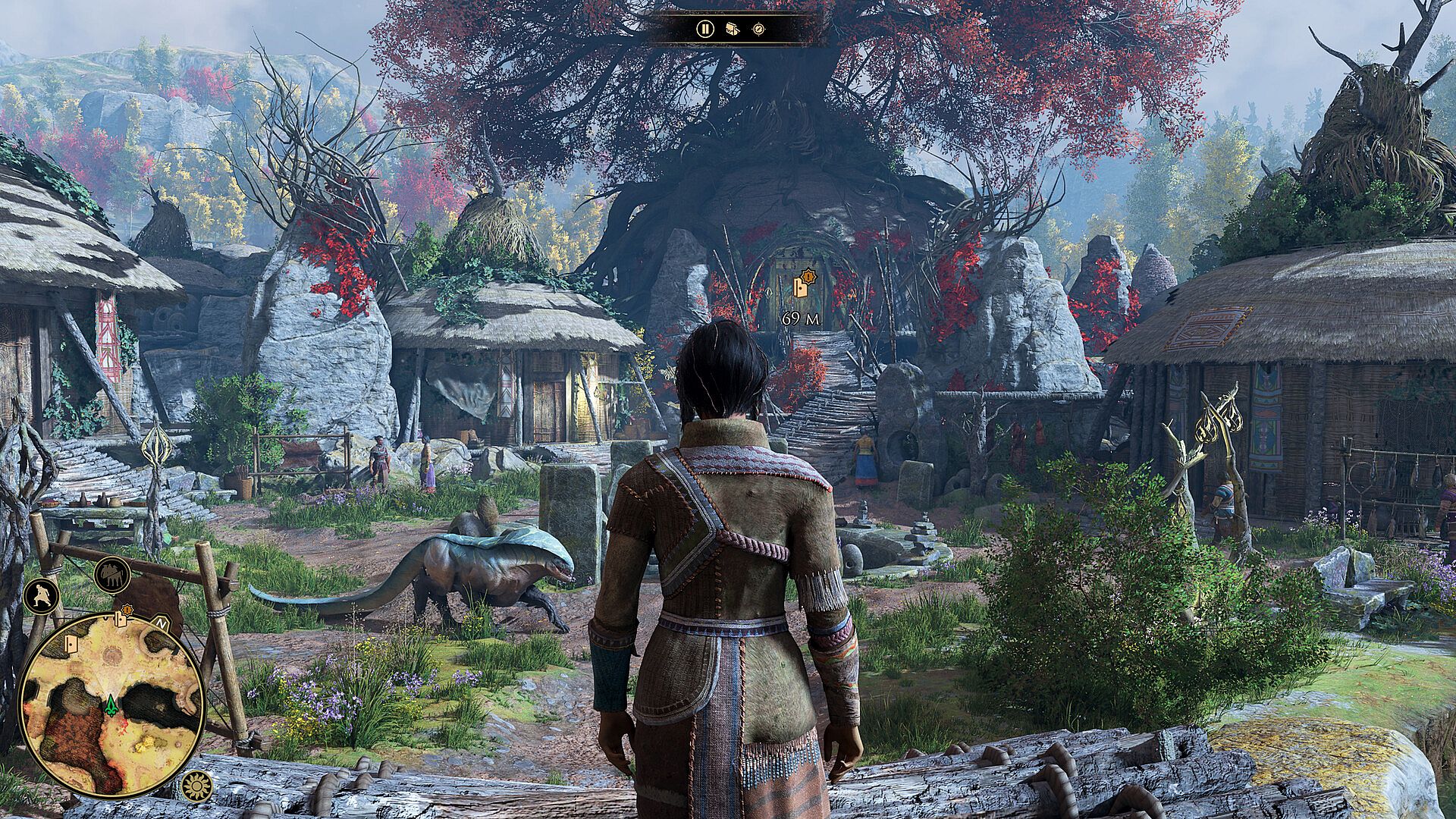
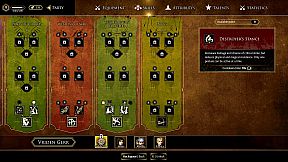
Character progression centers on building a versatile hero through attribute points and talent selections that shape both combat effectiveness and dialogue options. Exploration takes players across diverse regions including the scientific hub of Olima, the port city of Uxantis, and the ruin-lined paths of Thynea. A ship called the Constanzia serves as a mobile base for travel and operations once acquired.
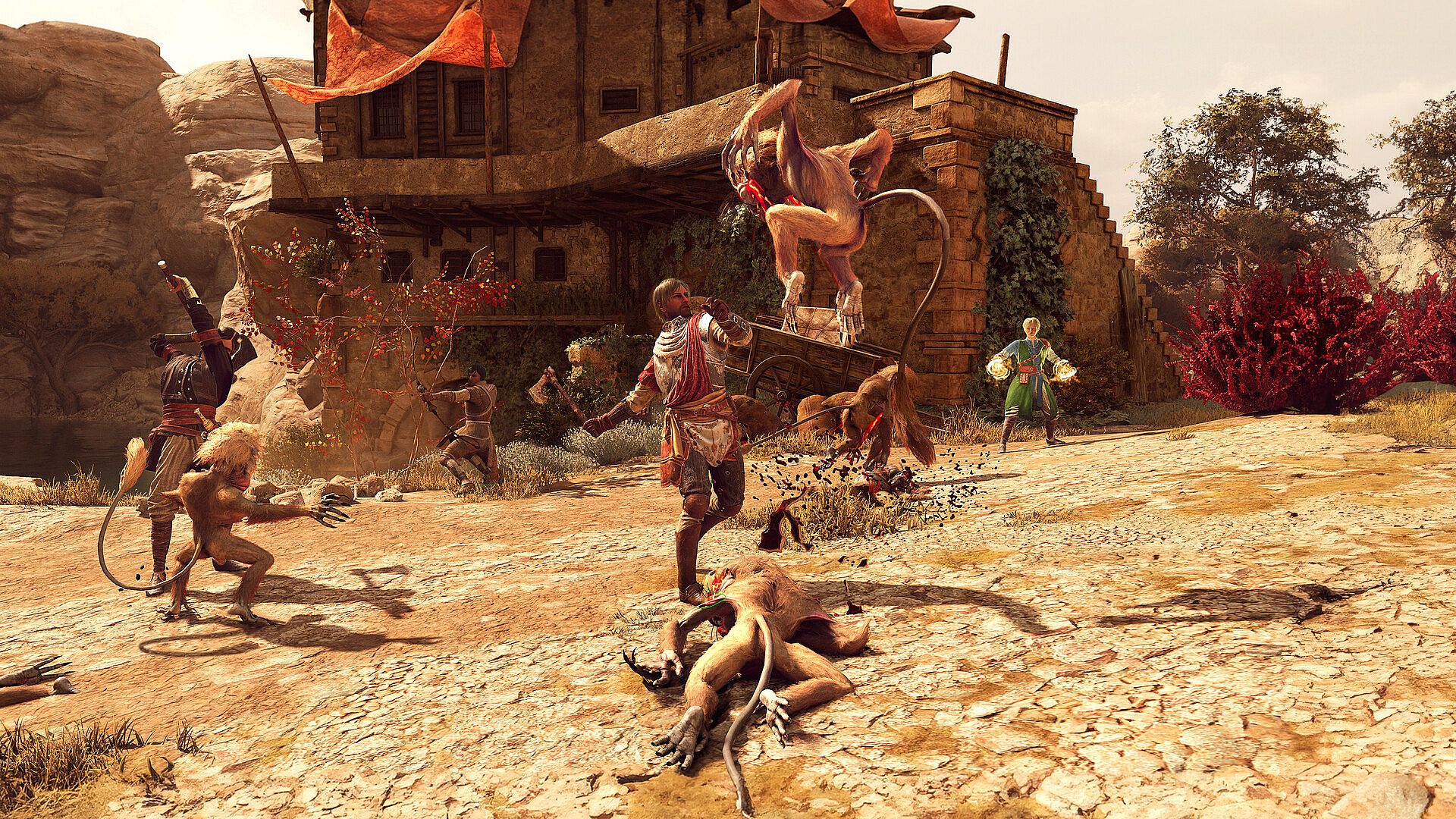
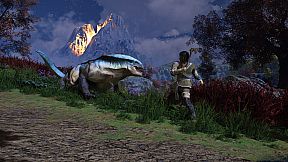
Combat unfolds in real time with an optional tactical pause that lets players issue commands, target weaknesses, and coordinate actions. Three combat profiles adjust the experience: Tactical mode grants full camera control and companion commands, Focused mode keeps attention on the player character while companions operate independently, and Hybrid mode balances the two approaches. Difficulty settings range from Story mode, which prioritizes narrative flow, to Tactician mode, which demands precise strategy against aggressive foes and dangerous creatures.
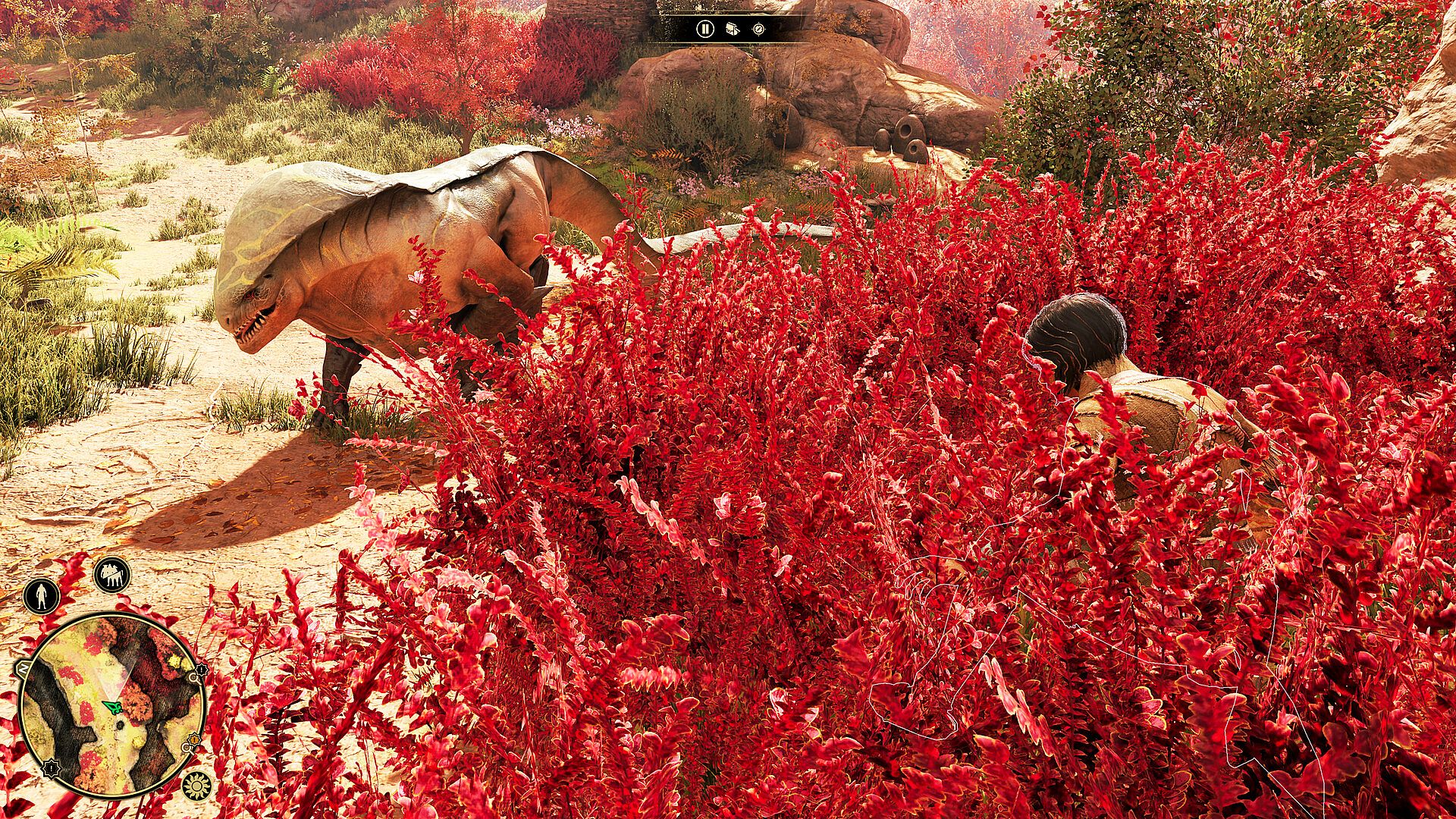
Non-combat systems include equipment crafting, lockpicking or disguise-based access to restricted areas, and persuasion checks during conversations. Hidden treasures and side paths reward thorough investigation of the environment.
Game Modes
The game operates primarily as a single-player experience with two main difficulty configurations. Story mode reduces combat pressure to allow uninterrupted focus on dialogue, exploration, and story branches. Tactician mode increases enemy aggression and requires careful use of the tactical pause system along with companion coordination.
Combat profile selection further customizes each playthrough without altering the core narrative structure. Players can switch profiles mid-game to match their preferred pace, whether they favor direct action or deliberate planning.
Story and Setting
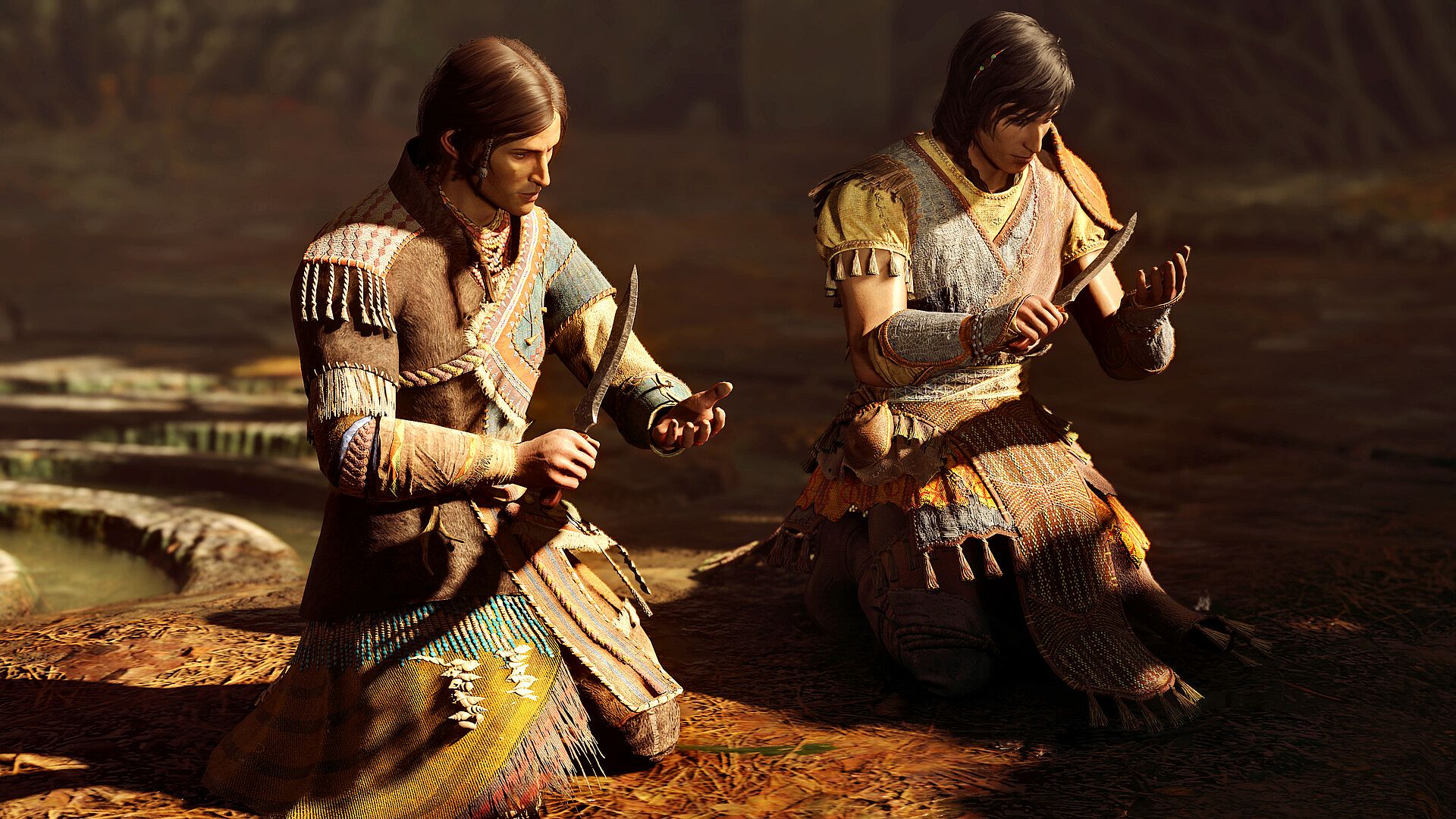
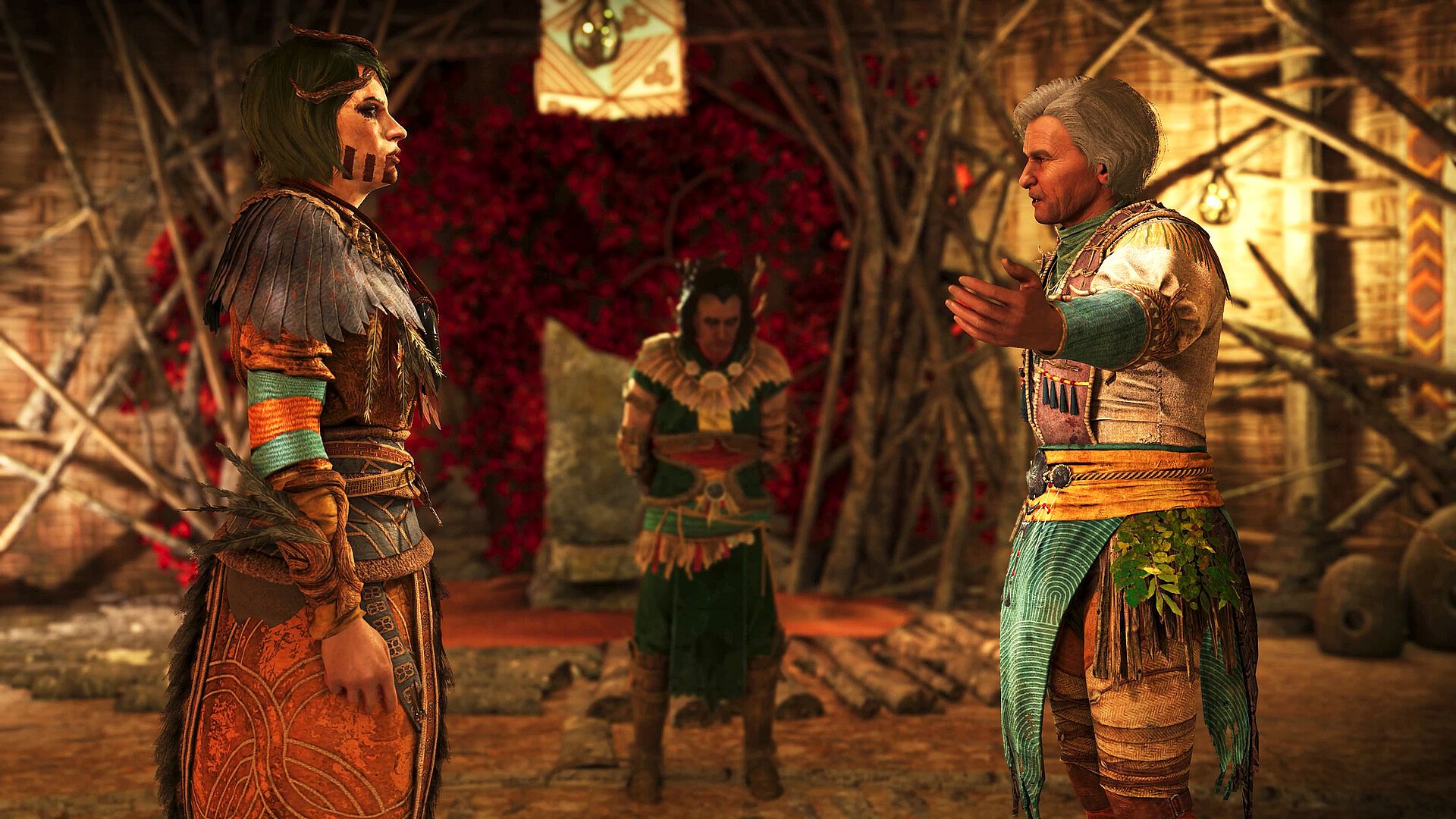
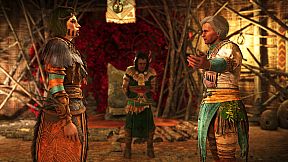
The events unfold three years before those of the original GreedFall, beginning on the magic-rich island of Teer Fradee. The protagonist completes training to become a Doneigad, a clan sage, only to face capture by outsiders from the Old Continent. Escape leads to an investigation of powerful nations gripped by conflict and a spreading illness.
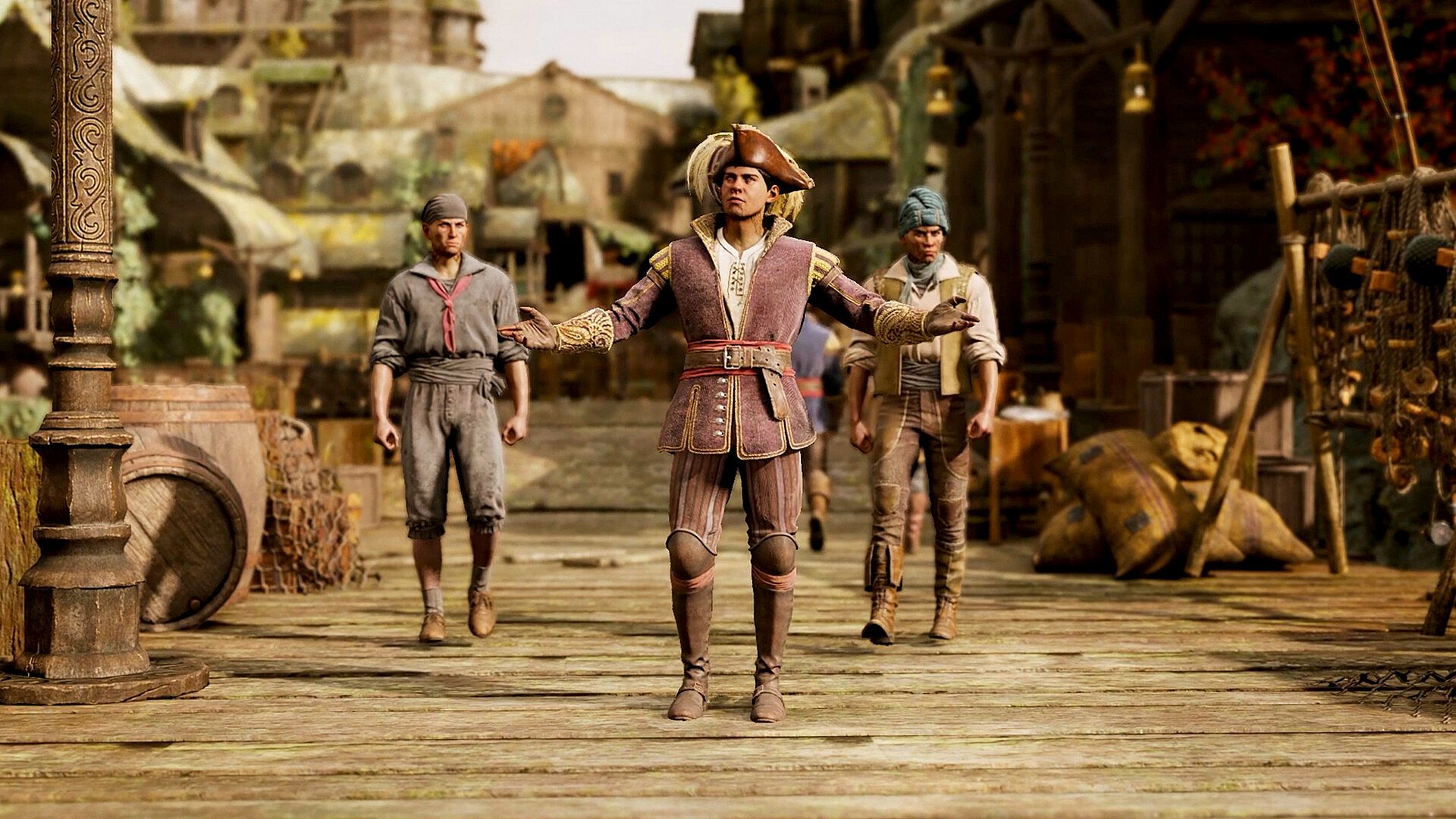
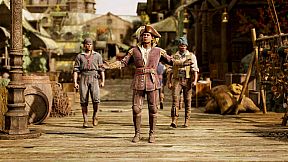
Key locations include Olima with its observatory, Uxantis as the Nauts' capital, and Thynea's ancient ruins. Factions and local powers influence available quests and alliances, while the Constanzia ship facilitates movement between these areas.
Companions and Relationships
Eight distinct companions join the party over the course of the adventure. Each brings unique backstories, skills, and faction knowledge that can unlock new dialogue paths or quest solutions. Players manage companion equipment, outfits, attributes, and combat roles, then decide whether to control them directly or let them act autonomously.
Relationship mechanics track decisions that strengthen or weaken bonds. Positive actions can lead to deeper friendships or romantic developments, while negative choices risk companions departing the group. Their influence with various factions provides practical advantages during negotiations and investigations.
Is It Worth Playing?
GreedFall: The Dying World appeals most to players who enjoy choice-heavy RPGs where dialogue and alliances carry as much weight as combat encounters. The mix of real-time action with tactical pause options supports both aggressive and methodical playstyles, while companion management adds depth to party composition.
Following its full release on PC after an early access period, the game shows mixed reception with 62 percent positive reviews from nearly one thousand user submissions. Those who value narrative consequences, companion stories, and flexible difficulty settings often find the experience satisfying. Players seeking fast-paced action without heavy emphasis on dialogue trees or relationship tracking may prefer titles with simpler structures.
The title supports multiple playthroughs through branching outcomes tied to alliances and personal choices, making it suitable for those who revisit games to explore different paths. Availability on PC provides straightforward access for anyone interested in the described systems.