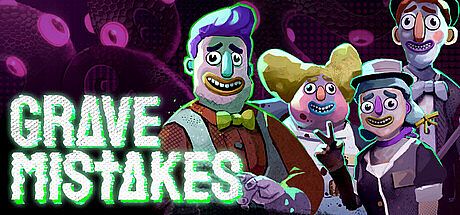


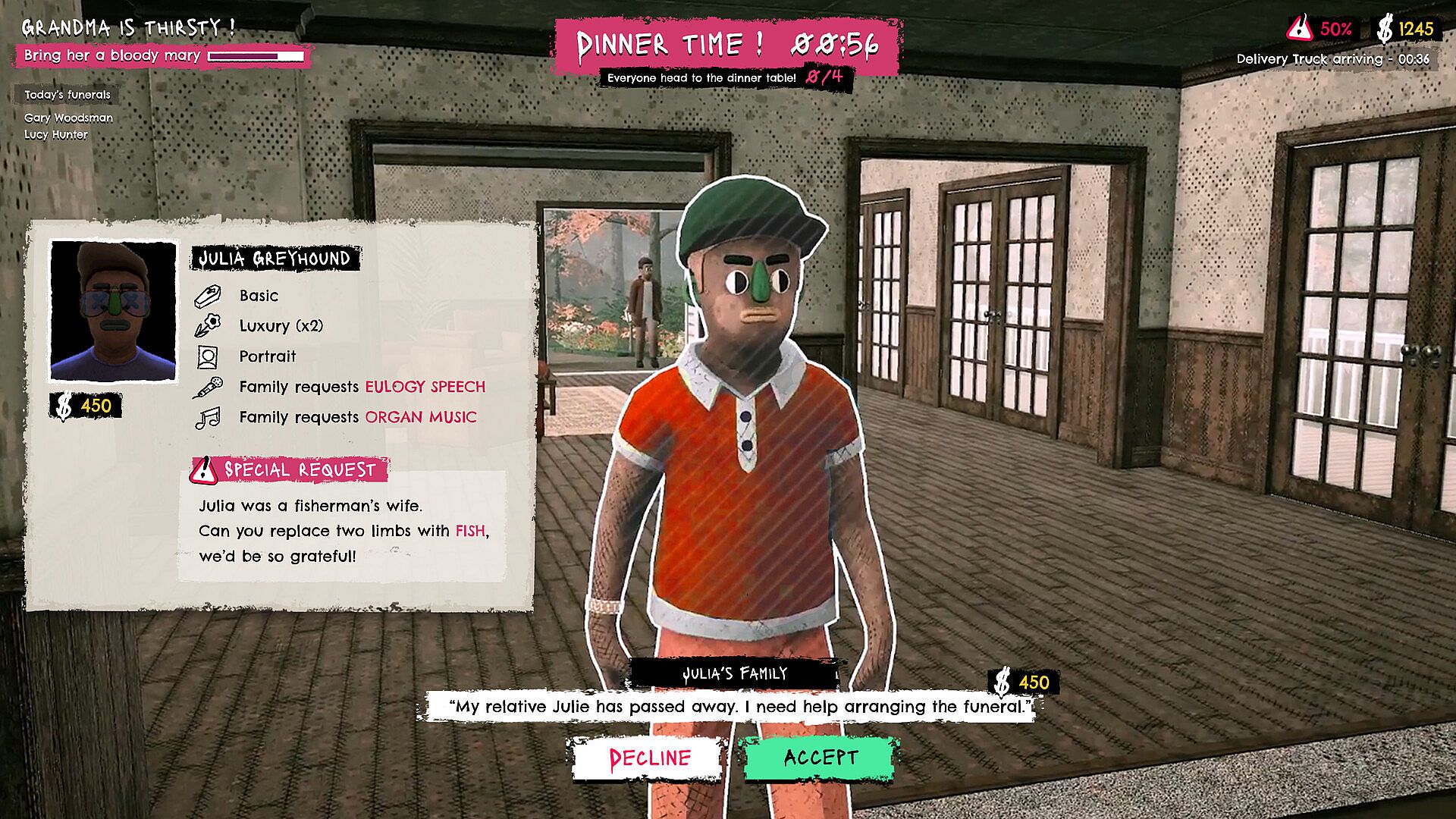
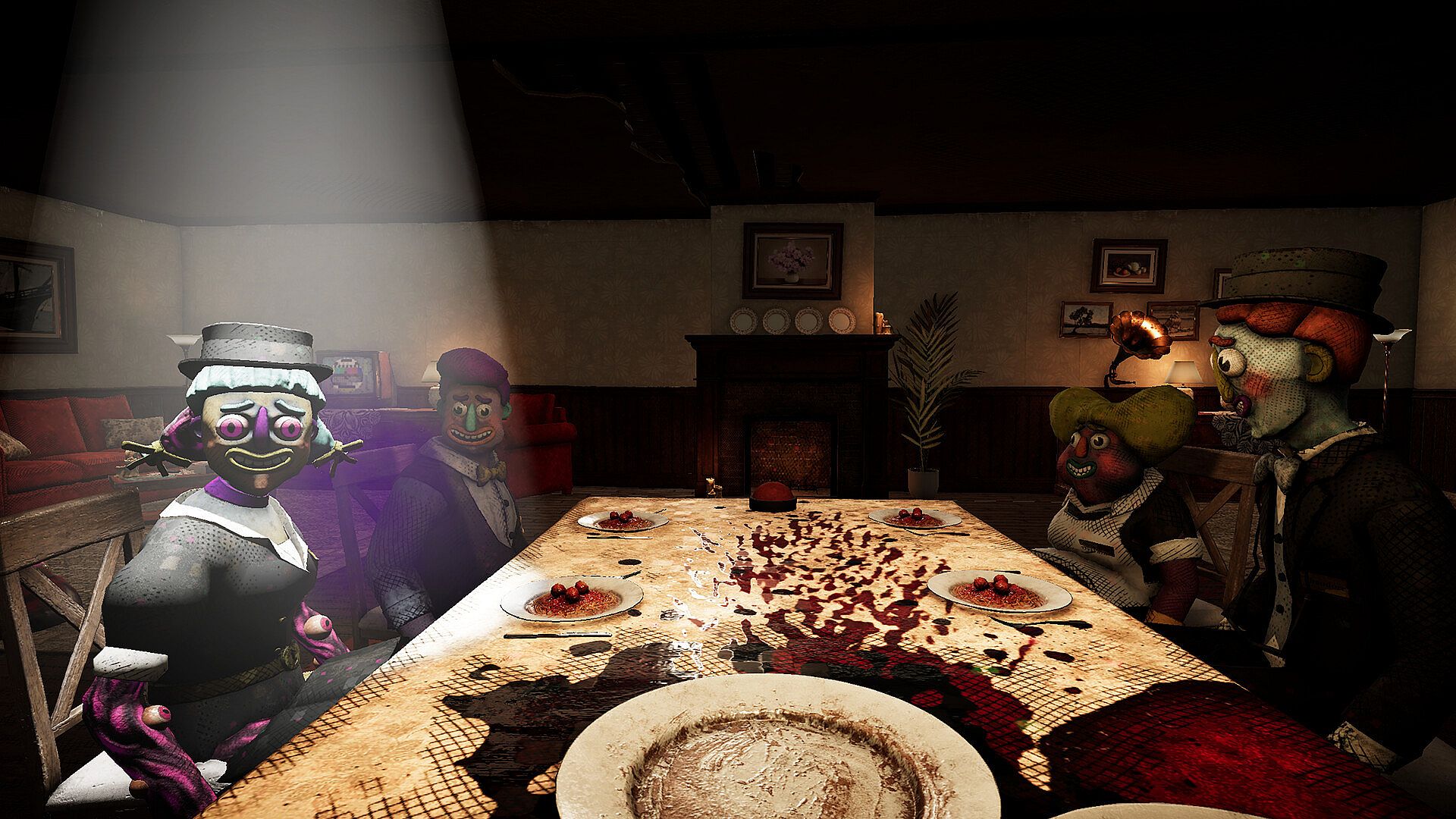

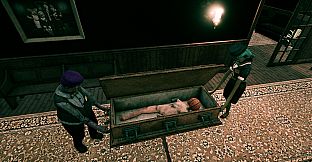
Grave Mistakes is an action simulation game that puts players in charge of a family-run funeral home with a dark secret. Set on PC, the title blends management tasks with co-op chaos as up to four players handle daily operations at Good Mourning Funeral Home while keeping a monstrous family member satisfied. The core loop revolves around legitimate business duties mixed with hidden preparations for Grandma, who demands specific body parts each day from the basement.
Gameplay
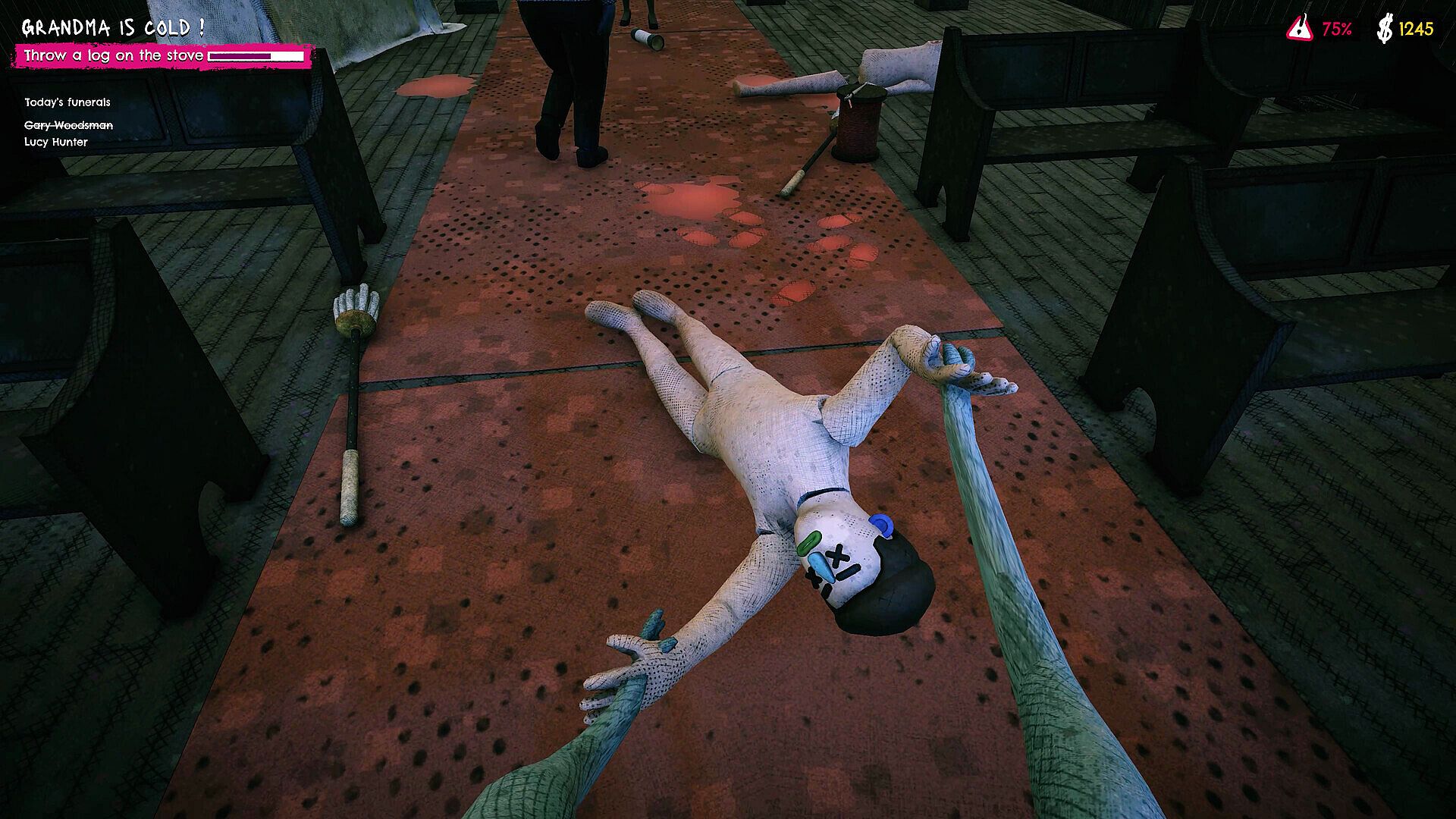
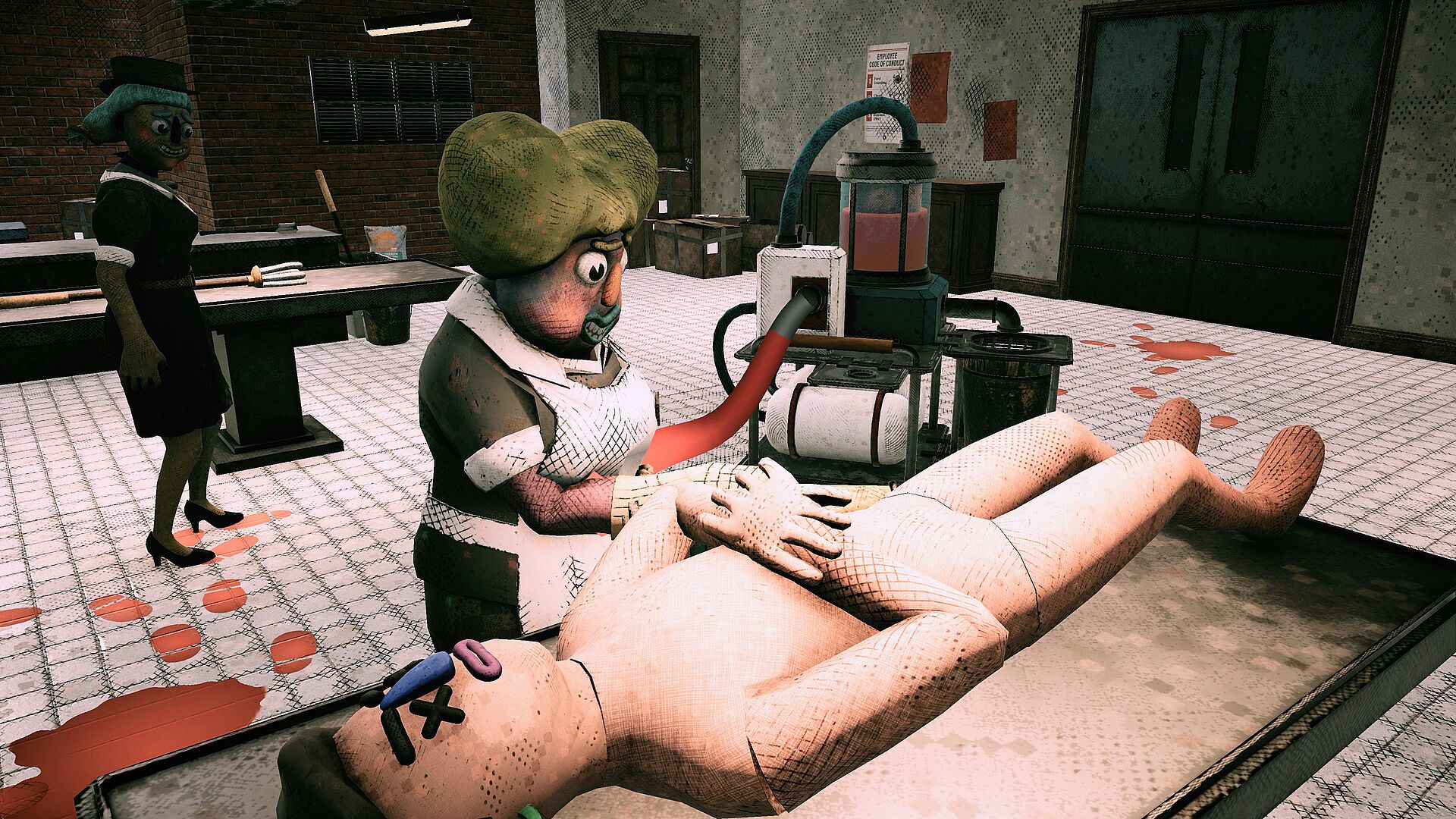
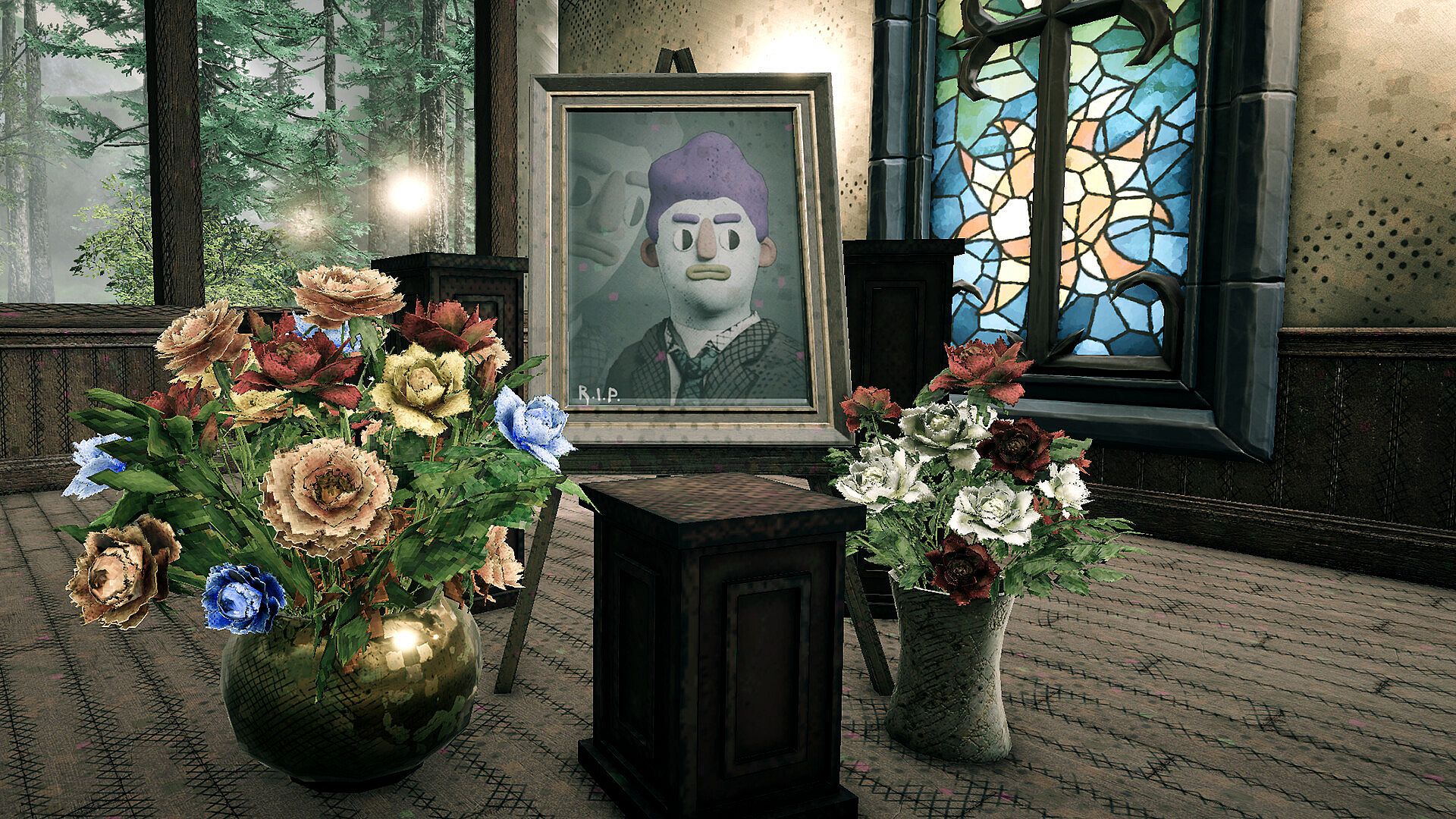
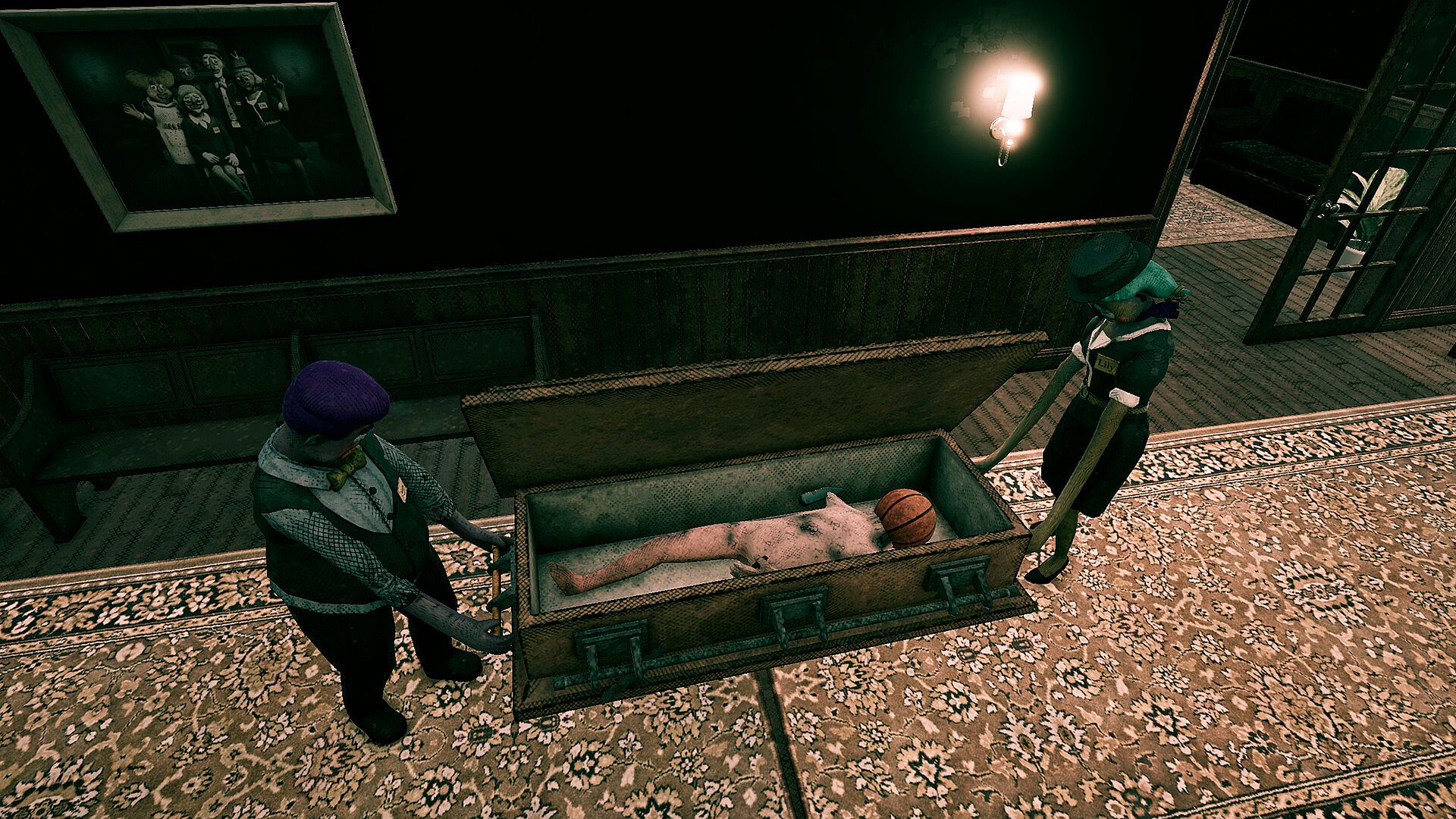
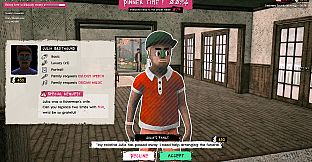
Players manage the funeral home from dawn to dusk, greeting grieving families, conducting ceremonies, and embalming bodies that arrive throughout the shift. Bodies begin decaying immediately, so quick decisions matter when limbs go missing or need creative replacements to avoid suspicion. An arm might stand in for a shovel, a leg for a skateboard, or a head for a basketball with a photo attached. Physics-based chopping and cleaning let players disassemble and prepare remains in detailed ways that support the deception required during viewings and services.
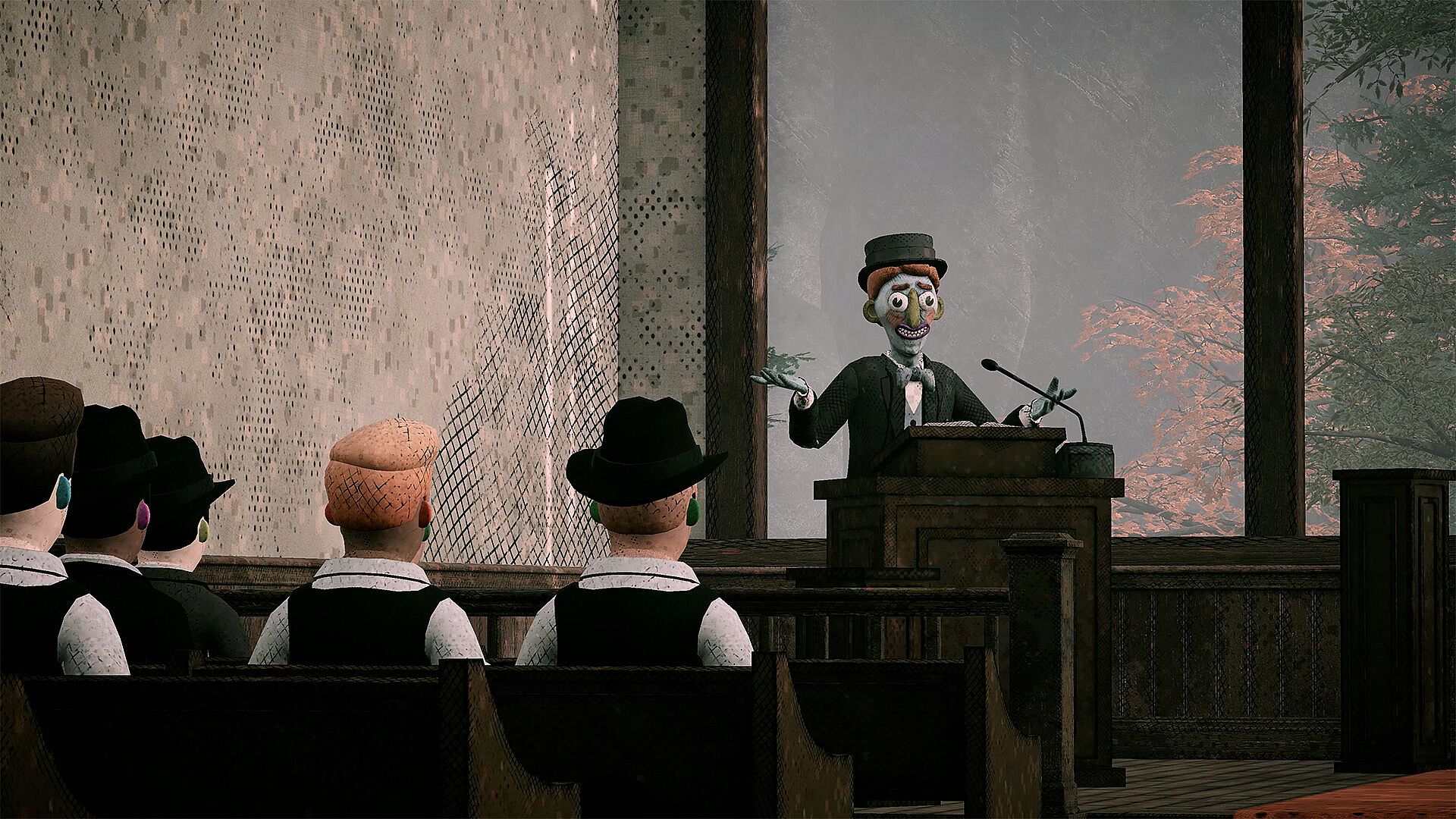
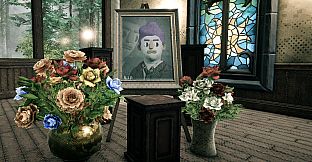
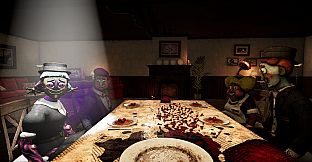
Back-of-house work stays hidden from customers. Families expect respectful treatment, including eulogies and organ music at ceremonies, while players juggle orders and upgrades to expand the business. Each day ends with a family dinner in the basement where Grandma receives her requested assortment of parts. Shortfalls turn one player into the meal instead. Proximity chat enhances coordination during these tense moments, and the co-op structure encourages teamwork to balance public-facing duties with private harvesting.
Game Modes
The game centers on online co-op for two to four players, where everyone shares responsibilities across the funeral home shifts. Sessions follow a daily rhythm of arrivals, preparations, ceremonies, and the evening meal, with proximity voice chat supporting real-time communication to keep operations smooth and suspicions low. No separate single-player campaign exists, and the experience emphasizes collaborative problem-solving over competitive elements.
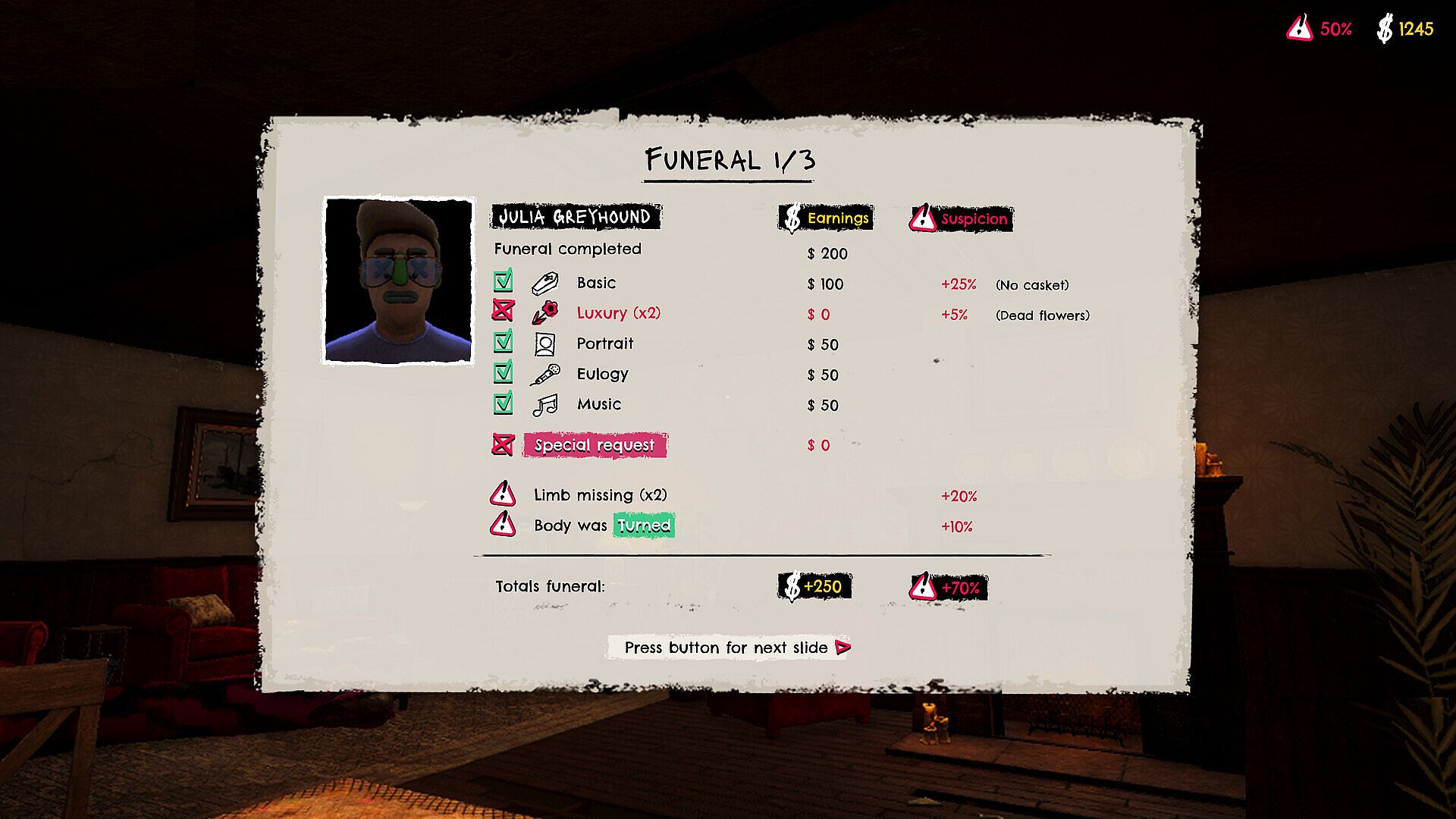
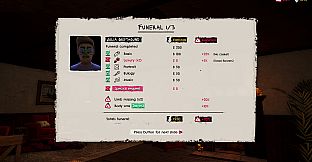
Progression comes through upgrades purchased with earnings from successful funerals. These improvements expand the facility and tools available, allowing players to handle more complex requests without raising alarms. The mystery surrounding the family business unfolds gradually through repeated shifts, rewarding consistent co-op play with deeper insights into Grandma's origins and the funeral home's history.
Core Mechanics and Progression
Body preparation forms the heart of each shift. Players must chop, clean, and modify remains using available items while ensuring the final presentation matches family expectations. Deception mechanics require careful timing to keep visitors away from restricted areas. Ceremonies add layers of performance, from delivering eulogies to playing the organ without errors that could draw unwanted attention.
Stock management ties directly to Grandma's daily menu requests. Players gather parts during regular work but must allocate enough for her without compromising funeral obligations. Upgrades improve efficiency in both public and private tasks, creating a steady loop of earning, expanding, and surviving the evening dinner. The physics system adds unpredictability to chopping and assembly, making each session feel distinct even in repeated co-op runs.
Is It Worth Playing?
Grave Mistakes targets players who enjoy co-op simulation games with horror comedy elements and creative problem-solving. The blend of legitimate funeral home management and secret body harvesting creates a unique tension that rewards teamwork and quick thinking. With release scheduled for November 2026 and no reviews available yet, the title appeals most to groups looking for light-hearted yet macabre multiplayer sessions rather than solo experiences or competitive multiplayer.
Those drawn to physics-driven interactions, deception gameplay, and escalating daily challenges will find the core loop engaging. The proximity chat and shared responsibilities make it suitable for regular co-op groups who appreciate dark humor and cooperative management. Early access through playtests offers a way to preview the systems before full launch.