




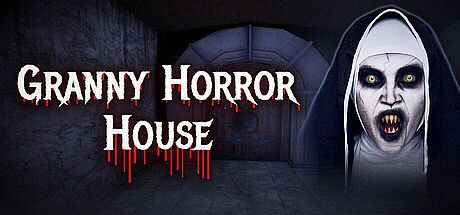



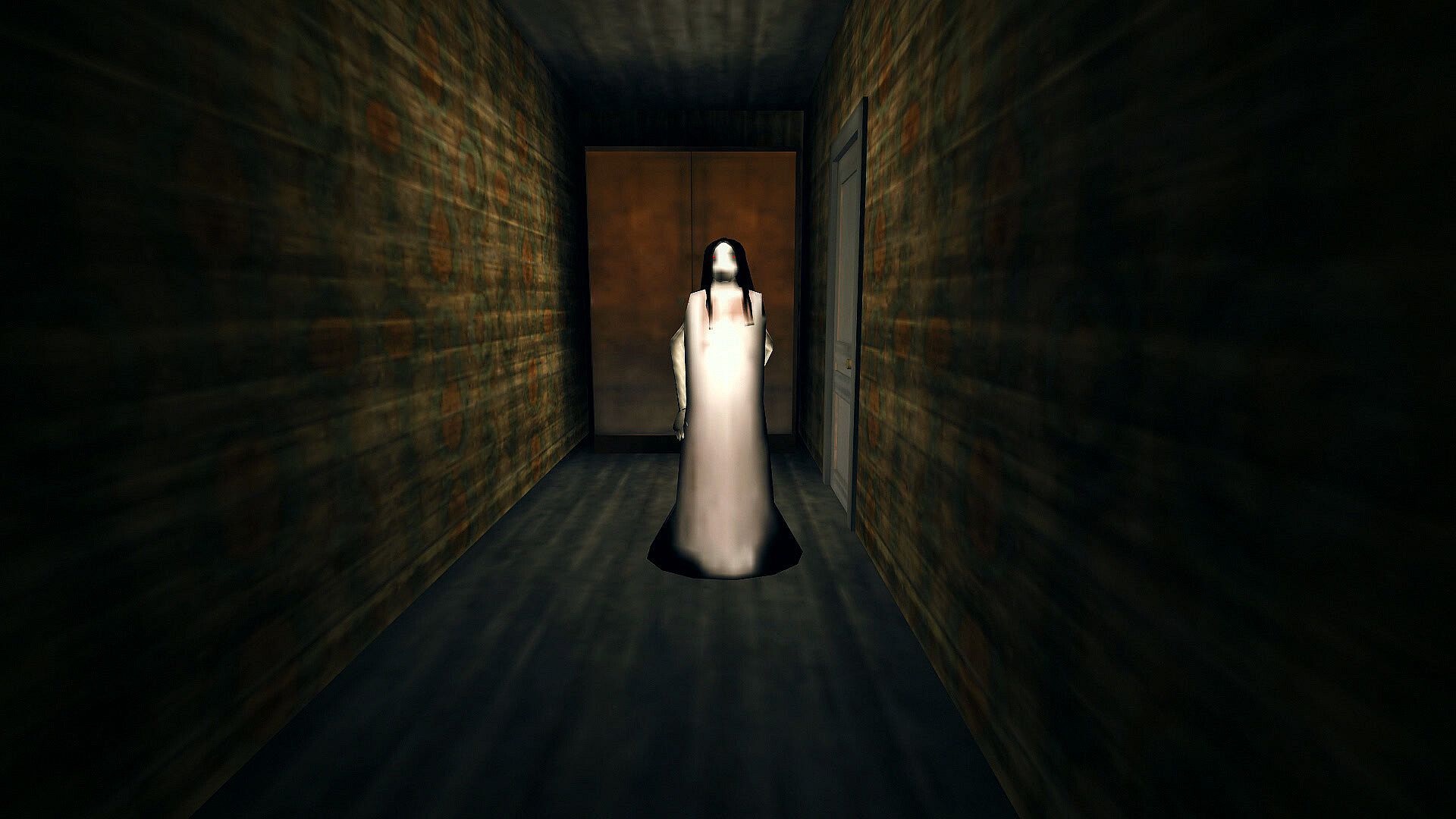
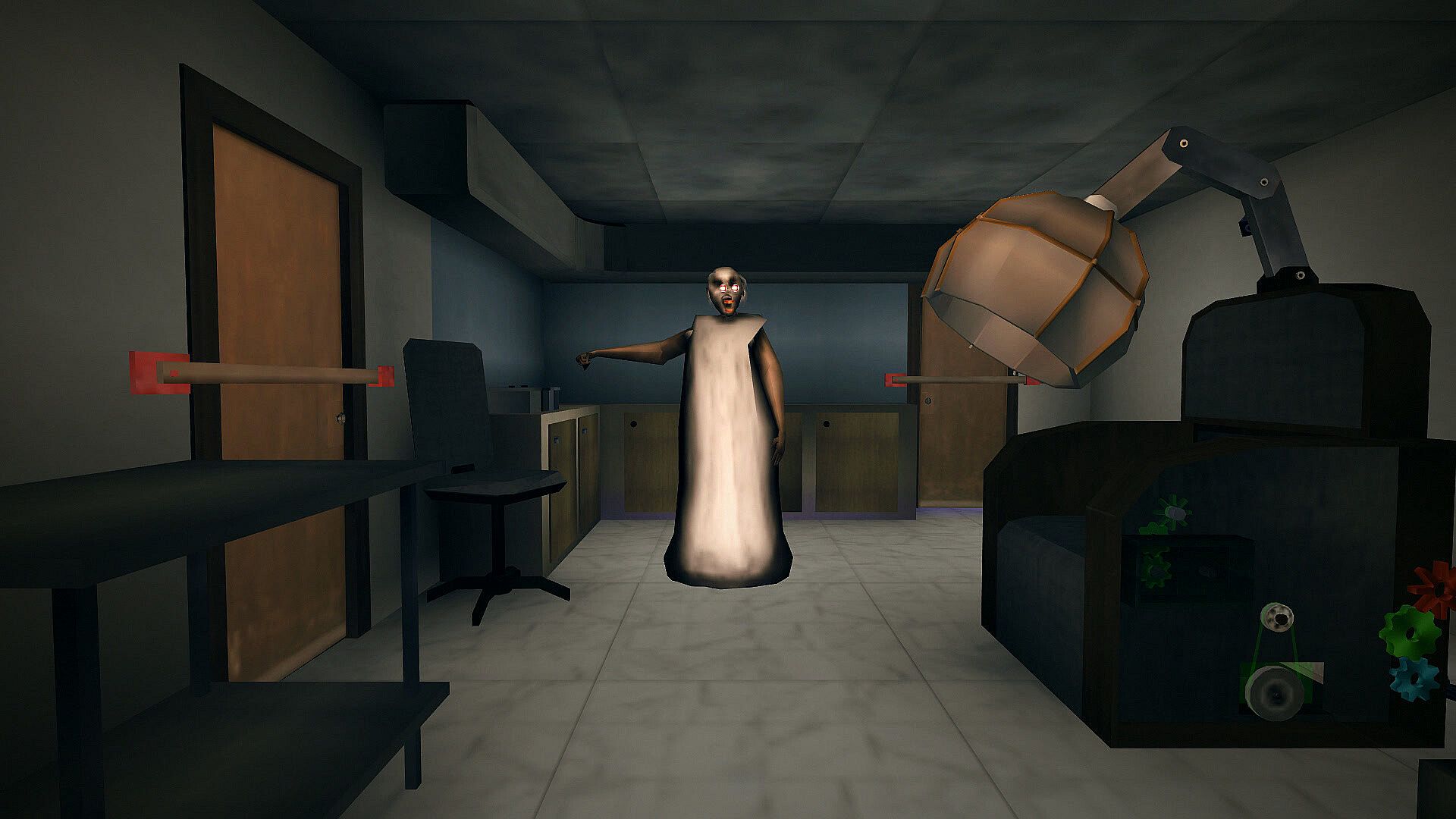
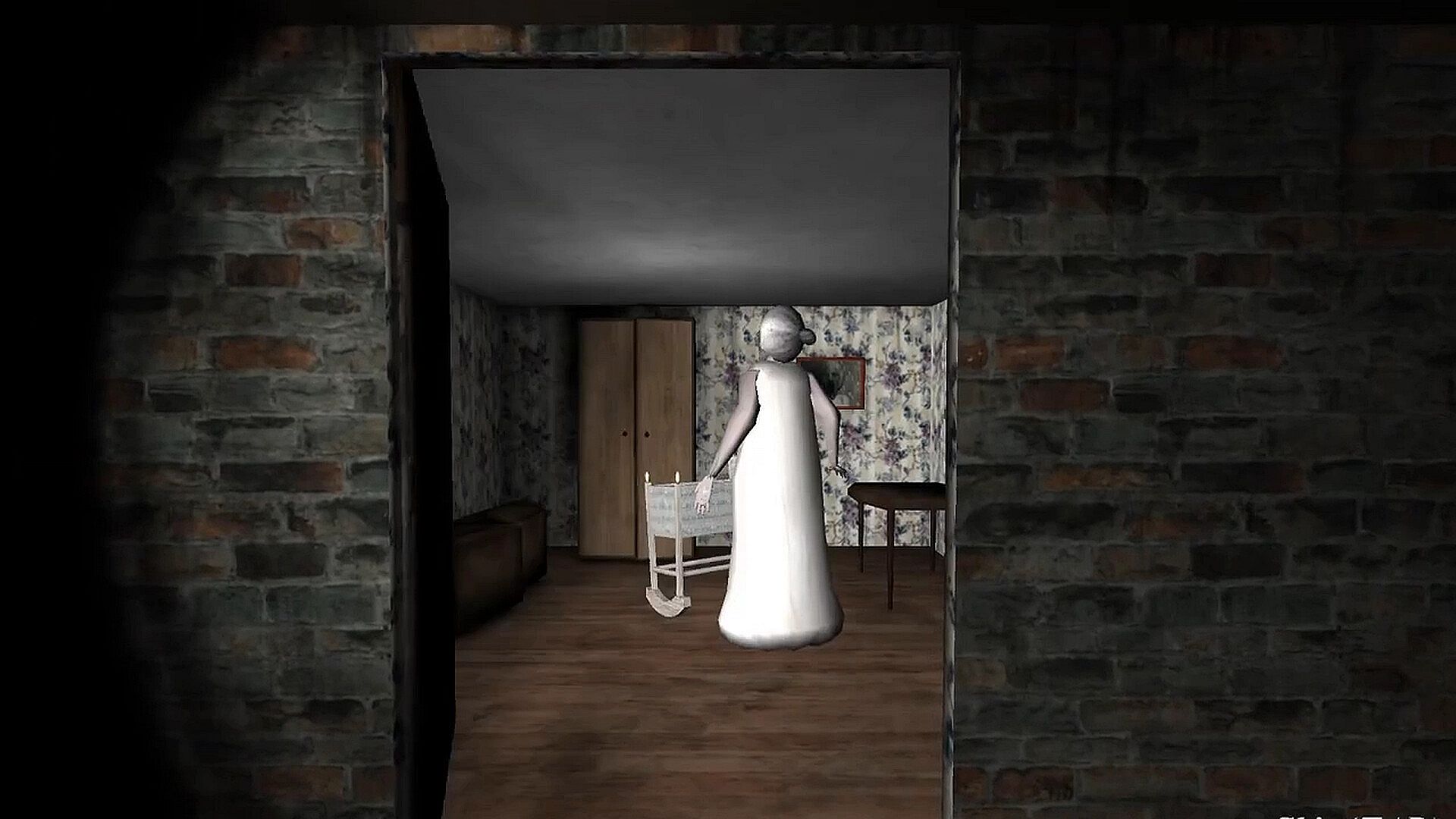
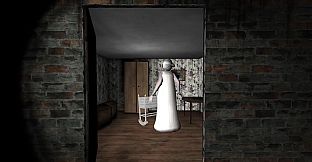
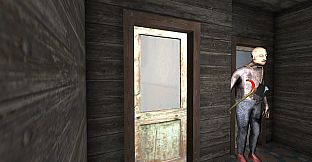
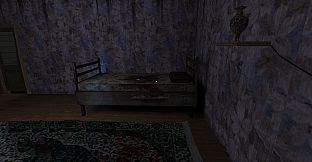
Granny Horror House is a singleplayer survival horror adventure game that blends tense stealth mechanics with puzzle solving and exploration. Players find themselves trapped in a sprawling house filled with hidden dangers, tasked with escaping before time runs out while avoiding detection by its inhabitants.
Gameplay
The core loop revolves around careful movement and item management over a strict five-day period. The front door remains sealed by a complex mechanical lock whose components are scattered throughout the building. Players must locate and combine tools such as colored keys, a crank, crowbar, chain cutter, and hex wrench to progress. Additional items like cogwheels, a car battery, transmission belt, and engine parts enable further mechanisms, while a shotgun offers limited defensive options once its cabinet key is found.
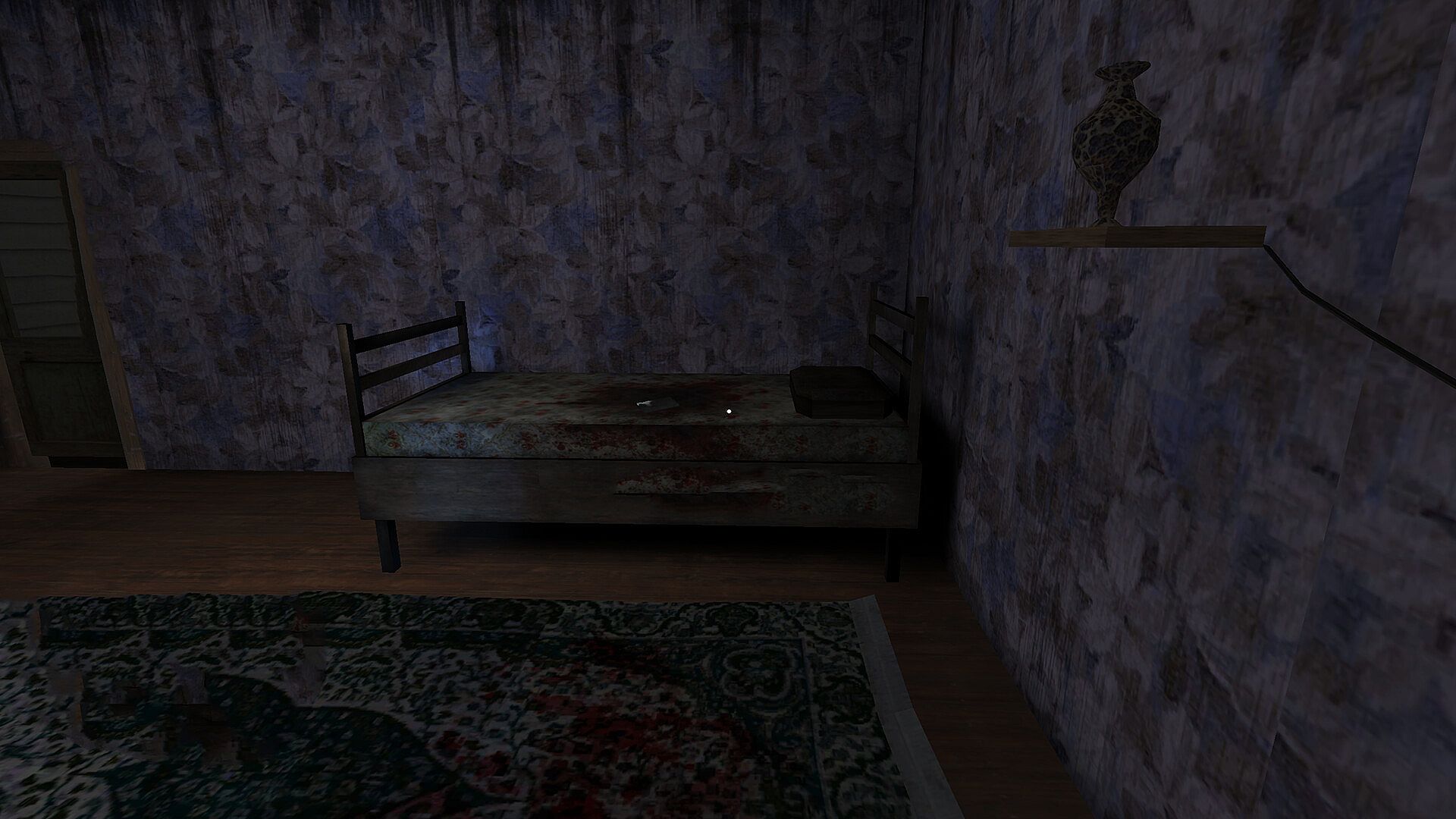
Sound plays a critical role. Granny reacts to any noise, whether from dropped objects, slammed doors, or running footsteps. When her approach is heard, the only option is to hide immediately in spots such as under beds, inside wardrobes, or beneath tables. The house extends beyond standard rooms into a flooded cellar, hospital ward, restaurant kitchen, offices, a pool, and crawlable ventilation shafts that require specific tools to access. These areas demand strategic routing to avoid backtracking while managing limited time each day.
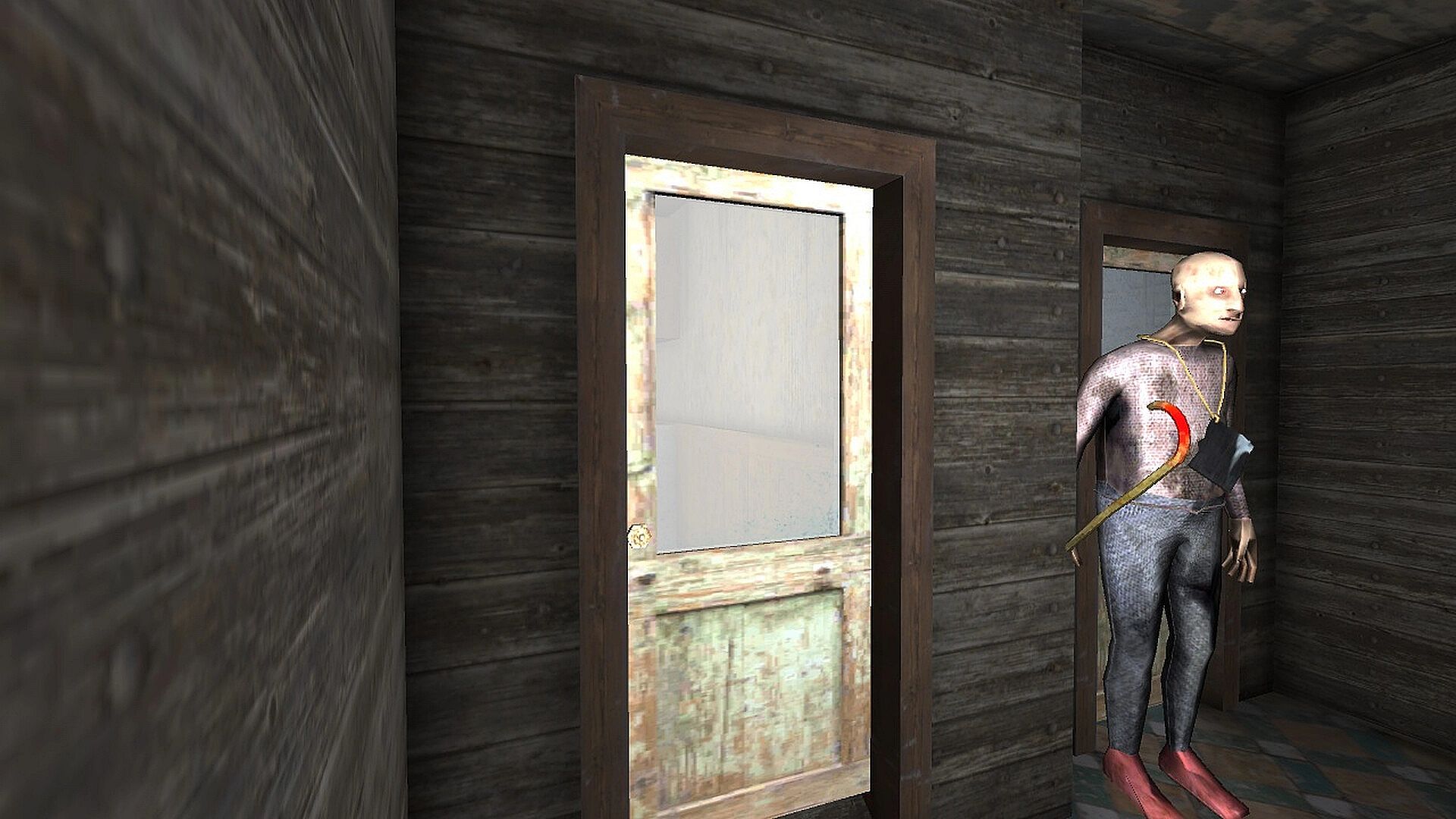
Other residents add layers of threat. Grandpa moves slower yet persists in pursuit. Angeline appears in unexpected locations. Slenderina requires players to look away immediately, as direct eye contact proves fatal. Exploration rewards discovery of these interconnected spaces and the tools needed to unlock new paths.
Game Modes
Difficulty settings define the experience across six levels from Practice to Impossible. Practice mode features slow movement for Granny and silent floorboards, allowing focus on learning item locations and puzzle sequences. Higher settings increase speed and sensitivity, with Impossible mode making Granny faster than the player and limiting survival to fifteen seconds once spotted.
Multiple endings exist depending on choices made during the escape attempt. Most conclude poorly, encouraging repeated playthroughs to test different combinations of tools and hiding strategies. The structure emphasizes singleplayer progression without additional named modes or multiplayer elements.
Exploration and Puzzle Elements
The house functions as a interconnected puzzle box where progress hinges on observation and experimentation. Colored keys match specific doors, while mechanical components assemble into larger devices. Ventilation shafts and locked areas open only after locating the right items, creating natural checkpoints that reward thorough searches. Strategy comes from prioritizing which tools to pursue first and planning safe routes between noisy floorboards and resident patrols.
Each day resets certain elements while preserving used items in their new positions, allowing incremental advancement. The mix of action in evasion and strategic planning in puzzle assembly suits players who enjoy methodical horror experiences over fast-paced combat.
Is It Worth Playing?
Granny Horror House delivers a focused singleplayer horror experience centered on sound-based stealth and item-driven puzzles. It appeals to those who appreciate careful planning, repeated attempts across difficulty levels, and the tension of managing limited time against persistent threats. The variety of environments and escalating challenges provide replay value through different escape approaches and ending outcomes. Players seeking a deliberate, atmospheric adventure without reliance on external support or seasonal content will find the mechanics engaging from the start. Those who prefer quicker sessions or multiplayer may find the strict daily limits and one-shot failure states demanding. Overall, the game suits dedicated fans of indie horror adventures who enjoy mastering its systems through practice and adaptation.












