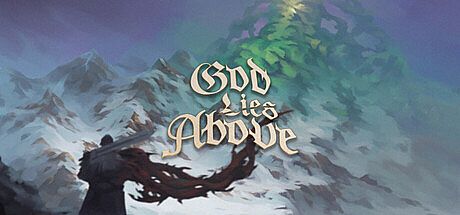



God Lies Above is a single-player action game set on PC that challenges players to ascend a treacherous mountain filled with deadly guardians. The core experience revolves around repeated climbs where death resets progress but not determination, as climbers treat each fall as another step in their training. At the heart of the journey lies a legend of a god at the summit who grants any wish to those who reach the top, though the mountain exacts its own price through increasingly formidable beasts.
Gameplay
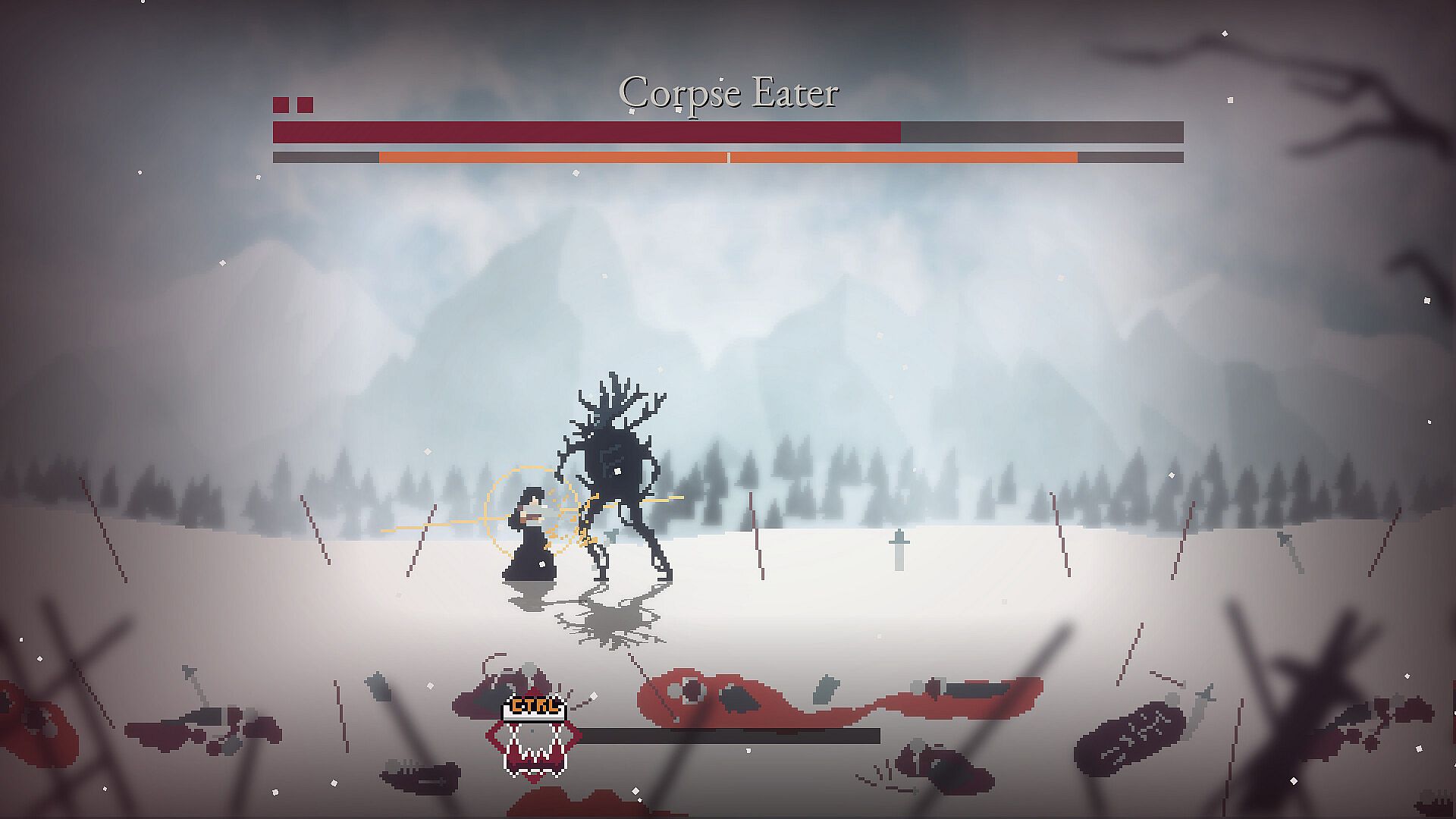
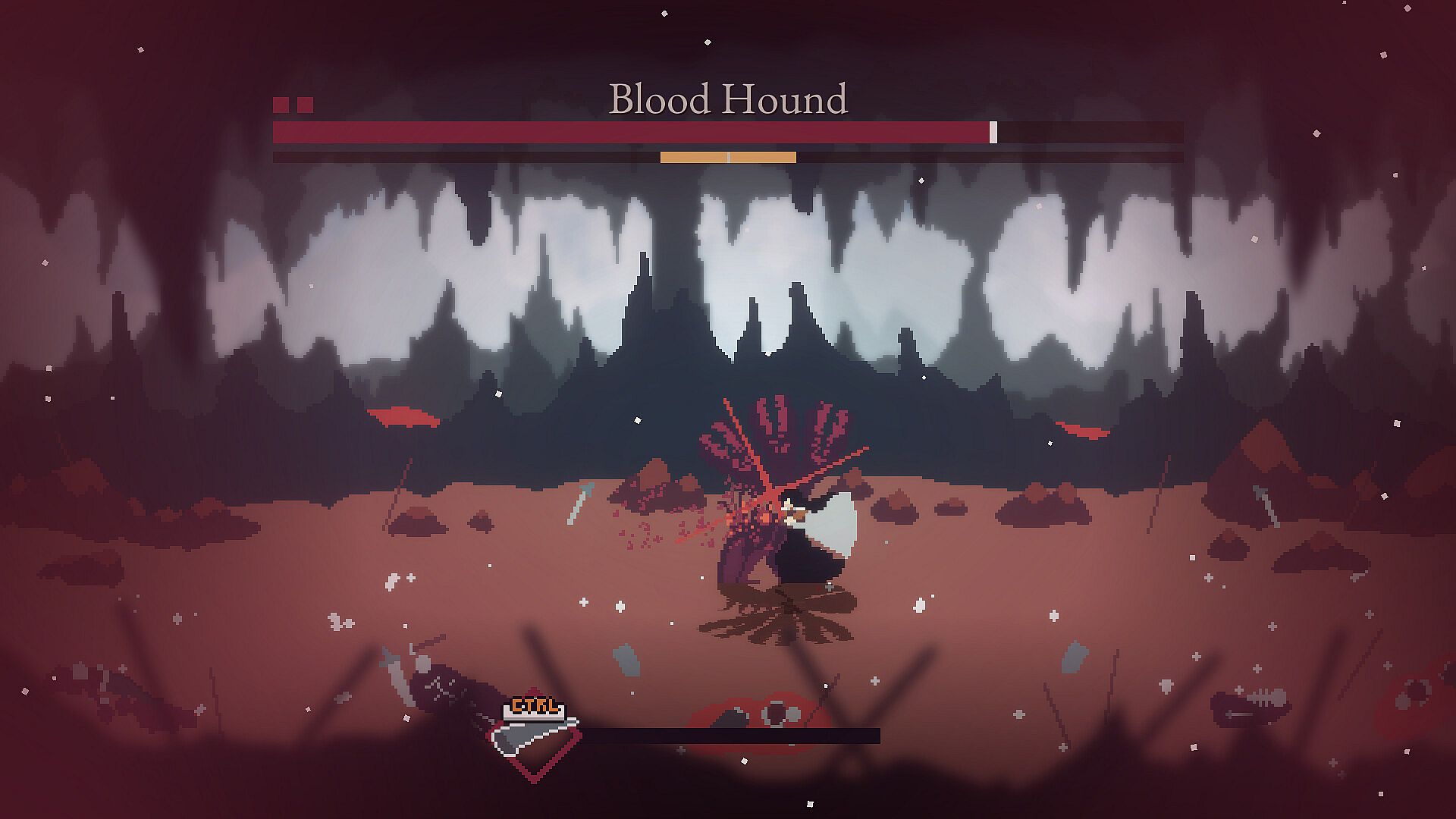
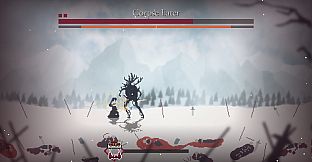
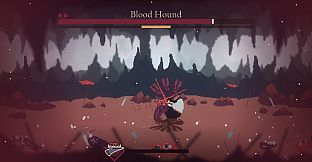
The combat system emphasizes precise timing and pattern recognition in one-on-one encounters with mountain guardians. Players wield a sword alongside parry and dodge maneuvers to break an enemy's posture. Once the posture bar fills, an opening appears for a decisive execution that delivers satisfying visual payoff through detailed animations tailored to each foe.
Each ascent pits the climber against a single beast whose movements follow learnable sequences. Success comes from studying attacks, landing parries at the right moment, and chaining dodges into counters. The focus stays narrow on these intense duels rather than open exploration or hordes of enemies, building tension through the need to master one guardian before advancing.
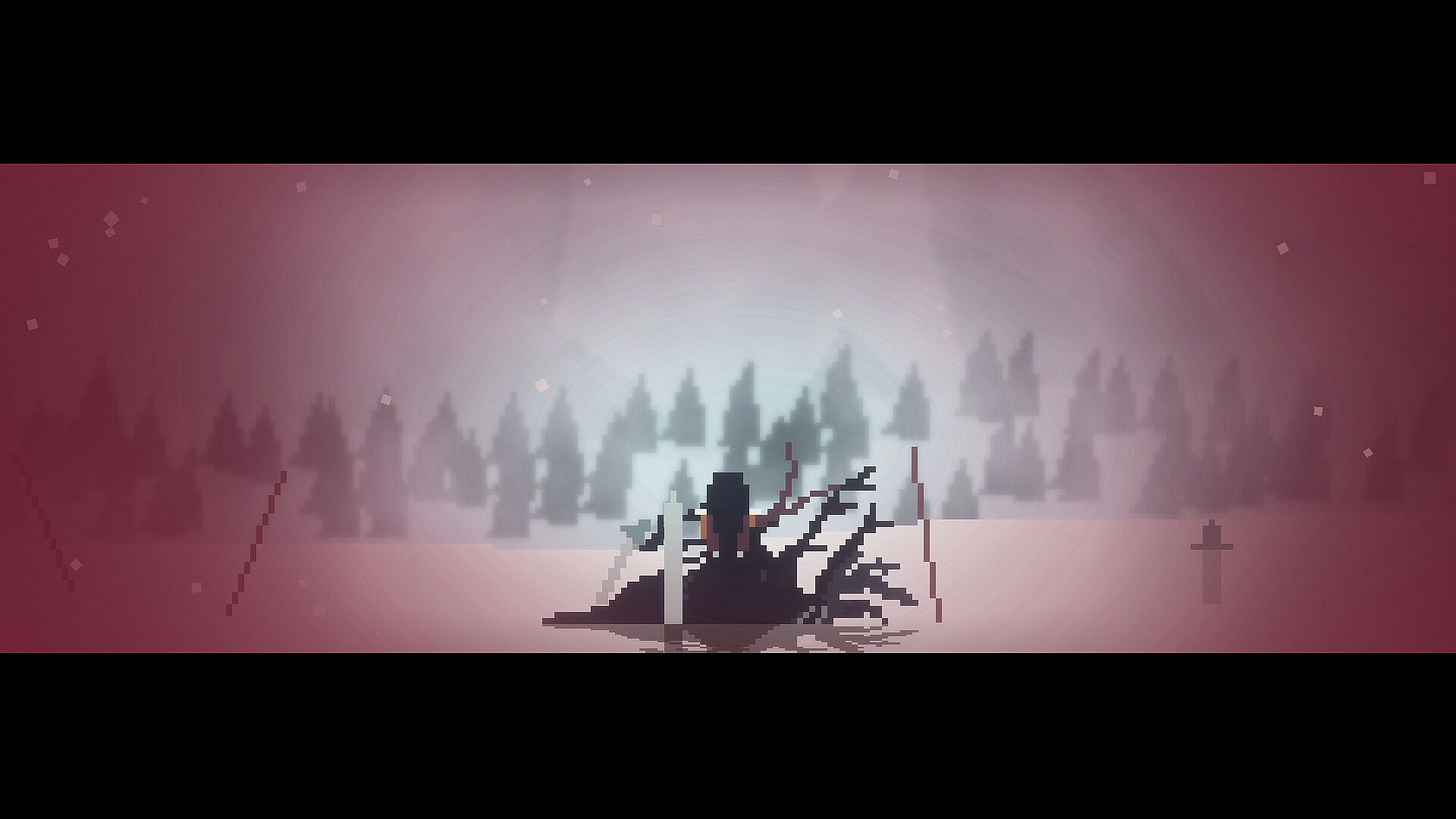
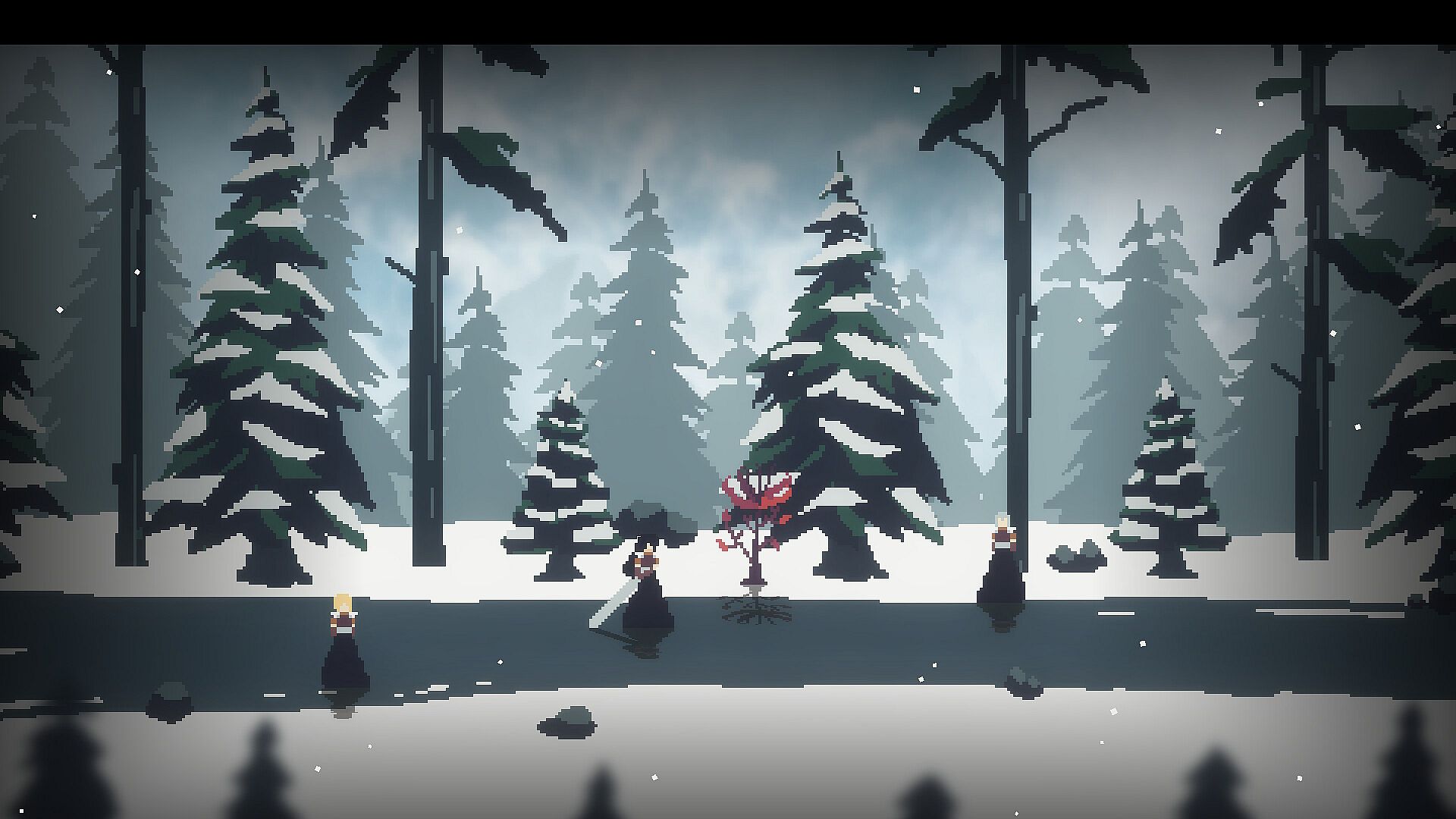
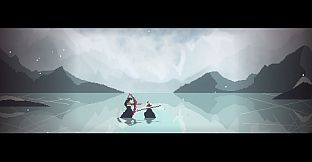
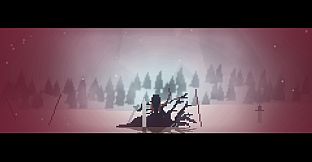
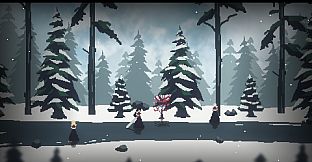
Pixel-art visuals render the mountain and its creatures in a stark, hand-crafted style that highlights the isolation of the climb. Backgrounds shift across distinct sections of the ascent, reinforcing the sense that this is no ordinary peak but something with its own rules and history.
Game Modes
The game centers on a continuous boss rush structure where players tackle guardians in sequence during each run up the mountain. There are no separate multiplayer options or side activities; the entire loop stays locked on these solitary confrontations that test reaction and memory.
Progress carries forward through material collection or direct consumption after each victory. This single focused mode encourages repeated attempts, with each failure serving as preparation for the next try against the same or subsequent beasts.
Story and Setting
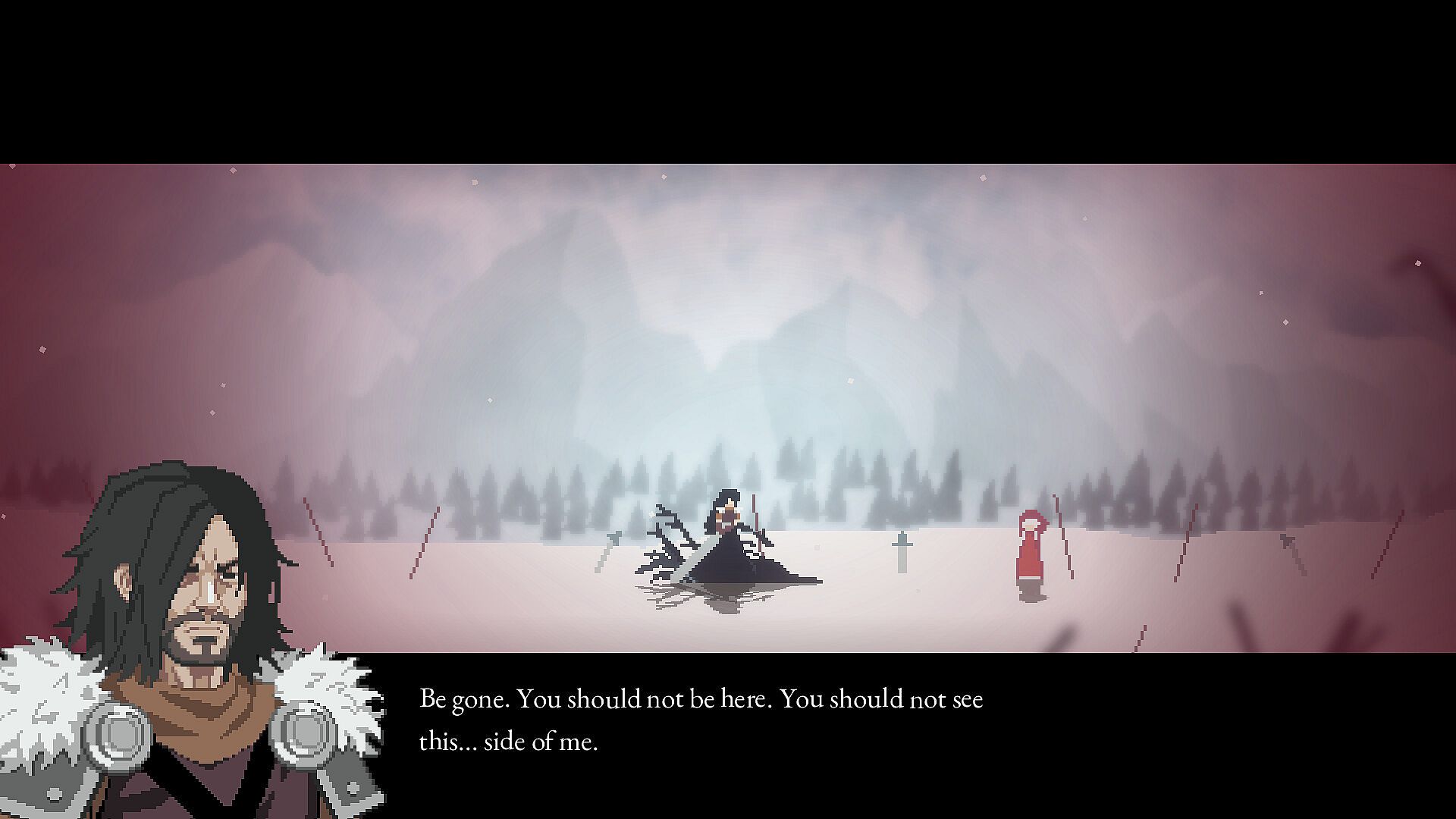
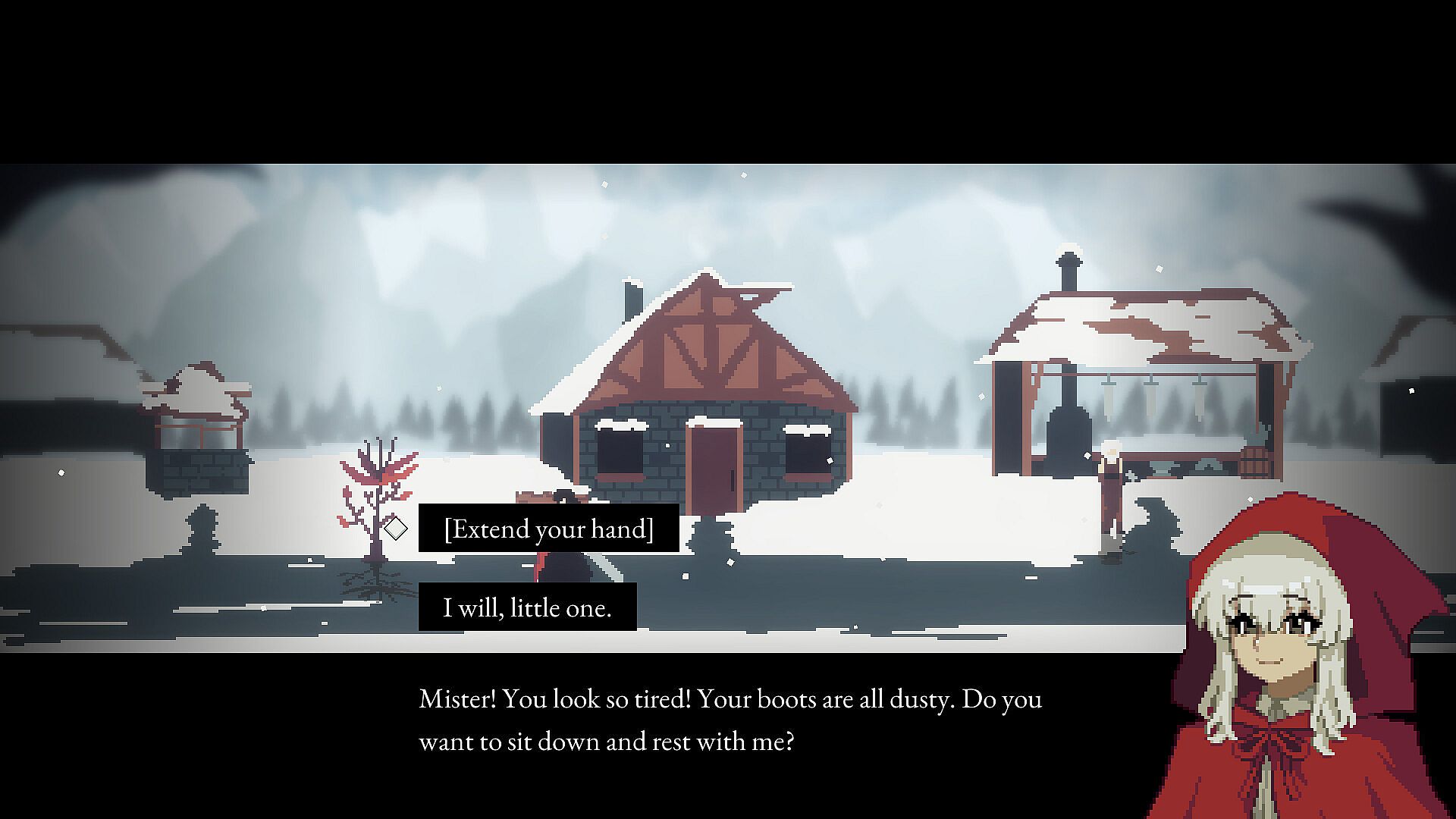
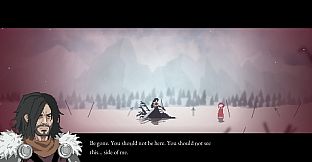
The narrative unfolds through encounters with the mountain's inhabitants and the climber's personal motivation. A father once considered the greatest climber vanished without respawning, breaking the established cycle and prompting the protagonist to seek answers at the summit. Climbers have formed a culture around the mountain's respawn mechanic, viewing death as temporary until this anomaly disrupts that belief.
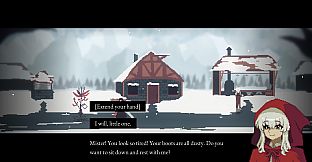
Beasts serve as tests that grow tougher with each layer of the ascent. The story reveals itself gradually through these fights and the choices made afterward, without overt exposition. Questions linger about what the mountain demands in exchange for its challenges and what truly awaits those who reach the end.
Progression and Choices
After defeating a guardian, players face a clear decision point. Materials harvested from the corpse allow forging and upgrading weapons for a more measured path of improvement. Alternatively, consuming the remains grants immediate power boosts by absorbing the beast's abilities directly.
Repeated consumption erodes humanity over time, altering the climber's state in ways that affect the journey. This system creates branching personal outcomes based on how often the player chooses the faster but costlier route. Stronger weapons or abilities come at the potential expense of the climber's original identity, raising stakes beyond simply reaching higher ground.
Is It Worth Playing?
God Lies Above suits players who enjoy deliberate, high-stakes boss encounters that reward observation and timing over fast reflexes alone. The Sekiro-inspired combat loop, combined with the dual progression paths of crafting versus devouring, offers meaningful decisions that shape both power level and character identity across multiple ascents.
Those drawn to pixel-art presentation and a focused single-player experience will find the hand-crafted execution animations and escalating beast difficulty provide consistent engagement. The game appeals most to fans of challenging action titles that prioritize mastery of individual fights and the consequences of power choices over broader open-world elements or multiplayer features.
Its strength lies in the tight combat feedback and the tension built around what repeated consumption might ultimately change. Players comfortable with learning patterns through trial and error will likely appreciate the structure, while those seeking lighter or more varied gameplay may find the narrow focus limiting. The experience stands on its own as a deliberate climb defined by skill and sacrifice.