


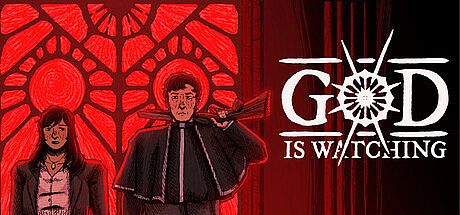



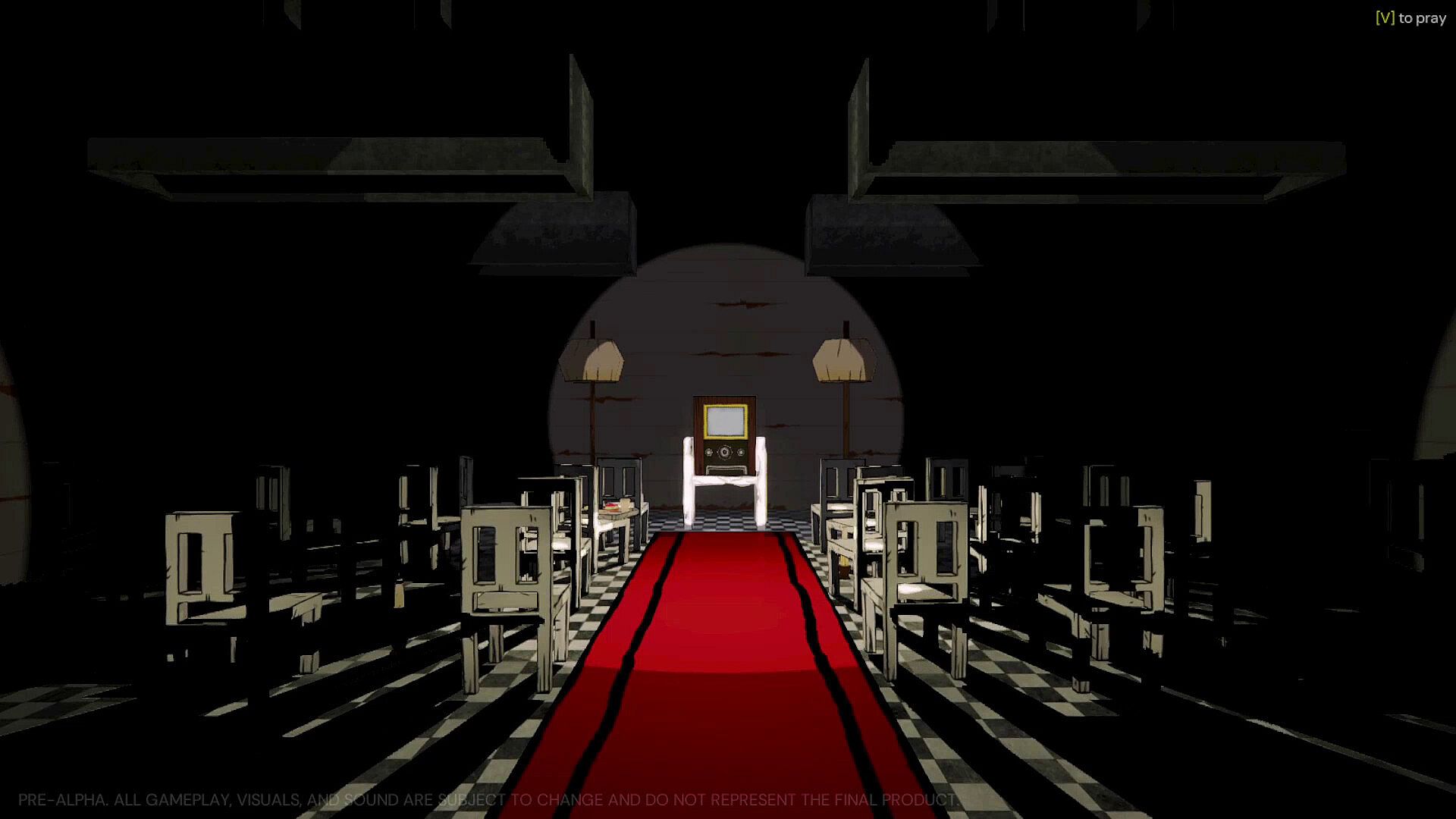
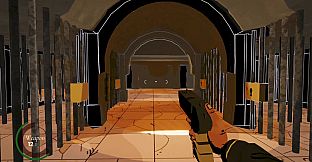


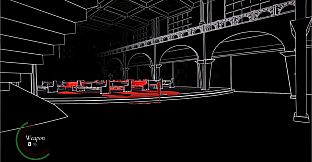

GOD IS WATCHING is a first-person shooter that blends action, indie storytelling, and adventure elements on PC. Players take control of characters whose faith shapes every decision in tense, violent scenarios set across the 1960s and early 2000s. The experience centers on a religious mercenary whose hands shake uncontrollably during combat and a woman driven by curiosity about her god after witnessing widespread death. Both must rely on prayer to steady themselves and advance, turning the act of shooting into a ritual that demands composure regained through specific appeals for forgiveness.
Gameplay
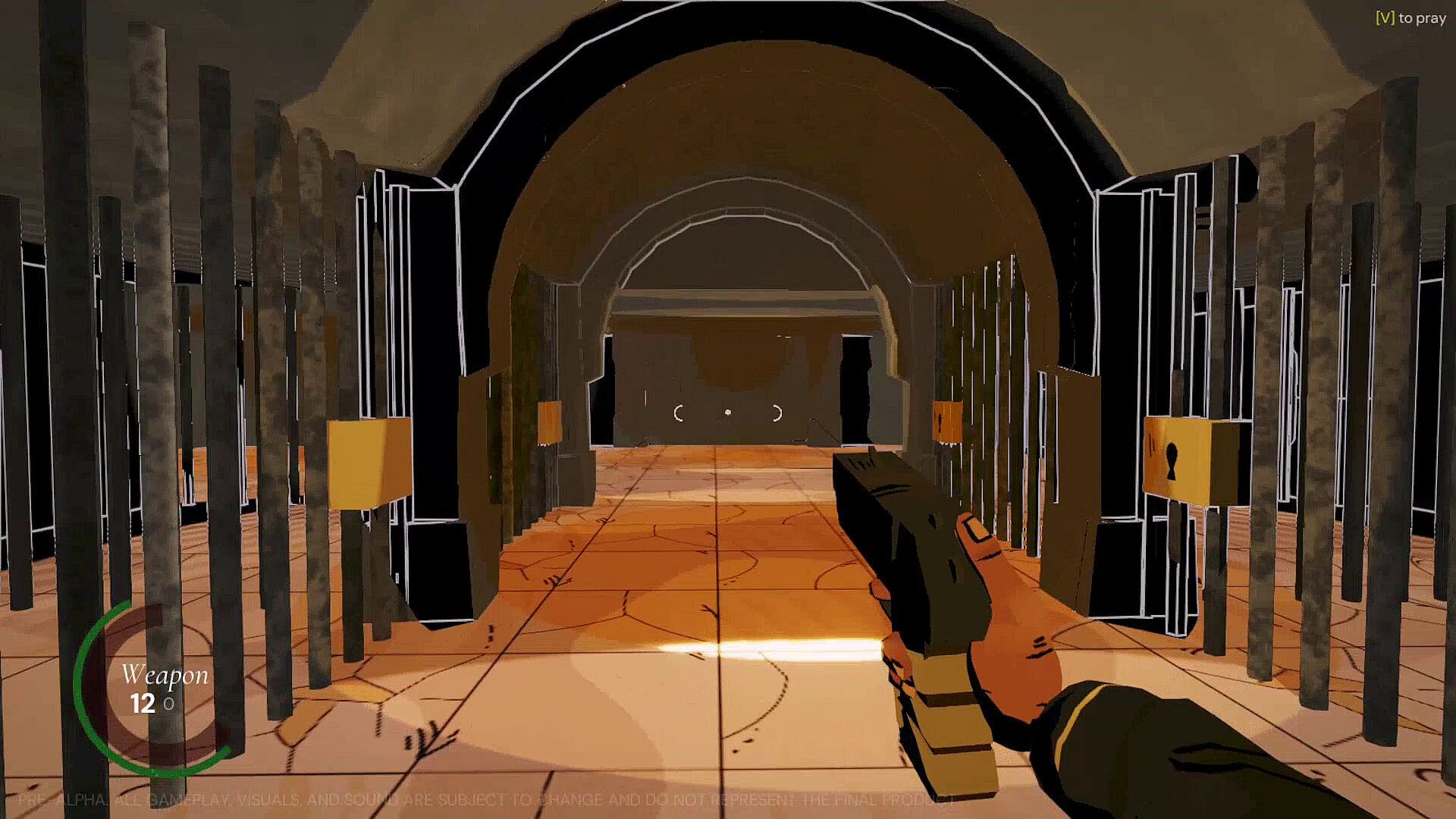
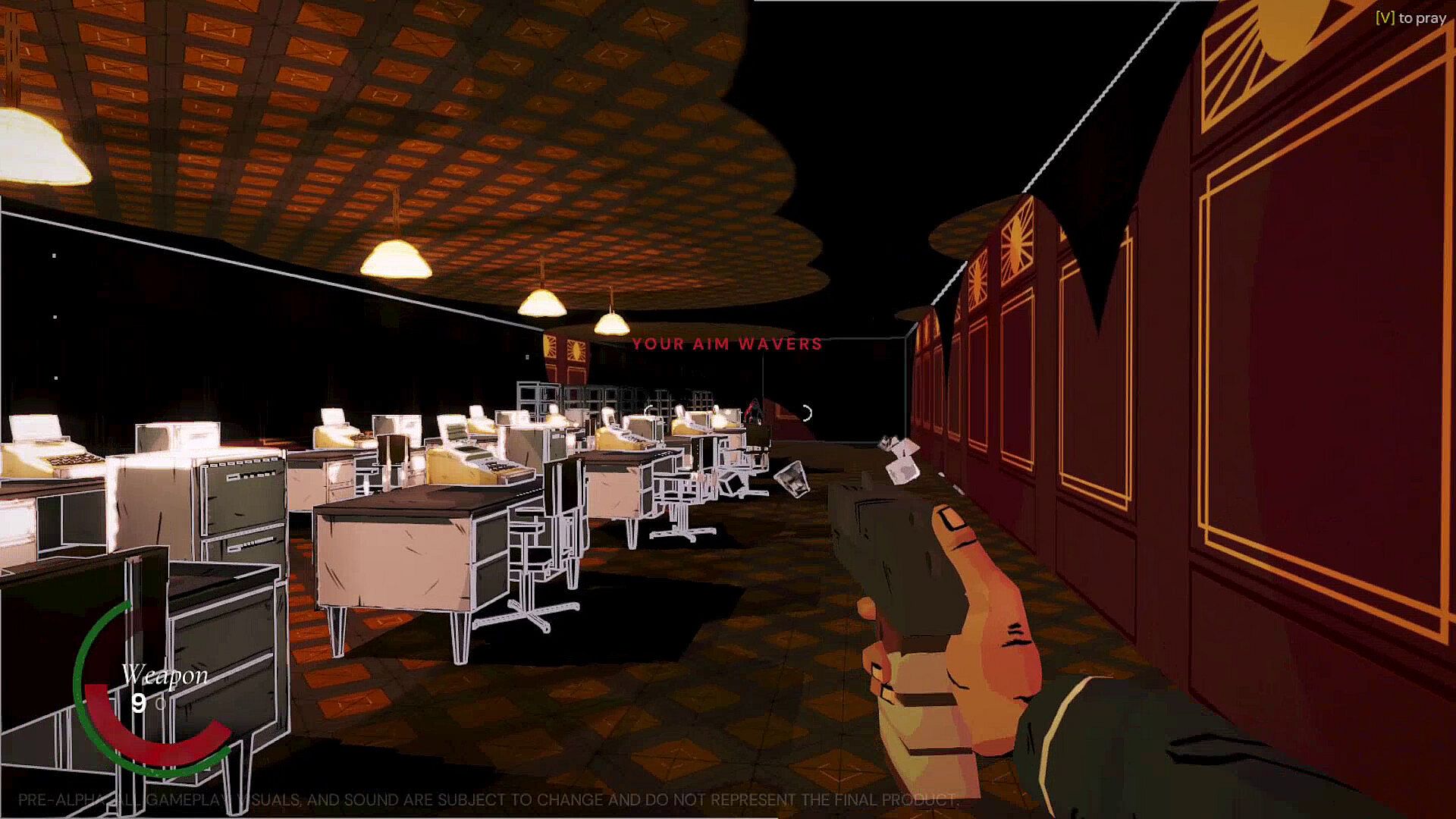
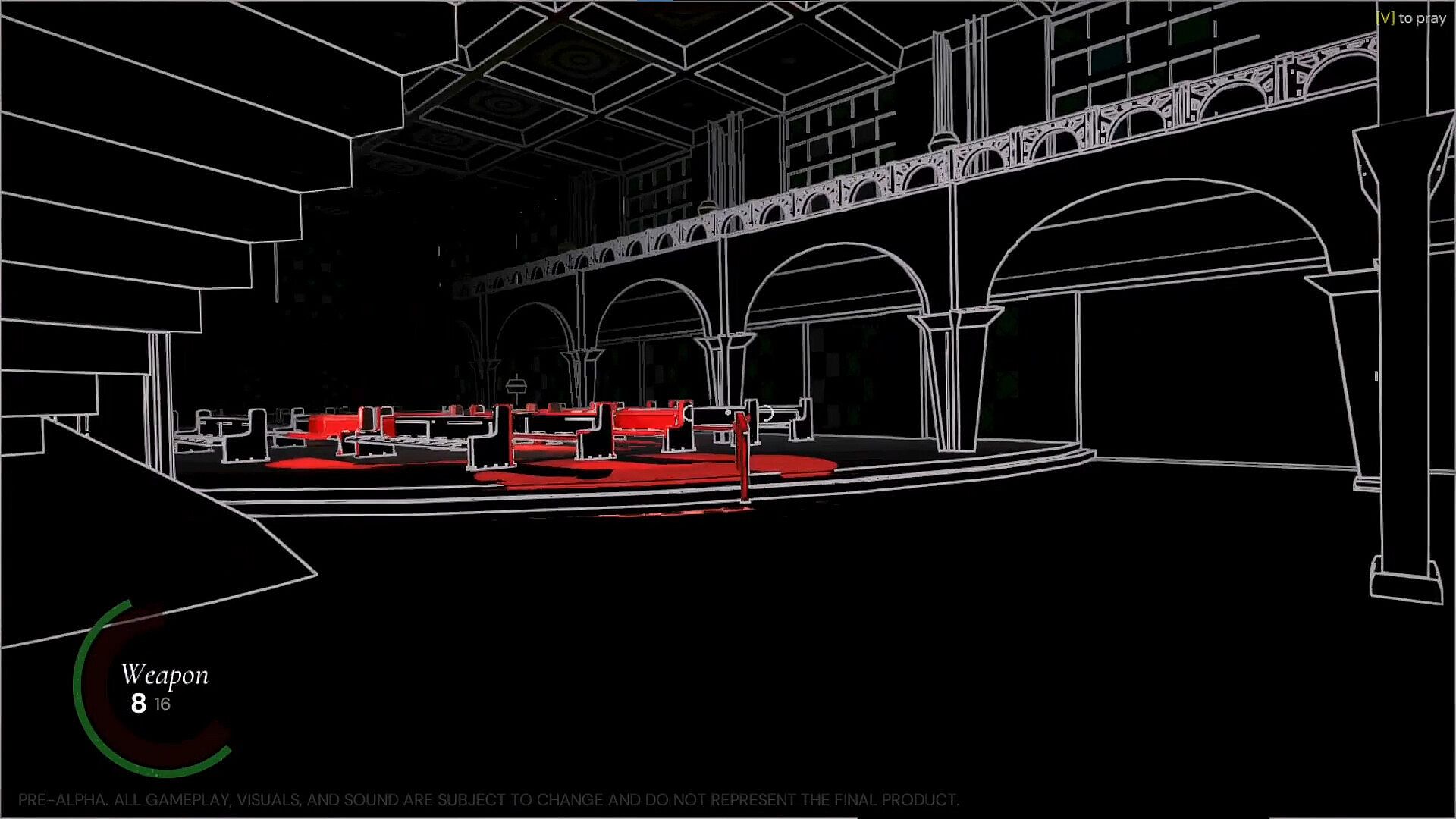
The core loop revolves around first-person shooting combined with prayer mechanics that directly affect performance and progression. The mercenary character experiences physical tremors that disrupt aim, requiring players to pause and recite prayers to restore control before continuing the mission. These prayers function as targeted requests rather than instant abilities, each tied to conditions that must align in the environment for the higher power to respond. For instance, one prayer activates only when a target stands near an open flame, such as a candle or lighter, emphasizing that miracles arrive on terms that preserve deniability for the divine.
The second protagonist approaches situations from a place of doubt and determination, using courage, repeated prayer, and the weapon as tools to uncover whether her god exists amid the violence. Environments reflect real-world eras marked by cults and lingering paranoia, with the story exploring how two individuals with opposing views on faith pursue overlapping goals. The custom engine supports these systems without performance compromises, while built-in speech-to-text technology recognizes spoken prayers accurately, accommodating different accents to keep the focus on the ritual itself rather than technical friction.
Game Modes
The game structures its content around single-player campaigns that follow the two protagonists through connected missions. Progression hinges on correctly timed and conditioned prayers that unlock forward movement, creating a loop where combat success depends on maintaining spiritual composure. The dual perspectives highlight contrasting beliefs about divine involvement, forgiveness, and the limits of faith, with both characters drawing from the same set of prayers despite their differences. This setup raises questions about the nature of the god that answers such varied appeals, all while keeping the experience grounded in the mundane realities of religious compulsion rather than overt supernatural events.
Story and Themes
The narrative spans two time periods to examine faith through opposing definitions. One character sees prayer as a means to sustain a holy mission despite personal weakness, while the other seeks proof of existence after trauma. Their paths converge on the same missions, yet their interpretations of what faith permits or excuses diverge sharply. The game draws from the lead developer's experiences with religious OCD to shape environments, mechanics, and tone, ensuring the horror emerges from everyday psychological pressures as much as from the acts of violence depicted.
Prayers extend beyond forgiveness to include options like Repel, Burn, and See, each requiring specific real-world conditions to take effect. This design frames the player as someone petitioning for favors rather than wielding powers, reinforcing the theme that divine intervention operates with built-in ambiguity. The result is a story that probes how much a god might overlook and what confirmation or denial of its existence would mean for those who believe in radically different ways.
Is It Worth Playing?
GOD IS WATCHING suits players interested in first-person shooters that prioritize psychological and thematic depth over conventional power fantasies. The prayer system and speech-to-text integration create a distinctive loop where success depends on ritual accuracy and environmental awareness rather than pure reflexes. Those drawn to indie titles exploring faith, doubt, and moral ambiguity through personal developer experiences will find the mechanics and dual-protagonist structure particularly resonant. The custom engine focus on privacy and performance supports uninterrupted play, making the game a focused choice for anyone seeking a deliberate, condition-based approach to combat and progression in a single-player format.











