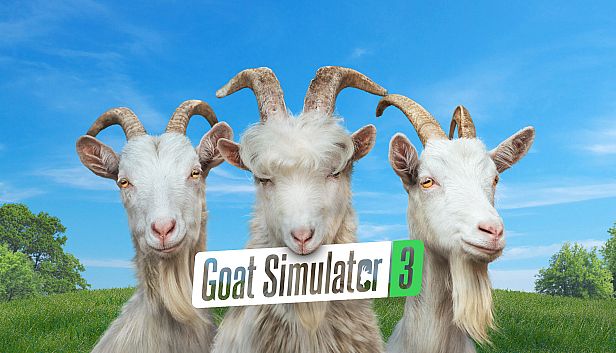


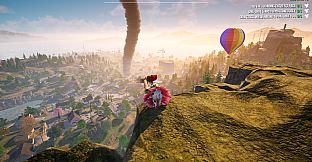

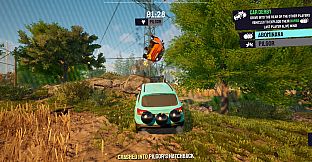
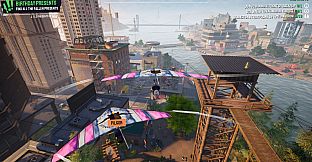
Goat Simulator 3 is an action simulation game that places players in control of a goat tasked with generating maximum disorder across a sprawling open world. Released on the Nintendo Switch 2 in April 2026, the title emphasizes sandbox freedom and cooperative play in a third-person perspective.
Gameplay
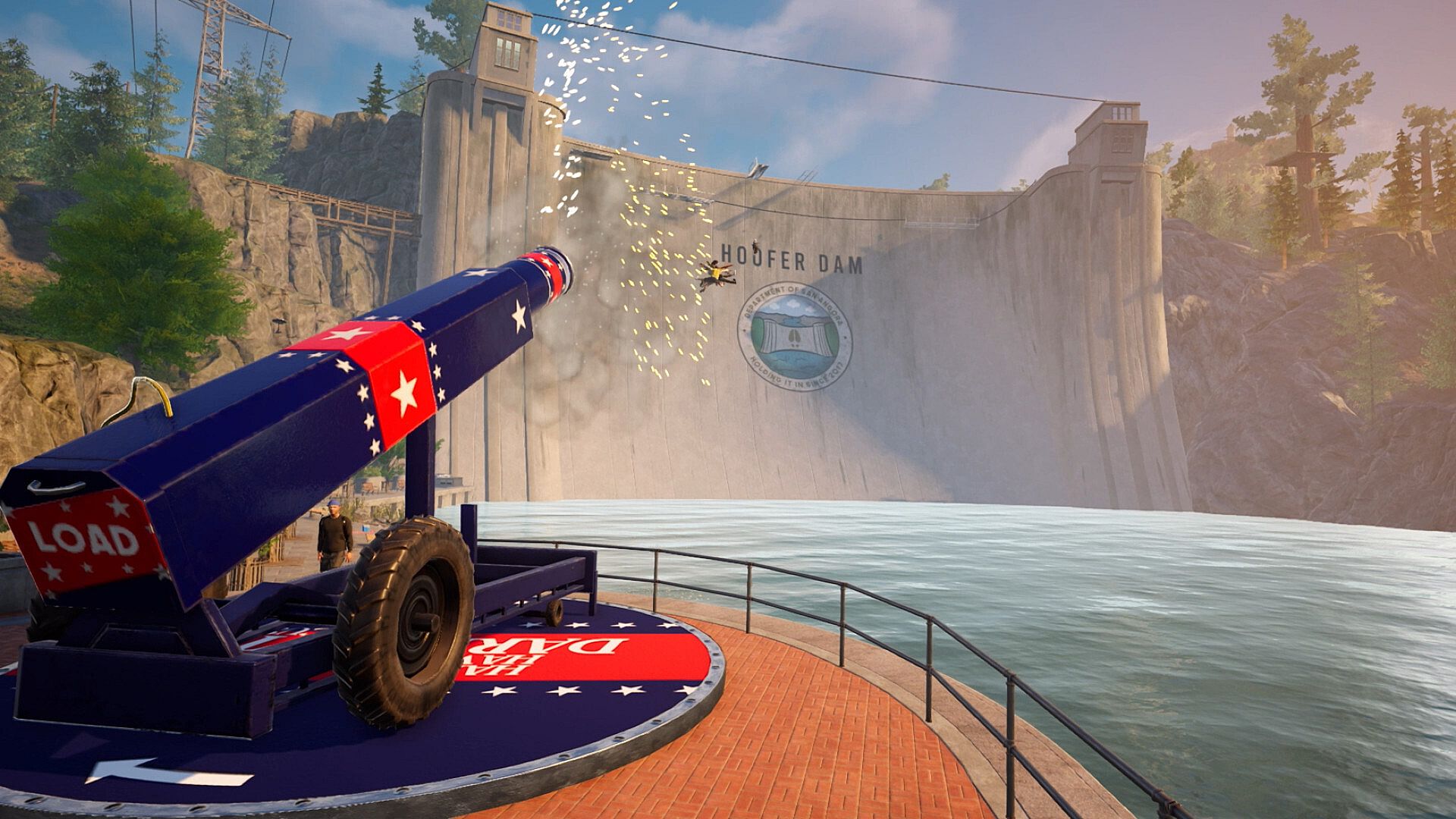
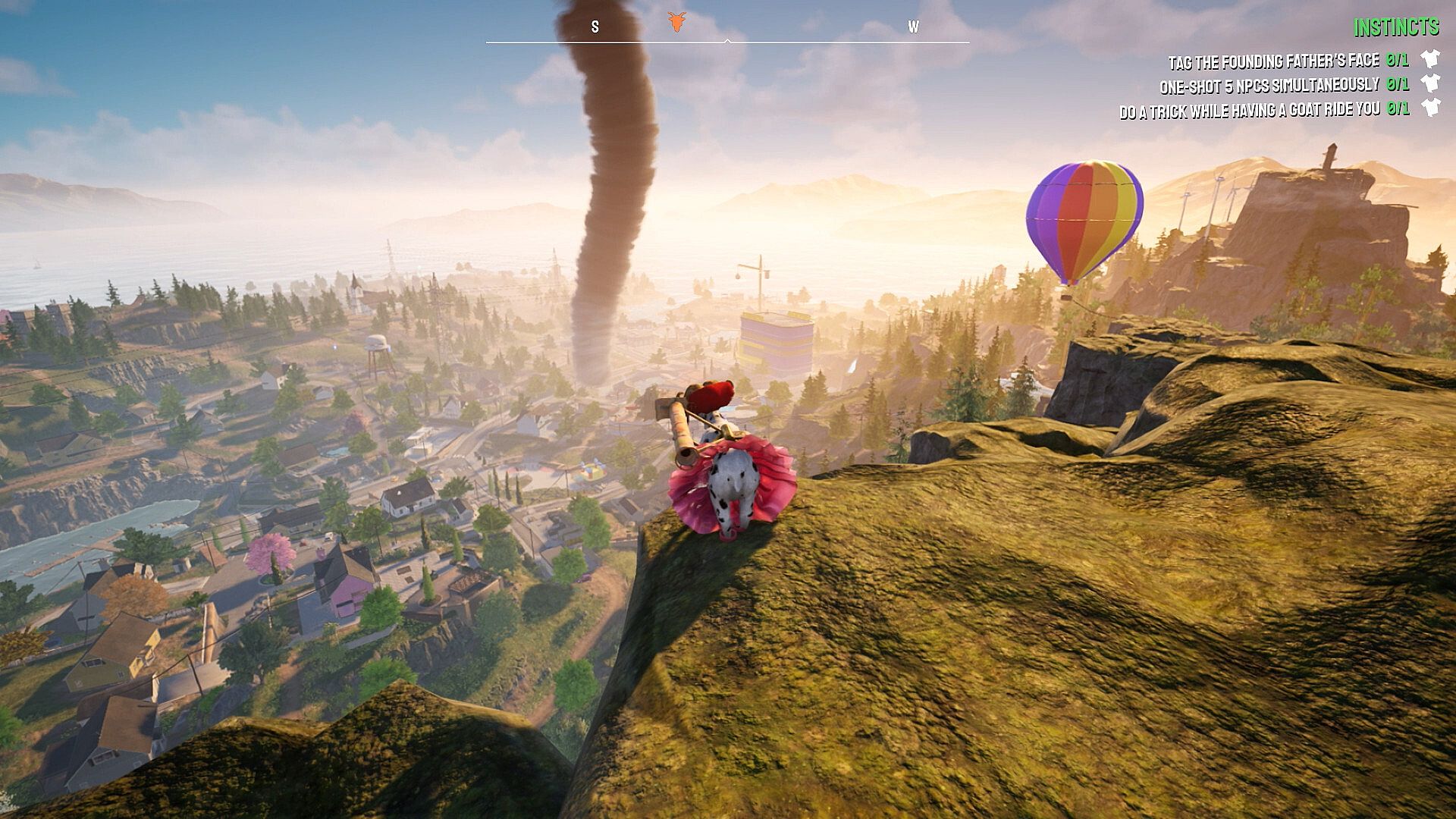
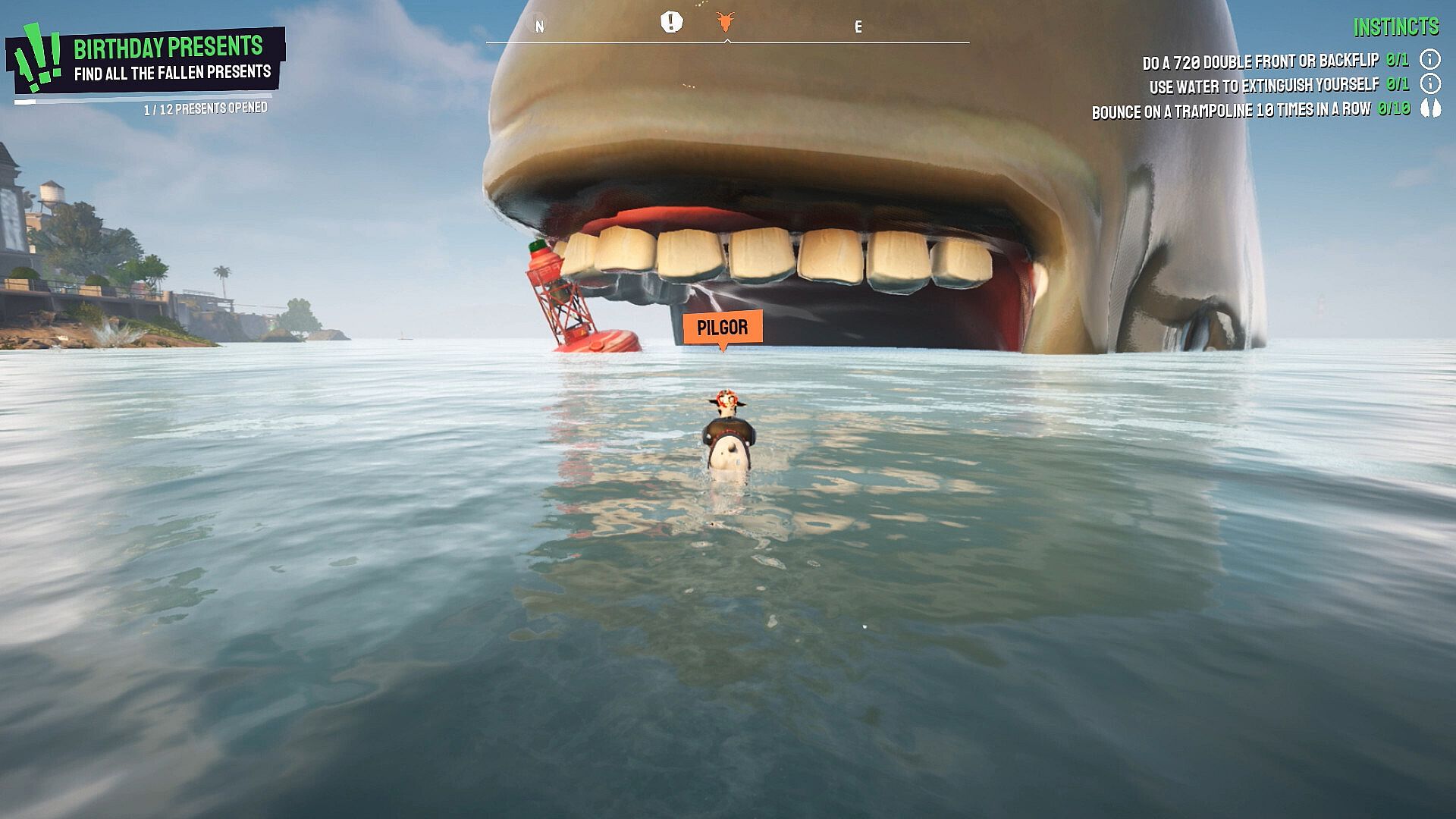
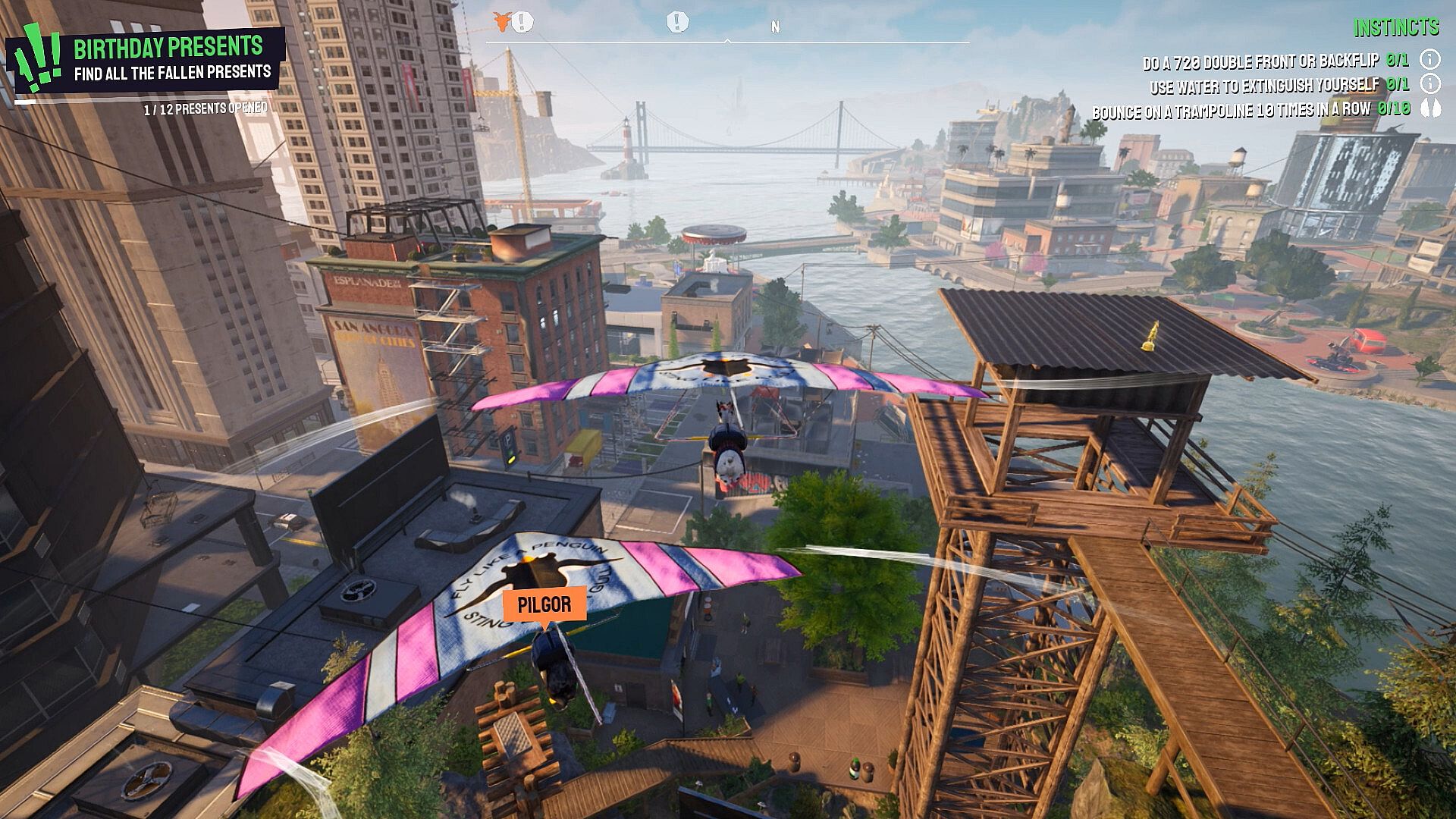
The core loop revolves around exploration and interaction in the fictional island setting of San Angora. Players navigate on foot or by commandeering vehicles while using basic goat abilities such as headbutting objects and characters, licking to attach to items, and executing triple jumps for mobility. Progression ties into goat towers that function as synchronization points, revealing new areas and tasks upon activation. Quests form the main structure, ranging from constructing vehicles to orchestrating elaborate events like tornado creation or town-wide destruction. Smaller instincts serve as on-the-go challenges that reward points for unlocking further content, including access to a central goat castle and a concluding confrontation.
Gear and clothing options equip the goat with varied effects that alter movement or interactions. The world supports vehicle handling and environmental manipulation, encouraging repeated visits to test different approaches to the same objectives. On the Nintendo Switch 2, the version maintains 1080p resolution in both docked and handheld modes with enhanced split-screen support compared to prior console releases.
Game Modes
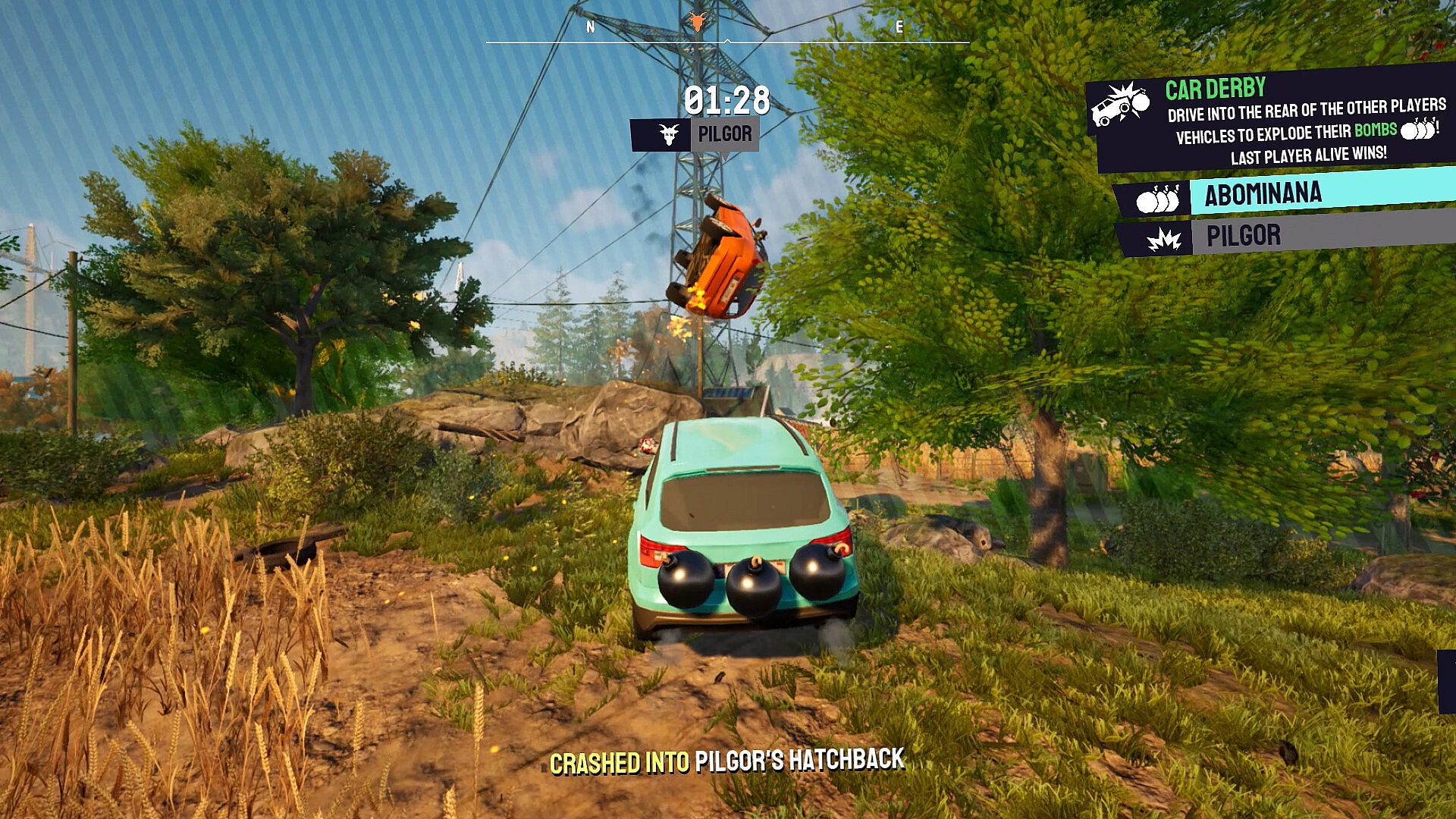
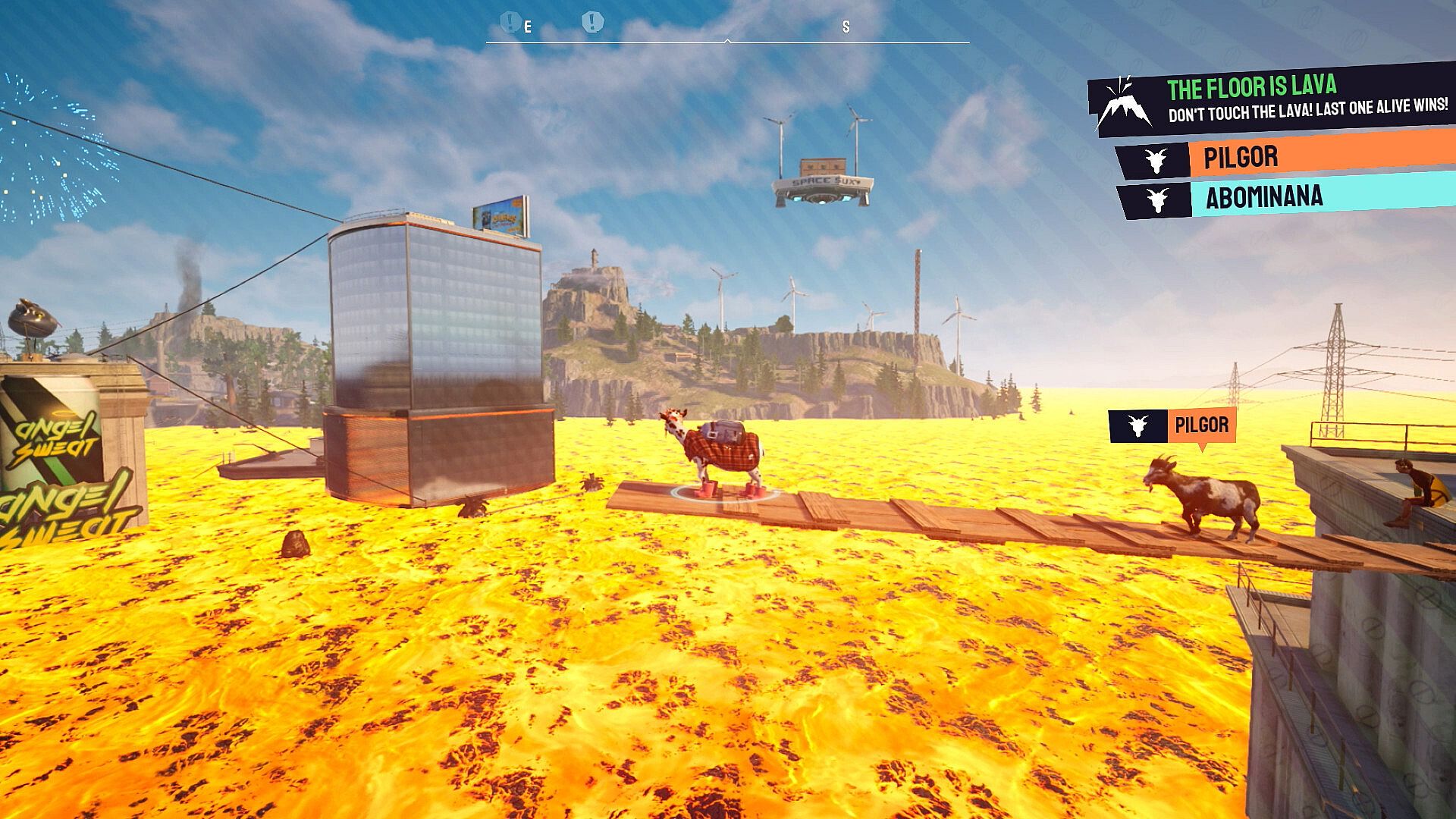
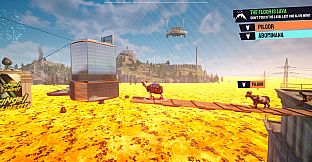
Single-player offers the full campaign experience focused on quest completion and world discovery. Multiplayer expands the options through four-player cooperative sessions available locally or online, allowing groups to explore and disrupt together. During these sessions, participants can access seven distinct competitive minigames at any location, including The Floor Is Lava, Hoofball, and Headsplat. These provide structured breaks from open-ended chaos while remaining integrated into the shared world.
World and Progression
San Angora serves as the primary environment, featuring diverse locations that support both story-driven quests and free-form experimentation. The story mode introduces a narrative thread absent from earlier entries, guiding players through Illuminati rank advancement via targeted objectives. Points earned from instincts and quests unlock new gear and areas, creating a steady sense of advancement without rigid linearity. Environmental events and NPC behaviors add unpredictability to sessions, rewarding creative problem-solving over precise execution.
Is It Worth Playing?
Goat Simulator 3 suits players seeking lighthearted, physics-driven action and group entertainment. Reception has been mixed to favorable across platforms, with praise centered on the consistent absurdity and multiplayer appeal. The Nintendo Switch 2 port improves accessibility for portable and local play, addressing some performance concerns from earlier versions. Those who enjoy unstructured chaos and short cooperative bursts will find the most value, while players preferring structured campaigns or high-fidelity visuals may encounter repetition over extended sessions. The game remains available as a complete package without reliance on seasonal content.