













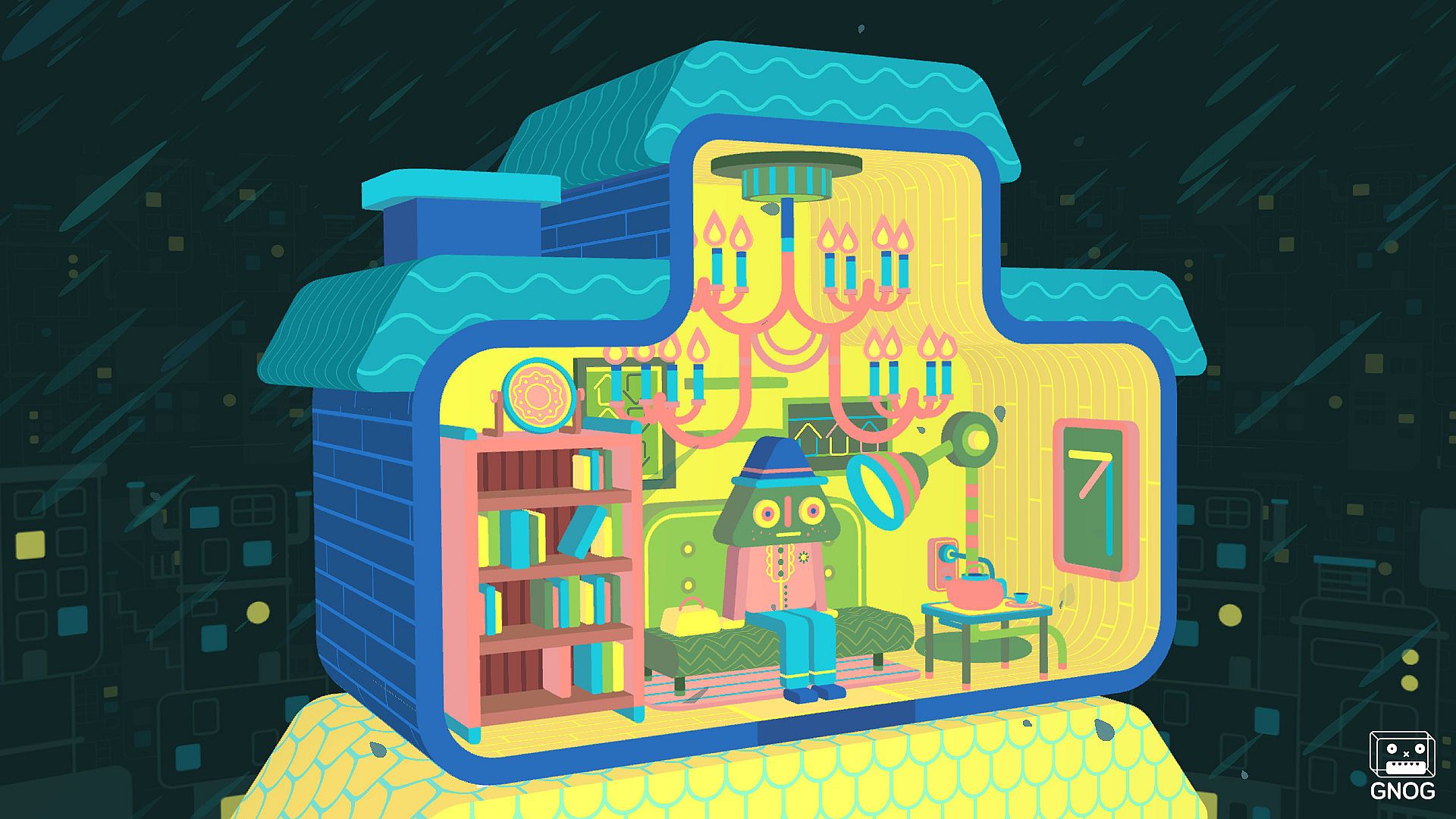
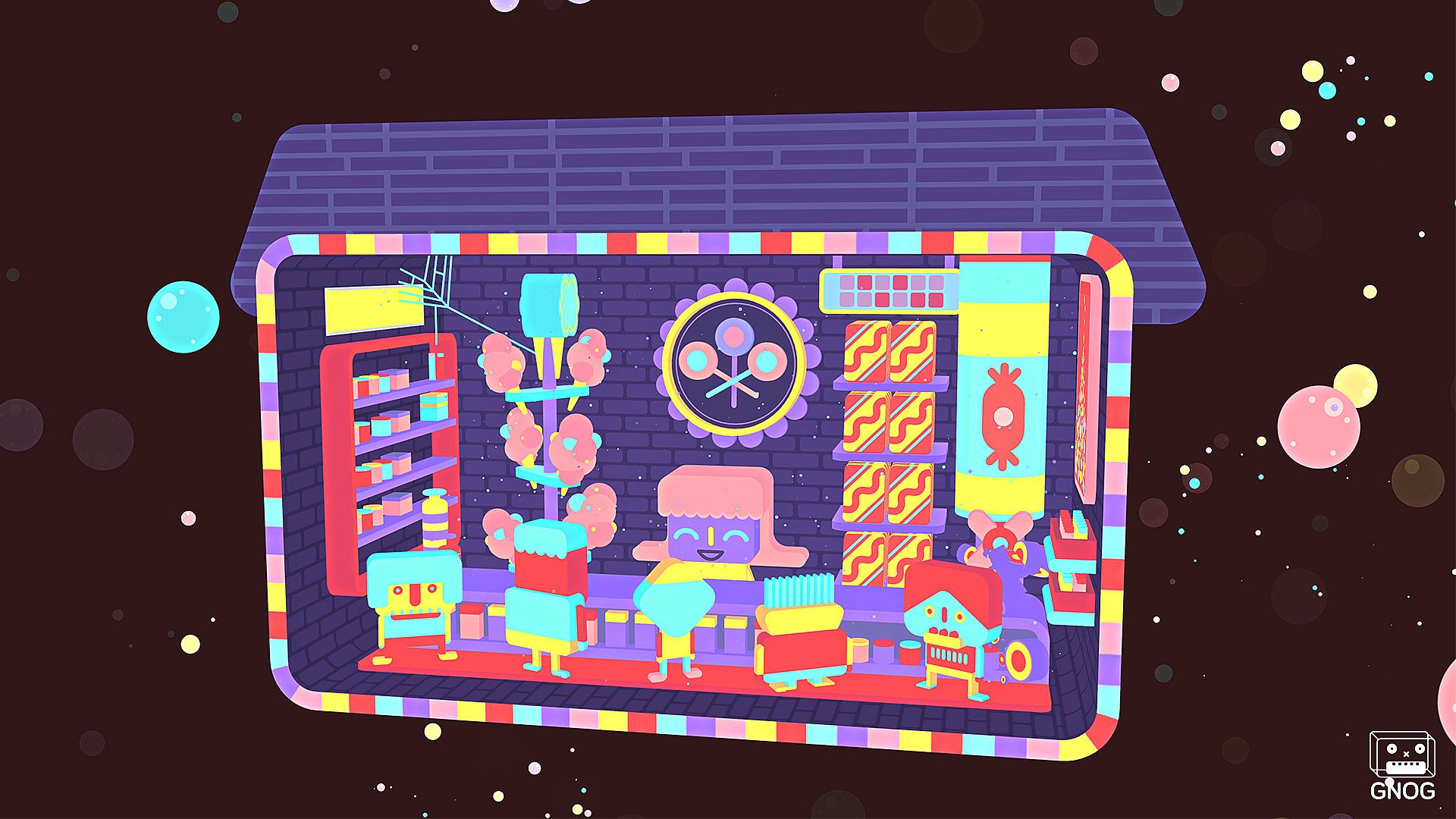








GNOG is a 3D puzzle adventure game developed as an indie title for PC. Players explore a series of monstrous virtual toys by manipulating their intricate parts to reveal hidden mechanisms and complete each level.
Gameplay
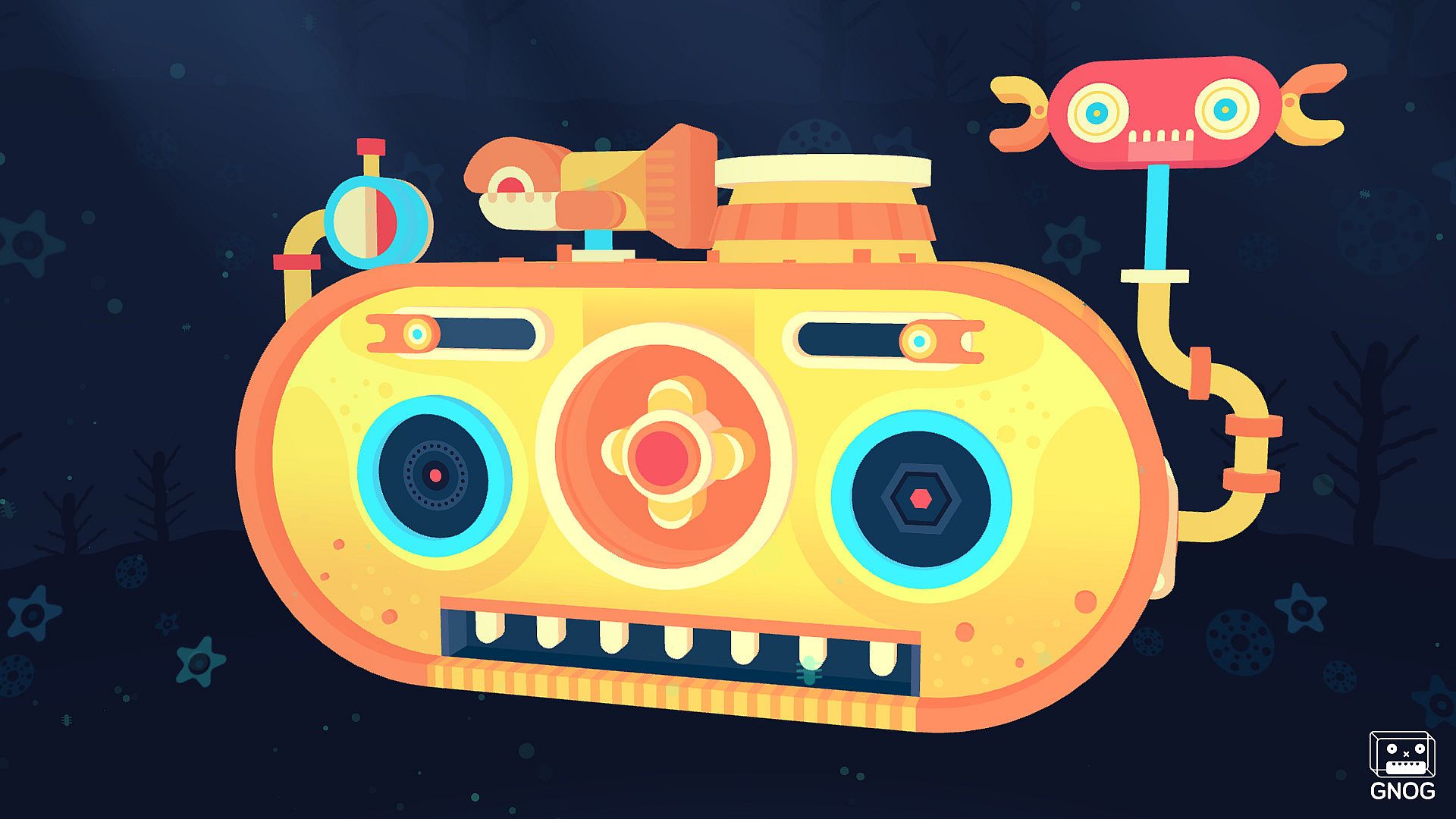
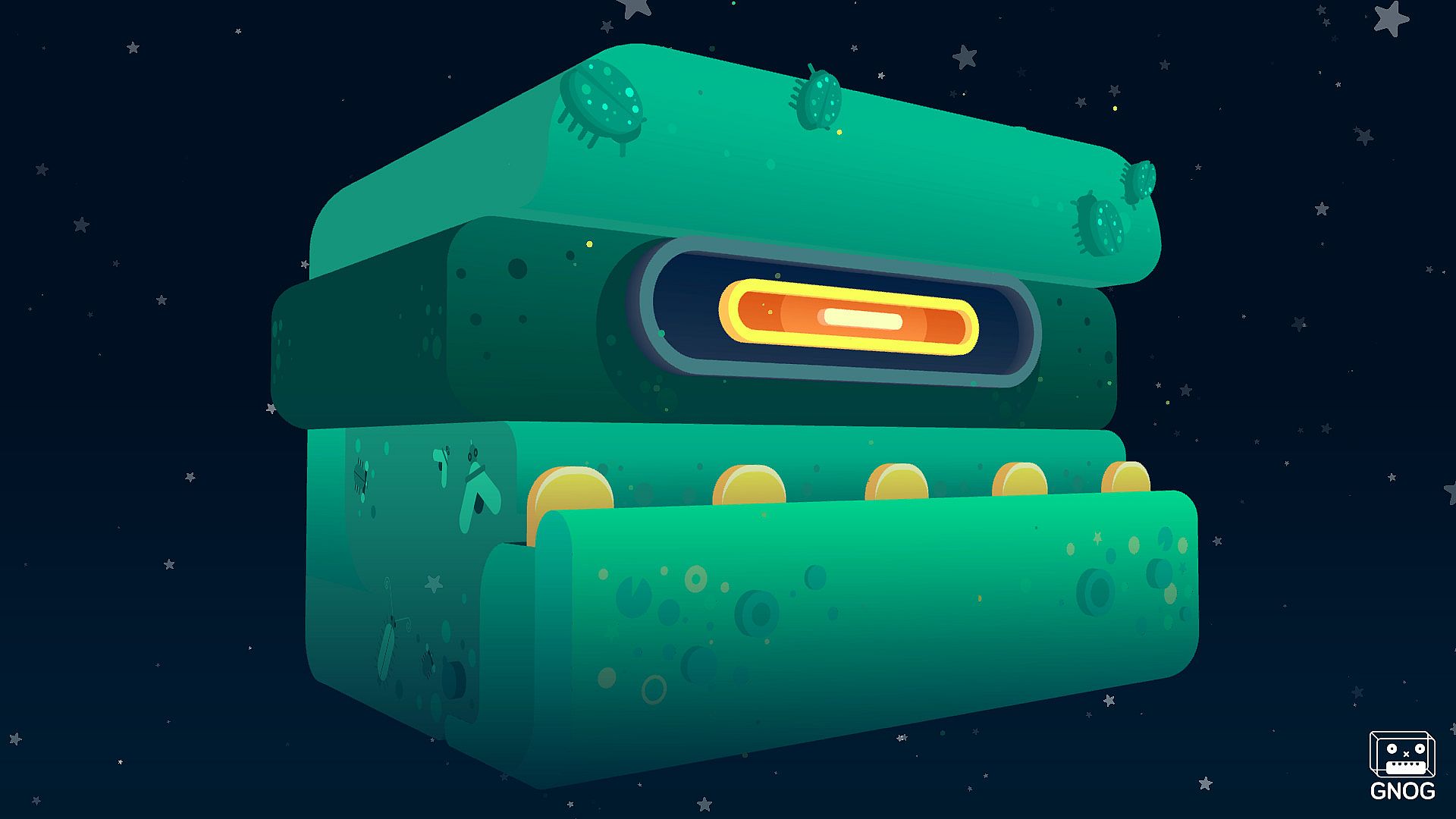
The core loop centers on tactile interactions within nine distinct levels. Each level presents a unique hand-crafted GNOG head filled with levers, wheels, bookshelves, and other movable elements. Pointing and clicking allows players to press, pull, slide, grab, rotate, and crank these components. Successful sequences often lead to surprising animations and the discovery of a final trigger that activates a celebratory sequence of visuals and sounds. The puzzles emphasize experimentation over instructions, encouraging players to test every surface and object for reactions. Feedback remains lively and immediate, with each action producing responsive changes in the environment.
Levels draw inspiration from toy designs, turning each head into a miniature world. One might involve navigating a damaged ship through space via sliding controls, while another requires cranking mechanisms to prepare food on a stove. These interactions build toward uncovering secrets without relying on narrative progression or external objectives. The experience stays focused on the joy of physical manipulation in a surreal setting.
Game Modes
GNOG supports standard mouse-and-keyboard or controller play on PC alongside optional VR compatibility. Players can switch between the two modes seamlessly during a session. Standard mode delivers the full puzzle experience through traditional controls, while VR enhances the sense of scale and direct interaction with the toy elements. No additional modes such as multiplayer or competitive variants exist. The structure remains consistent across both options, with the same nine levels available in either format.
Visual Design and Audio
Every GNOG head features eye-catching, hand-crafted details that bring the toy-like worlds to life. Animations respond directly to player actions, creating a sense of discovery with each successful manipulation. The visual style blends whimsy and surrealism, drawing from real-world toy aesthetics to make each level feel distinct and memorable.
A dynamic soundtrack composed by Marskye accompanies the puzzles. Music evolves in response to player progress and interactions, shifting tones to match the mood of each level. This reactive audio layer adds depth without overpowering the focus on exploration and problem-solving.
Is It Worth Playing?
GNOG appeals to players seeking a short, relaxing single-player puzzle experience with strong emphasis on charm and creativity. Reviews consistently highlight its joyful tone and uplifting effect, noting that the whimsical interactions leave a positive impression. The game contains no ongoing updates, seasons, or live-service elements, presenting a complete, self-contained package from its original release.
Those who enjoy tactile puzzle games with minimal guidance and a focus on visual and auditory feedback will find it satisfying. The brevity of the nine levels suits sessions where players want to finish in a few hours while appreciating the hand-crafted details. Reception emphasizes its unique approach to puzzle design, making it a strong choice for fans of indie adventure titles that prioritize style and experimentation over length or complexity.