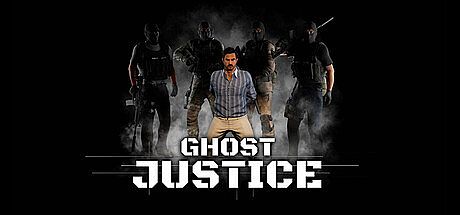


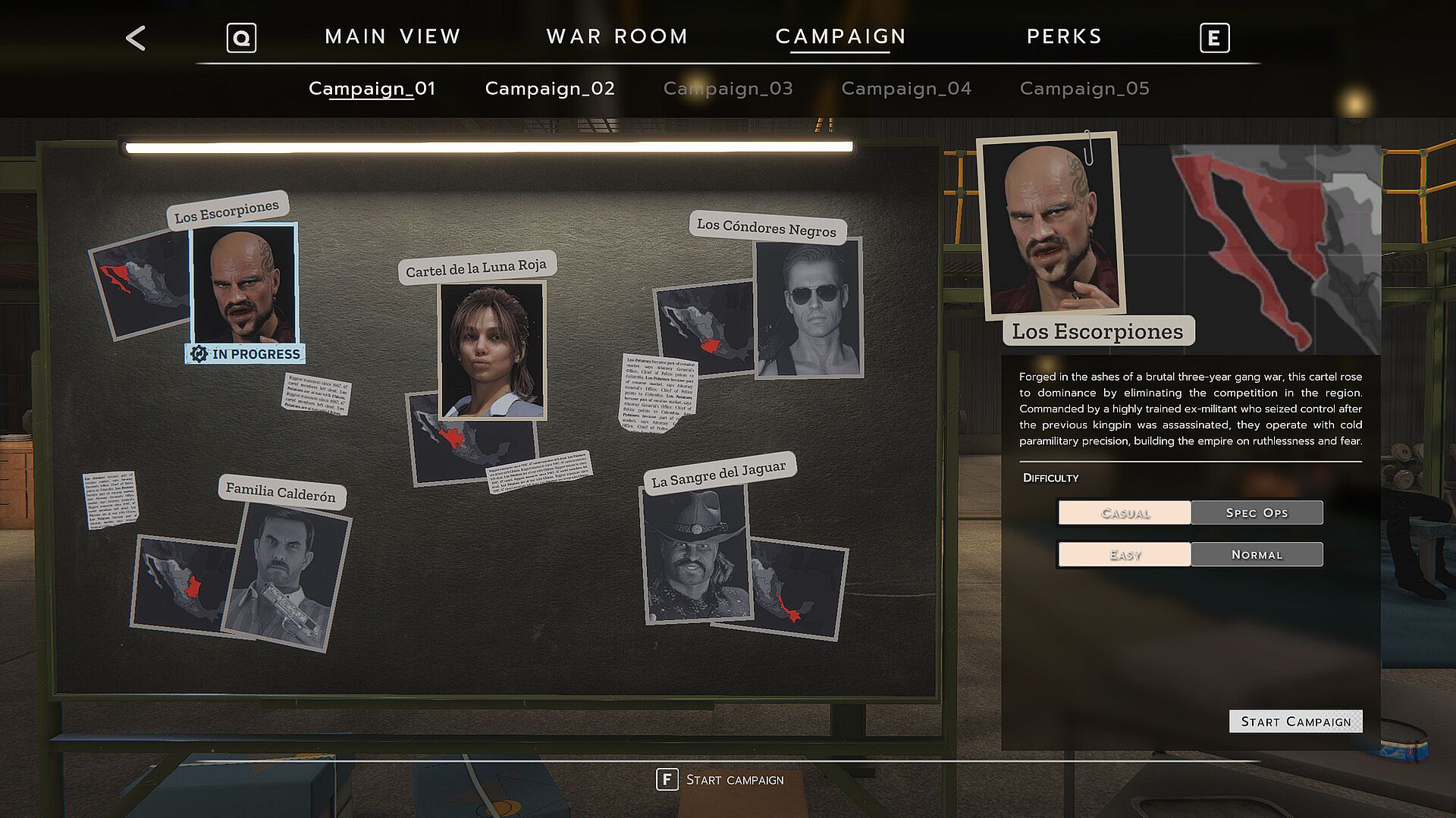
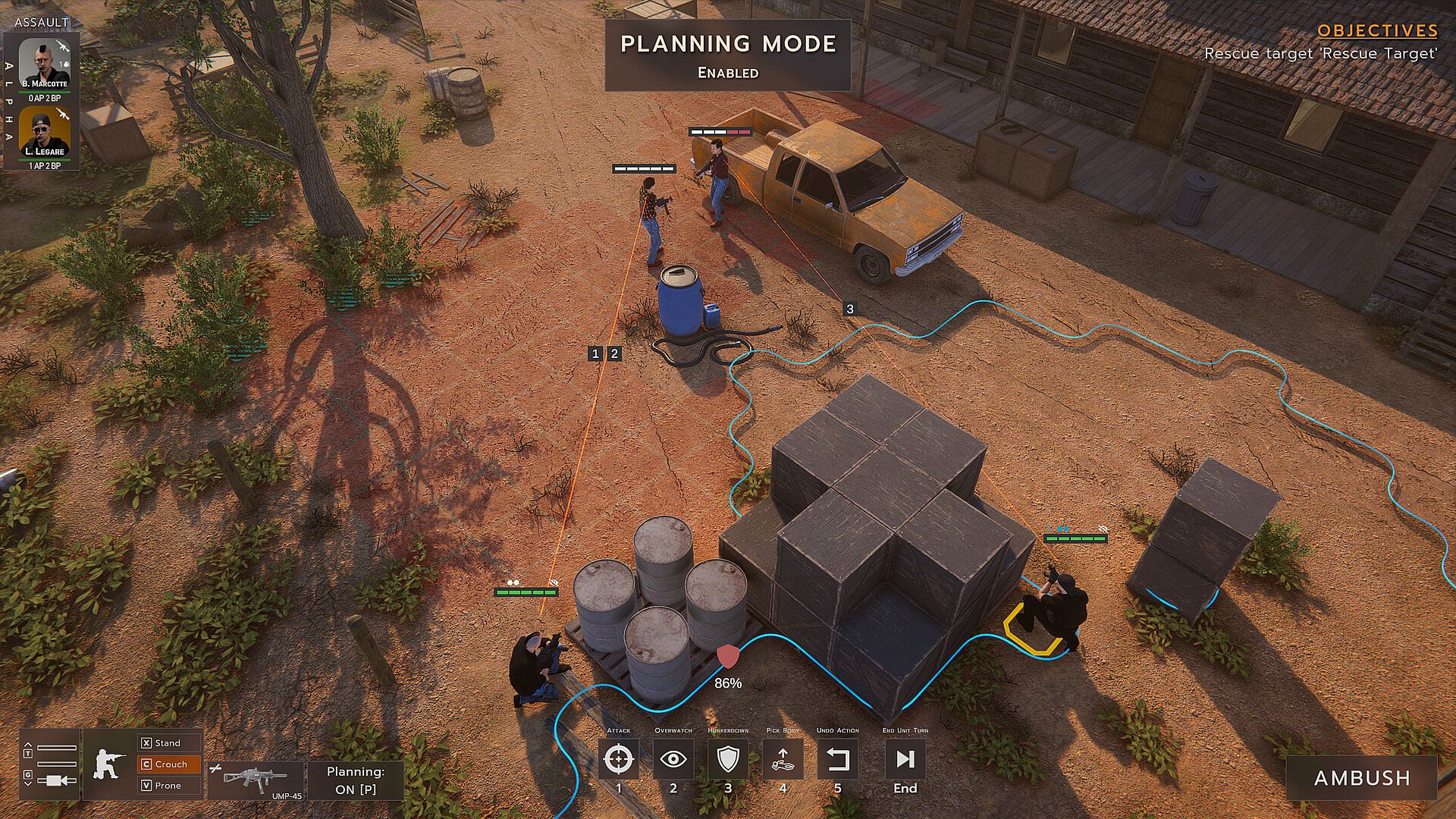
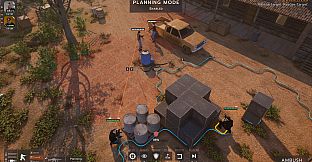
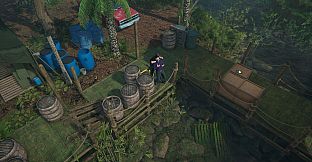
Ghost Justice is a turn-based tactical strategy game that places players in command of elite operatives fighting ruthless cartels in a narco conflict where central authority has collapsed. The experience centers on single-player missions that require careful planning, coordination of multiple units, and a preference for stealth over direct confrontation across varied terrain.
Gameplay
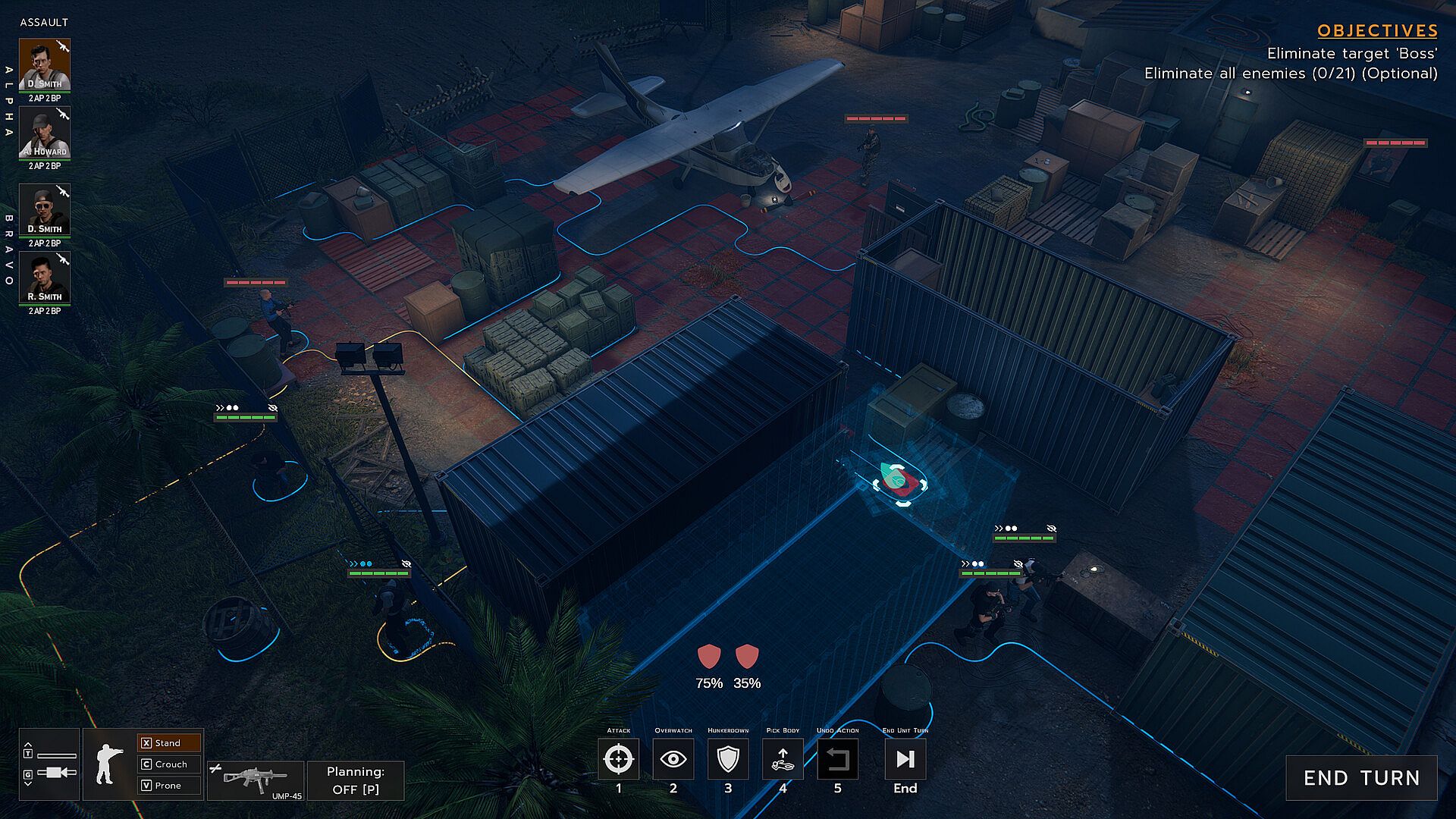
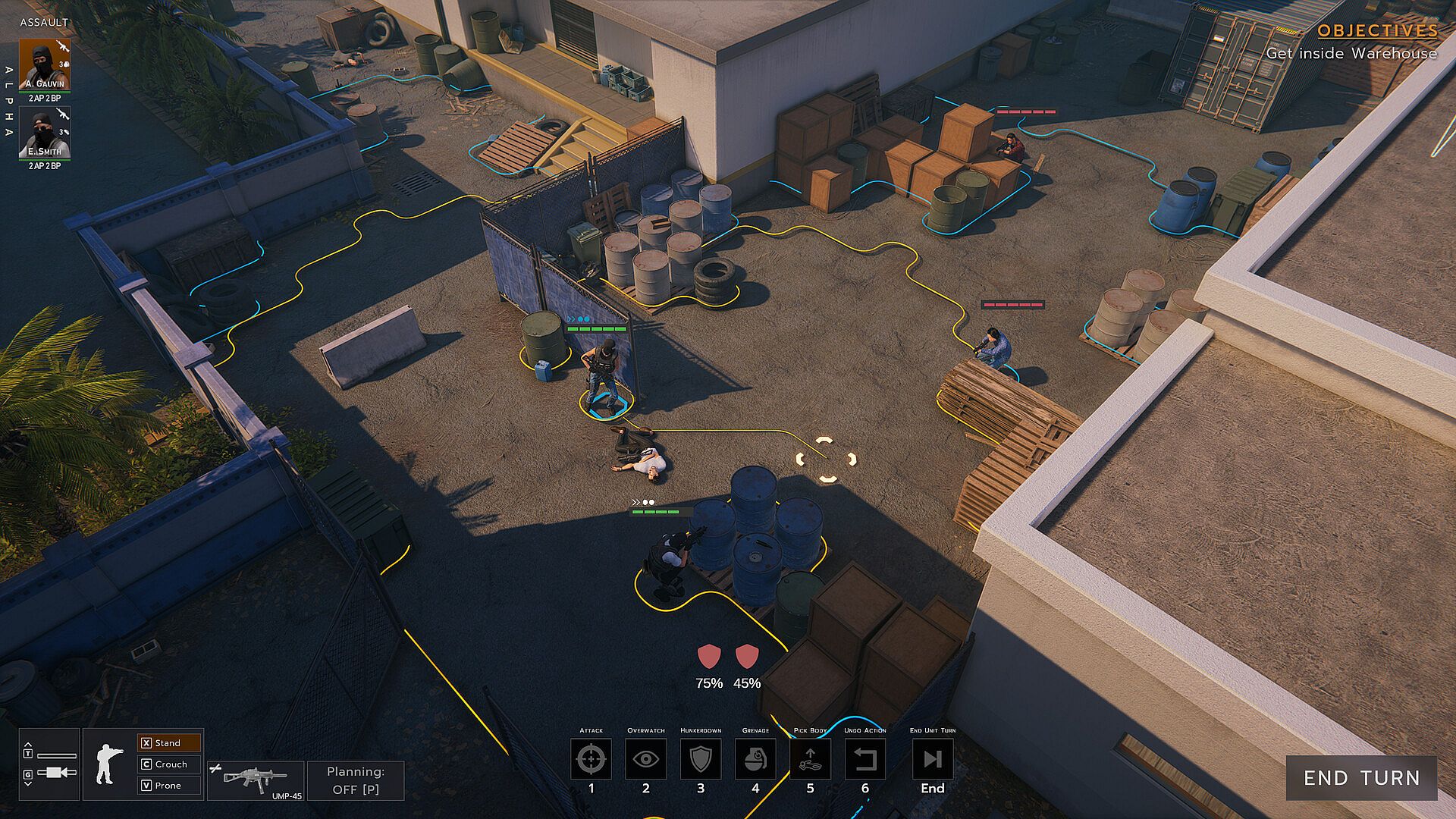
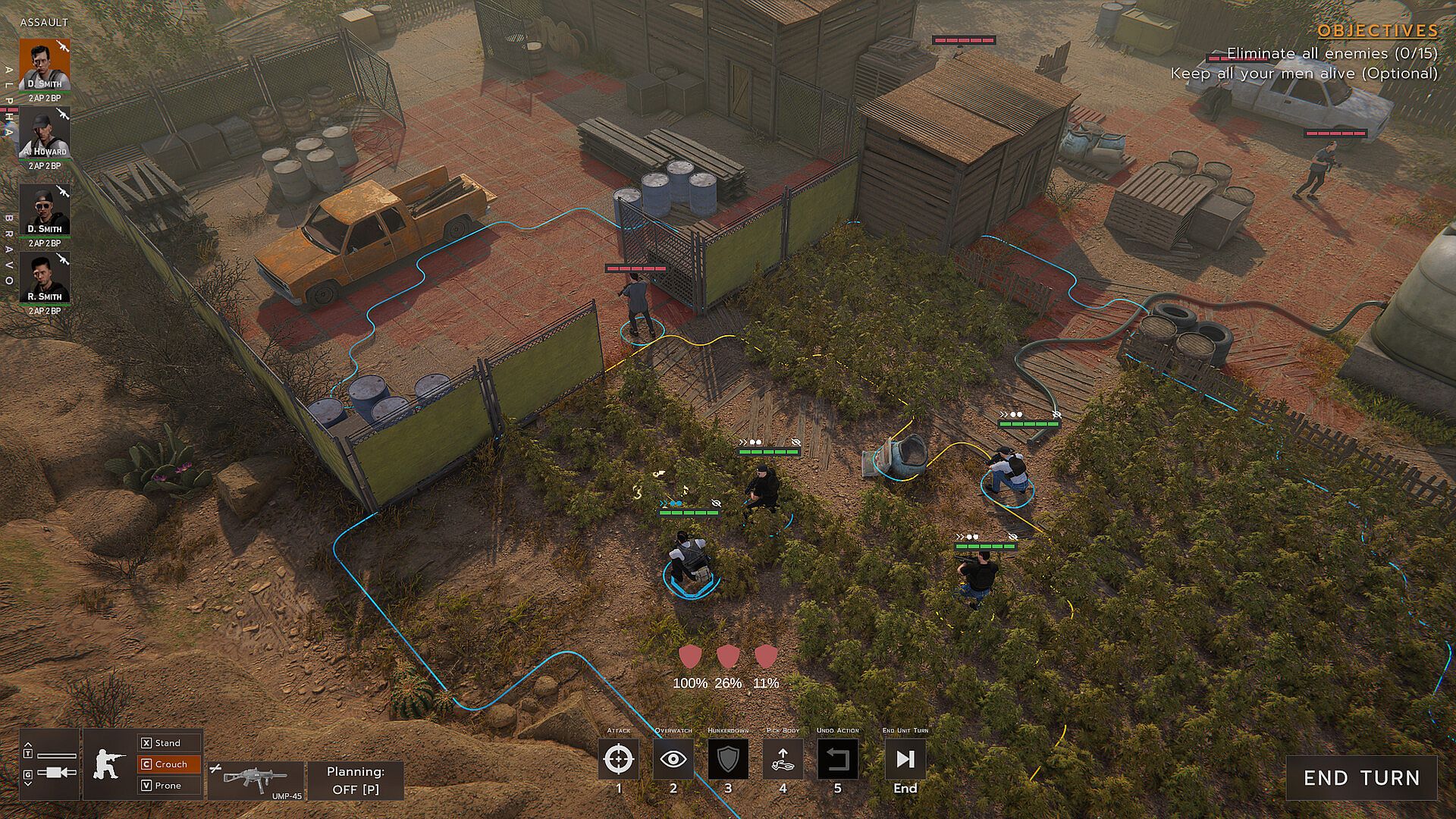
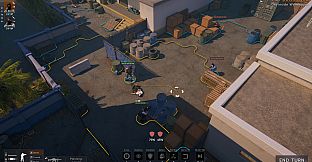
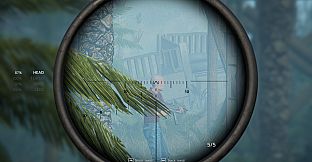
The core loop revolves around gathering intelligence on enemy positions before committing forces to the field. Players study layouts, identify patrol routes, and position teams to exploit weaknesses through ambushes or silent eliminations. Turn-based movement and actions allow time to synchronize efforts across the battlefield, with each operative contributing specialized skills such as spotting targets from afar or delivering precise long-range fire.
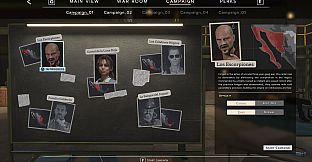
Resource management plays a steady role as operatives must be recruited, equipped, and developed to handle escalating threats. Different mission requirements call for adjustments in team composition, favoring stealth-focused loadouts in some cases and more versatile setups in others. Success often hinges on adapting to unexpected developments while maintaining the element of surprise.
Game Modes
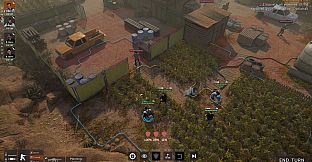
The game operates entirely in a single-player format focused on sequential operations. These missions unfold across urban districts, remote settlements, and dense jungle areas, each presenting distinct challenges that reward coordinated multi-team approaches over isolated actions. Players advance by completing objectives that test planning, positioning, and the ability to neutralize high-value targets without alerting larger forces.
No separate competitive or cooperative modes exist. Progress builds through repeated engagements that grow in complexity, encouraging refinement of tactics and team builds tailored to the cartels' responses.
Operatives and Task Force Development
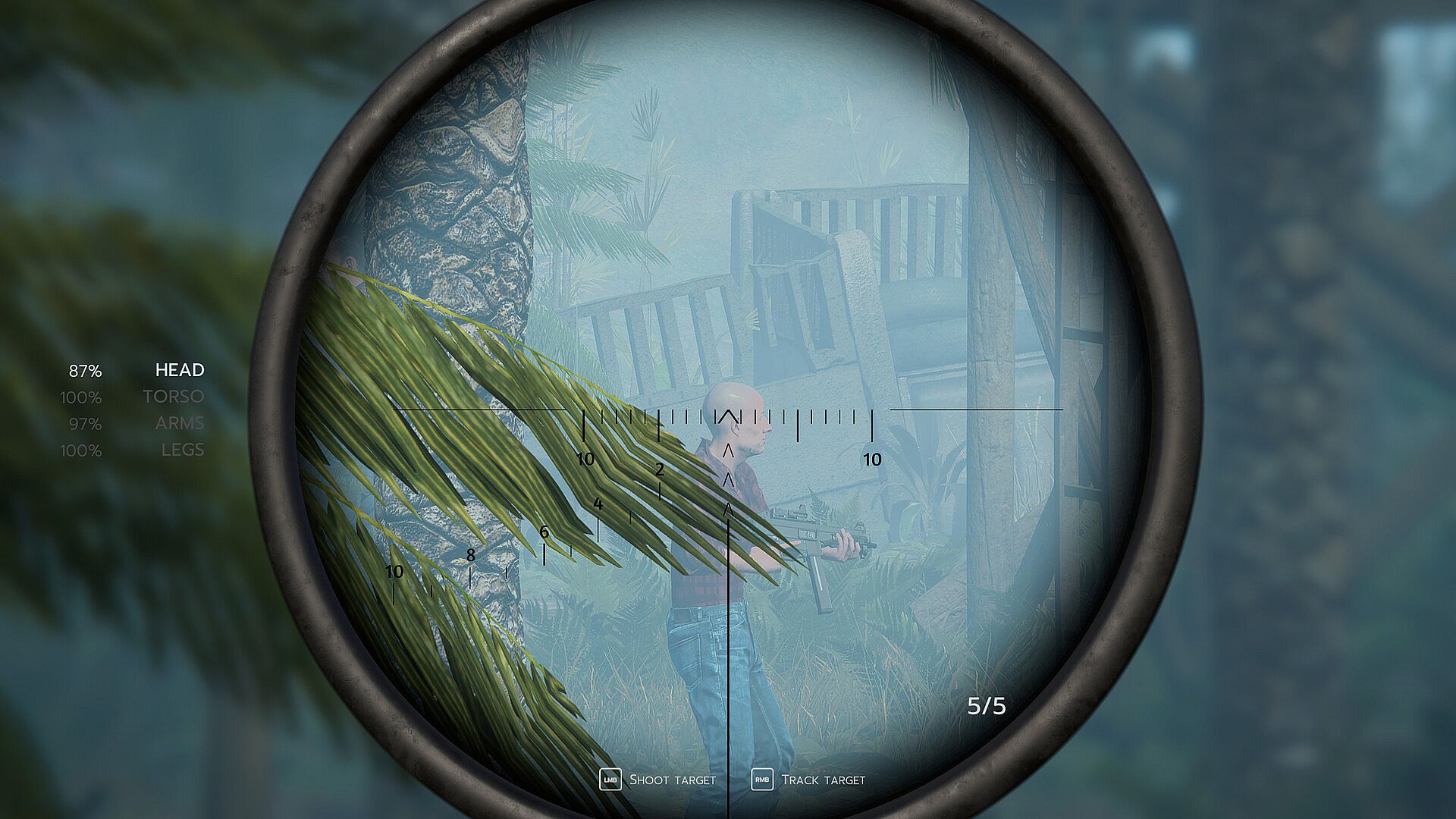
Recruitment and equipment choices shape how each operation unfolds. Specialized roles include spotters who mark targets for elimination and snipers who engage from distance, allowing skilled commanders to resolve encounters before close-quarters fighting becomes necessary. Development of these operatives occurs through mission outcomes, with equipment upgrades helping teams meet new threats as cartel resistance intensifies.
Resource allocation between missions determines readiness for tougher assignments. Players balance immediate needs against long-term preparation, selecting operatives whose abilities align with the intelligence gathered on upcoming targets and terrain.
Environments and Mission Structure
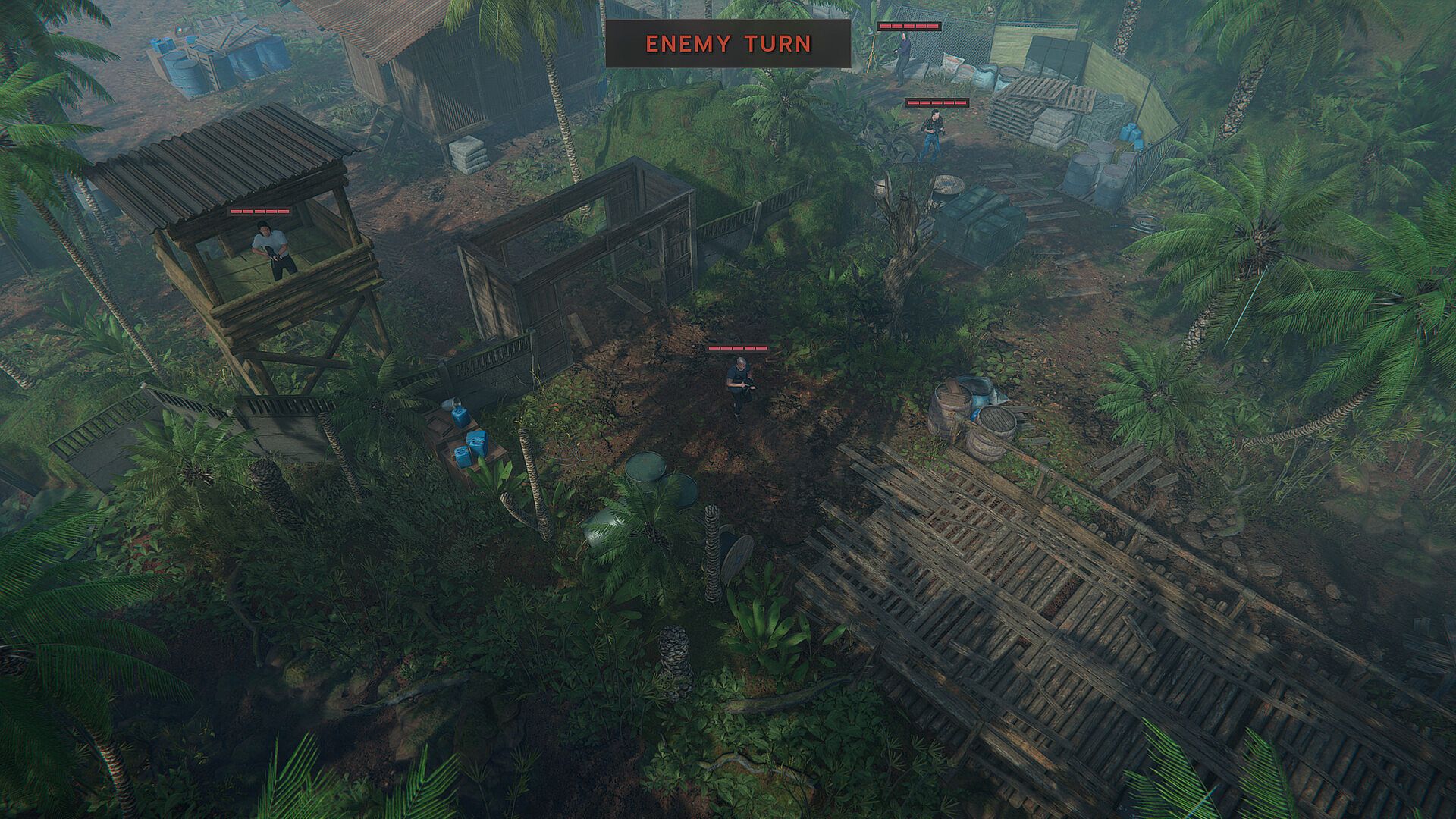
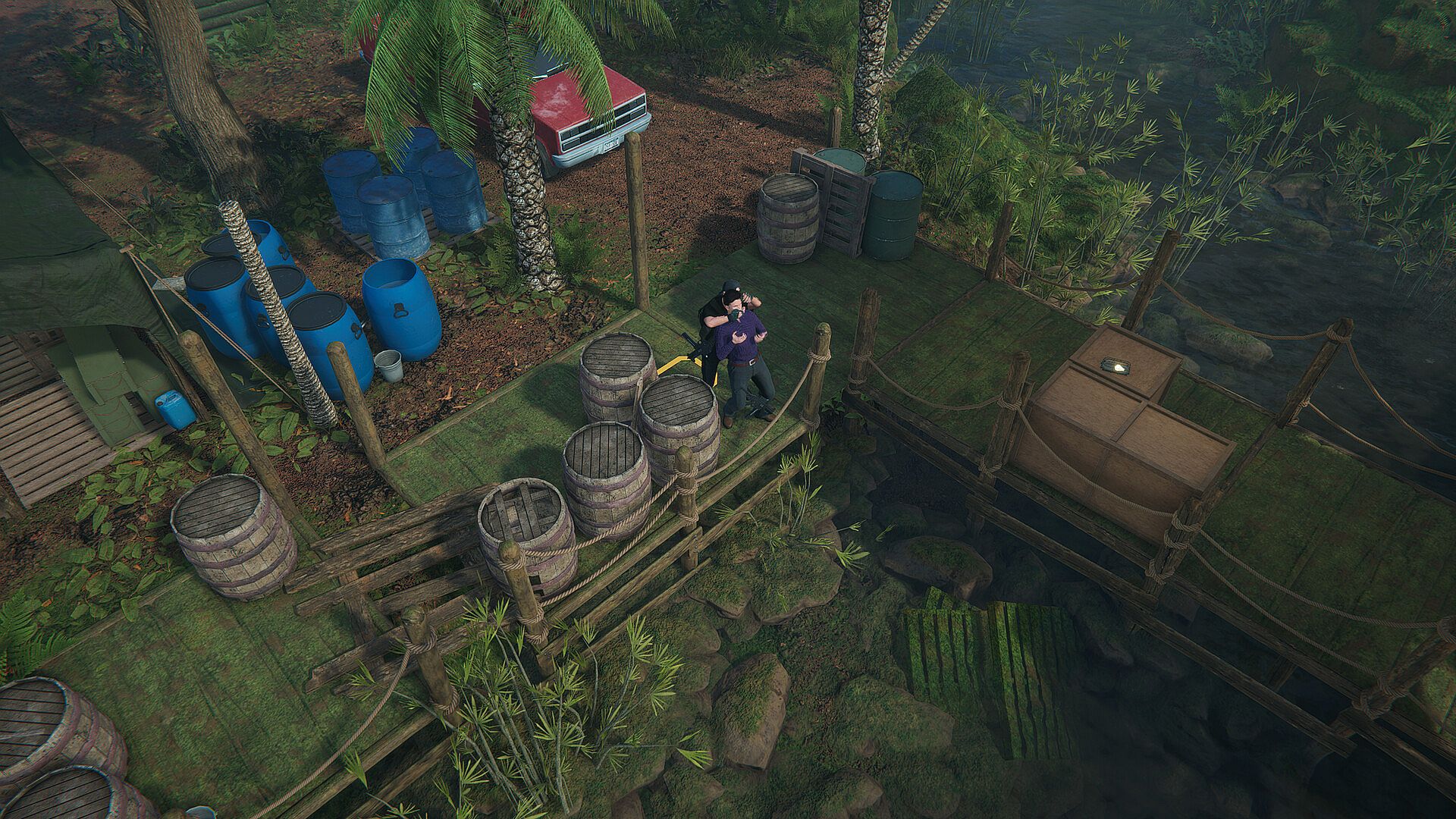
Operations span multiple settings that influence line of sight, movement options, and ambush potential. City streets offer cover in buildings and alleys, while jungle zones emphasize concealment and longer sightlines for ranged specialists. Remote settlements combine elements of both, requiring flexible positioning to handle scattered enemy groups.
Objectives typically involve infiltration, elimination of key figures, and extraction without full-scale alerts. The emphasis remains on using multiple coordinated teams to create openings that a single squad could not achieve alone.
Is It Worth Playing?
Ghost Justice targets players who prefer deliberate, turn-based tactical decision-making in a single-player campaign. Its focus on multi-team coordination, intelligence gathering, and stealth mechanics suits those who enjoy methodical approaches to conflict rather than fast-paced action.
The upcoming release in Q1 2027 means the full experience is still ahead, but the described systems align with established turn-based strategy preferences. Those drawn to managing specialized units across varied environments and adapting plans on the fly will find the core loop rewarding. Early interest centers on the promise of realistic modern settings and the challenge of outmaneuvering cartel forces through preparation instead of overwhelming force.