








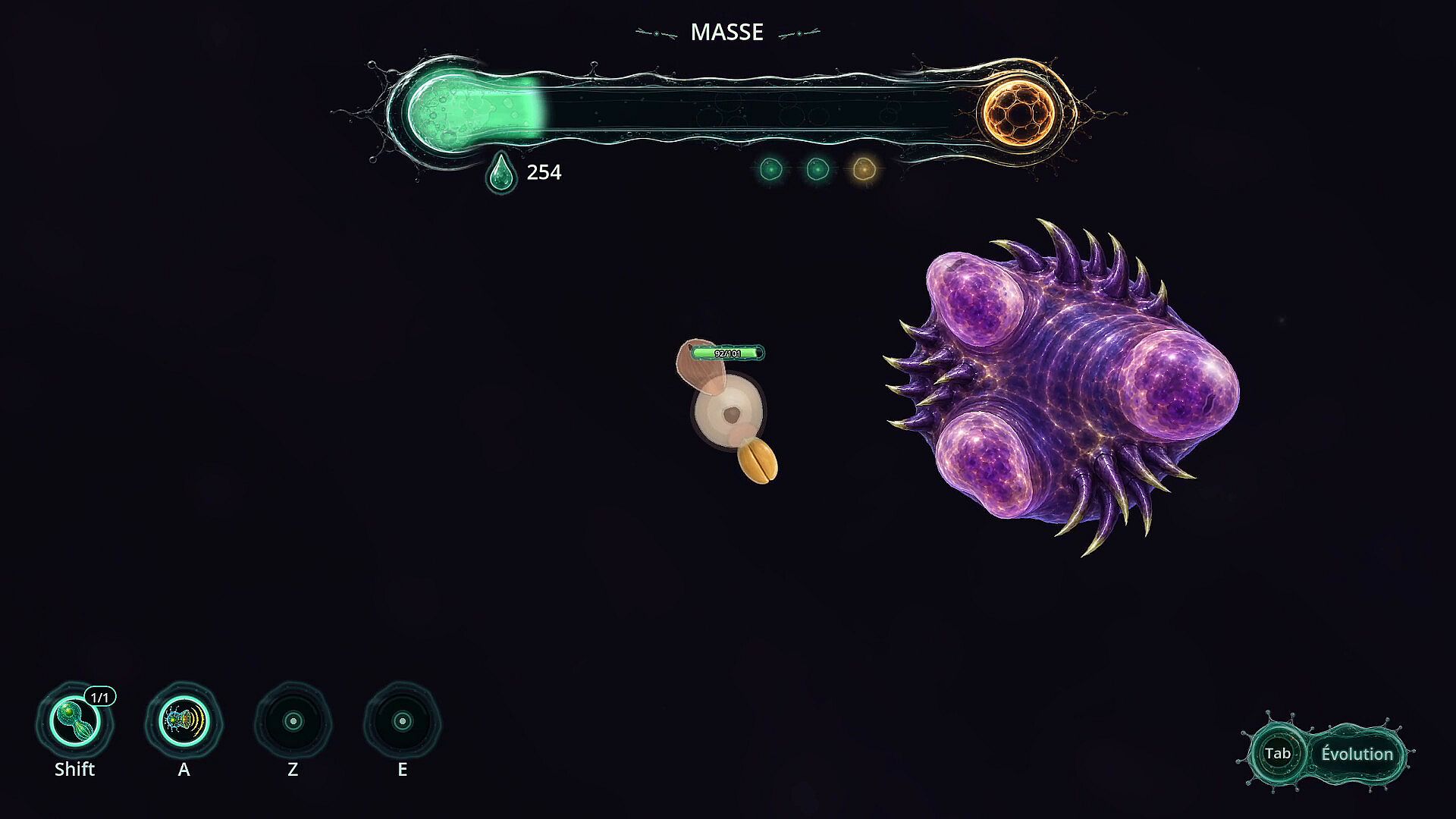











Genesis: Rise of Life is a single-player survival and evolution game set in a microscopic biological world. Players begin as a primitive cell and must navigate hostile environments filled with nutrients, competing organisms, and larger threats. The experience blends action, strategy, indie, and simulation elements on PC, focusing on incremental growth through feeding, evasion, and adaptation rather than direct combat or large-scale campaigns.
Gameplay
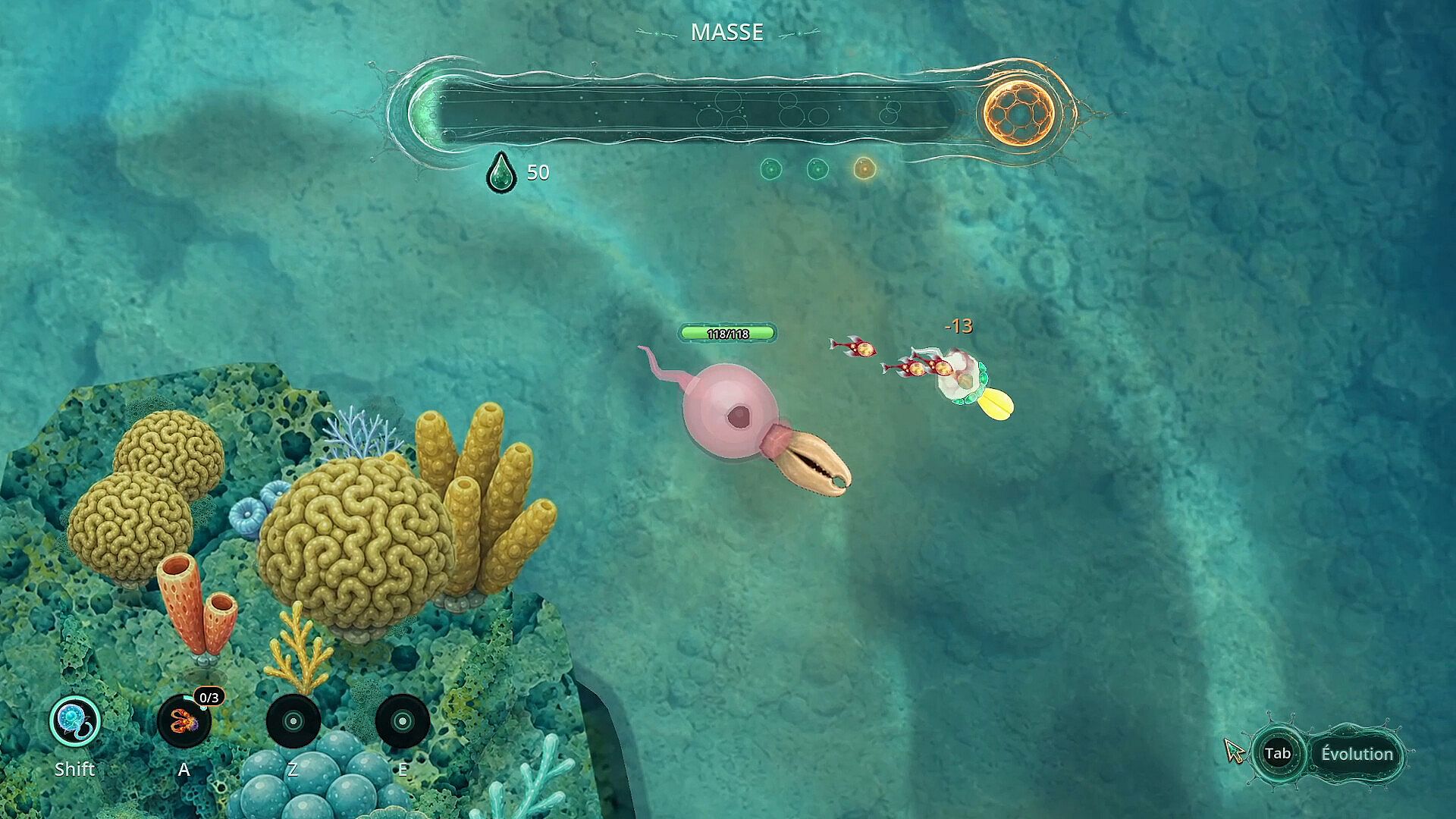
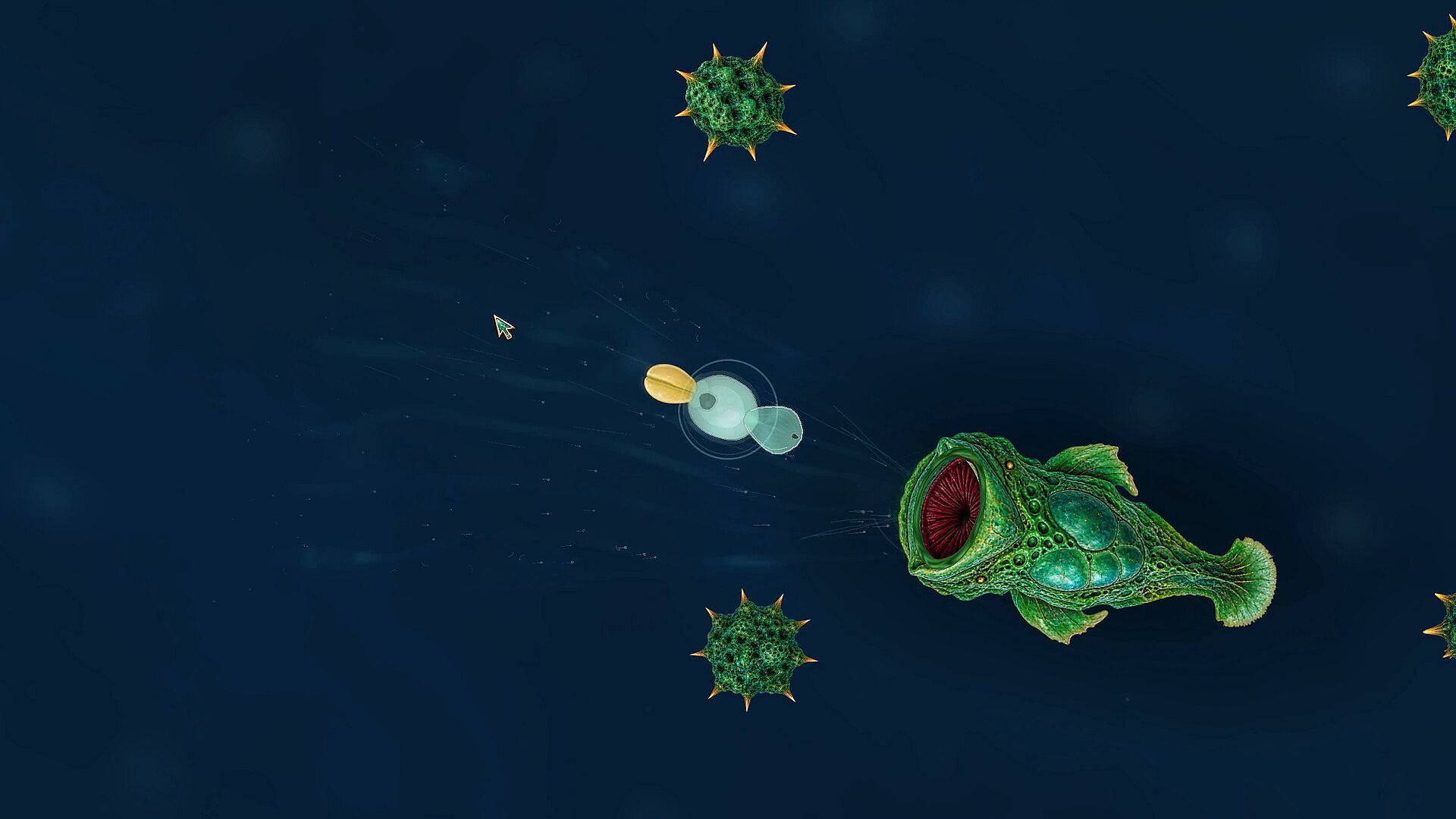
The core loop centers on survival across repeated cycles in living ecosystems. A session starts with a basic organism that must absorb nutrients while avoiding or confronting rivals and predators. Exploration reveals resources and dangers that shift as time passes, forcing constant decisions about movement and interaction. Mass collected from successful hunts and foraging serves as the primary resource for expansion.
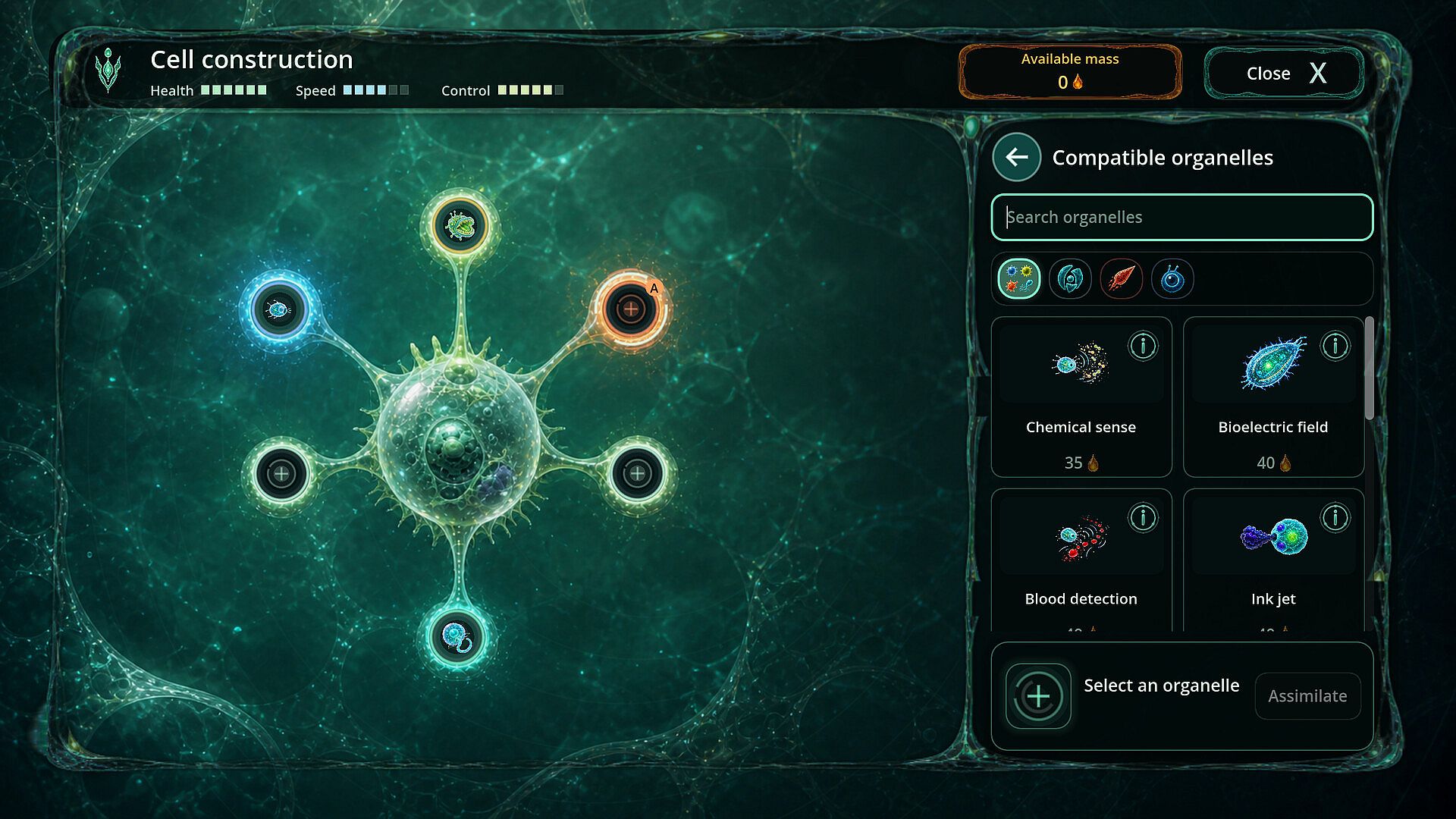
Accumulated mass enables direct modifications to the cell. Players can prioritize speed for quick escapes and hit-and-run tactics, build defensive structures to withstand contact with aggressive entities, or develop offensive capabilities to actively pursue and consume weaker cells. These choices alter movement, durability, and interaction styles, creating distinct play patterns within the same environment. The surrounding ecosystem reacts dynamically, introducing stronger threats and contested resource zones the longer a cycle continues.
Progress carries forward between cycles through a genetic memory system. Successful adaptations from one run contribute to unlocking additional options for future attempts. Death ends the current cycle but leaves a trace that influences the next generation, encouraging repeated play to refine strategies and explore different evolutionary paths.
Game Modes
The game operates entirely in a single-player format with no multiplayer components. Progression unfolds through successive survival cycles in varied microscopic environments. Each cycle presents escalating challenges as new threats emerge and resources grow more contested, pushing players to adapt their organism's traits accordingly. The structure emphasizes iterative improvement rather than separate named modes or competitive brackets.
Environmental variety adds strategic depth within this single-player framework. Different biological settings impose unique hazards and opportunities, requiring players to balance exploration, resource gathering, and threat avoidance based on the current organism's capabilities. The absence of external modes keeps focus on the personal evolution journey from fragile cell to more complex life form.
Key Mechanics and Progression
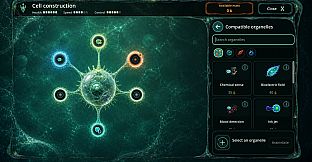
Organelle addition forms the foundation of customization. Each upgrade changes how the cell interacts with its surroundings, from enhanced mobility to improved nutrient absorption or combat effectiveness. These modifications are permanent within a cycle but build toward broader genetic unlocks across multiple runs.
Pressure management becomes central as cycles lengthen. Early stages allow relatively safe foraging, while later stages demand careful positioning and timely evolution to handle increased predator density and resource competition. The system rewards observation and flexible strategy over rigid builds.
Is It Worth Playing?
Genesis: Rise of Life appeals to players interested in deliberate survival loops and evolutionary customization within a compact single-player package. The cycle-based structure and genetic memory feature provide replay incentive through incremental unlocks and strategy refinement. Those who enjoy methodical adaptation in action-strategy simulations may find the microscopic setting and organism progression engaging.
The game remains in a pre-release state with no public player reviews or completed updates available. Potential buyers should monitor official channels for the launch date and any post-release patches that refine balance or add content. It suits individuals seeking a focused indie experience centered on biological survival rather than broad multiplayer or narrative-driven titles.












