



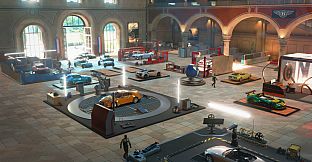
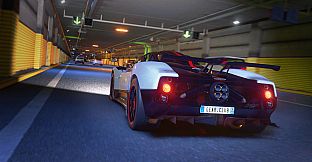

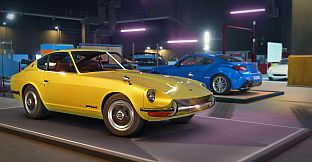
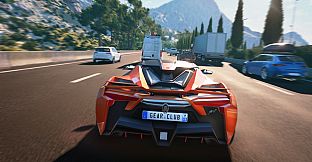


Gear.Club Unlimited 3 is a racing simulation game that blends accessible arcade handling with detailed car customization and progression systems. Players take control of licensed vehicles across roads in France and Japan, focusing on building a personal garage while competing in structured events. The experience emphasizes mechanical upgrades, visual tuning, and managing a club headquarters as part of a career progression set in Japanese automotive culture.
Gameplay
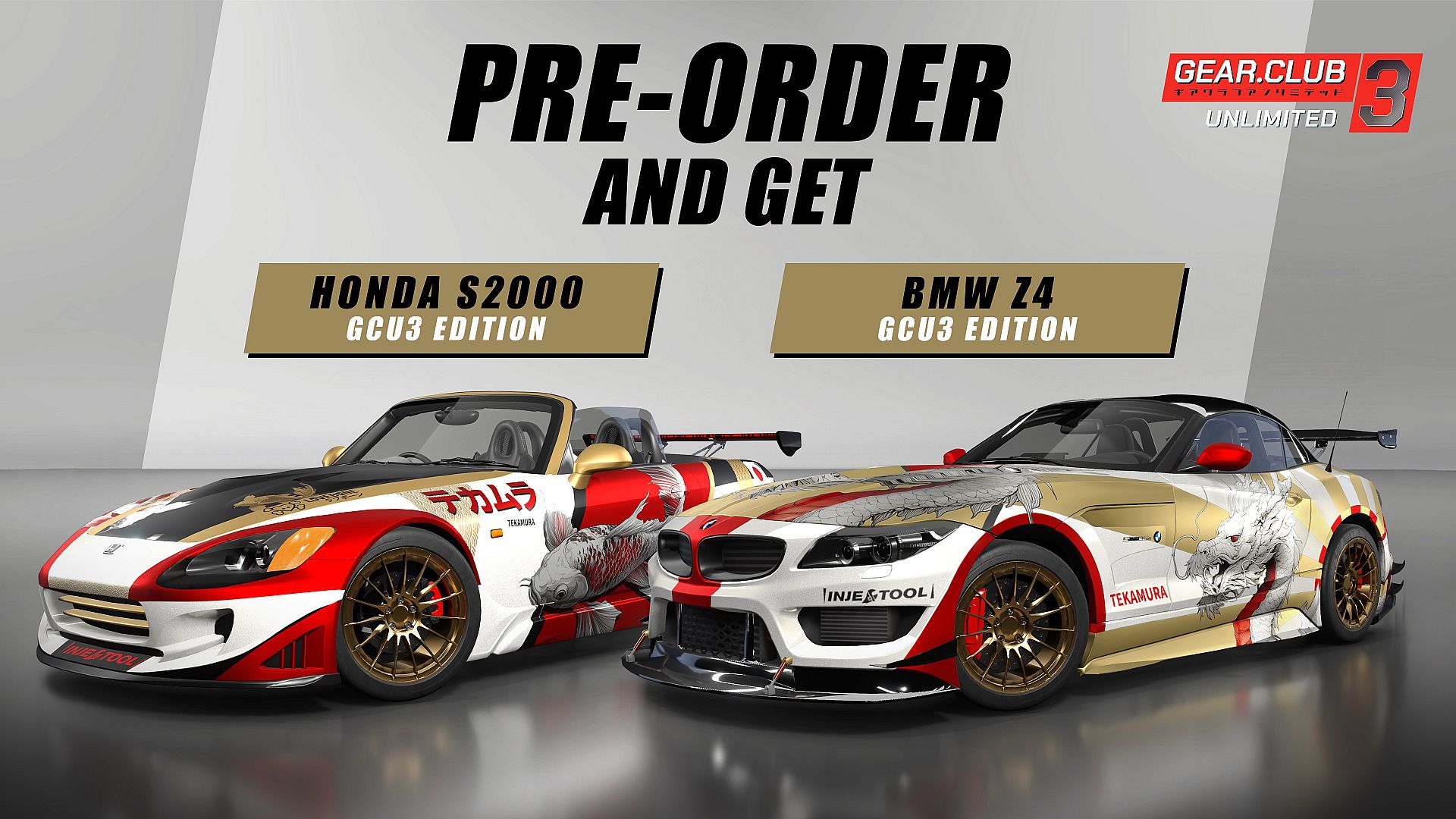
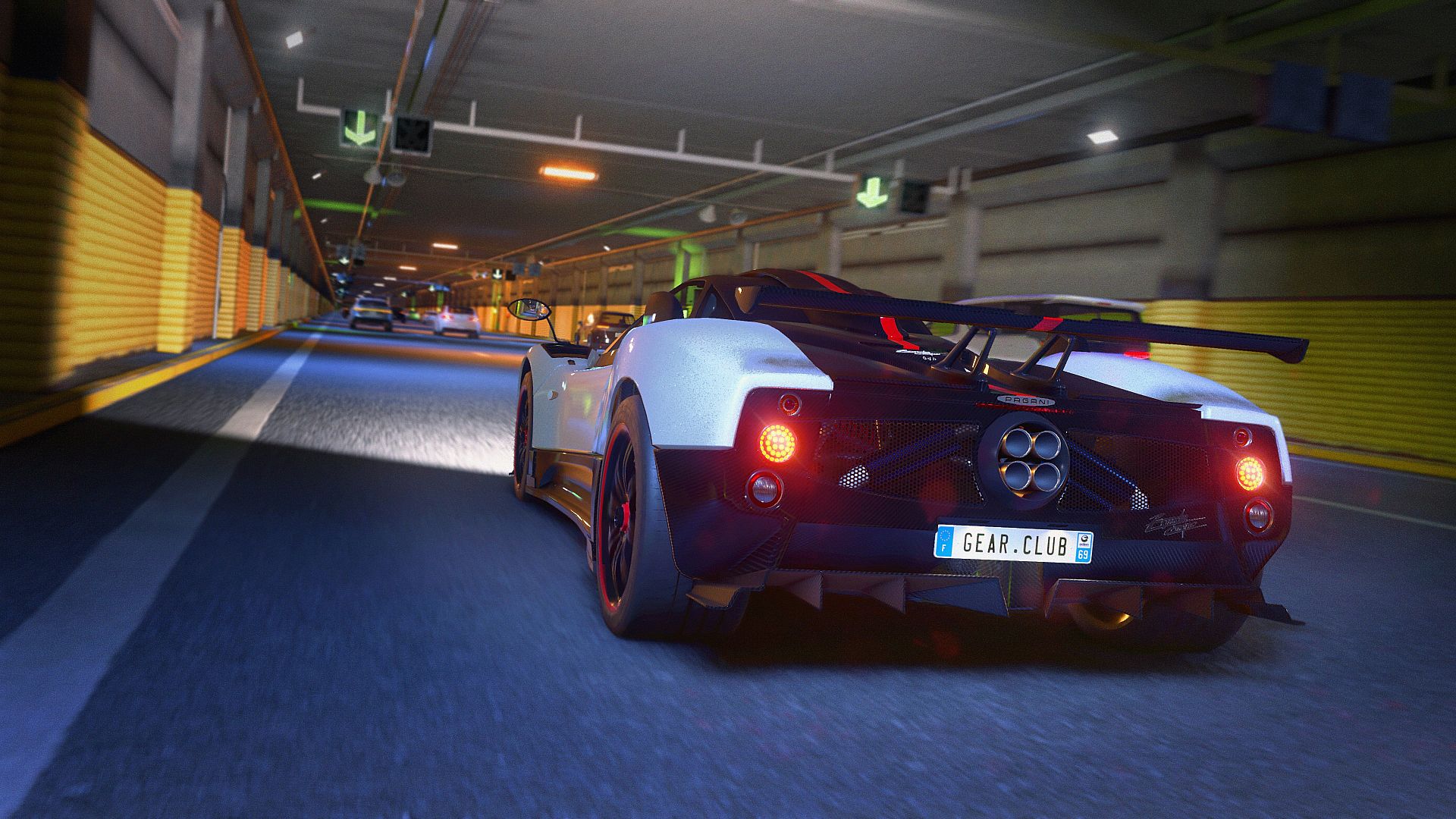
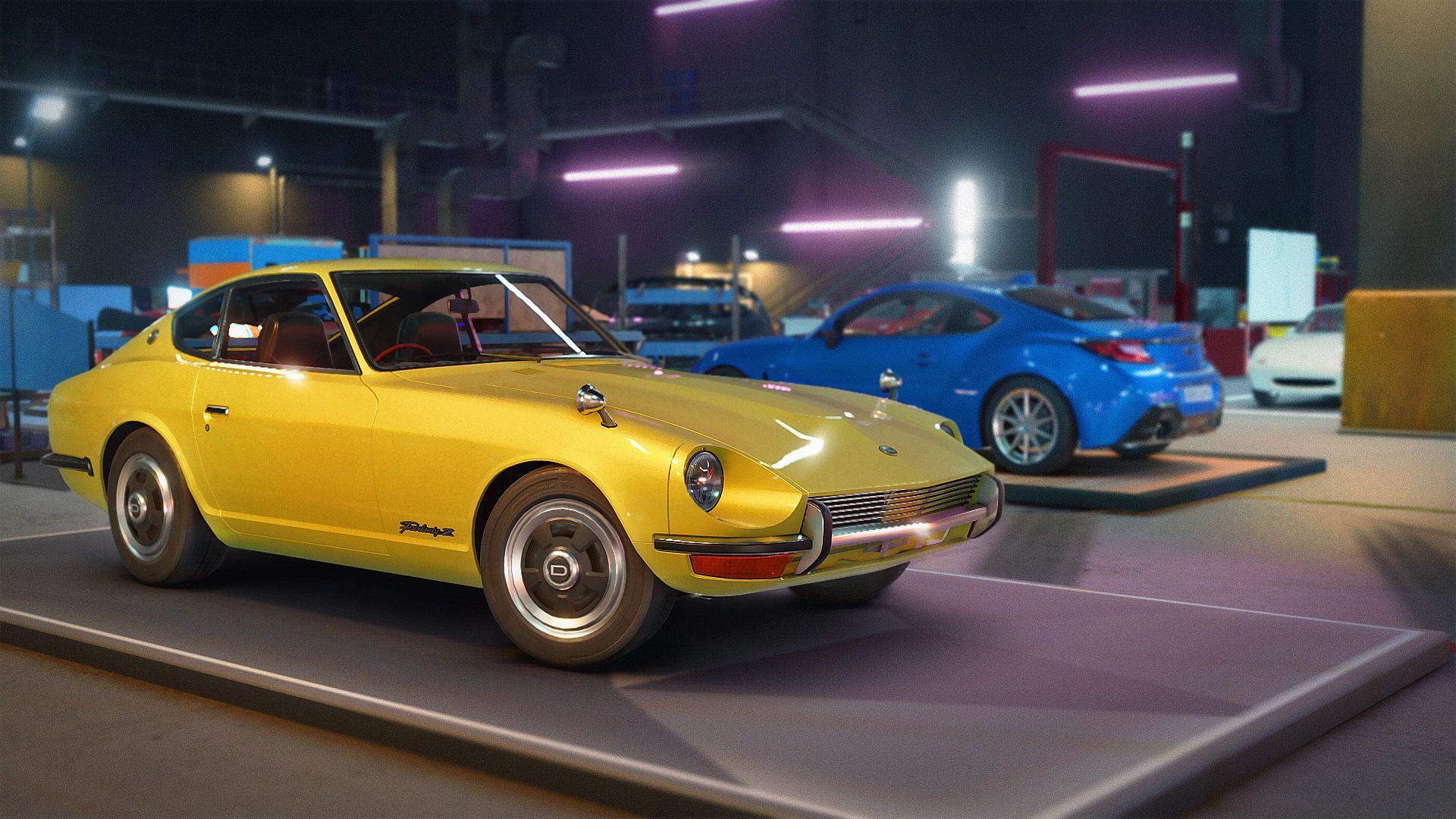
The core loop centers on driving a selection of over 40 officially licensed cars from manufacturers including Alfa Romeo, Pagani, BMW, Bugatti, Porsche, Nissan, Subaru, Mazda, and Honda. Each vehicle features accurate recreations of cockpits, engines, and bodywork, with options to adjust paint, body kits, rims, and performance components such as suspension and power delivery. These changes directly influence lap times and handling characteristics during races.
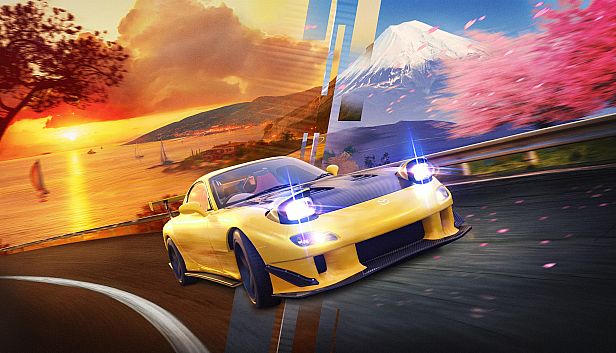
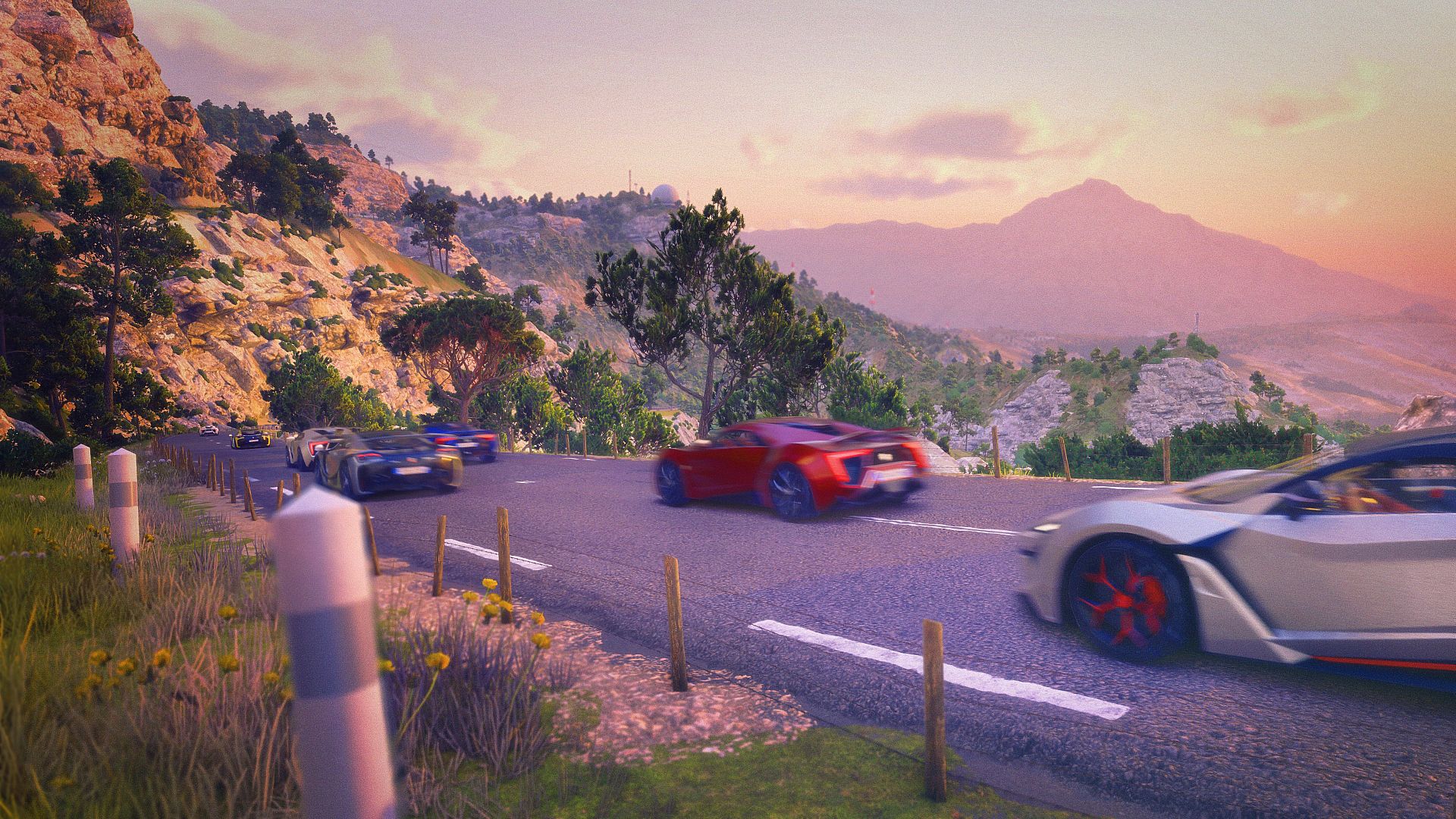
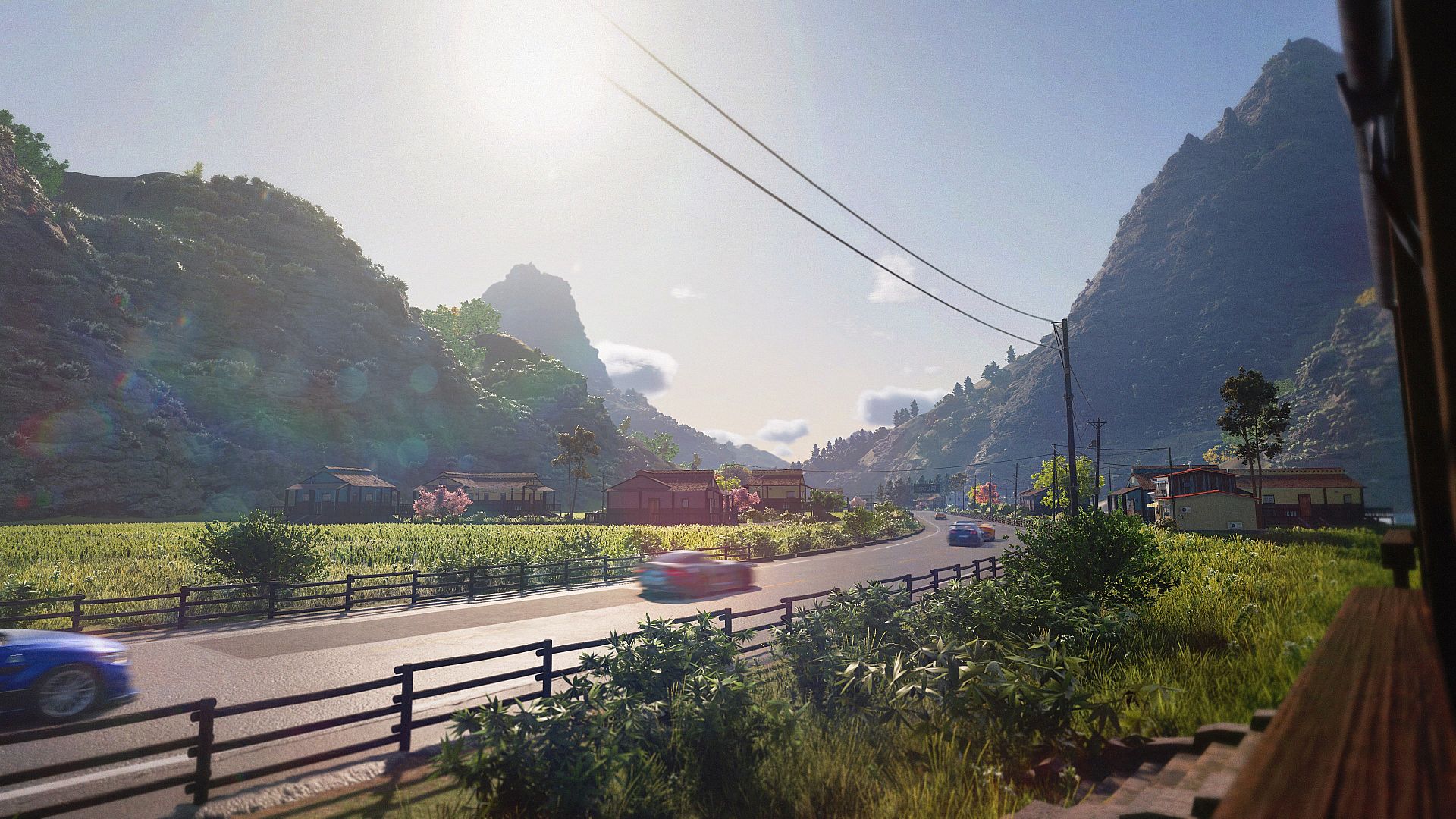
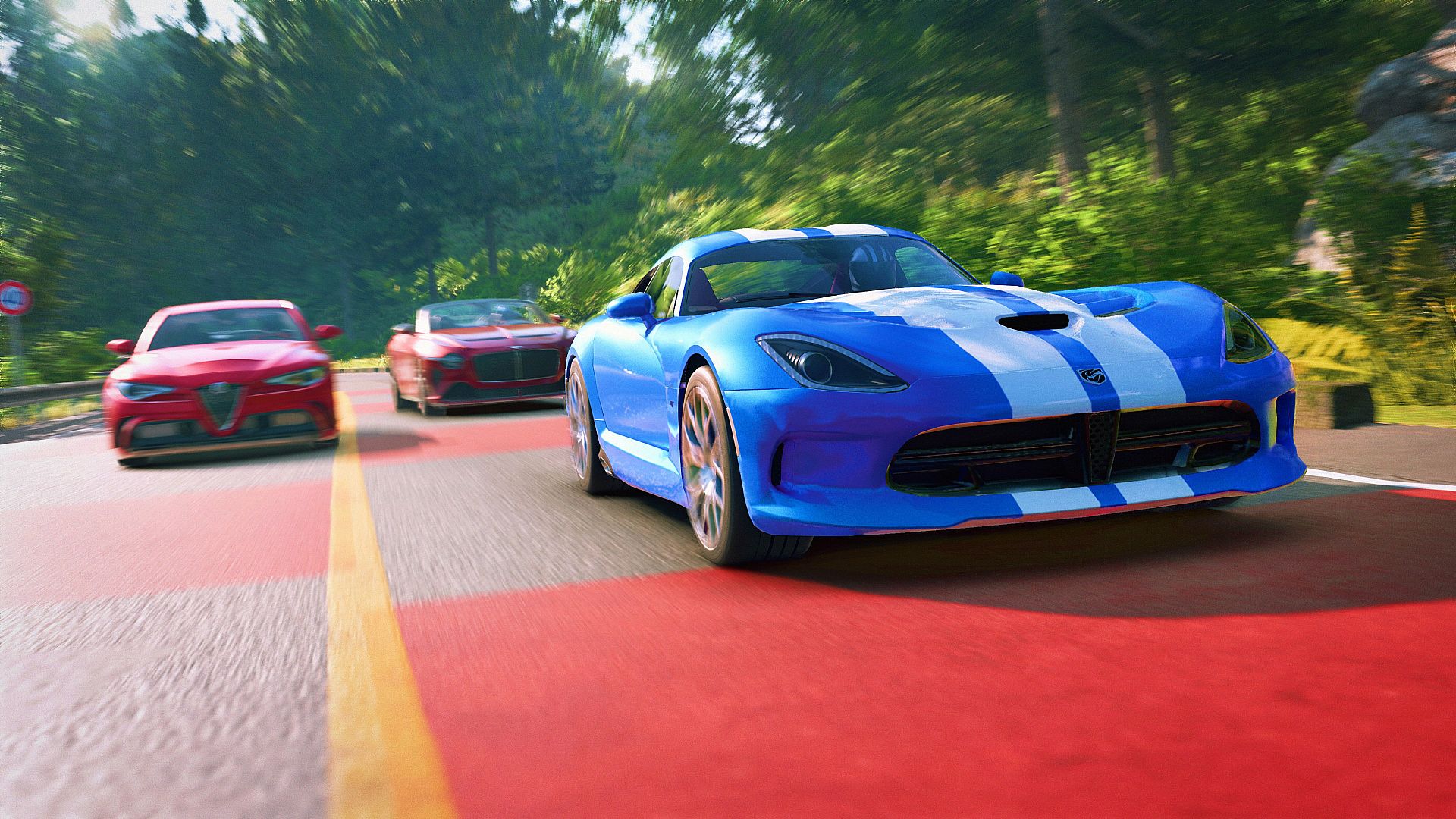
Tracks span approximately 50 routes that combine winding coastal roads in the French Mediterranean region with mountainous and urban paths in Japan. Driving physics reward clean lines and precise inputs rather than aggressive contact, as crashes primarily slow momentum without visible damage accumulation. Players manage speed and traction on straights and corners while navigating variable conditions that affect grip.
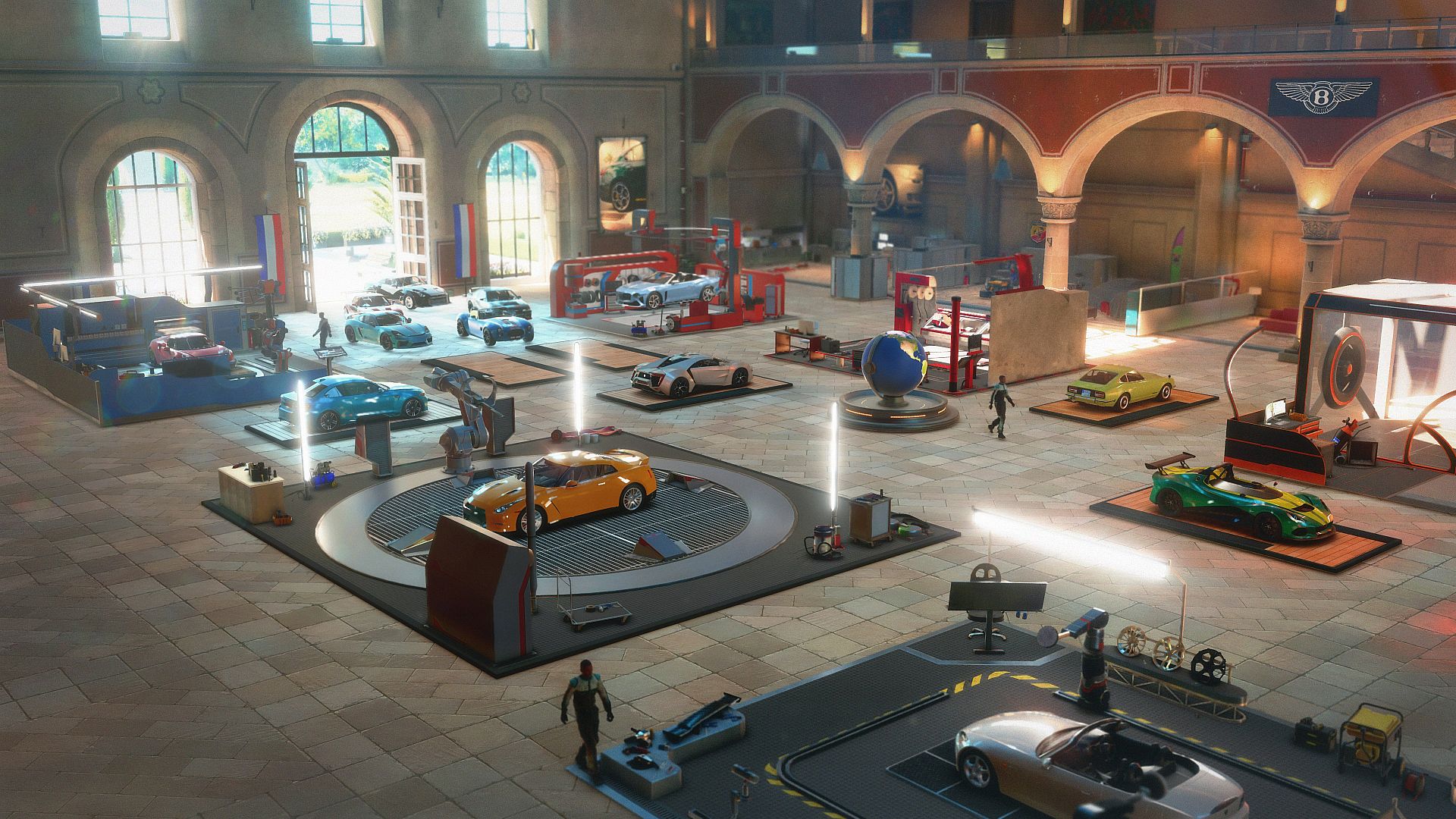
Progression involves earning resources through events to expand a garage and upgrade facilities. Workshop systems allow incremental improvements to car attributes, creating a loop where better performance unlocks access to more challenging competitions and additional vehicles.
Game Modes
Story mode forms the main single-player campaign. It tasks players with establishing and expanding a Gear.Club presence in Japan by participating in events, recruiting talent, and making decisions that shape club growth across both France and Japan locations.
Free Play provides a sandbox option for selecting any unlocked track, car, and opponent count without campaign restrictions. Time Attack challenges focus on setting personal best lap times on individual routes.
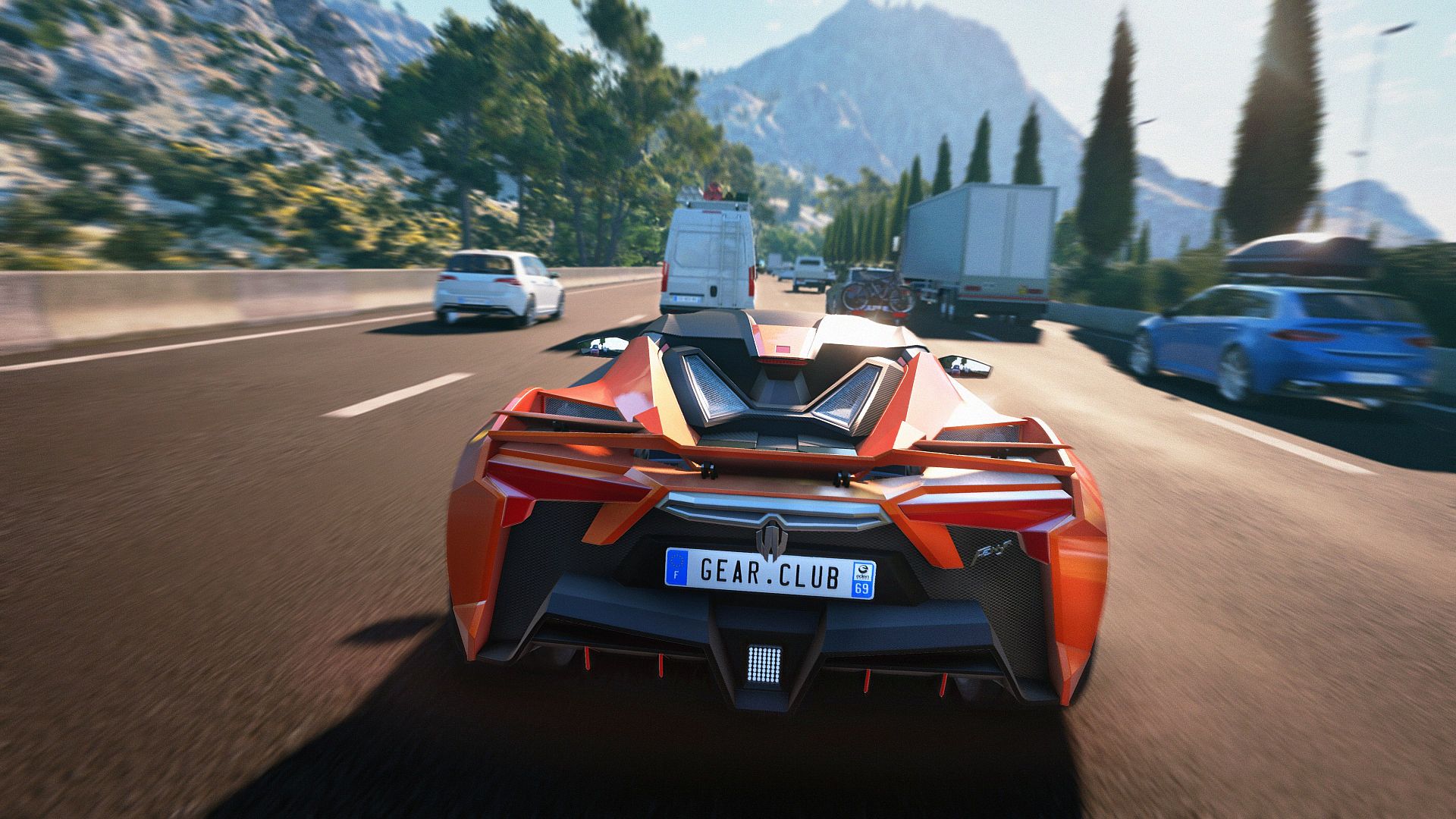
Standard races involve multi-car competitions on closed circuits or point-to-point routes. Duel events pit two drivers against each other on open roads, where maintaining a lead depletes an opponent's health meter over time. Highway modes introduce traffic-dense sections on French and Japanese roads, requiring players to weave through civilian vehicles while sustaining high speeds and avoiding collisions to reach the finish first or maximize scores in rush variants.
Local split-screen support allows two players to compete together in most modes, though online multiplayer features are not available.
Customization and Progression
Beyond basic performance tweaks, players can extensively modify vehicle aesthetics and mechanics to suit individual preferences. Garage management adds another layer, where resources fund facility expansions that provide ongoing benefits like faster upgrades or new part availability. This system ties directly into story mode choices, encouraging repeated play to optimize both cars and club infrastructure.
Visual fidelity highlights detailed car models and environments, with performance options balancing frame rates and graphical quality depending on hardware capabilities.
Is It Worth Playing?
Reception for Gear.Club Unlimited 3 has been mixed, with critic averages around the low-to-mid 60s on aggregate sites. Strengths highlighted include the licensed car roster, depth of workshop upgrades, and the addition of highway events that add variety to standard racing. The story mode offers substantial length for single-player focus, and local co-op provides some shared enjoyment.
Criticisms center on inconsistent artificial intelligence, limited online options, occasional technical hiccups, and a handling model that some find too forgiving or unpredictable at higher difficulties. The car count and track variety receive praise for quality but notes on overall scope compared to larger racing titles.
The game suits players who enjoy single-player career progression, car collection, and arcade-style racing without heavy simulation demands. Those seeking robust online competition or highly realistic physics may find it less compelling. Availability on Xbox Series and PC platforms expands access for those platforms' audiences once released.